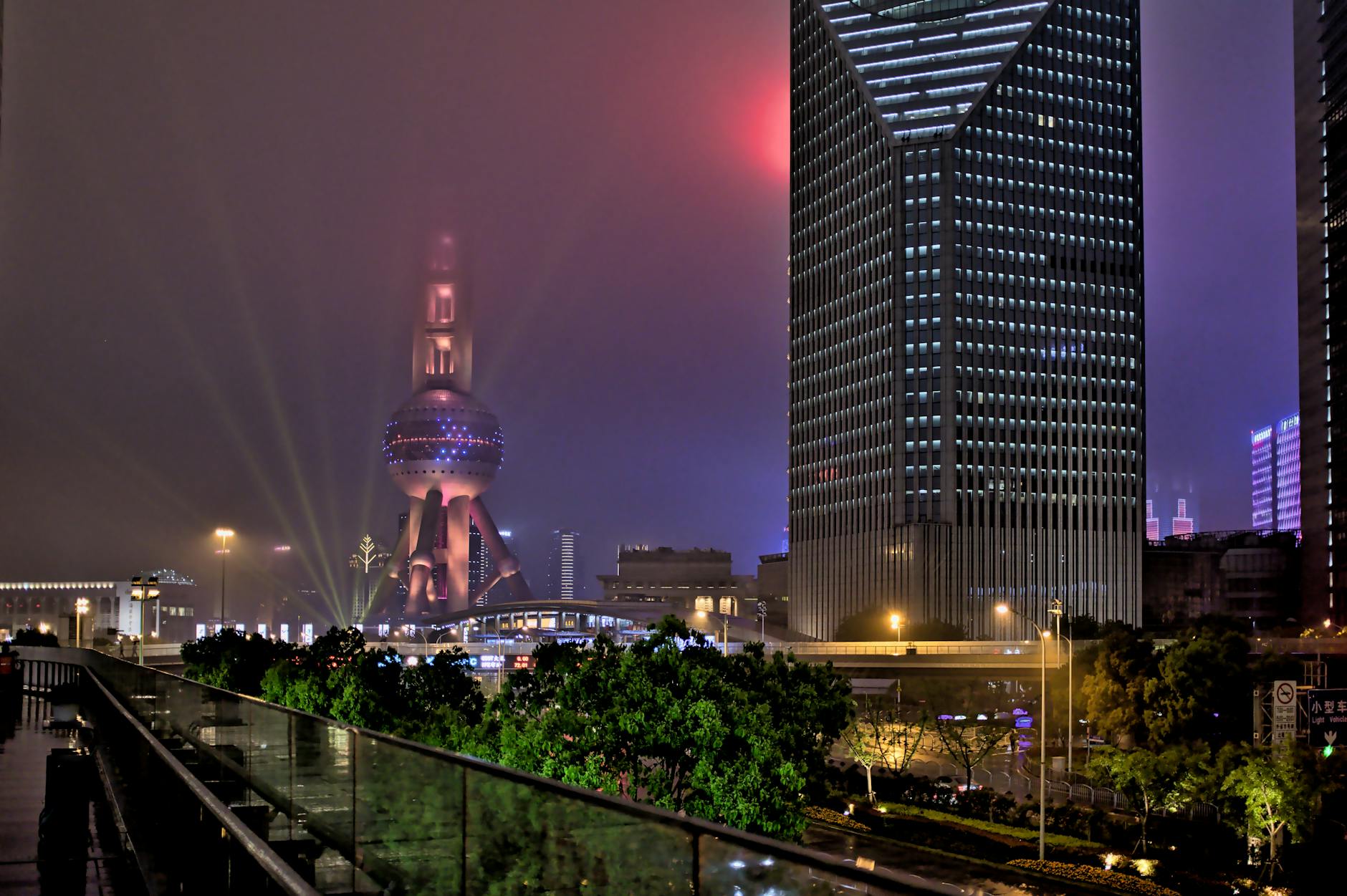
Shanghai is the easiest city in China to eat well in, and one of the hardest to eat badly in. A breakfast crepe from a cart costs about $1.50. A basket of soup dumplings at a hundred-year-old shop costs $4. A ten-seat tasting menu at Ultraviolet costs more than a flight from London. All three are worth it. This guide works from the street up. It covers breakfast and the night stalls, the dishes that are specifically Shanghainese, the cafe and fine-dining scenes, and where cooking classes and food tours fit in.
Two practical notes before the food. First, nearly every stall and restaurant runs on Alipay or WeChat Pay. Link a foreign card to one of the apps before landing. Cash works, but change is slow and some carts have none. Second, Shanghai eats early. Breakfast stalls are busiest between 7 and 9 a.m., and the famous dumpling shops sell out of their best items by noon.
Shanghai’s Food Starts on the Street
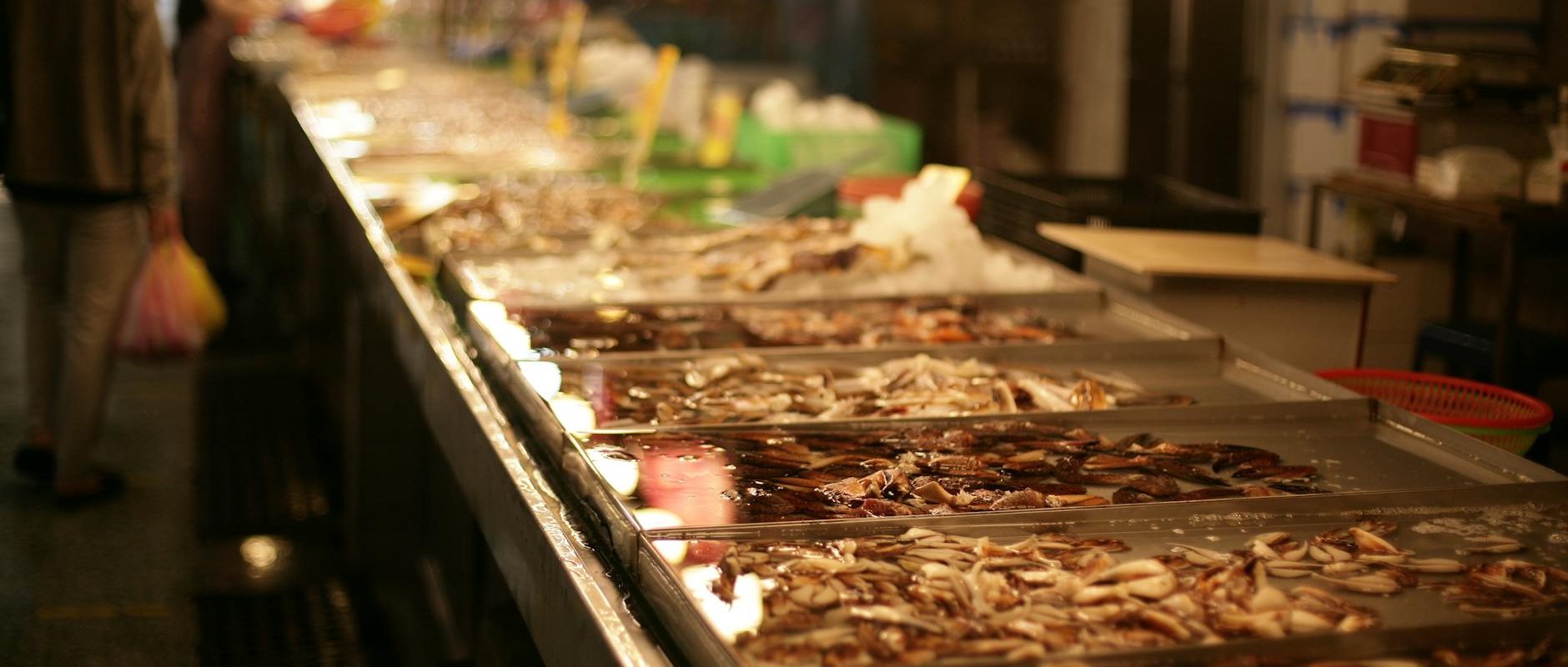
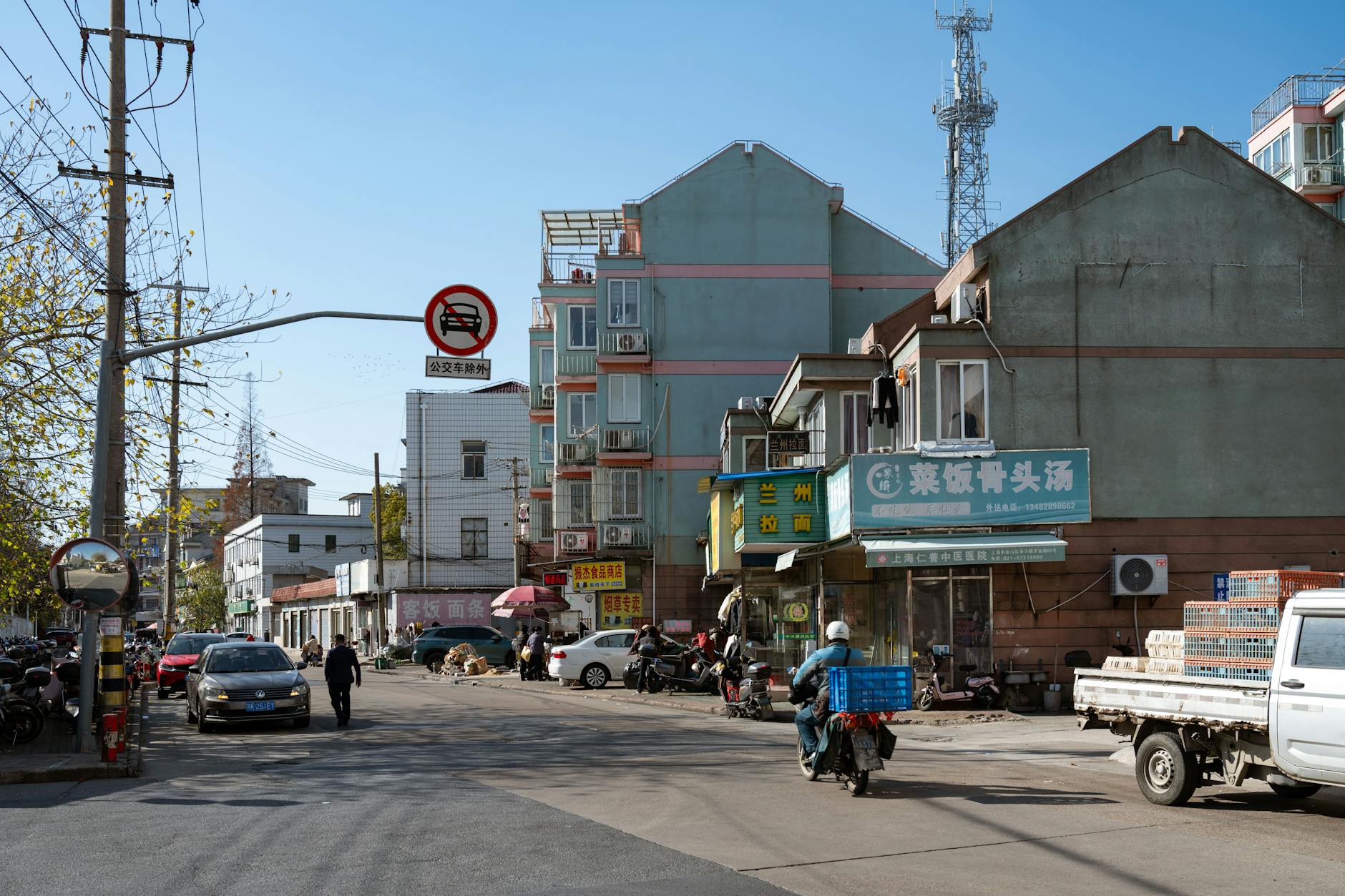
Street food in Shanghai is not a tourist attraction, it is how a large part of the city eats on a weekday. Carts and hole-in-the-wall counters open before dawn around metro exits and residential lanes, sell out, and close by mid-morning. A second wave appears after dark on the food streets. Skipping all this means missing the half of Shanghai cooking that never makes it onto a restaurant menu.
Prices are low enough that ordering badly costs nothing. A pan-fried shengjianbao bun is about 2 yuan, a jianbing crepe 8-12, a bowl of scallion oil noodles 10-15. Hygiene at busy stalls is fine, since the turnover is fast and everything is cooked in front of you. Pick the cart with a queue of office workers. Point at what the person ahead ordered. Pay by scanning the QR code taped to the counter. Sightseeing can wait.
Breakfast the Local Way
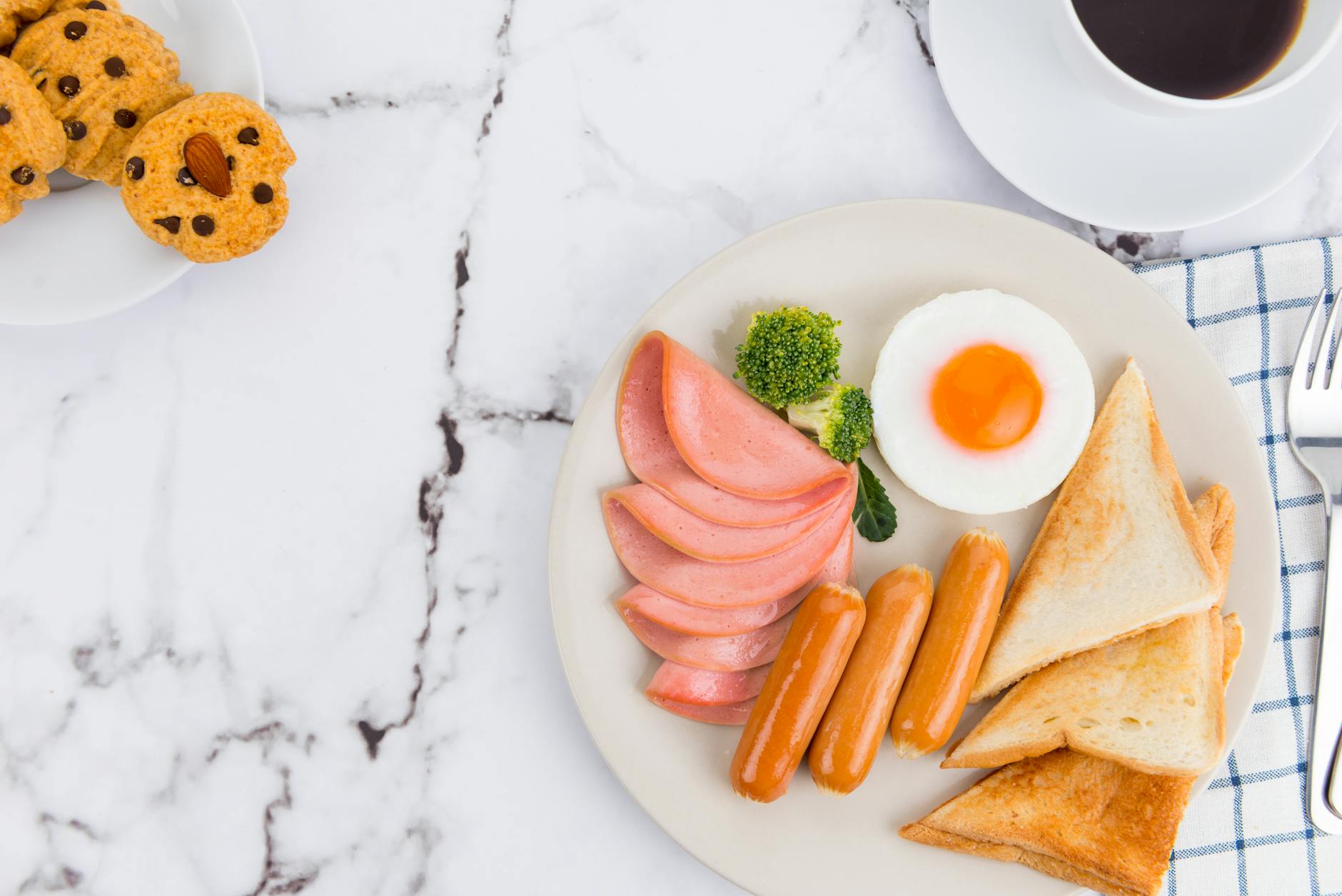
Mornings belong to the “four warriors” of Shanghai breakfast: fried dough sticks, soy milk, glutinous rice rolls and sesame flatbread. The one visitors take to fastest, though, is jianbing. A cook spreads mung-bean batter on a hot drum and cracks an egg over it. Scallions, coriander, hoisin and chili go on next, then a crisp cracker. The whole thing is folded into a parcel in under a minute. It costs 8-12 yuan. It holds you until lunch.
Shengjianbao are the other morning essential: thick-skinned pork buns fried in a huge shallow pan until the bottoms turn golden, then showered with sesame and scallion. Inside is scalding broth, so bite a small hole first and let the steam out. Yang’s Fry-Dumpling, a chain found near most metro stations, sells four for around 10 yuan. It is a safe first stop. Da Hu Chun near People’s Square makes the older, breadier style. Noodle people should look for cong you ban mian: plain noodles tossed in scallion oil and soy, 10-15 yuan a bowl. Somehow it is more than the sum of its parts. Any breakfast from this list comes in under 15 yuan, which makes it the cheapest meal of the day by a wide margin.
Night Stalls on Huanghe and Yunnan Roads
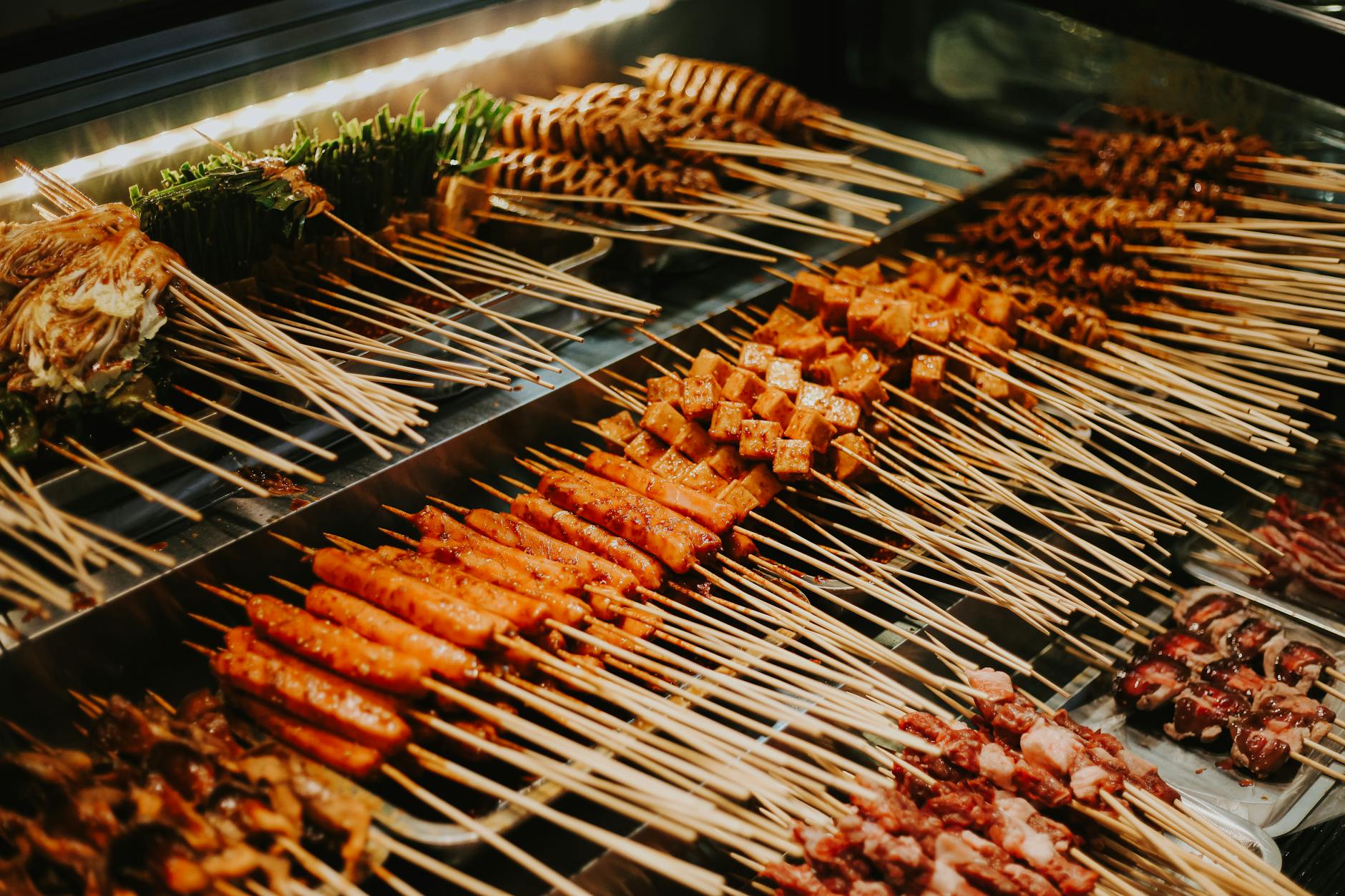
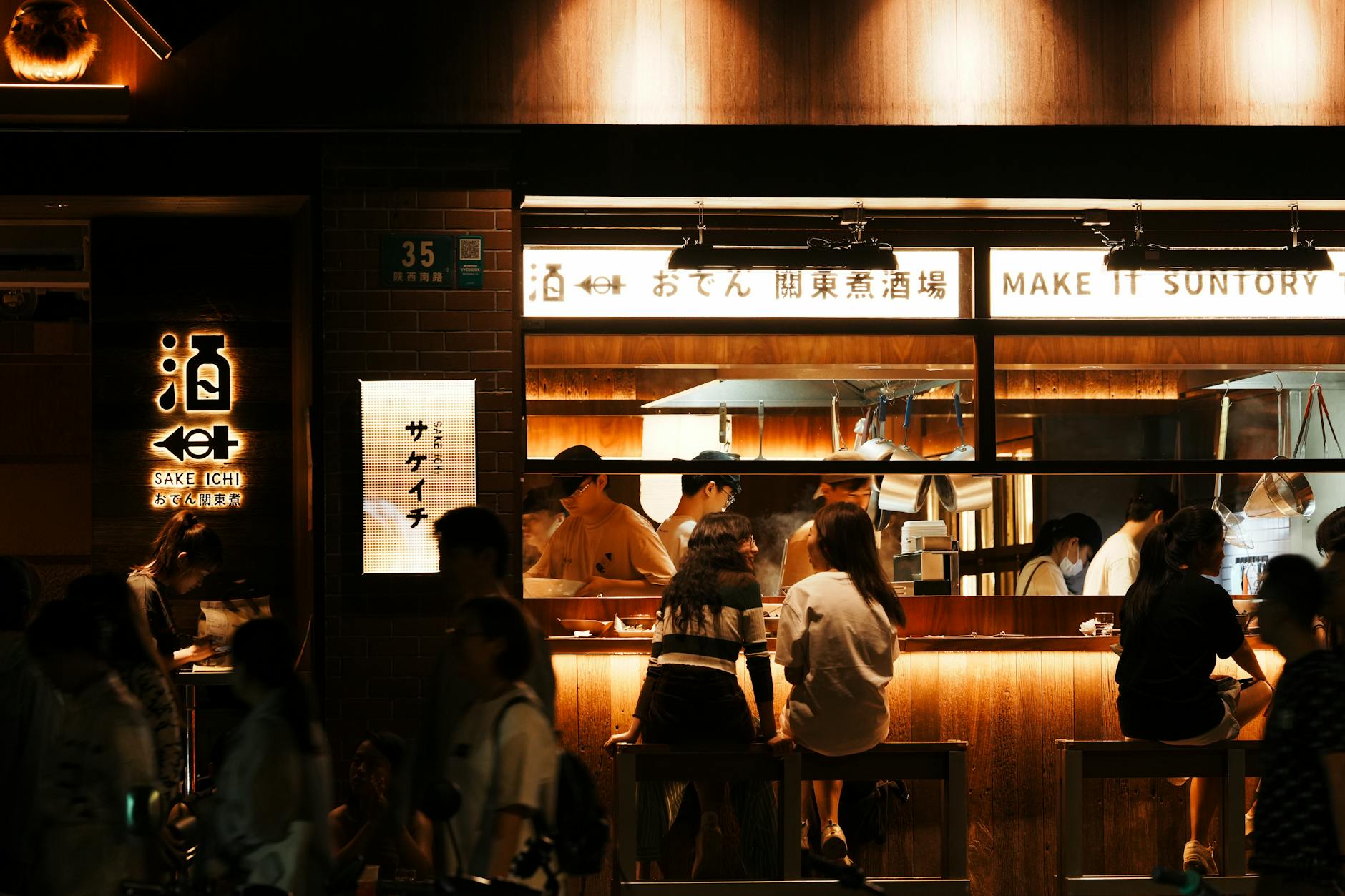
After dark the menu changes. Charcoal grills come out. The air fills with cumin and chili from chuan’r: skewers of lamb, chicken, squid, tofu and whole green peppers, 3-8 yuan each. Ten skewers and a bottle of local beer make a dinner for under 60 yuan.
Chou doufu, fermented “stinky tofu,” announces itself from half a block away. Deep-fried until crisp and doused in chili sauce and pickled cabbage, it tastes far milder than it smells. A portion costs about 10 yuan. Wonton and dumpling counters fold to order all evening. Two streets concentrate all of this. Huanghe Road runs just north of People’s Park. South Yunnan Road sits near Dashijie metro. Both are lined with small restaurants that have been there for decades. Neither is a nightlife district, so expect families and retirees at the tables rather than bars. For the view after dinner, an evening Huangpu River cruise leaves from the Bund a 15-minute walk away and runs about an hour.
What Makes Shanghai Cooking Shanghainese
Local cooking, called Hu cai or Benbang cai, is sweeter and darker than most visitors expect from Chinese food. Soy sauce, sugar, Shaoxing rice wine and black vinegar do most of the work. The signature technique is red-braising: simmering meat slowly in that mixture until the sauce turns glossy. There is almost no chili. Next to Sichuan food it is gentle. Next to Beijing food it is sweet. Next to Cantonese it is heavier and more rustic.
Two things explain the style. Shanghai sits where the Yangtze meets the sea, so freshwater fish, river shrimp and crab are everywhere. The surrounding Jiangnan region grows the sugar cane and brews the rice wine. Dishes to look for on a menu: red-braised pork, drunken chicken marinated in rice wine, smoked fish that is actually fried and glazed, and lion’s head meatballs the size of a fist. Family-run places in the old lanes of Huangpu and Jing’an serve all of these for 30-60 yuan a dish. A table of four eats well for 250 yuan.
Xiaolongbao and Wontons
Xiaolongbao, the soup dumpling, is Shanghai’s best-known export, and it comes from Nanxiang, a town now inside the city limits. Each dumpling is pleated 18 times or more around pork and a cube of gelatinized stock that melts into broth as it steams. Technique matters. Lift one by the top with chopsticks and set it on a spoon. Bite a corner and drink the broth. Then eat the rest with a few threads of ginger dipped in black vinegar. Biting straight in sends 90-degree soup down your shirt.
Nanxiang Steamed Bun Restaurant has been selling them at Yu Garden since 1900. The ground-floor takeaway window has a long queue and a basket of 16 for about 25 yuan. Upstairs rooms cost more and seat you faster. A Yu Garden entry ticket gets you into the Ming-dynasty garden next door for a walk between baskets. Across town, Jia Jia Tang Bao on Huanghe Road is the local favorite: small, cash-and-QR, open from early morning and usually sold out by 1 p.m. Wontons are the humbler cousin, thin-skinned parcels of pork and shepherd’s purse greens in a clear broth, 12-20 yuan a bowl at any neighborhood shop. Small places with handwritten menus and a grandmother folding at the back table are the ones to trust.
Pork, Crab and Other Local Favorites
Hongshao rou, red-braised pork belly, is the dish every Shanghainese grandmother has an opinion about. Cubes of belly are blanched and caramelized in sugar. Then they braise in soy and rice wine for an hour or more, until the fat turns translucent and the sauce coats a spoon. Good versions come with hard-boiled eggs or dried tofu knots soaked in the braise. Expect to pay 50-80 yuan in a neighborhood restaurant.
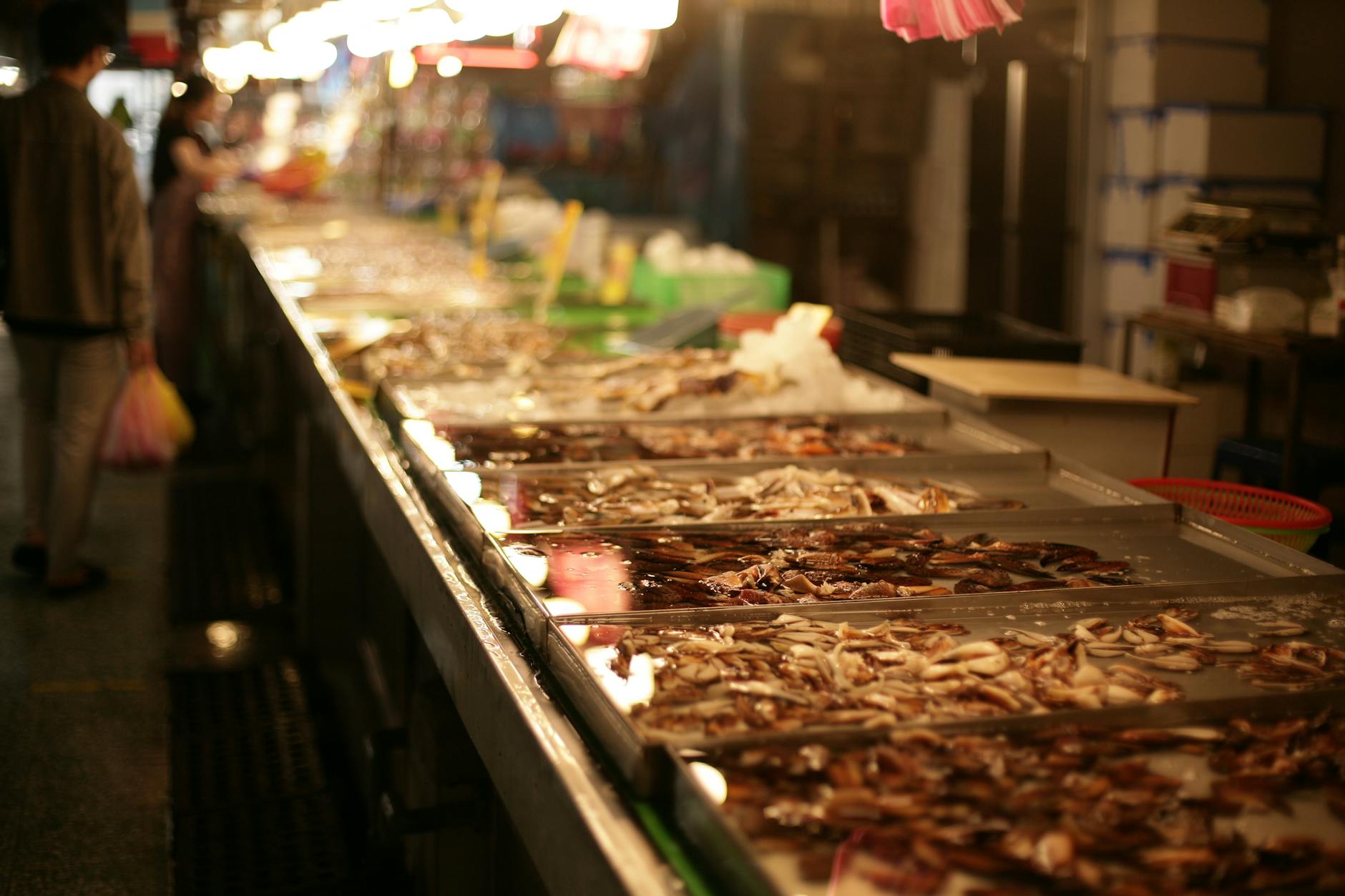
From late September to December the city eats dazhaxie, hairy crab from Yangcheng Lake an hour west of the city. Crabs are steamed whole and served with ginger vinegar and warm yellow wine. Females with roe are prized in October, males with their rich “cream” in November. Prices run from about 60 yuan for a small crab at a market stall to several hundred at a restaurant, and climb with weight. Year-round, order congyou xia, river shrimp flash-fried with scallions, and youbao xia, the same shrimp glazed in sweet soy. An hour west of the center, Zhujiajiao water town sells zongzi rice parcels and braised pork trotters from doorways along the canals. A day bus to Zhujiajiao leaves the city at 9 a.m. It is the simplest way to see the town and be back on the Bund by evening.
Where to Eat in Shanghai by Budget
A rough map of what a meal costs in Shanghai: street breakfast under 15 yuan, noodle or dumpling shop 20-40, neighborhood restaurant 60-100 per person with a drink, cafe lunch 50-100, mid-range restaurant with a view 200-400, fine dining from 500, Michelin tasting menus 1,000 and far beyond. Mixing levels is how locals do it, with a 10-yuan breakfast and a 300-yuan dinner on the same day. Rankings change every year, so the reliable guide is still a full room at 7 p.m. and a short menu.
Cafes and Casual Meals
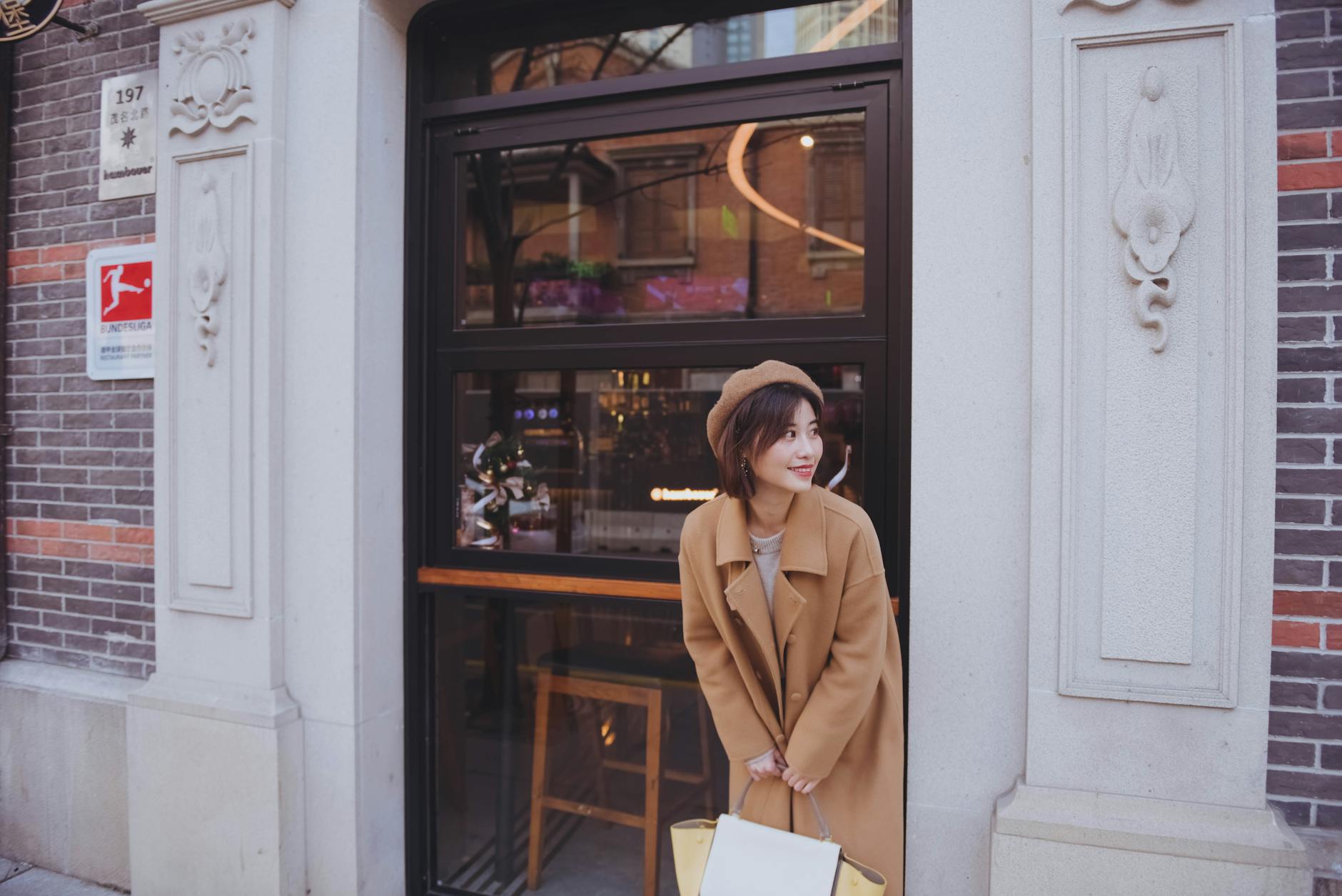
Shanghai has more coffee shops than any other city in the world, several thousand of them. The densest cluster is in the former French Concession. Anfu Road, Wukang Road and the lanes around them have a cafe every few doors, mostly independent, with pour-overs at 30-45 yuan and pastries that would pass in Paris. Plane trees shade the pavements, and the 1920s villas behind them explain why the area looks the way it does. A Wukang Road walking tour with a resident storyteller covers the architecture and the history of the district in about two hours, and ends conveniently near the cafes.
Beyond coffee, the same streets hold tea houses, bakeries, and small restaurants serving one thing well: a bowl of braised pork rice, a plate of fried rice cakes, a set lunch for 50-80 yuan. Tea houses in the old town around Yu Garden pour longjing and oolong by the pot for 60-100 yuan, refilled with hot water for as long as you sit. None of this needs a reservation. Lunch between 11:30 and 1 is the busiest hour.
Fine Dining and the Bund
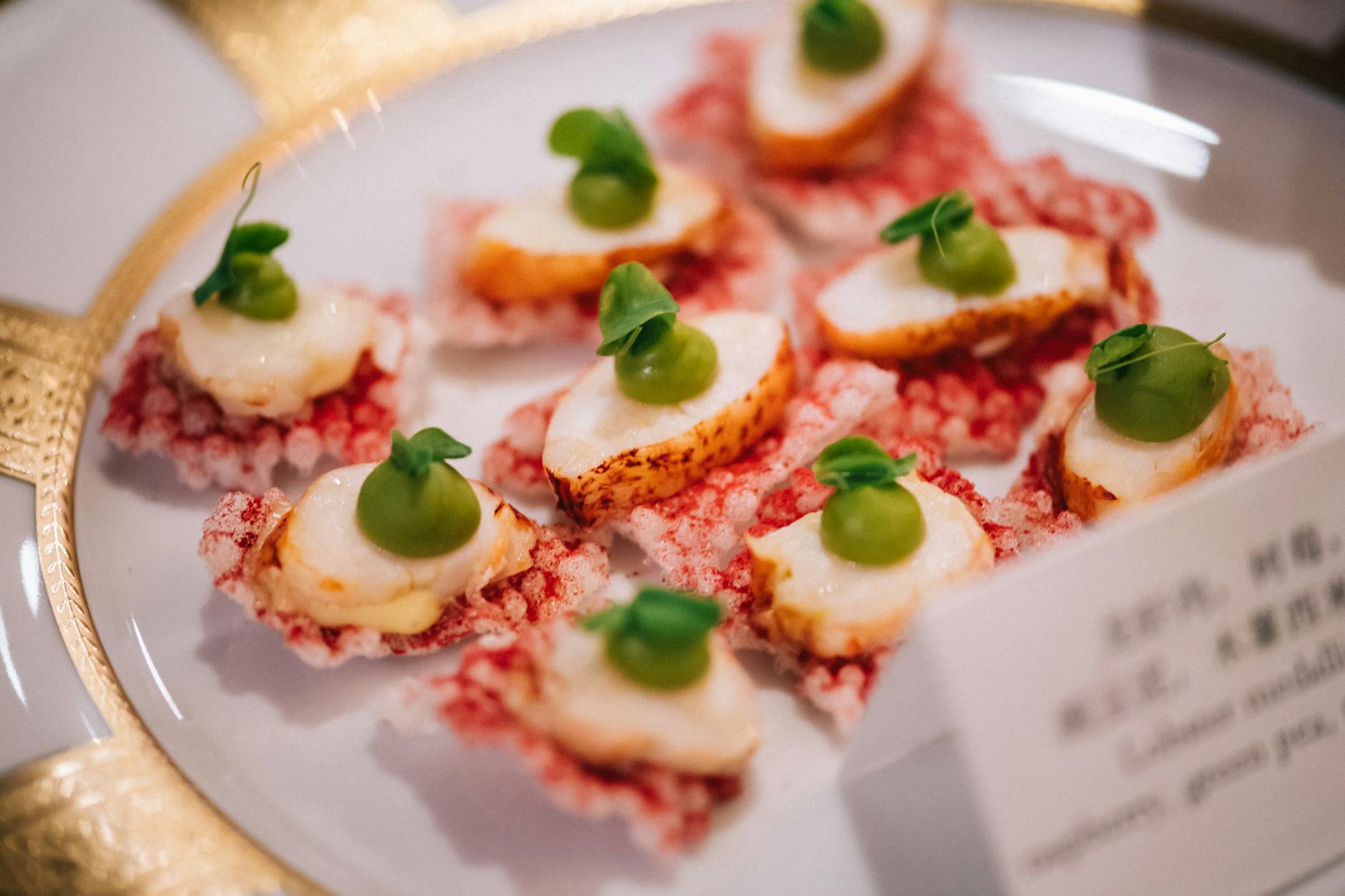
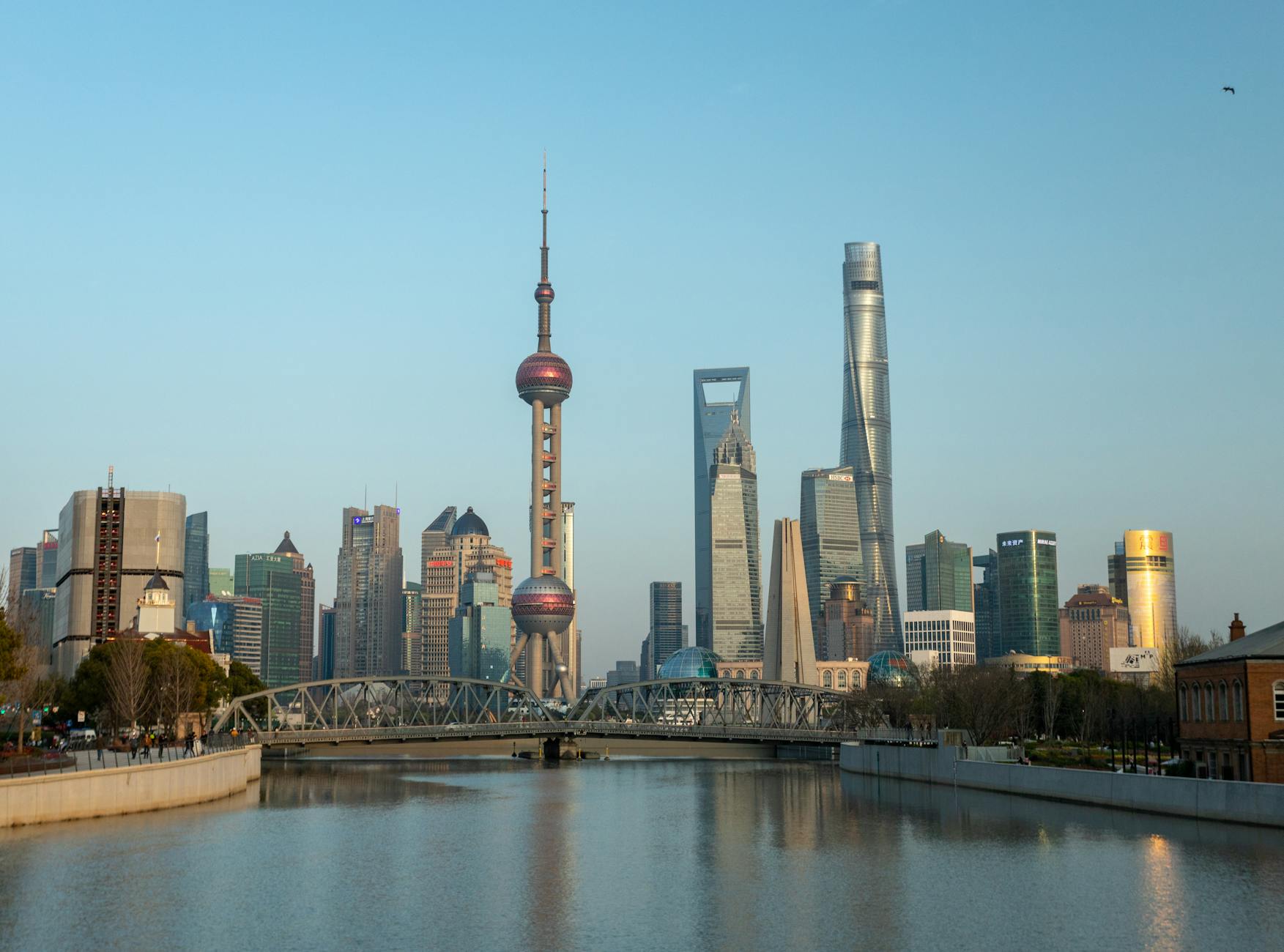
Upmarket dining concentrates in two places. One is the row of historic bank buildings along the Bund, with terraces facing the Pudong skyline. The other is the hotel towers across the river in Lujiazui, looking back at the Bund. Dinner on the Bund at Three on the Bund or Bund 18 runs 400-800 yuan a head with wine. Sunset tables are booked a week or more ahead. Across the water, the restaurants inside Pudong Shangri-La Shanghai and The Ritz-Carlton Shanghai, Pudong have the reverse view, with the Bund lit up at 7 p.m. Staying in one of these towers puts the view outside your window and the Lujiazui metro station downstairs.
Menus at this level split between refined Shanghainese and Cantonese cooking and European kitchens run by expat chefs. Expect tasting menus from 500 yuan, a dress code that stops at smart casual, and a 10-15 percent service charge that is not standard elsewhere in the city. Book through the restaurant’s WeChat account or ask your hotel concierge. Many top tables do not take email reservations.
Michelin Stars and World Cuisines
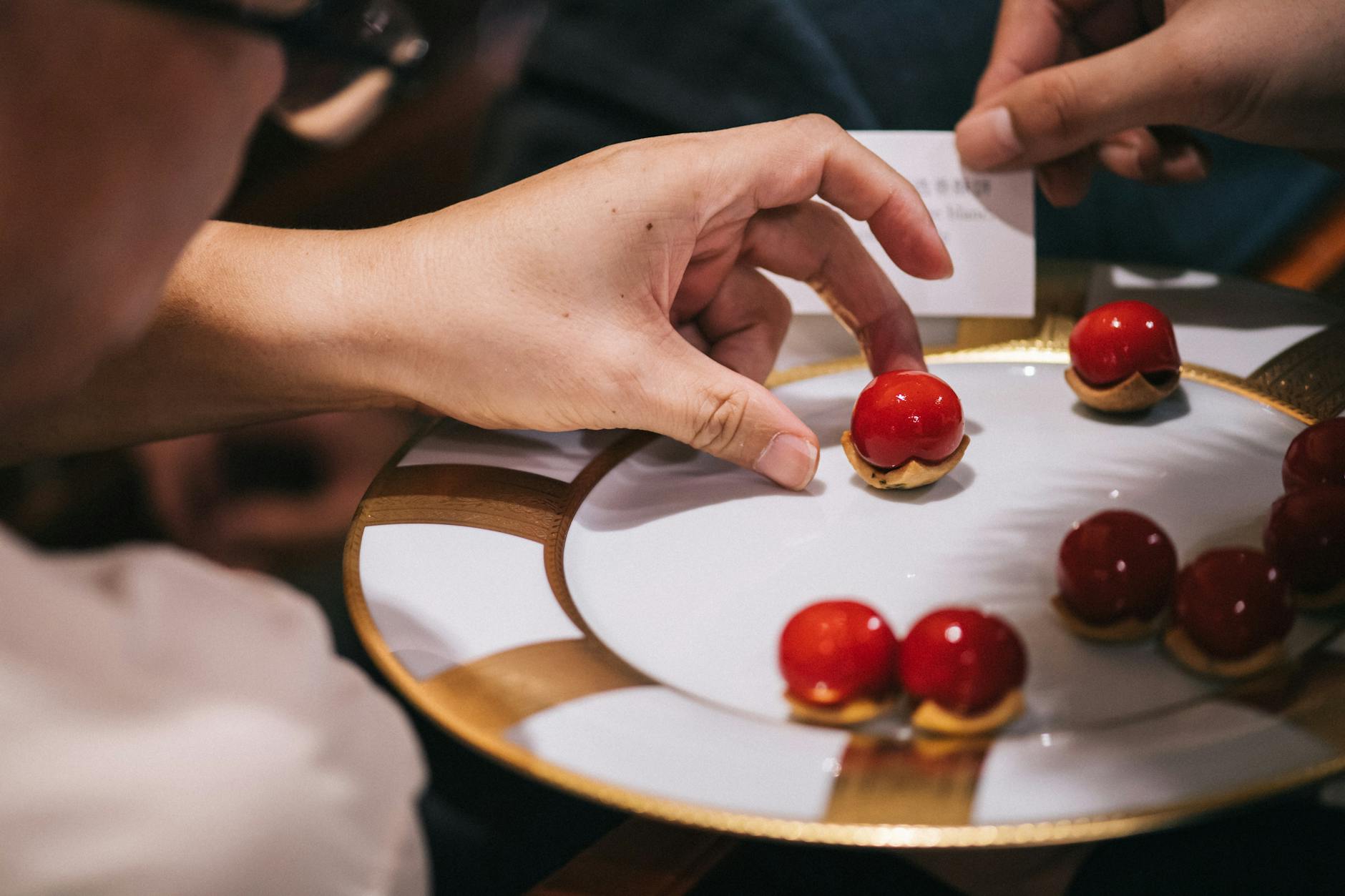
Shanghai was the first city in mainland China to get a Michelin guide, in 2016. It now lists dozens of starred restaurants plus a long Bib Gourmand section of cheap places. For most travelers the second list is the useful one. Stars go to Shanghainese, Cantonese and Huaiyang kitchens as well as French and Japanese ones. The range is wide. A one-star dumpling house where lunch costs 100 yuan sits in the same guide as a three-star tasting menu at 6,000.
Foreign kitchens are strong because the city has hosted large expat communities for over a century. Italian, Japanese, Korean, Thai and Indian restaurants are everywhere, and quality at the top end matches the home countries. The practical upshot: a week here does not have to be a week of Chinese food. Good cheese, bread and sashimi-grade fish are easier to find than anywhere else in the country.
Starred Restaurants Worth the Booking
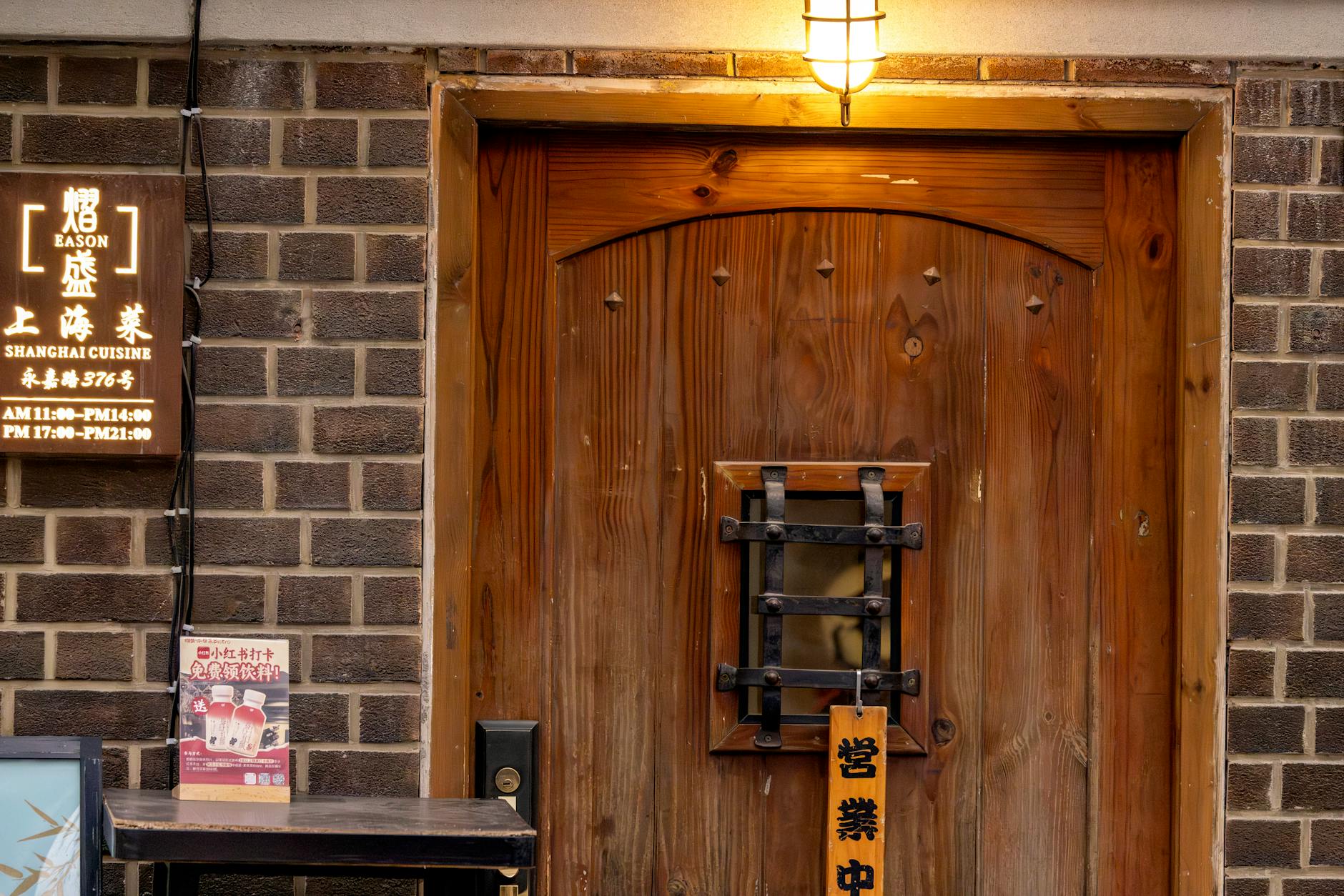
Ultraviolet by Paul Pairet is the one everybody has heard of. Ten guests a night are collected from a meeting point and driven to a secret location. There, 20 courses arrive with synchronized projections, sound and scent for each dish. It holds three stars and costs roughly 6,000 yuan a person before drinks. Seats are released months ahead and gone within hours. Taian Table, also in the French Concession, does a contemporary European tasting menu at a counter facing the kitchen for about 2,000 yuan. Canton 8 earned its stars for Cantonese cooking at a fraction of those prices. Fu He Hui serves a vegetarian tasting menu in a converted villa, and it wins over dedicated carnivores. For any of these, book as soon as dates are fixed, confirm the dress code, and check whether the price includes the service charge.
The World on a Plate in Shanghai
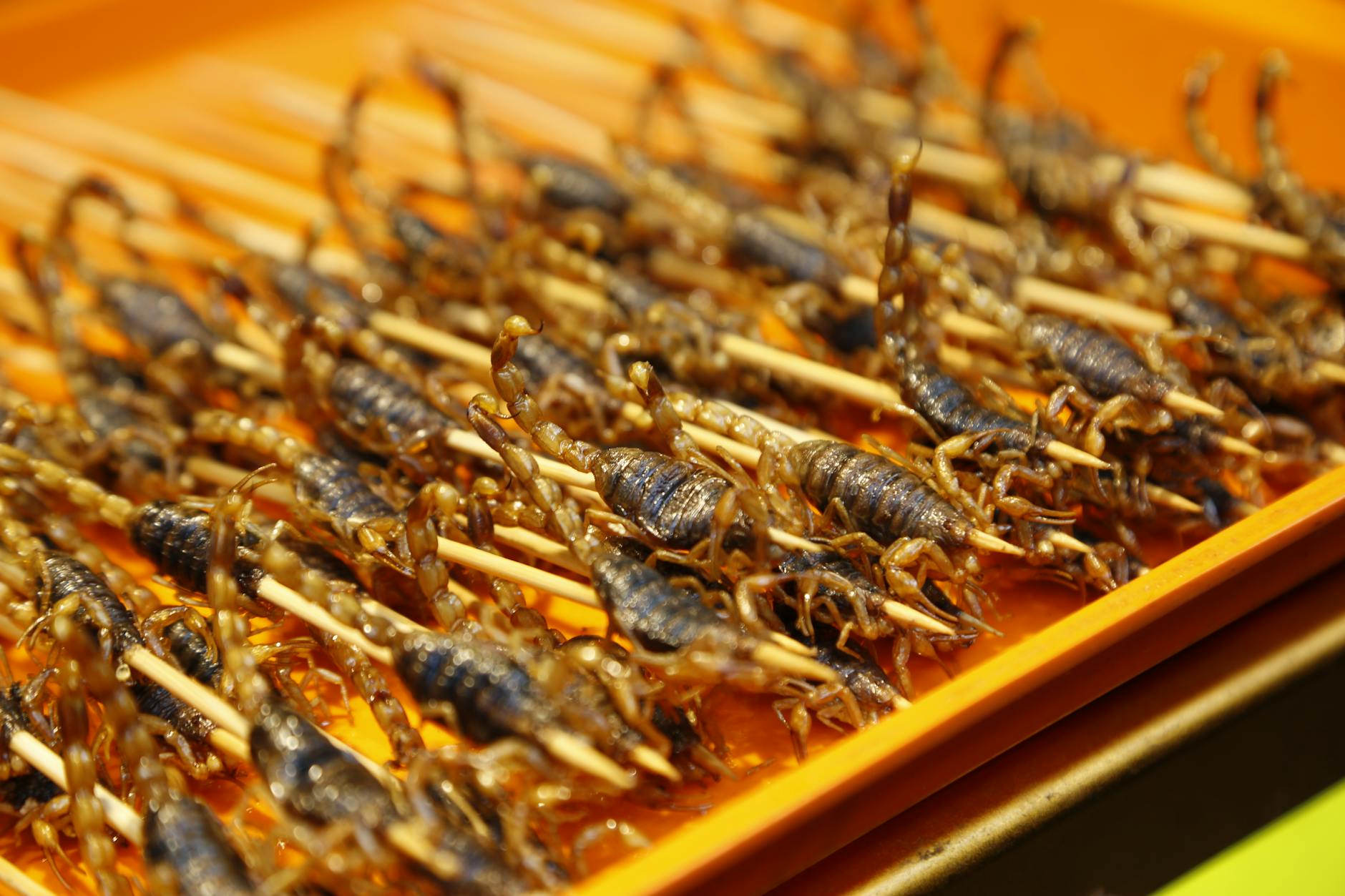
For a break from Chinese food, the French Concession bakeries sell croissants and sourdough as good as any in Europe. Bistros along Fuxing and Yongkang Roads do steak frites for 150-250 yuan. Japanese food is the strongest foreign cuisine in the city, with sushi counters from 200 yuan per person to omakase at 2,000, and ramen shops near every office tower. Gubei in the west is the Korean district, with barbecue and late-night soju. Indian and Thai restaurants cluster in Jing’an and the Concession. For something theatrical, the Han-dynasty palace banquet is a costumed dinner show with a set menu of historical dishes. It is closer to a performance than to a restaurant. For a group it makes a reasonable one-off.
Cooking Classes and Food Tours
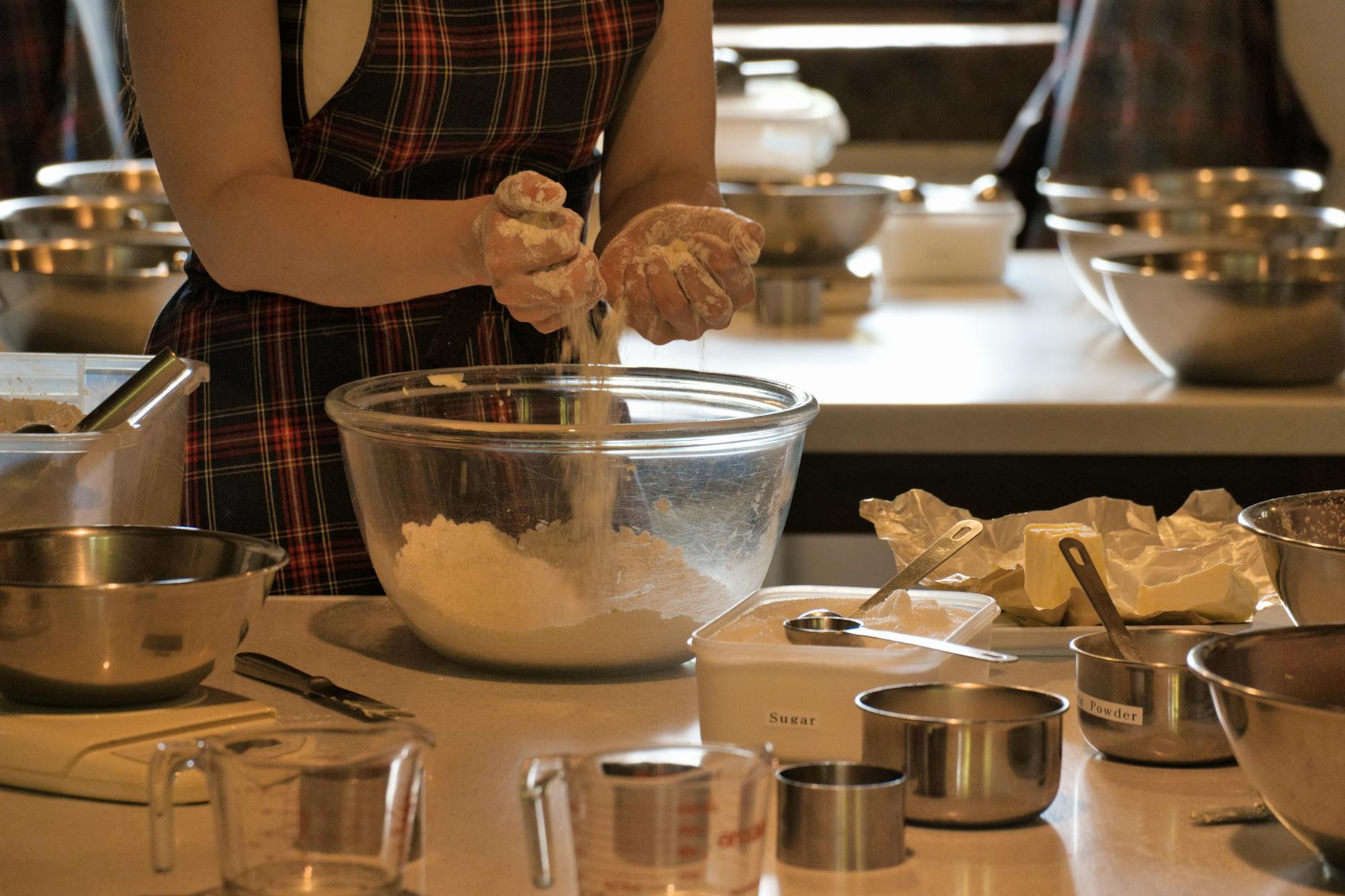
Eating alone in Shanghai is easy. Understanding what you are eating is harder without Mandarin. This is where a class or a guided tour earns its price. Both exist in English at every level, from a three-hour dumpling lesson to a full-day market-to-table course, and from a 200-yuan street-food walk to a private evening with a sommelier. They also solve the ordering problem: a guide reads the handwritten menu, knows which stall’s shengjianbao are fried in lard, and gets you a table at the place with no sign.
Learning to Cook Shanghainese Dishes
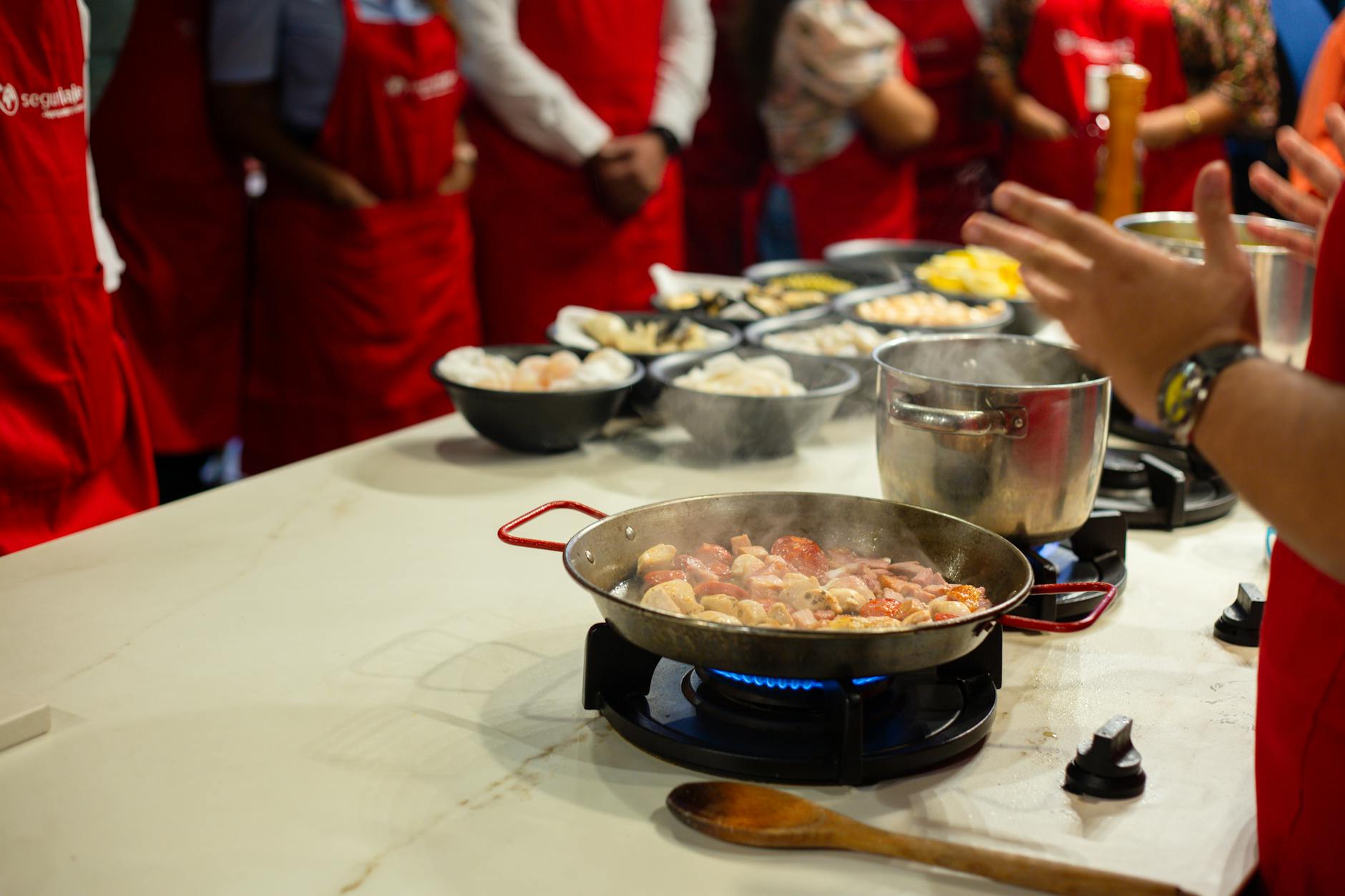
Cooking schools in the French Concession and Jing’an run classes in English most days. A typical half-day covers three or four dishes: xiaolongbao from dough to steamer, hand-pulled noodles, red-braised pork, and a stir-fried green. Some start with a wet-market visit, where the teacher explains the dozen kinds of soy sauce and how to pick live river shrimp. Classes cost 300-800 yuan depending on length and group size, run 3-5 hours, and end with lunch made from your own work. Pleating 18 folds into a dumpling skin takes most people a dozen attempts. The recipes travel home better than the technique.
Guided Food Walks
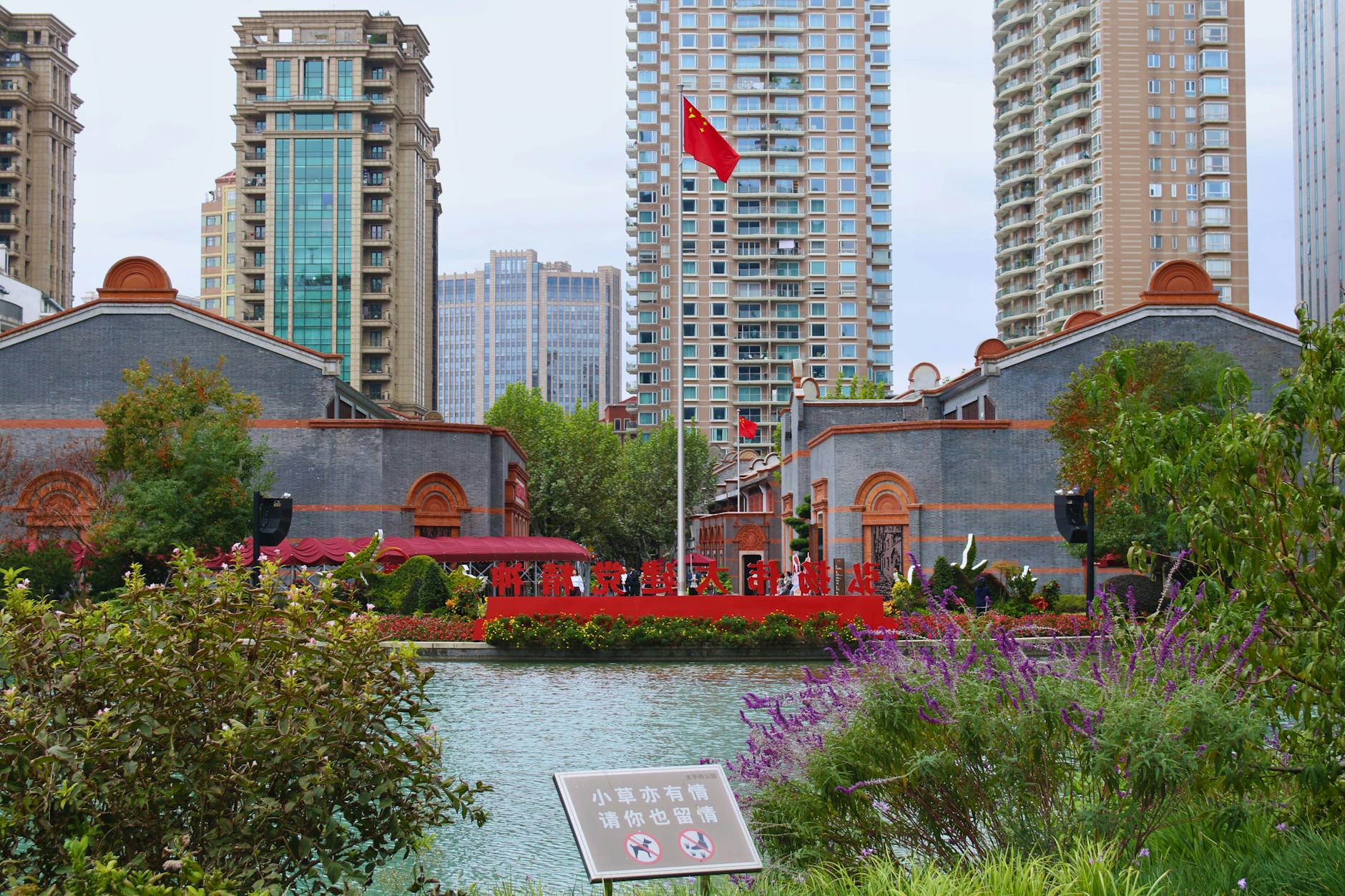
Food tours come in three formats. Morning walks start at 8 a.m. in the old lanes and cover six to eight breakfast stops. It is the only realistic way to try all four “warriors” plus shengjianbao and jianbing in one sitting. Evening tours work the night streets with skewers and beer. Themed tours focus on dumplings, on the Concession, or on fine dining with a sommelier. Group tours cost 200-500 yuan per person for three to four hours of eating, private ones 1,000 and up. Book the morning tour for your first full day. Everything you eat later will make more sense.
Three Days of Eating in Shanghai
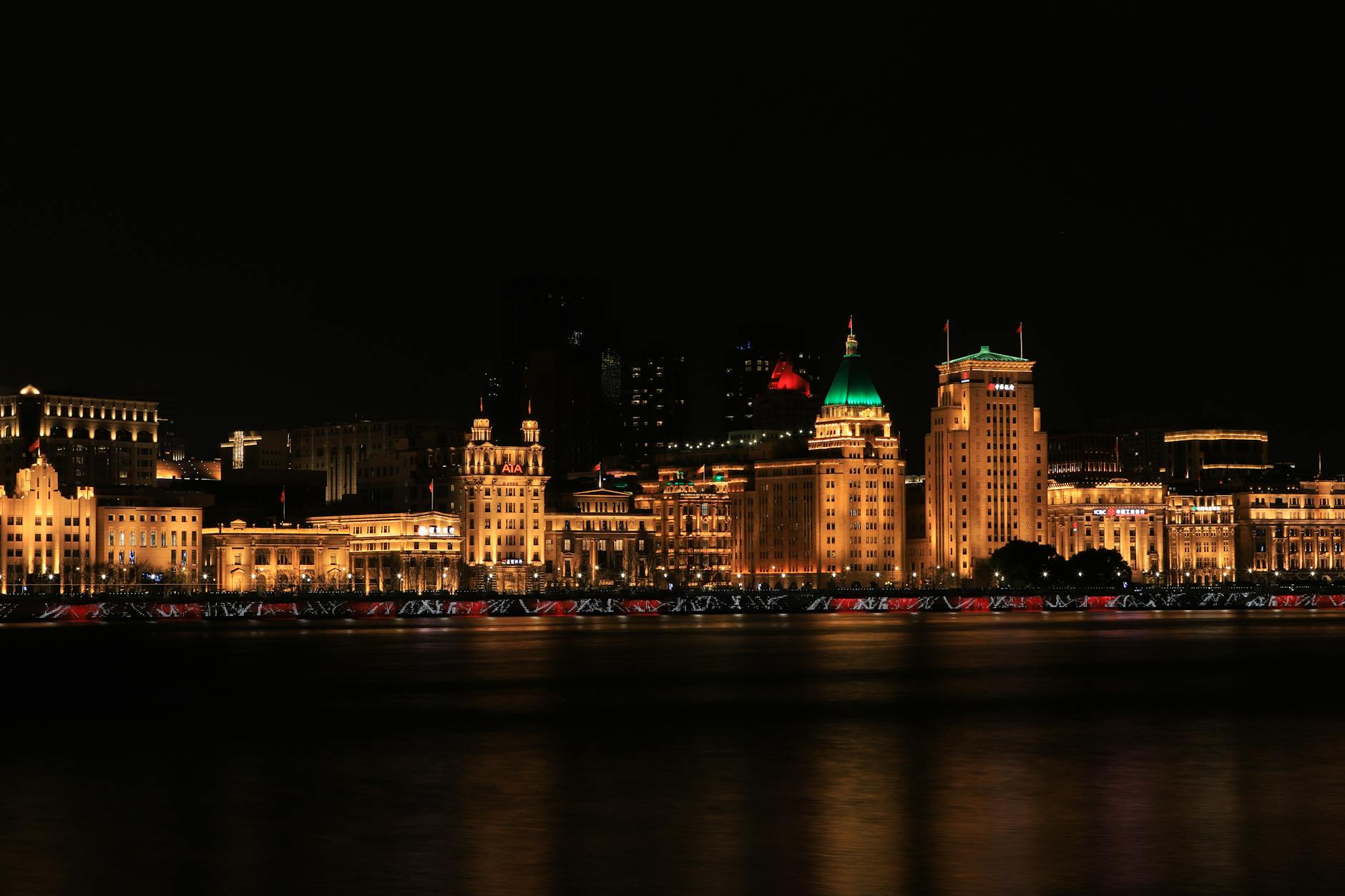
A workable plan for a short stay. Day one: jianbing from a cart near your hotel, the Yu Garden queue for Nanxiang xiaolongbao before 11, tea in the old town, and skewers on Yunnan Road after dark. Day two: a morning food tour through the lanes, cafe lunch on Anfu Road, red-braised pork at a neighborhood restaurant in Jing’an. Day three: shengjianbao at Da Hu Chun, a cooking class through the afternoon, and dinner with a view on the Bund, booked a week earlier. Budget for the three days, excluding the Bund dinner, comes to about 600 yuan per person, or under $85. The Bund dinner alone will likely cost more than that.


