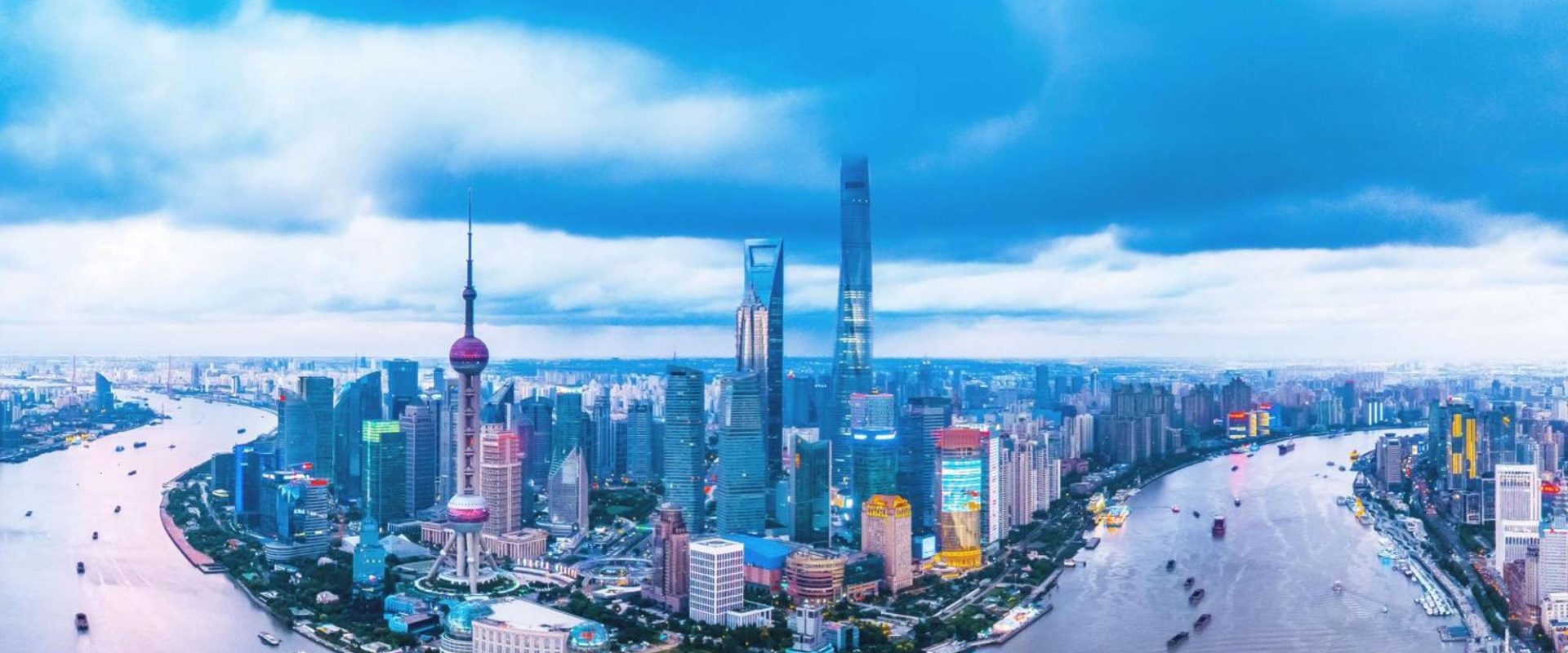
Shanghai was a walled county town of fishermen and cotton traders until 1843, when the treaty ending the First Opium War opened it to foreign trade. Within eighty years it was the biggest port in Asia. Within another eighty it had built Pudong, a financial district with three of the ten tallest buildings on earth, on what had been paddy fields in 1990. Both layers are still there, a few hundred metres apart across the Huangpu River, and the point of a visit is to walk between them. This guide covers the old city, the colonial Bund, the Pudong towers, and the food, transport and day trips that tie them together. For a day-by-day plan, see the three-day Shanghai itinerary.
From Old Shanghai to its Colonial Past
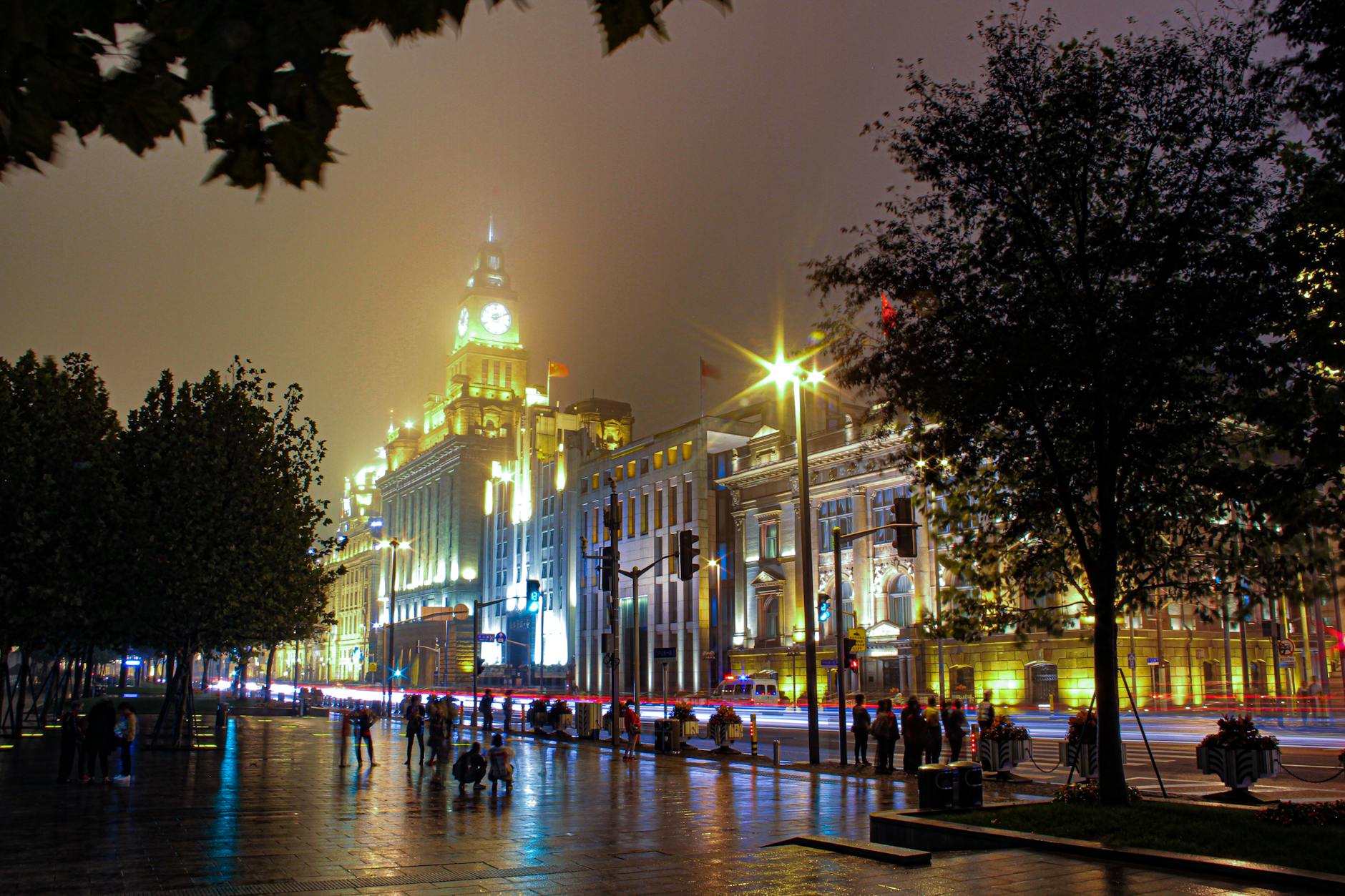
Start where the city started. Two districts hold almost all of what survives from before 1949: the Old City inside the line of the former Ming walls, and the Bund, the riverfront where the foreign banks built their headquarters. Both are on metro line 10, two stops apart, and together they fill a full day.
Getting Lost in the Old City’s Alleys
Shanghai’s Old City is the oval of streets where the walls stood from 1553 until they were pulled down in 1912; the ring road still follows their line. Most of the lane housing inside has been cleared in the last twenty years, so the district now centres on one block: Yu Garden, the City God Temple and the bazaar between them. Yu Garden was built from 1559 by Pan Yunduan, a Ming official, for his elderly father, and covers two hectares of rockeries, carp ponds, pavilions and walls topped with dragons. Enter from the north-east gate when it opens, and you get twenty quiet minutes before the tour groups. The bazaar outside sells everything from chopsticks to jade, and the lanes north of it toward Fangbang Road still have a few old teahouses and dumpling counters.
- Yu Garden. Open from 9:00, closed Mondays. Entry 40 CNY in high season (April to June, September to November) and 30 CNY otherwise. Allow 90 minutes.
- Huxinting Teahouse. A 1784 pavilion on an island in the pond outside the garden gate, reached by the nine-turn zigzag bridge. Tea costs more than elsewhere, but it is the oldest teahouse in the city and the upstairs windows look straight onto the bridge.
- City God Temple (Chenghuangmiao). A Taoist temple to the city’s protector deities, next to the garden. Entry 10 CNY. Busiest around Chinese New Year, when locals come to burn incense for the year ahead.
Western Echoes Along the Bund’s Waterfront
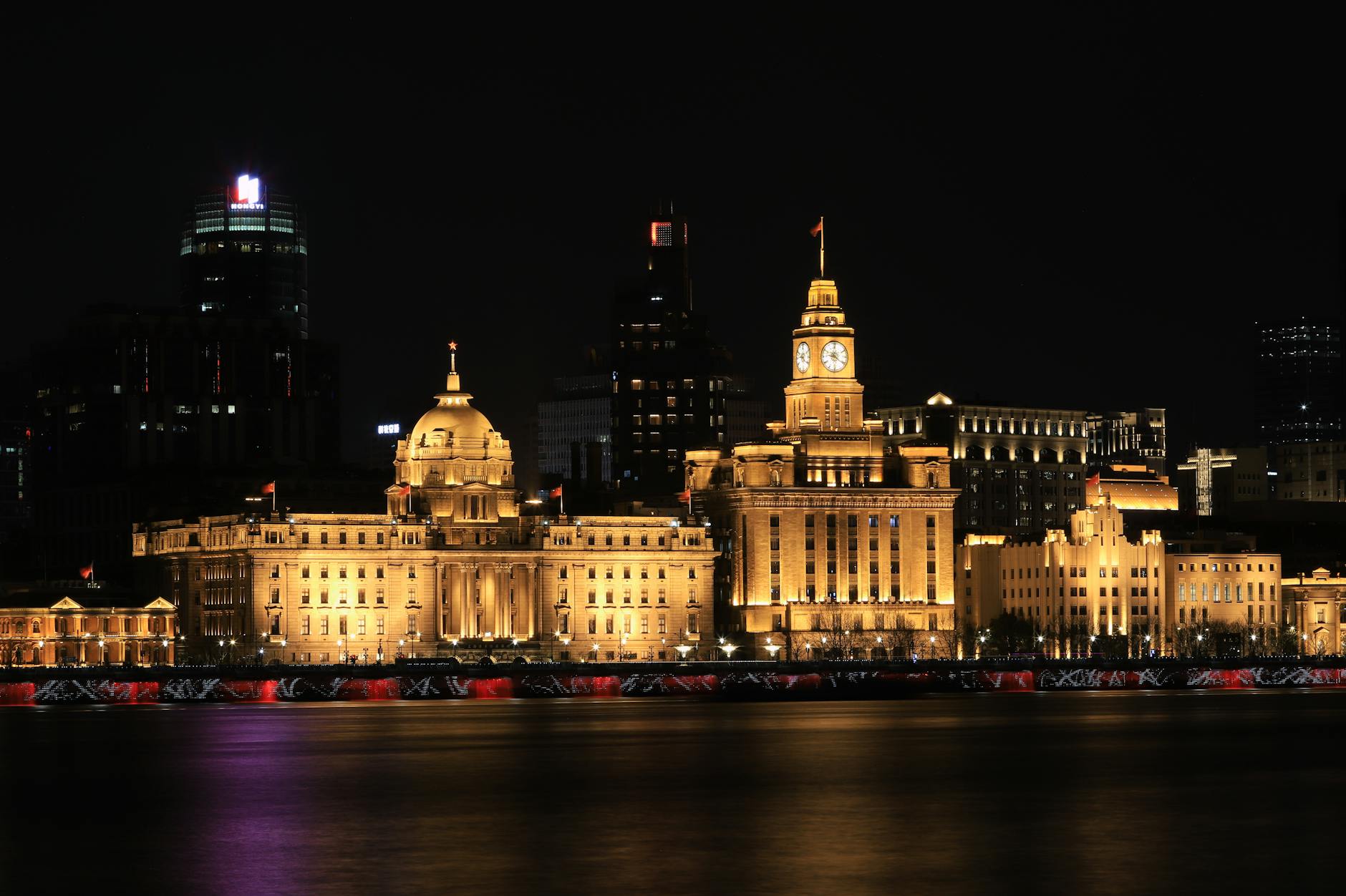
From Yu Garden it is a fifteen-minute walk north to the Bund, the 1.5 km of riverfront along Zhongshan East Road. Between 1900 and 1937 the foreign banks, trading houses and clubs rebuilt it in stone, and the row of 52 buildings is the most complete stretch of pre-war Western architecture in Asia. Reading it from south to north: the former Shanghai Club of 1910, with what was once the longest bar in the world; the HSBC building of 1923 under its dome, now a Chinese bank with the original mosaic ceiling restored in the lobby; the Customs House of 1927 with the clock tower that still chimes; and the Peace Hotel, built in 1929 as Sassoon House, with its green copper pyramid roof at the corner of Nanjing Road. Across the water is Pudong. In the 1930s the river side held the godowns and the city was called the Paris of the East; the phrase was marketing even then, but the buildings earned it.
- Bund History Museum. A small free exhibition under the Monument to the People’s Heroes at the north end of the promenade, with old photographs of the waterfront. Twenty minutes is enough.
- Broadway Mansions Hotel. A 1934 Art Deco block on the north bank of Suzhou Creek, just past the Waibaidu iron bridge. Its upper floors have the classic view down the whole length of the Bund, and the bar is open to non-guests.
- The promenade. Free, open all hours. Walk it twice: in daylight to read the facades, and after 19:00 when both banks are lit. The lights go off at 22:00 on weekdays.
Digging Into History at the Museums
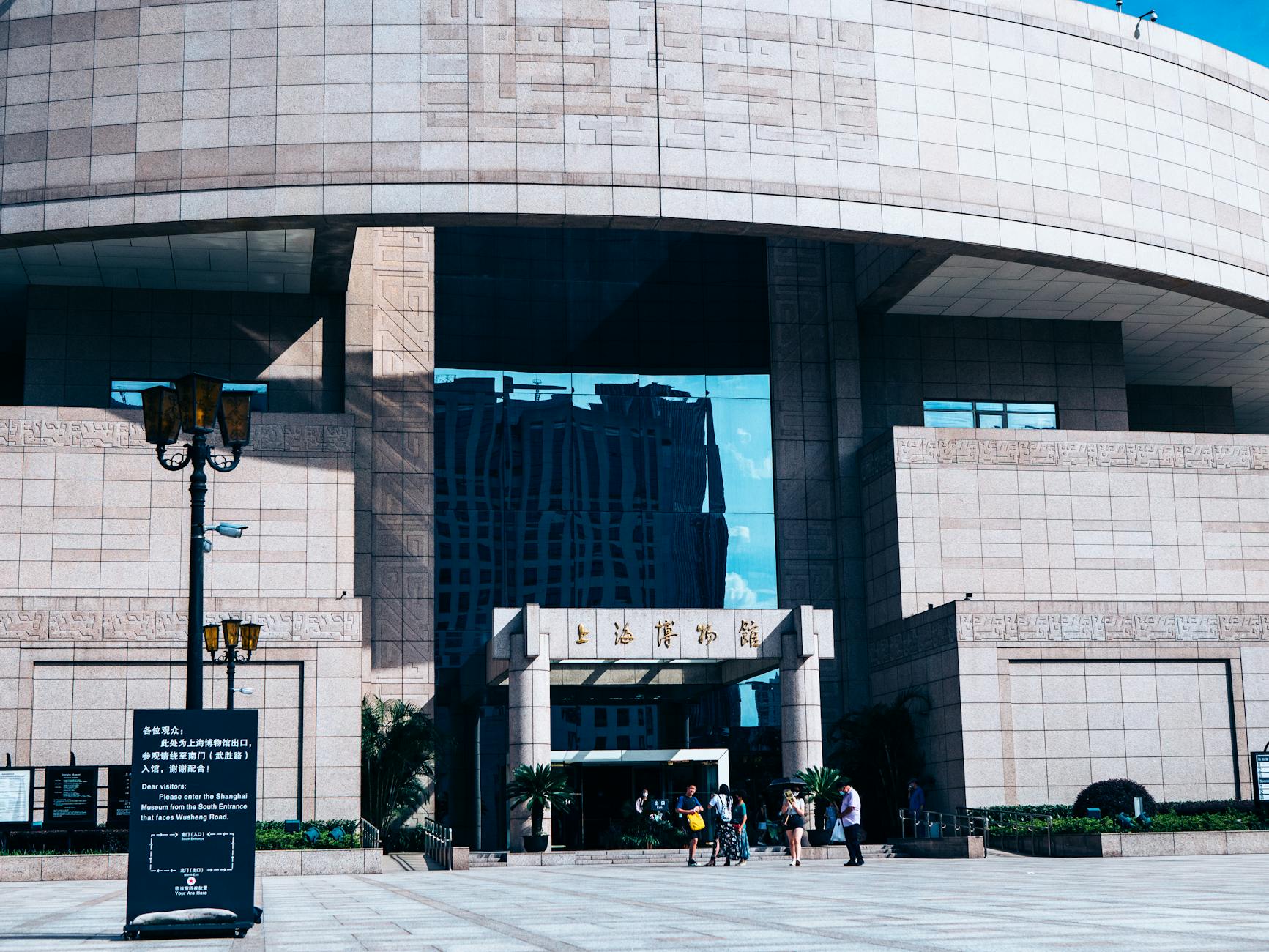
Shanghai’s museums are free or close to it, and three of them sit within a few minutes of People’s Square. Shanghai Museum holds the best collection of ancient Chinese art in the country outside Beijing and Taipei: Shang and Zhou bronzes, Song ceramics, scroll paintings and calligraphy, laid out by medium rather than by dynasty, which makes it easy to follow. Across the square, the Urban Planning Exhibition Center explains how the modern city was built. Its centrepiece is a scale model of the entire urban area, large enough to walk around, with every building that existed or was approved at the time it was made. The Shanghai History Museum, in the former Race Club tower on the west side of the square, covers the treaty-port decades with furniture, posters and street signs from the concessions.
- Shanghai Museum. Free, but a timed slot must be reserved in advance through the museum’s WeChat account or website. Closed Mondays. Weekend slots go several days ahead.
- Urban Planning Exhibition Center. Also on People’s Square, reopened after a long renovation with the city model on the third floor. Open Tuesday to Sunday.
- China Art Museum. In the red inverted-pyramid China Pavilion left from Expo 2010, in Pudong on metro line 8. Free entry, 20th-century and contemporary Chinese painting. Worth the trip for the building alone.
Up into the Vertical City of Modern Shanghai
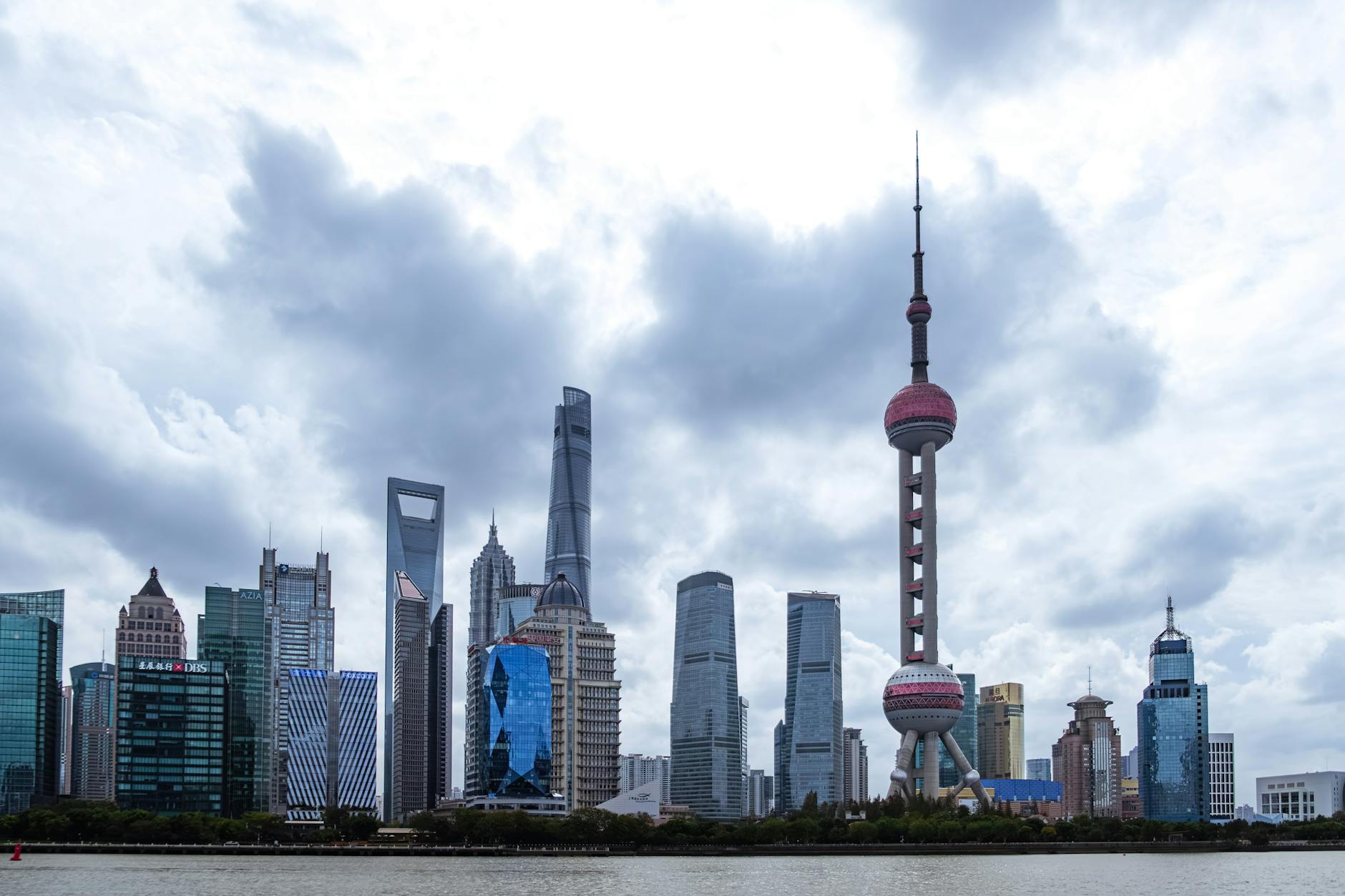
Pudong, the east bank, was farmland and warehouses when the government declared it a development zone in 1990. Lujiazui, the financial district directly opposite the Bund, went up in the thirty years since. One metro stop from East Nanjing Road on line 2, or a 2 CNY ferry from the Bund’s south end, puts you under the towers.
Pudong’s Skyscrapers Feel Like the Future
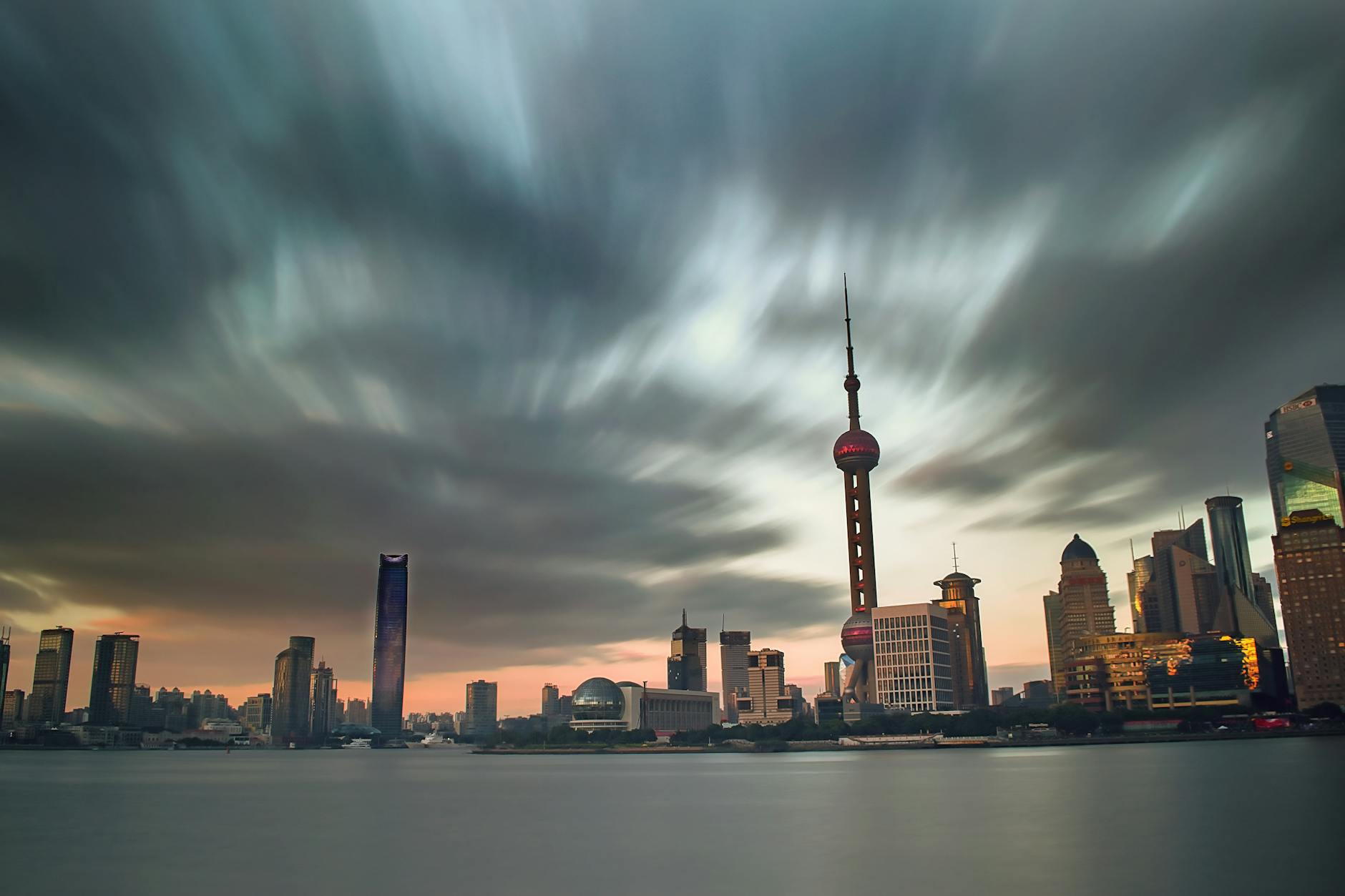
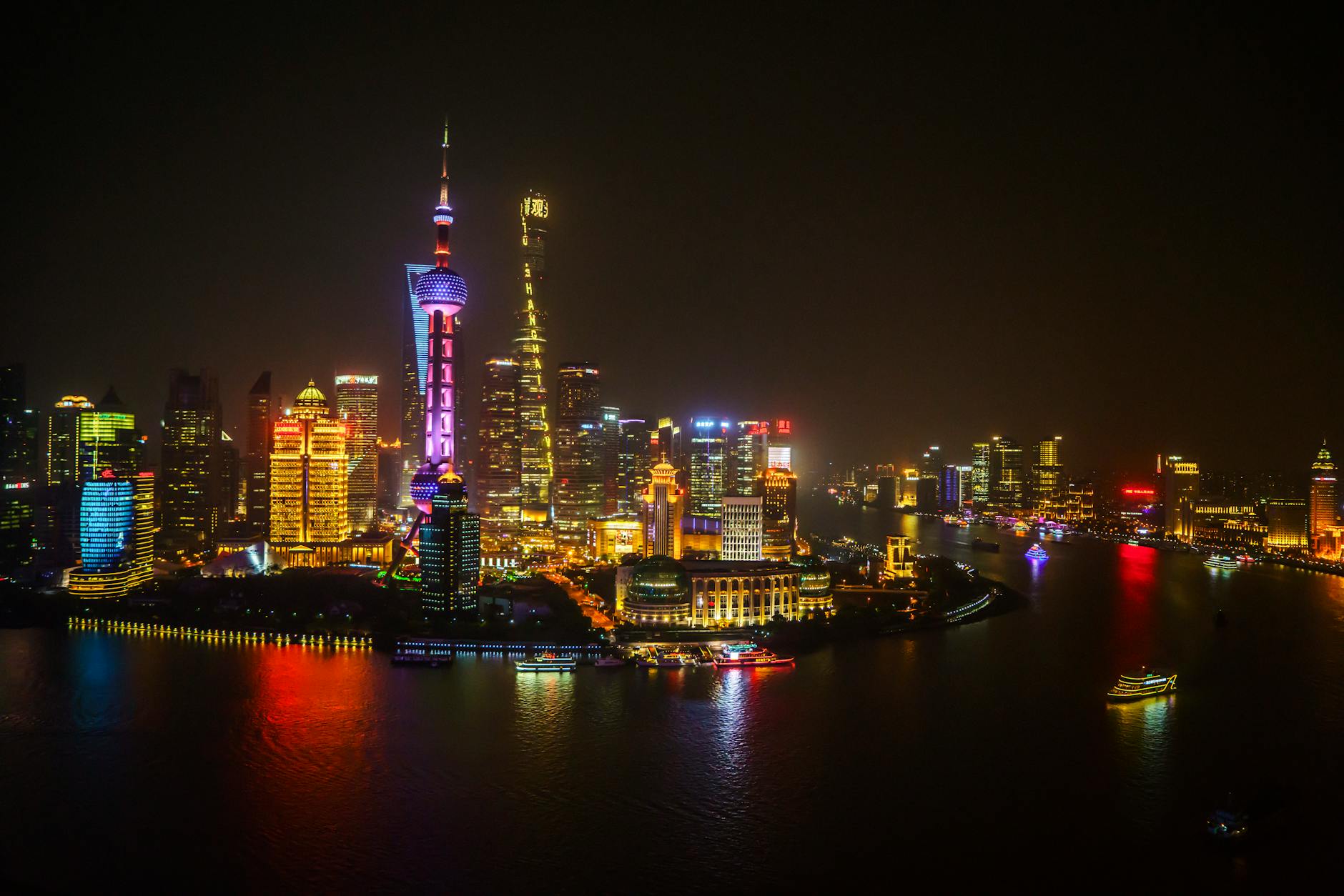
Three buildings define the skyline, and they went up in order of height. The Oriental Pearl TV Tower of 1994, with its eleven pink spheres on a tripod, is 468 m and was the tallest structure in China for a decade. The Shanghai World Financial Center of 2008, 492 m, has the trapezoid hole at the top that gave it the bottle-opener nickname. The Shanghai Tower, finished in 2015, twists 120 degrees as it rises to 632 m and is the tallest building in China and the third tallest in the world. All three have observation decks, and the choice comes down to crowd and price rather than view, since they stand within 300 m of each other. Go up in the last hour before sunset to see the city in daylight and lit.
- Shanghai Tower. Deck on the 118th floor at 546 m, the highest in the city, reached by a lift that runs at 18 m per second. About 180 CNY. Book a time slot online.
- Shanghai World Financial Center. Three decks, the top one a glass-floored bridge across the opening at 474 m. Similar price, usually a shorter queue than the Pearl.
- Oriental Pearl TV Tower. Decks at 263 m and 351 m, the lower one with a glass floor around the outside. The oldest and the most crowded; the Shanghai History Museum branch in its base is a better reason to go than the view.
Where the Old City Meets the New
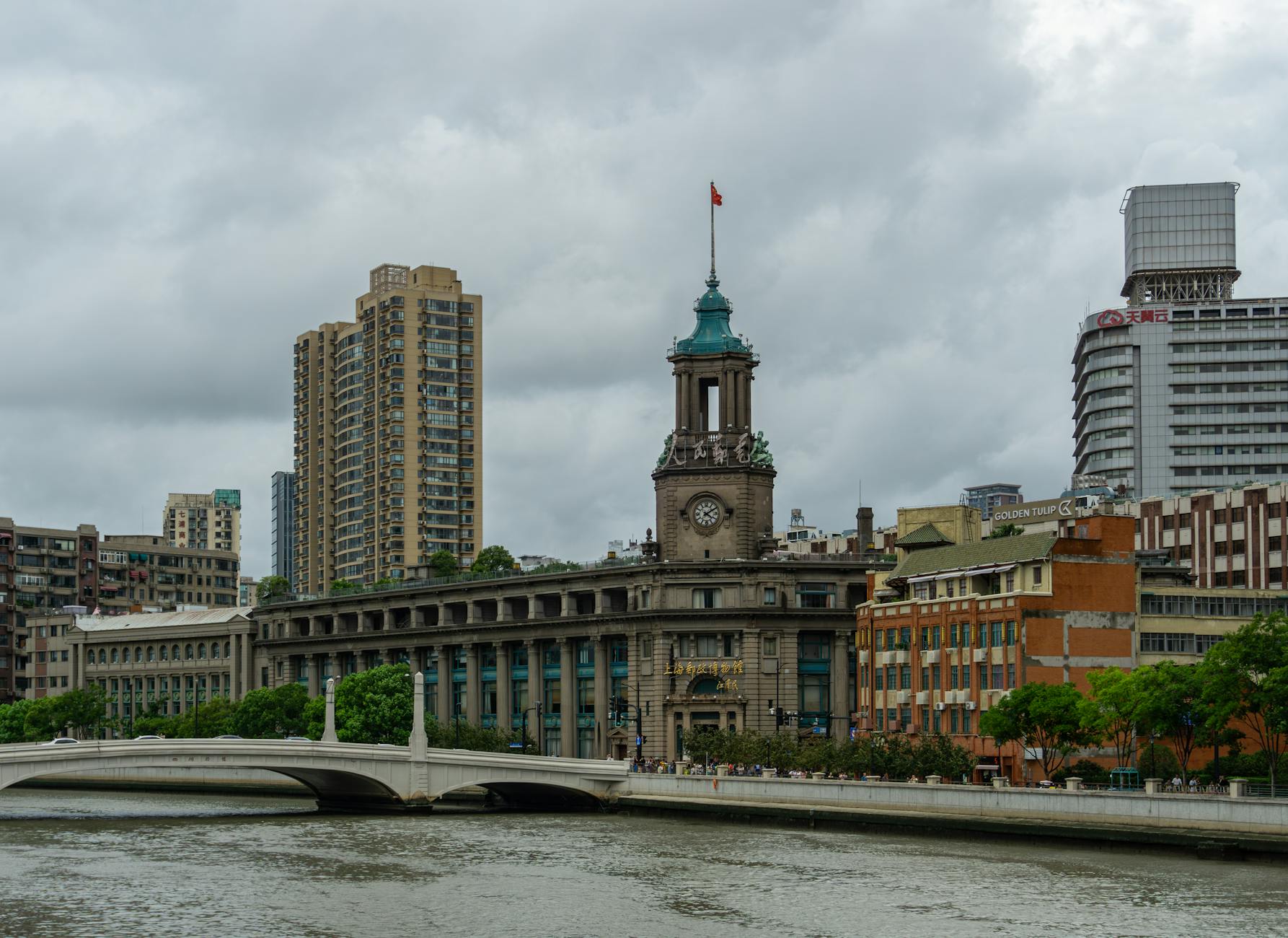
The contrast is not only across the river. Inside the former concessions, the city kept pockets of the old fabric and built around them. Xintiandi, two blocks of 1920s shikumen lane houses rebuilt in 2001 as a restaurant district, sits beside the site of the first Communist Party congress. Tianzifang, a few streets south, is the same housing type left unrestored and filled with craft shops. In Jing’an, a Buddhist temple founded in 247 AD and rebuilt in the 2000s with gilded roofs stands on the busiest shopping corner of West Nanjing Road, with a Burberry across the junction. None of this is accidental. Shanghai’s planners have treated the old buildings as part of the brand since the 1990s, and the city has stricter protection rules for its lane housing than any other in China. The result is a place where a morning in a Ming garden and an evening 100 floors up are both ten minutes from the same metro station.
What Daily Life in Shanghai Is Like
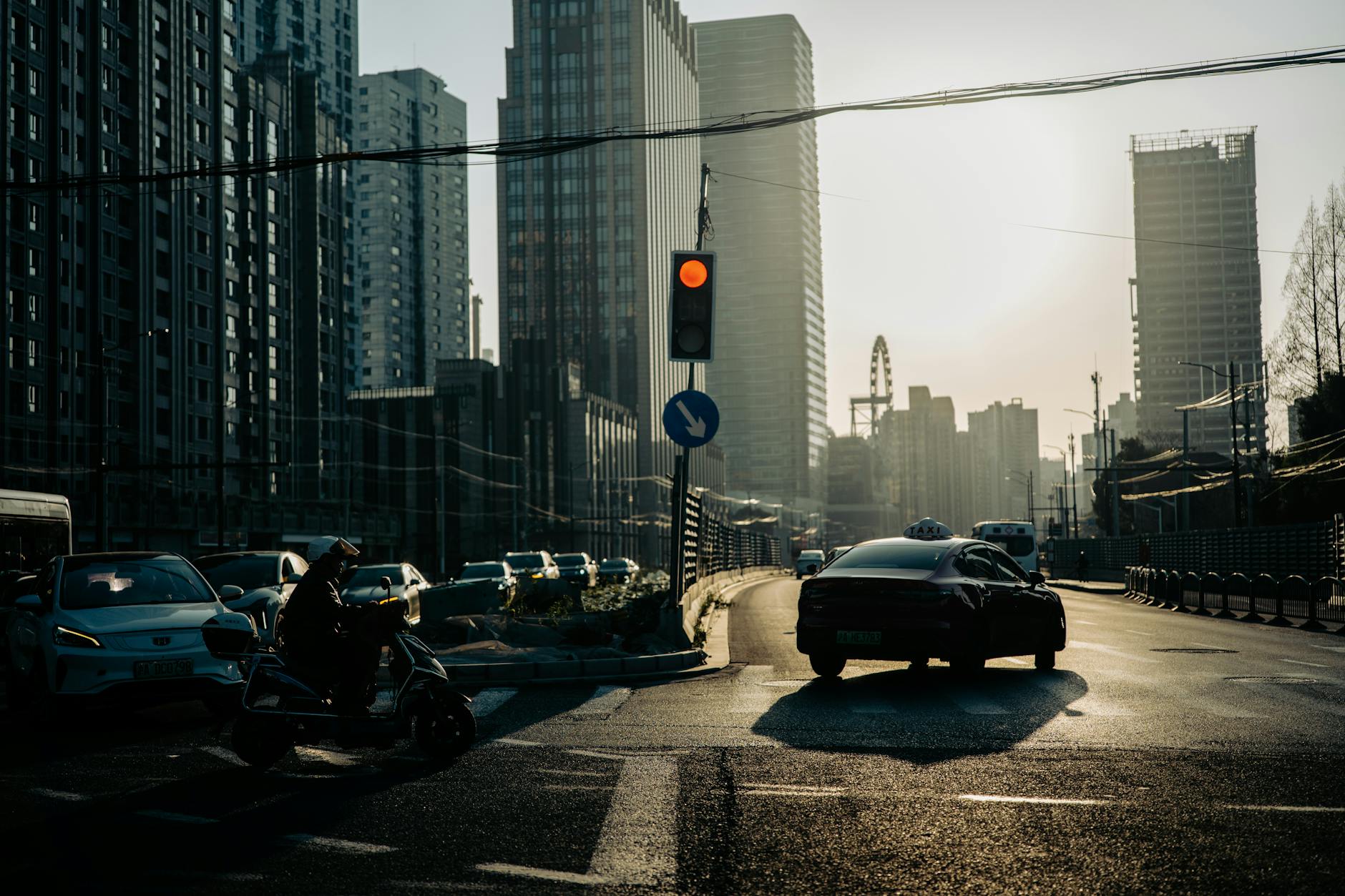
Sights aside, Shanghai is a city of 25 million that runs on QR codes, scooters and dumplings. Three things shape a visit more than any monument: the food, the way people get around, and where you sleep.
Adventures in Food and Nightlife
Shanghai cooking is sweeter and oilier than the rest of China, built on soy, sugar and rice wine. Four dishes cover the basics. Xiaolongbao, the soup dumplings, cost 20-30 CNY for a basket of eight at a neighbourhood shop and three times that at the famous ones. Shengjianbao are their pan-fried cousins with a crisp bottom, sold by the four from street windows for about 10 CNY. Hongshao rou is pork belly braised dark and glossy in soy and sugar. In October and November the city eats hairy crab from the lakes west of the city, steamed and picked apart with a small set of tools. For the range from street stalls to tasting menus, see the guide to Shanghai food from street level to Michelin stars.
After dark the city splits by district. The Bund has the rooftop terraces, with cocktails from 100 CNY and the Pudong skyline as the reason for the price. The former French Concession has the jazz clubs, a tradition that dates to the 1930s dance halls and survives in a handful of rooms around Fuxing Road and the old Peace Hotel band. Nanjing Road is neon and crowds rather than drinking. A full list of rooftop bars, clubs and shows is in a separate article.
- Nanjing Road. The 5.5 km shopping street from the Bund to Jing’an Temple; the pedestrian section near People’s Square is at its best after dark, when the signs are lit and the crowd is local.
- French Concession. Plane-tree streets, 1920s villas, cafes along Wukang and Anfu roads, and the bars around Fuxing Road and Yongfu Road for the evening. No tickets, no plan needed.
- Huangpu River Cruise. Boats from Shiliupu wharf, 45-50 minutes for around 120 CNY, with the Bund and Pudong lit on either side. The one evening activity that shows both halves of the city at once.
How to Get Around This Massive City
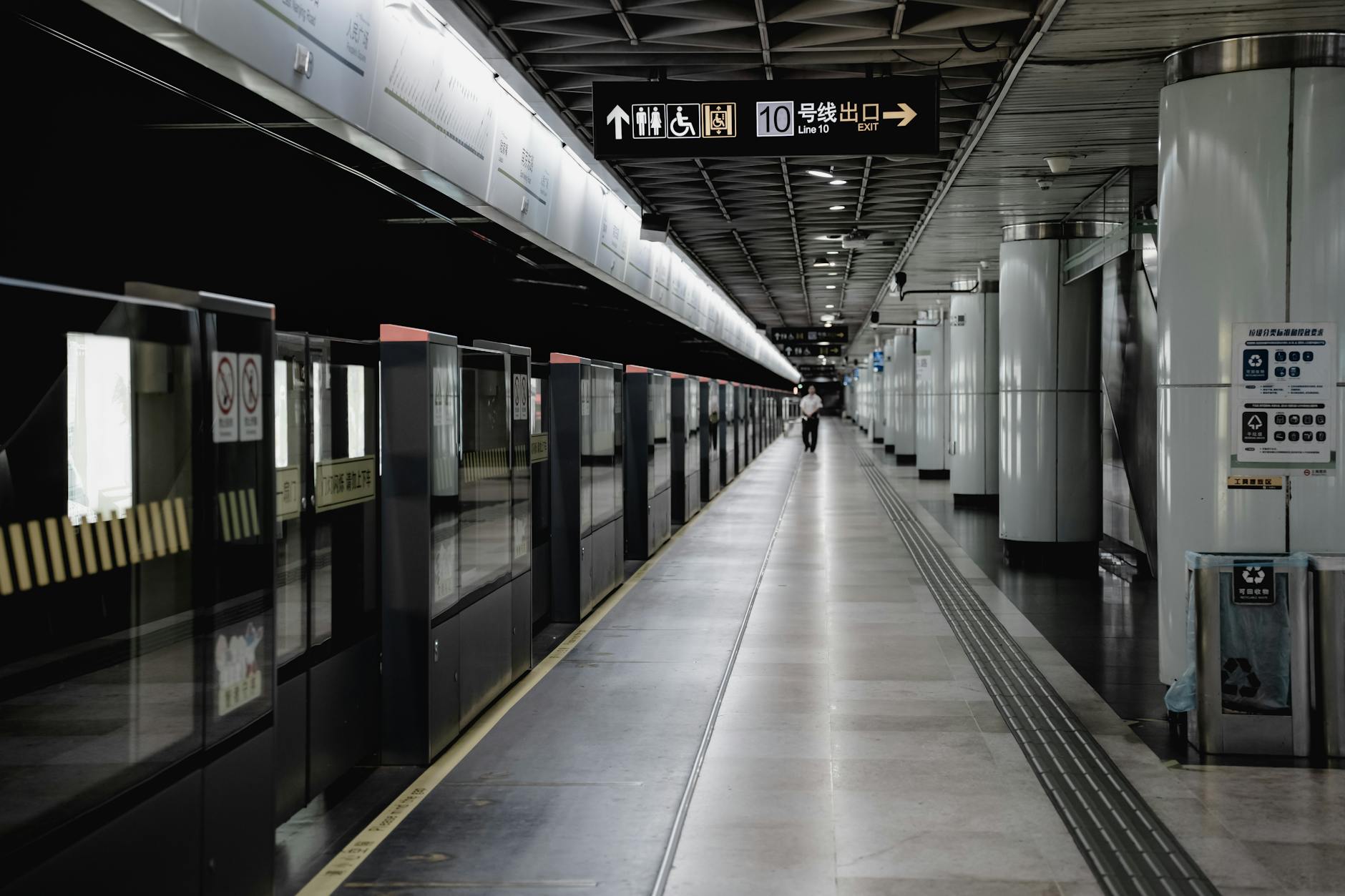
Shanghai’s metro is the longest in the world, close to 20 lines and over 800 km of track, with English signage and fares of 3-9 CNY by distance. It covers every place in this article. From Pudong Airport the Maglev reaches Longyang Road in 8 minutes at up to 430 km/h for 50 CNY, and line 2 continues to People’s Square in another 25. Taxis start at 16 CNY for the first 3 km and are easy to hail outside rush hour, but drivers rarely read Latin letters, so keep each address in Chinese characters on your phone. Ride-hailing works through the Didi mini-program inside Alipay, which accepts foreign cards.
- Metro. Pay with the transport QR code inside Alipay, or buy a Shanghai Public Transportation Card at any station (20 CNY deposit) for metro, bus and ferry.
- Maglev. Fast and fun, but it ends at Longyang Road in outer Pudong; count on 45 minutes door to door for a central hotel, about the same as a taxi outside rush hour.
- Ferries. The Bund to Pudong crossings cost 2 CNY with the transport card and take five minutes, the cheapest river view in the city.
Picking the Right Place to Stay
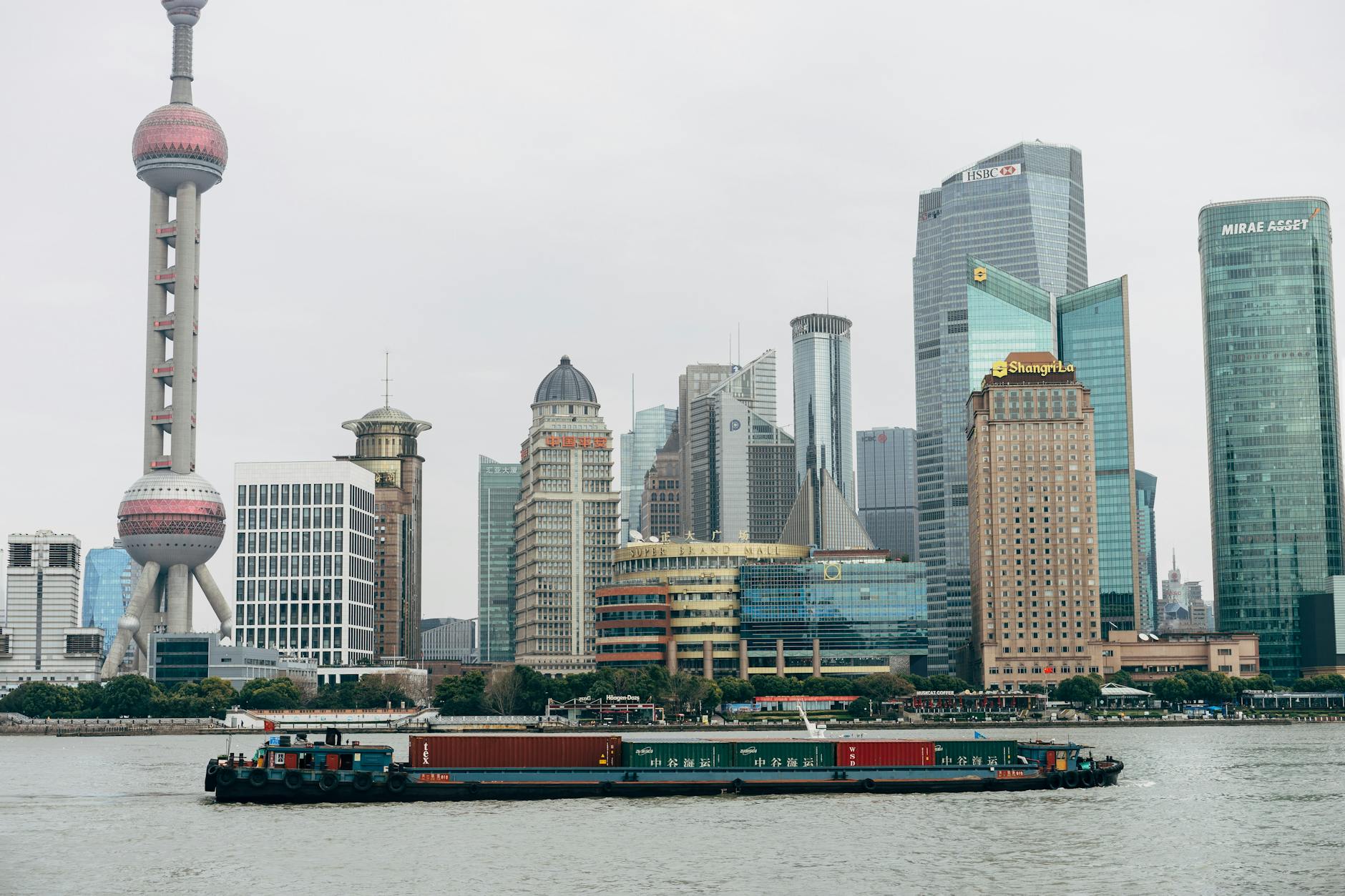
The choice is which side of the river to wake up on. West of the Huangpu, near the Bund, People’s Square or in the French Concession, you walk out into the old city and reach everything in this article within 20 minutes by metro; prices start around $40 for a chain hotel. In Pudong you sleep facing the Bund and the river, which is the view in every photograph, but you cross the river to do almost anything. Among the Lujiazui towers, Pudong Shangri-La Shanghai stands directly on the riverfront with the Bund across the water from its lower floors, and The Ritz-Carlton Shanghai, Pudong occupies the top of the IFC tower next to the Oriental Pearl. On the west bank, Radisson Collection Hyland Shanghai is a mid-range tower on the Nanjing Road pedestrian street, five minutes on foot from the Bund and the metro. Expect $300 and up for river-view rooms in Pudong and $120-180 for the Nanjing Road option.
Great Day Trips Outside the City
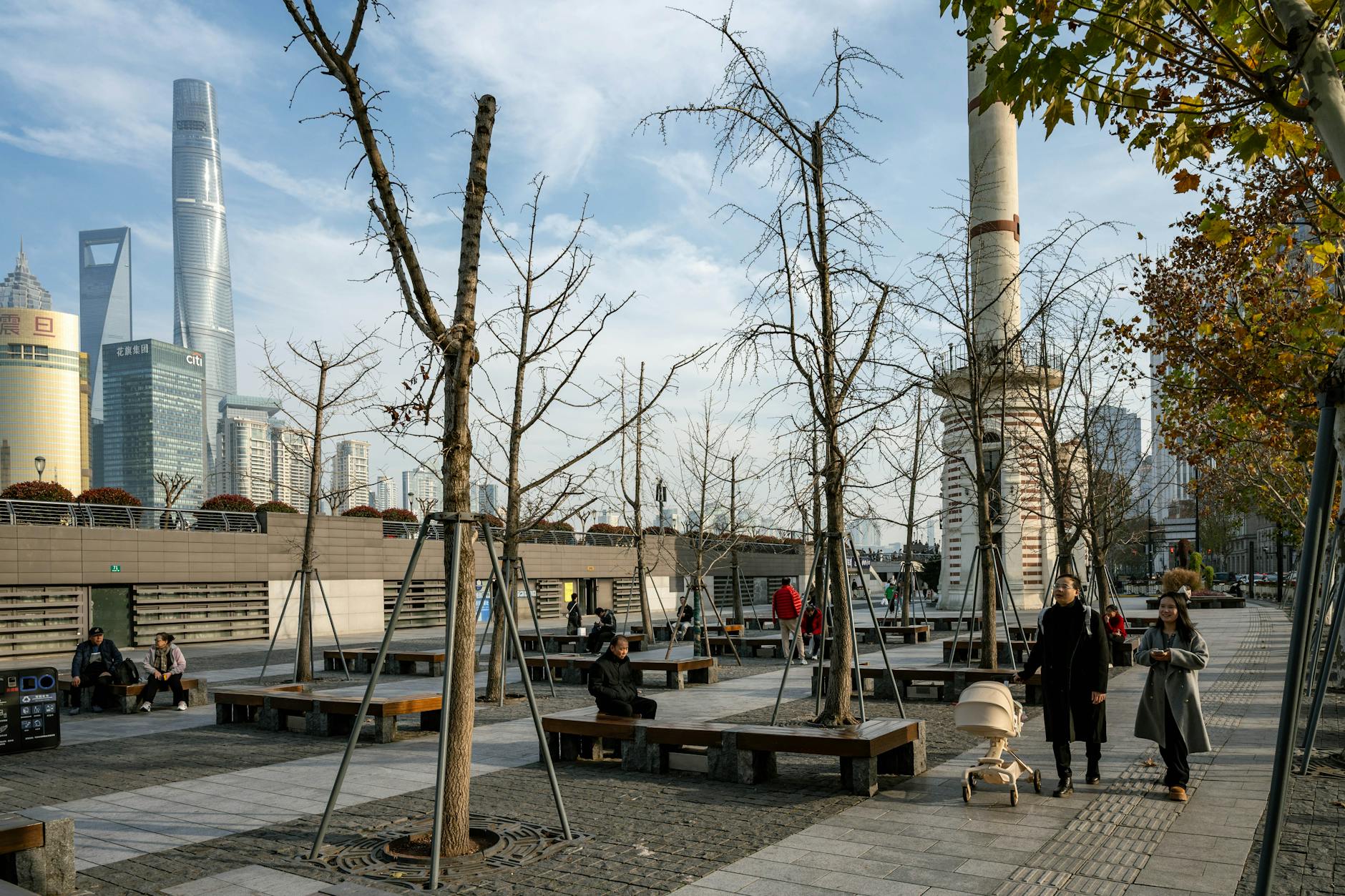
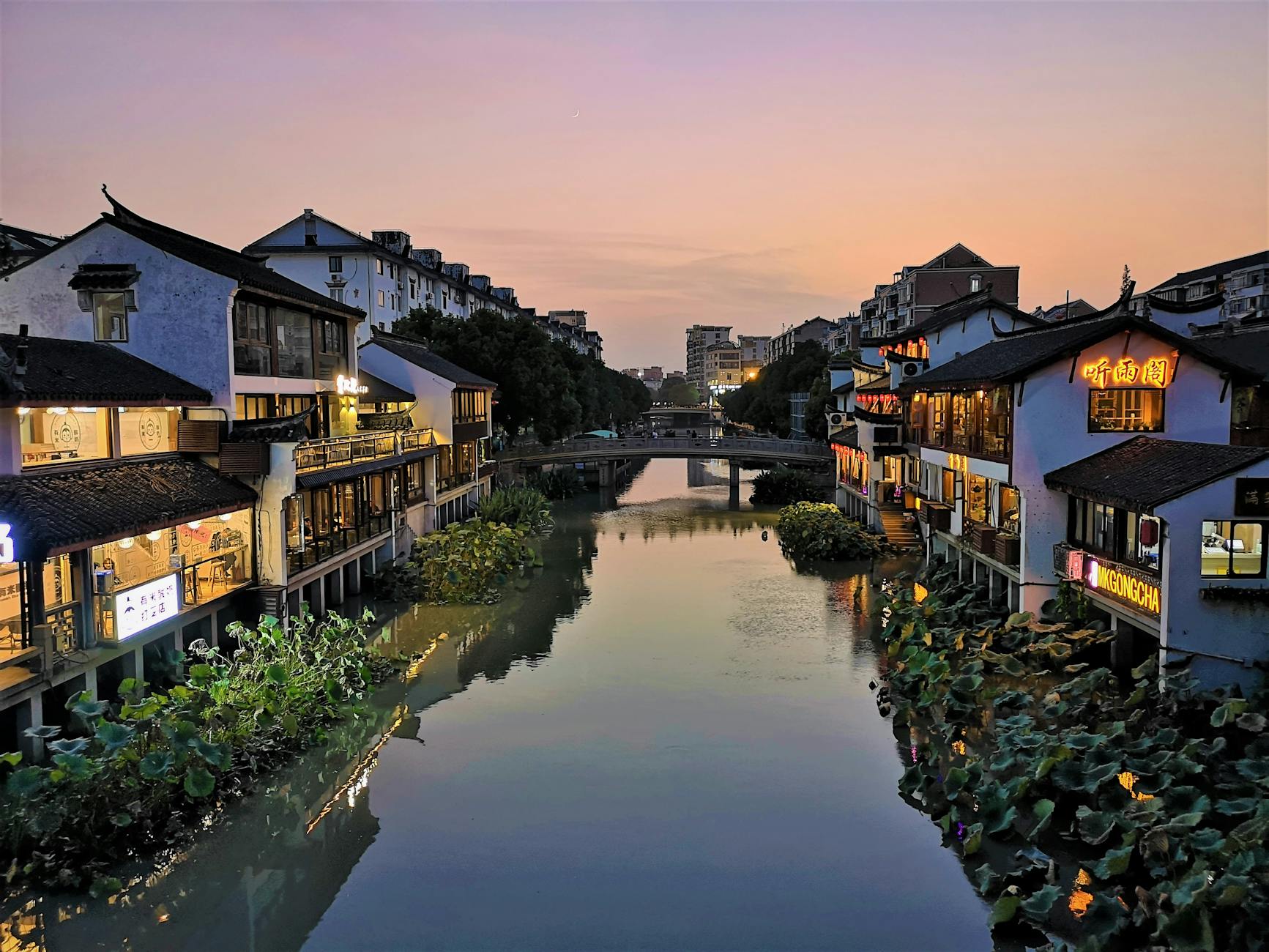
The Yangtze delta around Shanghai is flat, wet and criss-crossed by canals, and for a thousand years its towns were built on water. Three of them make easy day trips, two by high-speed rail and one by metro.
- Zhujiajiao. A canal town 50 km west with 36 stone bridges, the oldest from 1571, reached on metro line 17 from Hongqiao Railway Station in about 75 minutes door to door. Entry to the town is free; a combined ticket for the old houses and Kezhi Garden is about 60 CNY, and a gondola on the main canal 100-150 CNY per boat. Go on a weekday morning.
- Suzhou. The city of classical gardens, nine of them on the UNESCO list, and the centre of the silk trade since the Song dynasty. High-speed trains from Shanghai Station or Hongqiao take 25-35 minutes and cost about 40 CNY; the Humble Administrator’s Garden and the Master of the Nets Garden are the two to see, and Pingjiang Road is the canal street for a walk between them. A day trip from Shanghai to Suzhou with a guide saves the ticket queues at the gardens, which are long on weekends.
- Hangzhou. West Lake, the subject of more Chinese poems than any other body of water, with causeways, pagodas and tea terraces at Longjing in the hills behind. Trains from Hongqiao take 45-60 minutes, around 70 CNY. The lake is free; a full loop on foot is 10 km, or rent a bike at the east shore.
Old and New Shanghai in One Day
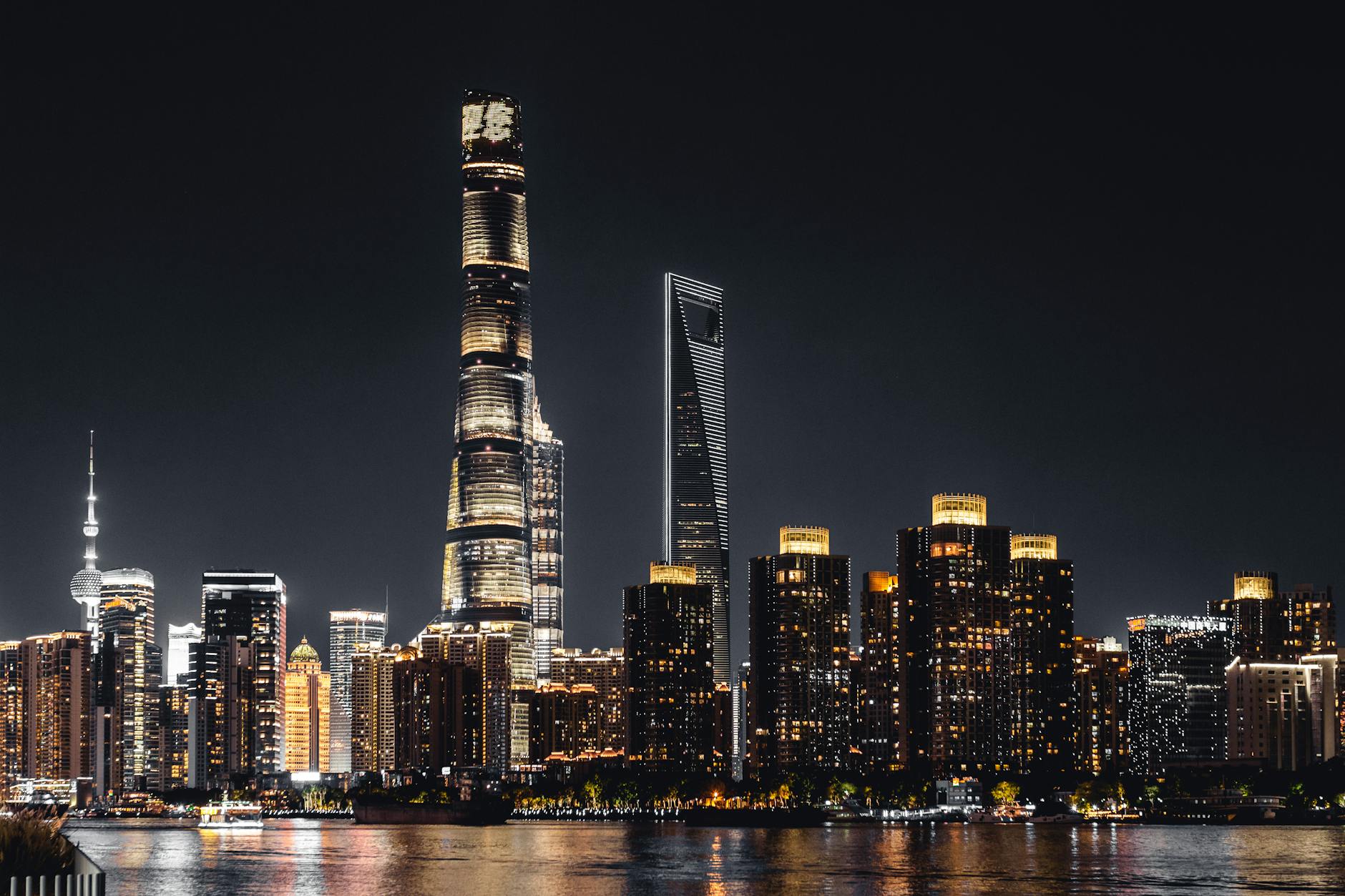
If there is only one day, the walk that shows both cities runs like this. Yu Garden at 9:00, the bazaar and a basket of xiaolongbao by 11:00. North on foot to the Bund by noon, reading the facades from the Shanghai Club to the Peace Hotel. The 2 CNY ferry across to Pudong, and the Shanghai Tower deck booked for an hour before sunset. Then back across on line 2 for a drink in the French Concession. Total cost of tickets and transport is under 300 CNY, about $40, and the whole route is 7 km of walking. Everything else in the city is a variation on that line between the garden and the tower.


