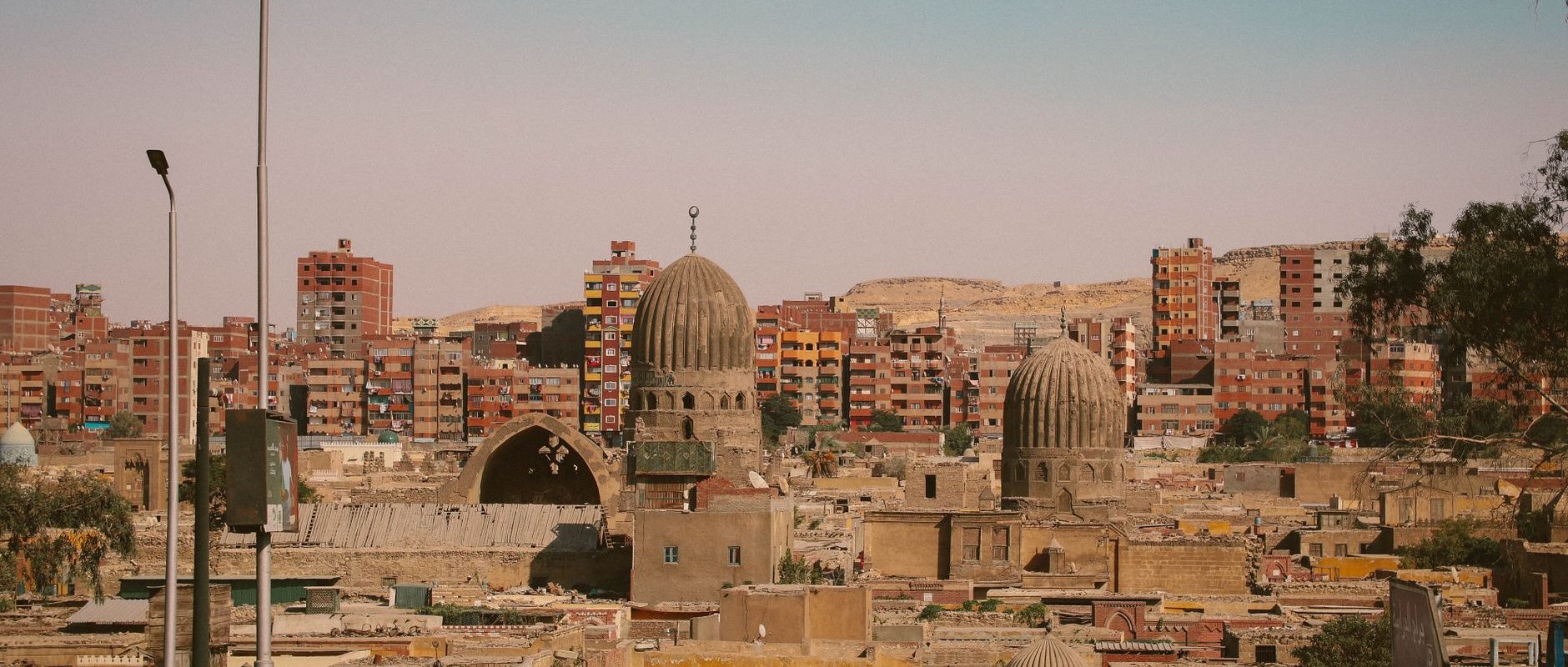
Abu Dhabi and Dubai get lumped into the same trip all the time, even though they’re two different emirates with their own personalities. Dubai is a showcase of skyscrapers and shopping, while Abu Dhabi is the quieter capital, built around museums and government buildings. Here’s what separates them, and how to choose between them if time is tight.
Atmosphere and character
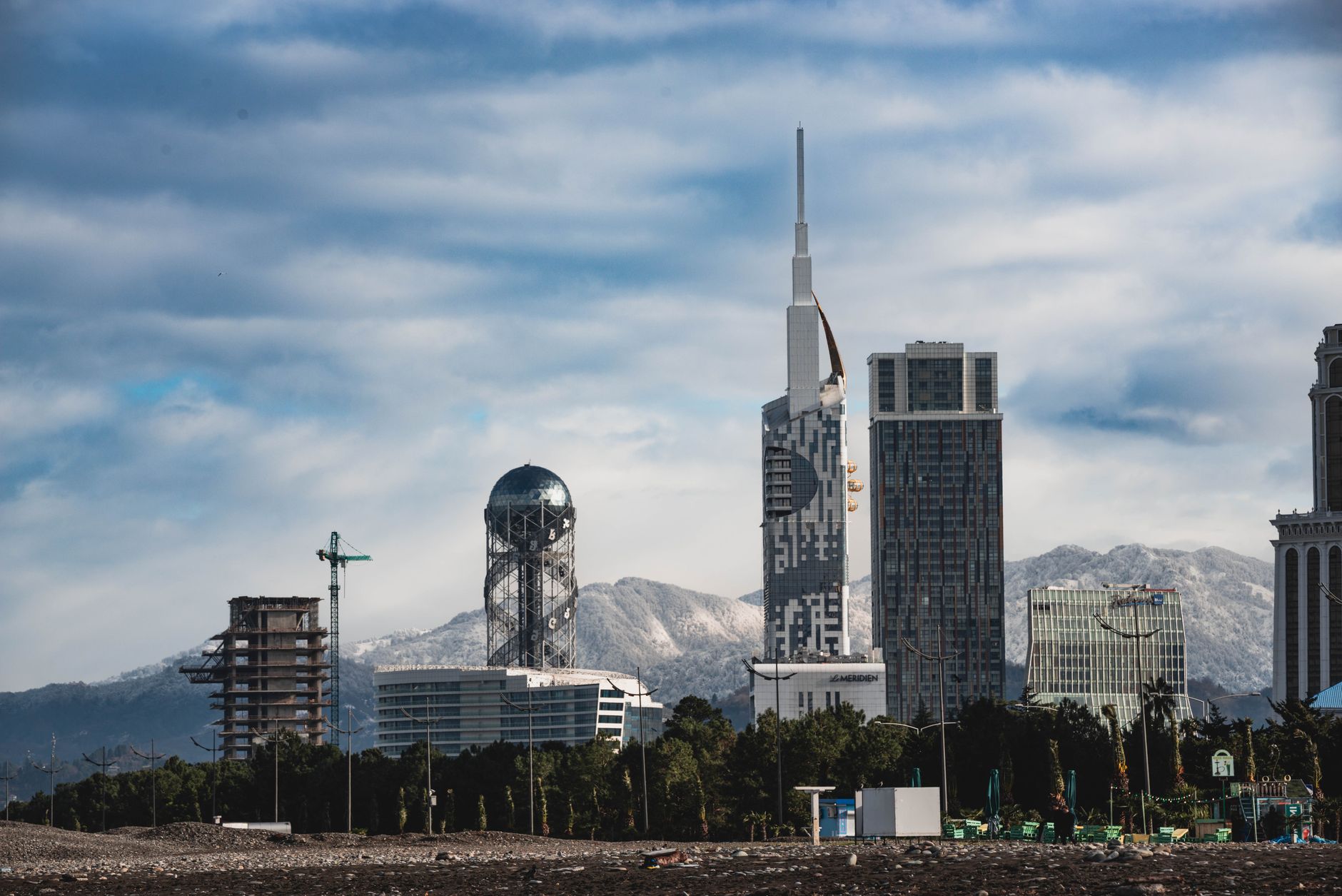
Dubai runs on speed and scale. It has the tallest building in the world, one of the region’s biggest malls, and a constant sense that something even taller is going up next door. Streets stay full of tourists, and the nightlife barely slows down even on weeknights.
Abu Dhabi is the capital, and it shows. Dress codes and alcohol rules are stricter, Arabic is heard more often on the street, and the overall pace is noticeably slower. Plenty of travelers describe it as more authentic – fewer staged spectacles, more of the everyday Arabian rhythm.
That difference shows up even in how the two cities are built. Dubai’s skyscrapers crowd right up against each other along Sheikh Zayed Road, and the city feels dense and vertical. Wide boulevards, greenery along the roads, and lower buildings spaced further apart define Abu Dhabi’s approach instead. Population mix is different too. Dubai has a much higher density of expats per square kilometer, while Abu Dhabi stays more of a government town, home to embassies and ministries.
What each city is known for

Dubai’s tourist trail runs through the Burj Khalifa, the artificial Palm Jumeirah islands, and Dubai Mall with its aquarium and the fountain show out front. These are places you’ve seen in a thousand photos already, but the scale still lands in person.
Abu Dhabi leans into culture instead: the Sheikh Zayed Grand Mosque, the Louvre Abu Dhabi, the Qasr Al Watan palace. Add Yas Island with Ferrari World and Warner Bros. World, and Abu Dhabi holds its own against Dubai on theme parks per square kilometer.
Marketing pitch differs too. Dubai sells a vision of the future, Abu Dhabi sells heritage and power. If you want a solid list of sights to check off either way, both cities hand you enough material for several days.
There’s a less obvious layer to both, too. Dubai hides spots like the old Al Fahidi district or the souks along the Creek behind all the skyscrapers, and the contrast is sharp. Its equivalent in Abu Dhabi is the less-hyped older neighborhoods, where big tour groups rarely show up and the city looks less polished.
Prices and budget

Dubai runs noticeably more expensive in the middle tier – restaurants, taxis, and hotels in tourist zones like Marina or Downtown cost more than comparable options in Abu Dhabi. A budget version of Dubai does exist, though – districts like Deira or Bur Dubai keep prices well below the glossy areas.
Abu Dhabi runs cheaper on average, but the top end – Emirates Palace, the luxury hotels along the Corniche – costs just as much as Dubai’s equivalents. Where Abu Dhabi wins is the middle: it’s easier to land a good mid-range hotel without paying extra for a trendy neighborhood.
Alcohol is its own budget line item. Dubai has bars and clubs in nearly every major hotel, and licensing is looser, so drink prices land closer to European levels. Alcohol sales are regulated more tightly in Abu Dhabi, licensed venues are fewer, and they tend to sit inside expensive hotels – a cheap beer at a neighborhood bar is the exception here, not the rule.
Beaches and hotels
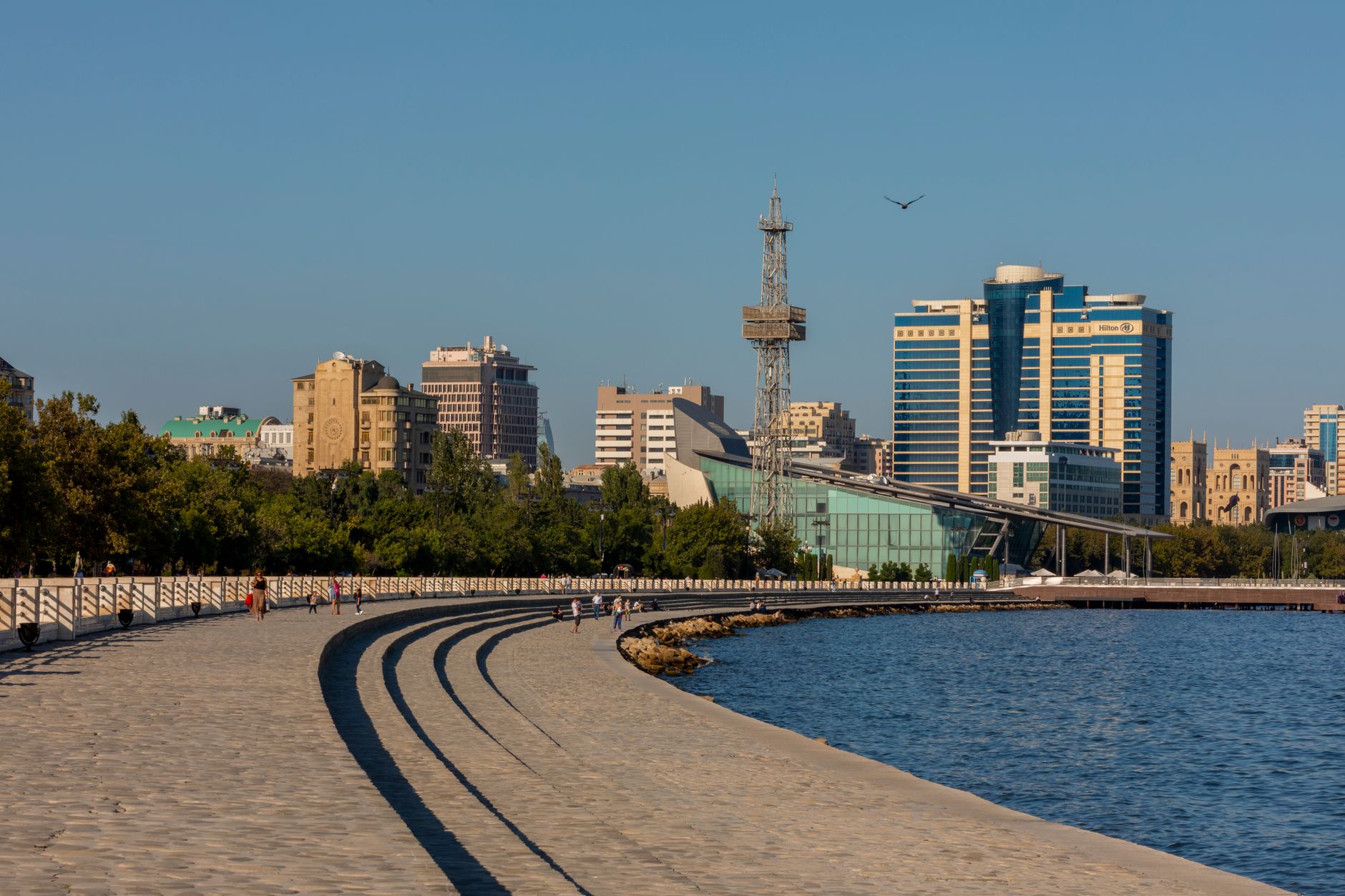
Both cities have solid urban beaches, but the feel is different. Dubai’s Jumeirah Beach is dense with hotels right on the water and plenty of activity around it. Roomier, quieter options are Abu Dhabi’s specialty, from the white sand of Saadiyat Island to the public beach along the Corniche.
Hotels follow a similar pattern – both cities have no shortage of five-star chains, but Abu Dhabi has noticeably more properties with a private beach right on-site. The Radisson Blu on the Corniche, for instance, keeps its own stretch of sand in the middle of the city, so the stay leans resort rather than just city lodging.
If beach time is the whole point of the trip, Abu Dhabi tends to win on value – a beachfront hotel at the same star rating often costs less here, simply because the city hasn’t been marketed as hard as a beach destination. A full breakdown of specific beaches and areas already exists in a separate guide to Abu Dhabi’s beaches.
Getting around each city
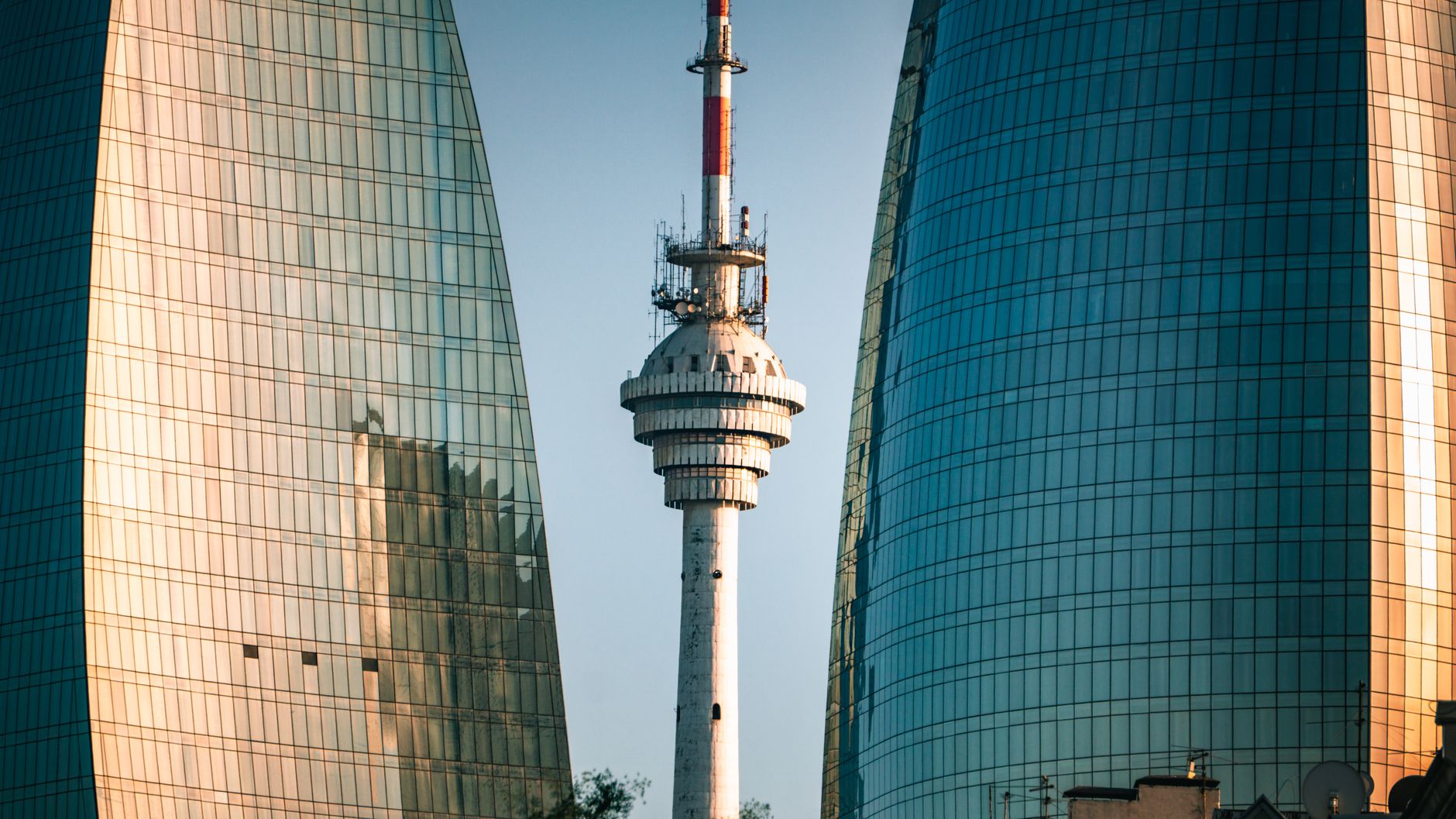
Dubai has a metro – two lines connecting the airport, Marina, Downtown, and most of the tourist spots. It’s cheap, fast, and easy to navigate without any Arabic, and there’s a separate guide to Dubai’s metro with the details.
Abu Dhabi has no metro at all. Getting around means taxis and buses, and distances between districts run longer than in Dubai – getting around without a car or regular taxi trips is inconvenient. That’s not a big deal for a short visit, but for a multi-day stay, budget more for taxis here than you would in Dubai.
Food and dining
Dubai’s restaurant scene is more international and visibly built for tourists – you can find any world cuisine here, from Michelin-starred hotel restaurants to street food in the old quarters. Competition is fierce, and restaurants change concepts fast, chasing the next photogenic menu.
Abu Dhabi’s food scene is calmer and often truer to its roots – more Emirati and Lebanese spots that aren’t chasing tourist traffic. International variety is thinner, but it’s easier to find solid Arabic food at a fair price instead of a version adapted for visitors.
Shopping

Dubai is the region’s recognized shopping capital. Dubai Mall and Mall of the Emirates compete on size and brand count, and every winter, usually from mid-December into January, the city runs the Dubai Shopping Festival, which draws visitors flying in specifically from neighboring countries.
Malls are fewer in Abu Dhabi, and they’re smaller in scale – Yas Mall is the main one, but it doesn’t carry the standalone-attraction status Dubai Mall does. In exchange, it’s easier to find traditional markets without a tourist markup – the fish and produce market at Mina Zayed, for instance, where locals shop for groceries rather than souvenirs.
Families, nightlife, or budget – what to pick

Families with kids usually have an easier time in Abu Dhabi – less open noise and partying, while the theme park and aquarium count holds up fine against Dubai. For anyone traveling for nightlife and shopping, Dubai stays unbeatable – it simply has more bars, clubs, and malls.
If your budget is tight and you want both cities, the smarter move is basing yourself in one emirate with day trips to the other, rather than booking separate stays in each. Switching hotels mid-trip costs you time on the move and re-settling in, and the distance here doesn’t justify it.
For anyone who’s already done Dubai and wants something new in the region, Abu Dhabi fits almost perfectly. The sights don’t overlap, and the change in pace reads as a shift in scenery rather than a repeat of the same experience.
Combining both cities in one trip
The distance between the two city centers is about 140 kilometers – roughly ninety minutes by taxi or rental car, closer to two hours by bus. Intercity buses E100 and E101 leave Dubai from Al Ghubaiba and Ibn Battuta stations every 20 to 30 minutes, and a one-way ticket costs about 25 dirhams. That’s entirely doable as a day trip in either direction.
Both cities rank among the safest in the world for street crime – you can walk around late at night or leave your things unattended at a cafe without much worry. The real difference is in the rules: Abu Dhabi enforces local codes of public behavior more strictly, and the fines for breaking them run higher than in Dubai, which is more used to foreign visitors.
When booking flights, check both airports rather than fixating on the destination city. Abu Dhabi’s international airport is smaller and calmer, passport control lines are usually shorter, and it’s a short drive from there to Dubai on the same highway connecting the two cities. Dubai’s airport is bigger, with noticeably more flights and airlines. That often means more flexible dates and fares – if the price difference is significant, it can be cheaper to fly into one city and out of the other.
First-time visitors to the UAE are usually better off starting in Dubai – it’s easier to navigate, has more English signage, and the infrastructure is built for newcomers. Abu Dhabi tends to land better as a second stop, once the region’s general logic makes sense and a slower pace sounds appealing.
Plenty of travelers base themselves in Dubai as the more built-out tourist hub and take a day trip out to Abu Dhabi – that’s exactly the route laid out in our one-day guide to Abu Dhabi, which maps specific stops and timing. The reverse works just as well: stay in Abu Dhabi and take a guided day trip to Dubai for shopping and the evening skyline.
The visa side is a non-issue either way. Both cities belong to the same United Arab Emirates, so a visa issued for a Dubai trip works in Abu Dhabi too, and vice versa. There’s no border between the emirates in the usual sense, just a highway sign – moving between the two cities feels more like crossing a state line than an international border.
Weather barely differs between the two – both sit on the Persian Gulf coast and go through the same brutal summer heat, so there’s no reason to time a trip around one city over the other. The comfortable season is identical for both.
There’s no single right answer to “which city.” It depends on what you want out of the trip. If time allows, a split of three nights in Dubai and two in Abu Dhabi covers both without feeling rushed, and the Grand Mosque is best done first: it opens at 9 in the morning, and the hour before the tour buses arrive is the quietest you’ll ever see it.


