

- Art Districts and Galleries: The Pulse of Beijing’s Contemporary Art
- Innovation and Futurism: A Glimpse into Beijing’s Future
- A Modern Beijing Itinerary: What to See and Where to Find It
- Gastronomic Beijing: New Flavors and Traditional Delights
- A Trip to Innovative Beijing: Tips and Personal Impressions
- Conclusion
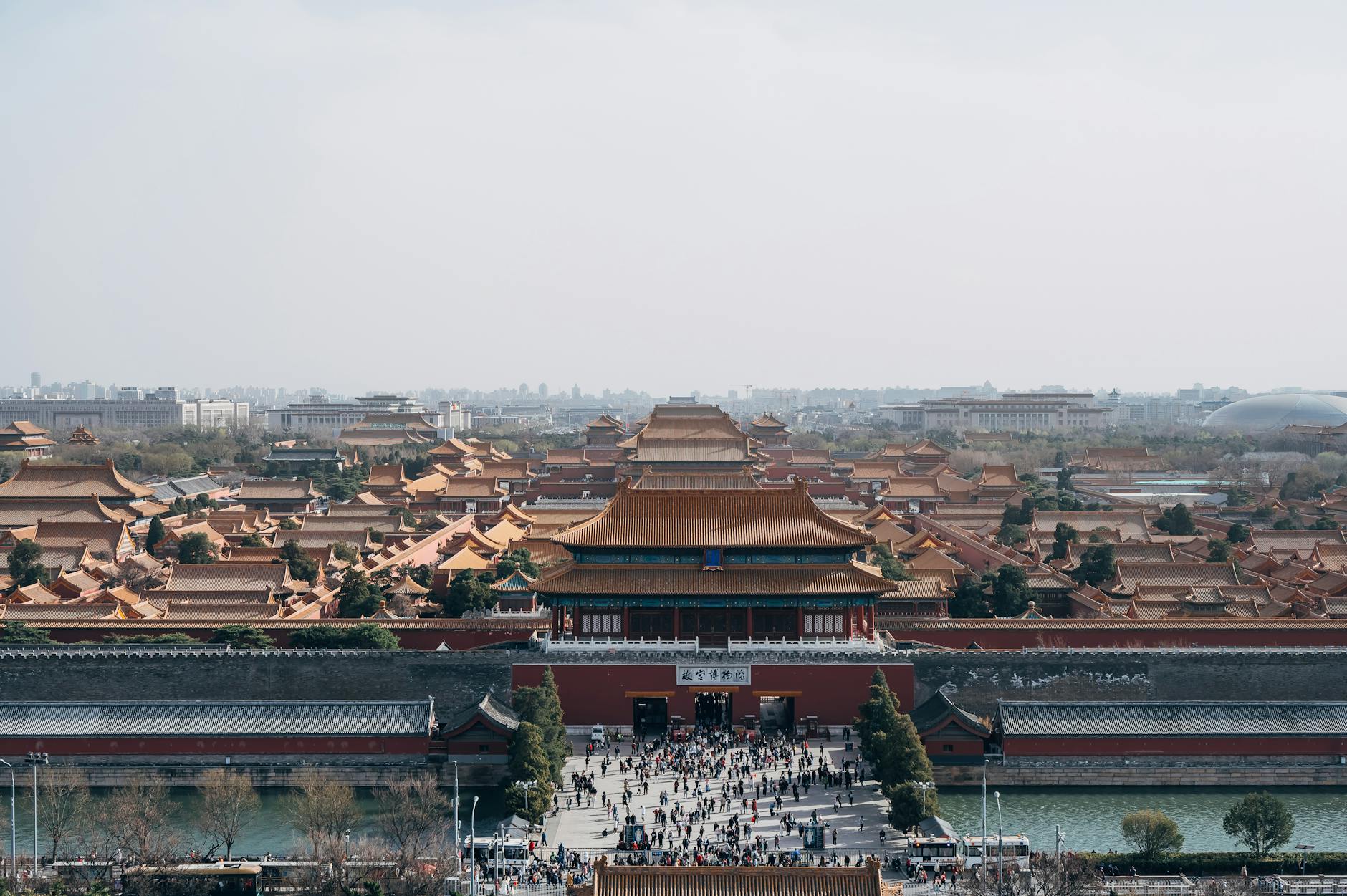
Beijing is a city I’d always pictured as a living open-air museum: the Forbidden City, the Great Wall, temples, hutongs. And, of course, all that’s here, it’s its heart, its very soul. But on my last trip, I stumbled upon a totally different, modern Beijing – a city pulsating with innovative energy, bold architectural designs, and a booming contemporary art scene in Beijing. It’s not just China’s capital; it’s a giant laboratory of the future, where traditions blend harmoniously (and sometimes starkly) with futurism. If you think you’ve already seen everything this metropolis has to offer, let me show you futuristic Beijing, its most unexpected and inspiring sides.
Honestly, I used to be a little skeptical about the idea of “modern” in such an ancient city. I mean, skyscrapers are a given, they’re everywhere now. But it turns out, Beijing’s innovations aren’t just about tall buildings; it’s a whole philosophy, weaving its way through the urban fabric, from cultural spaces right down to everyday life. And if you’re planning your next trip, I’d really recommend checking out flight deals to Beijing to see it all for yourself.
Art Districts and Galleries: The Pulse of Beijing’s Contemporary Art

To really dive into modern Beijing, I think you’ve gotta start with its art scene. It’s a total cultural explosion that’s sprung up from the ruins of old factories and workshops. Here, you won’t just find galleries; you’ll discover entire districts where every corner just breathes creativity. This is where I truly grasped that Beijing’s creative spaces are so much more than just exhibition venues.
798 Art Zone: The Epicenter of Creativity

When I first heard about the Beijing 798 Art Zone, I figured it was probably just some small gallery. Boy, was I wrong! This is an entire district that completely flipped my idea of what urban space could be. Dashanzi Art District, or simply 798, is a former electronics factory built in the 1950s, designed by East German architects. Its Bauhaus-style industrial buildings turned out to be the perfect canvas for artists who started moving in during the early 2000s.
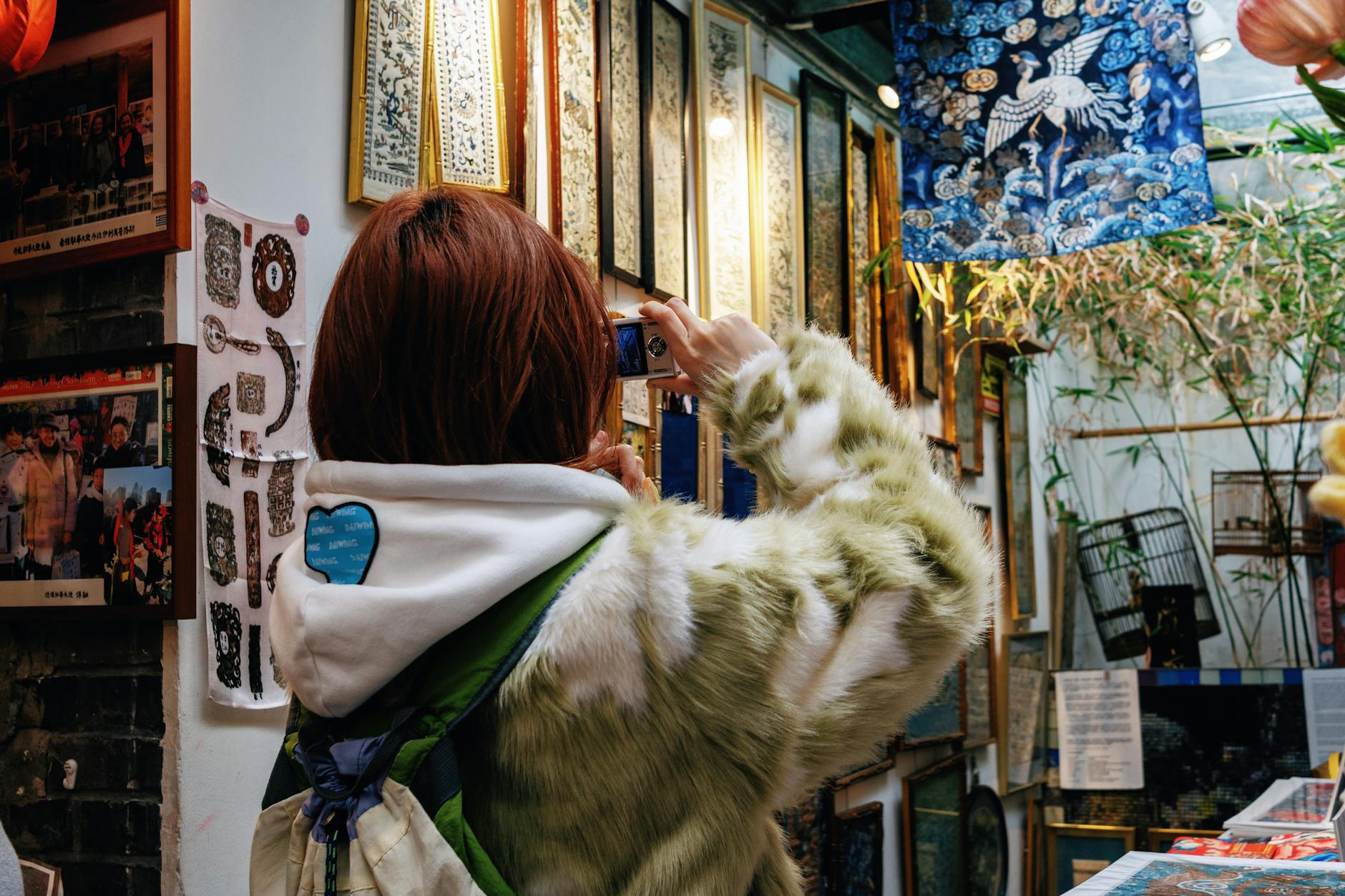
Now, 798 is a labyrinth of galleries, studios, design shops, cafes, and restaurants. Wandering around here, I kept bumping into unexpected outdoor installations, graffiti, and sculptures that seemed to sprout right from the ground or hang from the walls of old workshops. In one gallery, I even caught an artist painting a massive canvas right there on the spot – it was incredibly captivating to watch art being created live. You could easily spend half a day, or even a full day, just drifting from one exhibition to another, popping into tiny shops with unique handmade souvenirs. For those who want a deeper dive into local traditions, there’s even a chance to take a workshop in the artists’ district, which really lets you feel like you’re part of this creative flow.
What I really loved about 798 was the vibe. It’s both bohemian and super lively at the same time. There’s none of that stuffiness you often find in many Western galleries. People are laughing, sipping coffee, taking photos in front of vibrant murals. This is a place where Beijing’s art districts don’t just display art; they live and breathe it. Oh, and by the way, entry to most galleries is free, which makes 798 even more appealing for budget travelers.
- How to get there: Take the subway to Jiangtai Station (Line 14), then a taxi or bus (about 15-20 minutes). Or just take a taxi directly, it’s usually easier.
- Opening hours: Galleries are generally open from 10:00 to 18:00, but many cafes and shops stay open later. It’s best to go on weekdays to avoid crowds, but weekends have their own special vibe too.
- What to see: Beyond the main galleries, check out the Ullens Center for Contemporary Art (UCCA) – it’s one of the most famous venues with international exhibitions.
Other Art Spaces: From 751 D.Park to Lago Gallery
Besides the famous 798, modern Beijing hides other interesting art districts. For instance, nearby is 751 D.Park – another former industrial complex, but with a stronger focus on design, fashion, and theatrical arts. They host fashion weeks and various performances here, and the architecture feels a bit different – more “clean,” I guess. It struck me as a tad more respectable and commercial, but still super interesting to explore.
And if you’re craving something a bit more intimate, you should seek out smaller galleries in the Sanlitun area. Lago Gallery, for example, often hosts really cool exhibitions by young Chinese artists. These creative spaces in Beijing might be less famous, but they offer a more personal look at Beijing’s contemporary art and often turn out to be true discoveries for anyone hunting for something unique. Oh, and of course, don’t forget about the general sightseeing tours of Beijing, which might just cover these spots too.
Innovation and Futurism: A Glimpse into Beijing’s Future

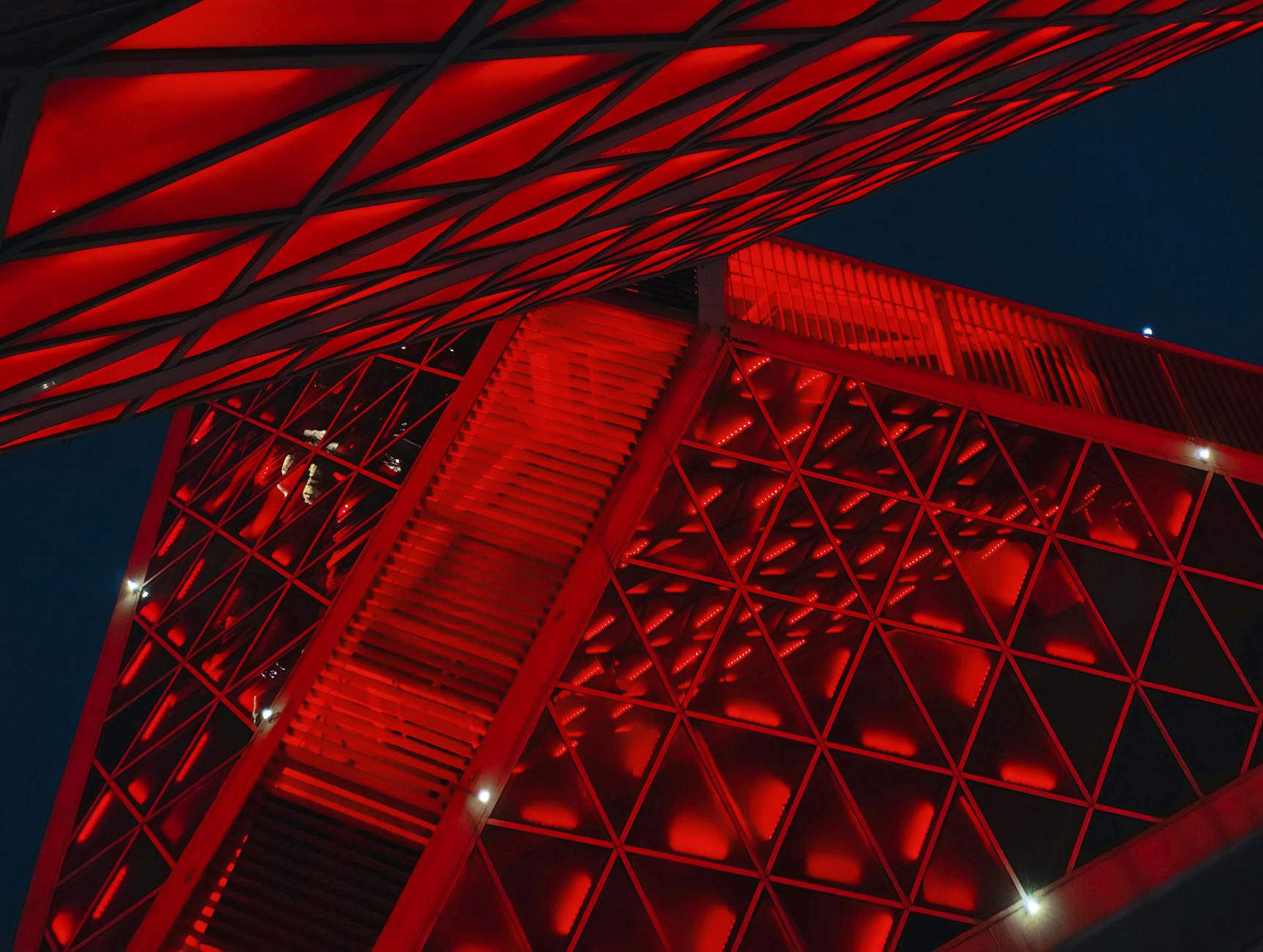
Shifting from art to architecture and technology, I realized that futuristic Beijing isn’t just a concept; it’s already a reality. The city’s heavily investing in tech development, smart cities, and, naturally, in creating iconic buildings that look like they’ve stepped right out of a sci-fi novel. And honestly, that’s probably one of the main reasons why a trip to innovative Beijing sparks so much excitement.
Architectural Wonders and Tech Parks
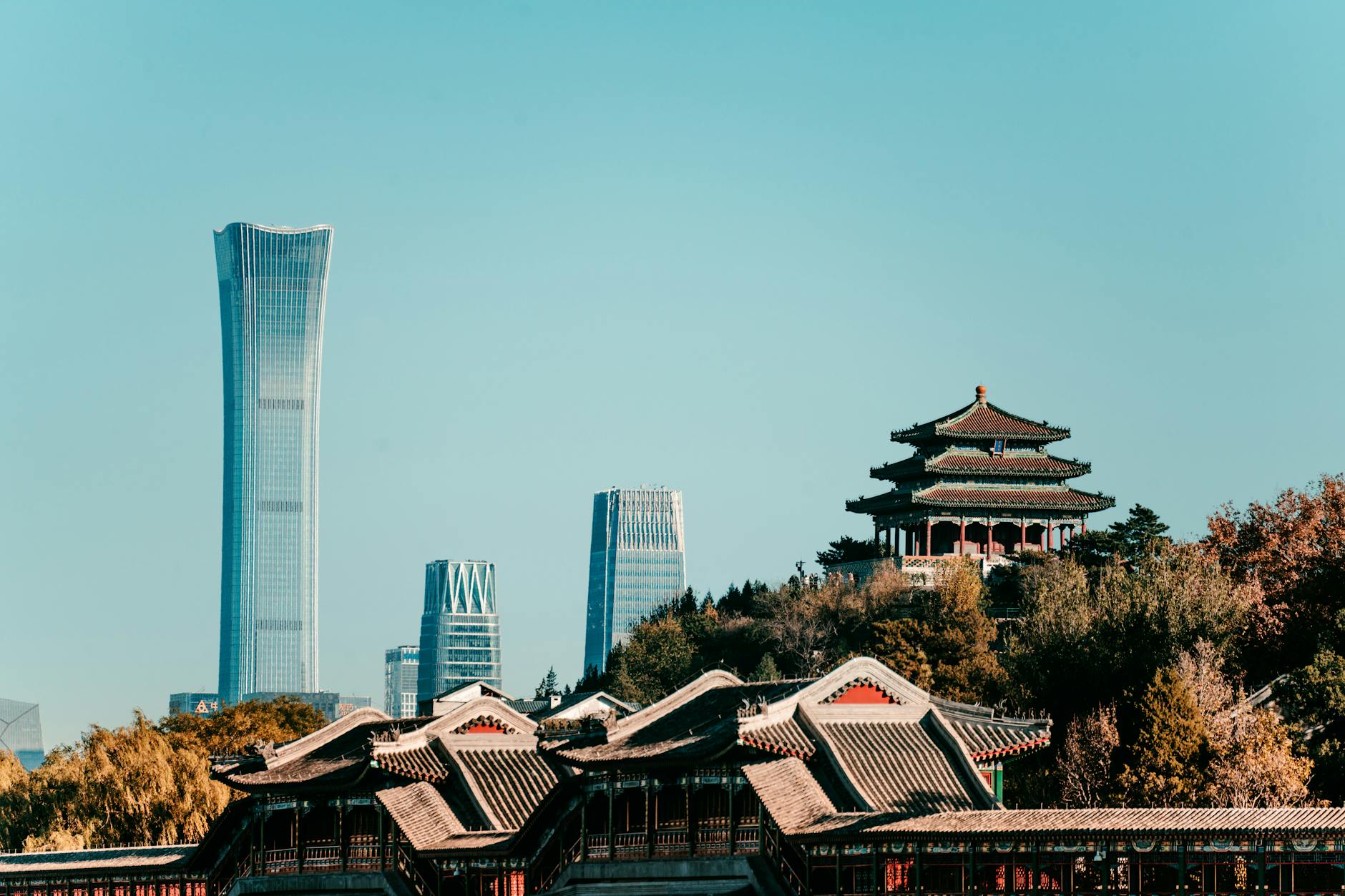
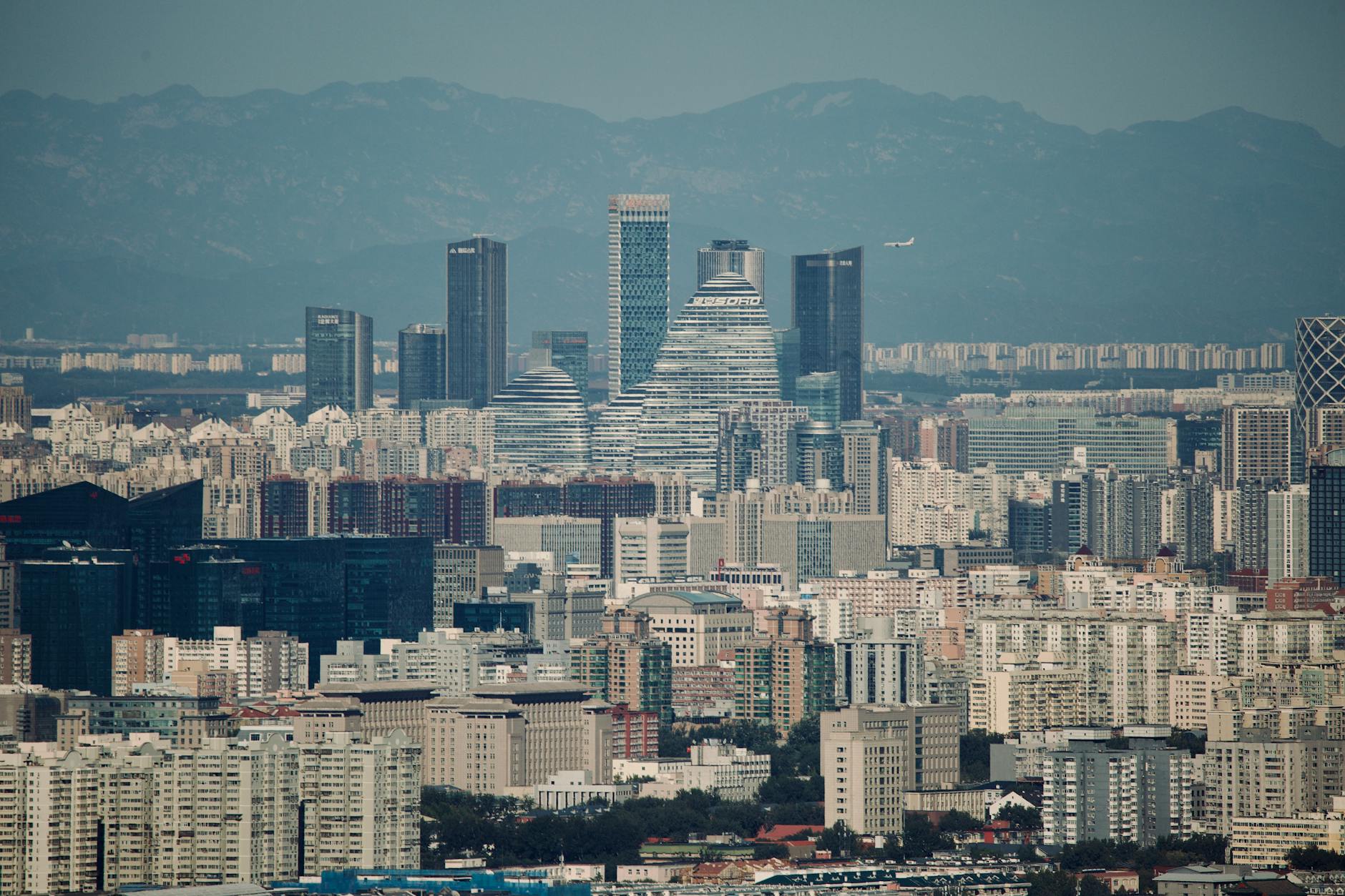
Walking around Beijing, you just can’t miss its striking futuristic Beijing architecture. The CCTV Headquarters building is probably the most famous one. Those two leaning towers, connected at the top by a “loop,” look absolutely incredible, defying gravity and traditional ideas of skyscrapers. It reminded me of some giant robot frozen mid-city. Right nearby is another marvel – Zaha Hadid’s Galaxy SOHO. It’s a complex of four smooth, streamlined buildings linked by bridges. Inside, you’ll find enormous atriums, flooded with light and air. You seriously feel like you’re in a spaceship there.
Another building that just blew me away was the Phoenix International Media Center. Its spiraling shape, kind of like a shell or a raindrop, creates an amazing effect. Through the glass walls, you can see an inner courtyard bursting with lush greenery. It’s not just an office building; it’s a genuine work of art, showing just how far Beijing’s innovations have come in design and construction.
Beyond these architectural icons, there are entire districts where technology is just buzzing. Zhongguancun, for instance, is China’s “Silicon Valley.” You’ll find offices of leading IT companies, startups, and universities there. Sure, it’s not a tourist attraction in the usual sense, but for anyone interested in Beijing’s innovation hubs, it’s a landmark. I found it pretty cool just to stroll around, soak up the area’s energy, and see all the young, driven people rushing about their business.
And, of course, I can’t not mention the new Beijing Daxing International Airport. Its design, by Zaha Hadid, is just stunning. It looks like a giant starfish or a flower unfolding its petals. Inside, there are huge, bright spaces where everything is designed for maximum passenger comfort. This isn’t just an airport; it’s a gateway to the future, and definitely one of Beijing’s most impressive new landmarks.
Digital Trends and the Smart City

But futuristic Beijing isn’t just about the buildings. It’s also about how the city actually works. I was absolutely blown away by the level of digitalization. Mobile payments via WeChat Pay or Alipay are completely standard here. Cash is pretty much a rarity now. Taxis are summoned through apps, food gets delivered by robots (in some spots!), and you’ll find charging stations for electric cars and bikes everywhere. Multi-faceted Beijing really impresses with its efficiency and tech-savviness.
Facial recognition systems, smart traffic lights, public transport running on electricity – all of this isn’t science fiction anymore; it’s everyday reality. I think Beijing is a fantastic example of how a city can harness technology to boost its citizens’ quality of life and create a truly “smart” environment. For a tourist, this translates to incredible convenience, assuming you’re up for getting the hang of the local apps.
A Modern Beijing Itinerary: What to See and Where to Find It
So, if you’re feeling inspired and ready to explore this amazing city, I’ve put together a little modern Beijing itinerary for you that’ll help you see all the coolest stuff. My goal is to show you what to see in modern Beijing, without forgetting its truly unique vibe.
The Perfect Day: Art, Technology, and Gastronomy
I suggest starting your morning with a deep dive into art. Head over to the 798 Art Zone (Dashanzi Art District). Spend about three or four hours there, soaking in the galleries, installations, and the whole atmosphere. Definitely pop into a few cafes – there are lots of cozy spots with great coffee and light snacks. It’s the perfect place to get a feel for where to find futuristic spots in Beijing within its cultural scene.
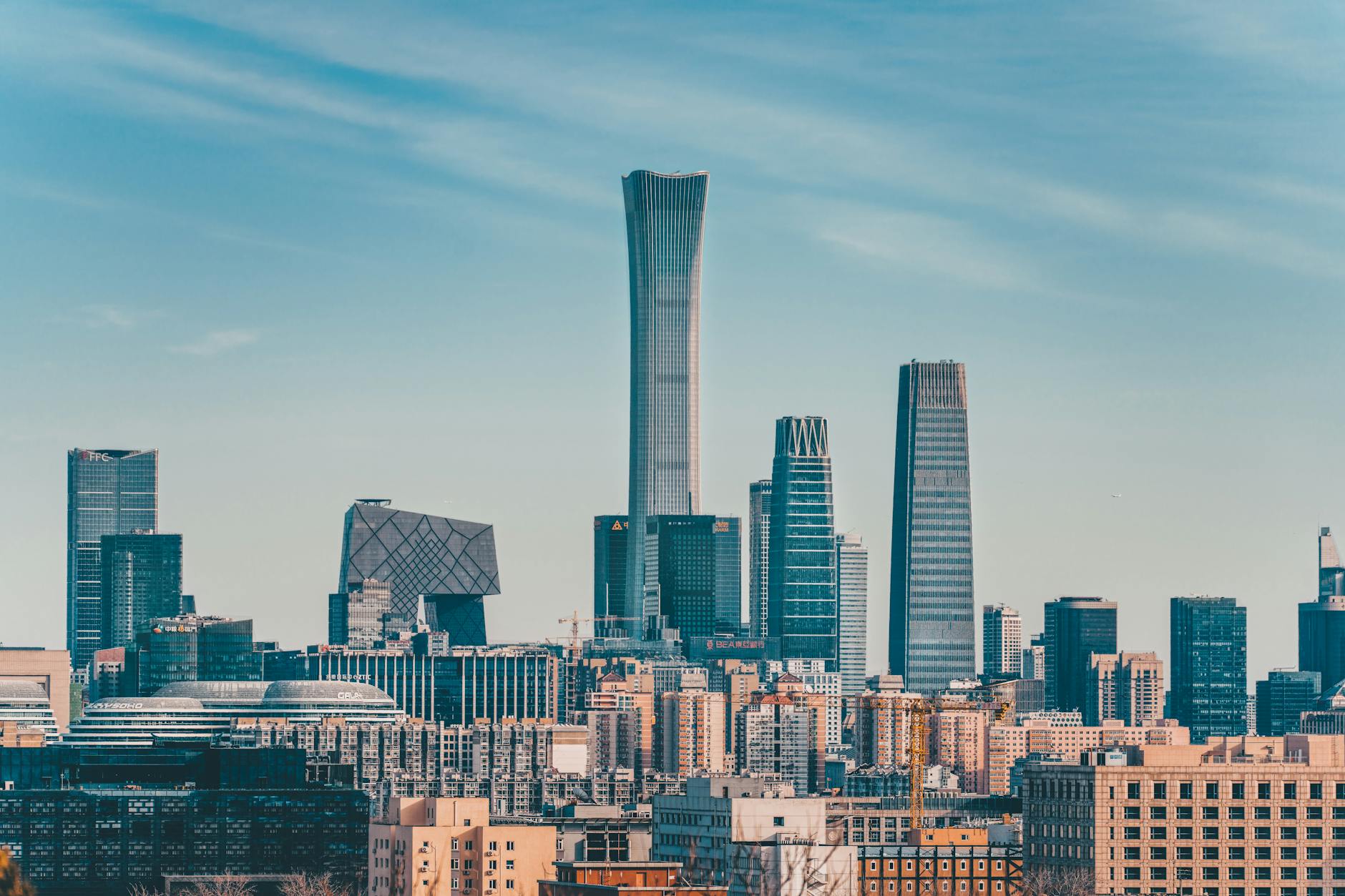
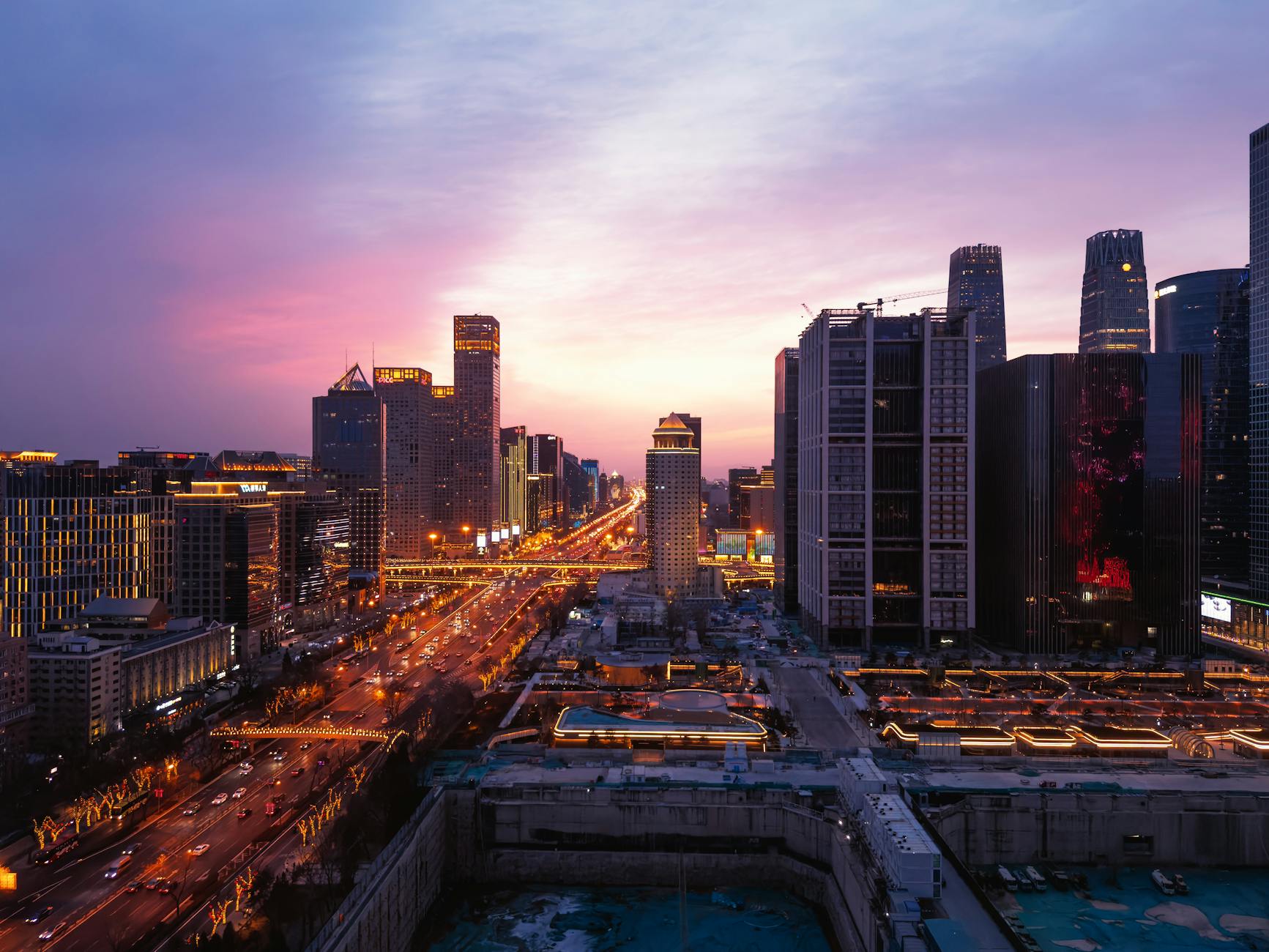
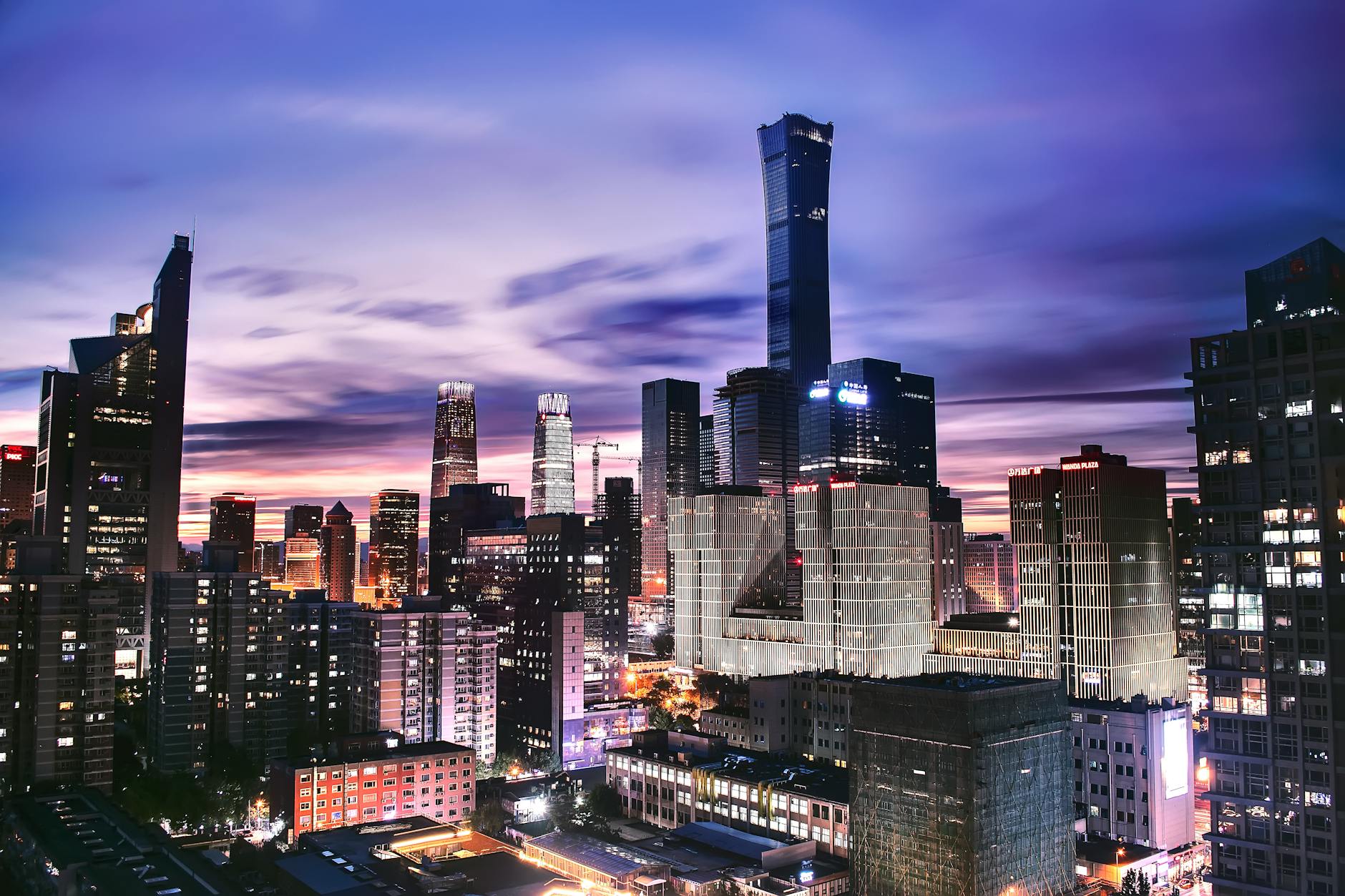
After lunch, move over to the Central Business District (CBD). This is where you’ll find most of the architectural marvels I mentioned: the CCTV Headquarters, Galaxy SOHO, China Zun (Beijing’s tallest skyscraper). You can grab a taxi or use the subway – it’s super convenient. Just wander through the district, look up, and admire these colossal structures. They look especially stunning at sunset.
You could dedicate your evening to shopping and gastronomy in the Sanlitun area. It’s a super trendy and lively district with tons of boutiques, bars, and restaurants. Here, you can try both traditional Chinese cuisine with a modern twist and dishes from all over the world. And then, why not head out for a night stroll through Beijing? The city looks totally different lit up, and its futuristic Beijing architecture truly transforms.
For those who prefer ready-made solutions, there are some fantastic Beijing tours that blend the classic with the contemporary. They’ll help you see both the ancient treasures and the city’s newer facets, making sure you don’t miss a thing.
Where to Stay and How to Get Around
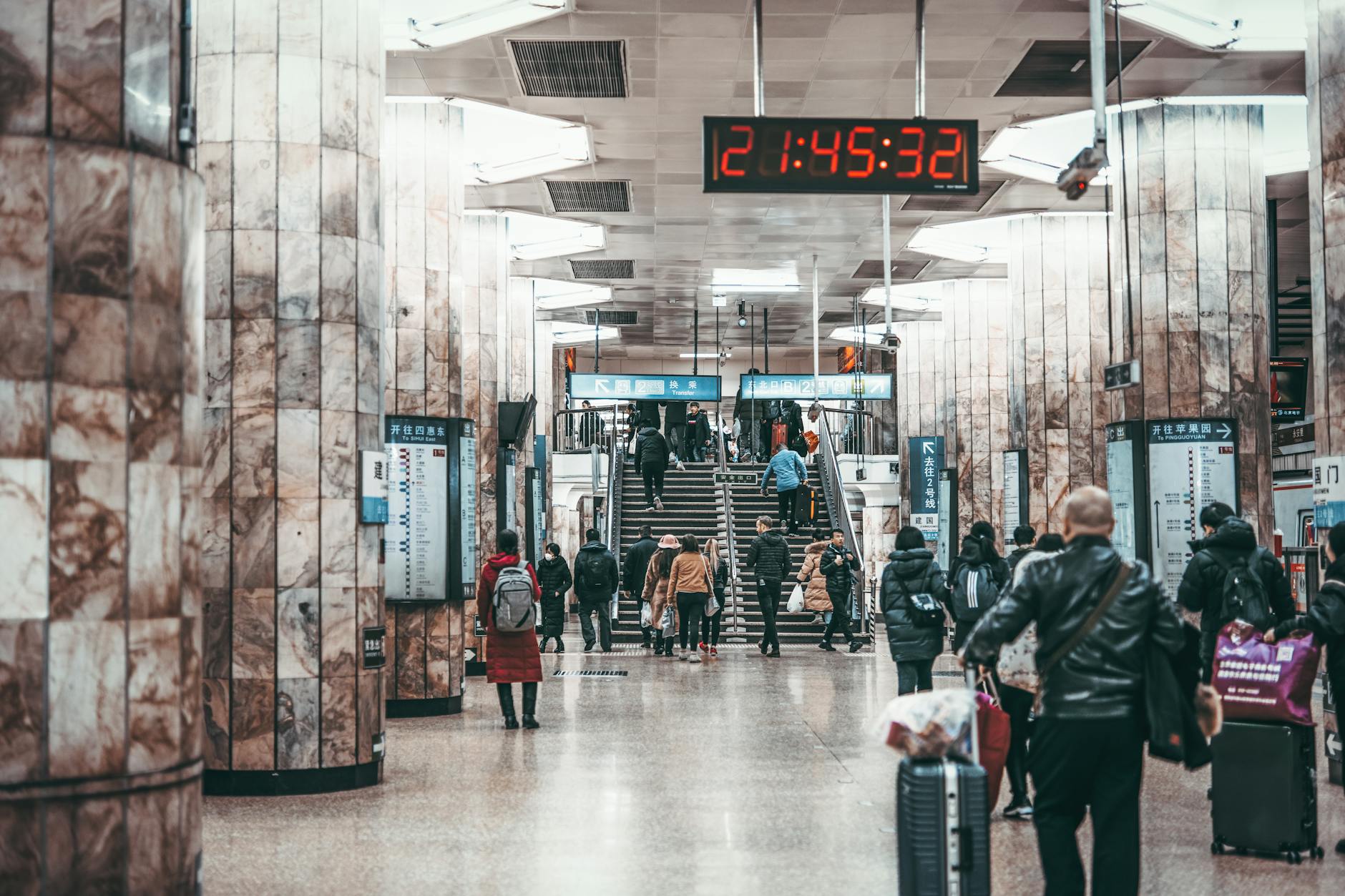
The choice of accommodation in Beijing is massive, ranging from luxurious five-star hotels to budget-friendly hostels. If you want to be right in the thick of things and have easy access to the modern districts, I’d suggest looking for hotels in Beijing in the Chaoyang or Dongcheng areas. For example, the Hilton Beijing Wangfujing offers a fantastic location and top-notch service, which, let’s be honest, is pretty nice after a busy day.
As for getting around, Beijing’s subway is going to be your best friend. It’s extensive, efficient, clean, and relatively inexpensive. The signs are in English, so it’s hard to get lost. For shorter distances or when you need to reach places the subway doesn’t cover, use a taxi or apps like Didi (China’s version of Uber). Fair warning though, for Didi, you’ll need a local SIM card or active roaming, so you might want to sort that out beforehand.
Gastronomic Beijing: New Flavors and Traditional Delights
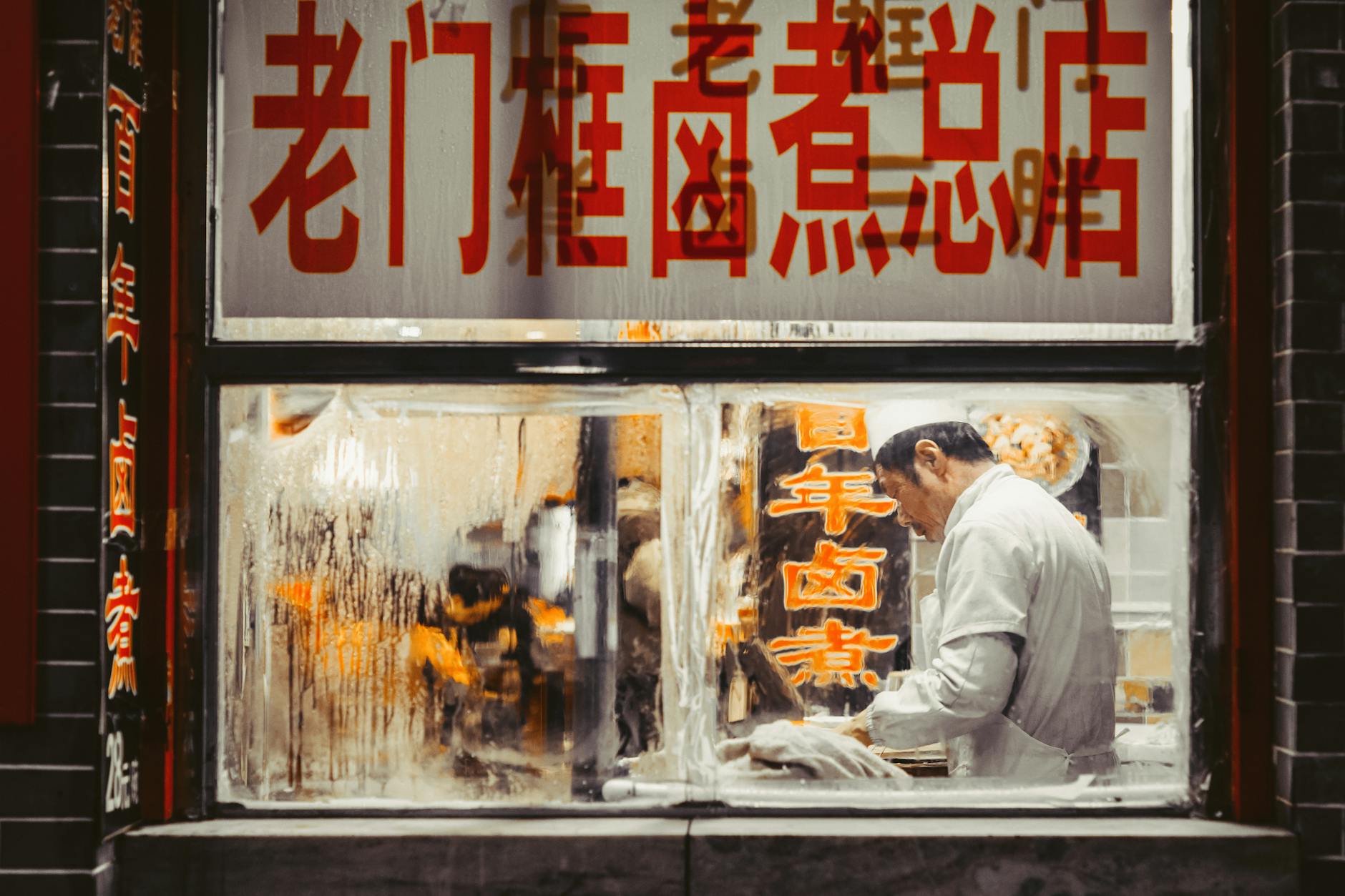
Of course, no guide to Beijing’s art districts and futuristic architecture would be complete without talking about food. Modern Beijing isn’t just a visual feast; it’s a gastronomic one too. Here, traditional Peking duck rubs shoulders with fusion cuisine, and street food sits right next to Michelin-starred restaurants.
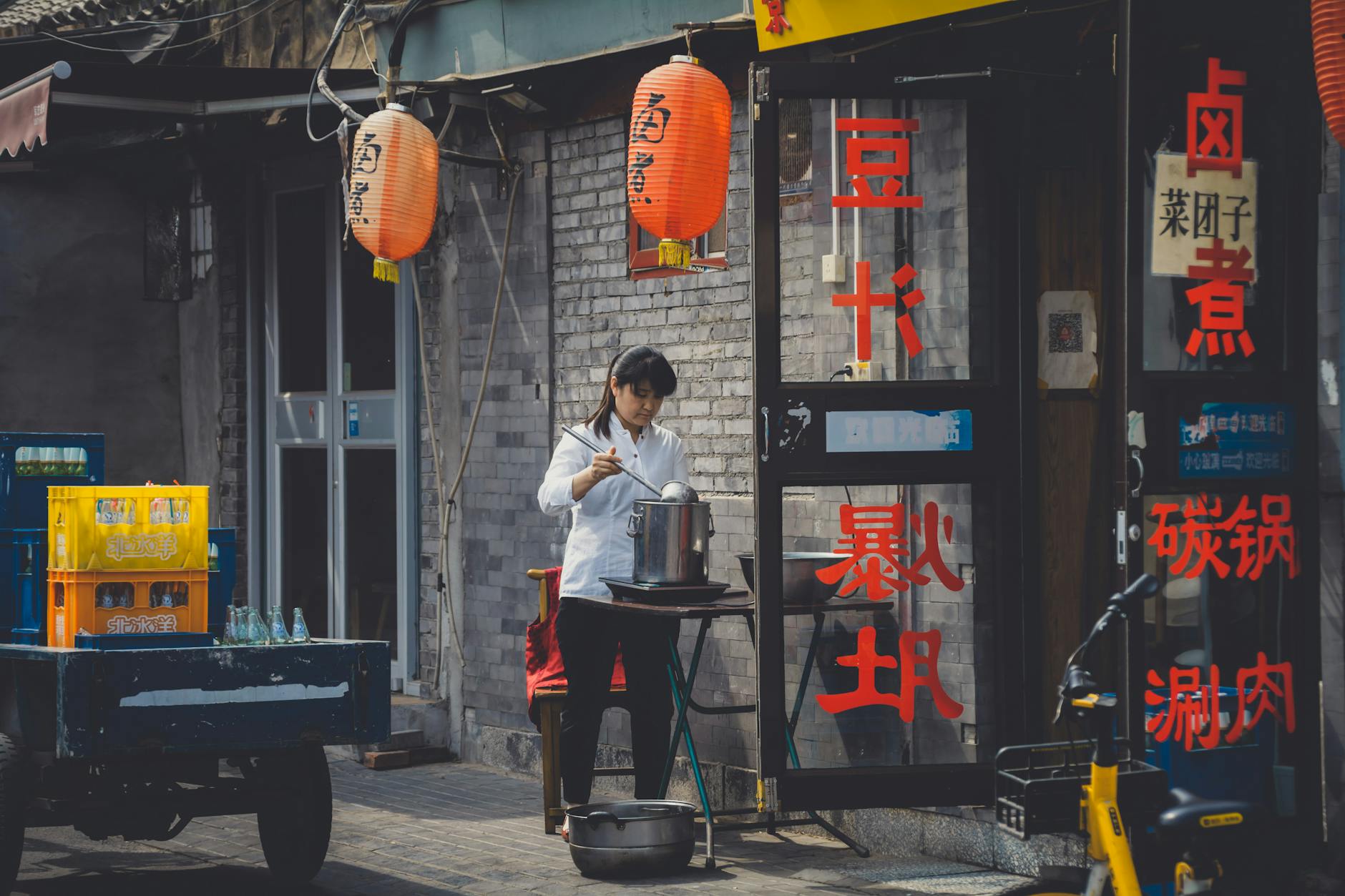
I obviously couldn’t pass up the classic – authentic Peking duck. And while it’s a traditional dish, its presentation and interpretation in some modern restaurants can be really surprising. For instance, at one place, they served me duck with sauces that felt more European, and the whole presentation was a genuine art performance. Besides duck, you absolutely have to try the local noodles, dumplings (jiaozi), and, of course, the spicy Sichuan dishes, which are super popular in Beijing too.
For those who love something new and a bit different, areas like Sanlitun and Guomao boast tons of trendy cafes and restaurants with international cuisine, vegan options, and signature cocktails. These are perfect spots to really feel the city’s global pulse. If you’re up for experimenting, a culinary tour could be an awesome way to uncover the city’s hidden gastronomic gems.
- Street Food: Don’t be shy about trying street food, but pick places where lots of locals are eating – that’s always a good sign.
- Tea Ceremonies: Even though it’s a tradition, many tea houses now offer modern, minimalist designs and host ceremonies that look incredibly aesthetic and contemporary.
- Rooftop Bars: Beijing offers several fantastic rooftop bars with stunning views of the city skyline, especially Beijing at night.
A Trip to Innovative Beijing: Tips and Personal Impressions
My trip to innovative Beijing left a really strong impression on me. It’s a city that’s constantly moving forward, yet never forgets its roots. It skillfully blends ancient history with an eager gaze toward the future, creating a unique, one-of-a-kind character. This isn’t just a metropolis; it’s a living organism that breathes, changes, and constantly surprises you.
Here are a few tips to help you get the most out of your trip:
- VPN: Definitely install a VPN before you arrive in China if you want to use your usual social media and services. Google, Facebook, and Instagram aren’t accessible here without a VPN.
- Language barrier: While many people in tourist spots speak English, the language barrier can generally be a bit of a challenge. Install a translation app with offline translation and photo translation features – it’ll help a ton.
- Apps: Download WeChat (for communication and payments), Alipay (for payments), and Didi (for taxis) beforehand if you plan on using them.
- Air quality: Beijing’s air quality can be hit or miss. Bring a mask, especially if you have any sensitivities.
- Explore: Don’t be afraid to wander off the beaten path. That’s often where you’ll find the most interesting new Beijing attractions or cozy cafes.
Honestly, Beijing is a city that demands an open mind and a readiness for new experiences. If you come here expecting to see just the Forbidden City and the Great Wall, you’ll miss a huge, thrilling layer of its modern life. Your first encounter with Beijing might be a bit overwhelming, but if you give it a chance, it’ll reveal a completely new side of itself to you.
Conclusion

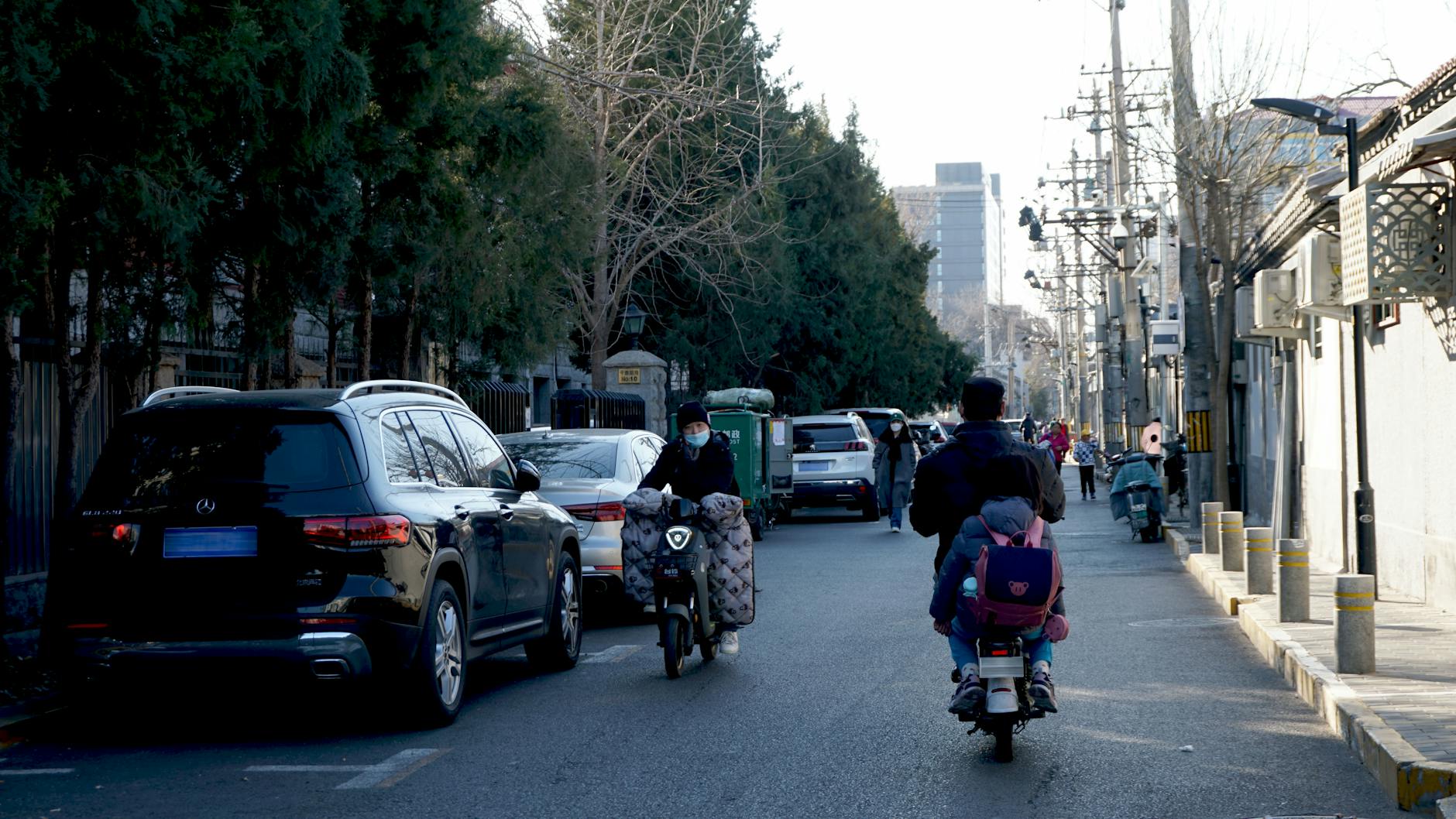
For me, modern Beijing was a real eye-opener. I went there thinking about an ancient empire, but I came back with impressions of a city of the future. The art districts, where old factories have been transformed into temples of art, the bold futuristic architecture of Beijing that’s rewriting urban planning rules, and the amazing Beijing innovations integrated into daily life – all of it creates an unparalleled experience. It’s a city of contrasts, where millennia-old traditions are carefully preserved, yet it’s actively paving the way into tomorrow.
I honestly believe every traveler should see this dynamic guide to Beijing’s art districts and its technological wonders. It really makes you think about progress, about how culture and technology can coexist and enrich each other. If you’re looking for inspiration, if you want to see what the future could look like, Beijing is waiting for you. And I’m sure you’ll be just as amazed as I was.