

- What are hutongs and why are they so important to Beijing?
- How to explore Beijing’s hutongs: My favorite ways
- Best hutongs in Beijing for walking and where to find authentic hutongs in Beijing
- Diving into the everyday life of Beijing’s hutongs: What to see and try
- Practical tips for hutong explorers
- Beijing’s Hutongs: Tourist reviews and personal impressions
- Conclusion
When I first planned my trip to China’s capital, my list was pretty standard: the Great Wall, the Forbidden City, the Temple of Heaven. All must-sees, of course. But the real old Beijing, with its soul and unique charm, isn’t hidden behind the high walls of imperial palaces. No, it’s tucked away in the labyrinths of those narrow streets. I’m talking about the hutongs — those very lanes where time just seems to slow down, and you feel like you’re part of something truly ancient and alive. Honestly, for me, diving into the everyday life of Beijing’s hutongs became one of the most vivid experiences. They’re not just buildings; they’re an entire world where life in Beijing’s traditional alleyways still flows, keeping its unique secrets of old Beijing alive.
What are hutongs and why are they so important to Beijing?

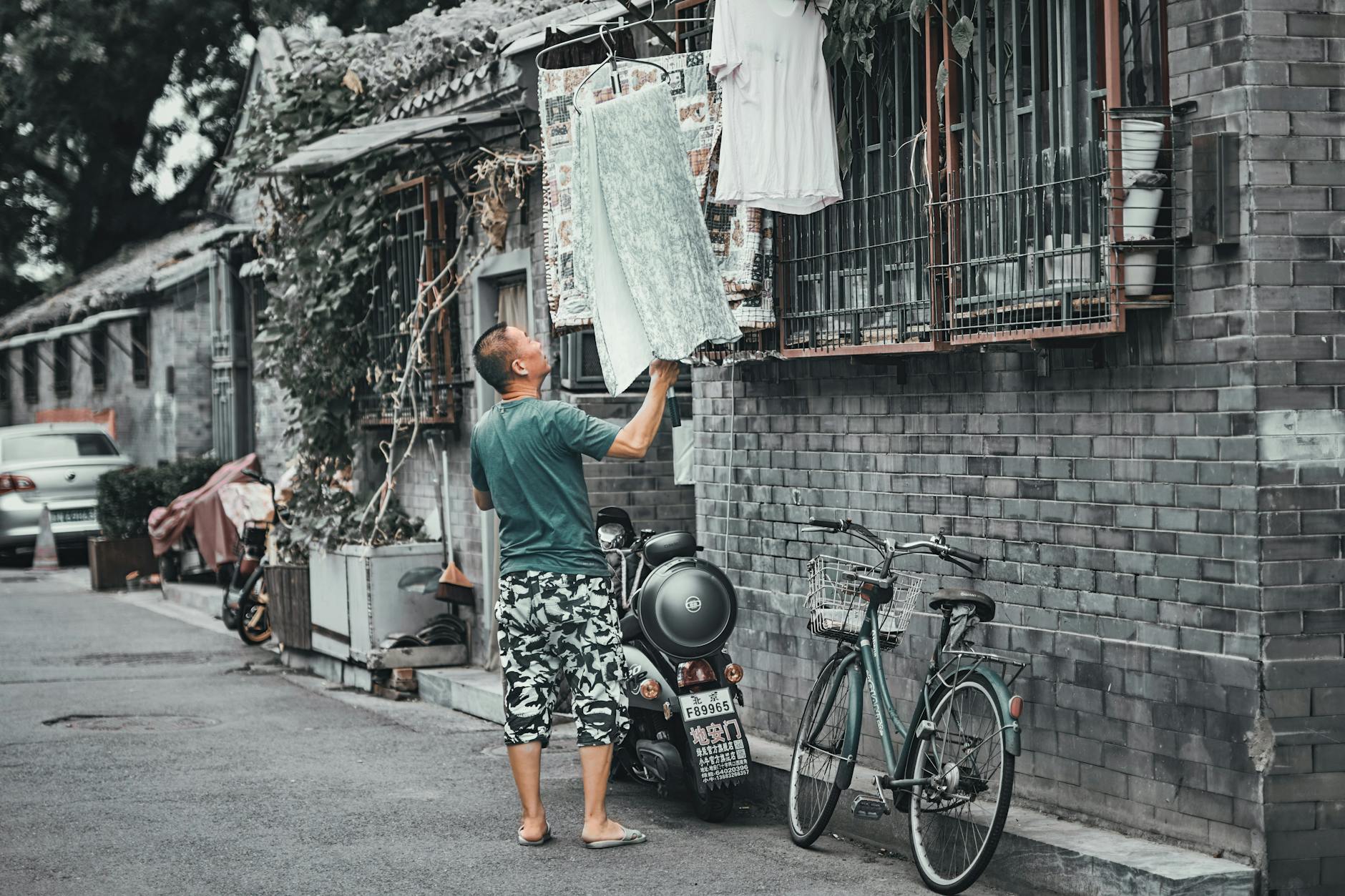
So, what are Beijing hutongs? Simply put, they’re traditional narrow streets and alleyways that form residential quarters in the older parts of the city. Their history spans hundreds of years, with roots reaching back to the Yuan, Ming, and Qing dynasties. The word “hutong” (胡同) itself has Mongolian origins, meaning “water well,” which points to their original role as settlements grouped around water sources. Just imagine: in ancient Beijing, the city’s layout was super strict, based on feng shui and imperial decrees. Main streets ran north-south and east-west, and between them, like blood vessels, the hutongs branched out.
Most of the homes here are siheyuan, or traditional Chinese courtyards with four buildings arranged to face the cardinal directions, forming an inner courtyard. You’d usually find trees, potted flowers, and sometimes even a small pond in the center of the courtyard. This isn’t just architecture; it’s a whole philosophy of life, where each family had its own space but was still closely connected to neighbors. These courtyards were true oases of calm in a bustling city. Unfortunately, many were demolished during modernization, but those that remain offer a unique glimpse into what old Beijing attractions looked like centuries ago. As I wandered through them, it felt like every brick, every old door, could tell its own story, its own secrets of old Beijing.
Today, hutongs aren’t just relics of the past. They’re living, breathing neighborhoods where people still go about their daily lives, where kids play in the streets, and old folks sit by their doors, watching the world go by. And it’s this authenticity that makes them so appealing for anyone wanting to see non-touristy places in Beijing and feel the city’s true pulse. Look, if you really want to understand this city deeply, then you’ve got to discover the history and culture of China’s capital through the lens of its oldest districts.
How to explore Beijing’s hutongs: My favorite ways
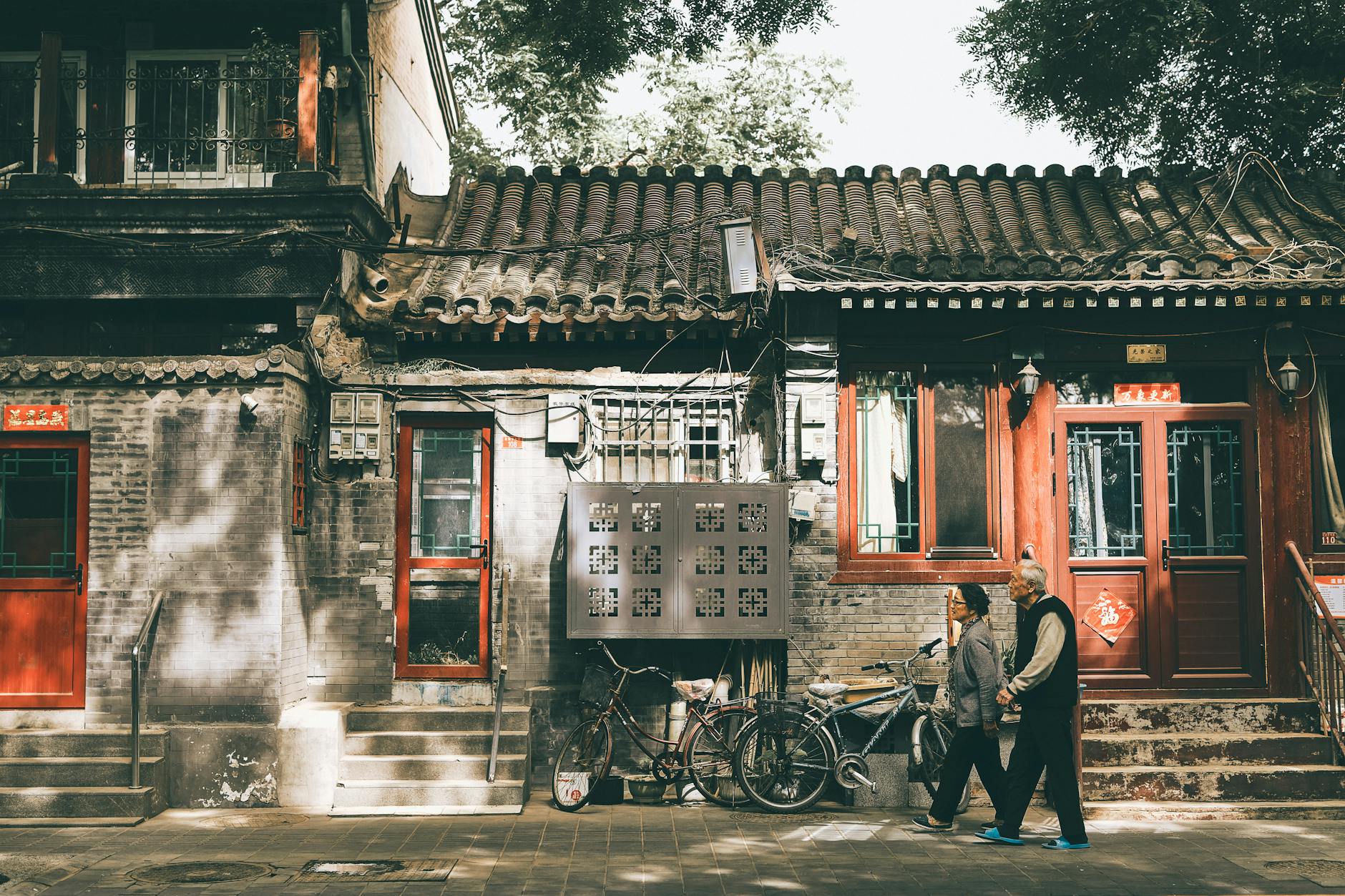
There are tons of ways to explore the hutongs, and each one has its advantages. I’ve tried a few, and I can tell you that the most genuine immersion into the everyday life of Beijing’s hutongs happens when you take your time.
Walking tours: A leisurely introduction
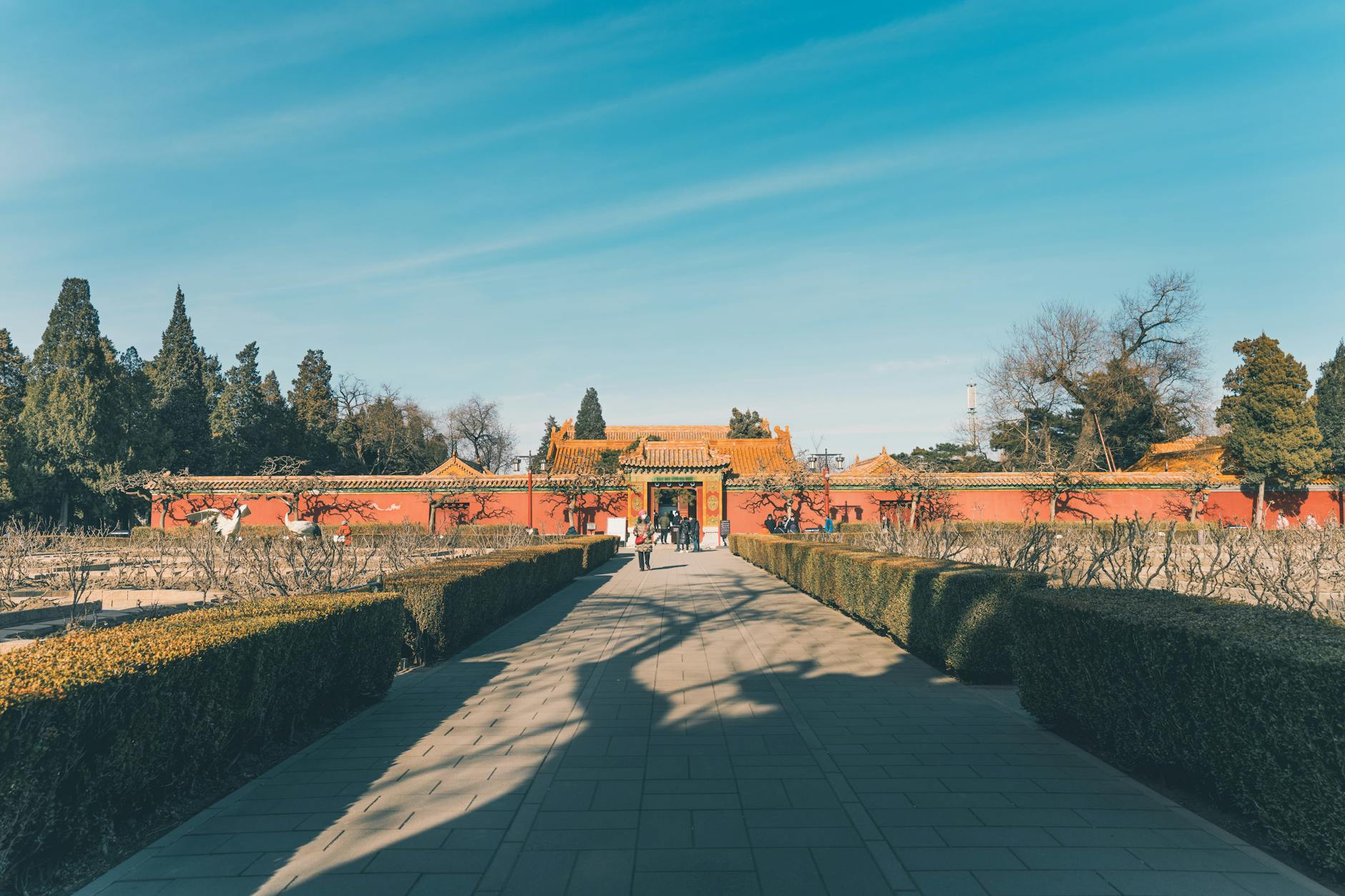
The simplest and, in my opinion, most profound way is just to walk. Forget about maps for a bit and let yourself get a little lost. That’s when you’ll stumble upon the most unexpected details: tiny shops selling morning buns, street barbers, seniors playing mahjong. This is the perfect option if you’re looking for non-touristy places in Beijing. You’ll notice how Beijing’s traditional architecture here isn’t just preserved; it’s actively used in daily life. Old wooden gates, red lanterns, tiled roofs — all of it creates such a unique atmosphere. I highly recommend visiting Beijing without filters, to truly see a new side of it.
Here are a few tips for a walking tour:
- Start early in the morning: Hutongs really come alive with the first rays of sun. In the morning, you’ll see locals having breakfast on the street, doing their exercises, opening their tiny shops. It’s the best time for a real immersion into the everyday life of Beijing’s hutongs.
- Be polite: Remember, these are residential areas. Respect people’s privacy; don’t peek into open doorways without an invitation.
- Try the street food: You’ll often find small eateries and food carts in the hutongs. It’s a great way to taste authentic dishes.
Cycling through Beijing’s hutongs: Wind in your hair and freedom
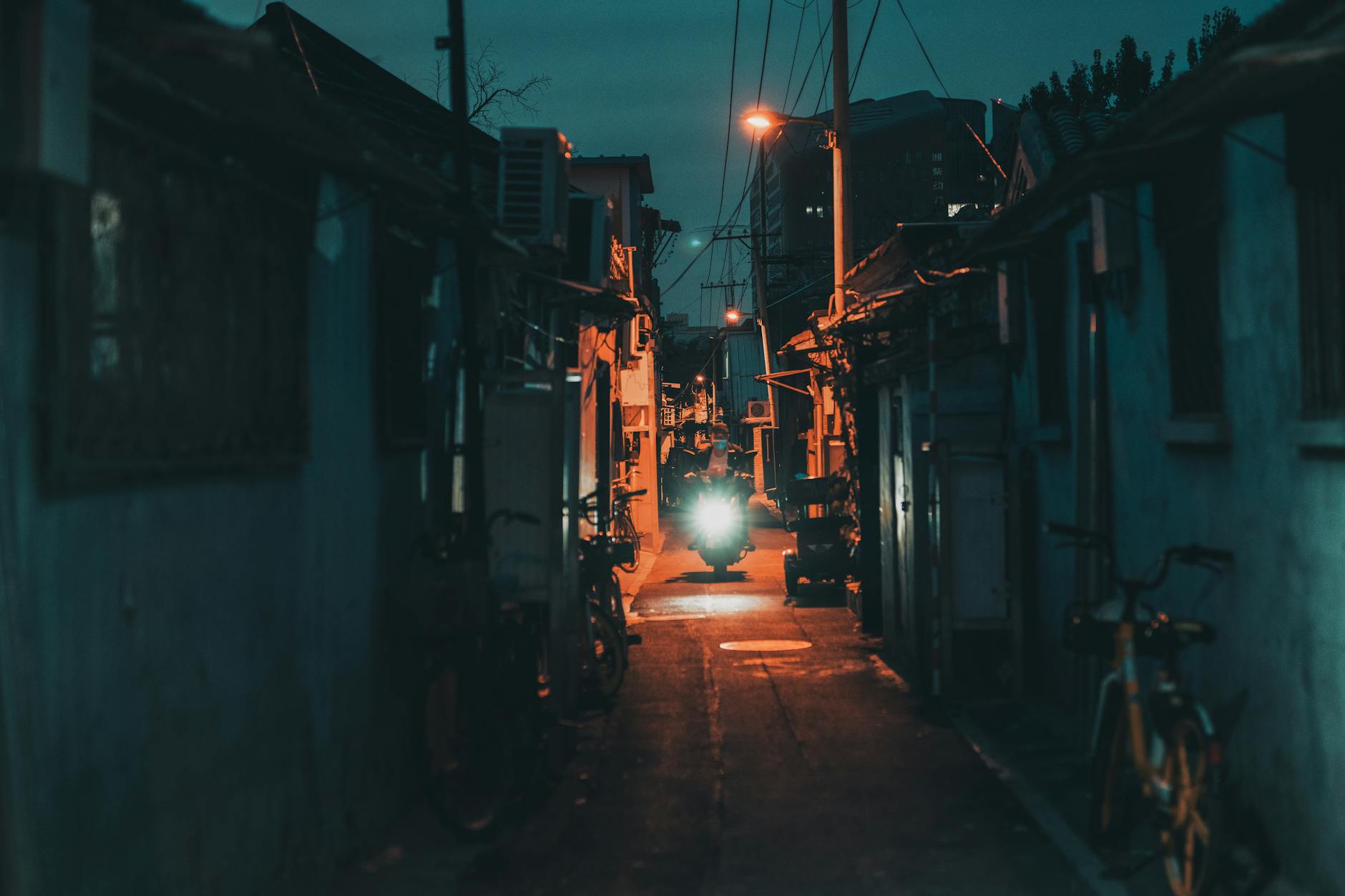
If you want to cover more ground and feel like a local, then a bike ride through Beijing’s hutongs is exactly what you need. There are tons of bike rental spots here, and some hotels even provide them for free. A bike gives you amazing freedom: you can quickly move between neighborhoods, stopping wherever you like to snap a photo or peek into an interesting courtyard. I rented a bike and spent almost a whole day exploring the best hutongs in Beijing for walking (and cycling!).
My route usually included:
- The Drum and Bell Towers: A fantastic starting point. From here, it’s easy to get into many interesting alleyways.
- Houhai Lake: This area around the lake is especially picturesque; there are plenty of cafes and bars, but you can also find quiet corners. It’s a good example of how modernity and Beijing’s traditional architecture coexist side by side.
- Nanluoguxiang Street: Even though it’s super touristy, it’s cool to check out the souvenirs and try local sweets here. But don’t linger too long; the most interesting authentic neighborhoods of Beijing are in the alleyways off it.
By the way, there are special bike tours in Beijing that can help you see the city through the eyes of past aristocrats. Or you could go on an imperial Beijing bike tour to combine active leisure with history.
Hutong tours in Beijing: An inside look
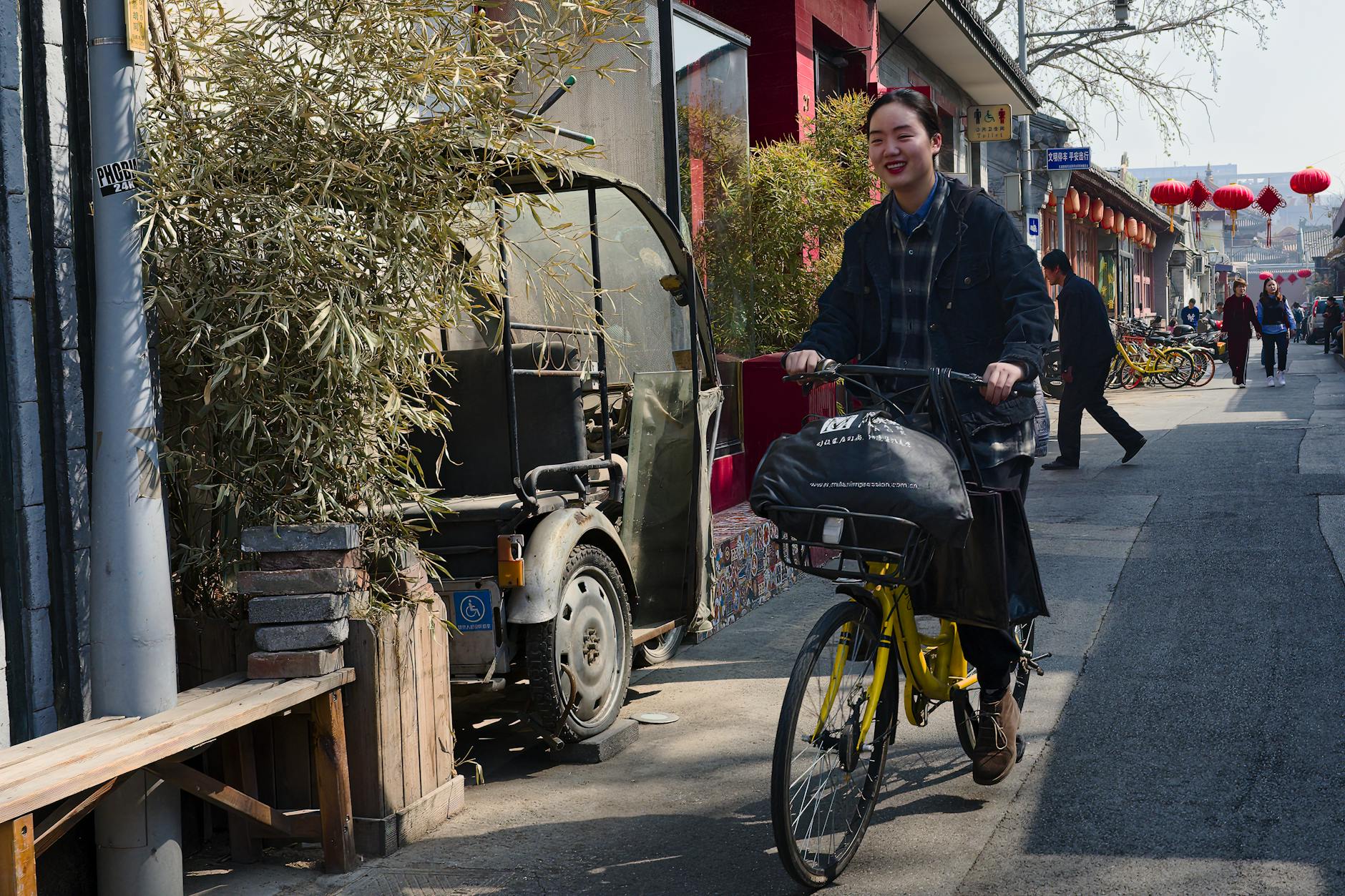
If you’re unsure where to find authentic hutongs in Beijing or want to learn more about their history and significance, then a guide will be indispensable. The price of Beijing hutong tours can vary, but it’s totally worth it. Local guides often live in these areas and can show you places and tell you stories you’d never find in guidebooks. They’ll help you understand life in Beijing’s traditional alleyways from the inside, sharing local customs, showing you small temples, or artisan workshops.
I took one of these tours, and the guide showed me an old siheyuan where several families still live, told me about etiquette, and even treated me to homemade tea. Talk about a true immersion into the everyday life of Beijing’s hutongs. If you’re looking for something similar, check out “Traditional Beijing: from Hutongs and Forbidden City to Tea Ceremony.” Also, “Authentic Beijing!” is an excellent option, really focusing on local life. Many tourist reviews of Beijing hutongs confirm that guides make this experience truly unforgettable.
Best hutongs in Beijing for walking and where to find authentic hutongs in Beijing
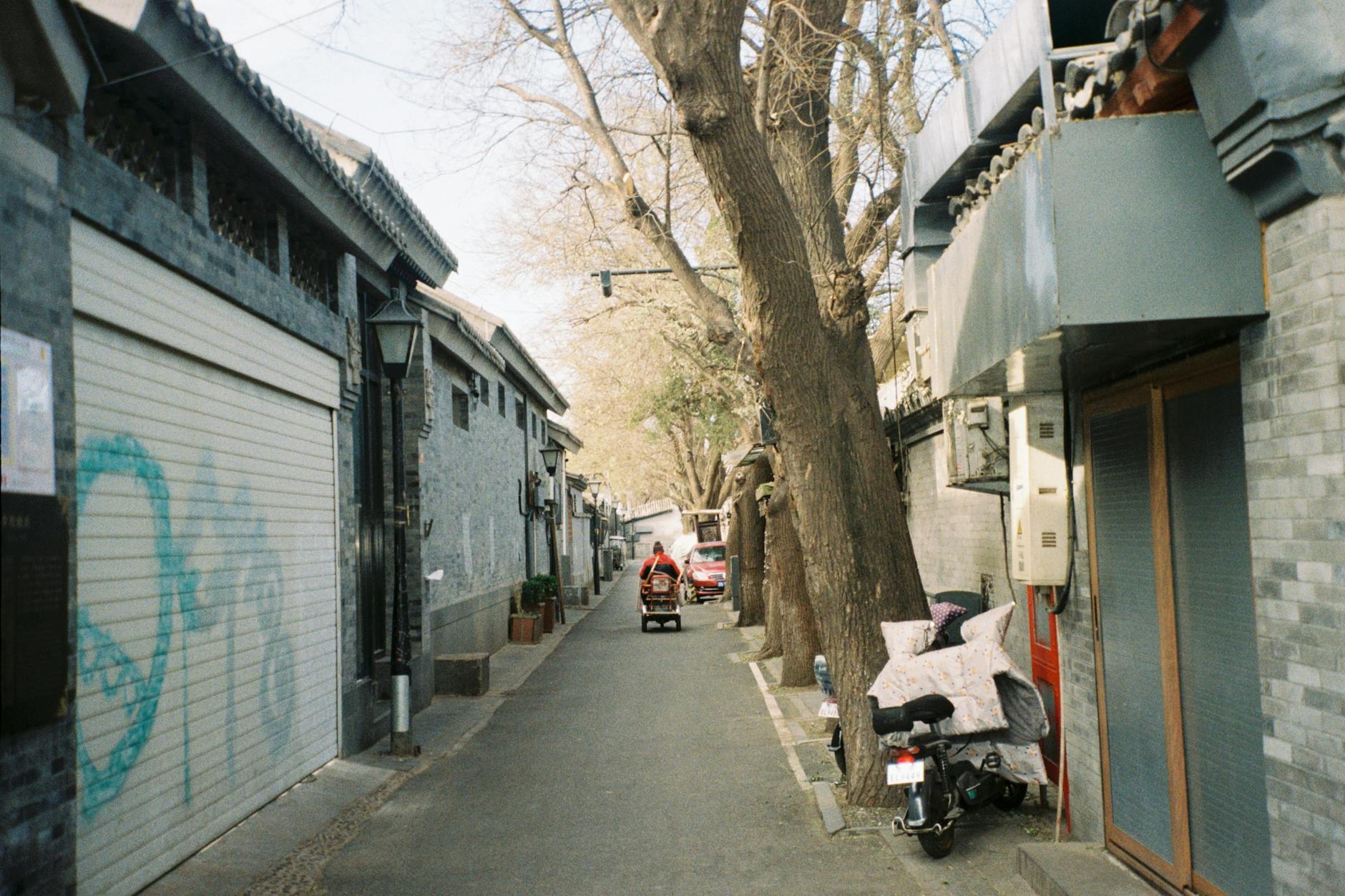
Beijing is huge, and hutongs are scattered all over the city. But there are a few areas I especially recommend for exploration if you want to see authentic neighborhoods of Beijing and non-touristy places in Beijing.
Shichahai Area
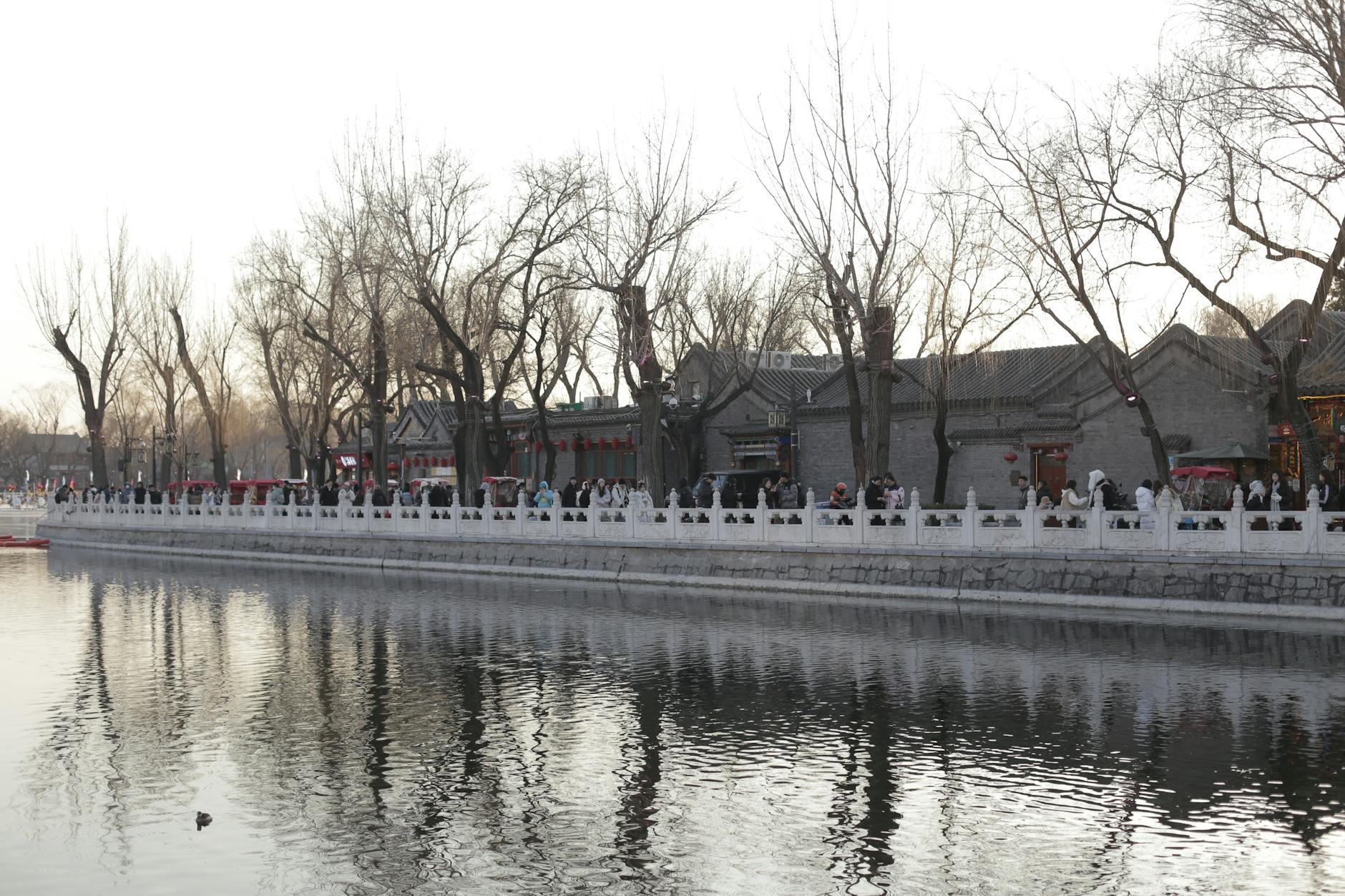
This is probably the most famous and picturesque hutong area, encompassing three lakes: Qianhai, Houhai, and Xihai. It’s super popular, but if you step a little away from the embankments, you can find surprisingly quiet alleyways. Here, bars, restaurants, souvenir shops, and ordinary residential homes all mix together. You can take a boat ride on the lake or just sit by the shore. This is where I first truly felt what life in Beijing’s traditional alleyways was like, watching locals practice tai chi by the water.
Gulou Area – Drum and Bell Towers
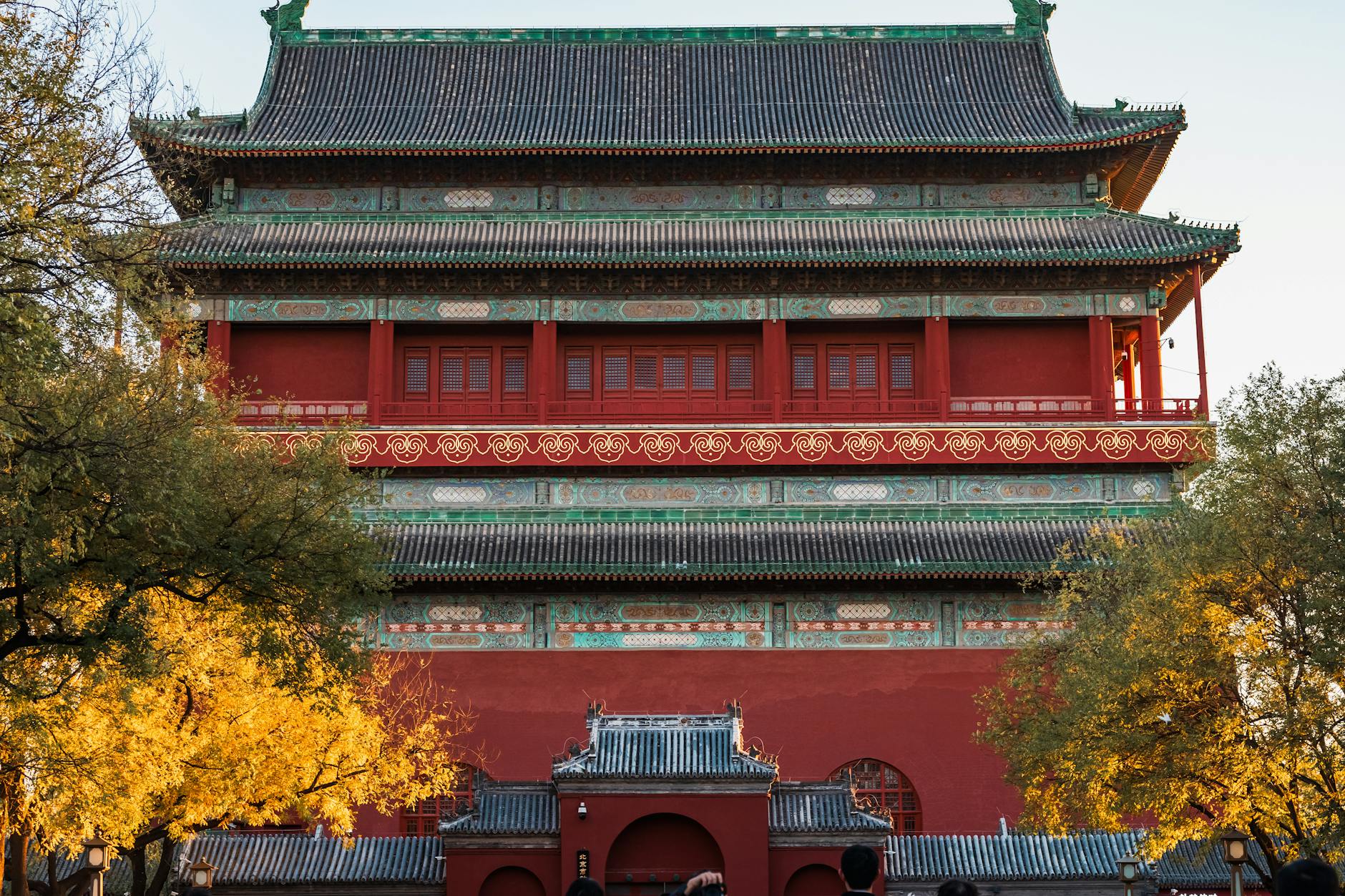
Around the Drum and Bell Towers, you’ll find one of the oldest hutong districts. These towers themselves are impressive examples of Beijing’s traditional architecture and offer great views of the surrounding alleyways. You can find plenty of traditional tea houses, small galleries, and workshops here. This is an excellent answer to the question of where to find authentic hutongs in Beijing, because there’s less glitter and more everyday life.
Wanxingju Hutong
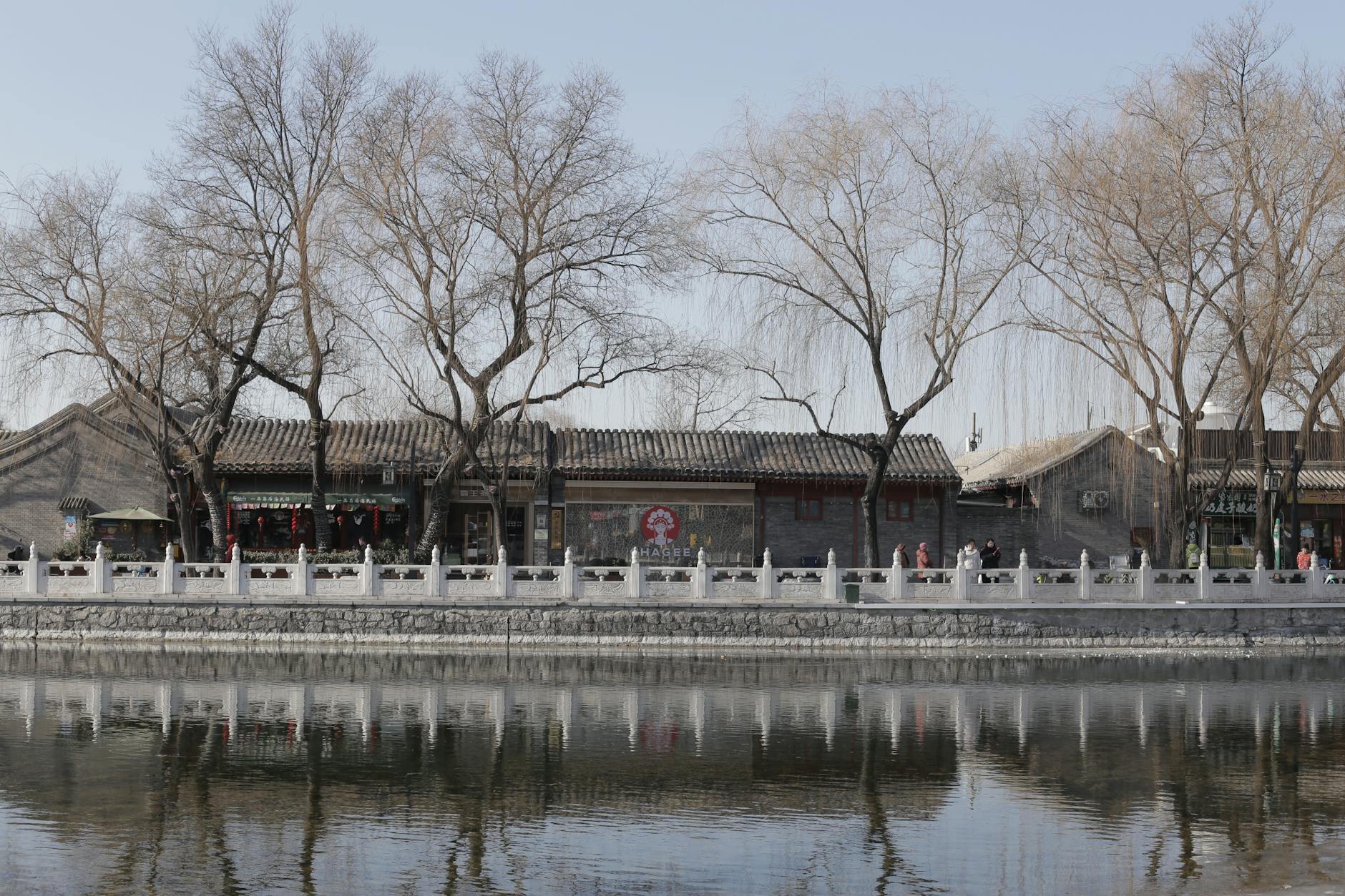
This hutong, located near the Confucius Temple and the Yonghegong Temple (Lama Temple), is less known to tourists but really interesting. Here, you can see how locals adapt their homes to modern needs while still preserving the traditional look. It’s a fantastic spot for those seeking non-touristy places in Beijing and wanting to see real, unembellished life.
Hutongs around Beihai Lake
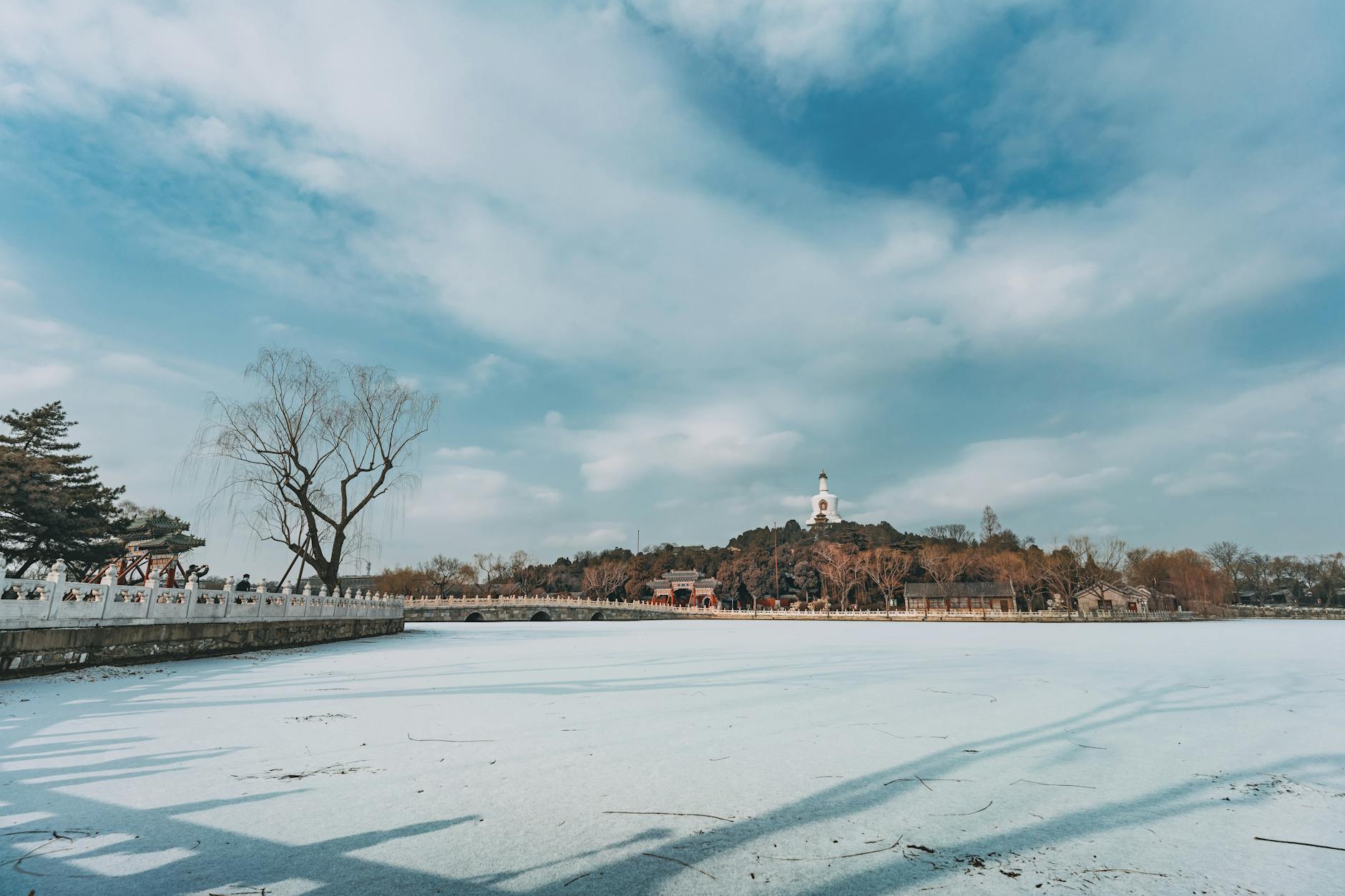
Beihai Lake and its adjacent park are part of a former imperial garden, and the hutongs around it have a special charm. You might find more well-maintained courtyards here, and the park itself offers an amazing blend of nature and ancient architecture. If you’re looking for the best hutongs in Beijing for walking with elements of nature, then this is your pick. Plus, you can find family fun at Beihai Park and the aquarium if you’re traveling with kids.
Diving into the everyday life of Beijing’s hutongs: What to see and try
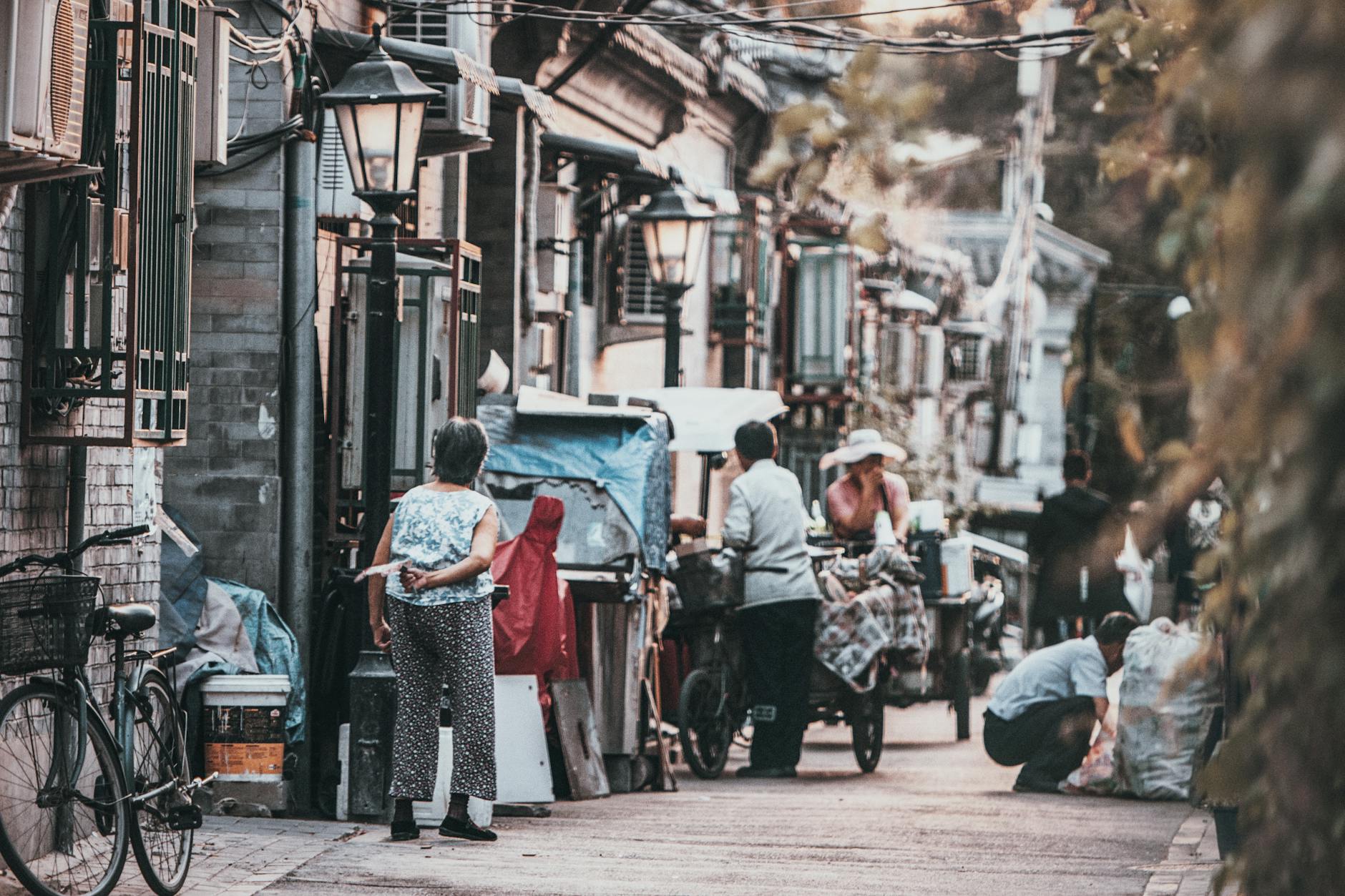
When I talk about diving into the everyday life of Beijing’s hutongs, I don’t just mean walking around; I mean interacting with the local culture. That’s what makes a trip truly unforgettable.
Street food and tea ceremonies
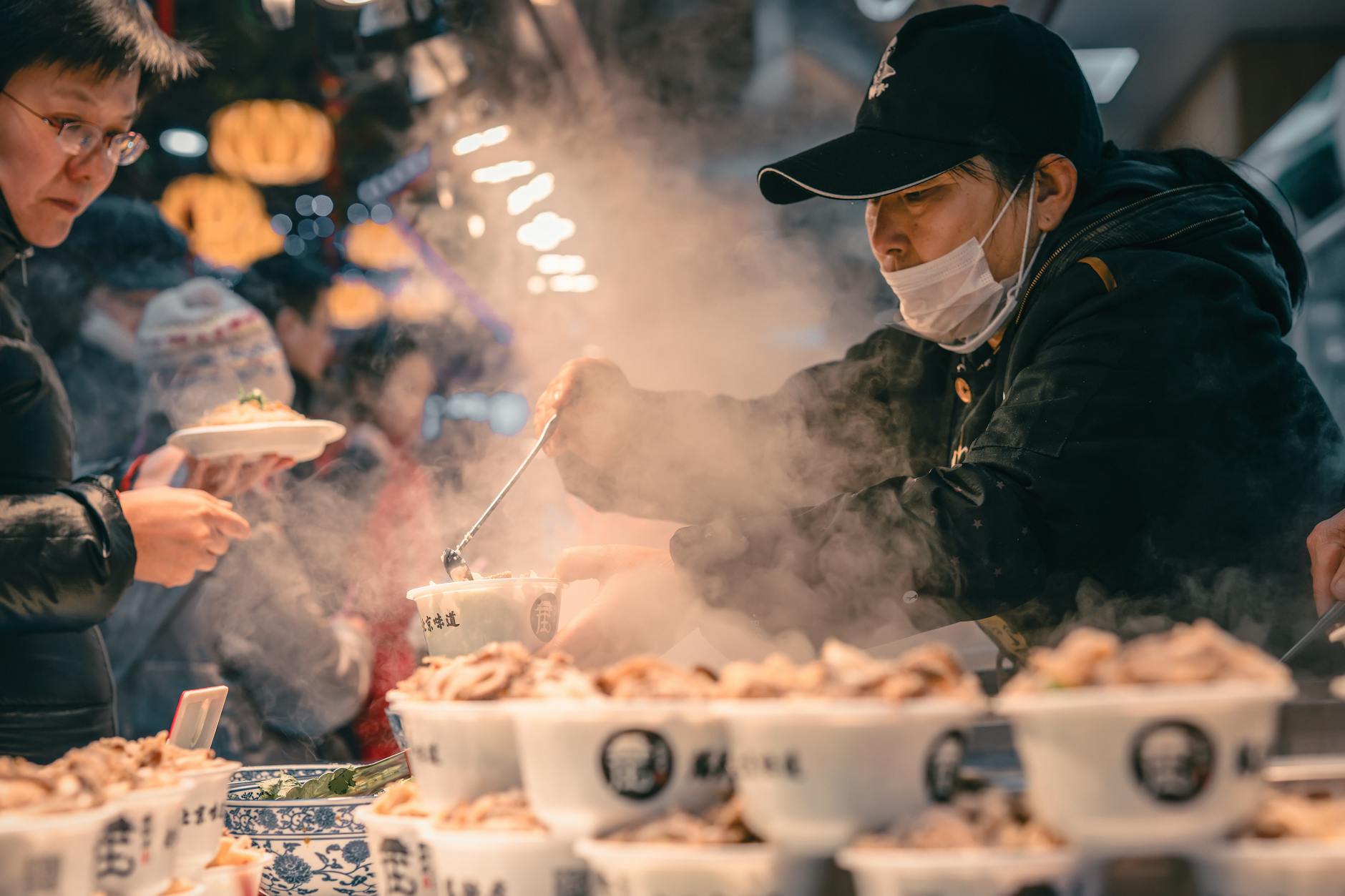
No trip through the hutongs would be complete without tasting the local street food. Fried dumplings, jianbing crepes, noodles, skewers — you can find all of this in small shops and from carts. Don’t be afraid to try it; it’s safe and super delicious. And, of course, tea. There are tons of tea houses in the hutongs where you can not only buy tea but also participate in a real tea ceremony. It’s not just a drink; it’s a whole ritual, a part of Chinese culture. If you want to dive deeper into this topic, there’s an excellent tour of the Celestial Empire with a tea ceremony.
Artisan workshops and shops
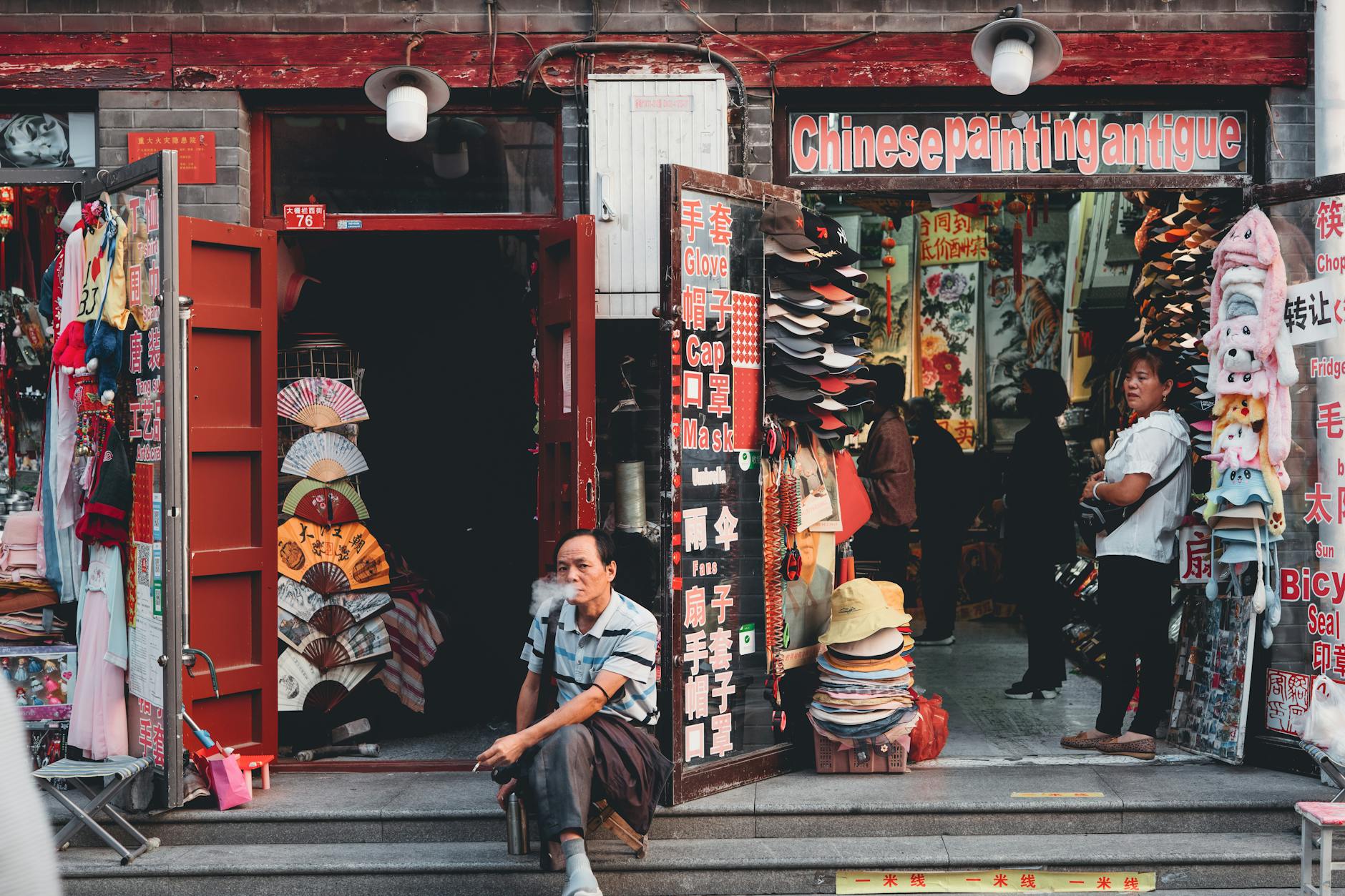
You can often find small workshops in the hutongs where artisans create traditional items: paper lanterns, calligraphy, jade souvenirs. These aren’t just shops; they’re places where ancient traditions are preserved. Sometimes you can even catch a master at work. It’s a great chance to buy a unique souvenir and support local craftsmanship. For those who love doing things with their hands, there’s an art workshop in the artists’ district that could be an interesting addition to a hutong stroll.
Local markets
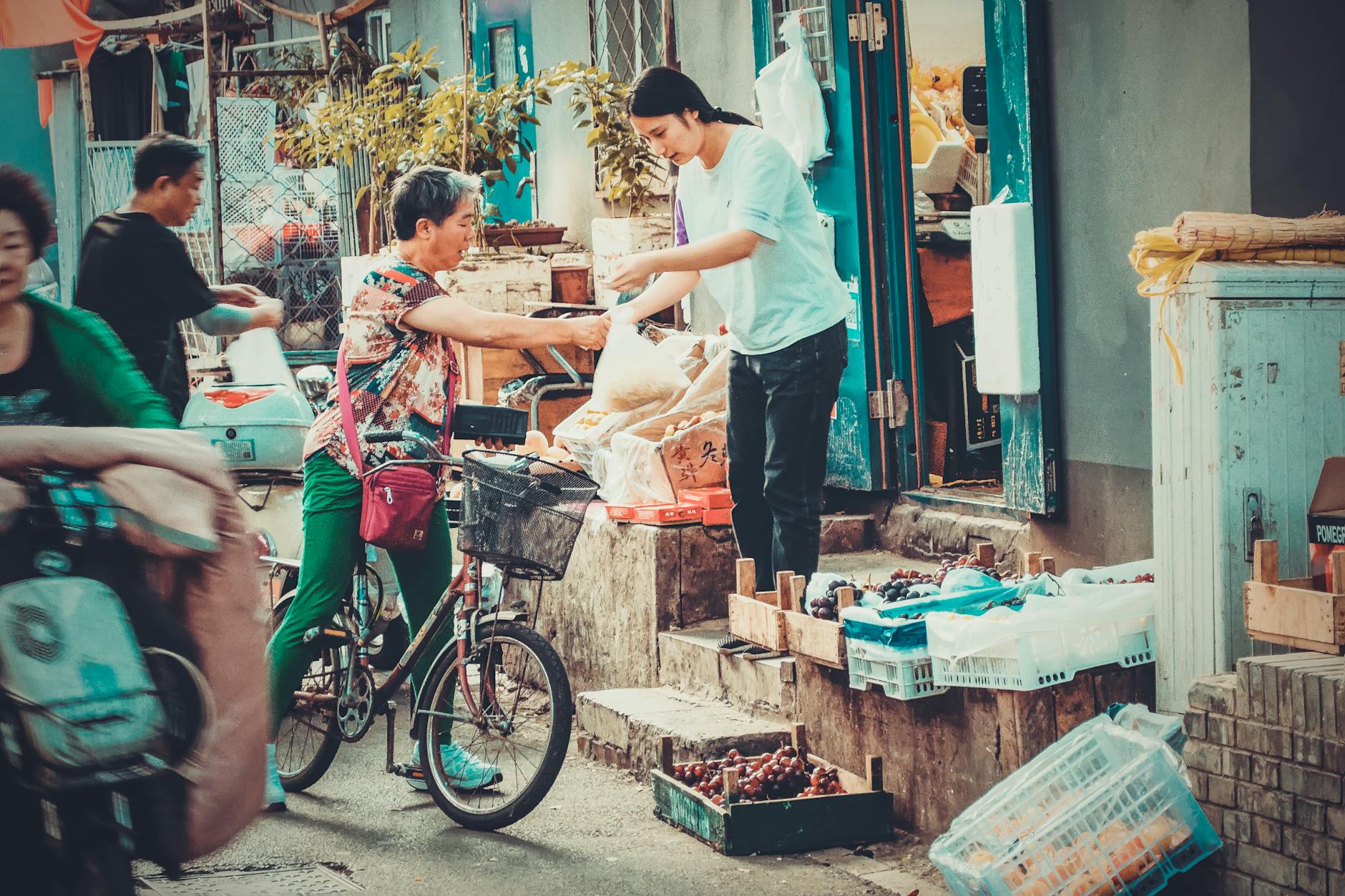
Some hutongs have their own mini-markets where locals buy fresh vegetables, fruits, and meat. These are noisy, vibrant places where you can see the real life in Beijing’s traditional alleyways. There aren’t any tourists here, just locals, and it offers a wonderful opportunity to feel like a part of their daily routine. The smells, the sounds, the colors — all of it creates very strong impressions.
Practical tips for hutong explorers
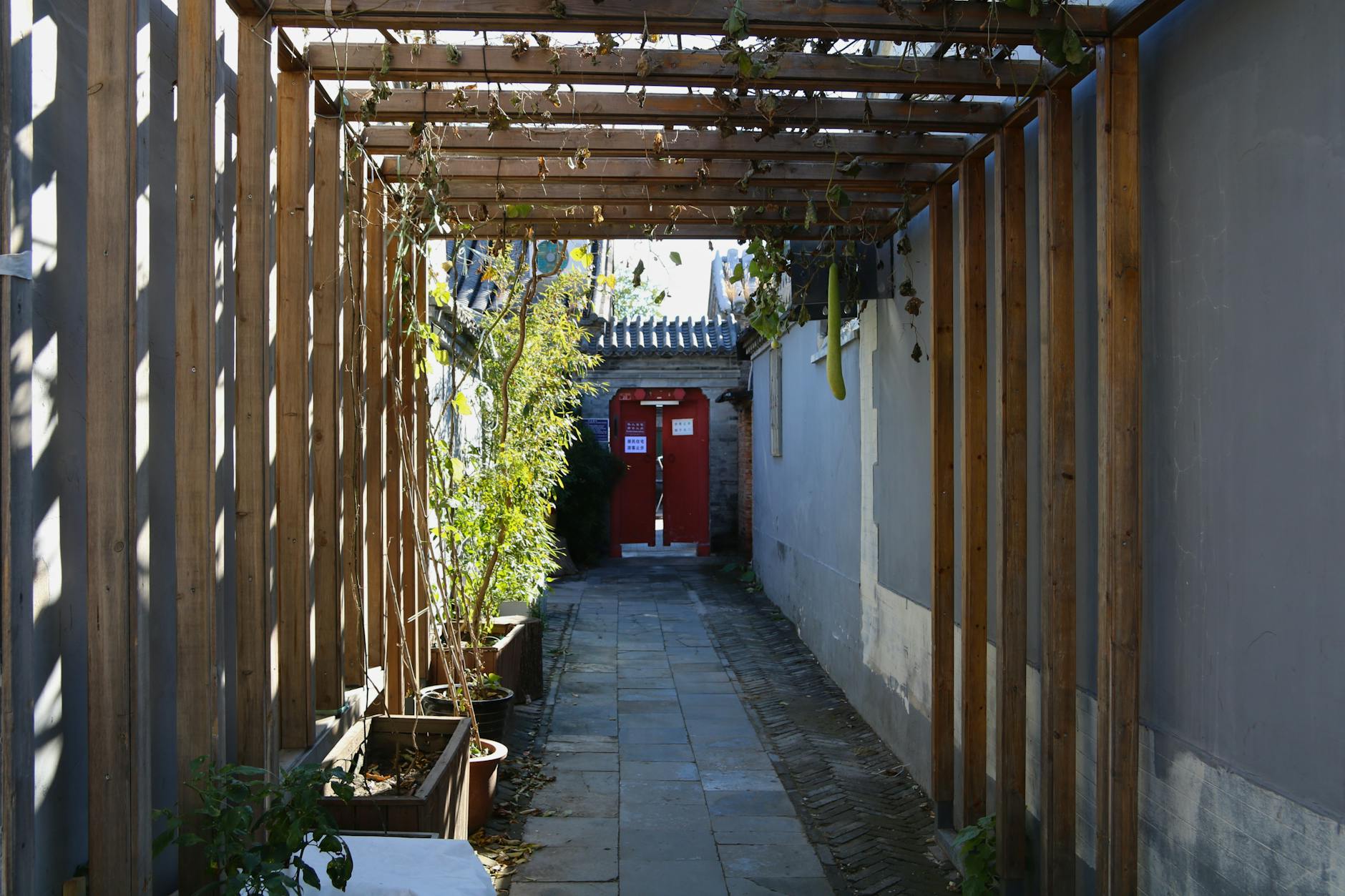
To make your trip through Beijing’s authentic neighborhoods as comfortable as possible, here are a few tips based on my experience:
- Footwear: Choose comfy shoes. You’ll be doing a lot of walking, and the paths in the hutongs aren’t always perfectly even.
- Time of year: Spring (April-May) and autumn (September-October) are ideal times to visit Beijing. The weather’s comfortable, and you can really enjoy your walks. Summer can be super hot and humid, winter — quite cold.
- Navigation: Use offline maps. Internet can be spotty in some narrow alleyways. But don’t be afraid to switch off the GPS sometimes and just follow your intuition.
- Language: Not all locals speak English. Write down the hutong names in Chinese to show a taxi driver or passersby if you get lost. A translation app will also be a huge help.
- Money: Carry some cash with you, as not all small shops accept cards or mobile payments.
If you’re wondering where to go in old Beijing besides the hutongs, definitely visit the Confucius Temple and the Yonghegong Lama Temple, which are near some hutongs and totally complement the picture of Beijing’s traditional architecture. For a more comprehensive introduction to the city, consider “Beijing — First Introduction” or a panoramic tour of Beijing.
Beijing’s Hutongs: Tourist reviews and personal impressions
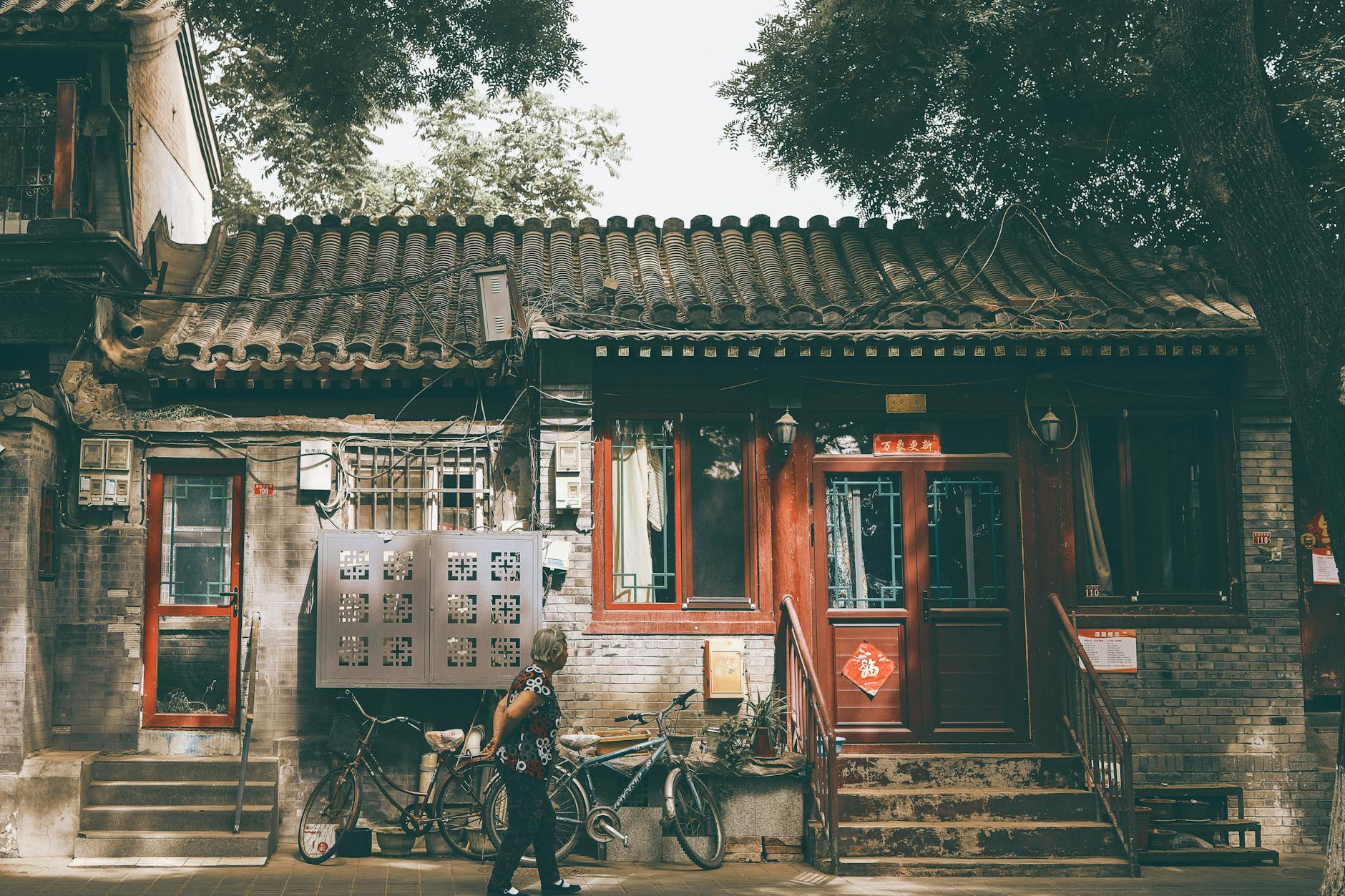
I often read tourist reviews about hutongs, and most agree: it’s a place that leaves an indelible impression. People mention the unique atmosphere, the contrast with modern Beijing, and the chance to see real life. Many say it was here they felt the true spirit of China, not just a tourist facade. For me, that was exactly the case. It wasn’t just “another item” on the itinerary, but a genuine immersion into the everyday life of Beijing’s hutongs that helped me better understand the culture and history of this amazing country.
One of the most vivid moments was when I walked past an open door of one of the siheyuan, and an elderly woman called out to me, offering me a taste of her homemade tea. We chatted through a phone translator, laughed, and I felt not just like a tourist, but a welcome guest. That was one of those moments when you realize travel isn’t just about landmarks, but about people, their stories, and their hospitality. These encounters are the real secrets of old Beijing.
If you’re looking for a way to get to Beijing, remember there are several airports. I usually search for flights to Beijing in advance to choose the most convenient option. And, of course, think about accommodation ahead of time. The city itself has plenty of fantastic options, from modern skyscrapers to cozy hotels in more traditional areas. You can find hotels in Beijing to suit any taste and budget. For instance, if you’re looking for comfort and convenience, Grand Mercure Beijing Central or Beijing XinQiao Hotel could be great choices.
Conclusion
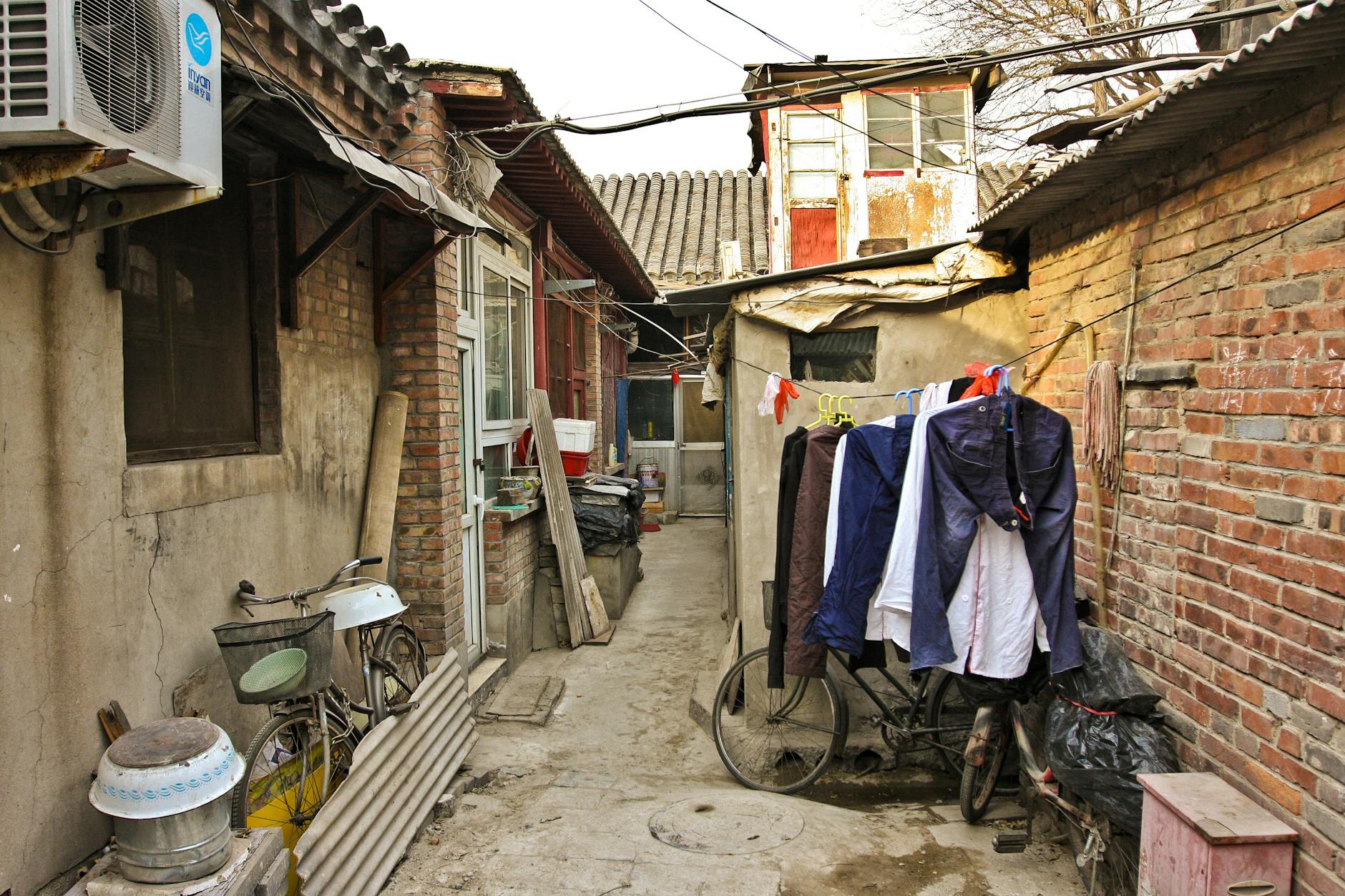
Exploring the hutongs isn’t just a walk through old streets; it’s a journey back in time, a chance to touch the heart and soul of Beijing. It’s a place where you can slow down, breathe in the scent of history, hear children’s laughter, and feel the warmth of human connection. When you head to Beijing, don’t limit yourself to just the Forbidden City and the Great Wall. Take a step aside, delve into the labyrinths of the hutongs, and you’ll discover that the secrets of old Beijing aren’t just ancient ruins, but a living, breathing culture that still thrives in these amazing alleyways. I promise, you won’t regret the time spent here. It’ll be one of those experiences that stays with you forever.