

Honestly, my first encounter with Chongqing was pretty chaotic. It’s a labyrinthine city, a layered city, a place where a train cuts through an apartment building, and your GPS just throws its hands up, telling you “you’re somewhere between two streets, but one is directly above the other” – that was my very first impression, no joke. And I found myself wondering, “How on earth does a regular tourist navigate this place, especially if they’re looking for unusual things to see in Chongqing?” The answer, it turned out, was simple: you just have to stop looking at the map and start looking around. And, of course, be ready for the fact that Chongqing’s secret spots aren’t always marked; sometimes they’re tucked behind unassuming doors or perched at an unimaginable height. In this article, I’m going to share my own experiences, tell you all about Chongqing’s unconventional attractions, and show you where to find beautiful views in Chongqing even in places you’d least expect them.
Chongqing isn’t just a city; it’s a whole universe, constantly shifting, growing, and surprising you. You won’t find flat streets or your typical intersections here. Instead, there are endless staircases, overpasses at the 20th-story level, and futuristic skyscrapers that look like they’ve leaped right out of a sci-fi movie. My flight to Chongqing had me anticipating something special, but I couldn’t have imagined how completely this mega-city would flip all my ideas about urban environments upside down. If you think you’ve seen it all in China, Chongqing will effortlessly prove you wrong. This city truly challenges your usual perception of space, and honestly, that’s its main charm.
First Glimpse of the “Mountain City”: It’s More Than Just Hongyadong

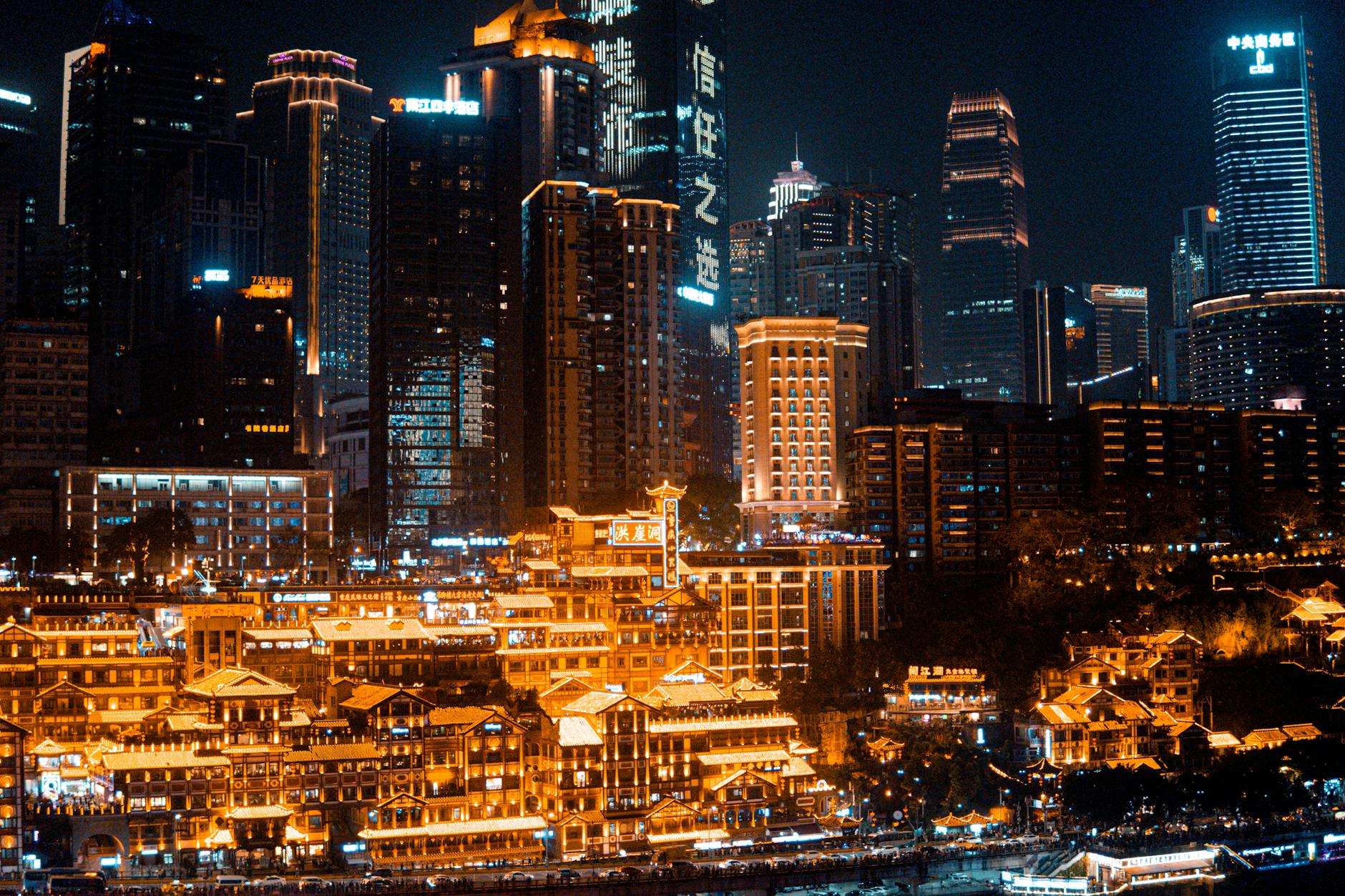
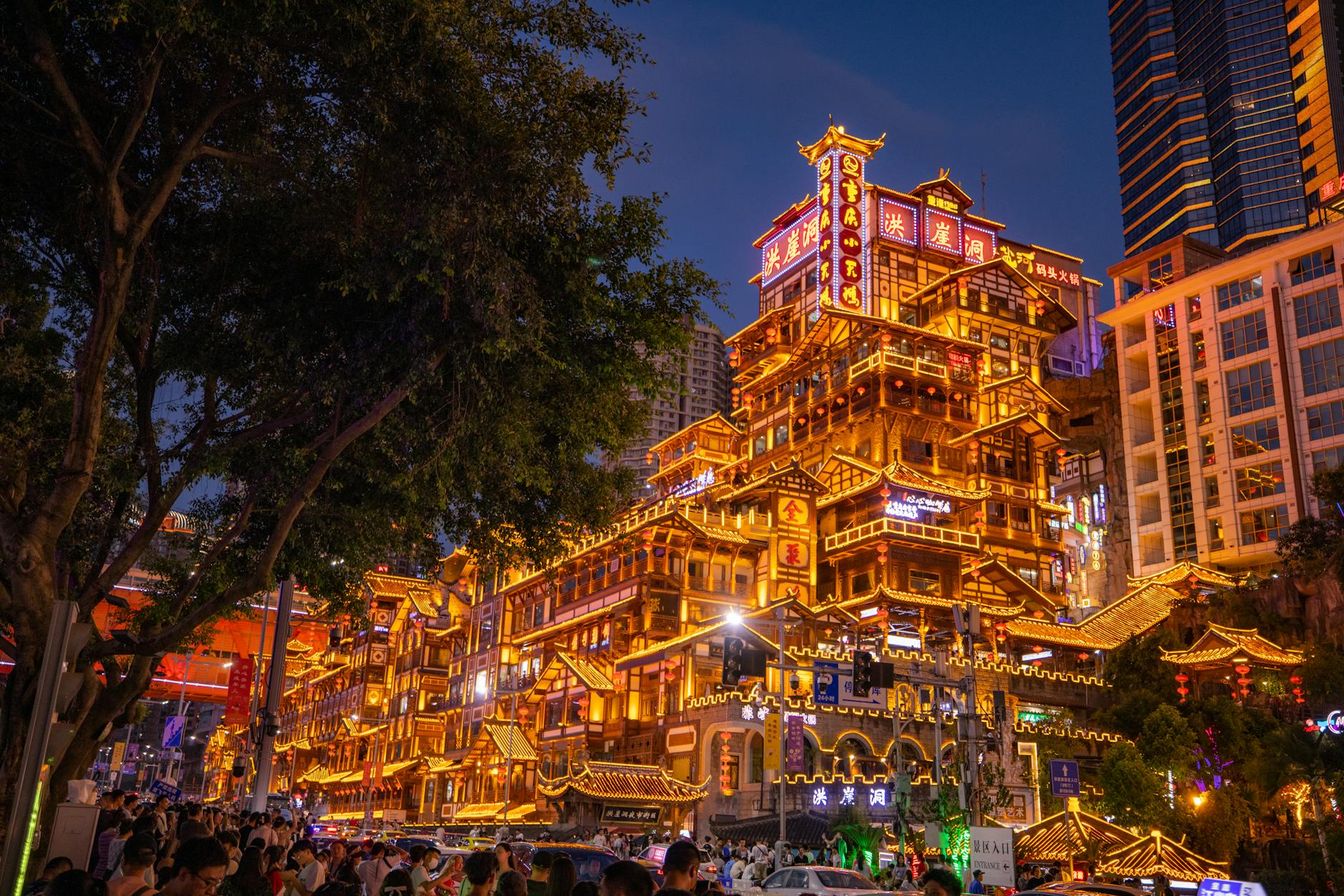
Sure, every guidebook kicks off with Hongyadong – that multi-layered complex glowing with a thousand lights, looking like something straight out of a Miyazaki film. And yeah, it’s gorgeous, no argument there. But Chongqing is so much more than just one super photogenic spot. To really get a feel for its soul, you’ve gotta step off the well-trodden tourist paths and dive deep into its street labyrinths. I’m always on the hunt for where a tourist should go in Chongqing for something authentic, something without the crowds, but that still offers a complete immersion into local life. And trust me, this city’s got plenty of those places.
Urban Architecture and Futurism: When Buildings Blend with Mountains
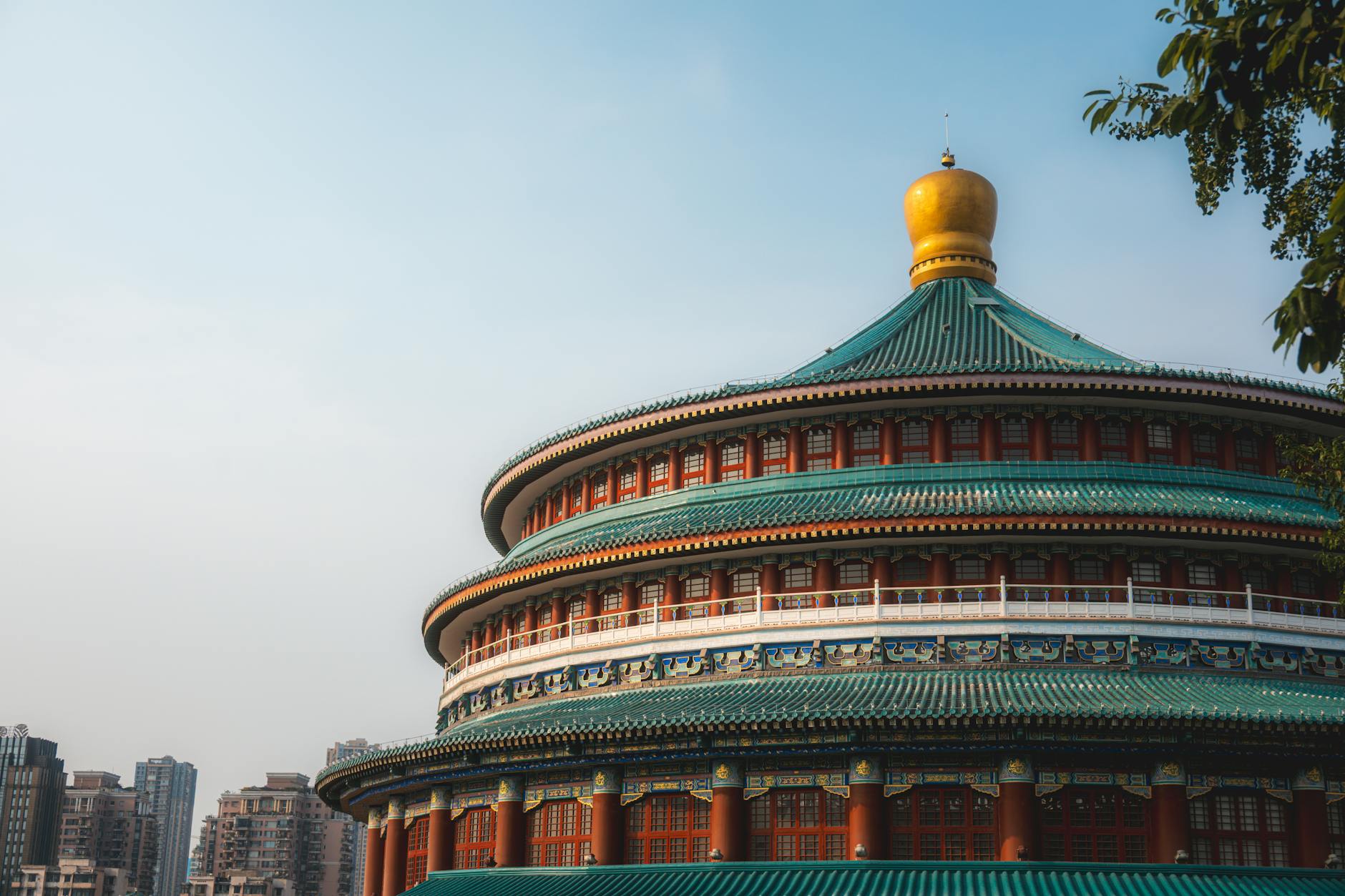
One of Chongqing’s most famous, and probably most surreal, attractions has to be the Liziba metro station, where the train quite literally passes through a residential building. Talk about a true Chongqing “wow” spot: a train inside a house! When I first saw it, I honestly thought it was some kind of elaborate prank. But nope, it’s real, and it’s just one example of how Chongqing tackles its urban planning challenges, adapting to an incredibly complex terrain. It’s not just engineering; it’s almost art, where functionality and pure imagination intertwine. Here, Chongqing’s cityscapes are a constantly shifting canvas, with old and new, traditional and ultra-modern, existing side-by-side.
But Liziba is really just the beginning. Take a look at Raffles City Chongqing. This complex, built right at the confluence of the Yangtze and Jialing rivers, features eight skyscrapers, four of which are linked by a massive horizontal “skybridge” 250 meters up. It’s not just a shopping mall or a hotel; it’s an architectural marvel, offering incredible views and, by the way, some fantastic tours of Raffles City with an architect if you’re keen to dig into the details. I spent hours there, just wandering around, trying to wrap my head around how something like that could even be built. Every new angle revealed completely fresh perspectives, forcing me to rethink the very concept of a building.
Unexplored Alleys and Ancient Staircases
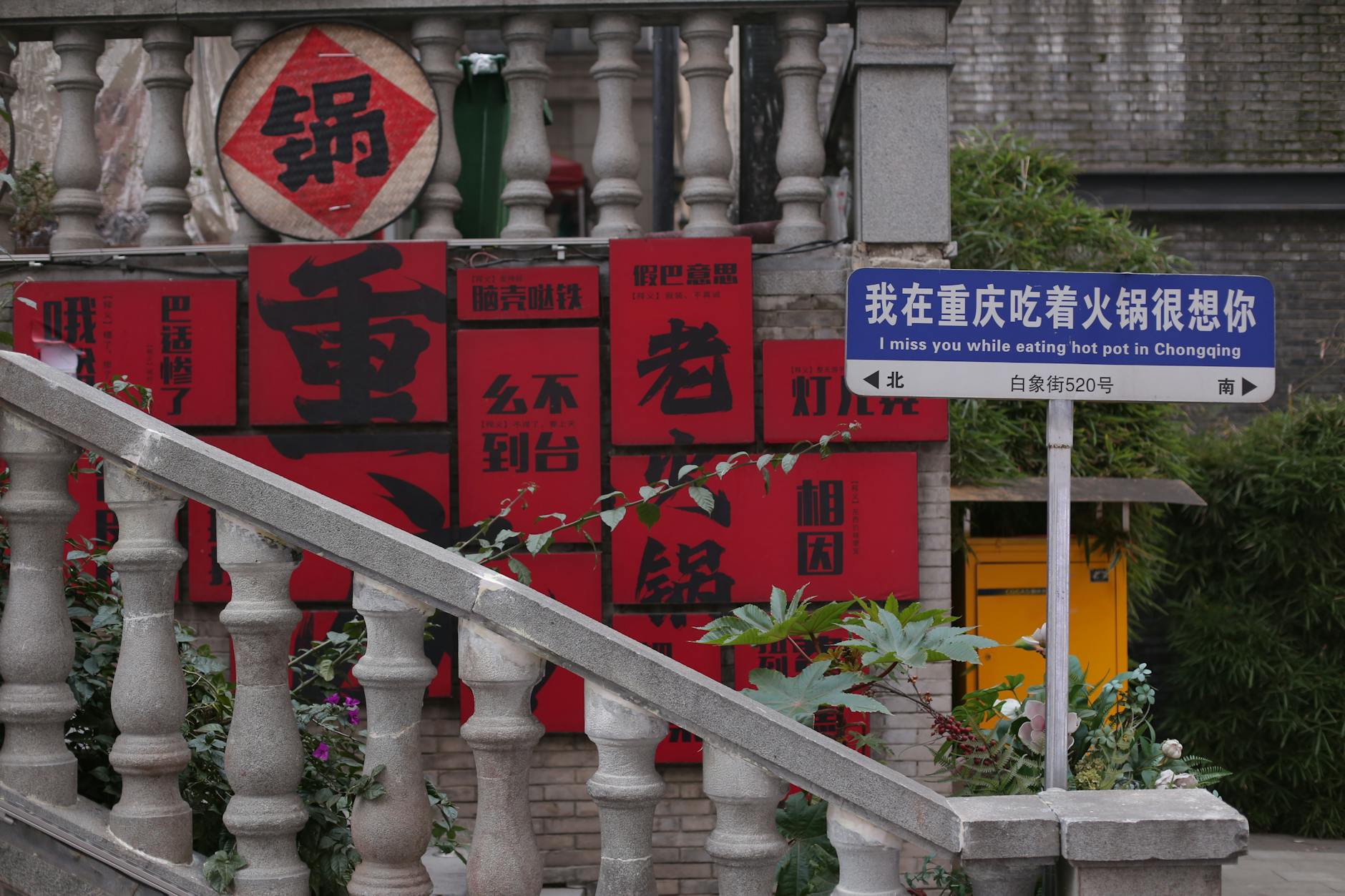
Chongqing is a city of stairs. There are thousands of them here, leading everywhere: up, down, right, left, through houses, under bridges. They’re not just a way to get around; they’re part of the city’s soul, and it’s along these very stairs that you can find the real non-touristy places in Chongqing. I absolutely love just getting lost in the old neighborhoods, where every turn promises something new. Take the Shibati area, for instance – it’s a genuine time capsule. Here, unlike the polished tourist zones, you get to see the real Chongqing: old wooden houses, locals playing mahjong right on the street, street vendors offering snacks I’d never seen before. Wandering these alleys feels like a walking tour of local neighborhoods, but without a guide, just following your heart.
These kinds of walks are honestly the best way to find Chongqing’s hidden attractions, tucked away from most tourists. I often stumbled upon tiny temples, almost camouflaged between residential buildings, or stumbled into unusual courtyards where it felt like time had just stopped. This is that “layered” Chongqing, where centuries of history and the daily lives of ordinary people are hidden beneath the glossy wrapper of modernity. I think it’s precisely in these spots that you really start to appreciate this city, its contrasts, and its unique character. Oh, and by the way, don’t forget comfortable shoes – those stairs can be seriously steep!
Observation Decks and Panoramas: Chongqing from Above

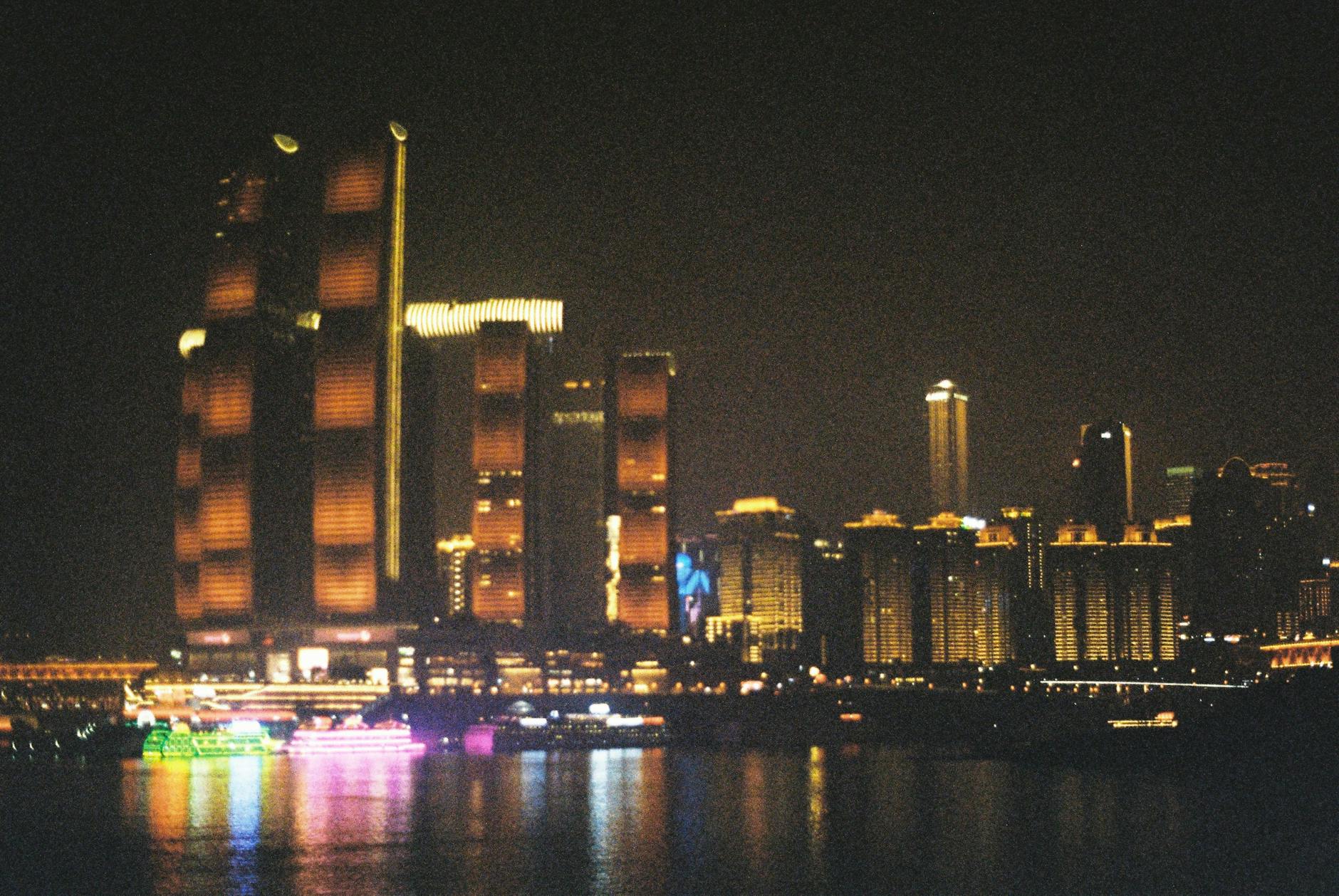
Because of its hilly terrain, Chongqing is just made for admiring from above. The city lights shimmering on the rivers, endless bridges disappearing into the mist, and skyscrapers piercing the clouds – it’s a truly breathtaking sight. I’m always on the hunt for the best panoramas in Chongqing, and believe me, there are countless ones here. You’ve got everything from the classic spots, like the observation deck on the Raffles City rooftop, to some totally unexpected gems.
Alternative Viewpoints

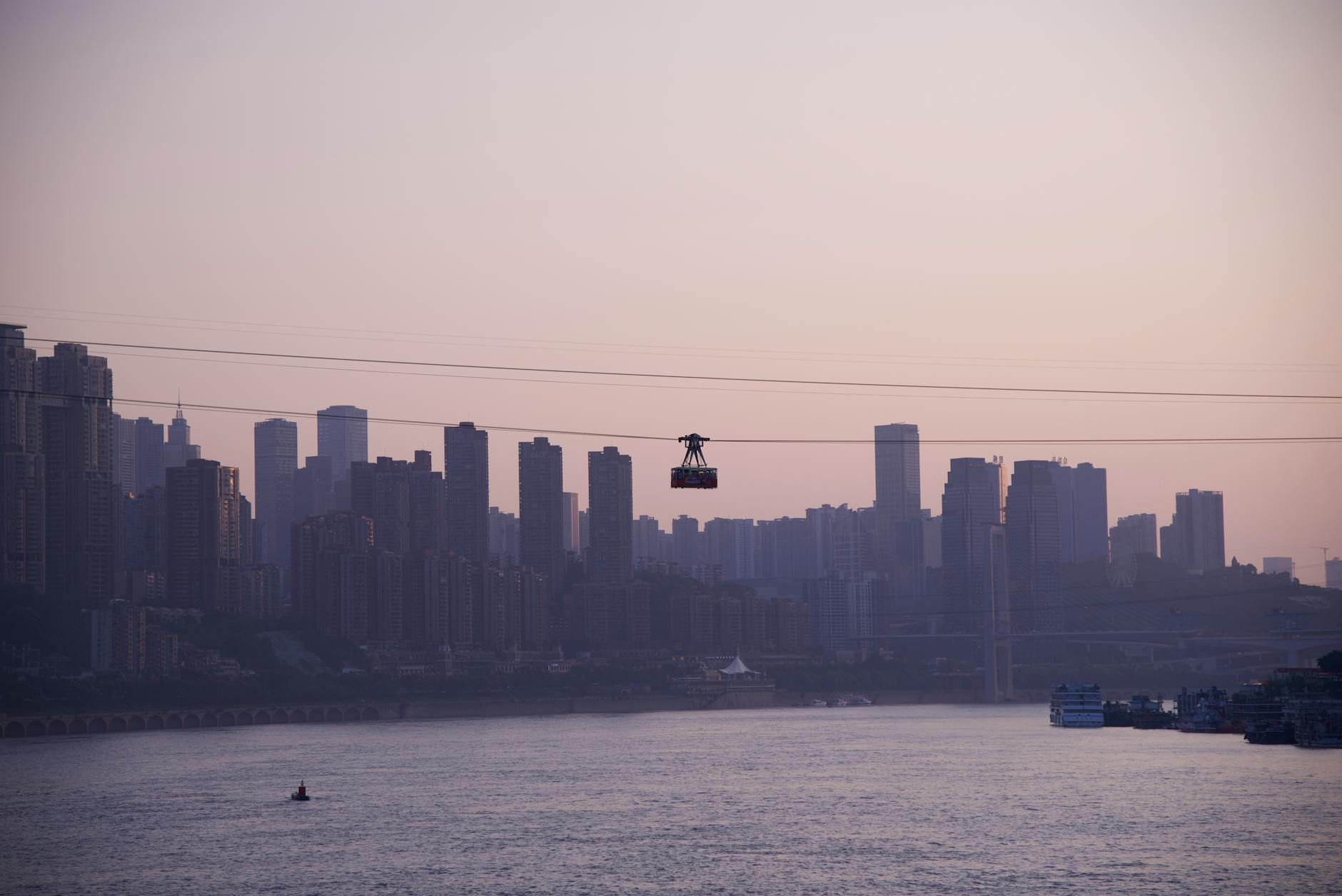
Sure, there are all the well-known spots, but to truly see Chongqing, I’d suggest looking for something beyond the mainstream. One of those places is Eling Park. It’s Chongqing’s oldest private garden, perched right on top of a hill. There’s a pagoda there that offers an absolutely stunning panoramic view of the city and both rivers. During the day, it’s quiet and peaceful, perfect for a stroll among the greenery, and in the evening, you can catch the sunset and watch the city light up. It’s a fantastic spot for a relaxing break and some beautiful photos, and best of all, you won’t find the usual crowds that gather at more popular viewpoints.
Another interesting Chongqing observation deck that not everyone knows about is the area around KuiXing Tower. It’s not just a tower; it’s an entire complex with streets, shops, and restaurants on different levels. From here, especially the upper floors, you get incredible views of the river and the surrounding districts. This place really gives you a full immersion into Chongqing’s “multi-layered” nature, because you can walk around at various “heights,” and each time it feels like a whole new city. It’s probably one of those spots where Chongqing truly appears as a city without gravity, where every level lives its own unique life.
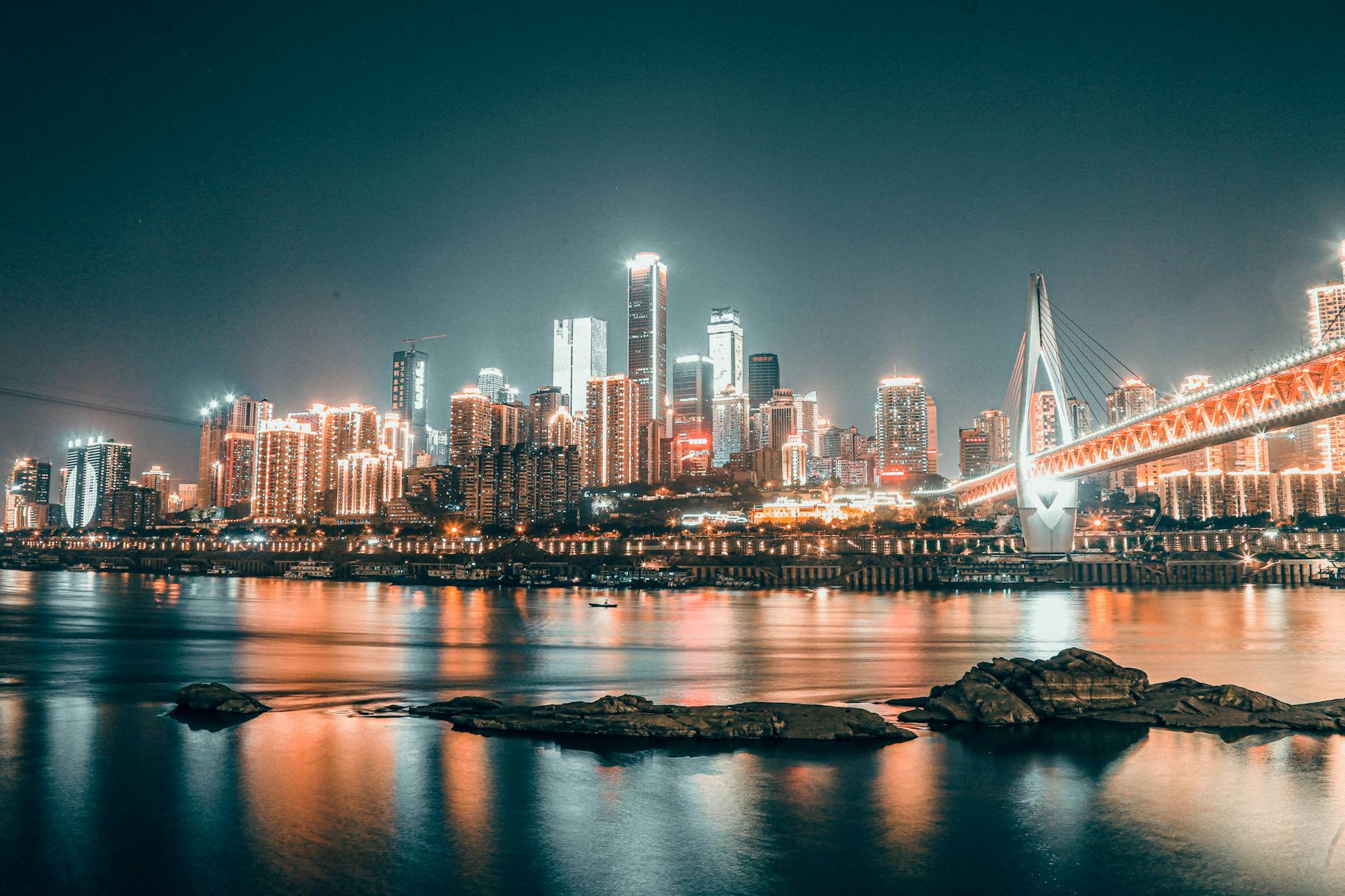
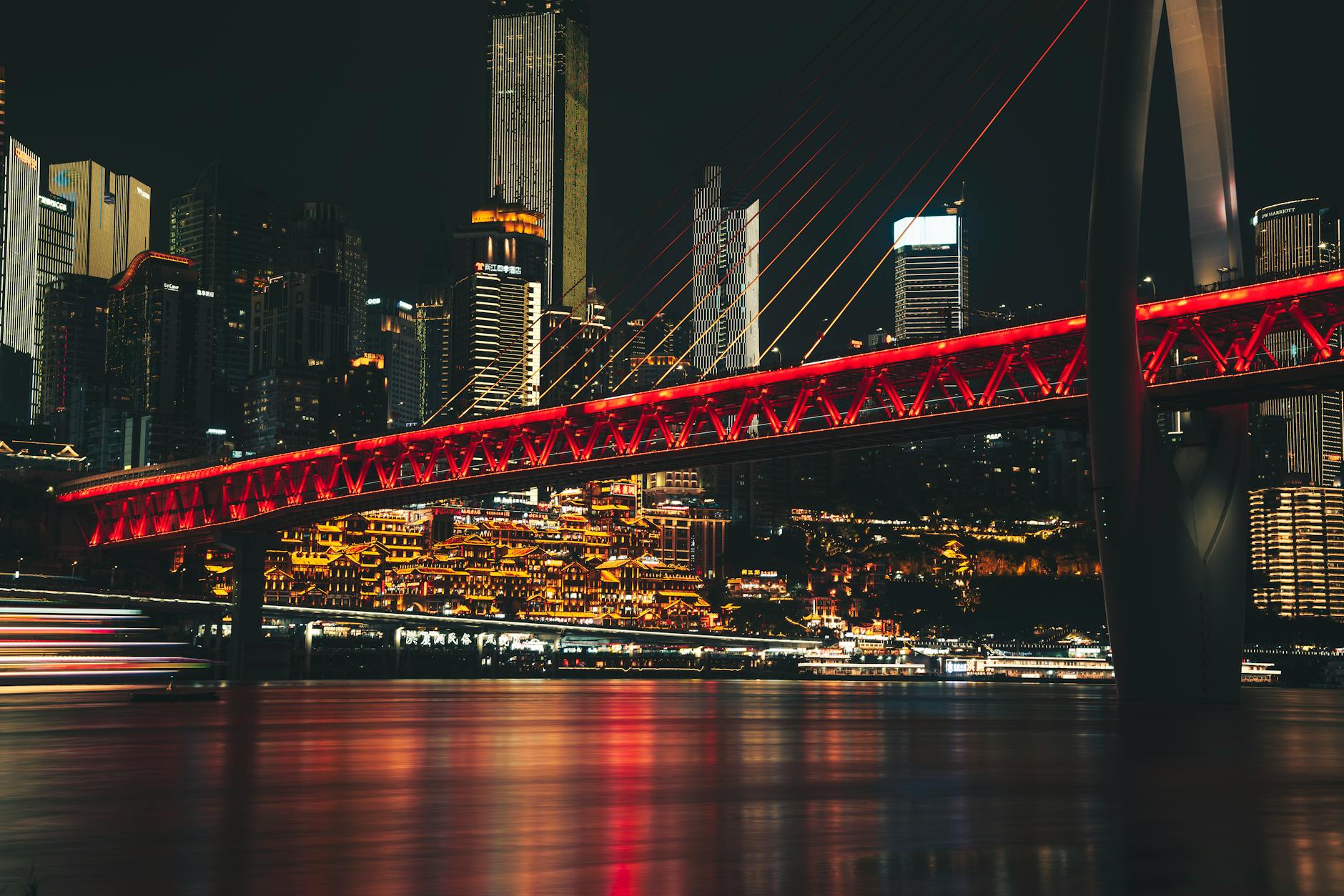
And, of course, you absolutely shouldn’t forget about the numerous bridges. Chongqing is truly a city of bridges, and many of them are excellent Chongqing viewpoints in their own right. The Dongshuimen Bridge, for instance, has pedestrian walkways where you can watch the rivers merge and see the silhouettes of skyscrapers. But if you’re really after some futuristic landscapes, head over to the South Bank, to the Nan’an district. From there, you get that classic postcard view of the city center, especially in the evening when all the bridges and buildings are lit up.
Breathtaking Views from Cable Cars

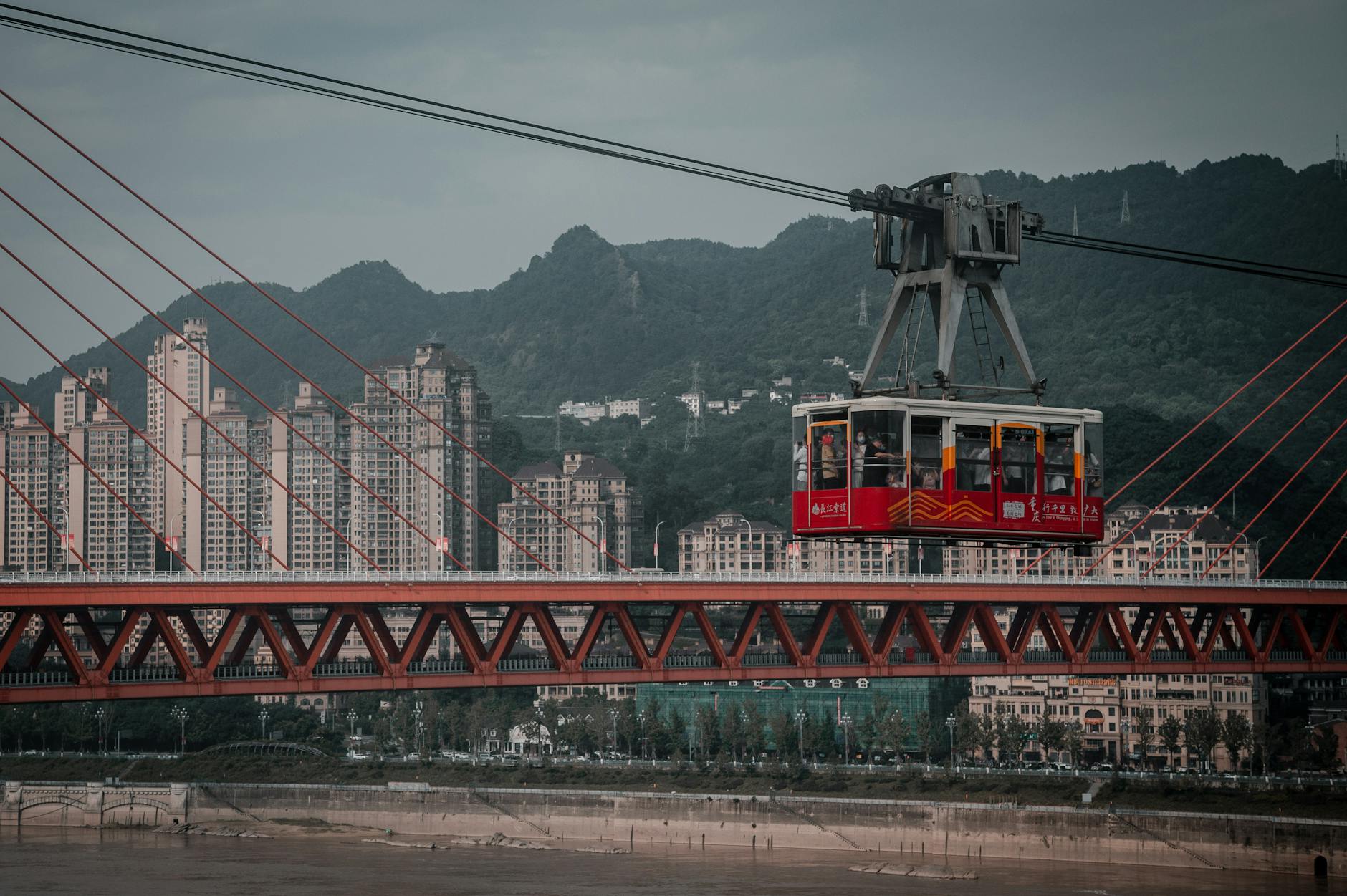
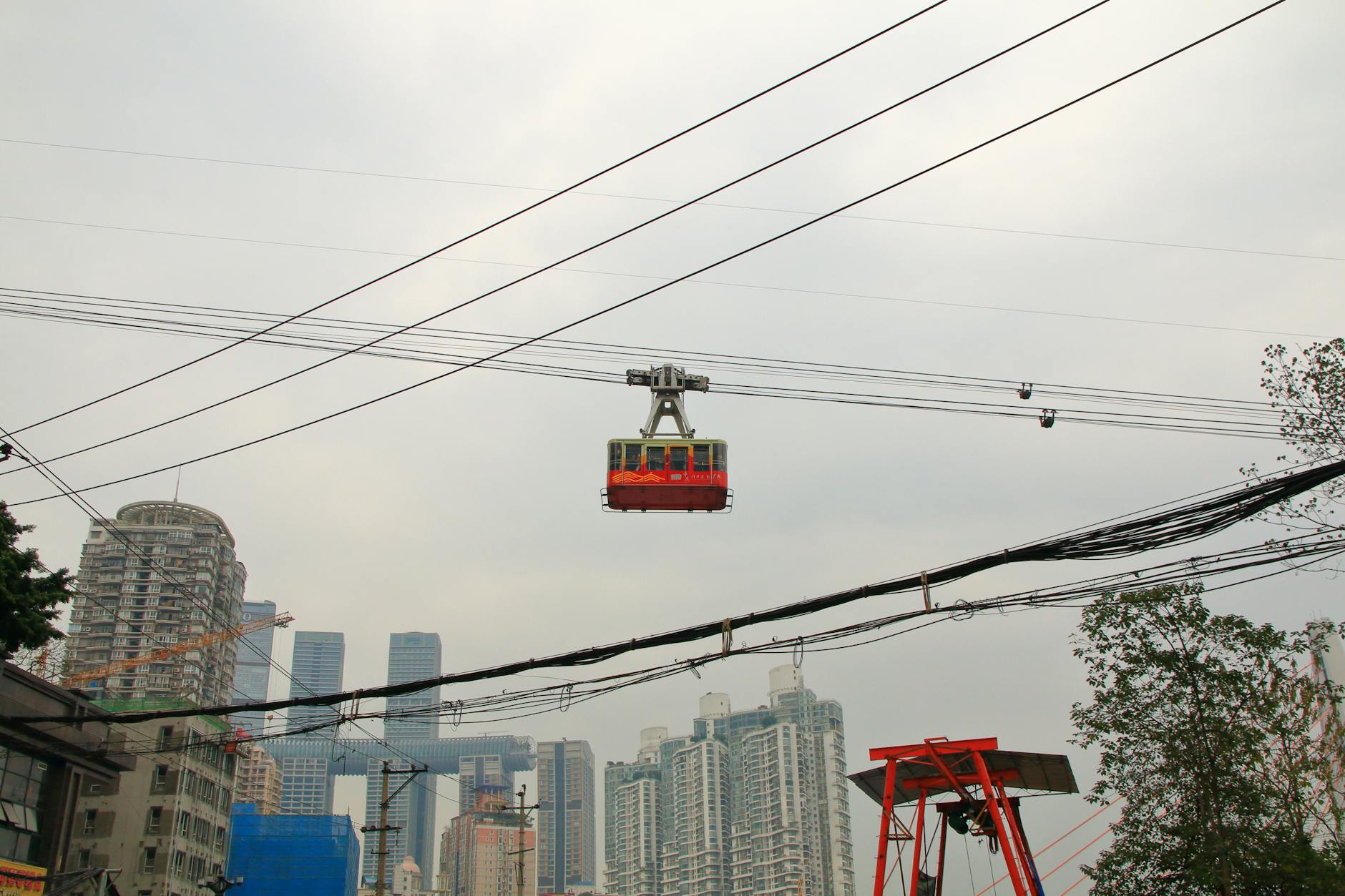
A ride on the Yangtze River Cableway isn’t just an attraction; it’s a fully functional mode of transport and, without a doubt, one of the best ways to see the city from above. As the cabin glides over the river, with boats drifting below and endless rows of buildings passing by, it creates this mix of pure delight and a slight dizzying sensation. This is a truly unusual Chongqing route that lets you get a fresh perspective on the sheer scale of this metropolis. I’d totally recommend taking a ride both during the day, to really soak in the details, and in the evening, to enjoy the city’s light show. It’s one of those moments when you truly grasp why Chongqing is called the “Mountain City” – it really does feel endless.
There are two main cableways: the Yangtze River Cableway and the Jialing River Cableway, though the latter isn’t currently operating as public transport. The Yangtze River Cableway is definitely the most popular, but the queues there can get pretty substantial. Still, I think it’s totally worth it for those incredible bird’s-eye views of the city. By the way, there’s even a tour dedicated to Chongqing’s cableway, which could be super interesting for anyone wanting to learn more about the history and significance of this unique mode of transport.
Culture and Daily Life: What to See in Chongqing Beyond the Guidebooks
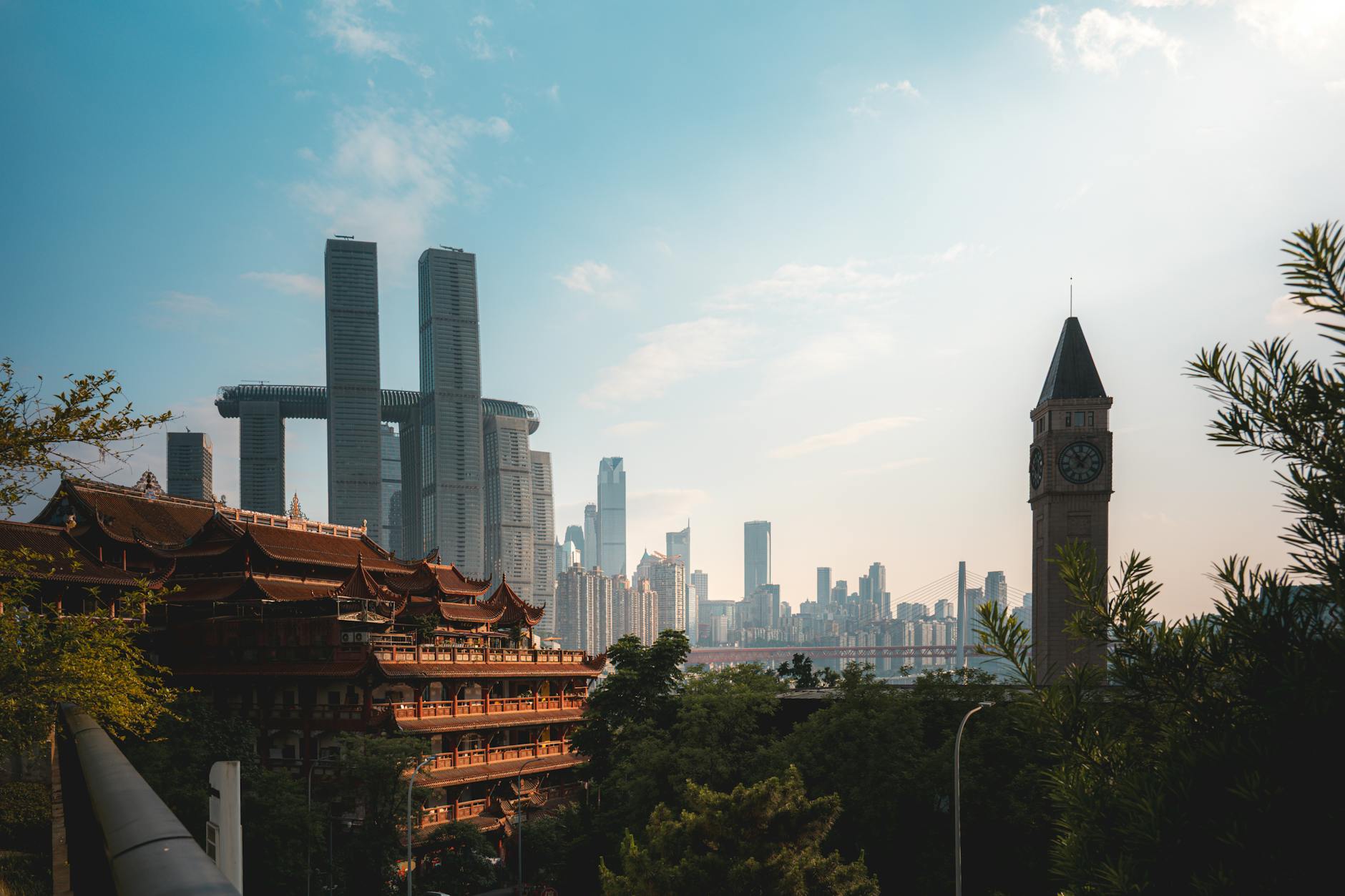
Chongqing isn’t just about grand views and architectural wonders. It’s also a super vibrant, authentic city where you can really dive into the local culture and get a feel for everyday life. You’ll find tons of interesting locations in Chongqing here that tell you so much more about the city than even the most beautiful panoramas ever could.
Culinary Discoveries and Tea Ceremonies
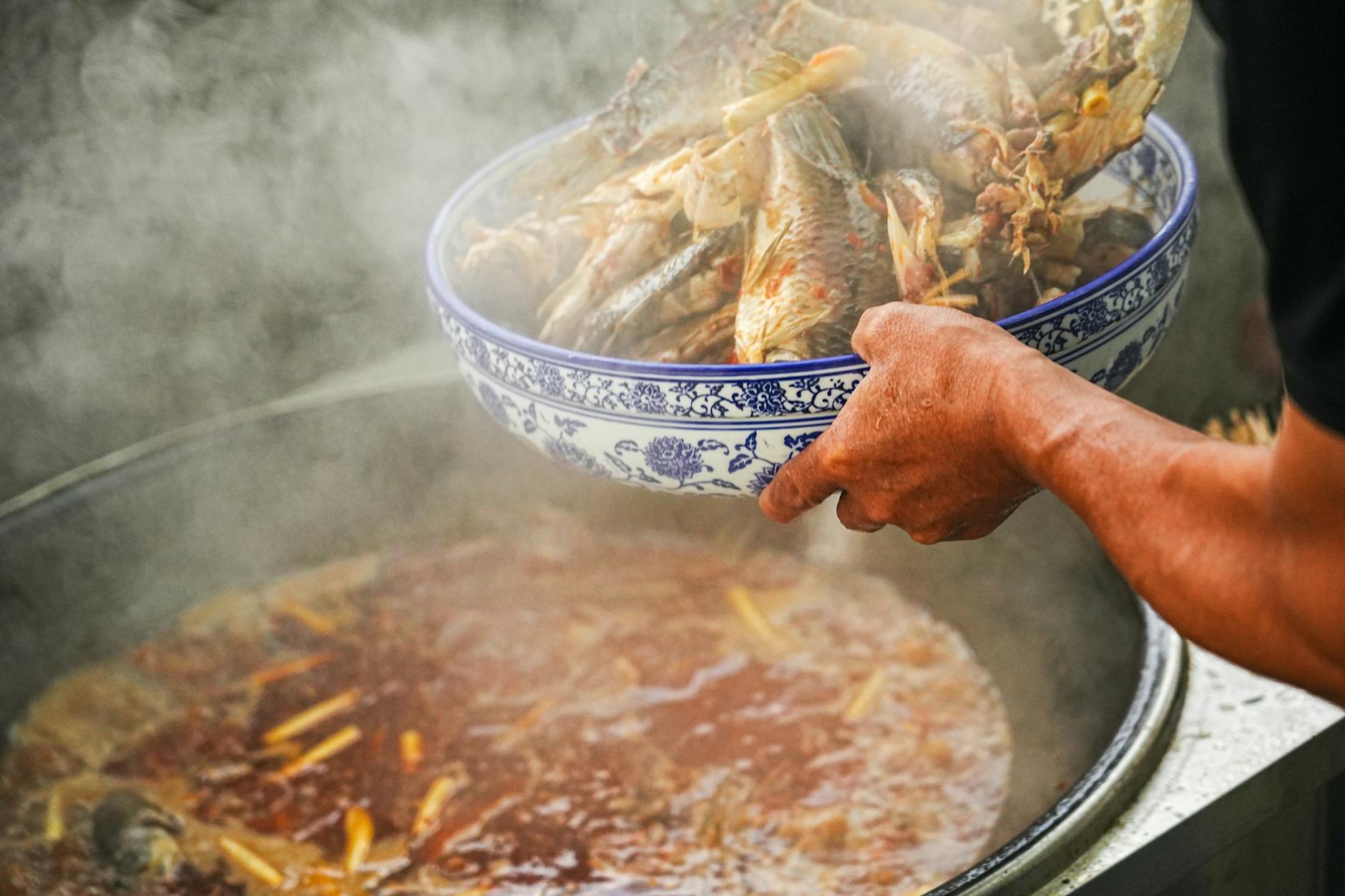
You can’t talk about Chongqing without mentioning the food. It’s the birthplace of the famous Chongqing hotpot – a spicy, fragrant, scorching dish that’s become a symbol of the local cuisine. If you love spicy food, this is an absolute must-try. But even if you’re not a chili fiend, don’t despair – Chongqing has a ton of other gastronomic delights. I, for one, don’t really love things too spicy, but I always find something I enjoy. You can ask for “wei la” (微辣), which means “slightly spicy,” or even find places that offer hotpot with non-spicy broths. And hey, for people like me, there’s even a “Chongqing Without Spicy Chili” tour, which is pretty handy.
Beyond hotpot, you absolutely have to try the local street snacks: xiaomian noodles, spicy wontons, and all sorts of tofu dishes. Honestly, what’s unusual to do in Chongqing if not dive into some culinary experiments? I just adore wandering through the local markets, like Baixiang Street, which used to be the old city’s commercial heart (you can even find a Baixiang Street walk to really grasp its history). You can always stumble upon something new and unexpected there. And after all that spice, popping into one of the traditional tea houses is just perfect. It’s not merely a spot to drink tea; it’s a whole ritual where you can truly relax, chat with locals, and just watch life unfold.
Art and Street Art: When the City is a Gallery
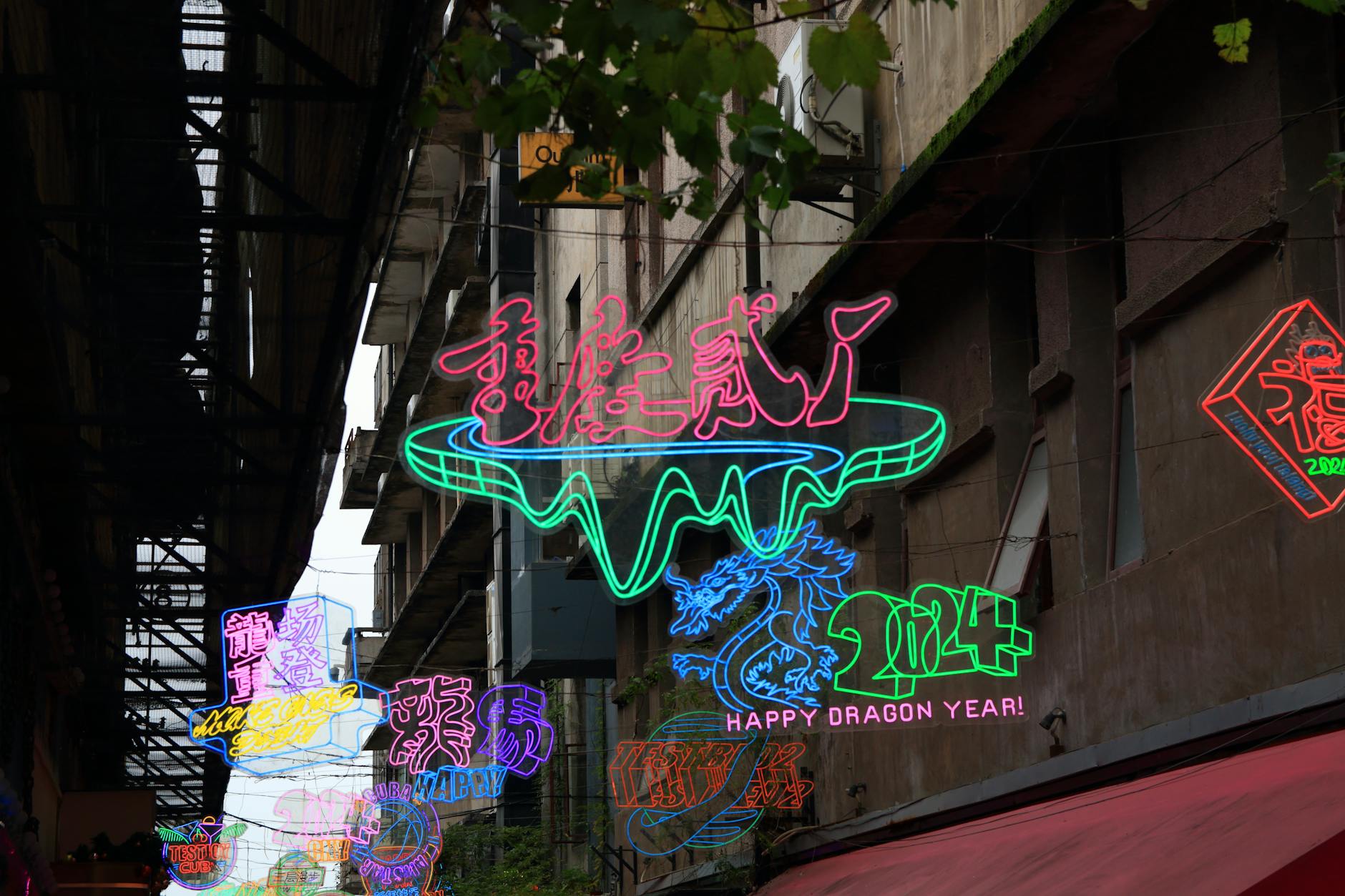
Chongqing isn’t just ancient history and modern architecture; it’s also a city with a burgeoning art scene. If you’re looking for what to see in Chongqing beyond the guidebooks, pay attention to its street art. In certain areas, especially the older ones that haven’t been completely redeveloped yet, you can discover amazing graffiti and murals that tell stories of the city and its people. These aren’t always organized galleries; it’s more spontaneous creativity that makes the city feel even more alive and unique.
I’d suggest visiting the Jiefangbei district not just for shopping, but also to see how contemporary art is integrated into the urban environment. You’ll find lots of sculptures and installations there that totally transform the look of familiar streets. And if you’re keen to dive deeper into the cultural scene, keep an eye out for smaller galleries or art spaces, which often pop up in old industrial buildings or historical homes. It’s a great way to see a different side of Chongqing – a creative, experimental city, constantly reinventing itself.
Adventures Beyond the Center: Unconventional Routes
Chongqing isn’t just a mega-city; it’s also a vast municipality that includes a ton of natural and historical attractions, totally worth a separate trip. If you’ve already explored the city inside and out, it’s time to broaden your horizons and embark on an unusual Chongqing route that will reveal a completely different side of the region to you.
Natural Wonders and Ancient Mysteries
One of the most breathtaking natural sites around Chongqing is the Wulong Karst geological park. This UNESCO World Heritage site will just stun you with its gigantic natural bridges, deep gorges, and caves. I remember the first time I saw the Tiankeng Three Bridges – they’re just colossal arches, carved out by nature itself. You feel like such a tiny speck in all that grandeur. This is where they filmed scenes for “Transformers” and “The Great Wall,” and honestly, it really does look like another planet. You can easily get there with an organized tour to Fairy Mountain Wulong and the Tiankeng Three Bridges, which is super convenient if you don’t want to bother with the logistics.
But if history and culture are more your thing, then you absolutely have to visit the Dazu Rock Carvings. This is another UNESCO World Heritage site, featuring thousands of Buddhist and Taoist sculptures carved right into the cliffs. The most famous ones are located on Baodingshan and Beishan mountains. It’s a powerful place, where you can wander for hours among these ancient images, trying to decipher their meaning. Every single sculpture is a work of art, reflecting the beliefs and philosophies of past eras. You could even grab a “UNESCO Treasures in Chongqing: Dazu Rock Carvings” tour to get all the intricate details from an experienced guide.
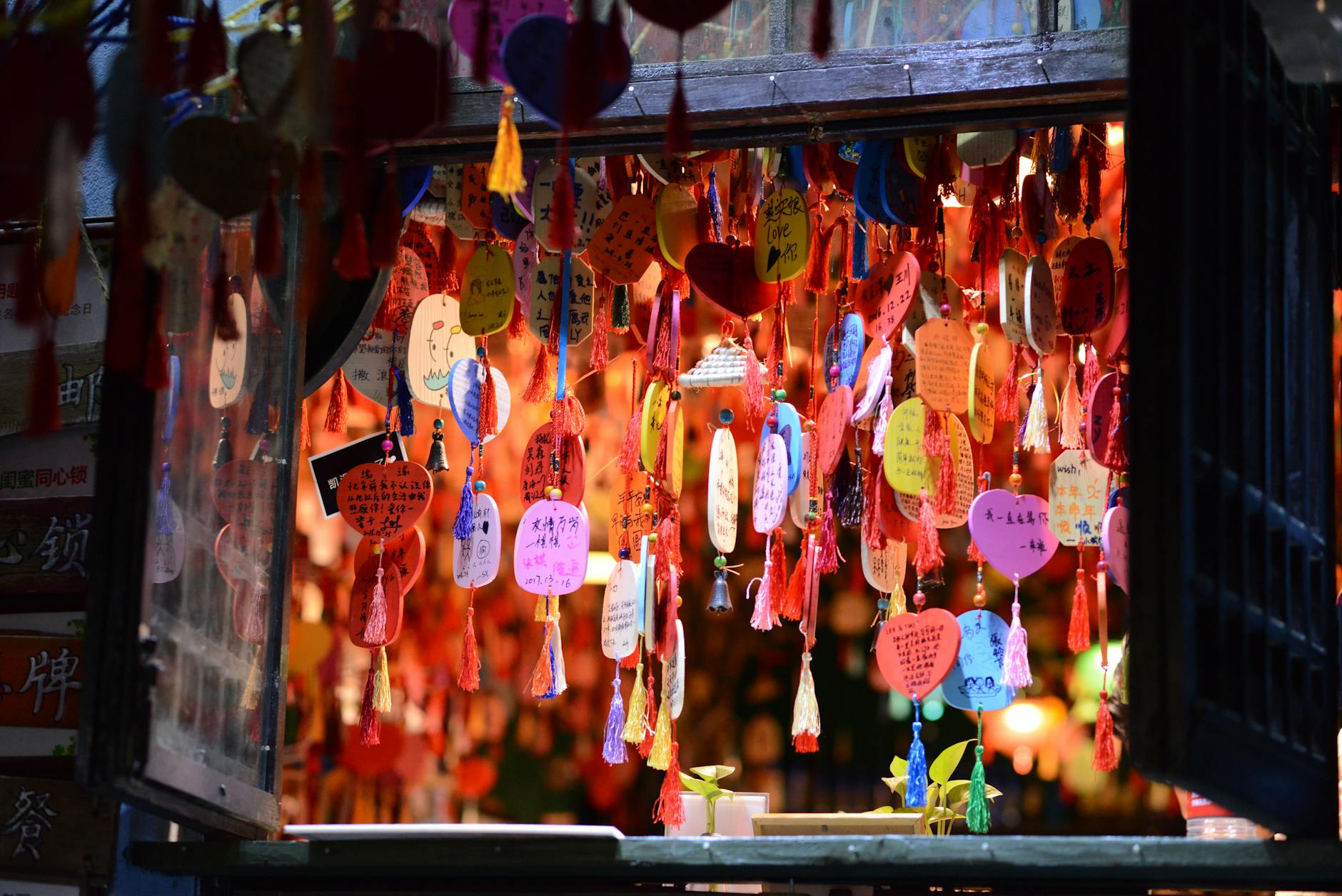
Beyond the major attractions, the Chongqing region is rich with lesser-known but equally fascinating places. Take the ancient porcelain town of Ciqikou, for example. Yeah, it’s often mentioned in guidebooks, but to truly feel its spirit, you’ve got to step off the main souvenir street and duck into its narrow alleys. There, you can discover old tea houses, small workshops still crafting traditional goods, and just observe the unhurried pace of life. It’s a brilliant spot for a stroll back into Chongqing’s past, where you can really soak up the atmosphere of old China.
Another interesting location in Chongqing, though quite specific, is the 816 Underground Project. This was a former secret military factory, built right inside a massive cave. Now it’s open to tourists and stands as an impressive example of engineering ingenuity and a stark reminder of the Cold War era. This place definitely goes beyond your typical tourist routes, offering a truly unique experience. For a visit, a private tour of the 816 Project + Wulingshan Grand Canyon would probably be best, letting you dive into history and see some natural beauty. I honestly believe it’s places like these that help you understand not just modern Chongqing, but its complex past as well.
Practical Tips and Where to Stay in Chongqing

A trip to Chongqing definitely requires a bit of prep. First off, be ready for the fact that English isn’t as widely spoken here as in some other big Chinese cities. Translation apps and offline maps will be your absolute best friends. Secondly, Chongqing’s transport system is really well-developed, but it can seem a bit confusing at first because of the city’s multi-layered layout. The metro is usually the easiest way to get around, but sometimes you’ll still need to walk or grab a taxi to reach the right street level. Oh, and by the way, a convenient Chongqing transfer could be super helpful when you arrive, just to avoid any unnecessary stress.
As for accommodation, Chongqing has hotels to suit every taste and budget. If you’re looking for a luxurious stay with breathtaking views, definitely check out Niccolo Chongqing (5★) or Regent Chongqing (5★). They’re located in central areas and offer panoramic windows overlooking the rivers. For those who prefer more budget-friendly but still comfy options, there are plenty of three- and four-star hotels, like the Bloom Boutique Hotel (4★), which often gives you great value for money. I usually search for hotels in Chongqing through aggregators to compare prices and pick the best option. The main thing is to decide on the neighborhood beforehand, so you’re closer to the attractions you plan to visit.
Conclusion
Chongqing isn’t just a city; it’s a whole philosophy. It teaches you to look up and down, to overcome obstacles, and to find beauty in the most unexpected places. My journey through this mega-city became one of the most vivid and, honestly, most confusing adventures I’ve ever had. But it’s precisely this unpredictability, this eternal enigma, that makes it so utterly captivating.
If you’re looking for something more than just postcard-perfect tourist spots, if you’re up for a challenge and want to see a real, living, breathing China, then Chongqing is absolutely the place. Go hunt for its secret spots in Chongqing, explore the unusual locations in Chongqing, soak in the best panoramas of Chongqing, and just let this city amaze you. It’s definitely capable of doing that. And who knows, maybe like me, you’ll fall head over heels for its chaos, its energy, and its utterly wild but incredibly captivating beauty. Don’t be afraid to step off the beaten path – that’s truly where the most interesting discoveries begin.