

You know how some places just grab you the moment you arrive, and you immediately realize it’s not just a city, it’s a whole universe? For me, that place was Chongqing – a megacity that simply doesn’t fit into any conventional box. I’d dreamt of visiting this unique region of China for ages, and when my trip to Chongqing finally happened, I realized all my expectations were totally blown away. Here, Chongqing’s history is intertwined with mind-boggling modernity, and its unique culture and traditions are palpable at every single turn. It’s a true mountain city, Chongqing, with features that just amaze you, and I’m ready to share all its secrets with you. So, get ready for a virtual journey through one of the most incredible places on the planet, where the mysteries of Chongqing are waiting to be uncovered.
Chongqing: A Mountain City That Defies Gravity

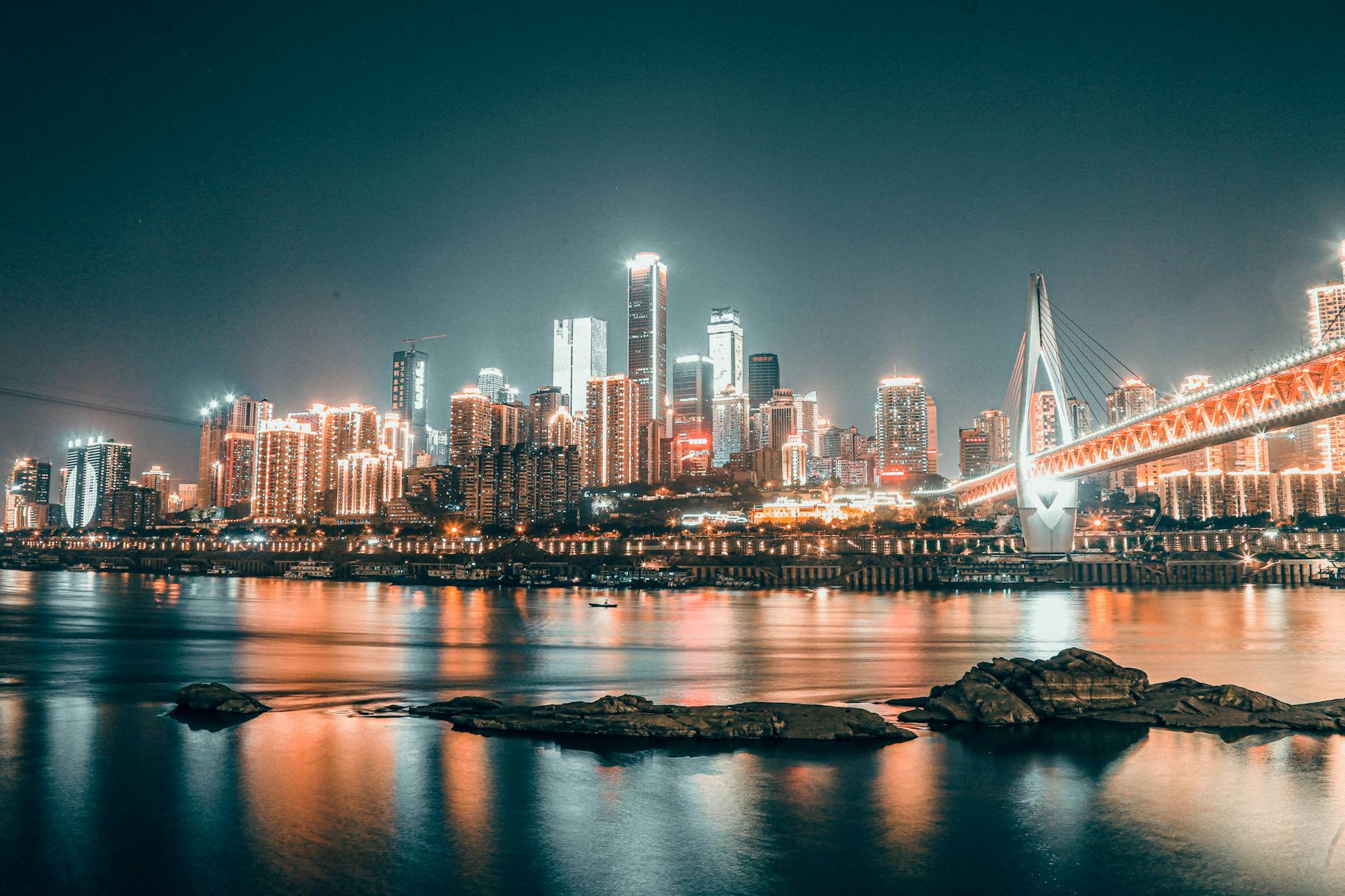
The first thing that absolutely strikes you in Chongqing is, of course, its landscape. Just imagine a city built on hills and cliffs, where streets twist at impossible angles, and buildings seem to sprout directly from sheer rock faces. Chongqing isn’t just a megapolis; it’s a living organism that constantly adapts to its mountainous terrain. My first glimpse of the city from above, as the plane was landing, felt like a scene from a sci-fi movie: endless skyscrapers, shrouded in haze, soared upwards, while the lights of old neighborhoods twinkled somewhere below. This is where you truly grasp what “Chongqing mountain city features” really means.
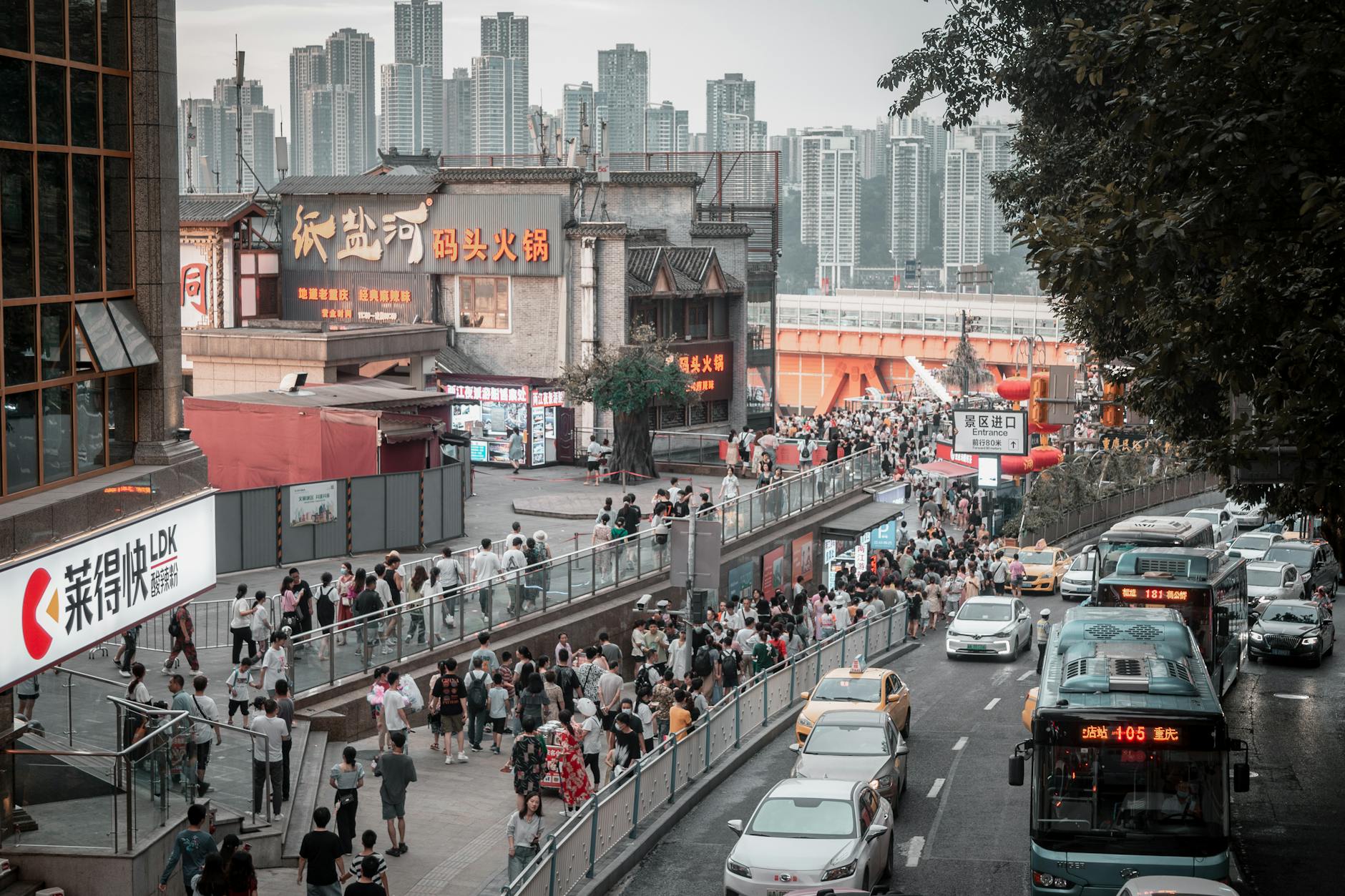
Getting around Chongqing is an adventure in itself. You won’t find your usual straight streets here; instead, stairs, escalators, and elevators aren’t just conveniences – they’re absolute necessities. Sometimes it feels like you’re constantly climbing or descending, and that just gives the city a really unique vibe. A big panoramic tour of Chongqing really helped me get my bearings, even just a little, in this vertical architecture. Our guide explained how locals masterfully use every inch of space, creating unique residential and commercial zones, which, by the way, is a really striking feature of Chongqing’s culture.
Architectural Wonders and Transport Paradoxes

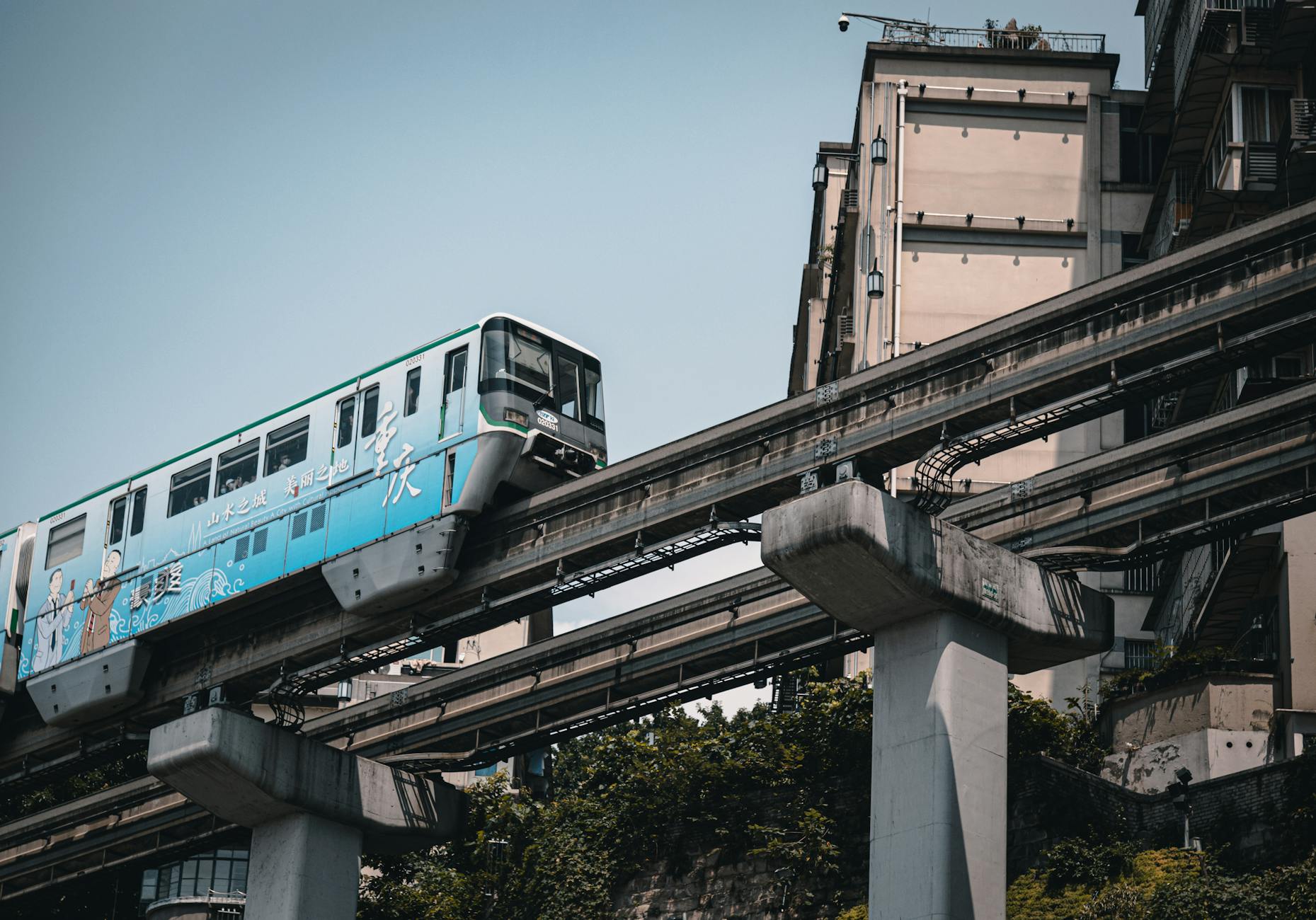
One of Chongqing’s most recognizable features is, without a doubt, its transportation system. Where else would you see a monorail running straight through a residential building? It’s no myth, it’s reality! Liziba Station is a true symbol of the city, and of course, I couldn’t just walk past it. Standing on the platform as the train literally disappears into the building, you feel like a character from some futuristic novel. It’s, by the way, an excellent opportunity for anyone who wants to understand how to get around Chongqing while also seeing one of its main marvels.
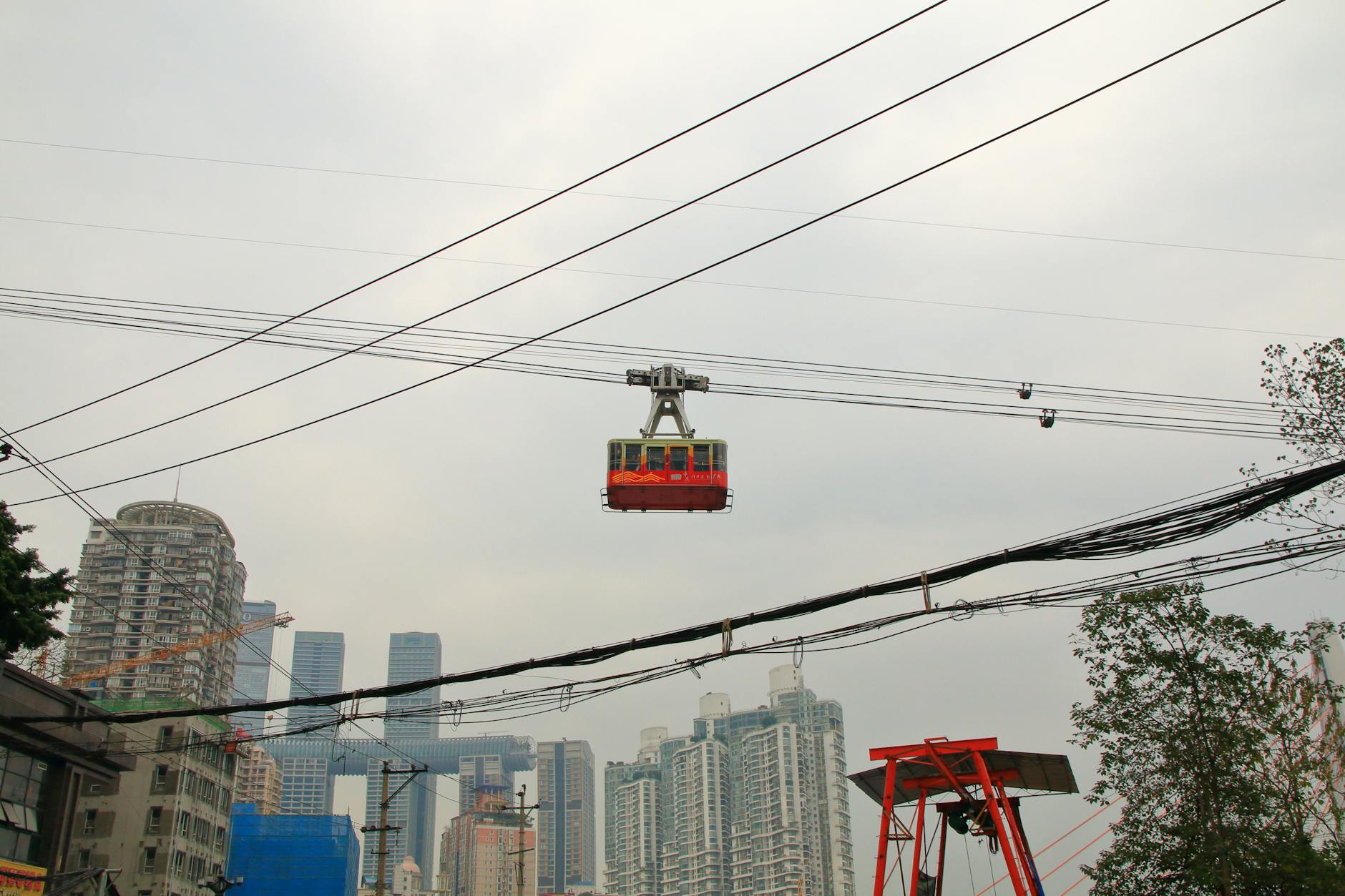
But it’s not just the monorail that surprises. There’s also Chongqing’s unique cable car, which crosses the Yangtze River, offering breathtaking city views. This isn’t just an attraction; it’s part of daily life for many residents. Imagine, you’re on your way to work or home, and below you are hundreds of meters of air and a panorama of a massive megacity! And then there’s the famous train inside a building – that’s just a must-visit spot if you find yourself in Chongqing. It’s such an engineering nonsense that perfectly demonstrates the ingenuity of the locals and the unique characteristics of Chongqing as a mountain city.
- By the way, if you’ve just arrived, I highly recommend using a convenient transfer in Chongqing to get to your hotel hassle-free.
- For architecture enthusiasts, Chongqing through an architect’s eyes: a walk around Raffles City is an excellent way to see the city from a new perspective.
Chongqing’s Historic Heart: Where Past Meets Future
Once you get used to the futuristic landscapes, it’s time to dive into Chongqing’s deep history. Beneath the layer of skyscrapers and multi-level interchanges lies a rich past that has shaped this city for millennia. Here, you’ll find plenty of historical Chongqing attractions that tell of its role in Chinese history, especially during World War II when Chongqing served as China’s provisional capital. That period left a profound mark on the city’s history and its atmosphere still carries that weight.
Ancient Quarters and Their Stories
If you want to see old Chongqing, what should you check out first? My advice – head straight to Ciqikou Ancient Town. This ancient porcelain town, nestled on the Jialing River, is a true oasis of calm amidst the urban hustle. Narrow cobblestone streets, traditional wooden houses, tea houses where you can try local snacks, and, of course, the famous Sichuan tea – all of it creates an unmistakable atmosphere. You could easily spend half a day here, just wandering and soaking in the unhurried pace of life that seems to have frozen in time. I really think a walk into Chongqing’s past: Ciqikou Ancient Porcelain Town is one of the best ways to get a feel for the spirit of old China.
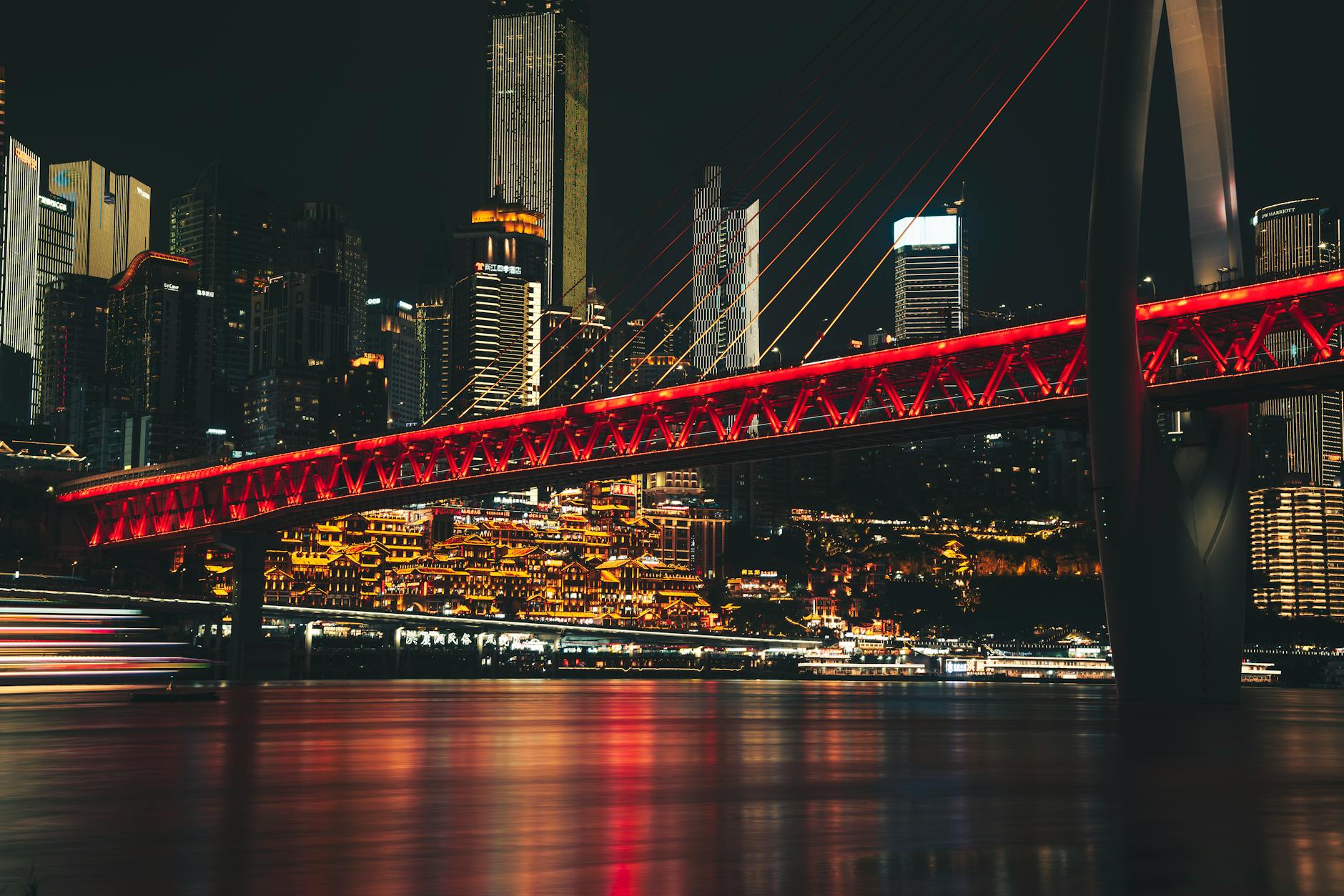
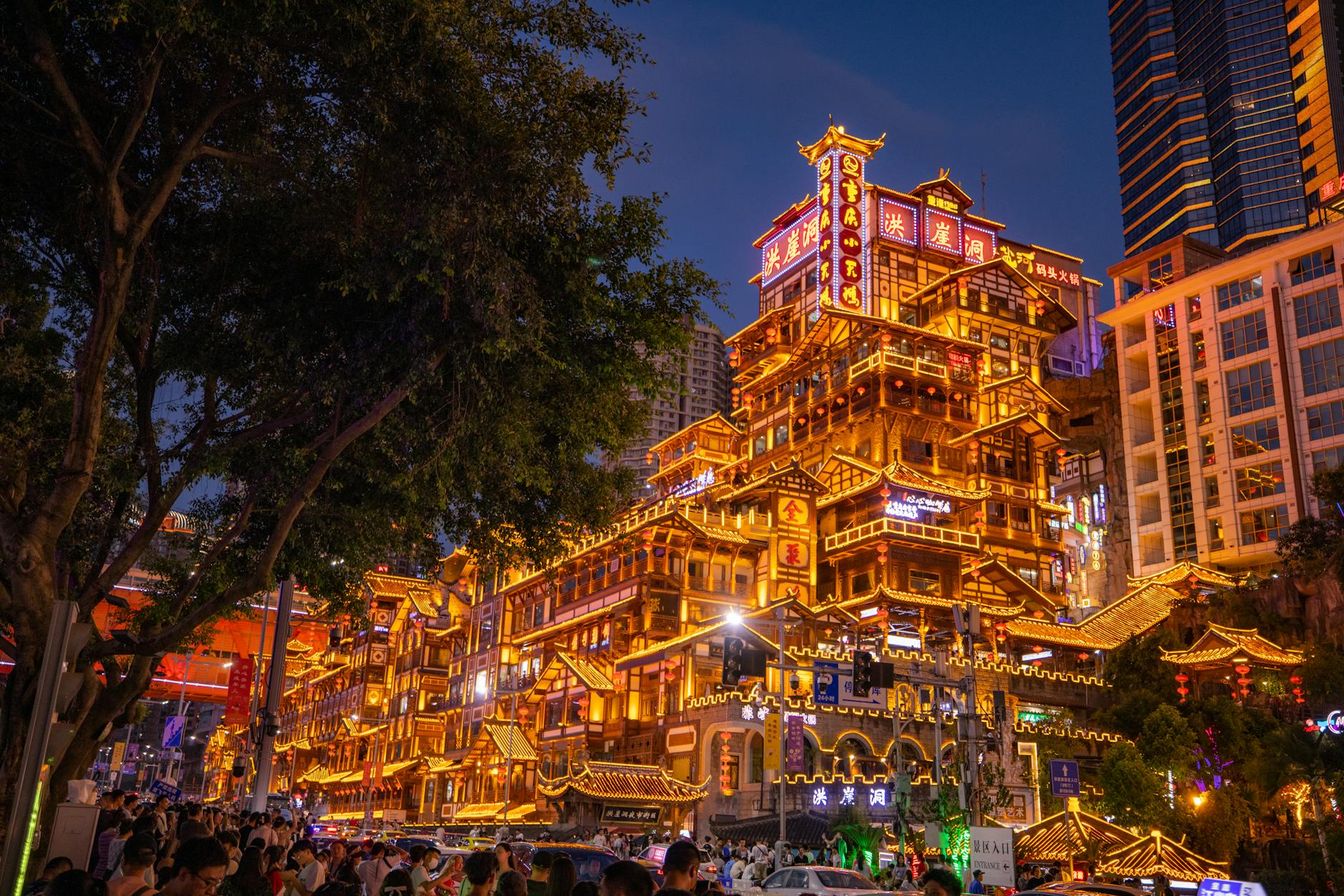
Another iconic spot is Hongyadong. This unique complex of buildings, constructed in the traditional Diaojiaolou style, cascades down the mountainside towards the Jialing River. At night, when thousands of lights twinkle, Hongyadong transforms into a fairy-tale palace, reminiscent of Hayao Miyazaki’s film sets. It’s a place where commerce, entertainment, and Chongqing’s history all merge into one. You’ll find souvenir shops, restaurants, bars, and galleries here. I, for example, popped into one of the tea houses and had some wonderful local tea, watching the boats drift by. And for a full immersion, I can recommend a night tour of Chongqing: Hongyadong, bridges, and a river cruise – the views there are simply breathtaking.
Monuments and Museums: Delving Deeper into the City’s History

To truly understand Chongqing’s history, you really should visit its museums. The Chongqing China Three Gorges Museum is, in my opinion, an absolute must-see. It’s dedicated to the region’s history, Chongqing’s culture, and, of course, the monumental Three Gorges Dam project. The exhibits are incredibly informative, and you could easily spend several hours here, exploring artifacts and learning about this land’s rich past.
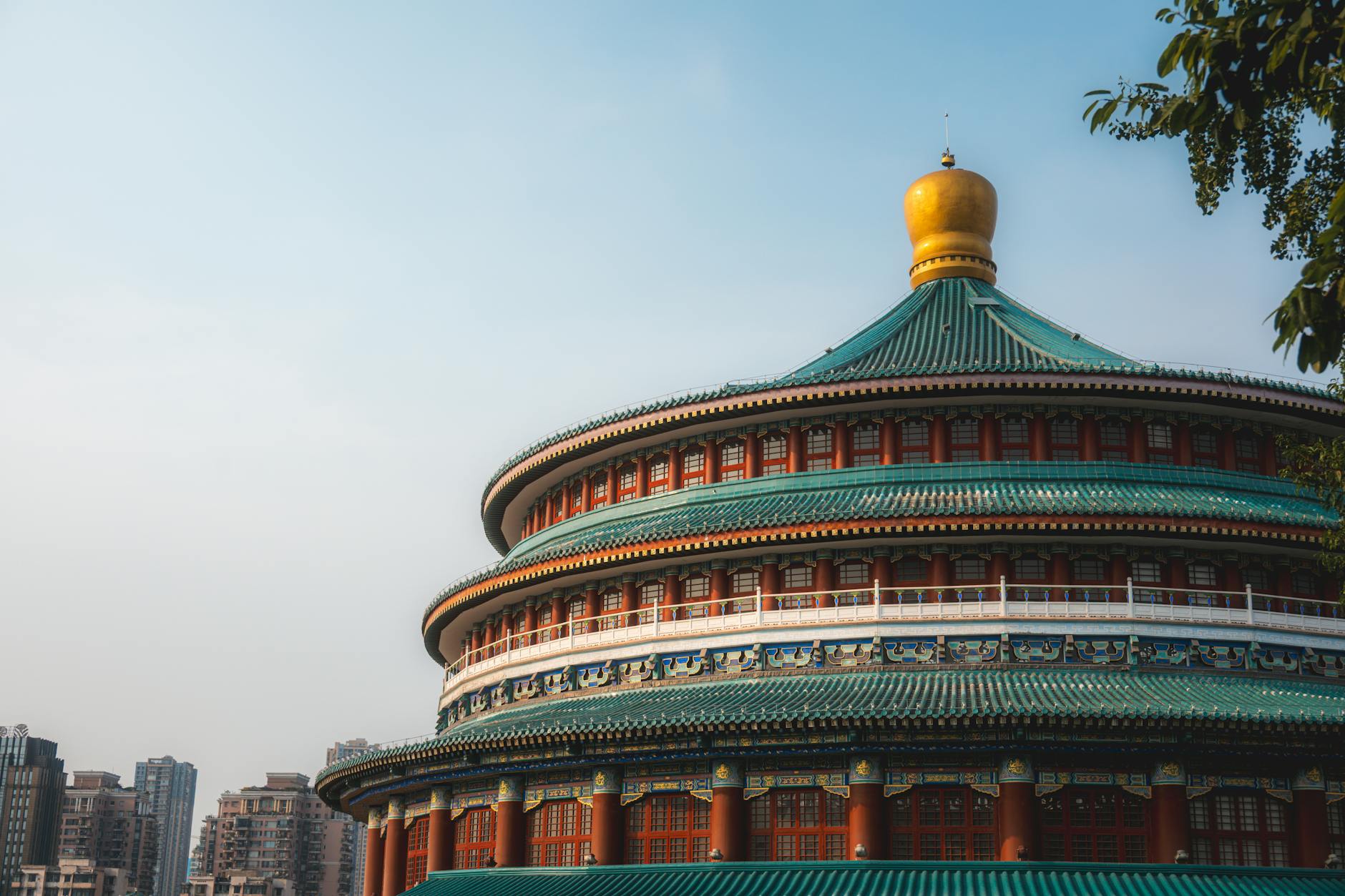
Not far away is the Great Hall of the People – a monumental building constructed in a traditional Chinese style, but with touches of Soviet architecture. It’s not just a symbol of the city but also a venue for important events. A beautiful park spreads out around it, where you can relax after a long walk.
And if you’re interested in a deeper dive into Chongqing’s ancient mysteries, then you absolutely have to visit the Dazu Rock Carvings. It’s a UNESCO World Heritage site, located about 160 km from the city, but the trip is totally worth it. Thousands of Buddhist and Taoist sculptures carved into the rocks are astonishing in their detail and preservation. Here, you can truly feel the breath of centuries and connect with ancient Chinese spirituality. In my opinion, UNESCO Treasures in Chongqing: Dazu Rock Carvings is one of the most impressive historical attractions in Chongqing.
Cultural Kaleidoscope and Gastronomic Discoveries
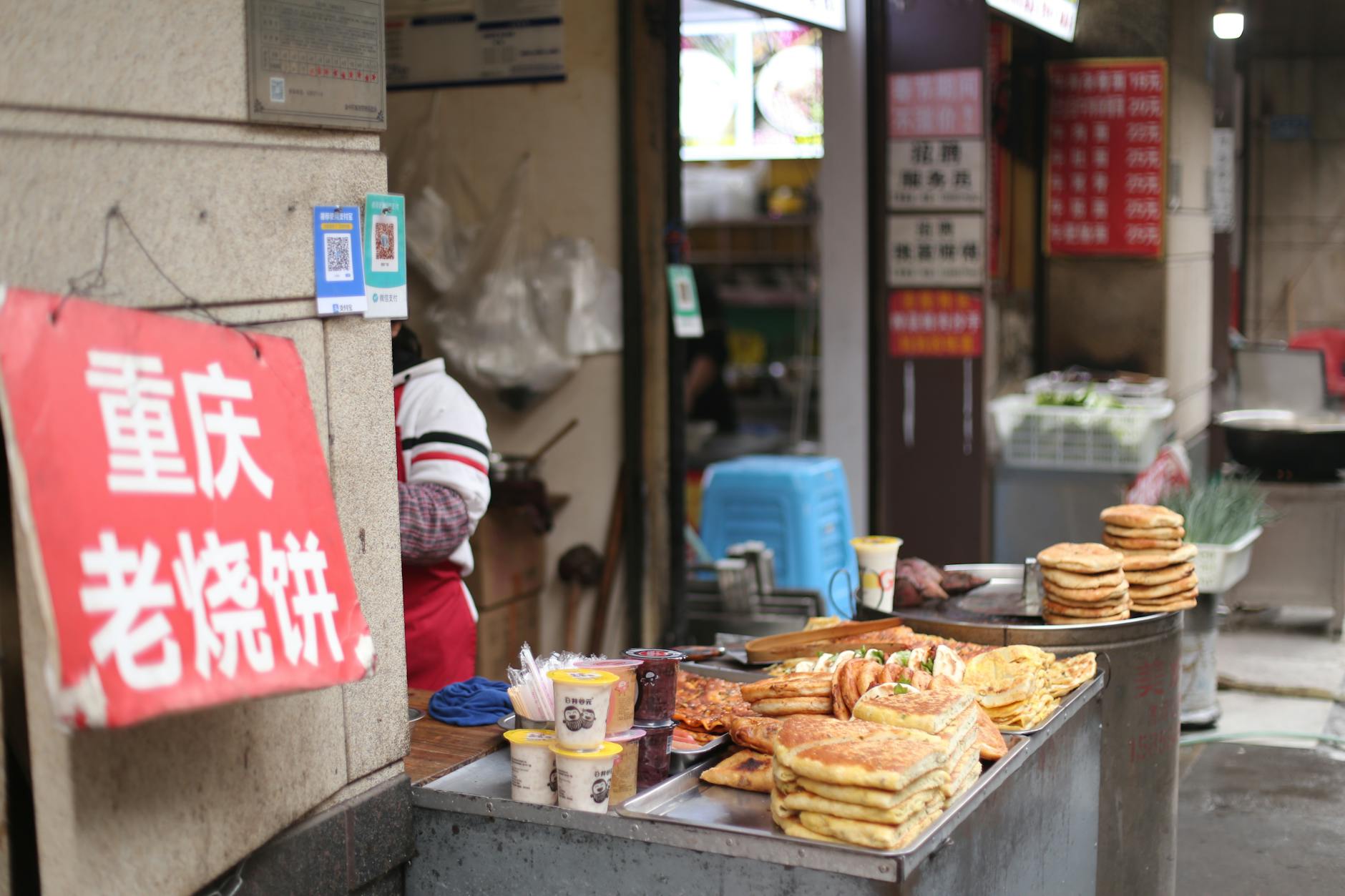
Chongqing’s culture and traditions aren’t just about ancient temples and museums; they’re also about daily life, vibrant markets, street performances, and, of course, its unique cuisine. Chongqing is a gastronomic paradise for spice lovers, and I definitely couldn’t miss the chance to fully immerse myself in this world of flavors.
On the Edge of Flavor: Chongqing Hot Pot
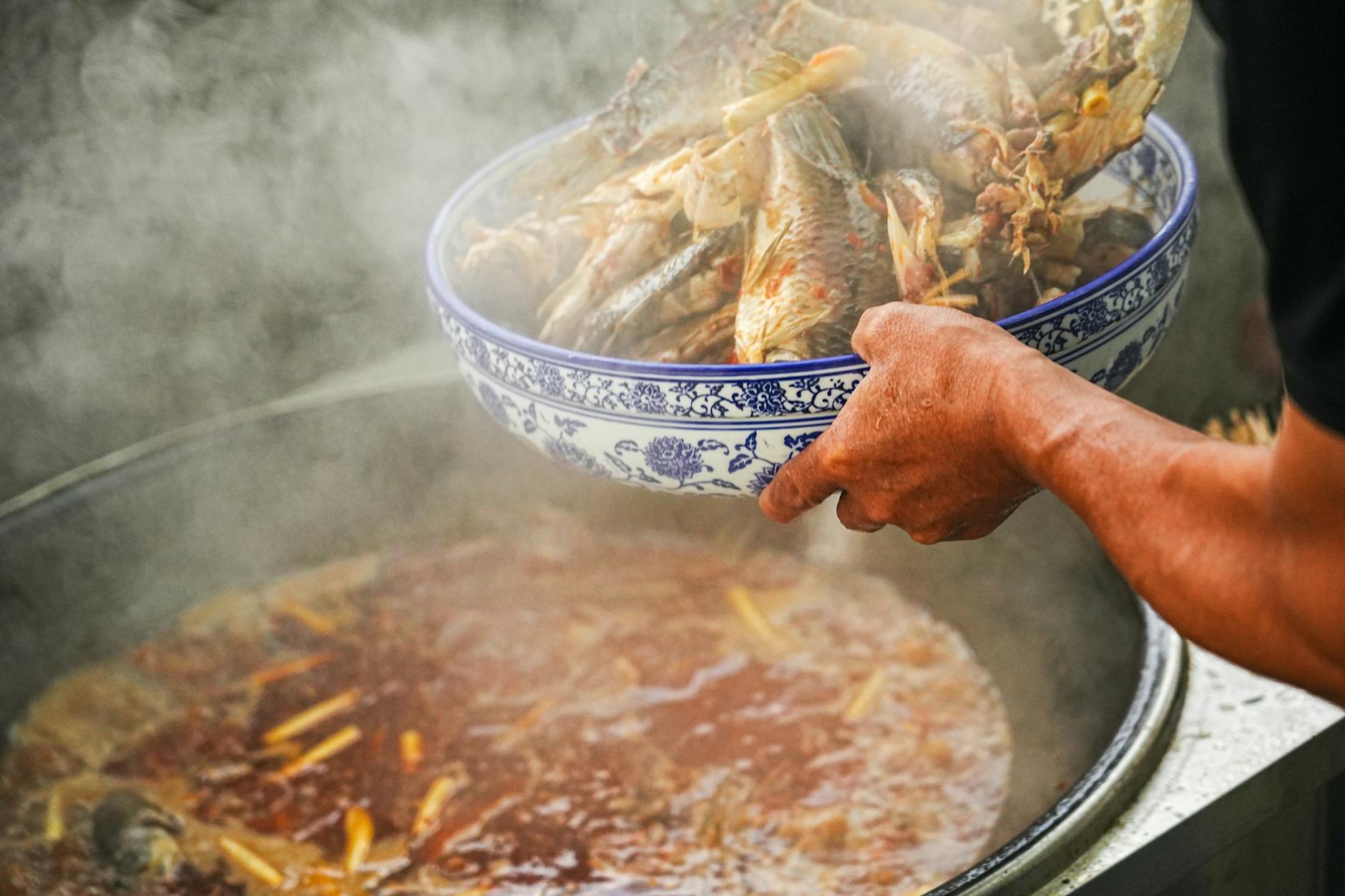
When it comes to Chongqing cuisine, the first thing that springs to mind is hot pot. And there’s a good reason for that! Chongqing hot pot isn’t just food; it’s a whole ritual, a social event. Imagine a huge pot of boiling, spicy (or not-so-spicy, though that’s rare) broth, where you add various ingredients yourself: thinly sliced beef, pork, vegetables, mushrooms, tofu, and a ton of other delicacies. Honestly, I was a bit hesitant at first, but then I got totally hooked. The spice level is off the charts, but it’s such a pleasant heat that warms you from the inside. If you’re not a fan of chili, there are special options, like Chongqing without spicy chili, but I really think trying the authentic spicy hot pot is part of the experience. It’s one of the main highlights of Chongqing’s Chinese cuisine.
Beyond hot pot, you absolutely have to try the local street snacks: xiaomian noodles, spicy dumplings, roasted chestnuts. Where should a tourist go in Chongqing for gastronomic delights? Just stroll along the bustling streets, peek into the local markets – and you’ll find countless delicious and authentic dishes.
- My personal tip: choose places where lots of locals are eating. That’s always a sure sign of good, fresh food.
- By the way, if you want to delve deeper into local life, a walking tour of Chongqing: local neighborhoods will help you better understand the daily lives of residents and their culinary preferences.
Tradition and Modernity in Art and Daily Life
Chongqing’s culture isn’t just about food. It’s also about traditional arts. For example, Sichuan Opera, with its unique performances where actors instantly change masks – that’s a spectacle you really should see. Unfortunately, I didn’t make it to a full performance, but I caught snippets in one of the squares, and it was incredible.
And also, tea culture is very well-developed in Chongqing. Tea houses are places for relaxing, socializing, and observing life. You can spend hours here over a fragrant cup of tea, simply contemplating the world around you. This, in my opinion, is one of the best ways to feel the city’s pulse, its unhurried side that hides behind the skyscraper facades.
The city offers so many interesting places in Chongqing for those seeking cultural experiences. From modern art galleries to traditional craft workshops – everyone will find something for themselves here. And don’t forget it’s a city of stairs, so Chongqing from bottom to top: a walking tour of the city of stairs is not only a physical workout but also a chance to see hidden corners of local life.
Planning Your Trip: What to See in Chongqing in 3 Days or More
Chongqing is a huge city, and to truly experience it, you need time. But even if you’ve only got 3 days, you can put together a fantastic itinerary to see the most important stuff. I tried to compile a Chongqing travel guide that includes history, modernity, and gastronomy.
Optimal Itinerary and Practical Tips

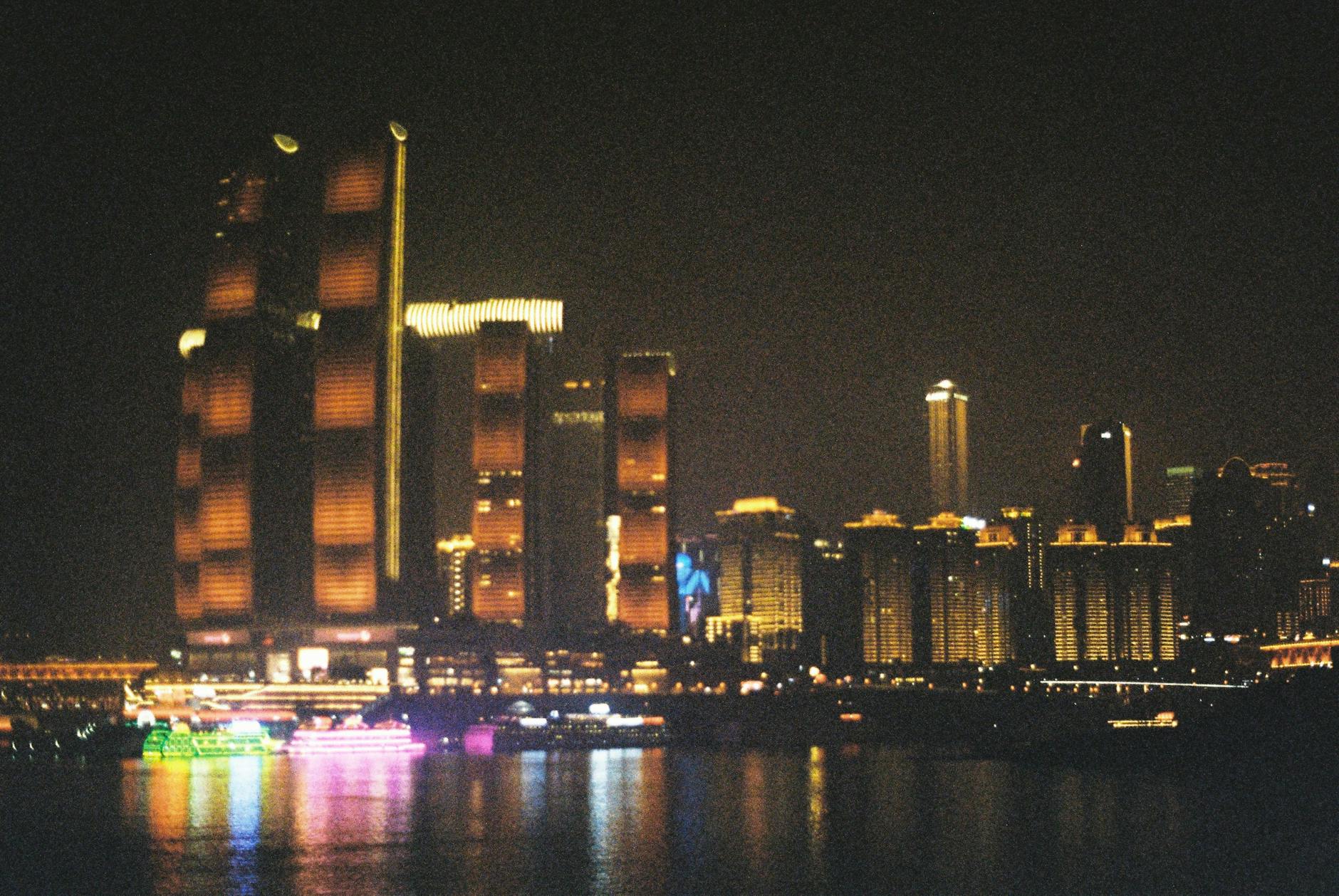
Day 1: Dive into History and Modernity. Start your morning at Jiefangbei Square, a symbol of modern Chongqing. From there, head to Hongyadong to see its architectural marvel and enjoy the views. After lunch (perhaps with your first taste of hot pot!), visit the Three Gorges Museum to learn about Chongqing’s history. In the evening, if you’ve got the energy, you could go on an evening tour and river cruise in the heart of Chongqing to see the city lit up.
Day 2: Ancient Traditions and Gastronomic Adventures. Dedicate your morning to Ciqikou – the old porcelain town. Wander its streets, buy souvenirs, try local sweets. Back in the center, you can go hunting for the best spots serving Chongqing hot pot. In the evening, if you’re interested, you could watch a Sichuan Opera performance or simply stroll along the scenic embankments. For those who want to get to know the city better, there are tours like Living Chongqing and its landmarks.
Day 3: Wonders of Nature or Ancient Reliefs. You can dedicate this day to a trip outside the city. The two most popular directions are Dazu with its rock carvings or Wulong with its karst landscapes. I chose Wulong, and it was amazing! The Tiansheng Three Bridges, deep gorges, caves – the nature here is simply captivating. There are excellent Chongqing — Wulong: Karst Landscapes and “Three Bridges” tours that include all the most interesting bits. If you’re still wondering what to see in Chongqing in 3 days, then these places are definitely worth including in your plan. I think such trips are a fantastic addition to the main itinerary, especially if you love nature and want to see something truly unique. Many reviews of trips to Chongqing confirm that venturing outside the city is absolutely worth it.
Of course, this is just one option. Chongqing offers so many interesting places that you could easily put together an itinerary for a week or more. The main thing is not to be afraid to experiment and explore!
Where to Stay and How to Get There

The choice of accommodation in Chongqing is huge. I’d recommend looking for hotels in the Jiefangbei or Jiangbei areas, as they’re conveniently located for reaching the main attractions. In the Jiefangbei area, there are many modern hotels like Niccolo Chongqing (5★) or The Westin Chongqing Liberation Square (5★), both offering fantastic city views. If you’re looking for something more affordable but with a good location, you could consider 3-4 star hotels. Many Chongqing hotels offer excellent service.
For my trip to Chongqing, I, of course, flew. Flights to Chongqing are easy to find via Aviasales. The city has a major international airport, Chongqing Jiangbei (CKG). You can get from the airport to the city center by metro or taxi. Overall, getting around Chongqing is pretty simple, thanks to its well-developed public transport system: metro, buses, monorail, and even cable cars. I’d advise buying a local transport card; it makes trips much easier.
Tours and Excursions: Hassle-Free Immersion
If you don’t like planning everything yourself or want to get the most information from local experts, then tours in Chongqing with excursions are an excellent option. I think that by discovering Chongqing with a guide, you’ll see and learn so much more than you would on your own.
For example, you could book the Impressive Chongqing – it’s a comprehensive tour that covers the main sights. Or, if you’re more interested in the city’s modern side, there’s Metropolis in the Mountains: Getting to Know Futuristic Chongqing. For lovers of mysticism and unusual places, I can recommend Mysterious Fengdu in Chongqing: A Journey to the Underworld – it’s very atmospheric and quite unique.
Some excursions offer a deeper dive into the mysteries of Chongqing, for instance, visiting wartime air-raid shelters or hidden alleyways where time seems to have stood still. Such Chongqing: Skywalk, Air-raid Shelters, Hidden Alleyways, and Ancient Teahouse tours allow you to see the city from a completely different perspective.
Reviews of trips to Chongqing show that many tourists appreciate the opportunity to go on day trips outside the city, for example, to Wulong. A one-day tour to Wulong (Fairy Mountain) and the Three Natural Bridges is a fantastic way to see the region’s amazing nature without the hassle of logistics.
Conclusion
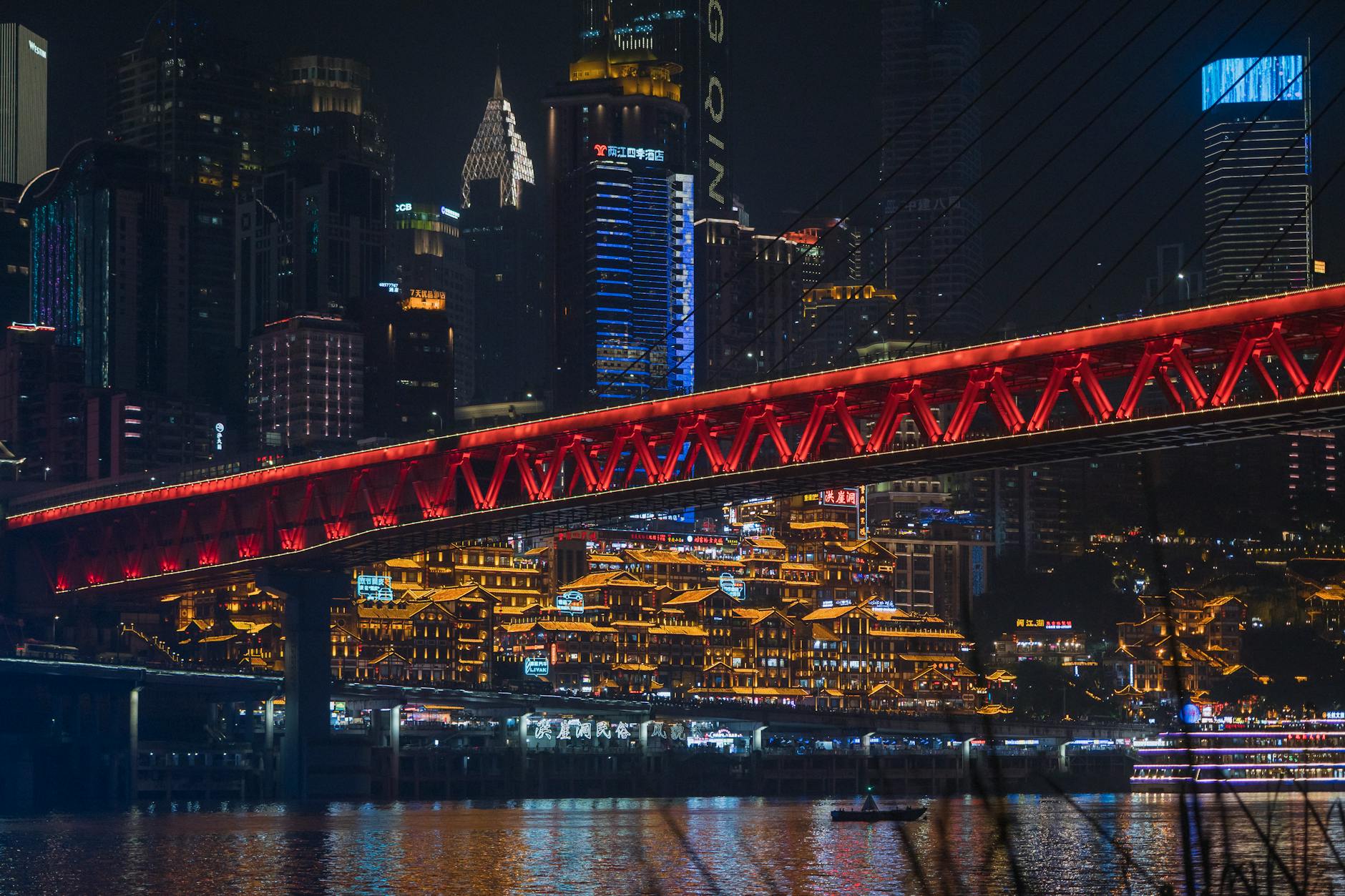
My trip to Chongqing left a really vivid impression. This city is a true phenomenon, impossible to forget. Its history, Chongqing’s culture and traditions, the unique features of a mountain city – all of it creates an inimitable charm. Everyone will find something for themselves here: from history buffs to connoisseurs of futuristic architecture, from gourmands who adore spicy food to those seeking tranquility in traditional tea houses.
Chongqing is a city that’s constantly moving, changing, but at the same time carefully preserving its past. It challenges conventional notions of megacities and makes you ponder the capabilities of the human spirit and engineering ingenuity. If you’ve ever dreamt of visiting a place that looks like another planet, yet feels very alive and real, then Chongqing is your pick. I sincerely believe you won’t regret it if you decide to embark on this adventure. After all, the mysteries of Chongqing, just like its endless staircases, lead to amazing discoveries.