

Have you heard about the tropical paradise called Hainan? This amazing Chinese island, often dubbed the “Hawaii of the East,” beckons with pristine beaches, lush greenery, and year-round warmth. But, like any tropical destination, Hainan definitely has its seasonal quirks.
Picking the perfect time for your trip isn’t just about air temperature, you know. It’s about prices, humidity levels, how many other tourists you’ll be sharing the space with, and even what’s going on with the marine life.
In this detailed guide, we’re going to break down Hainan’s weather month by month, dive into all four seasons, and dish out some expert tips to help you plan your absolute dream trip. Ready to find out when your suitcase will be unpacked in the most comfortable setting possible? Let’s go!
Hainan’s General Climate Overview
Hainan Island sits right in the tropical monsoon climate zone. What that means is it’s generally hot and humid here, but you can definitely feel the seasonal shifts, especially when it comes to rainfall and how intense the sun gets.
Unlike mainland China, Hainan doesn’t really ‘do’ cold. There’s no winter in the usual sense, and the average annual temperature pretty much hovers around 24°C.
High Season: November – April
Perfect for: beach holidays, sightseeing, family trips with kids, and anyone who loves comfortable warmth.
This is when the weather in Hainan is pretty much flawless.

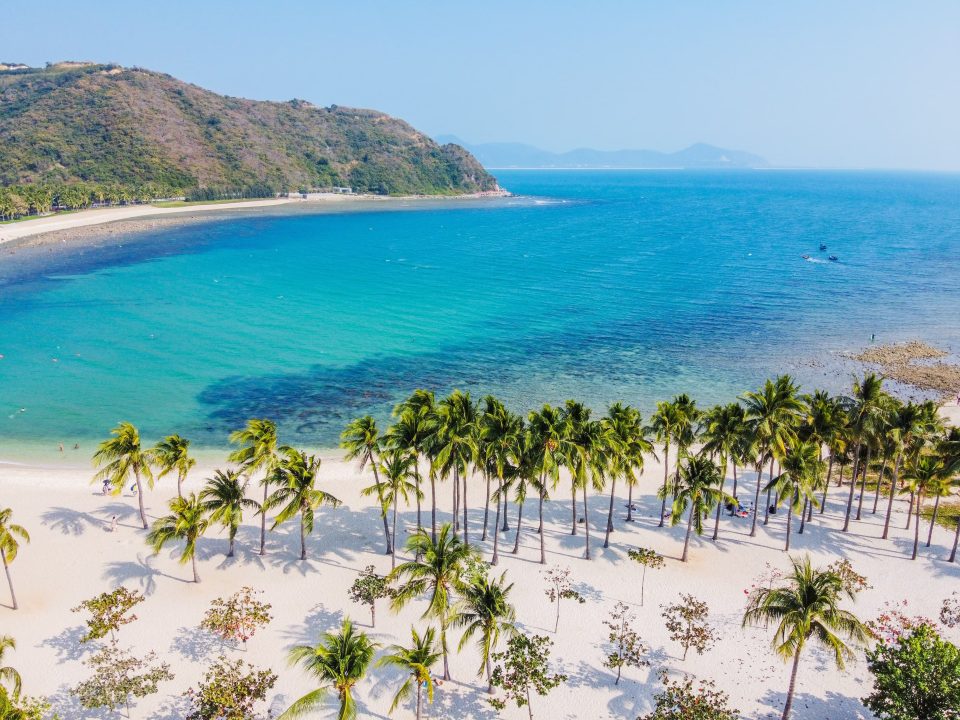
High Season Perks
- Best Weather: Minimal rain, comfortable temperatures, low humidity.
- Perfect Sea: Calm, clear, and warm.
- Pristine Beaches: Great for sunbathing and swimming.
High Season Drawbacks
- Steep Prices: The cost of tours, flights, and hotels (especially in Yalong Bay and Haitang Bay) hits its peak.
- Crowds: It’s the absolute peak of tourist traffic.
🏖️ November and December
- Air Temperature: 24°C – 26°C
- Water Temperature: 24°C – 25°C
- Highlights: This is the start of the ‘velvet’ season. Humidity is low, the sky is clear, and the sun feels gentle, not scorching. It’s absolutely perfect for anyone who struggles with intense heat.
🌊 January and February
- Air Temperature: 22°C – 24°C
- Water Temperature: 23°C – 24°C
- Highlights: These are the ‘coolest’ months on the island. It’s warm during the day, but evenings can be quite refreshing, so you might even need a light jacket. It’s a fantastic time for long walks and exploring sights without that oppressive heat. Just a heads-up: January-February often sees the peak of Chinese New Year celebrations, which totally spikes prices and hotel occupancy.
🌸 March and April
- Air Temperature: 25°C – 28°C
- Water Temperature: 25°C – 26°C
- Highlights: The weather really starts to warm up now. You’ll get long, sunny days, and the sea water gets even cozier. It’s a sweet spot right before the rainy season kicks off. Prices are still pretty high, but they won’t be as crazy as during Chinese New Year.
Low Season: June – September
Perfect for: Budget travel, surfing, fans of hot tropical climates, and diving (in certain areas).
This is when the island truly dives into that authentic tropical summer vibe.
Low Season Perks
- Lower Prices: Tours, flights, and accommodation are significantly cheaper (up to 30-50% compared to peak season).
- Warm Sea: The water’s like bathwater – no joke!
- Fewer Tourists: Most Chinese tourists take their holidays at other times, so you’ll have way more space on the beaches.
Low Season Drawbacks
- High Humidity: Can be tough for people with cardiovascular issues to handle.
- Typhoon Risk: It’s a small but definite risk.
- Jellyfish: In particularly hot months, you might see more jellyfish in the coastal waters (though this really depends a lot on the specific bay and currents).
🥵 June and July
- Air Temperature: 30°C – 33°C
- Water Temperature: 28°C – 30°C
- Highlights: It’s super hot and really humid. This is the start of the rainy season, you know? Rains happen frequently, but they’re usually just short, heavy downpours (think tropical showers) in the afternoon or at night. And in between those downpours during the day, the sun shines brightly.
🌧️ August and September
- Air Temperature: 31°C – 33°C
- Water Temperature: 29°C – 30°C
- Highlights: This is the peak of the heat and when there’s a potential typhoon threat. Now, while typhoons rarely hit Sanya and the main tourist areas directly, they can definitely bring strong winds, sea storms, and a few days of non-stop rain. So, you’ll want to keep a close eye on the weather forecast.
Transition Months: May and October
These transition periods offer a pretty sweet middle ground between the two extremes, especially if you’re looking for that balance between cost and comfort.


🌸 May: The Eve of Summer
- Weather: Hot (28°C – 30°C), and humidity starts to climb. Rains do happen, but they’re not quite as intense yet as they are in summer.
- What to Do: It’s a great time to visit hot springs and go on longer excursions (like Nanshan or Wenchang).
- Prices: Moderate.
🍂 October: Monsoons Retreat
- Weather: Temperatures start to drop a bit (27°C – 30°C), and humidity noticeably goes down after the summer monsoons. The risk of typhoons pretty much vanishes.
- What to Do: The sea is still super warm, and the weather gets progressively drier and more comfortable. It’s a brilliant month for a beach holiday before the tourist rush really kicks in during November.
- Prices: They start to creep up towards the end of the month, but overall, they’re still lower than during the peak period.
Comparative Analysis: The Perfect Time for Your Goals

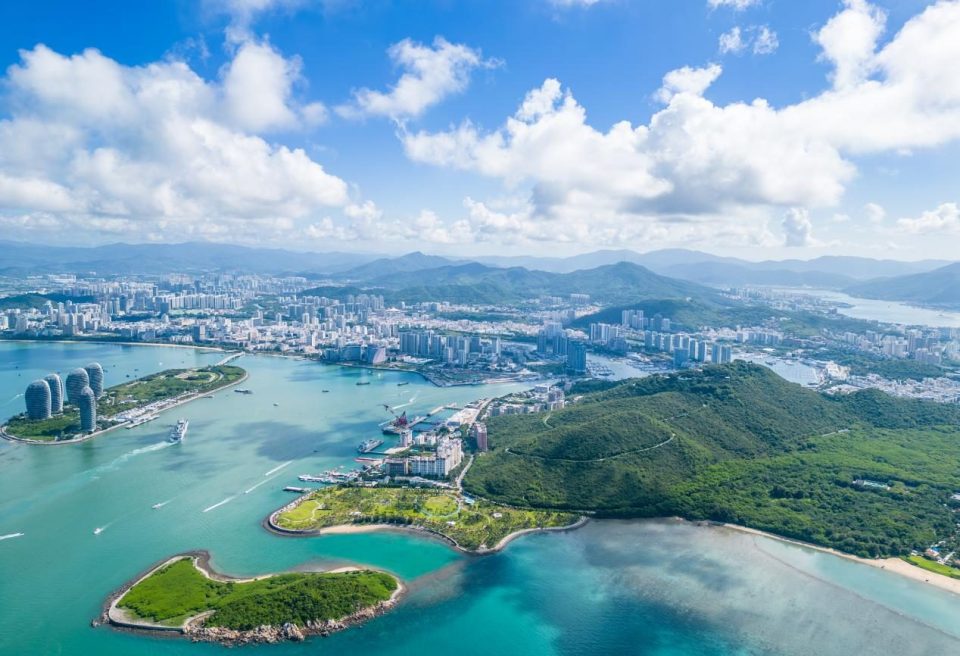
When you’re picking your travel dates, always start by thinking about the main goal of your vacation:
1. Best Time for Beach Holidays and Swimming
- Ideal: November, December, March, April.
Dry, sunny, comfortable temperatures for sunbathing, and warm water. - Good, but hot: June, October.
The sea’s warm, but there’s a risk of rain or high humidity.
2. Best Time for Excursions and Sightseeing
- Ideal: January, February.
The air temperature is super comfortable for long walks, visiting parks, and climbing to observation decks (like “Deer Looking Back”). You won’t have that draining humidity during these months.
3. Best Time for Diving and Water Sports
- Ideal: March – May.
Water visibility really starts to improve. The water’s warm enough, and the weather isn’t too rainy yet. You’ll find excellent conditions on islands like Wuzhizhou (Pirate Island).
4. Best Time for Budget Travel
- Ideal: June, July, September.
Accommodation and flight prices are at their lowest. If you’re willing to risk a few hours of rain each day, this is your chance to really save some cash.
Choosing Your Region: Weather in the North vs. South
Hainan’s a pretty big island, and the weather can actually vary a bit between its different parts. The southern region (around Sanya Bay) is generally considered drier and warmer than the northern part (the city of Haikou).

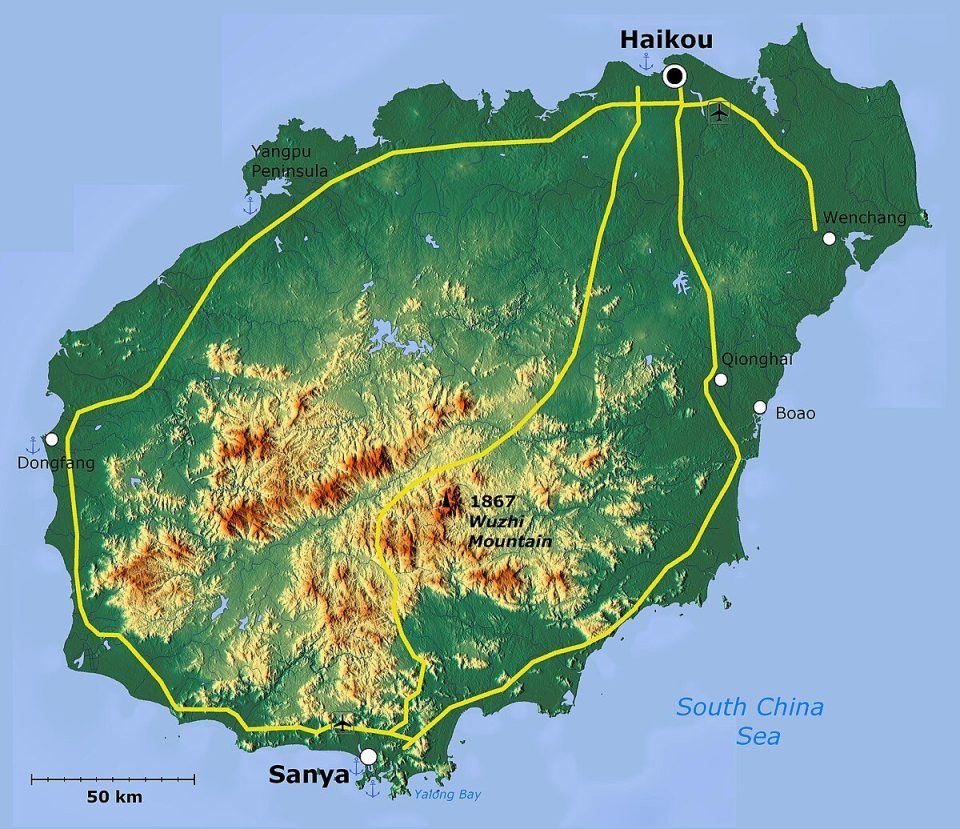
- South (Sanya, Yalong Bay, Dadonghai): It’s less affected by cold air masses in winter and generally gets less rainfall in summer. You’ll find more stable conditions here for beach holidays.
- North (Haikou): In winter, it can feel noticeably cooler (sometimes dropping to 15°C), and you might get some cloudiness and fog along with that.
Honestly, if your main goal is a beach vacation, you’ll want to stick with the southern resorts.