
Shanghai rewards a first visit more than most big cities. A Ming-dynasty garden sits four metro stops from the tallest skyline in China, and that contrast is the reason to come. This three-day plan covers the main sights in a sensible order, with the practical details sorted first. For the back story on how the city became old and futuristic at the same time, that article pairs well with this one.
How to Plan Your First Trip to Shanghai

Shanghai is huge. Some 25 million people live on the two banks of the Huangpu, and a bit of planning before landing saves hours on the ground. Three things matter most: how you get in from the airport, which district you sleep in, and which apps you install before the Chinese networks block the familiar ones.
Getting There and Finding a Place to Stay

Two airports serve the city. Pudong (PVG) takes most long-haul flights and sits about 30 km east of the center. Hongqiao (SHA) is closer to downtown and mostly handles domestic routes plus Japan and Korea. From Pudong the fastest way in is the Maglev: 8 minutes to Longyang Road at up to 430 km/h, 50 CNY (about $7) one way, or 40 CNY if you show a same-day boarding pass. From Longyang Road, metro line 2 reaches People’s Square in another 25 minutes. A taxi to the Bund costs 150-200 CNY and takes 45-60 minutes outside rush hour. Line 2 also runs the whole way from the airport for 8 CNY, but allow well over an hour. Many passports now qualify for visa-free entry or the 240-hour transit rule. Those rules change often, so check the current list for your nationality before paying for flights.
For a first visit, sleep west of the river: near the Bund, around People’s Square, or in the former French Concession. Every stop on this plan is within 20 minutes by metro from those three areas. Pudong hotels have the famous view, but from there you look at the Bund instead of walking out onto it. Two options at opposite ends of the budget: The Ritz-Carlton Shanghai, Pudong, a 5-star tower next to the Oriental Pearl with rooms facing the river, and Green Court Residence City Center, a central 4-star serviced apartment hotel with kitchens, handy if you plan to stay longer. Across the city, prices run from about $40 for a clean chain hotel to $400 and up for a river-view suite. Booking.com’s list of Shanghai hotels filters by metro station, which matters more here than the number of stars.
Some Good Advice for Your First Day
Install a VPN before the flight, not after. Google, Instagram, WhatsApp and most Western news sites are blocked, and the app stores inside China will not sell you one. Then set up WeChat and Alipay and link a foreign Visa or Mastercard. Both apps take international cards now, and nearly every shop, taxi and ticket office expects a QR payment rather than cash. Apple Maps works well in Shanghai and shows metro routes; Google Maps does not. For data, buy a local SIM at the airport or load a roaming eSIM before you go. Roaming eSIMs usually bypass the block, which is one reason many visitors prefer them.
Public transport is the easy part. Shanghai’s metro has close to 20 lines, English signs, fares of 3-9 CNY by distance and trains every 2-4 minutes on the main routes. Pay by tapping the transport code in Alipay or with a card bought at any station. Taxis are cheap too, but drivers rarely speak English, so keep each address in Chinese characters on your phone. Keep the plan loose as well. Three days is enough for the highlights only if you skip the extras. Wear shoes you can walk 15 km in; most days below come close to that.
Kicking Off Day One with Gardens and Skyscrapers

Day one is built around the city’s main contrast. A 16th-century garden in the morning, the colonial riverfront in the afternoon and the Pudong skyline after dark. All three sit on metro lines 2 and 10, so little time is lost in transit.
A Morning in the Old City and Yu Garden

Start at Yuyuan Garden station on line 10 and walk into the Old City. Yu Garden dates from 1559, when a Ming official began building it for his elderly father, and it took almost twenty years to finish. Inside are rockeries, zigzag bridges, carp ponds and pavilions spread over two hectares. Entry costs 40 CNY in high season (April to June and September to November) and 30 CNY the rest of the year. Closed on Mondays. Be at the gate for the 9:00 opening. By 10:30 the tour groups arrive and the narrow paths fill up. Around the garden is a bazaar of souvenir stalls and snack counters. Nanxiang’s soup dumplings at the Jiuqu Bridge draw a long takeaway queue; the upstairs dining room serves the same dumplings with far less waiting. Allow two and a half hours for the garden, the bazaar and the City God Temple next door.
An Afternoon on The Bund and in the French Concession
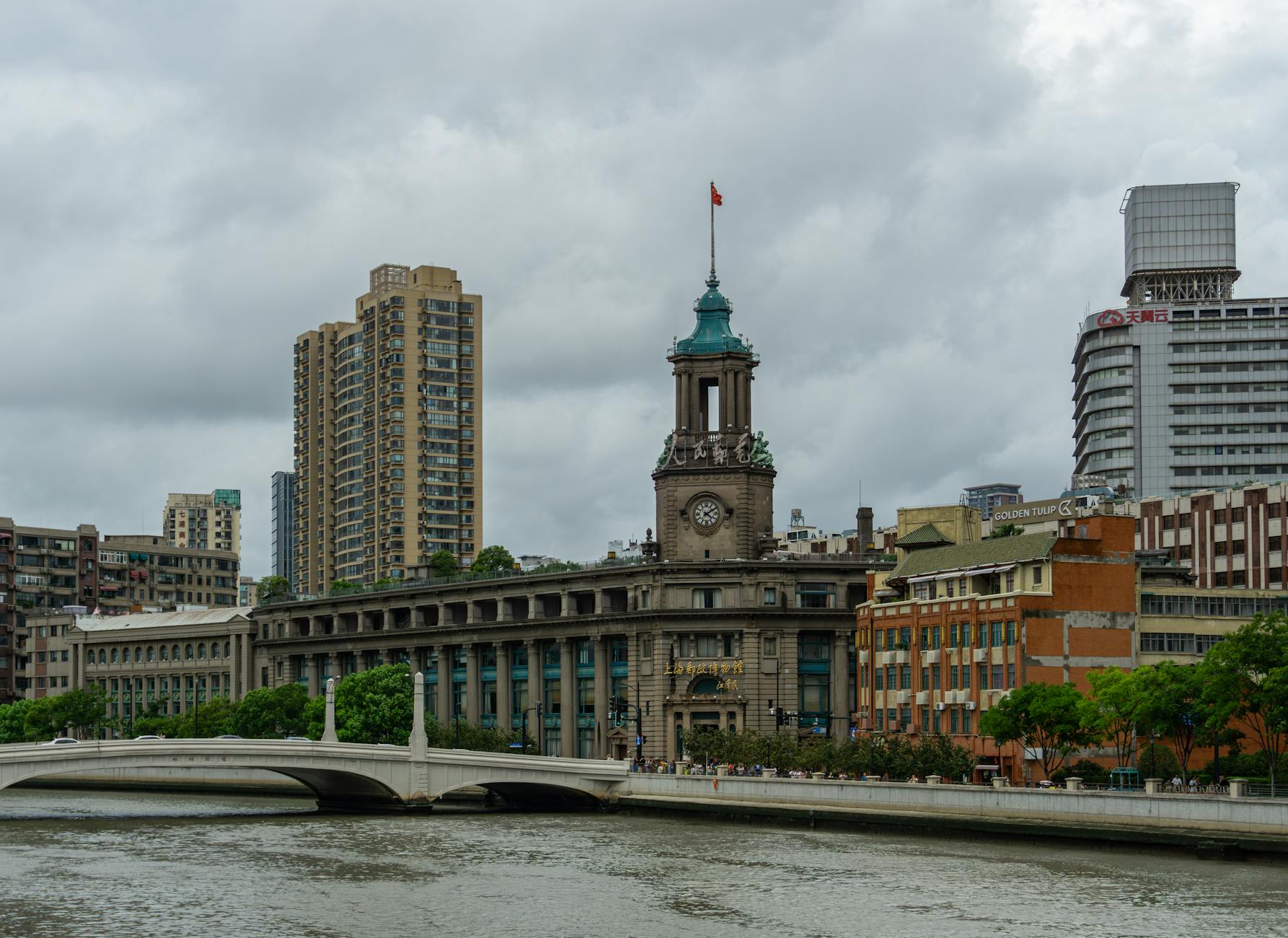
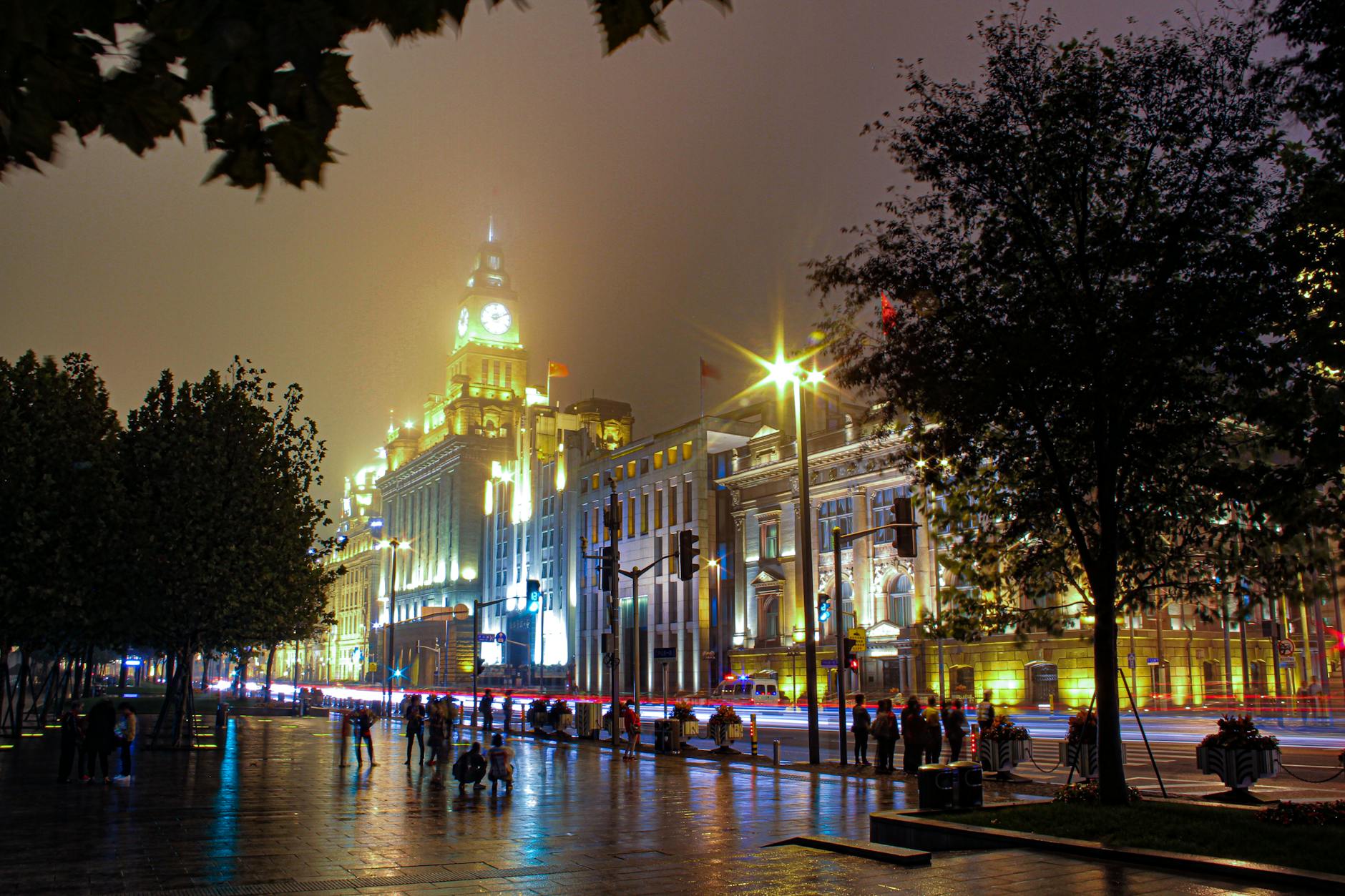
From Yu Garden it is a 15-minute walk north to the Bund, the 1.5 km riverfront where the banks and trading houses of 1920s Shanghai stand in a row. Look for the Customs House with its clock tower, the former HSBC building under the dome, and the Peace Hotel on the corner of Nanjing Road. Across the water is Pudong. Walking the promenade is free; it is busiest at sunset and calmest on weekday afternoons. Then take line 10 two stops to Xintiandi, or walk 25 minutes west into the former French Concession. Plane trees shade the streets, the villas date from the 1920s, and the cafes around Wukang Road and Anfu Road are where the city’s designers and expats spend their afternoons. Wukang Mansion, the wedge-shaped 1924 apartment block at the end of Wukang Road, is the most photographed building in the district. No ticket is needed anywhere here. Budget two hours and a coffee stop.
An Evening of Pudong Lights and a River Cruise
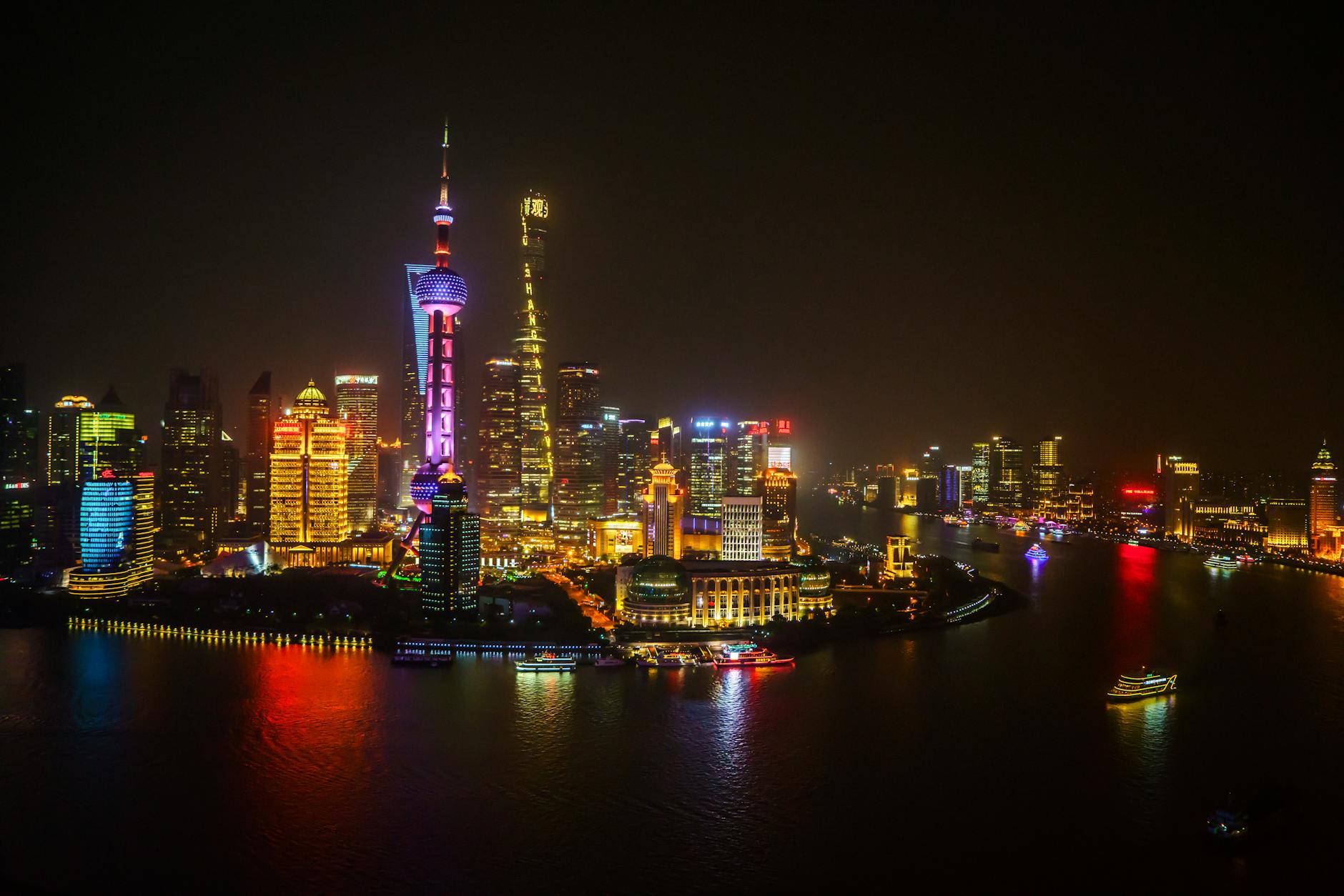
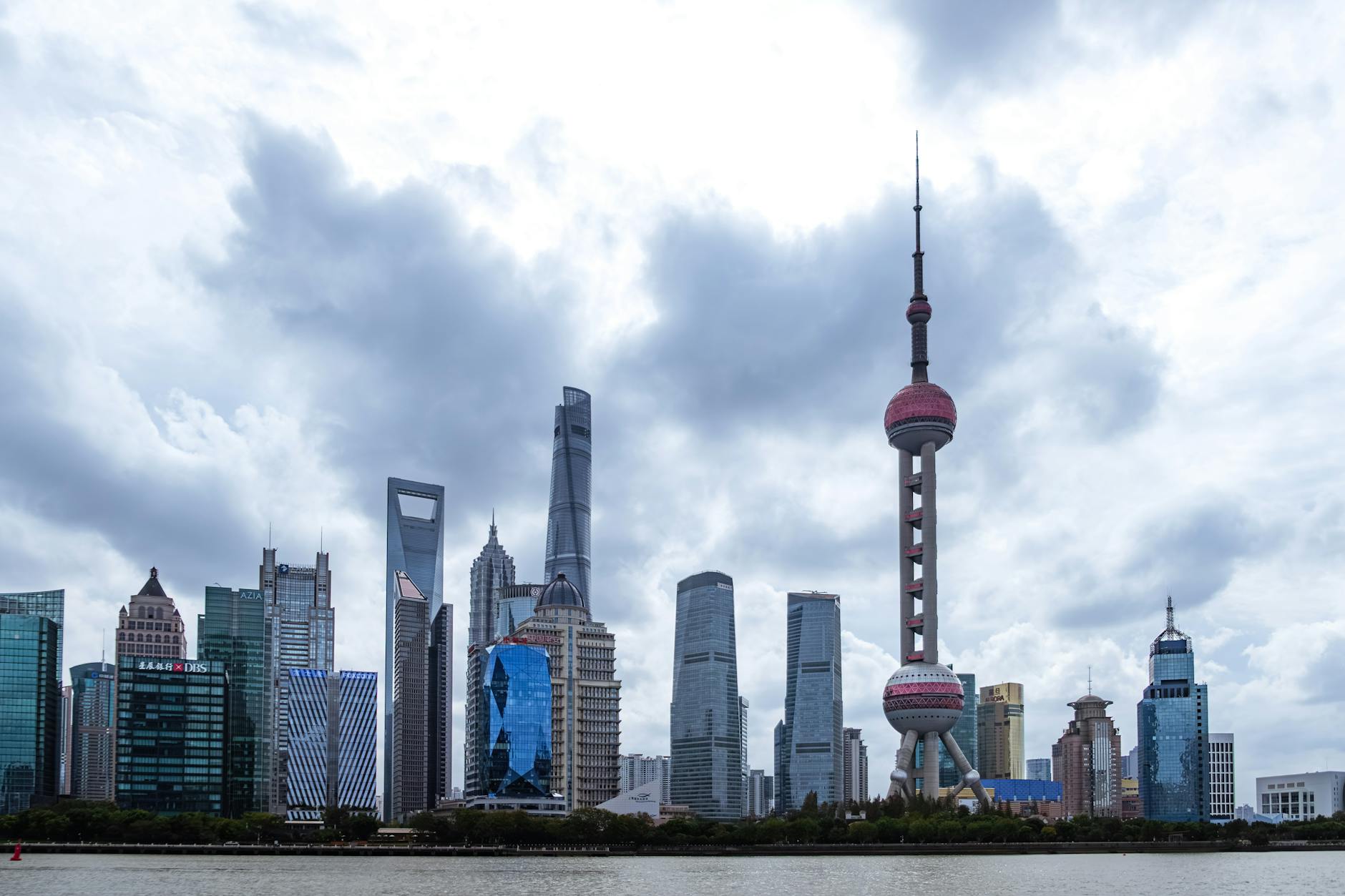
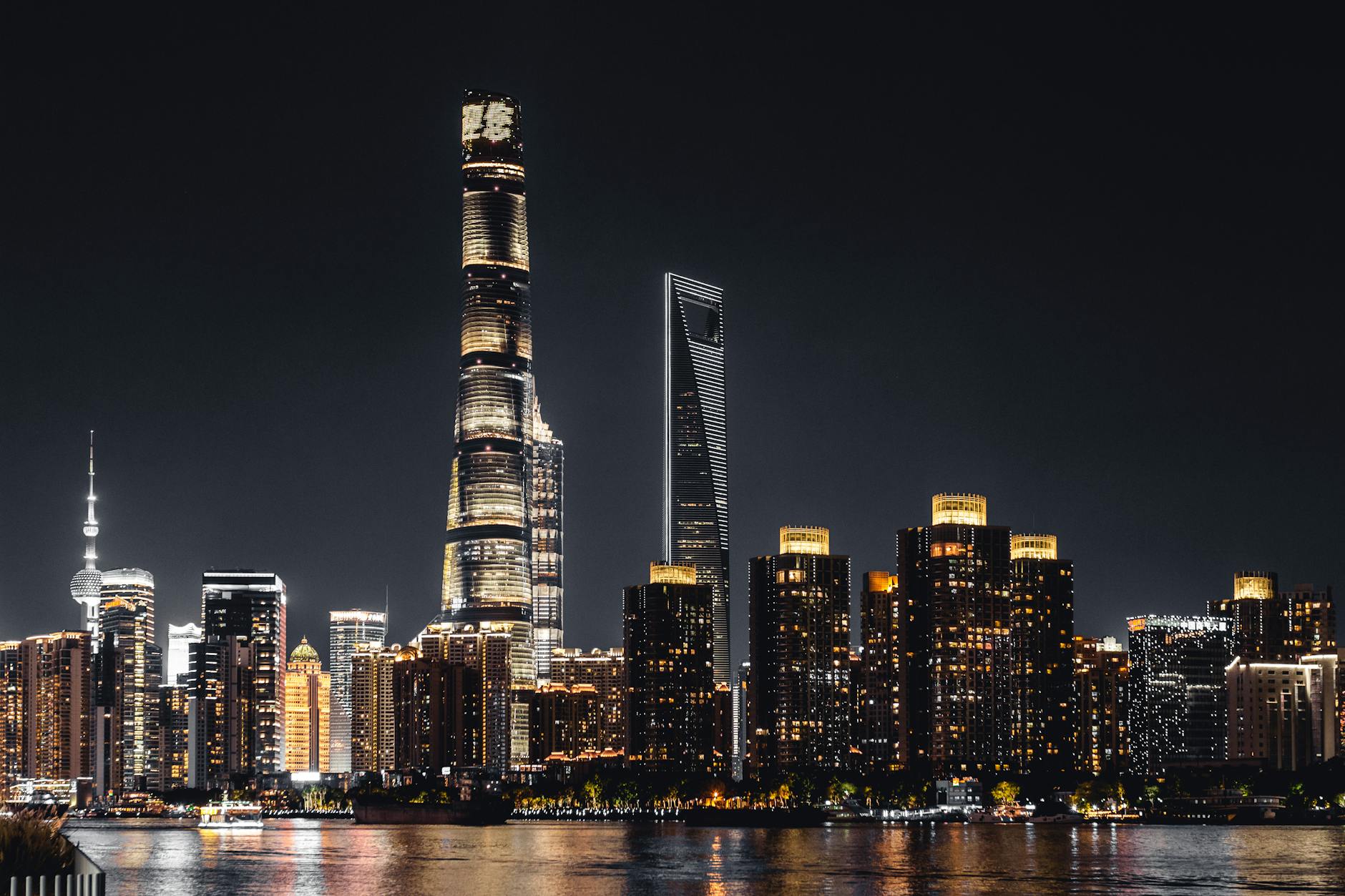
After dark, cross to Pudong on line 2 (East Nanjing Road to Lujiazui, one stop). Three observation decks compete for the view. Shanghai Tower is the highest, with its deck at 546 m on the 118th floor and tickets around 180 CNY ($25). The World Financial Center’s 100th-floor deck is a little lower and often less crowded. The Oriental Pearl is the oldest and the one in every photo. Book a slot just before sunset, so you see the skyline in daylight and then lit up. Better value, and the view most people remember, is a Huangpu River cruise. Boats leave from Shiliupu wharf near Yu Garden about every half hour until 21:30. A loop takes 45-50 minutes and costs around 120 CNY ($17). Both banks are lit from 19:00 until about 22:00, and the boat is the only place to see them side by side.
Diving Into Culture on Your Second Day
Day two covers a working temple, the best museum in the country for ancient Chinese art, the main shopping street and a restored stone-house district. Everything is west of the river, and each hop by metro takes under 15 minutes.
A Morning with Buddhas and Ancient Art

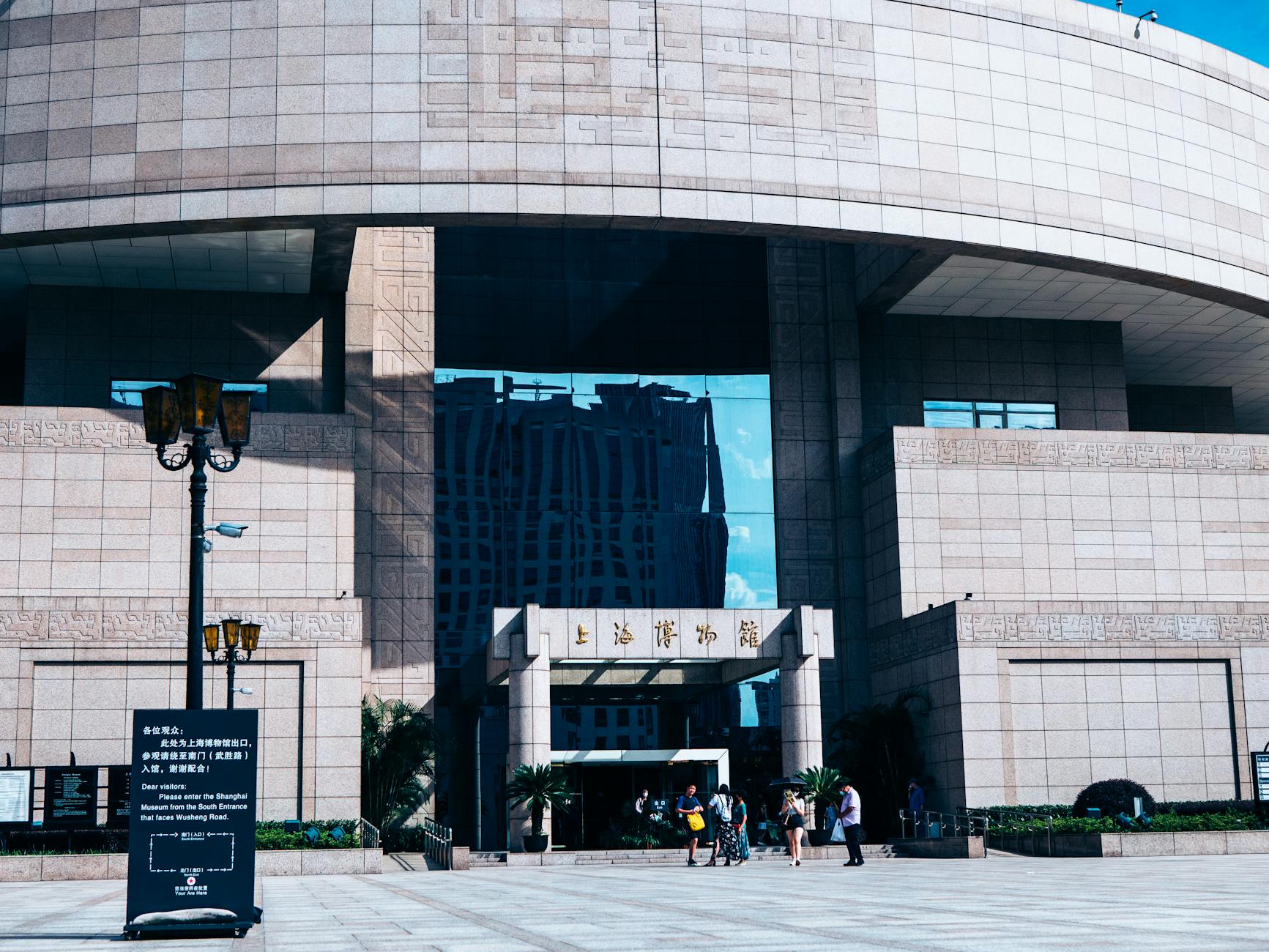
Jade Buddha Temple (Yufo Si) is a working monastery in Putuo district, a 10-minute walk from Jiangning Road station on line 13. Its two statues were carved from Burmese white jade and brought to Shanghai in 1882 by a monk returning from Burma: a seated Buddha close to two metres tall in the upstairs hall, and a smaller reclining one below. Entry is 20 CNY, doors open 8:00 to 16:30, and the monks chant in the early morning and again mid-afternoon. Next, take the metro to People’s Square for the Shanghai Museum. Admission is free, but you must reserve a time slot through the museum’s WeChat account or website, and weekend slots go days ahead. Closed Mondays. Head straight to the bronzes on the ground floor, Shang and Zhou pieces from 1600 BC onward, then the ceramics and the calligraphy. Ninety minutes is enough for those three galleries. A new East Building in Pudong now holds part of the collection, but the People’s Square building is the one for a first visit.
An Afternoon Shopping on Nanjing Road

Nanjing Road runs 5.5 km from the Bund west to Jing’an Temple, and the pedestrian stretch between People’s Square and East Nanjing Road station is the part everyone means. Expect crowds. On a Saturday the density is closer to a festival than a street. Department stores, sportswear flagships, the First Food Hall with its packaged snacks and the old Shanghai No. 1 Department Store line both sides. International brands cost no less than at home, so walk it for the people and the neon rather than for bargains. For eating, duck one block north or south. There is plenty of street food to try in the side lanes, from scallion pancakes to pan-fried shengjian buns at 10-15 CNY a basket. If shopping is the goal, the malls around Nanjing West Road at the far end carry the same brands with room to breathe.
An Evening in Xintiandi’s Bar Scene

Xintiandi is a block of 1920s shikumen houses, the grey-brick lane dwellings with stone gate frames that once housed most of Shanghai, rebuilt in 2001 as an open-air dining district. On its corner stands the site of the first Communist Party congress of 1921, now a free museum, which is why this block escaped demolition. After 19:00 the lanes fill with restaurants, cocktail bars and terraces. A cocktail runs 90-120 CNY, and dinner for two starts near 400 CNY in the sit-down places. Cheaper and more local is the food back near Yu Garden or in the lanes off Nanjing Road, where a basket of xiaolongbao costs 20-30 CNY. If you’d rather have someone pick the stalls for you, an evening food tour with tastings covers five or six stops in about three hours and ends in time for a last drink in Xintiandi.
For Day Three, Choose Your Own Adventure
Day three has no single right answer. Three options below suit different moods: a canal town for a slower pace, Disneyland for a full day of rides, or the quieter districts if you want the city without the headline sights. Each takes most of the day, so pick one.
A Day Trip to Zhujiajiao Water Town
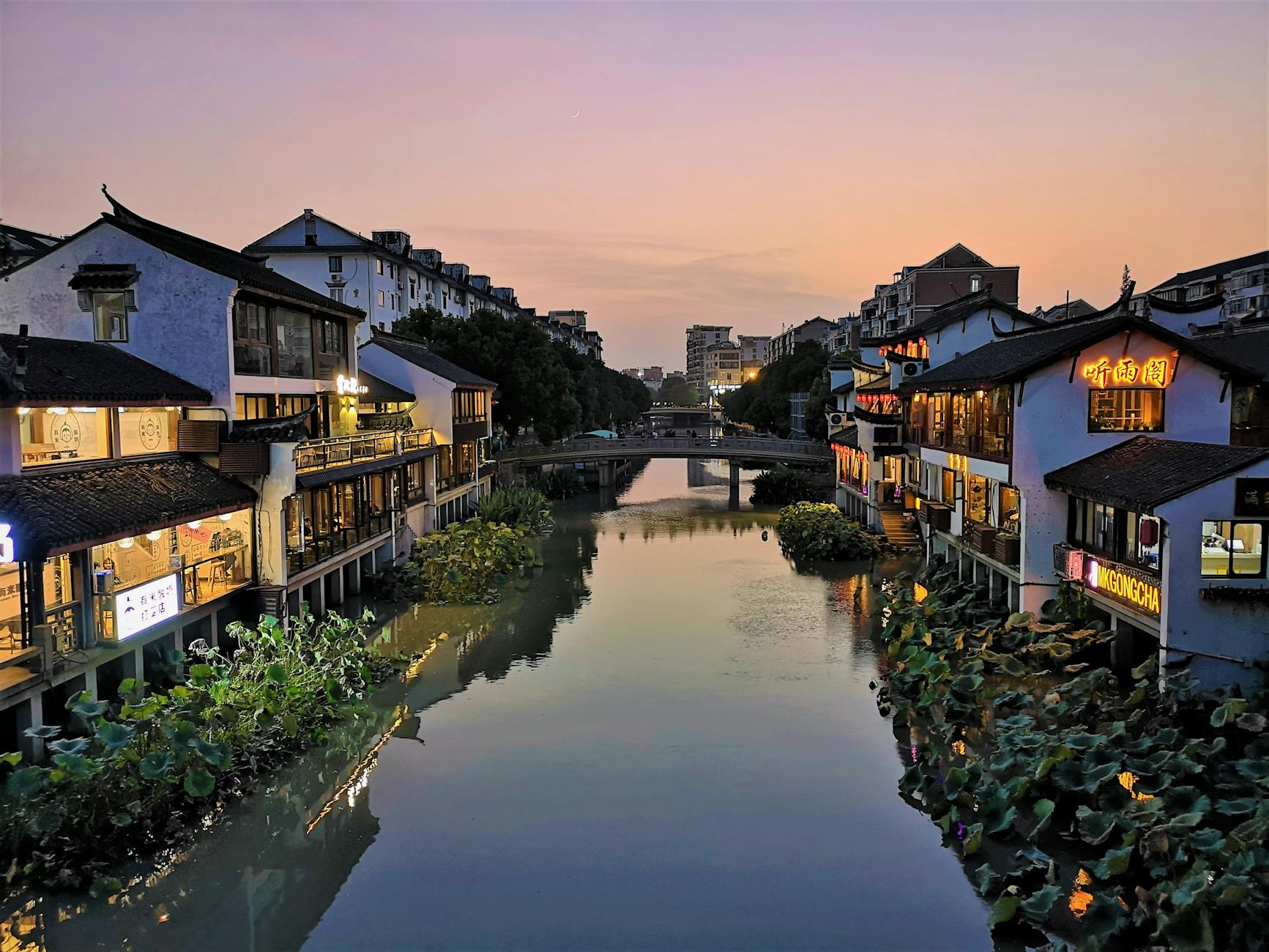
Zhujiajiao is a canal town about 50 km west of the center, with 36 stone bridges, the oldest from the Ming dynasty, and houses built straight over the water. Metro line 17 goes there from Hongqiao Railway Station. Get off at Zhujiajiao station and walk 15 minutes north to the old town. Door to door from People’s Square takes about 75 minutes and costs under 10 CNY. Entry to the town is free. A combined ticket for the courtyard houses, the Qing-dynasty post office and Kezhi Garden costs about 60 CNY, and a gondola along the main canal is 100-150 CNY per boat for up to six people. Fangsheng Bridge, the five-arch span from 1571, is the spot everyone photographs. Arrive by 10:00 on a weekday and the lanes are nearly empty; on weekends half of Shanghai turns up. For a version with transport included, the Zhujiajiao tour options usually bundle the boat ride and hotel pick-up, which removes the one awkward part of the trip.
The Magic of Shanghai Disneyland

Shanghai Disneyland opened in 2016 and is the largest Disney park in Asia, with the tallest castle of any Disney resort and rides found nowhere else. TRON Lightcycle Power Run and the boat-ride version of Pirates of the Caribbean are the two to queue for, and a Zootopia land was added in late 2023. Metro line 11 runs to Disney Resort station; from the center allow about an hour. One-day tickets start around 475 CNY ($65) on regular dates and pass 700 CNY on peak days and holidays. Buy them on the official app or from a reseller in advance, since gate sales sell out on weekends. Arrive before the gates open, walk to TRON first, and use the app’s queue times for the rest. A full day here leaves no energy for anything else, so don’t pair it with the water town.
Or Go Off the Beaten Path
If the headline sights are done, Shanghai has a second layer. M50 on Moganshan Road is a former textile mill on Suzhou Creek with dozens of galleries and studios; entry is free, most spaces open 10:00 to 18:00 and close on Mondays. Tianzifang, inside the French Concession, is a maze of lanes with craft shops and small bars, less polished than Xintiandi. In Pudong, the Science and Technology Museum fills a wet afternoon well. For something stranger, the Propaganda Poster Art Centre sits in the basement of an apartment block on Huashan Road and holds several thousand posters from the 1950s to the 70s for a 25 CNY ticket. Shanghai also keeps a Russian layer. St. Nicholas Church on Gaolan Road and the old émigré quarter along Avenue Joffre, today’s Huaihai Road, are a short walk apart in the Concession. Pick two or three of these and let the afternoon decide the rest.
Three Days at a Glance
| Day | Morning | Afternoon | Evening |
|---|---|---|---|
| 1 | Yu Garden and the Old City (line 10) | Bund promenade, then French Concession | Shanghai Tower or a Huangpu cruise from Shiliupu |
| 2 | Jade Buddha Temple, Shanghai Museum | Nanjing Road and its side lanes | Xintiandi, dinner and drinks |
| 3 | One of: Zhujiajiao (line 17), Disneyland (line 11), or M50, Tianzifang and the poster museum | ||
Tickets for the three days, without Disneyland, come to roughly 420 CNY ($58) per person: Yu Garden 40, Shanghai Tower 180, river cruise 120, Jade Buddha Temple 20, Zhujiajiao combined ticket 60. Add 50 CNY for the Maglev and 30-40 CNY for three days of metro rides. Both the museum and the Bund are free. Reserve the Shanghai Museum slot and the tower ticket before you fly. Everything else can be paid at the gate with Alipay.


