

- Zhangjiajie: Where to Start Planning and How to Get There?
- Day 1: The Heart of Avatar – Zhangjiajie National Forest Park
- Day 2: Tianmen Mountain – The Road to Heaven and Glass Bridges
- Day 3: Grand Canyon and Glass Bridge – Another Dose of Adrenaline
- Zhangjiajie Tips for Tourists: How to Plan Your Trip Most Effectively
- Conclusion
Honestly, when I first saw photos of Zhangjiajie, I totally thought it was some kind of Photoshop magic or maybe just stills from a sci-fi movie. I mean, those floating peaks, the misty gorges – it really feels like a dragon could pop out from behind a cliff, or a banshee from “Avatar” might just swoop by. But then I realized, no joke, this place is real. And, of course, it immediately shot right to the top of my must-see list.
Planning a trip to Zhangjiajie on your own, especially when you’re short on time, can feel a bit daunting, but hey, I’m totally ready to share my experience. My main goal was pretty simple: see absolutely everything I could, but without the hustle, the endless queues, and those massive tourist crowds that can totally ruin the magic. So, I put together what I think is a perfect Zhangjiajie itinerary, one that really helped me maximize every single day and steer clear of peak hours.
If you’re dreaming of a similar adventure, this self-guided Zhangjiajie travel guide is here to help you get your bearings. We’re going to dive into how to plan your Zhangjiajie trip so you can truly savor every moment.
Zhangjiajie: Where to Start Planning and How to Get There?

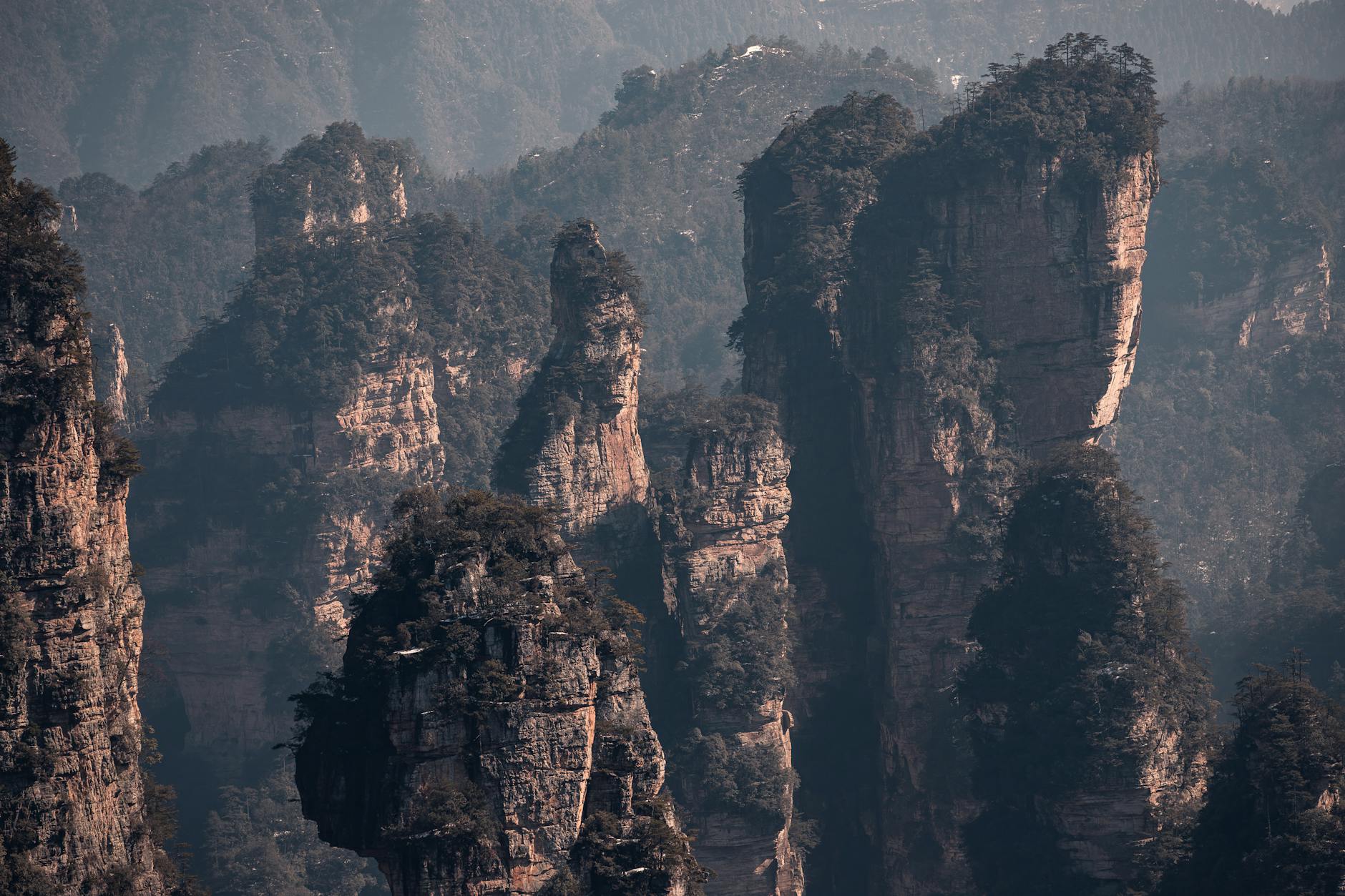
Before we really dive into the nitty-gritty of the itinerary, there are a few basic things we need to sort out. The first, and honestly most crucial, is figuring out how to actually get to this Chinese gem. Zhangjiajie city, which is basically the gateway to the national park, has its own airport – Dayong (DYG). That’s definitely the most convenient way to go. I flew in from Shanghai myself, and the flight took about two and a half hours. You’ll want to book your tickets in advance, especially if you’re traveling during peak season. You can snag good deals and compare prices on flight aggregators, like on this website. From the airport to the city center or to Wulingyuan, where the park’s main entrance is, you can grab a taxi or hop on a bus. A taxi will run you about 100-150 RMB to Wulingyuan, while the bus is way cheaper but, naturally, takes a bit longer.
Where’s the Best Place to Stay in Zhangjiajie?

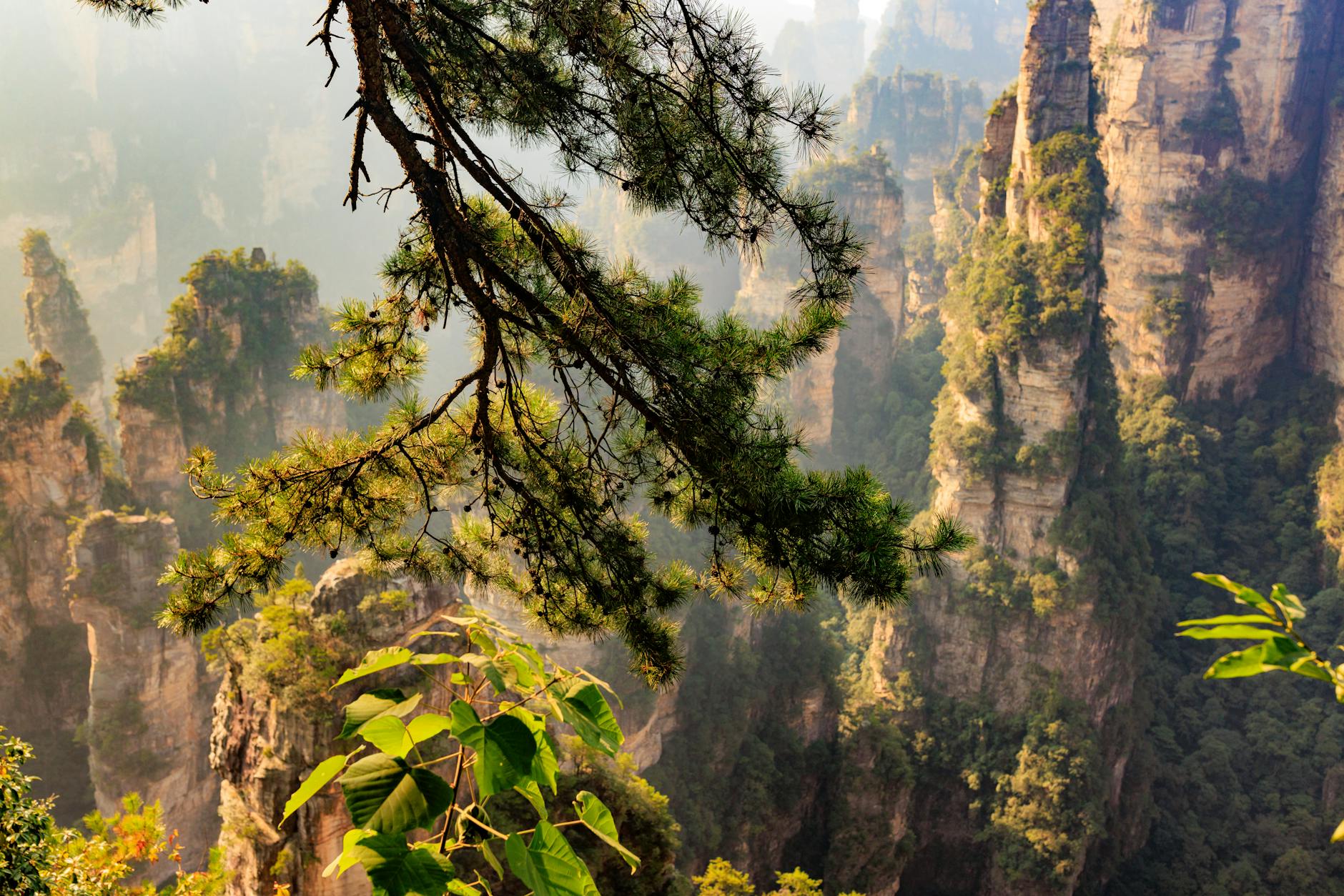
Picking the right place to stay is half the battle, especially when you’re trying to figure out how to dodge those Zhangjiajie queues. You’ve got two main options:
Zhangjiajie City
This is the bigger city, with way better infrastructure, more restaurant choices, and plenty of shops. It’s super convenient if you’re planning to visit Tianmen Mountain (it’s right there in the city) and the Grand Canyon. But, fair warning, you’ll be looking at a 40-60 minute bus ride to Wulingyuan National Park. You can find everything from budget-friendly hostels to more luxurious hotels here. For example, the Dayong Antique Feature Resort offers comfort and style, while the Home Inn Zhangjiajie Tianmen Mountain Branch is a simpler, but really convenient option right near Tianmen Mountain.
Wulingyuan
This is a smaller tourist town, situated right at the Eastern entrance to the National Forest Park. It’s my personal pick and a definite recommendation if you want to make the most of your time in the park. You can wake up early and literally be at the entrance while everyone else is still commuting. There are tons of cozy guesthouses and smaller hotels here. I actually stayed at the Destination Youth Hostel – it was a really atmospheric spot, plus it was only a 5-minute walk from the East entrance. And for anyone looking for something a bit more comfortable, I’d suggest the Pullman Zhangjiajie Hotel or the Pandora Vista Retreat. Either way, it’s always best to find a hotel in Zhangjiajie in advance, so you’re not scrambling when you arrive.
How Many Days Do You Need in Zhangjiajie?
A full 3-day Zhangjiajie itinerary is, in my opinion, the sweet spot. It gives you enough time to see all the major sights without feeling rushed, and you can even squeeze in something a little off the main tourist track. Sure, you could try to cram all the Zhangjiajie attractions into 2 days, but you’d be sacrificing a lot and basically running around like a headless chicken.
Day 1: The Heart of Avatar – Zhangjiajie National Forest Park

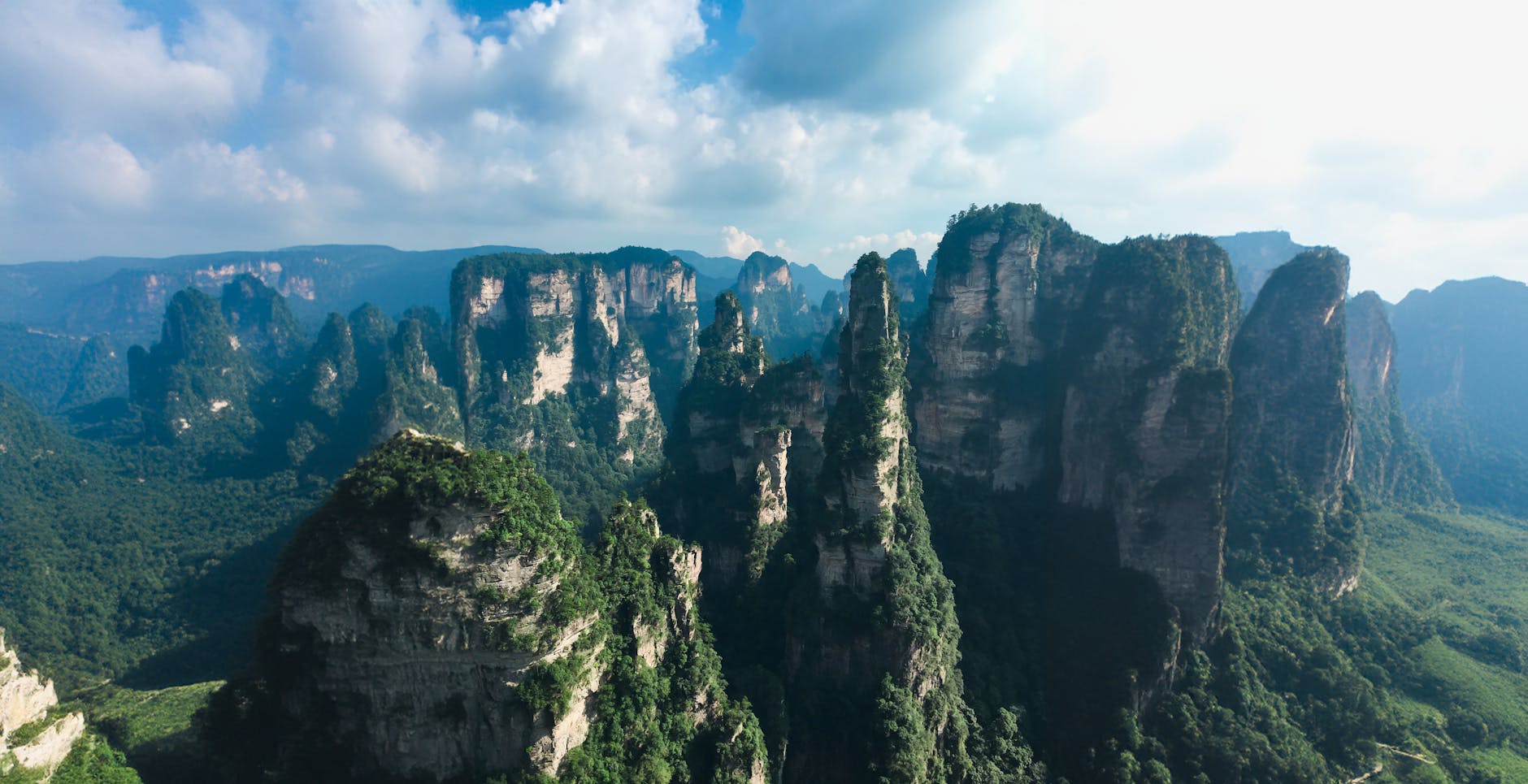
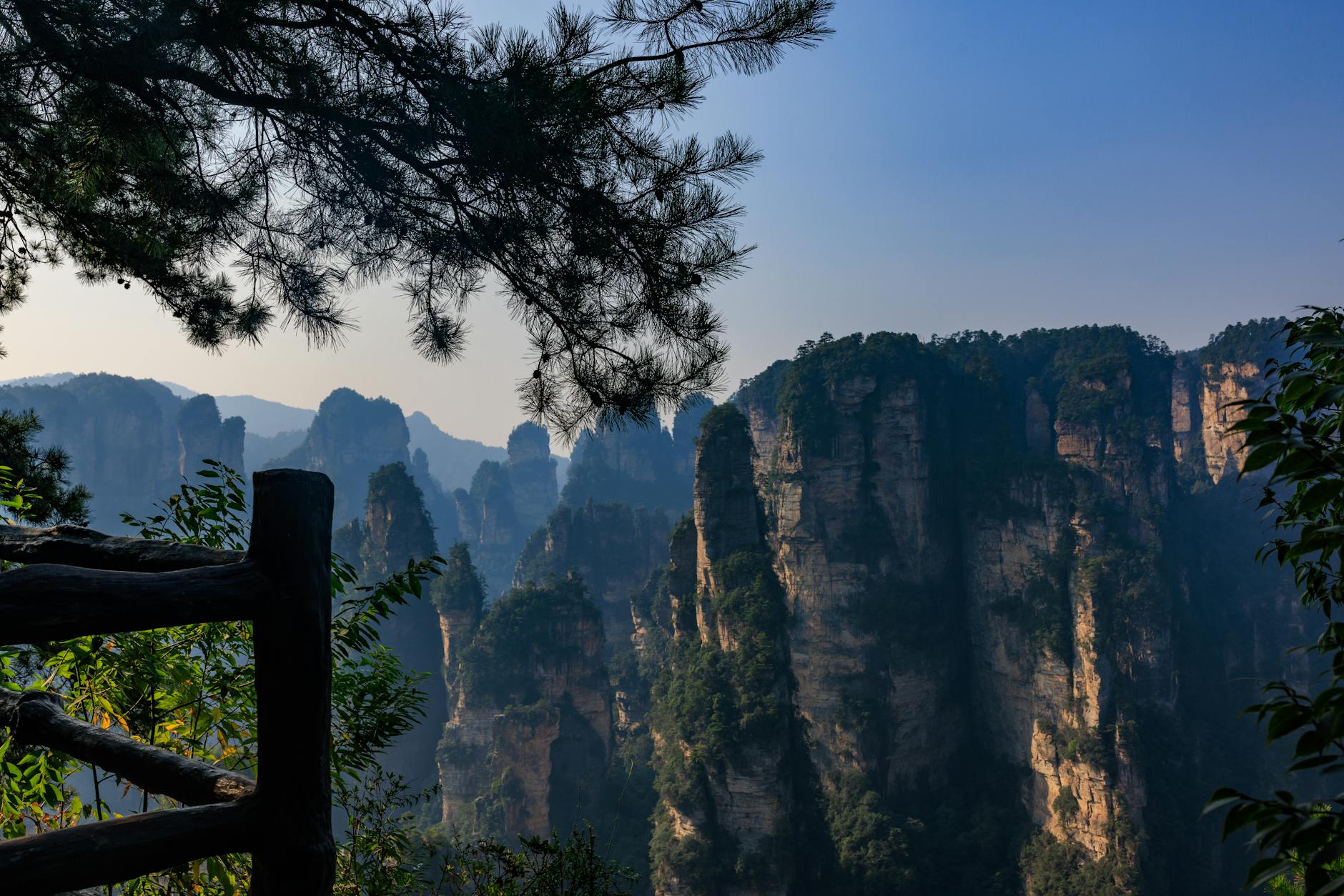
I dedicated my entire first day to Zhangjiajie National Forest Park – you know, that famous spot with the floating pillars. This is really the main Zhangjiajie park route. To see what to explore in Zhangjiajie without all the crowds, it’s absolutely crucial to get an early start. I was at the entrance by 7 AM, before most of the tour buses had even arrived. The entrance ticket is valid for 4 days, which is super convenient.
Wulingyuan: Golden Whip Stream and Bailong Elevator
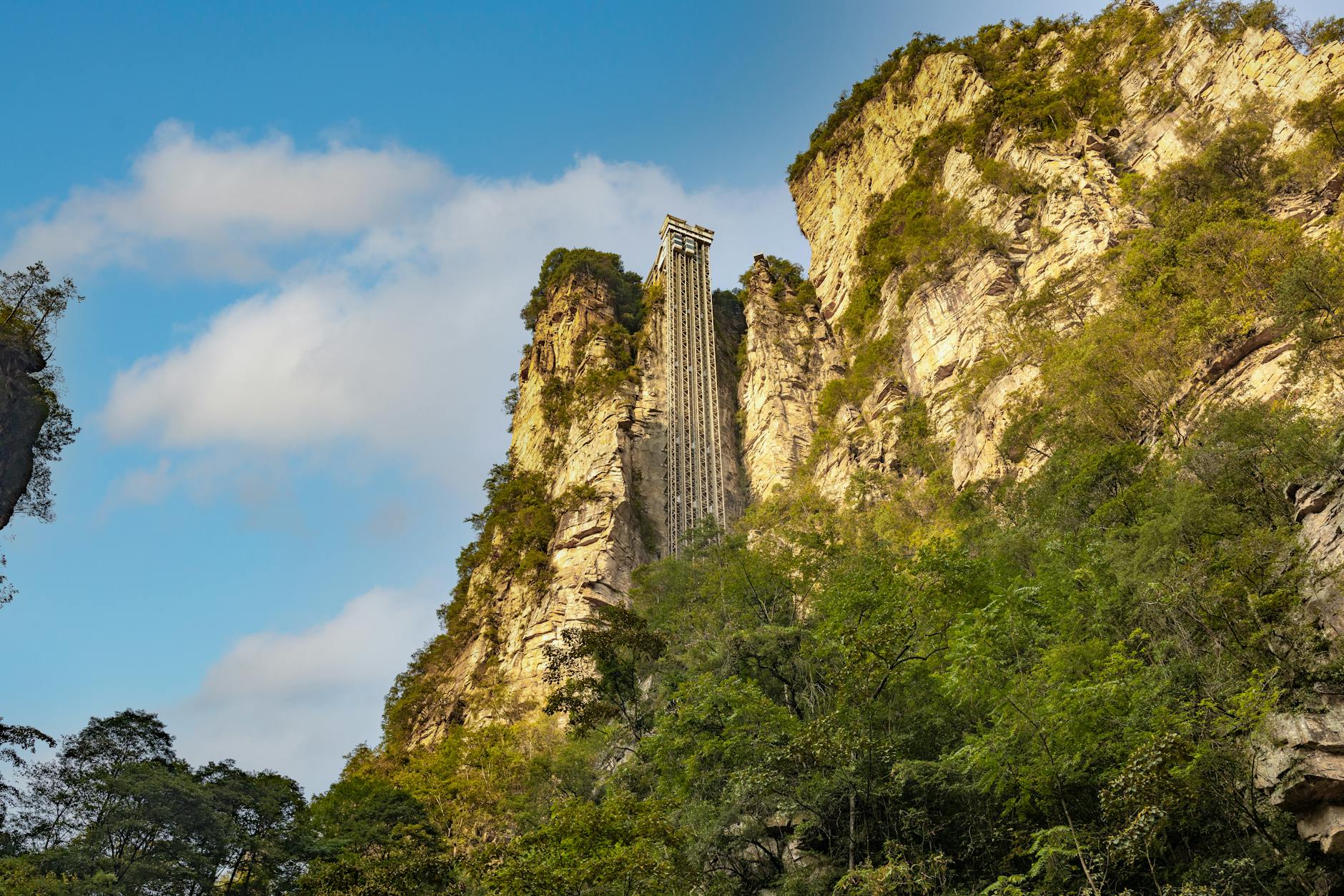
I kicked things off with the Golden Whip Stream trail. It’s this incredibly picturesque path that follows a stream, totally surrounded by these fantastical rock formations. The route is about 7.5 km long, and it’s pretty easy. There aren’t as many people here in the morning, so you can really just soak up nature in peace. At the end of this trail, you’ll find the famous Bailong Elevator – it’s the world’s tallest outdoor elevator, built right into the side of a cliff. It whisks you up to the Yuanjiajie plateau in mere seconds. Now, this is where you might hit some queues, but if you get there early enough, you can definitely minimize them.
For those who prefer organized tours, there’s a fantastic Zhangjiajie National Park excursion that can help you plan out your day.
Yuanjiajie: The World of “Avatar”

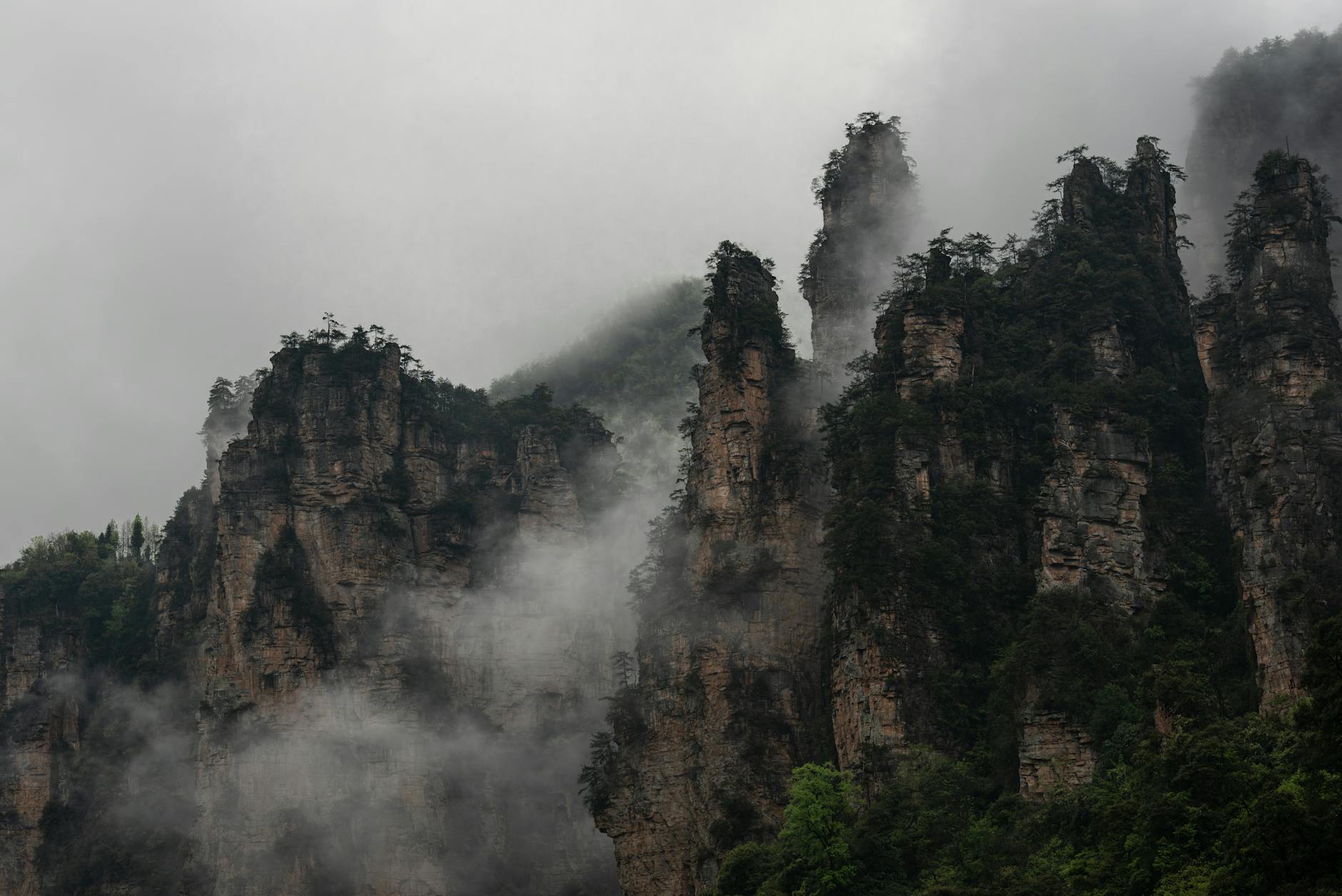
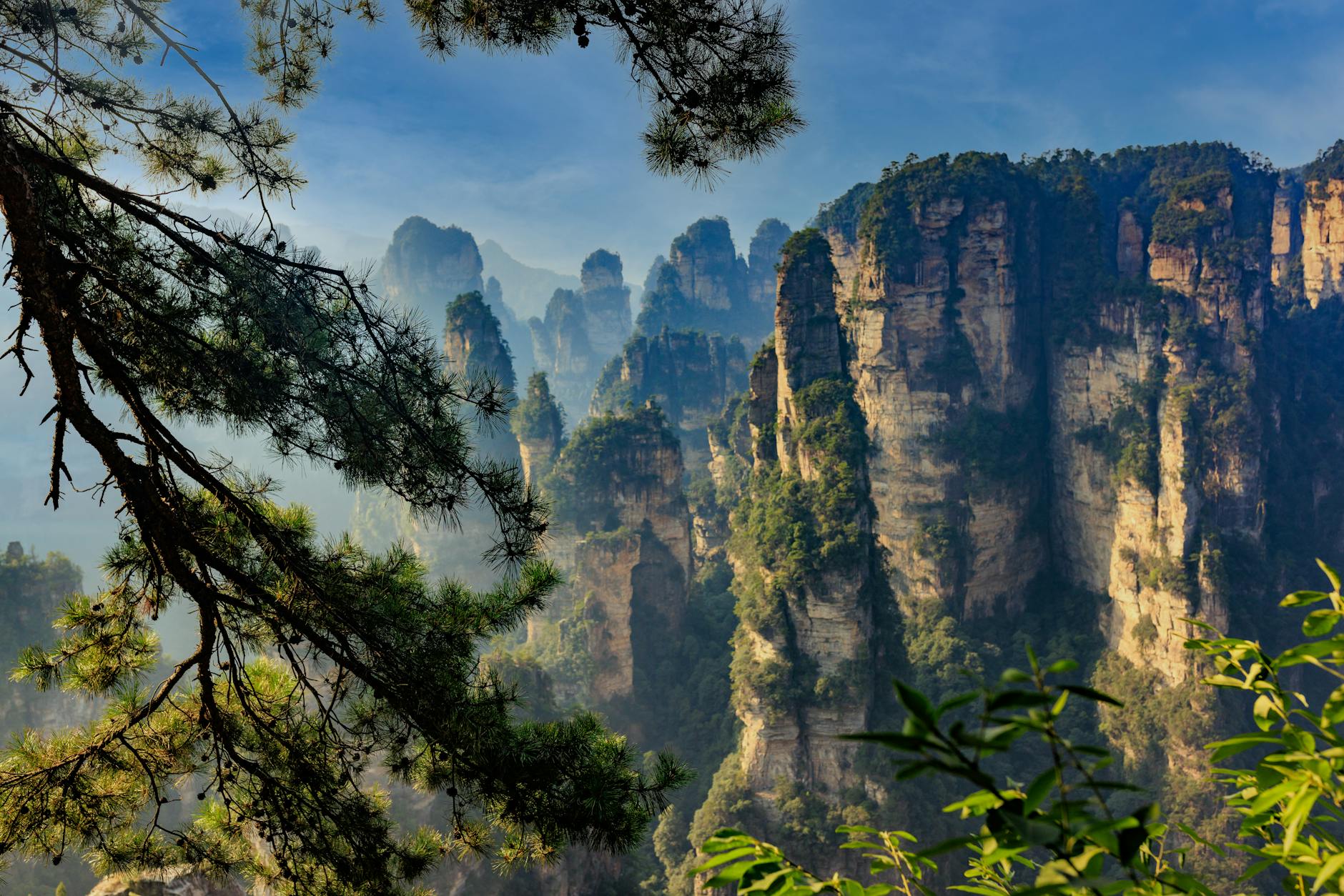
Up on the Yuanjiajie plateau, you’ll find that exact landscape that inspired James Cameron to create Pandora. I spent most of my day up here.
- First Bridge Under Heaven: This is a natural stone bridge connecting two peaks. Absolutely stunning views.
- Southern Sky Column: This very peak was officially renamed “Hallelujah Mountain, Avatar.” Pretty cool, right?
- Platform of Ecstasy: From here, you get probably the most postcard-perfect view of those “floating” mountains.
I tried my best to move against the main flow of tour groups, just to really take in the views. After Yuanjiajie, I grabbed a free shuttle to the Tianzi Mountain station. From there, you can either take the cable car down or keep hiking to other viewpoints, like the Imperial Platform and Helong Park. By evening, I was tired but totally content, and I headed back to Wulingyuan.
Day 2: Tianmen Mountain – The Road to Heaven and Glass Bridges
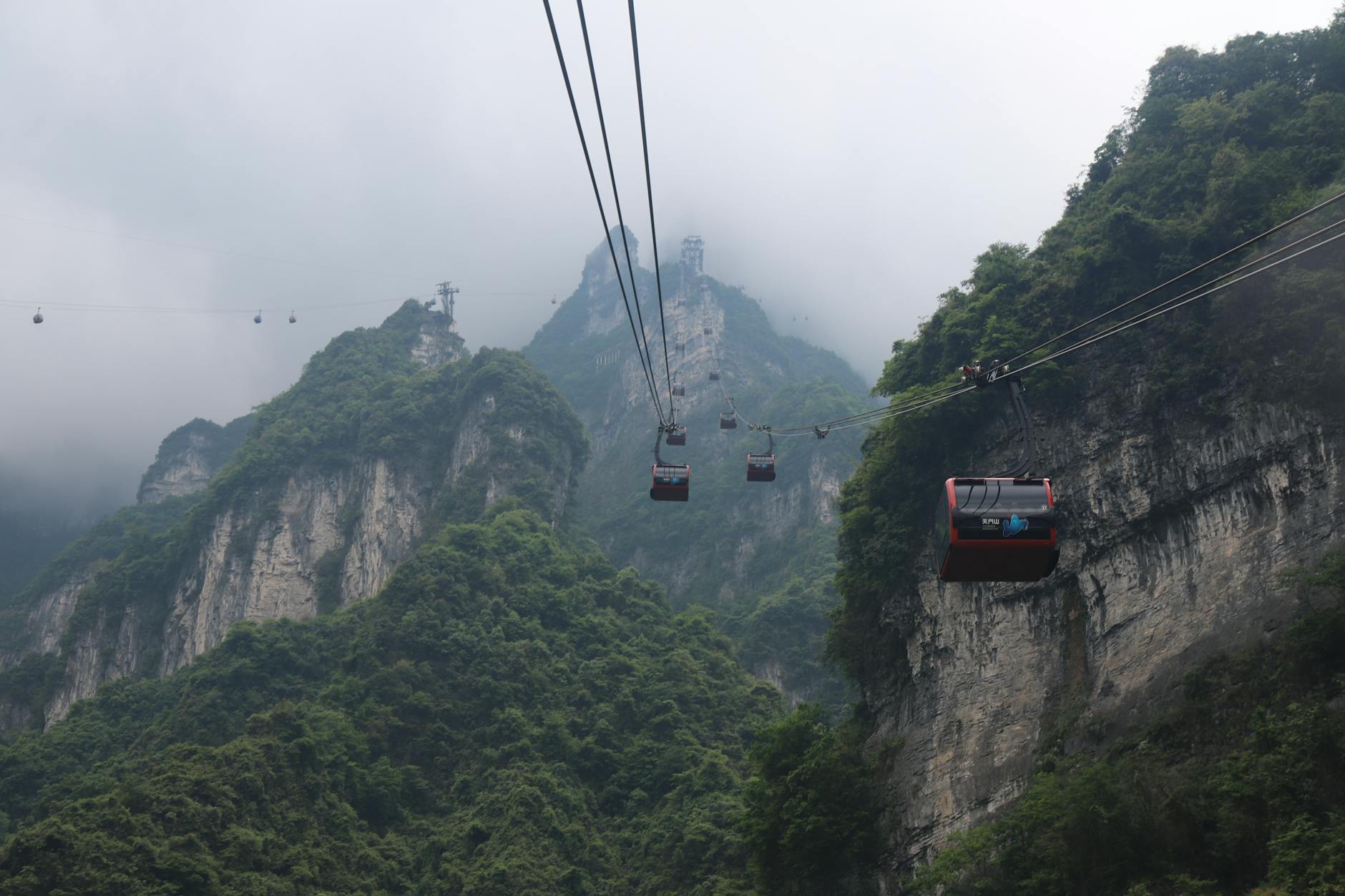
My second day was all about Tianmen Mountain, which is actually right in Zhangjiajie city itself. This day was a real test of heights – you’ve got the Grand Canyon and the glass bridge in Zhangjiajie, but we’ll get to that later. Tianmen Mountain is famous for having the world’s longest cable car, its “Heaven’s Gate,” and those thrilling glass skywalks. To avoid the queues, I once again headed out super early, right when the cable car opened (usually 8:00 AM). You’re better off buying your Tianmen tickets the day before or online, so you don’t waste any time. There are two options for going up and down:
- Option A: Cable car up, bus down the 99-Bend Road.
- Option B: Bus up, cable car down.
I went with Option A because, usually, the cable car line is shorter in the morning than the bus queue. The cable car cabin slowly rises over the city, then over dense forests, revealing these absolutely breathtaking views of the winding 99-Bend Road. It’s an adventure in itself, honestly. If you want to dive deeper into this experience, there’s a great excursion to Tianmen Mountain.
Tianmen Mountain Summit: Glass Skywalks and Temple

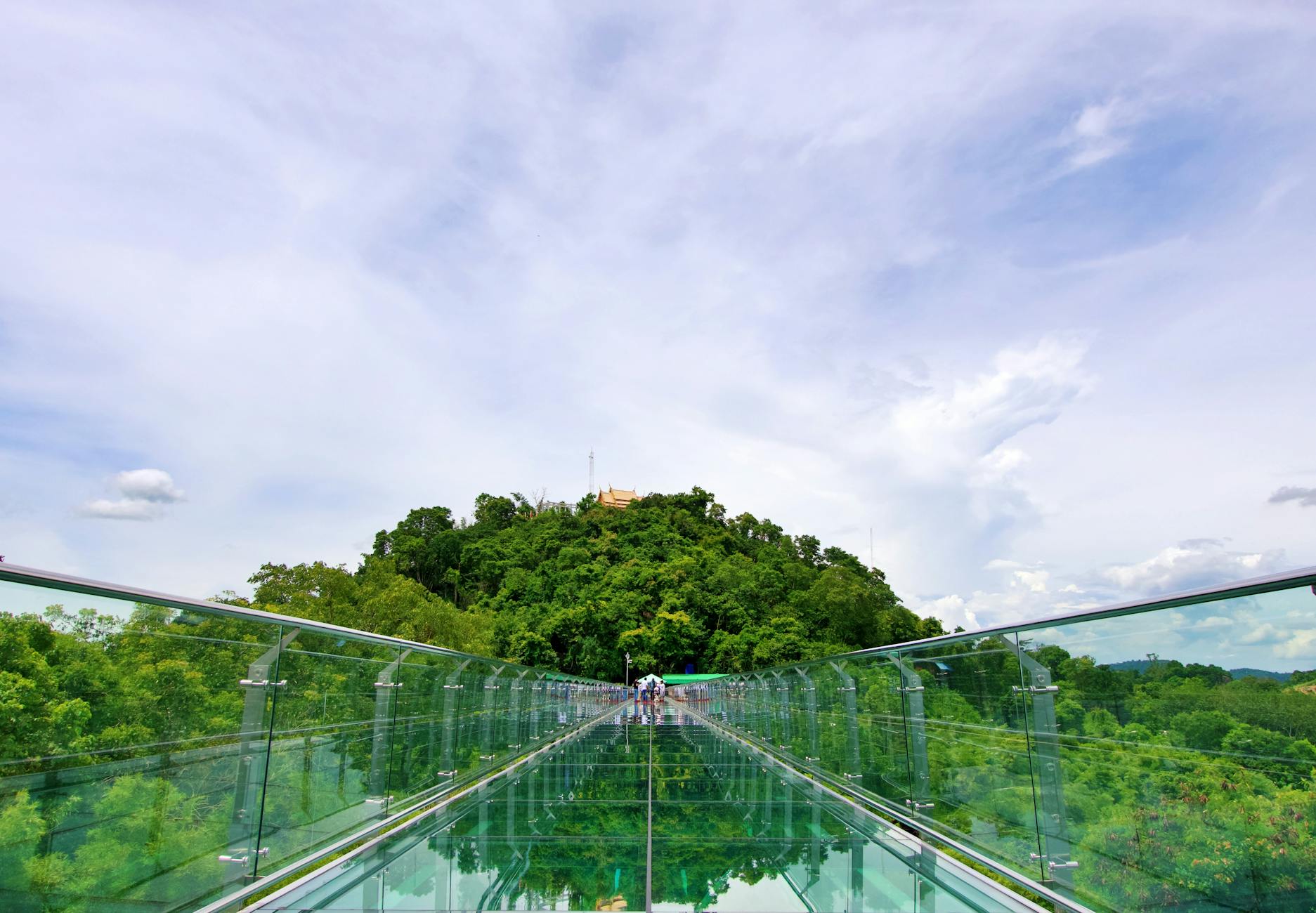
Once I hit the mountain summit, the first thing I did was head straight for the Glass Skywalks. There are actually a few of them up there. The feeling, honestly, is just indescribable – you’re walking on glass with hundreds of meters of empty space beneath you. For anyone with a fear of heights, it’s a genuine challenge, but the view is totally worth it. Make sure you put on those special shoe covers they give you before you enter. After that, I strolled along the circular trail around the summit, just soaking in the panoramas. You’ll also find the Tianmen Mountain Temple here – it’s a beautiful Buddhist temple where you can pop in and grab a little break from the crowds.
Heaven’s Gate: Descending to the Wonder

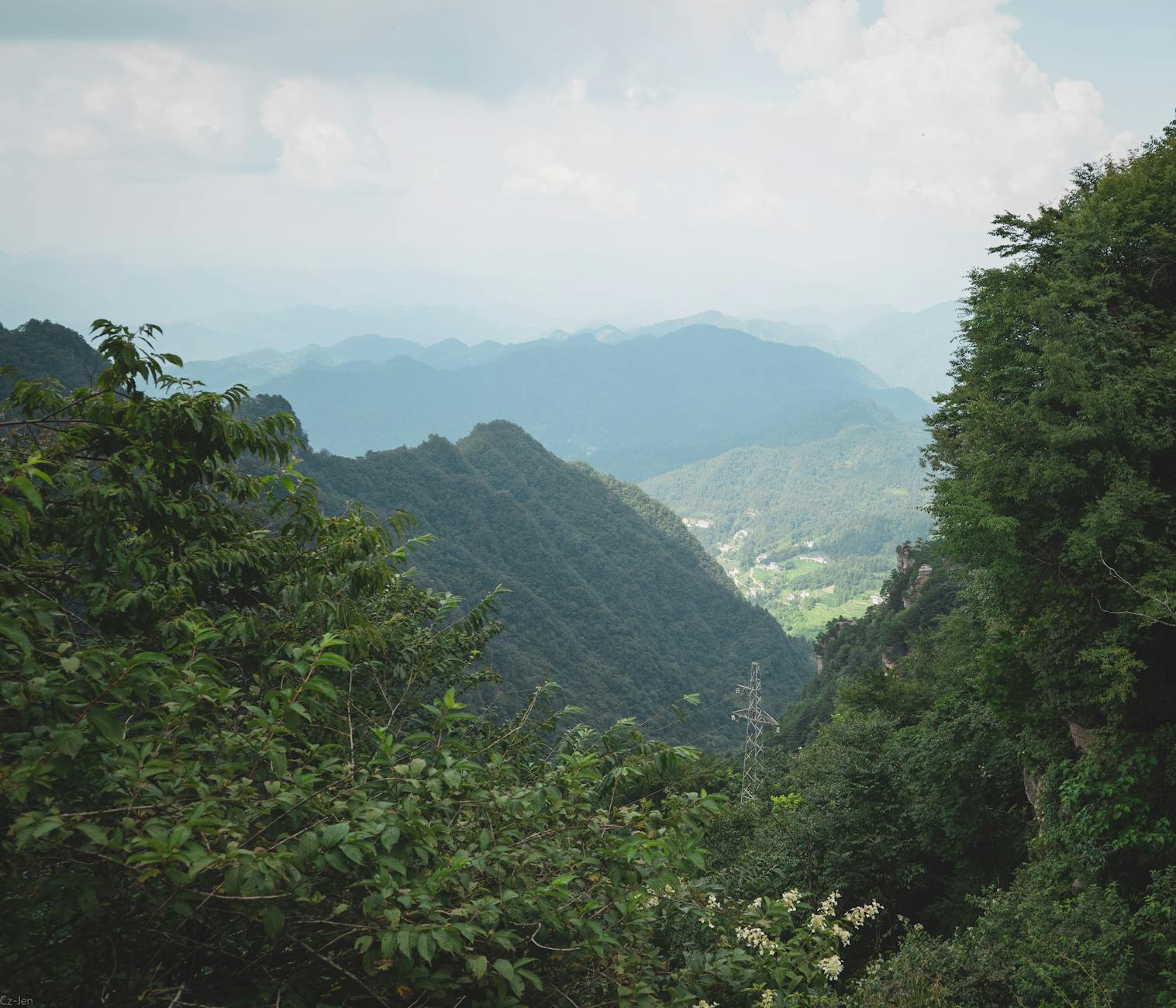
Tianmen’s most famous attraction is, of course, “Heaven’s Gate” (Tianmen Cave), which is this massive natural arch carved right into the rock face. You can get down to it either by descending a super long staircase, all 999 steps of it, or by taking an escalator that’s actually built inside the mountain. I opted for the stairs – I really wanted to feel the sheer scale of the place. At the bottom, a bus was waiting to take me back to the city, winding its way down that incredible 99-Bend Road.
The journey to Tianmen Mountain, complete with the cable car, glass skywalks, and Heaven’s Gate cave, is absolutely something you’ve got to experience.
Day 3: Grand Canyon and Glass Bridge – Another Dose of Adrenaline
For day three, I decided to head to Zhangjiajie Grand Canyon, which is about an hour’s drive from Wulingyuan. You can get there by bus or taxi. The real star of the show here is the famous Glass Bridge. It’s longer and higher than the glass skywalks on Tianmen Mountain, and just walking across it is an attraction in itself. Again, to steer clear of queues, I showed up right when it opened. It’s definitely smarter to grab your tickets for the bridge and the canyon online in advance, because they limit the number of visitors.
Walking the Glass Bridge and Canyon
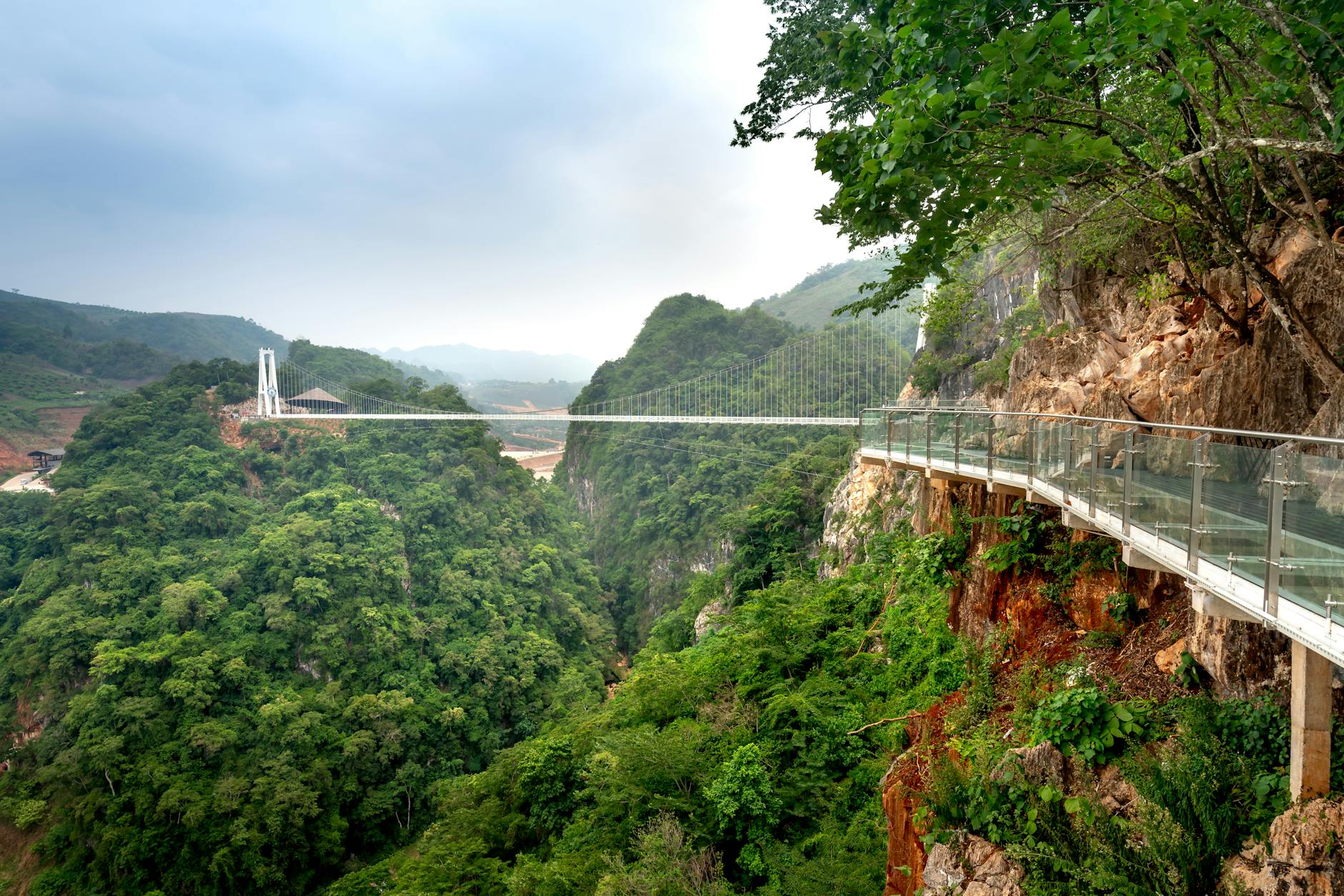
The bridge itself, I’ve got to say, is pretty impressive. Walking across it, with hundreds of meters of void beneath your feet – that’s some serious adrenaline. Some people were literally crawling across, too scared to stand up straight! After the bridge, you start your descent into the canyon itself. The canyon route includes trails, waterfalls, caves, and even a short boat cruise along the river. It’s a really beautiful and much calmer spot compared to Wulingyuan Park, but no less picturesque. The descent into the canyon takes about 2-3 hours, and then you have the option to take an elevator back up or hike out again. This route is a fantastic choice for where to go in Zhangjiajie if you want to see everything and add some variety to your experiences. The ultimate height challenge: Zhangjiajie Grand Canyon and its glass bridge – that’s definitely something you should try.
Wrapping Up the Itinerary: Additional Options
By lunchtime, I was out of the canyon and felt pretty satisfied with everything I’d seen. If you’ve still got some energy and time left, you could totally consider some extra spots. For instance, some travelers prefer exploring the less-known corners of Wulingyuan Park, like Yangjiajie, which has its own unique formations and offers different views of the “stone forests.” Or you could look into a trip to the ancient town of Furong or Aizhai Bridge if you’re keen on seeing something beyond natural beauty. A trip to Aizhai Bridge and the ancient town of Furong from Zhangjiajie is a wonderful chance to really dive into the local culture and history. All in all, my 3-day Zhangjiajie itinerary let me see all the main attractions and get the absolute most out of my trip.
Zhangjiajie Tips for Tourists: How to Plan Your Trip Most Effectively
To make sure your trip is as comfortable and memorable as possible, here are a few Zhangjiajie tips for tourists, all based on my own personal experience.
Best Time to Visit and Weather
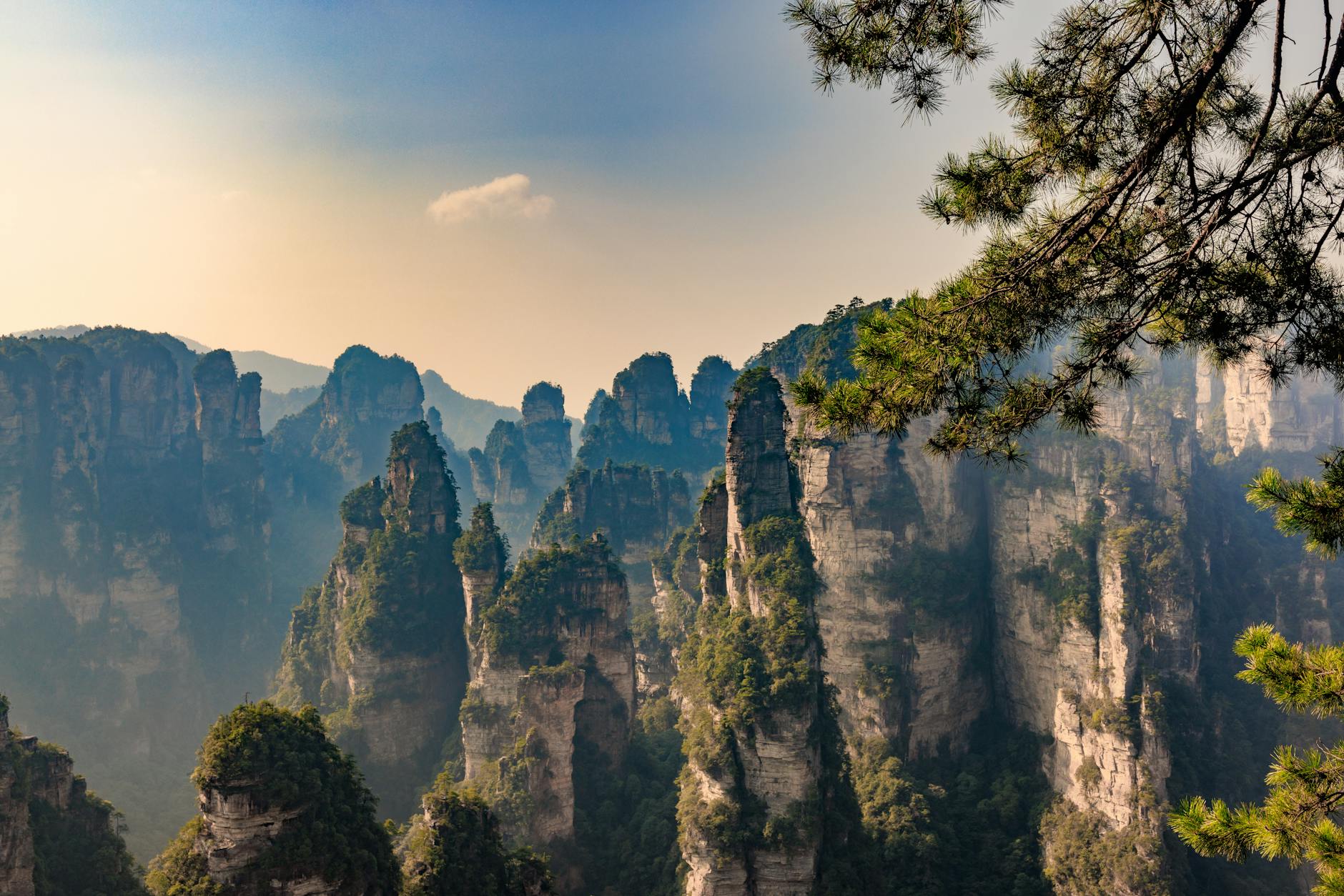
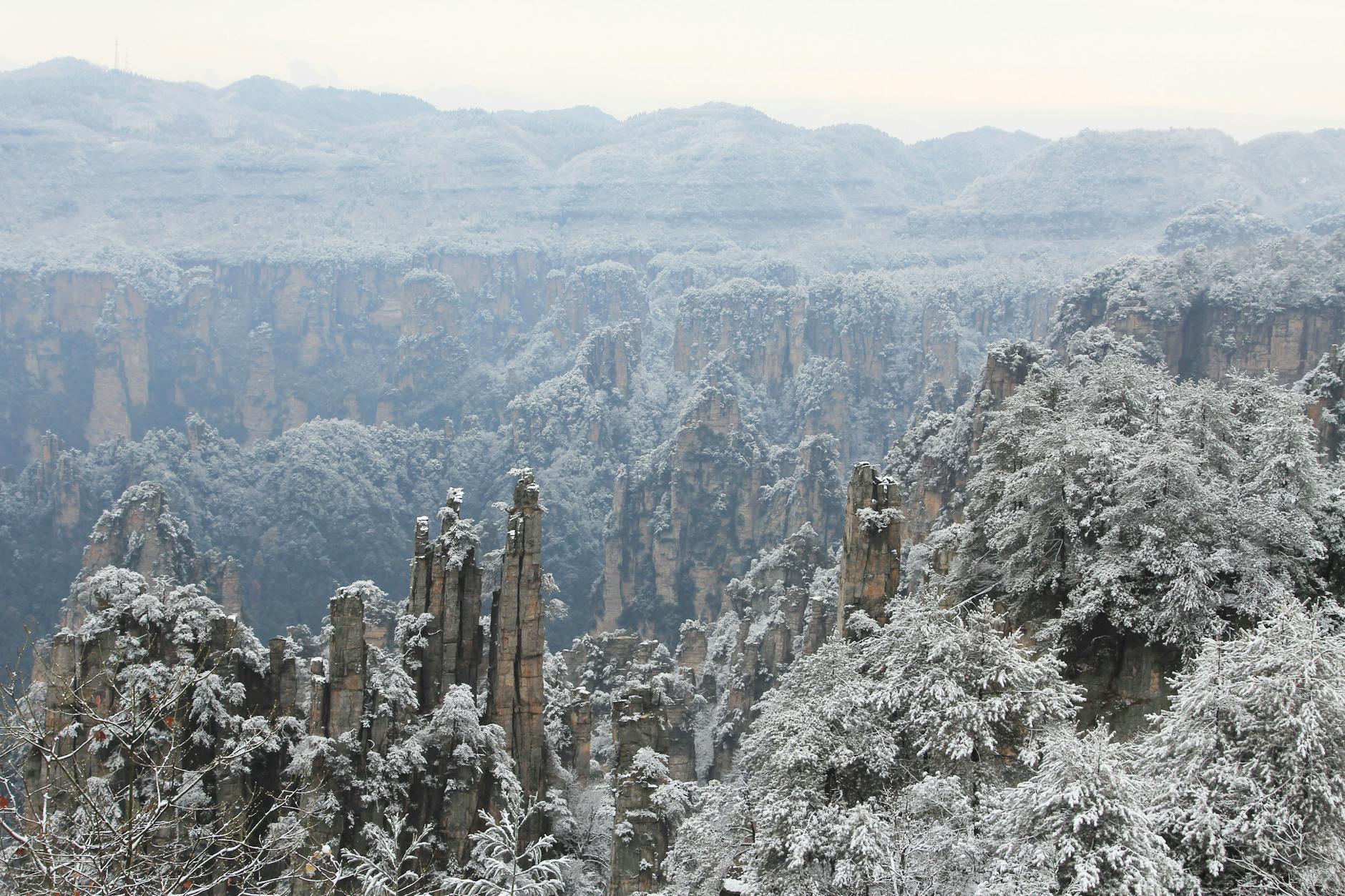
I visited in April, and honestly, I think that’s a fantastic time. Spring (April-May) and autumn (September-October) are generally considered the best seasons. The temperatures are comfortable then, and there’s less chance of heavy rain, though fog is a frequent visitor – and actually, it adds a special kind of magic to the landscapes. Summer gets super hot and humid, and winter can be cold and slippery, even though the frosty winter scenes on the trees have their own unique beauty. But if you want to see what to explore in Zhangjiajie without the crowds, you’d better steer clear of Chinese public holidays (like the Golden Weeks in early May and October).
Food and Drinks

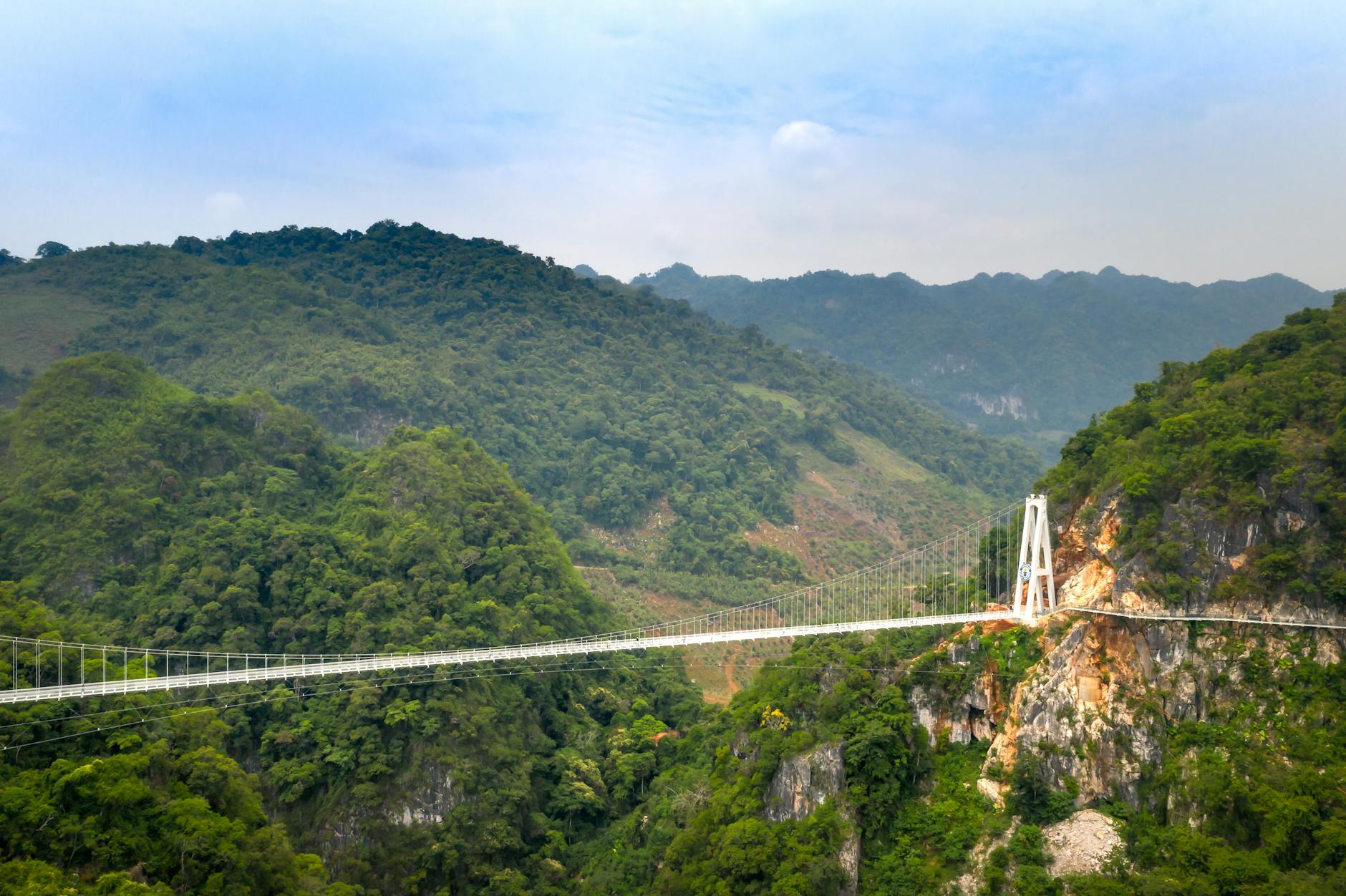
Inside the National Park, your food options are pretty limited and usually more expensive. It’s smart to bring your own snacks, water, and something for an energy boost. In Wulingyuan and Zhangjiajie city, you’ll find plenty of restaurants where you can try the local Hunan cuisine – it’s quite spicy, so definitely be ready for that kick! I really loved the local noodle shops and smaller cafes.
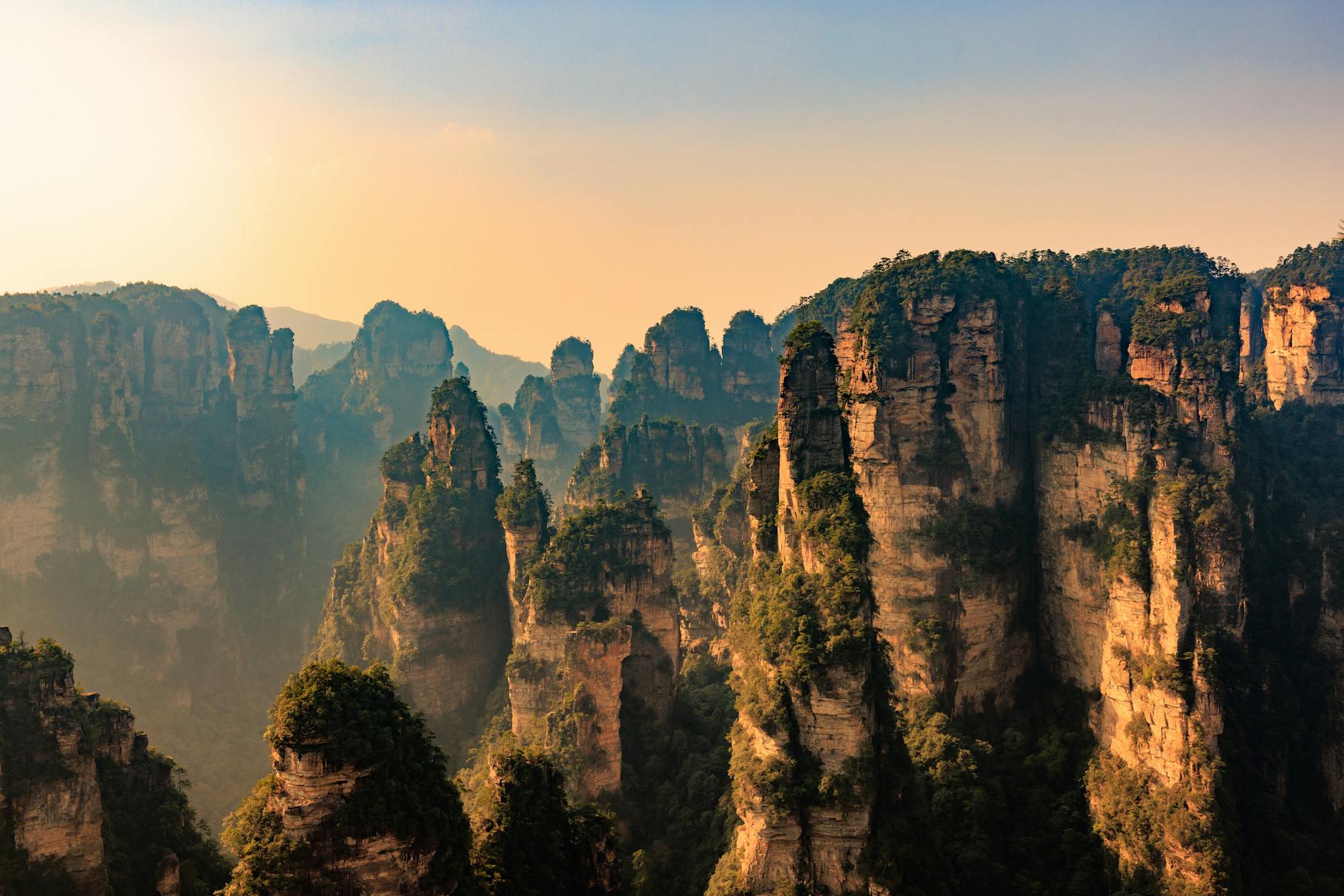
- Map: Definitely grab a paper map at the entrance or download an offline map to your phone. Inside the park, there are free shuttle buses connecting all the main points.
- Tickets: Wulingyuan National Park tickets are valid for 4 days (but you can only enter once per day through the same entry point). Tickets for Tianmen Mountain and the Grand Canyon need to be bought separately. You can buy tickets on-site, but for the Glass Bridge and Tianmen Mountain, it’s really best to book online in advance via Chinese apps or aggregators to guarantee entry and skip those long lines.
- Footwear: Comfy, waterproof shoes are going to be your best friend here. You’ll be doing a lot of walking, and the trails can get pretty damp.
- Language: English isn’t widely understood everywhere, especially outside of major hotels and tourist centers. A translation app on your phone will definitely come in handy.
- Tours: If you’re not confident going it alone or just want to relax and not worry about logistics, consider taking a guided tour to both popular and lesser-known spots in Zhangjiajie. It can be super convenient and will let you learn more about the region’s culture and history.
How to Avoid Crowds in Zhangjiajie

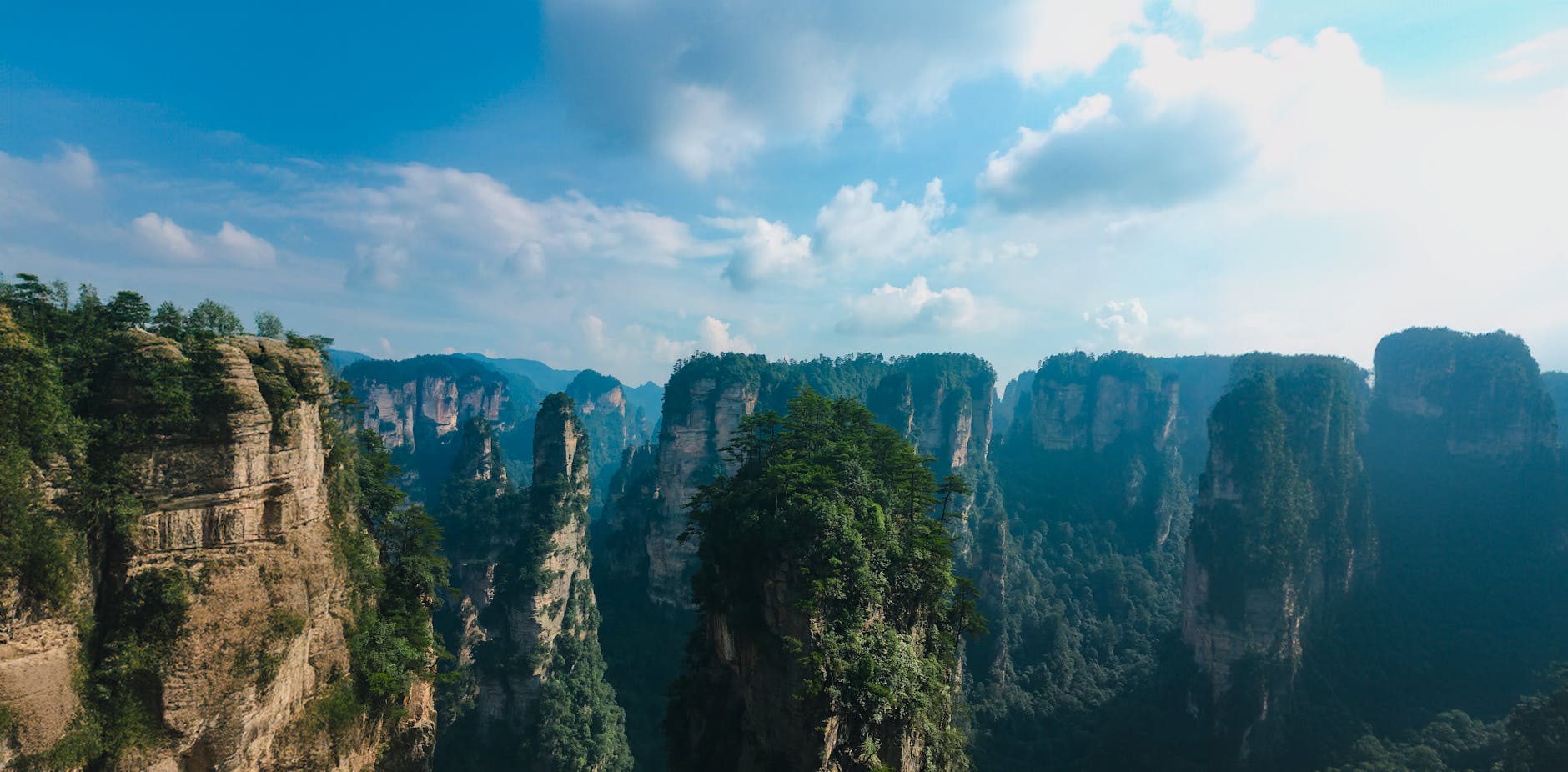
Besides getting that early start, there are a couple more tricks:
- Unconventional Routes: Most tour groups stick to the exact same paths. Try to veer off them! For instance, instead of heading straight for the Bailong Elevator, you could explore the Golden Whip Stream first, then take the Tianzi Mountain cable car up.
- Online Booking: Like I mentioned, for popular attractions like the Glass Bridge or Tianmen Mountain, it’s always better to grab your tickets online.
- Weekdays: If you can swing it, plan your visit for weekdays, steering clear of weekends and public holidays.
Conclusion
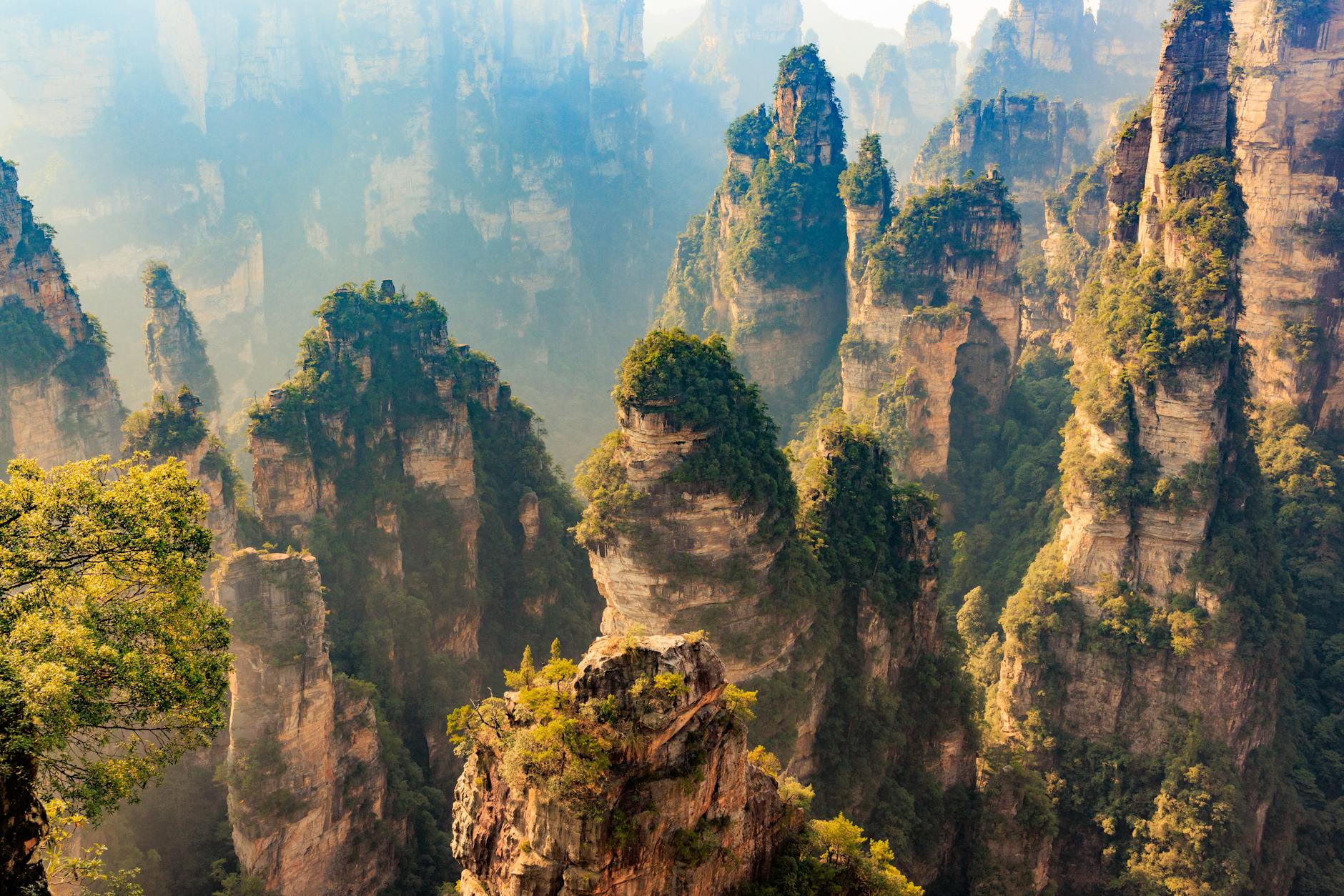
Zhangjiajie is one of those places that’s just etched into my memory forever. These mountains have this otherworldly, primal beauty that makes you feel like a tiny speck in the face of nature’s grandeur. I truly believe that my 3-day self-guided Zhangjiajie itinerary can help you craft your own equally unforgettable experience. It’s the perfect Zhangjiajie route for anyone seeking adventure, wanting to see something truly unique, and aiming to avoid getting lost in the crowds.
A little planning, a dash of adventure – and you’ll be ready to conquer China’s “floating” mountains. I sincerely hope these Zhangjiajie tips for tourists prove helpful, and that you get to see all the best places to visit in Zhangjiajie, making your trip absolutely unforgettable.