

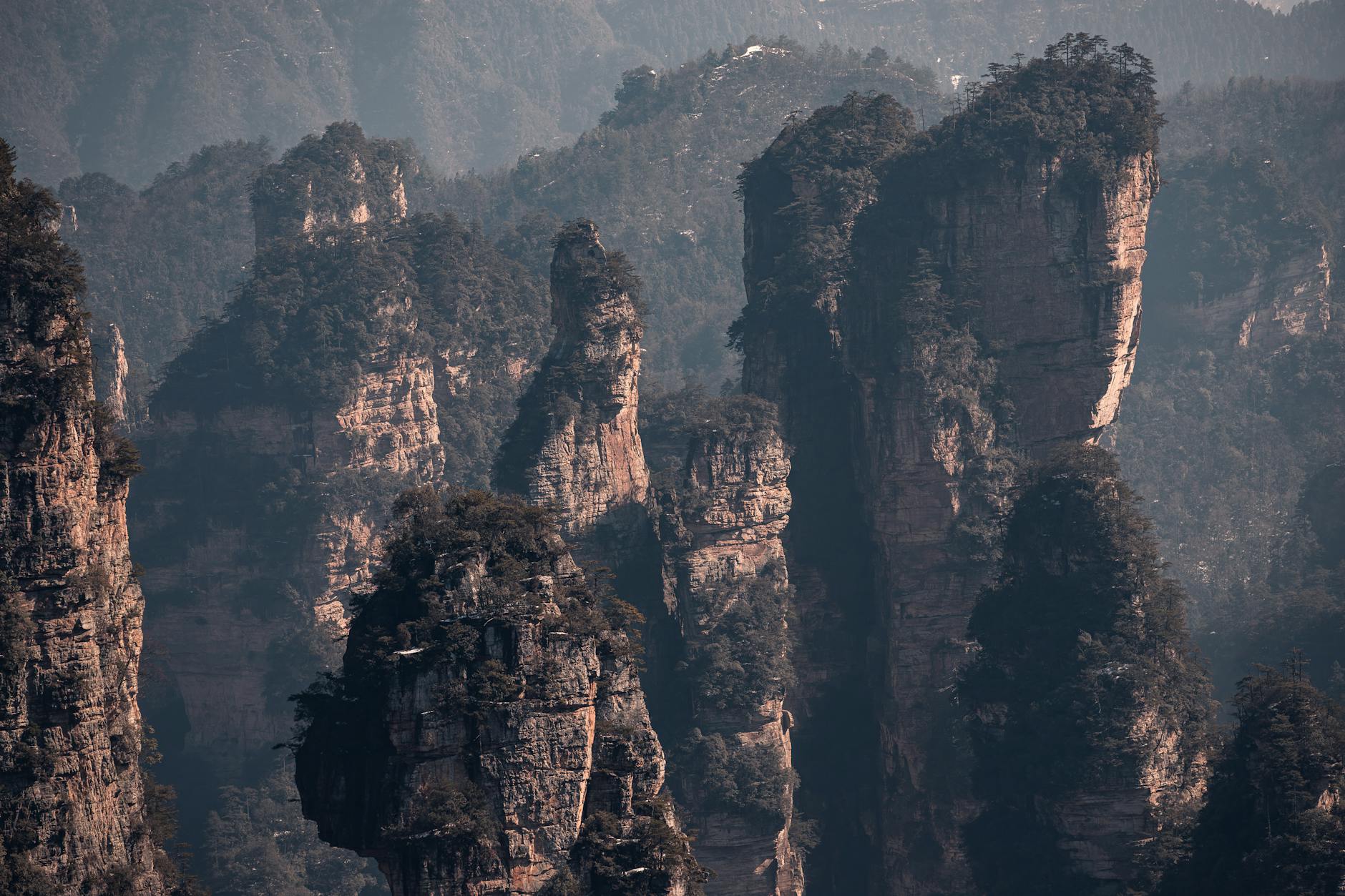
You know, there are just some places you visit where you immediately realize: this is it, exactly what you saw in pictures, but a thousand times better. For me, Zhangjiajie was that kind of place. I can still remember the feeling—standing on the edge of a viewing platform, and it felt like the whole world around me had paused, waiting for a miracle. The vertical cliffs, wrapped in a milky haze, with the first rays of sun breaking through, create a spectacle that truly takes your breath away. If you’re looking for where to catch a sunrise in Zhangjiajie that’ll stay with you forever, or you’re dreaming of capturing those mystical Zhangjiajie photo locations veiled in fog, then this guide is for you. I’ll share my experience and tell you about Zhangjiajie’s best photo spots, and also how to snap those truly picturesque sunrises that have made this corner of China famous worldwide.
Planning Your Perfect Photo Trip to Zhangjiajie

Before diving into the world of floating mountains, you really need to prepare well. Zhangjiajie isn’t just a city; it’s a massive national park, and to make the most of your time, especially if you’re here for unique shots, you should approach planning seriously. Our Zhangjiajie itinerary for photographers needs to be thought through down to the smallest detail.
When to go: Zhangjiajie’s best time for photos
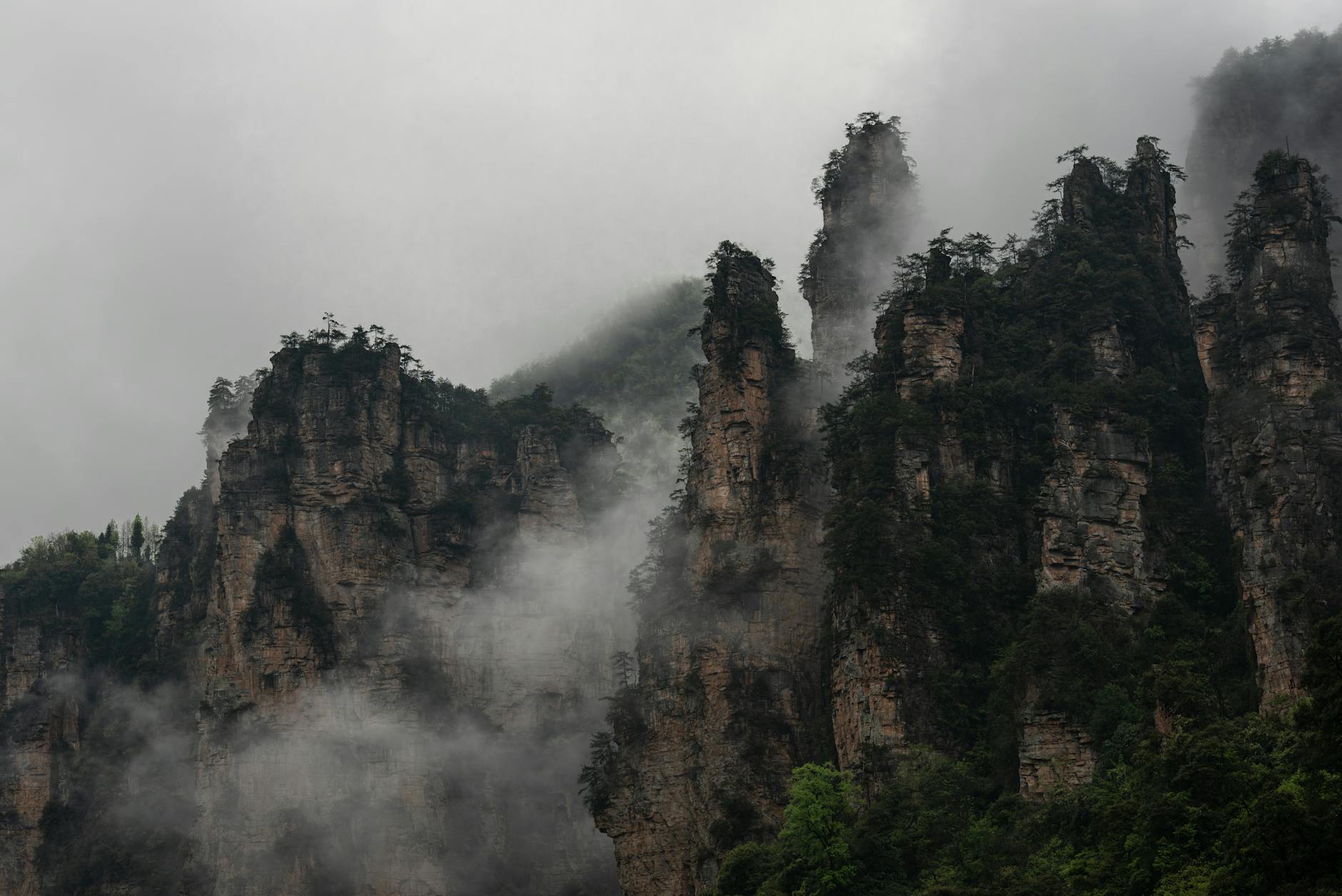
The season you choose plays a huge role. To catch the best Zhangjiajie sunrises and fogs, I’d definitely recommend spring (April-May) or autumn (September-October). In spring, nature wakes up, everything turns green, and morning fogs are a pretty common sight here. The air feels fresh, it’s easy to breathe, and while it can sometimes be rainy, it’s often right after a downpour that you get the most stunning misty landscapes.
In autumn, though, the mountain slopes transform into incredible shades of red and gold, creating a fantastic contrast with the gray cliffs. Summer here is hot and super humid, with frequent heavy rains that, honestly, can also give you some beautiful foggy shots, but the crowds and heat just make it less comfortable.
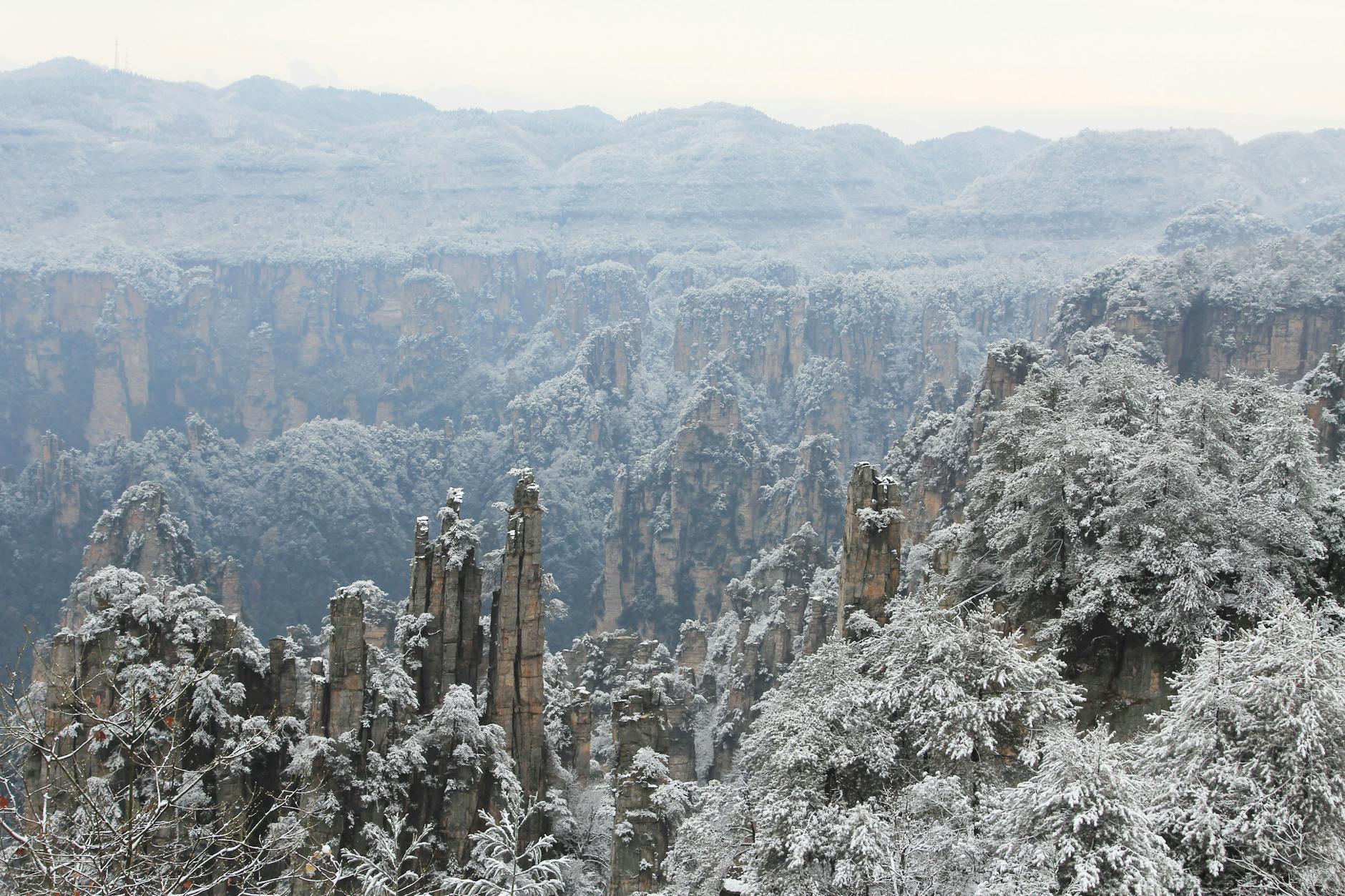
Winter, surprisingly, is beautiful too—the mountains get covered in snow, but access to some viewpoints might be limited, and there’s generally less fog.
Logistics: how to get there and where to stay

The first step, of course, is flying in. The nearest airport is Dayong (DYG), which serves Zhangjiajie city. I usually search for flights to Dayong in advance to snag some good deals. From the airport, you can get to the entrance of Wulingyuan National Forest Park by taxi or bus. The ride takes about an hour.
Now, about accommodation. You’ve got two main options:
- Staying in Wulingyuan town (outside the park): This is the most popular choice. There are plenty of restaurants, shops, and hotels for every taste and budget. From here, it’s just a few minutes’ walk or a short bus ride to the park entrance. I personally stayed at Destination Youth Hostel, which is super convenient if you want to be close to the East Gate.
- Staying inside the national park: This lets you catch the first rays of sun or the last glow of sunset when most tourists have already left. There aren’t as many options, to be fair, and they’re usually simpler guesthouses, but some do offer pretty comfortable conditions. For example, Tongfu Inn is right inside the park, which is perfect for those who really want to immerse themselves and greet sunrises without wasting time on travel. Or, if you’re looking for something a bit more upscale, Pullman Zhangjiajie Hotel offers excellent service just outside the park, but with convenient access.
A park ticket usually lasts several days (3 or 4), which is really handy. Inside the park, there are free shuttle buses that run between the main spots, so getting around is pretty easy.
Heart of Zhangjiajie: Yuanjiajie and Tianzi Mountain
These two areas are an absolute must-see for any photographer. This is where you’ll find Zhangjiajie’s best photo spots, including those famous pillars that inspired the creators of “Avatar.” These most beautiful views of Zhangjiajie just have to be in your lens.
Yuanjiajie: Pandora’s Pillars and Sky Bridges
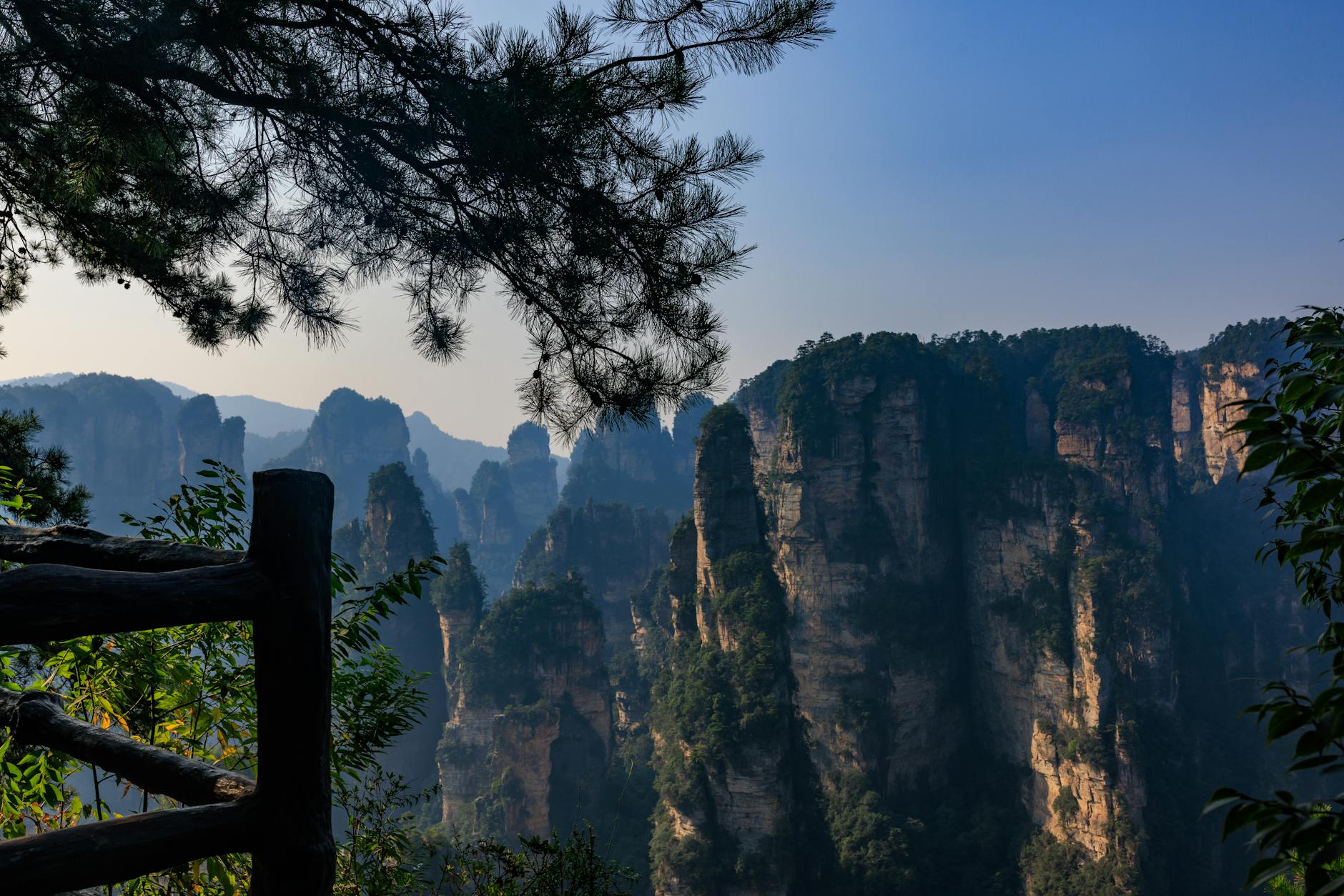
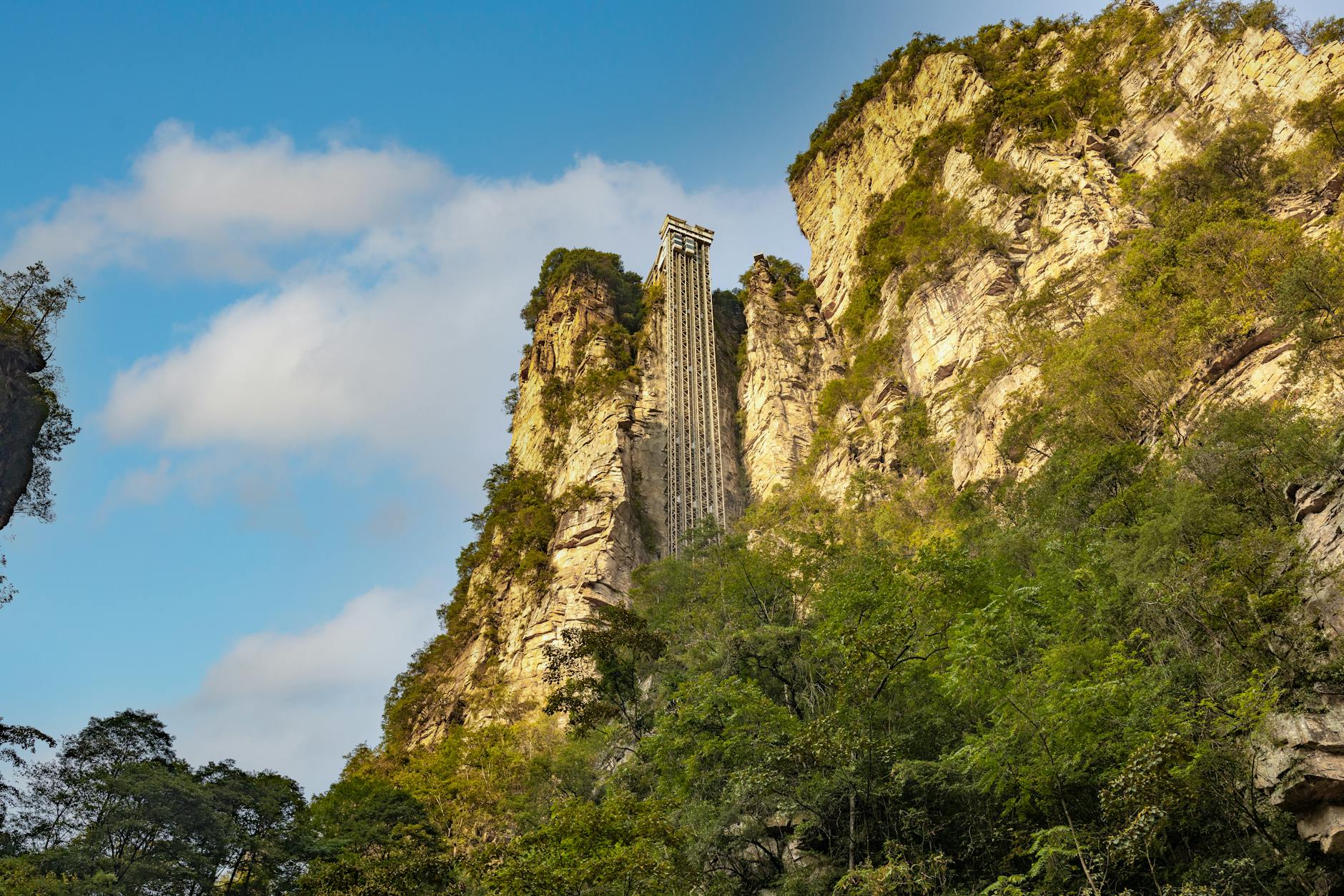
Yuanjiajie is probably the most recognizable spot in the park. The vertical sandstone pillars, covered in lush vegetation, truly look like they’re floating in the air. To get here, you can take the Bailong Elevator—the world’s highest outdoor elevator. The ride itself is already an attraction, though, for those sensitive to heights, it might not be the most comfortable. But the view from the top is absolutely worth it! Here are a few Zhangjiajie photo points that I particularly noted:
- Southern Sky Column (Southern Heavenly Pillar): Now officially renamed “Avatar Hallelujah Mountain.” Yep, that’s the one! In the morning, when the fog starts to dissipate and the sun just barely touches its peak, the shots you get are simply magical. Here, you’ll find some of the most impressive Zhangjiajie viewpoints.
- Platform of Ecstasy: Located not far from the Avatar Hallelujah Mountain. From here, you get a panoramic view of countless peaks. On a foggy day, it looks like the rocks disappear and reappear from a milky abyss.
- First Bridge Under Heaven: A natural stone bridge connecting two peaks. It’s best to come here early to avoid the crowds.
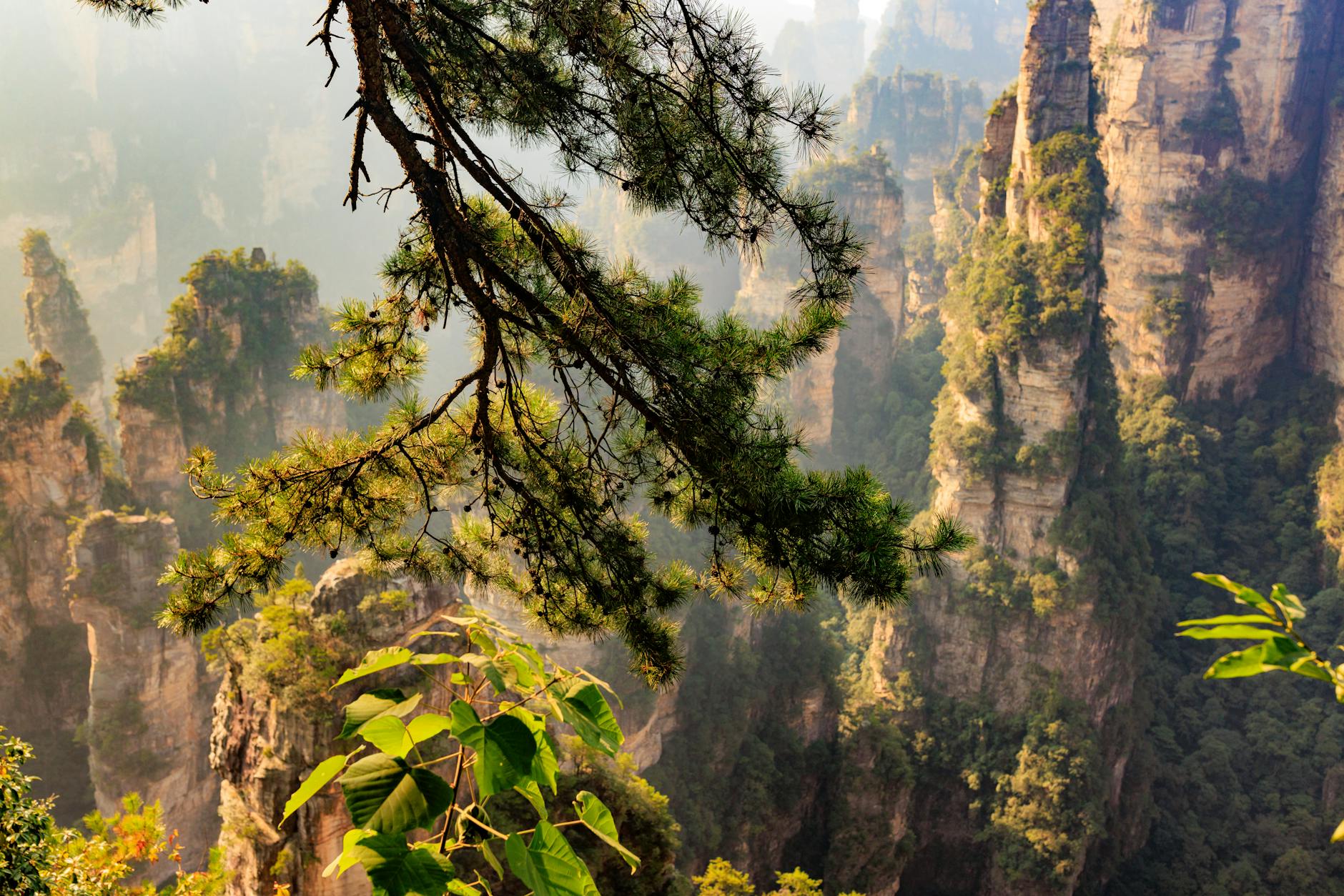
Honestly, it can get pretty chilly here in the mornings, even in summer, so a warm jacket won’t hurt. And if you’re lucky, you’ll see monkeys skillfully leaping across the cliffs, adding some dynamic flair to an already unbelievable landscape. This, by the way, is a great chance for macro or wildlife photography.
Tianzi Mountain: Imperial Writing Brush Peaks and West Sea Valley

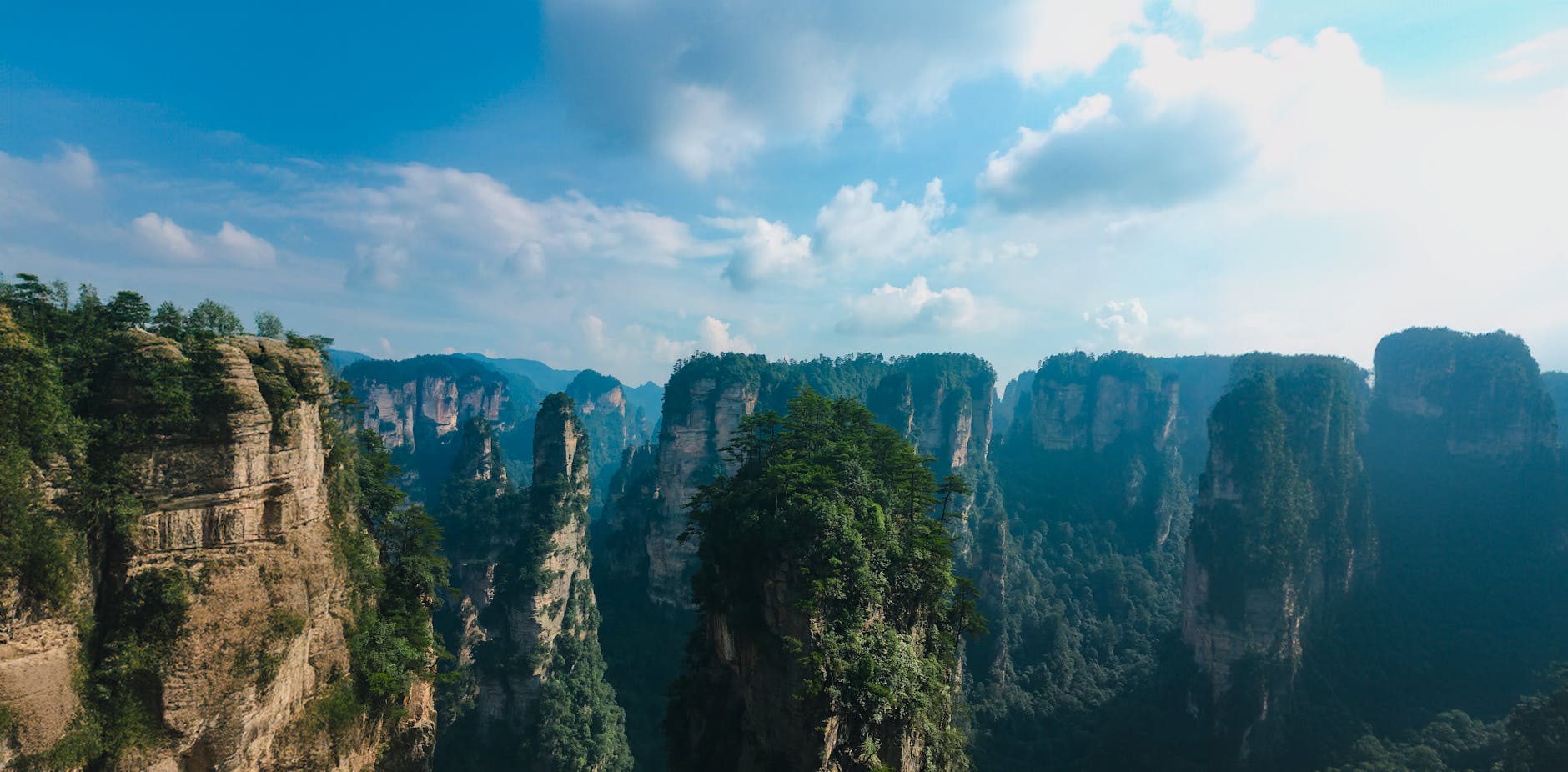
Tianzi Mountain is another gem of the park, offering completely different but no less breathtaking panoramas. You can reach it by cable car, which itself is a fantastic photo opportunity. The views from the cabin, with a bottomless abyss and a forest of stone pillars stretching beneath you, are just incredible.
On Tianzi, these spots are particularly good:
- Imperial Writing Brush Peaks: A group of slender, tall peaks that resemble calligraphy brushes. They look especially striking in the fog or at sunrise. These are, without a doubt, some of the most picturesque Zhangjiajie sunrises you can capture.
- West Sea Peak Forest Platform: This offers a wide view of the endless “sea” of stone peaks. It’s the perfect place to watch the morning fog slowly creep between the cliffs, creating the illusion of an ocean from which islands rise. It was here that I truly understood what a real mountain sunrise in Zhangjiajie felt like.
- Fairy Scattering Flowers Platform: Another excellent spot with views of quirky rock formations.
You can descend from Tianzi by cable car or on foot, which takes a few hours but allows you to see even more beautiful views in a calmer setting, away from the crowds.
Chasing the Light: Zhangjiajie Sunrises and Fogs
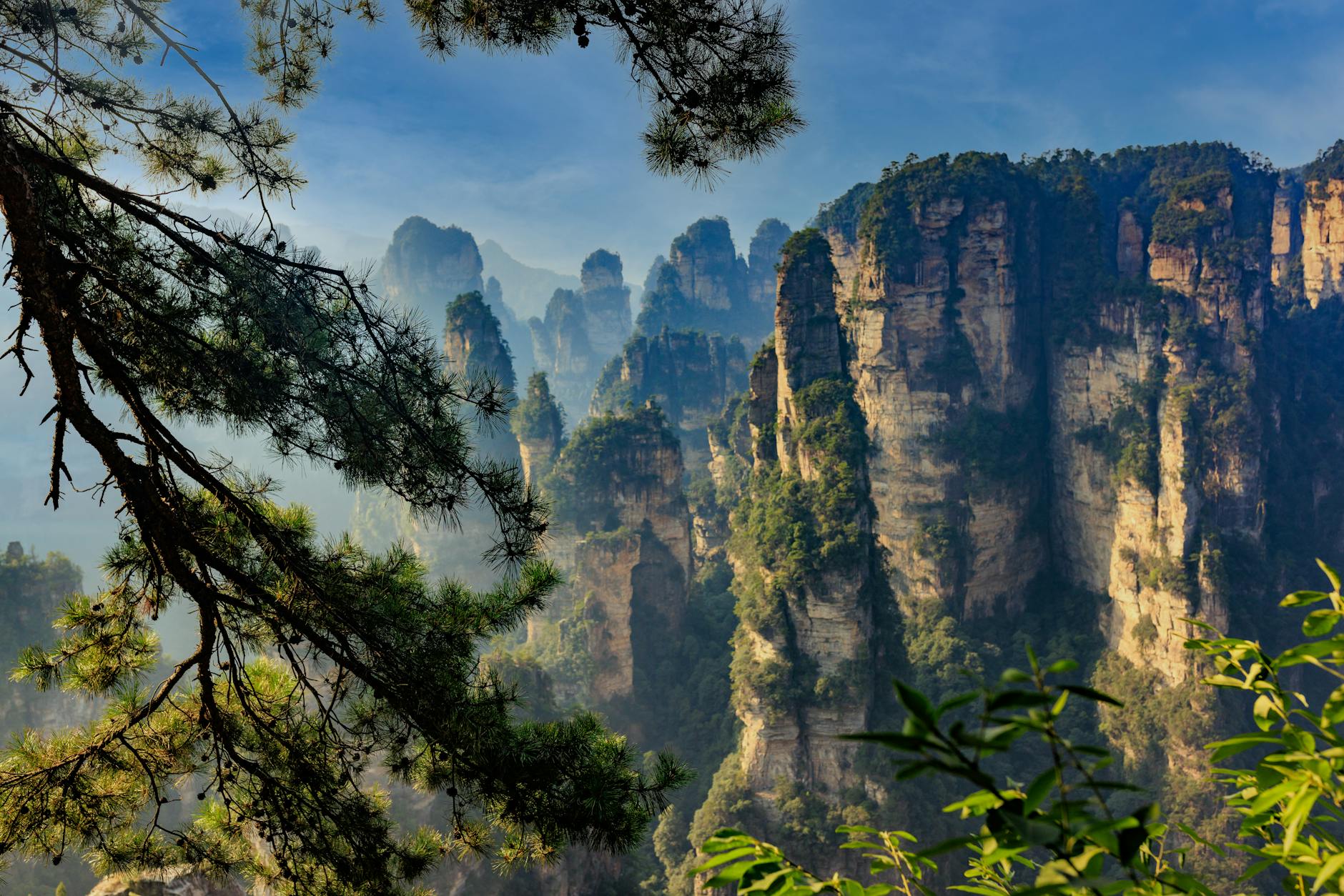
So, here we are, at the most important part—the magic of the morning. This is what makes getting up at four in the morning, freezing in the wind, and waiting, absolutely worth it. Believe me, it really is. The best Zhangjiajie sunrises and fogs aren’t just beautiful sights; they’re an entire performance unfolding right before your eyes.
The magic of morning fog: where to see fog in Zhangjiajie

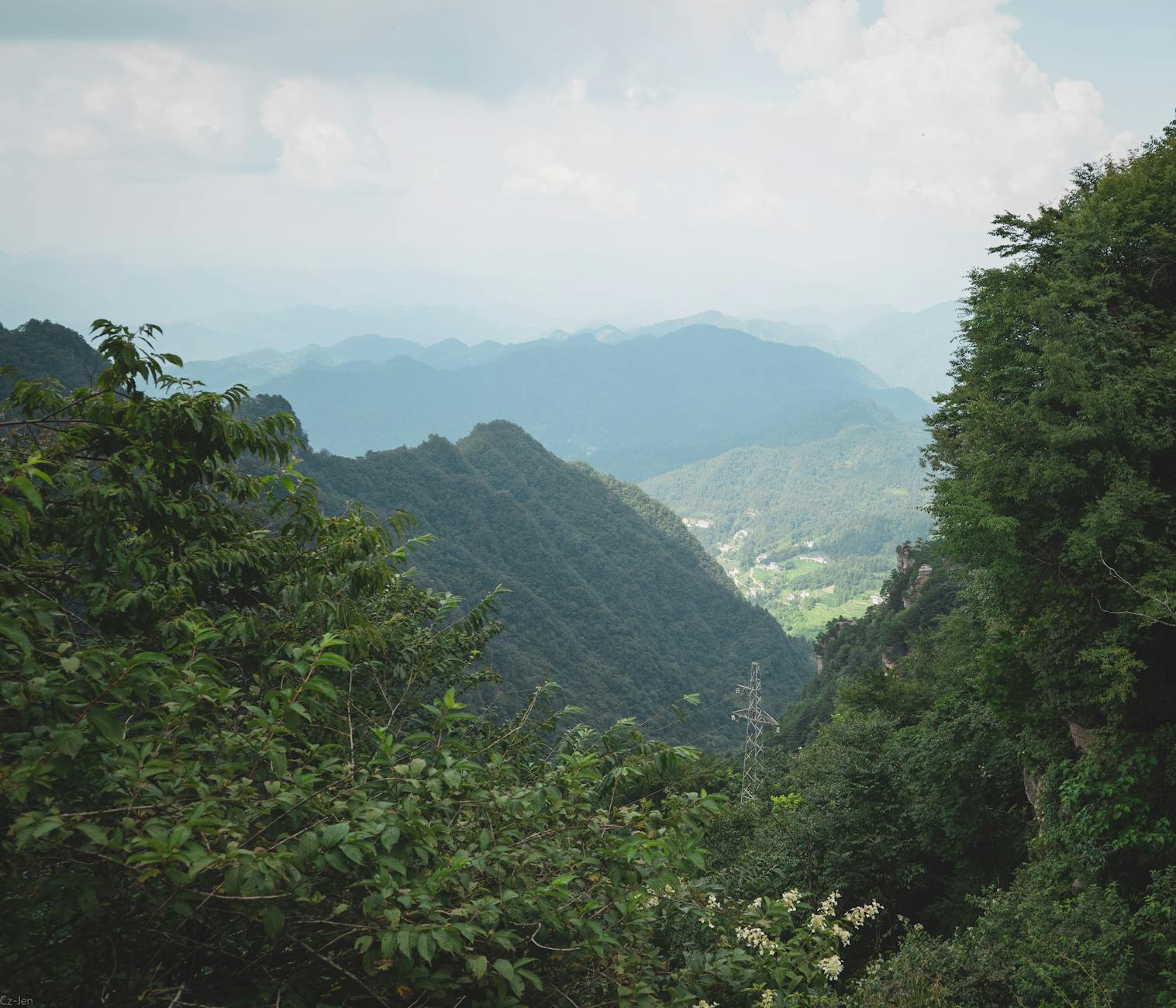
Fog in Zhangjiajie isn’t just a weather phenomenon; it’s part of the local mythology that comes alive right before your eyes. It appears suddenly and can vanish just as quickly. Fogs are most common in spring and after summer rains, when the air is saturated with moisture. Here are my observations on where you’re most likely to see fog in Zhangjiajie:
- Yuanjiajie: As I mentioned, the fog here is especially dramatic when it swirls around the giant pillars. The Platform of Ecstasy and the viewpoints near Avatar Hallelujah Mountain are perfect.
- Tianzi Mountain: The West Sea Valley and Imperial Writing Brush Peaks. Here, the fog often resembles ocean waves crashing against stone “islands.”
- Daguangtai Section: A lesser-known but incredibly picturesque corner. There are several small viewpoints here that offer stunning views of mist-filled gorges. It’s a bit off the main routes, which makes it feel more secluded.
To catch the fog, you need to arrive at the location before sunrise, and sometimes even spend the night in the park. It seemed to me that about two hours before dawn, the fog really starts to form, and then, with the first rays of light, it slowly dissipates, revealing more and more details of the landscape. These are those beautiful Zhangjiajie morning spots that photographers from all over the world travel for.
Where to catch the first rays: Zhangjiajie’s picturesque sunrises
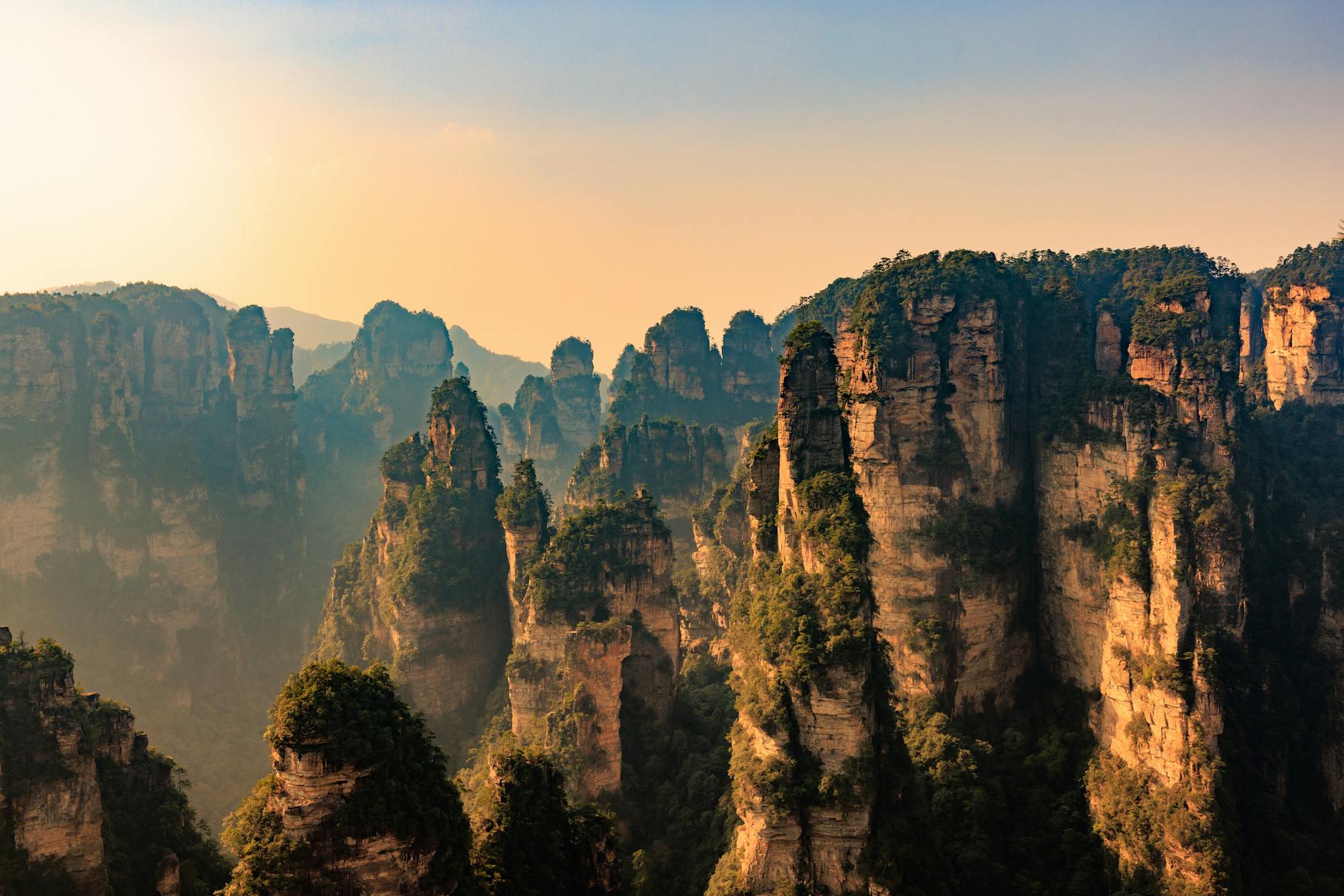
The sunrises here aren’t always fiery and bright; sometimes they’re soft, pastel, but no less impressive because of it. The main thing is to capture the light as it glides over the cliff tops, gradually pulling them out of the darkness. Here’s where, in my experience, it’s best to witness a Zhangjiajie sunrise:
- Tianbo Mansion Viewpoint: This spot is on Tianzi Mountain and offers a magnificent view to the east. Here, you can watch the sun rise above the horizon, painting the sky in soft colors and illuminating the cliff peaks.
- West Sea Valley Platform on Tianzi: Despite the name, you can also watch the sunrise from here. The light plays on the fog, creating amazing luminous effects.
- Yangjiajie Area: This is a less-visited area, but with equally stunning views. There are several viewpoints here that offer beautiful panoramas. For example, Wulongzhai or Heavenly Ladder. Getting to them isn’t easy, but it guarantees fewer people and a more intimate rendezvous with nature.
By the way, don’t forget that mountain weather forecasts change super quickly. So, if it’s foggy in the morning and it looks like there won’t be a sunrise, don’t rush off. Just wait a little longer—sometimes the clouds part in just a few minutes, revealing a breathtaking spectacle. It’s, well, kind of a lottery, but in Zhangjiajie, it’s often a winning one.
Beyond the Park: Tianmen Mountain and Grand Canyon

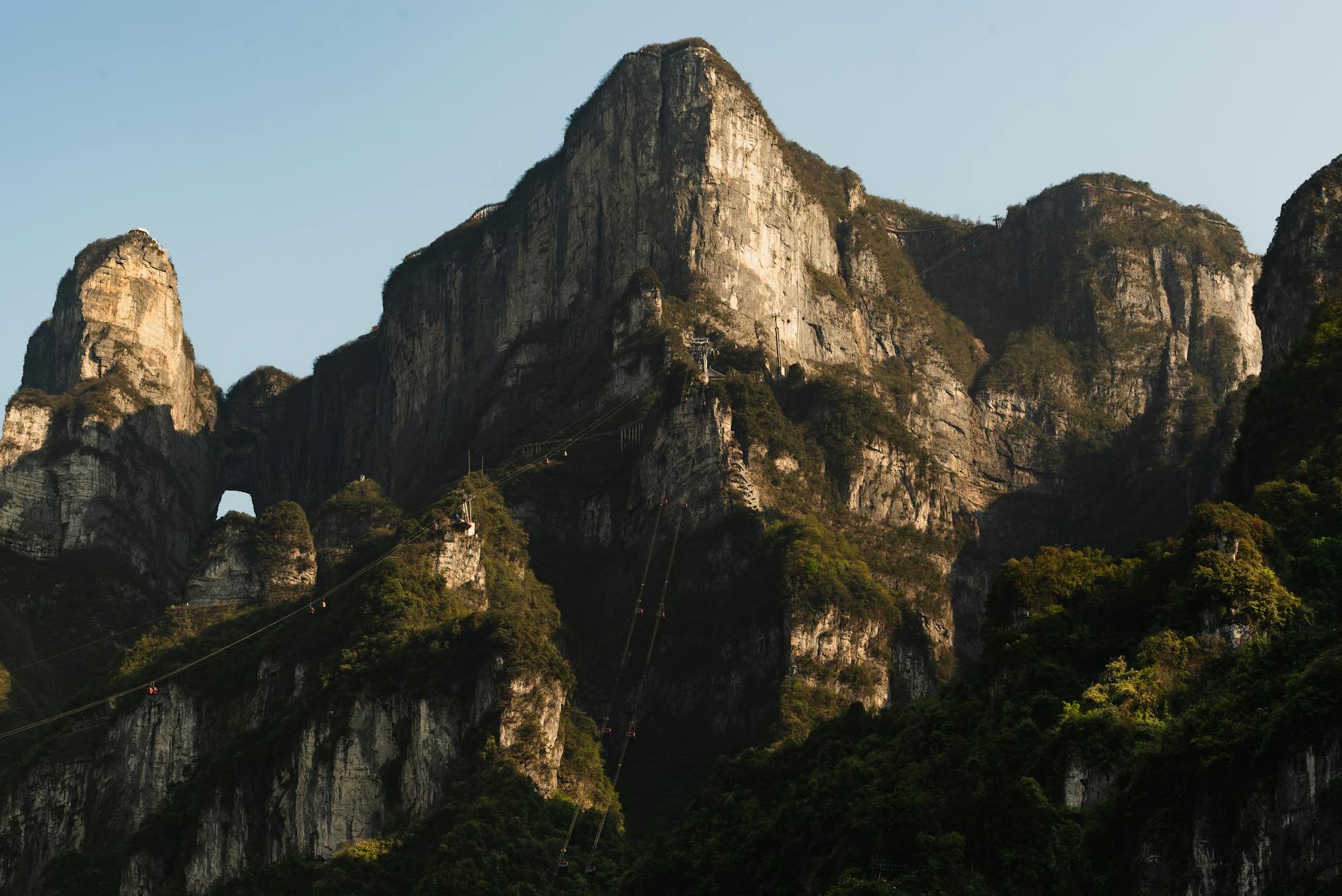
Zhangjiajie isn’t just about Wulingyuan National Forest Park. There are a few other spots that offer completely different, yet equally thrilling, photo opportunities. These are real Zhangjiajie photo spots for those looking for variety.
Tianmen Mountain: Heaven’s Gate and Glass Skywalks
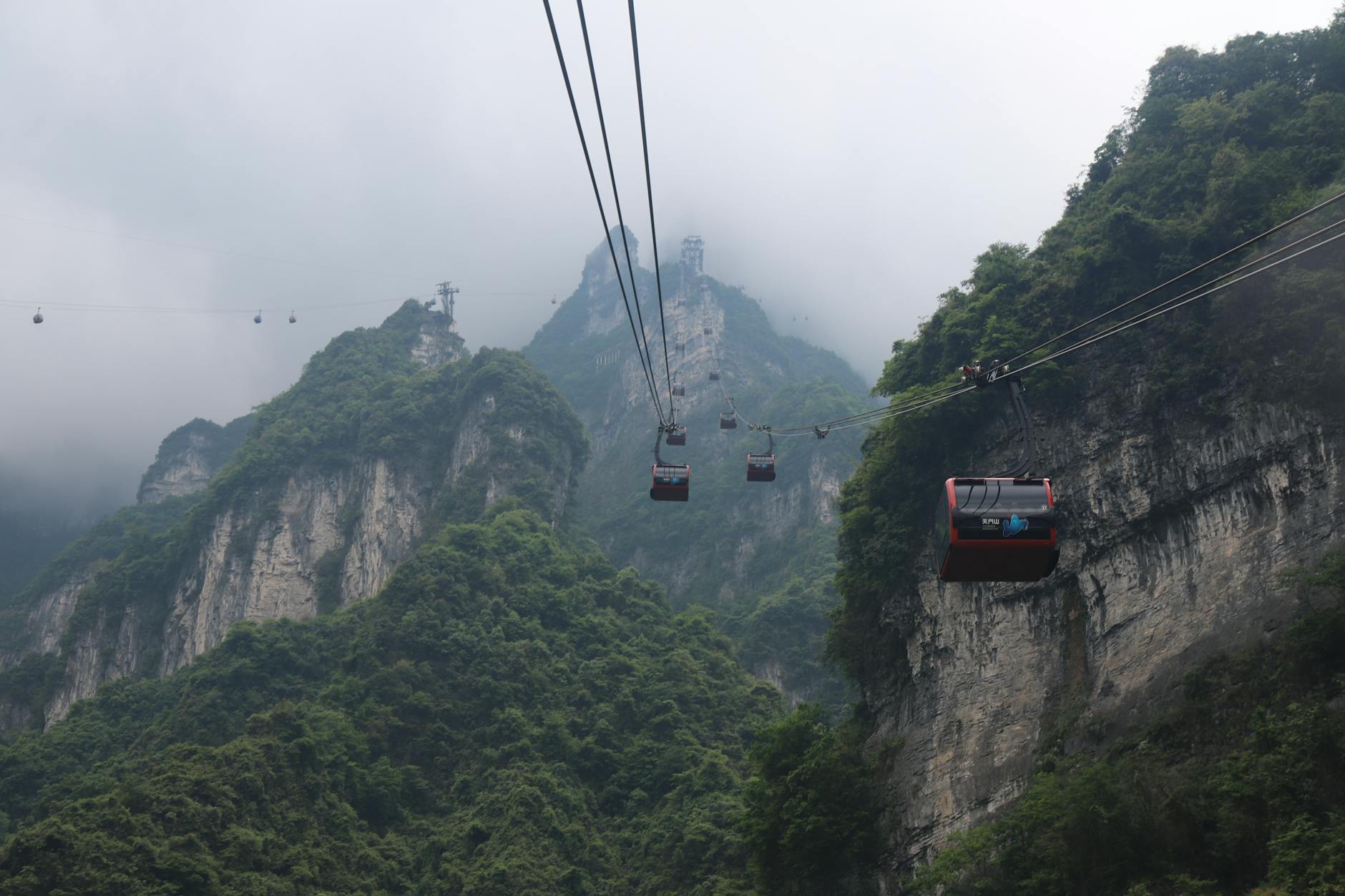
Tianmen Mountain is a separate attraction located near Zhangjiajie city. You can get there by the world’s longest cable car, a journey that takes about 30 minutes and is an incredible sight in itself. Rice paddies and villages will float beneath you, followed by the steep mountain slopes. A trip to Tianmen Mountain is an experience you definitely shouldn’t miss.
What to photograph here:
- The Cable Car: The views from the cabin, especially of the “99-Bend Road,” are just fantastic.
- Heaven’s Gate (Tianmen Cave): A massive natural arch in the rock. You can climb up to it via the “Stairway to Heaven” (999 steps). The best angle, in my opinion, is from the base or from the panoramic platforms that open up as you ascend.
- Glass Skywalks: Several glass pathways attached to sheer cliffs. This isn’t for the faint of heart, but shots of people seemingly floating over the abyss turn out very impressive. I remember walking on one of them, and my heart skipped a beat a little, but the view was totally worth it. They often ask you to wear special shoe covers there, though, so you don’t scratch the glass. If you want to dive deeper into the details, there’s an excellent trip to Tianmen Mountain that includes the cable car, the glass bridge, and Heaven’s Gate cave.
Sunrise on Tianmen can also be beautiful, but due to access specifics (the cable car starts running later than sunrise), it’s harder to catch than in the main park. Still, the views of the rising sun from the mountain’s upper platforms, with clouds lying beneath your feet, are also incredible.
Grand Canyon and Glass Bridge

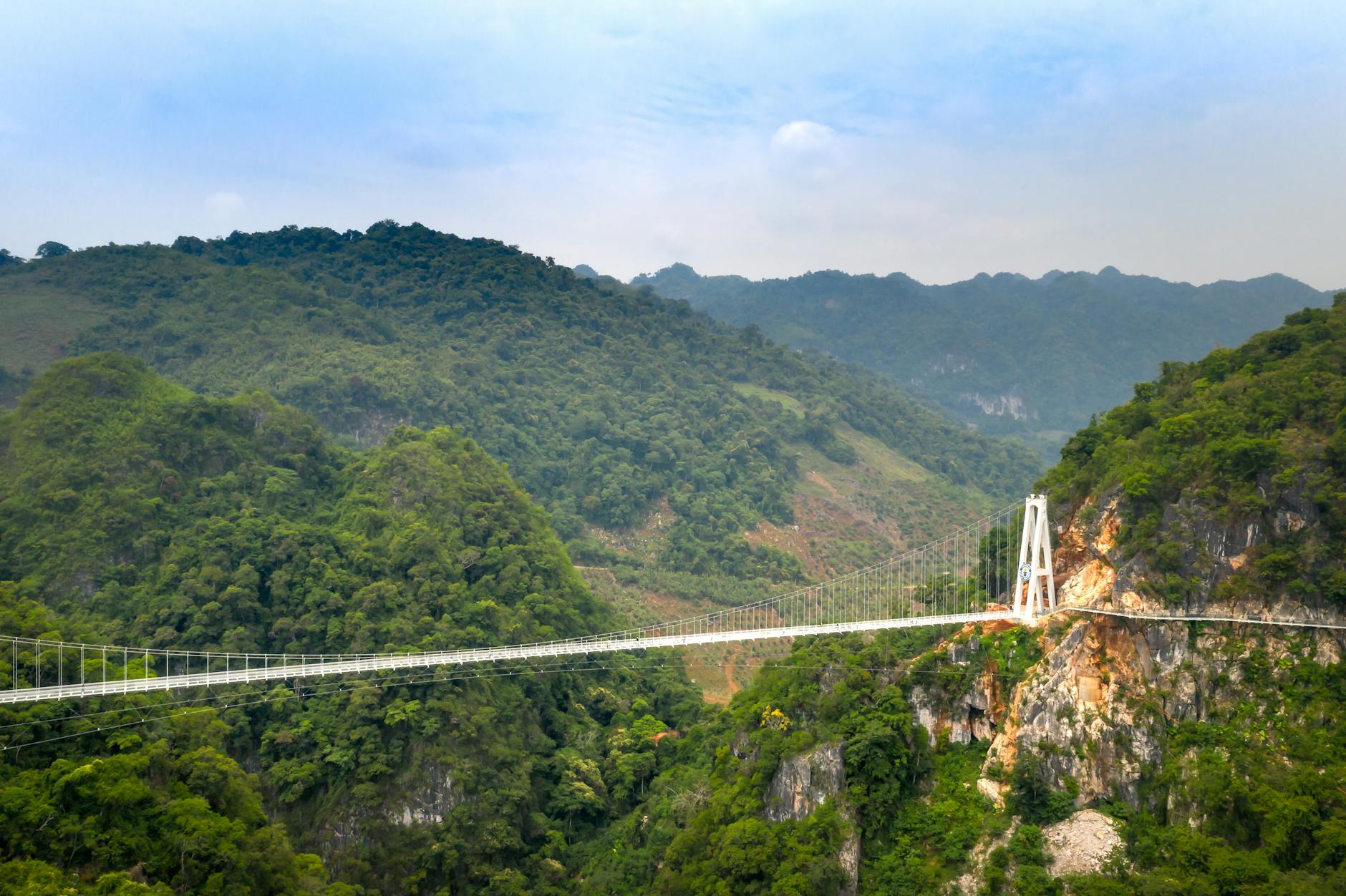
Another place worth visiting if you’re looking for variety and thrills is the Zhangjiajie Grand Canyon with its famous Glass Bridge. It’s a completely different spectacle compared to the vertical peaks of the main park. Here, you’ll find more open spaces, waterfalls, and, of course, the longest and highest glass bridge in the world.
For a photographer, it’s paradise:
- The Glass Bridge: The most obvious subject. You can photograph it from the edges, or right from the bridge itself. Perspective is key here. Shots of people looking down, or reflections of clouds in the glass, look really striking. Just remember that the bridge can get super crowded, so you’ll need to be patient. Visiting the Grand Canyon and the glass bridge is a true test of heights, but it’s so worth it!
- The Canyon: The canyon itself is incredibly picturesque, with trails, waterfalls, and lush greenery. Here, you can get some beautiful landscape shots from a more “earthly” perspective.
Unlike the main park, the Grand Canyon isn’t as geared towards sunrises and fogs. It’s best visited in the middle of the day when the light most evenly illuminates the canyon and the bridge.
Zhangjiajie Photography Tips: From Fog to Sunrise
I’ve put together a few practical tips that’ll help you capture stunning shots and get the absolute most out of your photo trip.
- Early bird gets the worm (or the shot): This isn’t just a cliché. To capture Zhangjiajie’s picturesque sunrises and fogs, you need to be on location long before dawn. The first rays of sun and the dissipating mist create the most magical lighting.
- Weather: Be ready for any weather. Rain and fog are your allies for creating atmospheric shots. Bring a raincoat for yourself and a protective cover for your camera.
- Equipment:
- Wide-angle lens: Essential for capturing the sheer grandeur of the landscapes.
- Telephoto lens: This will help “zoom in” on distant peaks, create perspective compression, and highlight details not visible to the naked eye.
- Tripod: Absolutely necessary for shooting in low light conditions (sunrise, twilight, fog), and also for long exposures to smooth out cloud or fog movement.
- Graduated Neutral Density (GND) filters and a polarizing filter: GND will help balance a bright sky and a dark foreground. A polarizing filter reduces glare and enhances colors.
- Spare batteries: Cold weather and long shooting sessions drain batteries quickly.
- Composition: Look for unusual angles. Use tree branches or rocks in the foreground to add depth to your shot. Play with the fog—it can be both the main subject and the background.
- Patience: Sometimes you just have to wait. Wait for the fog to clear, for the sun to emerge from behind the clouds, for people to disperse. The best shots often come to those who know how to wait.
- Local guides: If you want to maximize your time and find lesser-known Zhangjiajie locations, don’t hesitate to hire a local guide. They know the trails and the best spots that aren’t written about in guidebooks. This is, by the way, super helpful for putting together a detailed Zhangjiajie itinerary specifically for photographers.
Conclusion
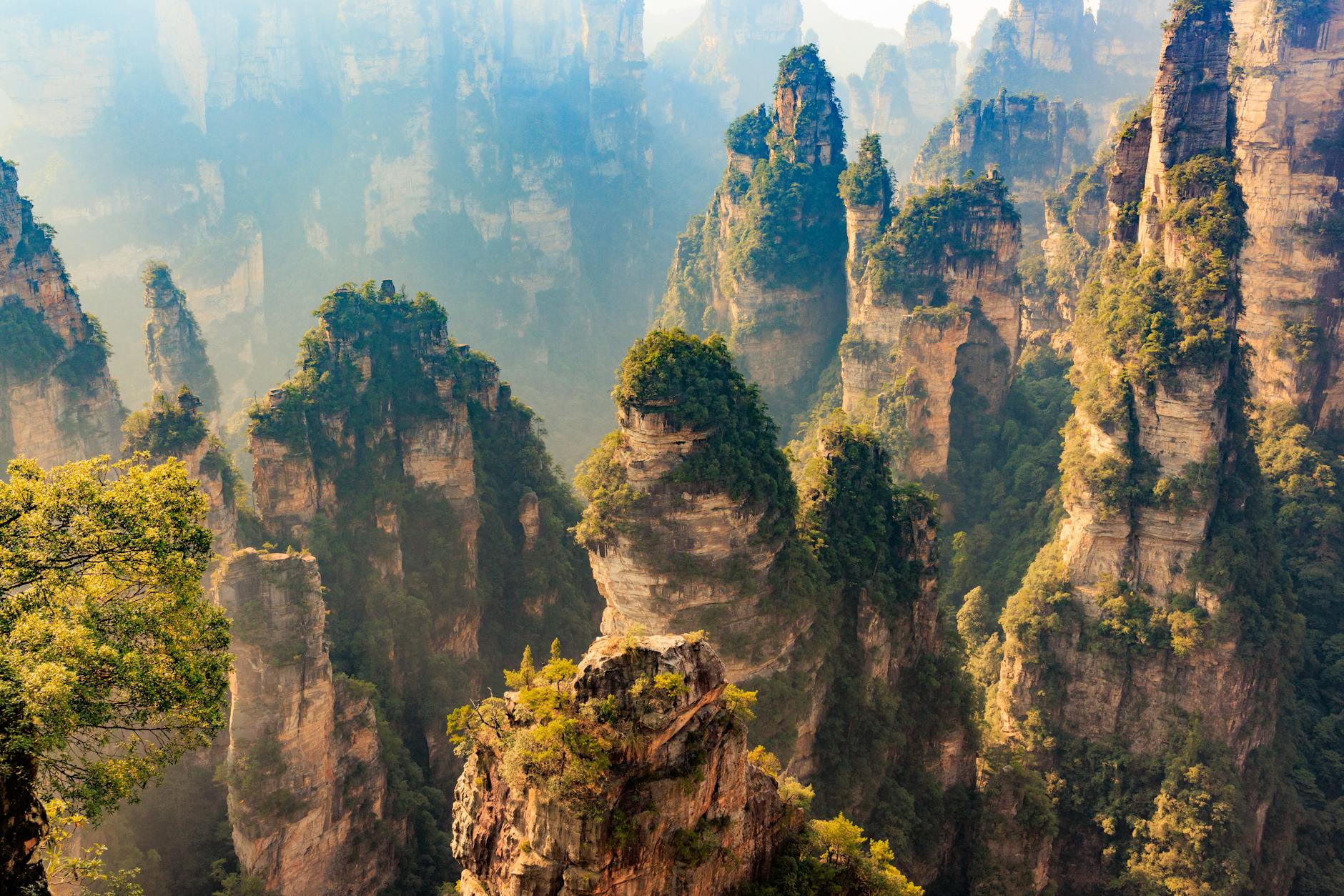
Zhangjiajie isn’t just a place for pretty photos. It’s an experience that truly changes your perception of nature. These floating mountains, shrouded in mist, with the first rays of dawn breaking through the fog, leave a deep impression on your soul.
I came home with hundreds of shots, but more importantly, with the feeling that I’d touched something truly ancient and majestic. If you’re ready for early mornings, aren’t afraid of changeable mountain weather, and are looking for inspiration, then Zhangjiajie awaits you.
May your camera become an extension of your eyes, and may every shot convey the incredible magic you’ll find there. And remember, even without perfect gear, the most beautiful views of Zhangjiajie will stay with you forever, simply because you saw them with your own eyes.