

Tbilisi, it’s like a jewel box. You open it up, and there they are — all those glossy postcard scenes: Narikala Fortress, the sulfur baths, the Bridge of Peace. Everything’s beautiful, vibrant, but honestly, a little predictable. I totally went down that path too, snapping a hundred photos at all the iconic spots. But at some point, I realized I was looking for something else. I wanted to peek behind the facade, to feel the city’s real, non-touristy pulse. And that’s when I started my walks around Tbilisi, but on completely different routes, uncovering unusual places in Tbilisi that you just don’t see on the standard tours.
This is a story about straying from the beaten path and finding the city’s soul in its cracks, its peeling paint, and of course, in the legendary hidden courtyards of Tbilisi.
Sololaki: Caucasian Paris in the Details

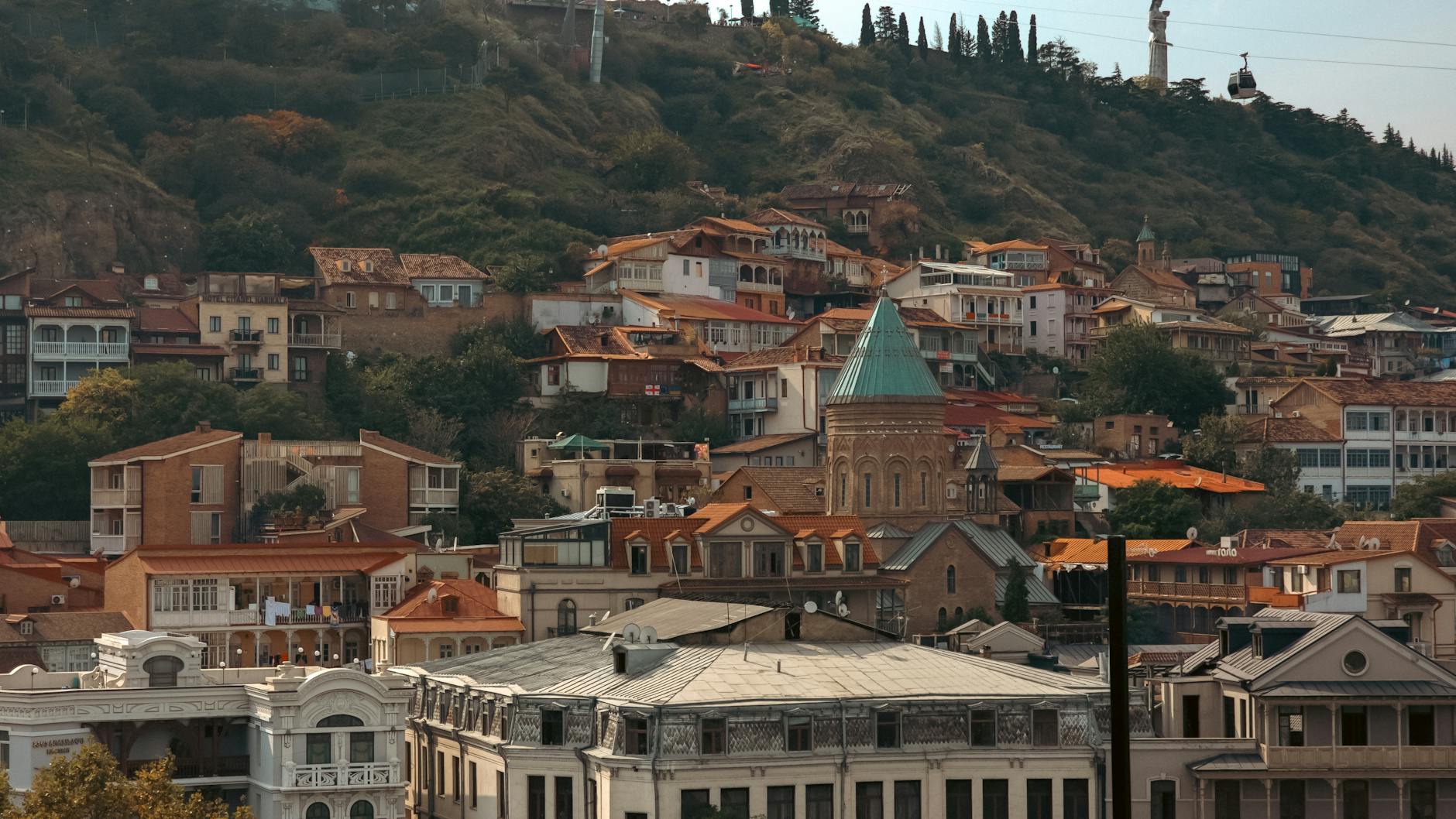
When people talk about Old Tbilisi and its colorful courtyards, that’s literally the first thing that comes to my mind. And the Sololaki district? It’s a real concentration of that whole vibe. Tucked away at the foot of Mtatsminda Mountain, it used to be this prestigious spot where wealthy merchants and intellectuals lived. That’s why the architecture here is just stunning — luxurious Art Nouveau mansions, with stucco, bay windows, and most importantly, these incredible grand entrances.
My advice? Ditch the map. Just wander down Machabeli, Lermontov, Asatiani, and Dadiani streets and boldly peek into every slightly ajar door. What might look like a plain, albeit old, house from the outside often hides real treasures within. These are truly the secret corners of Tbilisi that make a trip here absolutely worth it.
Hunting for Spiral Staircases and Stained Glass

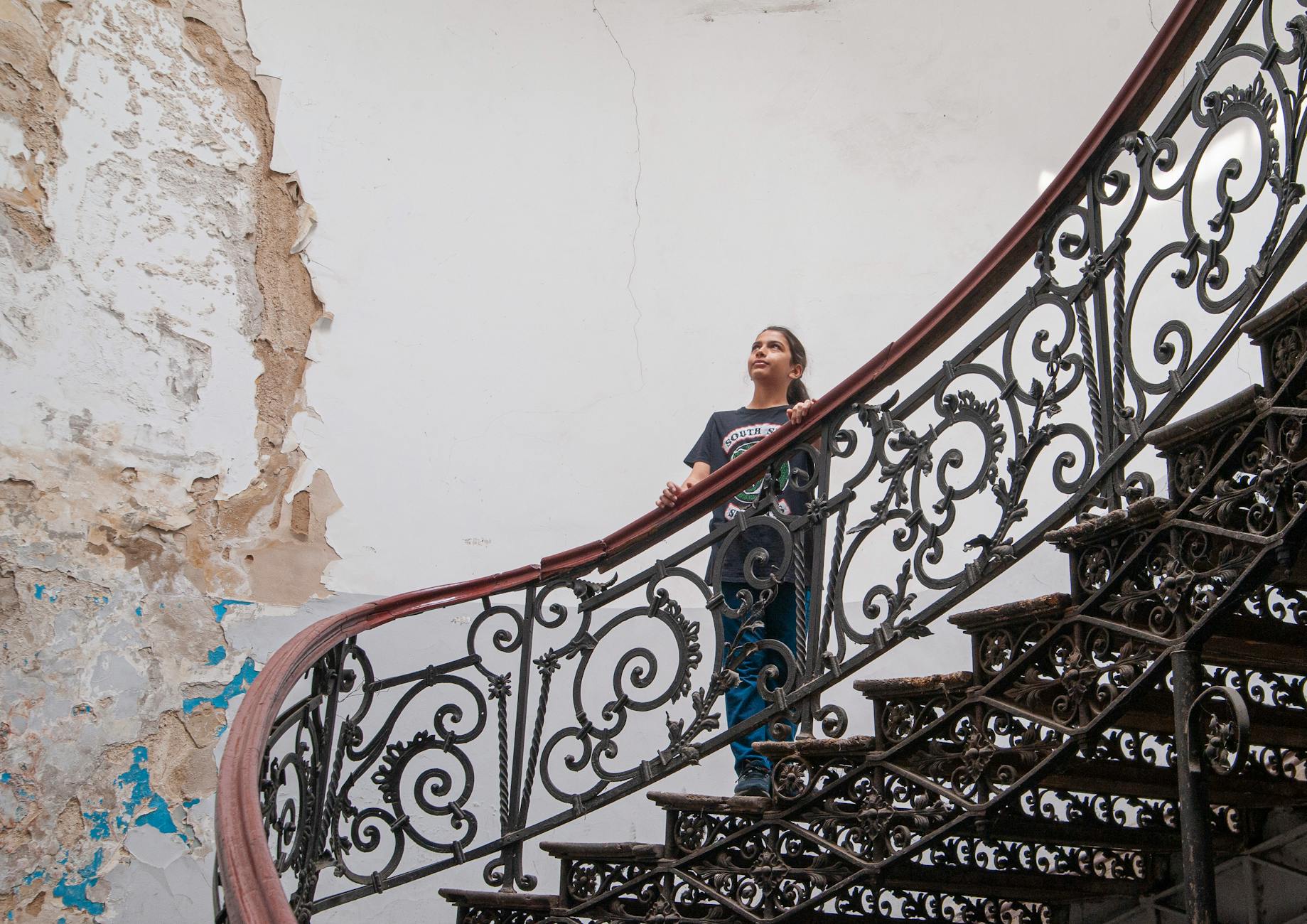
The main prize for many “courtyard hunters” is the famous stained-glass house, or “Kaleidoscope,” at Betlemi Street 3. This is probably the most well-known of the interesting courtyards in Tbilisi. Getting inside isn’t always easy – the door’s often locked – but if you’re lucky, you’ll see that very entrance with its colorful glass, bathing the staircase in a fairy-tale light. The photos come out magical, but the real-life impression is so much stronger, trust me.
But don’t get too fixated on just that one spot. Literally every other building in Sololaki has something special waiting for you:
- Carved wooden balconies. They wrap around the inner courtyards, creating this cozy, enclosed feeling. You’ll see laundry drying, neighbors chatting, kids playing — life just buzzing.
- Spiral staircases. Cast iron, wrought iron, wooden — they just climb upwards, like spirals of time. Sometimes they lead to apartments, and sometimes, well, they just seem to lead to the sky.
- Painted ceilings and walls in the grand entrances.
Exploring these details on your own is a huge joy. But if you want to dive deeper into the history and not miss the most interesting bits, I really recommend taking a themed tour. There are some fantastic walks through Sololaki’s grand entrances and stairwells, where guides know all the secret doors and will tell you stories you won’t find in any guidebook. It’s one of the best ways to truly understand the authentic neighborhoods of Tbilisi.
Chughureti and Agmashenebeli: German Precision Meets Eastern Bazaar

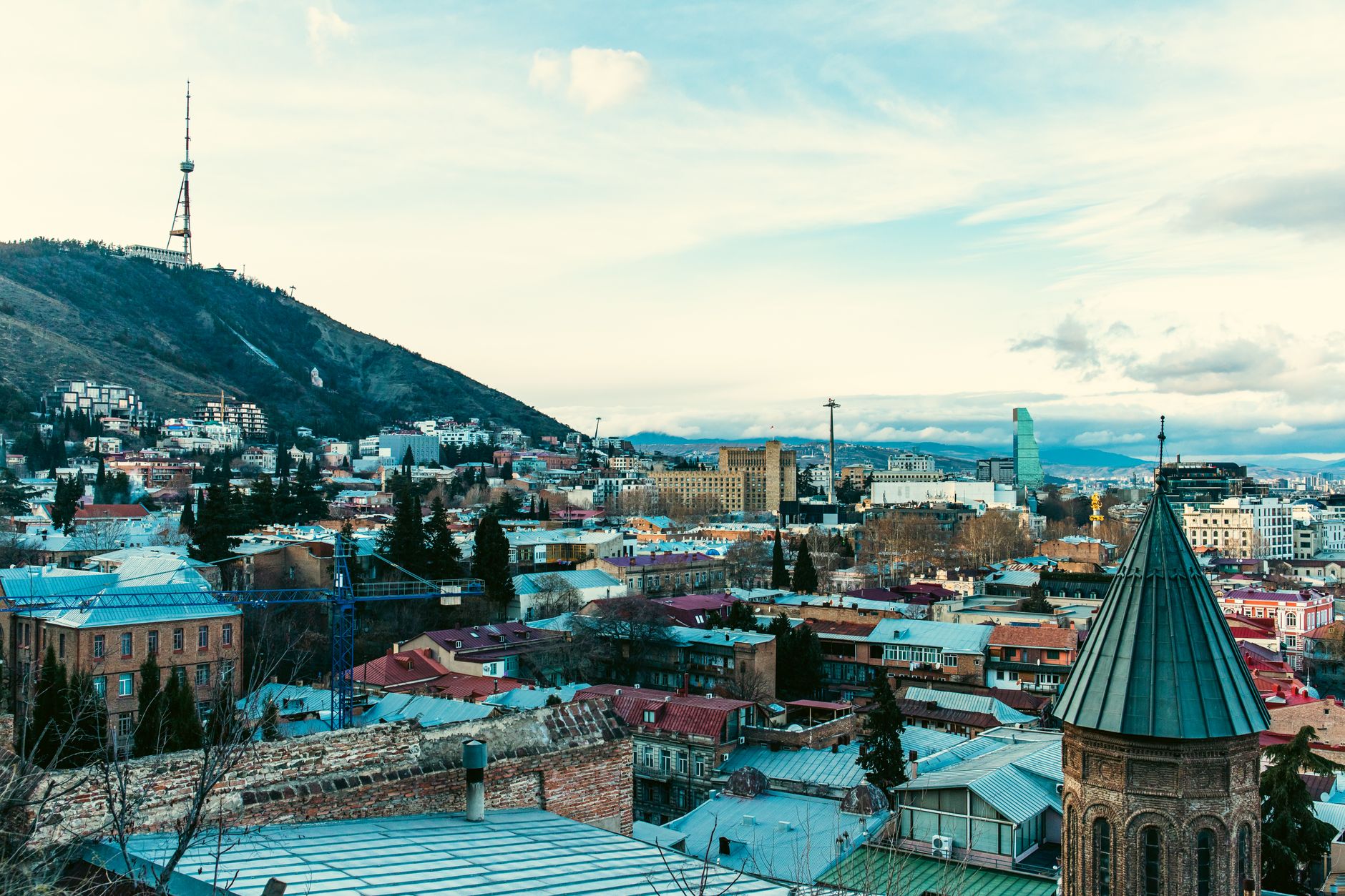
Cross the Saarbrücken Bridge to the left bank of the Kura River, and you’ll step into a completely different world. This is where you’ll find one of the most atmospheric districts of Tbilisi — Chughureti. It’s a place where non-tourists in Tbilisi will find something especially interesting. There isn’t the same concentration of ancient temples here as in the Old Town, but it has its own unique, inimitable eclectic charm.

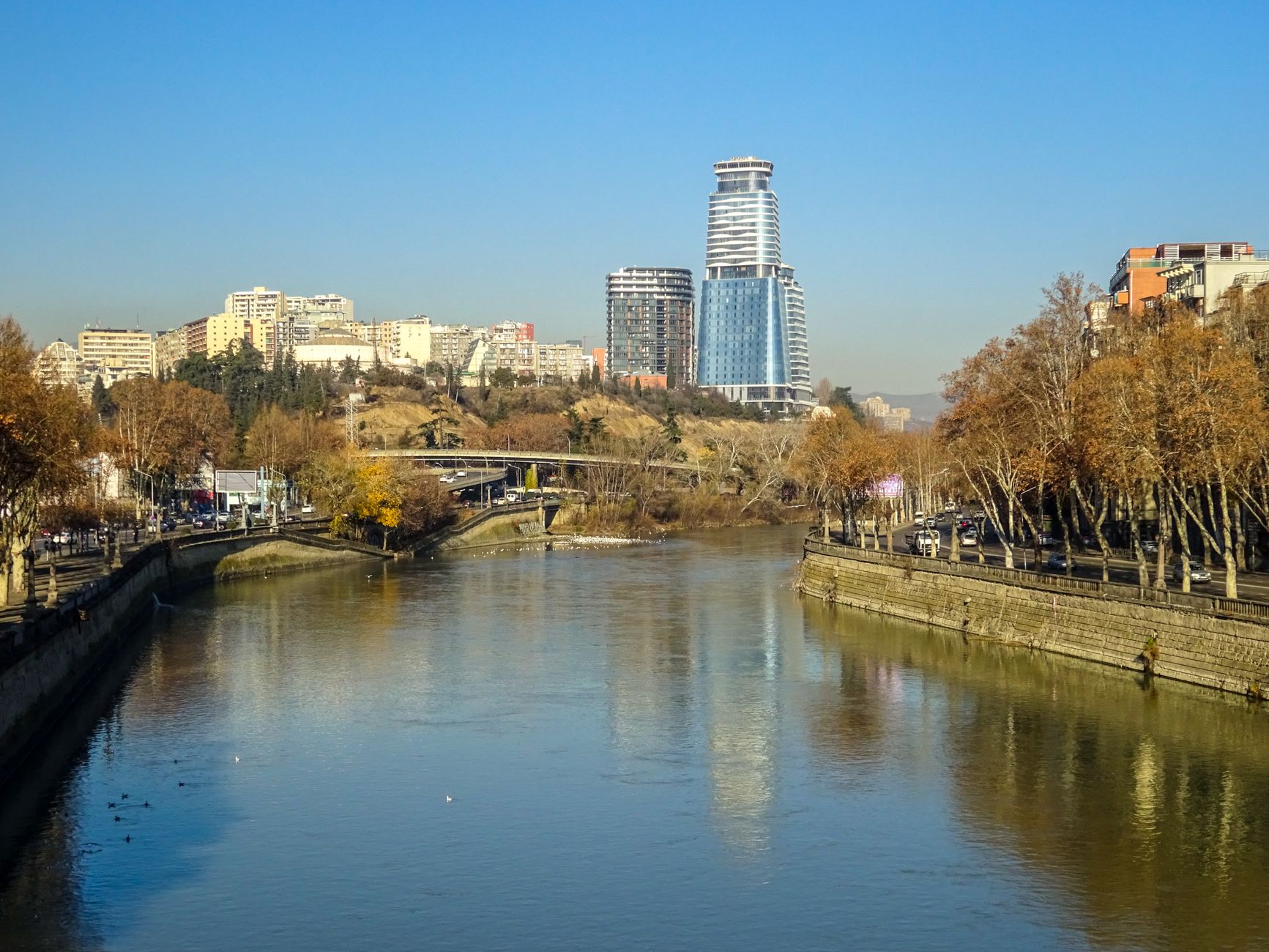
The central artery of the district, David Agmashenebeli Avenue, was completely renovated a few years back. Now it’s a spruced-up pedestrian street with European-style facades, cafes, and shops. It’s pretty, but honestly, a little sterile. The real life, like everywhere else in Tbilisi, is tucked away in the courtyards.
Just turn into any archway off the avenue, and you’ll find yourself in a classic Tbilisi gallery-courtyard. You won’t find the old Sololaki polish here; everything’s much simpler, but no less vibrant. This is exactly where you can find places where locals in Tbilisi go. Not far from here is also the famous “Fabrika” art space (a former Soviet sewing factory), which has become a magnet for Tbilisi’s youth. But even around it, you’ll still find old, untouched courtyards.
If you’re planning a trip, it’s a good idea to sort out your flights to Tbilisi and book your accommodation in advance. By the way, Chughureti has loads of interesting options, from hostels to boutique hotels, which lets you really dive into that non-touristy vibe right away.
New Tiflis: Traces of German Colonists

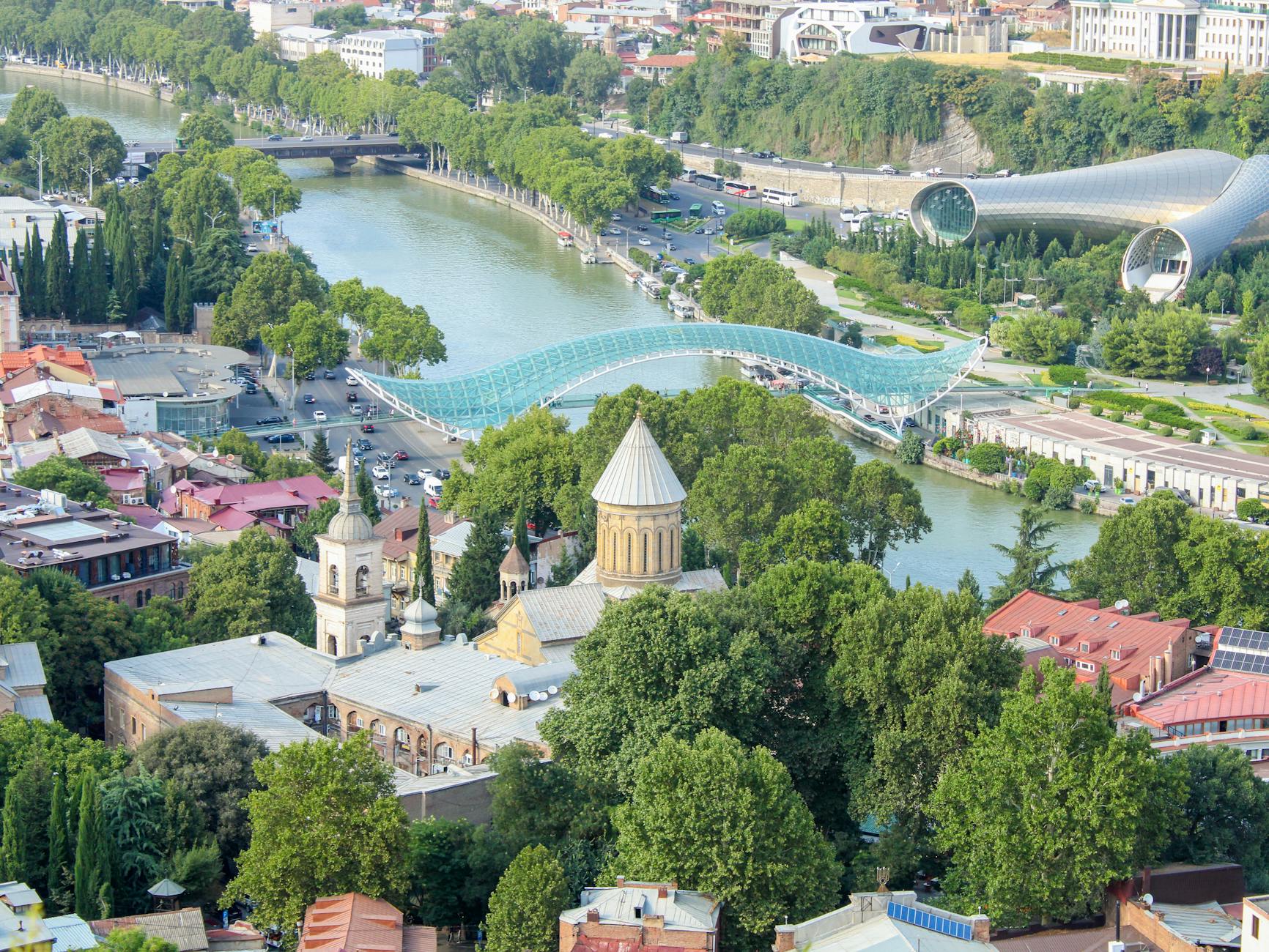
Deep within Chughureti lies the so-called “German Quarter.” In the 19th century, colonists from Swabia settled here, and their influence is still visible in the architecture today. These are stern, neat two-story houses with tall windows and gabled roofs. They’re quite different from typical Georgian buildings. A stroll down Toidze, Chkheidze, Arnold Chikobava streets feels like a mini-trip to another country without even leaving Tbilisi. It’s the perfect spot for anyone seeking non-touristy places in Tbilisi and wanting to see the city from an unexpected angle. It’s quiet, peaceful, and super green here. A real little island of Europe in the heart of the Caucasus.
This German meticulousness, funnily enough, creates an amazing contrast with the nearby Deserter’s Market – the city’s biggest and loudest bazaar. Its energy, the smells of spices and cheeses, the boisterous voices of vendors, they all seep into Chughureti’s quiet streets, creating this truly unique fusion. In one courtyard, you might spot perfectly planted roses next to a German mansion, and in the next, a shoe repair shop with strings of churchkhela hanging out to dry. This clash of worlds is what makes the district so alive and authentic. As you walk around here, pay attention to the details: the wrought-iron grilles on the windows with their Gothic motifs, the massive wooden doors, and the unusually high ceilings for Tbilisi, which you can often glimpse through first-floor windows. This is architecture built for living, not just for show, and it holds stories from so many generations.
Avlabari: Panoramic Views and the Soul of an Old Quarter

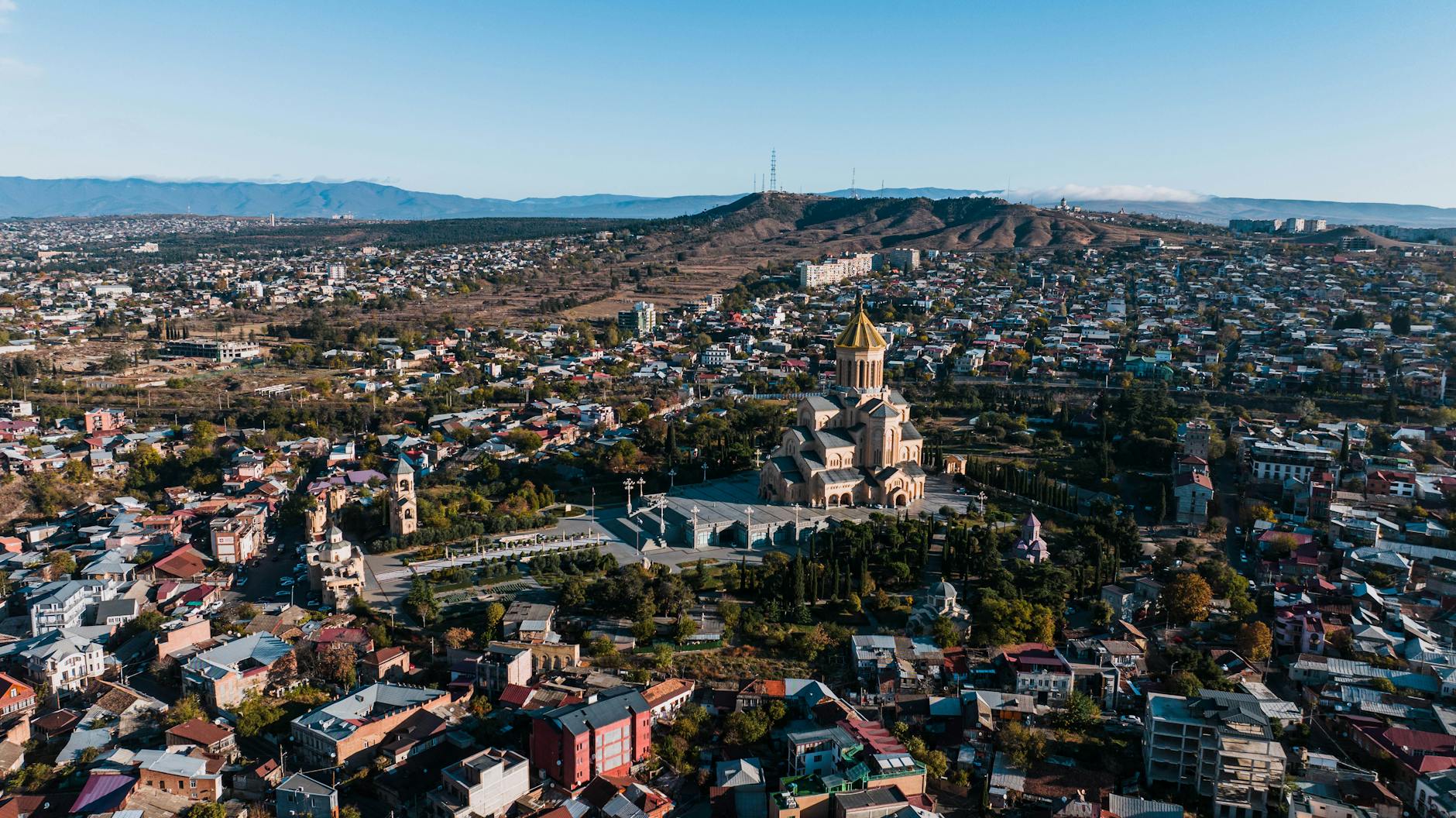
The Avlabari district, perched on the left bank of the Kura River, is mainly known for the Holy Trinity Cathedral (Sameba) and Metekhi Church. Tourists usually come here, snap some photos from the viewpoint, and then leave. And that’s a shame, honestly. Because right beyond these famous spots is where the best walks in Tbilisi really begin, especially if you’re looking for something authentic.
Avlabari was historically a district of artisans and traders; a large Armenian community lived here for a long time, which left its mark on the area’s character. It’s more chaotic, noisier, and simpler than aristocratic Sololaki, but that’s exactly its charm. To truly feel it, you just need to climb the steep streets up from Metekhi. Isani Street, Virabi Lane, Bochoorma Street — these are your guides. There’s no clear logic or straight lines here. A little street might suddenly end, turning into a narrow staircase, or run right into someone’s courtyard, where you’ll definitely be met with curious glances and, most likely, an invitation for coffee. It’s a labyrinthine district where the best thing you can do is just get lost.
Here you’ll find:
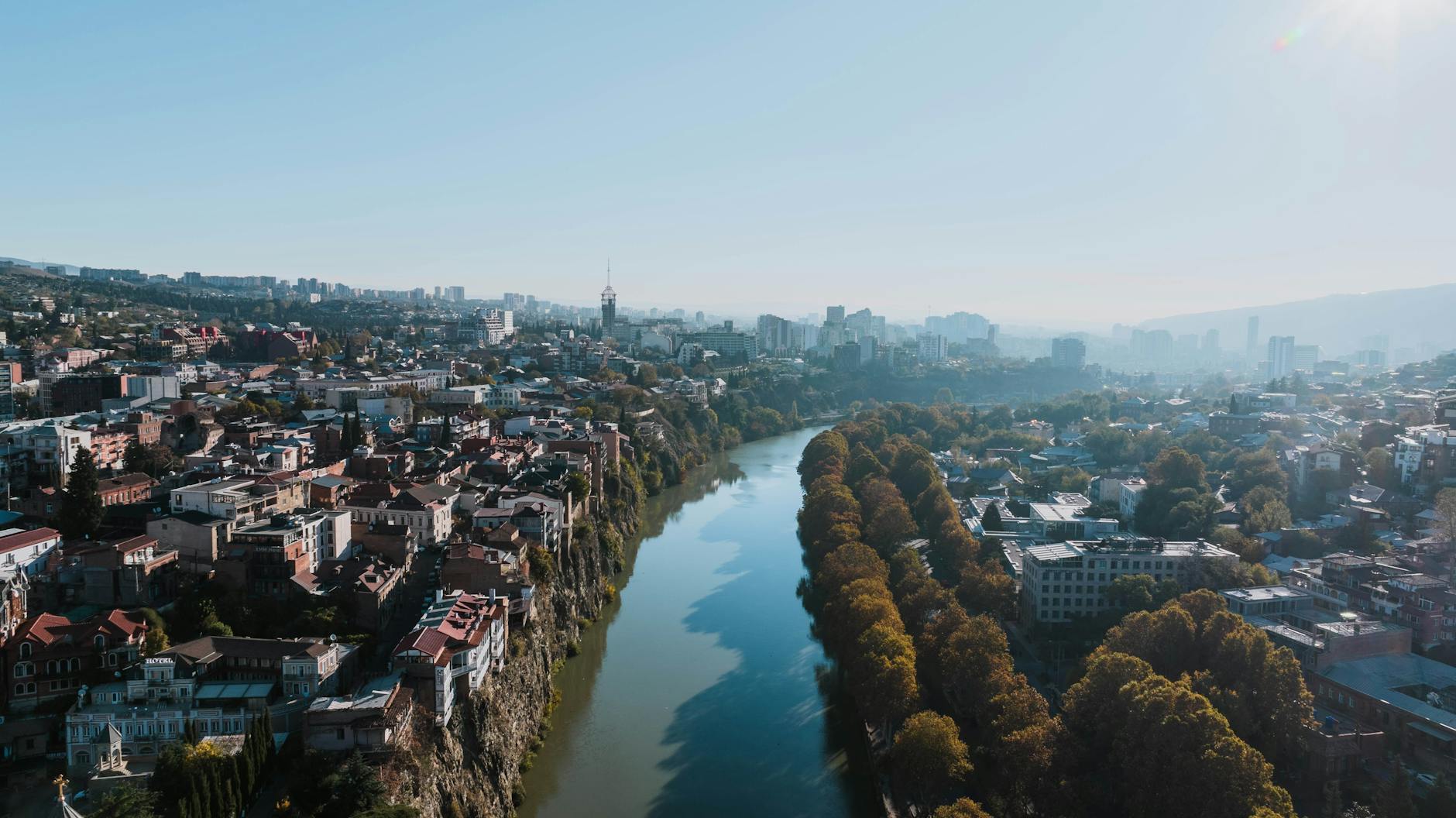
- Houses clinging to the cliffside. Some of them look like they’re glued to the rock and are super photogenic (and a little bit precarious). You’ll see a lot of these structures along the descent from Metekhi Bridge to the embankment — their wooden balconies literally float over the Kura.
- Unexpected viewpoints.
- Small family wine cellars. In Avlabari, you can pop in on a winemaker whose cellar is right in their home’s basement and taste some genuine homemade wine. It’s a totally different experience compared to the big wine shops. Look for modest “Wine” signs or just listen — you can often catch that distinct wine aroma wafting from the cellars.
How to Explore Avlabari: Practical Tips
To make your stroll through this district as enjoyable as possible, keep a few things in mind:
- Wear comfy shoes. Avlabari is on a hill, so you’ll be doing a lot of ups and downs, often on cobblestones or old stone steps.
- Be ready to chat. Unlike the more touristy areas, people here are just living their everyday lives. Don’t be surprised if someone strikes up a conversation, asks where you’re from, or offers help. Just smile and be open — that’s the key to the heart of old Tbilisi.
- Photograph with respect. Remember that those charming courtyards are someone’s home. Before you snap a shot of laundry drying or kids playing, it’s best to ask permission. Most of the time, they won’t say no, and might even proudly pose.
- Start from high up. A good route is to climb up to Sameba Cathedral, soak in the views, and then wander down the winding streets towards Metekhi. That way, you’ll mostly be going downhill and constantly discovering new angles of the city.
This is a district where you can wander in Tbilisi for hours, just observing daily life. It’s here that you really grasp that Tbilisi isn’t just about pretty facades, but also about its people, their hospitality, and their knack for finding joy in simple things. If you want to do more than just roam, and really learn the stories of this place, you could take an Old Tbilisi tour with a boat trip, which often includes this colorful district.
What to See in Tbilisi Beyond the Center: Vera and Vake
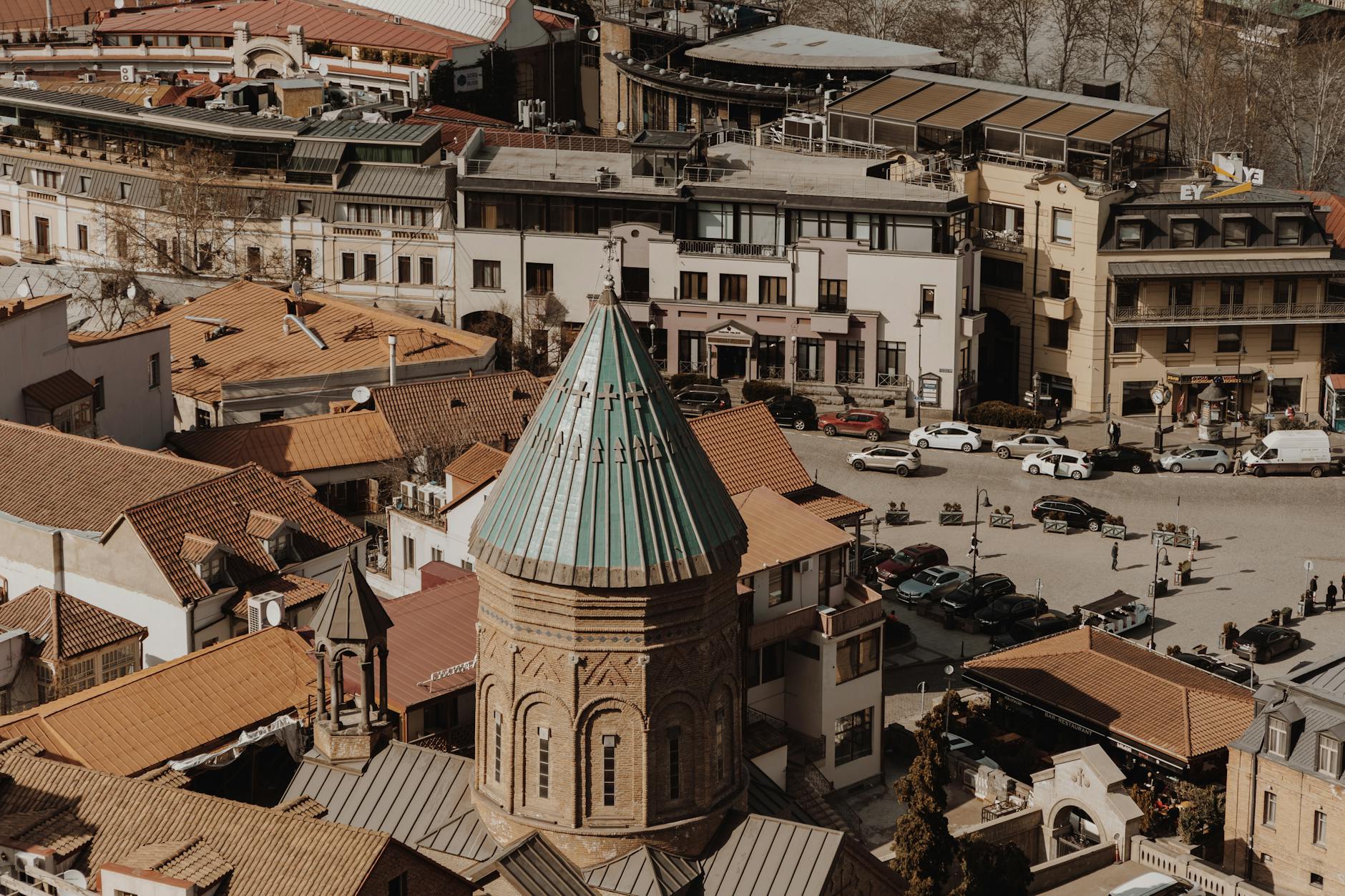
If you’ve had your fill of the old streets and want to see a different Tbilisi – more modern and respectable – then head to the Vera and Vake districts. These aren’t exactly secret spots in Tbilisi, but tourists rarely venture here, preferring to stick to the historic center. And that’s a real shame.
Vera: Bohemia, Vintage, and Quiet Parks
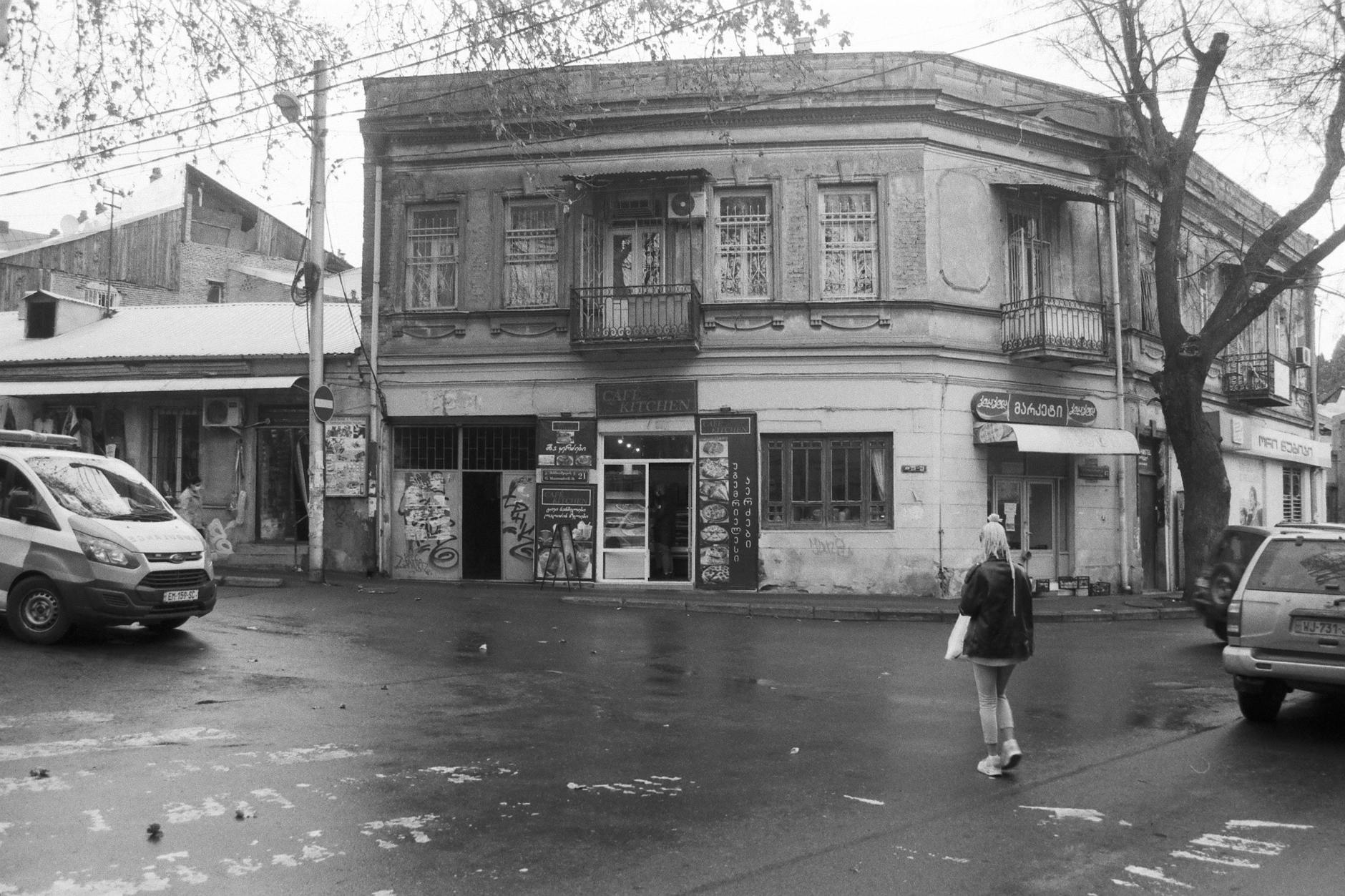
The Vera district, right next to Rustaveli Avenue, has always been known as the haunt of Tbilisi’s bohemians and intellectuals. Life here moves at a calmer pace; there’s plenty of greenery and its own distinct vibe. The main draw is Vera Park, where locals play backgammon and chess. Scattered around it are cozy coffee shops, wine bars, concept stores by Georgian designers, and vintage boutiques. This is also where you’ll find the famous Prospero’s Books & Caliban’s Coffeehouse – a real power spot for all book lovers. A stroll through Vera is a chance to see how modern, creative Tbilisi lives.
Unlike Sololaki, Vera’s architecture is mostly late 19th to early 20th century, a more austere and elegant Art Nouveau, without the excessive Eastern opulence. Take a walk down Barnovi, Kiacheli, and Zandukeli streets, peeking into the grand entrances. They aren’t as ornately painted as in Sololaki, but they’ll impress you with their marble staircases, wrought-iron railings, and antique elevators. A key attraction today is “Wine Factory N1,” a massive space that has brought together the best wine bars, restaurants, a farmer’s market, and art galleries under one roof. It’s a place where old industrial architecture has found a new, trendy life.
Things to do in the Vera district:
- Go on a coffee tour. Some of the city’s best specialty coffee shops are concentrated here, where you can not only grab a great coffee but also work in peace.
- Hunt for vintage finds. In the small basement shops, you can find everything from Soviet badges and antique crockery to last century’s European designer clothes.
- Visit a contemporary gallery. Vera is Tbilisi’s hub for contemporary art. There are many small galleries showcasing young Georgian artists here.
- Just chill in the park. Grab some fresh shot-puri from the nearest bakery, a bottle of lemonade, and spend an hour in Vera Park, watching the unhurried life of the city dwellers. It’s the best way to soak in the district’s atmosphere.
Vake: A Green Oasis and Soviet Modernism
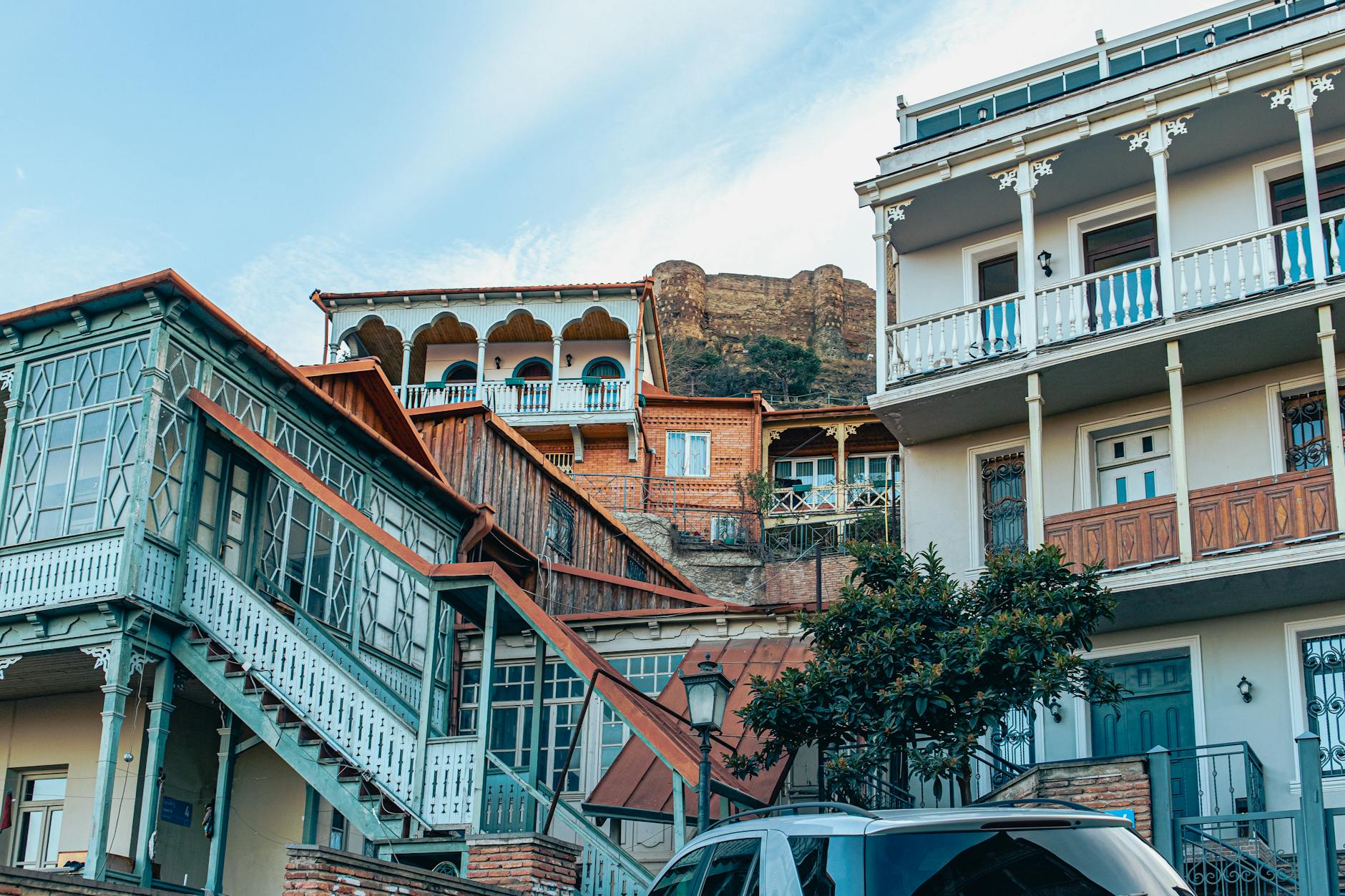
Vake is an even more respectable and greener district. Its main draw is the huge Vake Park, which smoothly transitions into trails leading to Turtle Lake (Kus Tba). In summer, it’s a favorite spot for city dwellers to relax. Incidentally, there’s even a cable car leading to the lake from here. Vake is also interesting for its architecture – you’ll find many examples of Stalinist Empire style and Soviet modernism. It’s a completely different city, nothing like the labyrinths of Sololaki. My walking route for Tbilisi often includes this district as a contrasting point after diving deep into the old parts.
The district’s main thoroughfare, Chavchavadze Avenue, is lined with monumental buildings from the Stalinist era, which create a feeling of spaciousness and order. You won’t find the cozy confusion of old streets here, but there are wide sidewalks, expensive boutiques, and restaurants instead. The atmosphere in Vake is all about calm and measured pace. People come here not for the colorful old courtyards, but for the feel of a European capital. But even here, it holds its own secrets. For instance, it’s worth heading up past Vake Park, towards Turtle Lake, to reach the Open-Air Ethnographic Museum – a huge area showcasing traditional Georgian houses from all corners of the country. It’s an amazing place that many tourists overlook, and it offers a unique chance to journey across all of Georgia without even leaving Tbilisi.
Of course, to fully explore not just the center but also the more distant districts, you need time. If you don’t have a lot, but still want to see as much as possible, a city bus tour might be a good option; it’ll give you a general overview of Tbilisi’s geography. And after that, you can delve deeper into the corners that caught your eye on foot. To move comfortably between such diverse areas, you could choose a hotel in a strategically convenient location, say, on Rustaveli Avenue, from where it’s easy to get to both Sololaki and Vera.
For me, Tbilisi truly revealed itself this way – through its unofficial entrances, through conversations with locals in their courtyards, through long, aimless walks in neighborhoods that aren’t in the top 10 guidebooks. Just let yourself get lost. Turn into an unassuming archway, climb a creaky staircase, say hello to the old folks sitting on a balcony. It’s in these moments that the real, living, and endlessly charming city hides. And that, I guess, is the main piece of advice I can give to anyone who wants to not just see Tbilisi, but to really feel it.