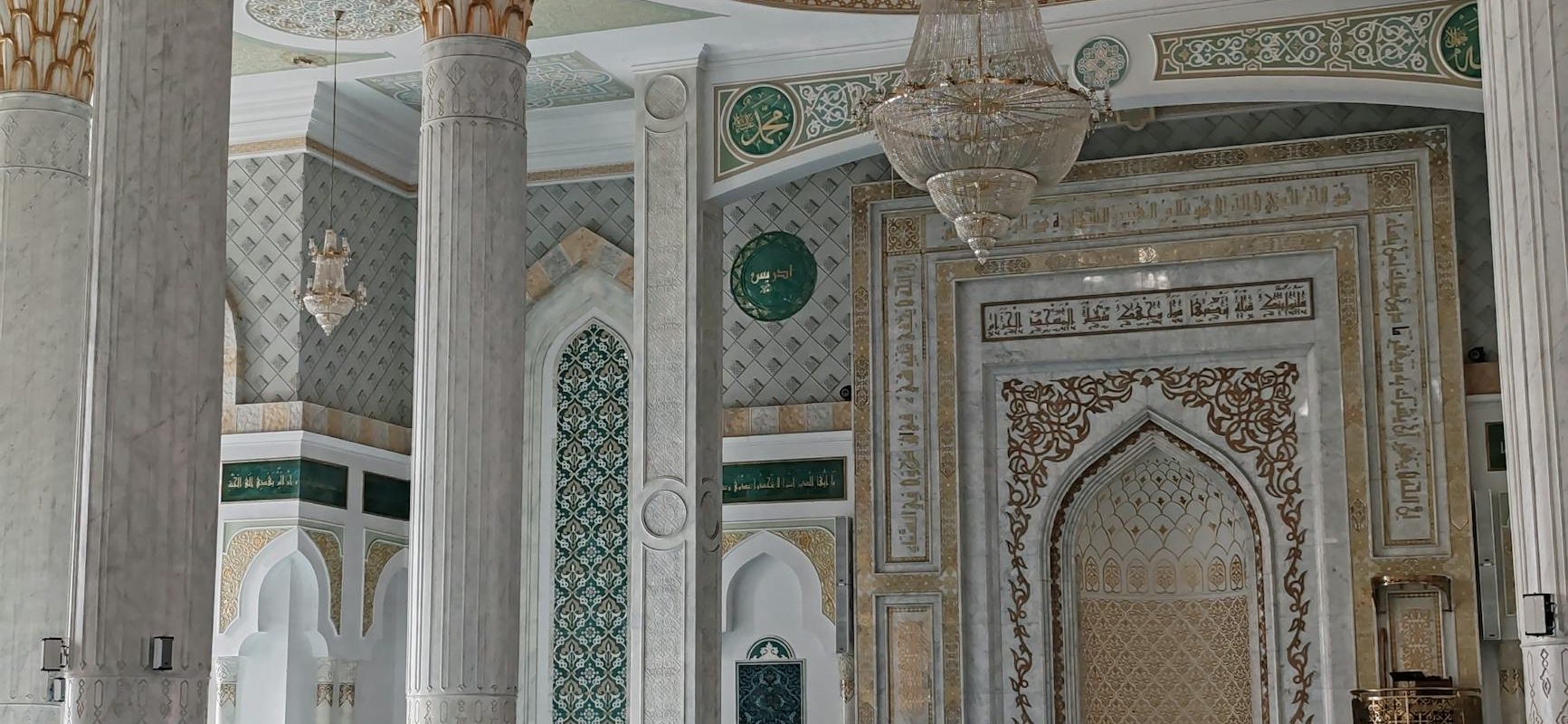
Astana is easy to misjudge from the postcards. Baiterek, the glass pyramid, the tent-shaped mall: the official skyline looks like a model city nobody lives in. Walk two blocks off Nurzhol Boulevard and that impression falls apart. There is a river with fishermen and a Soviet-era grid with old poplars. There are markets, and canteens where a plate of beshbarmak costs less than a coffee in the new centre. This guide covers that side of the city, the one residents use, with the prices and bus numbers you need to use it too.
On my visits to Kazakhstan the capital surprised me more than Almaty did, mostly because I expected less. What follows is what I would tell a friend arriving for three days: where to go when the big sights are done, what to eat, how to move around a city built for cars, and what to do in the evening.
Flights are worth comparing on Trip.com or Google Flights, since Astana has direct links to Istanbul, Frankfurt, Dubai and most of the ex-Soviet capitals. For a bed, hotels in Astana range from international five-stars on the Left Bank to family-run three-stars in the old town. Old town is cheaper, and closer to the places in this article.
Two Cities on One River
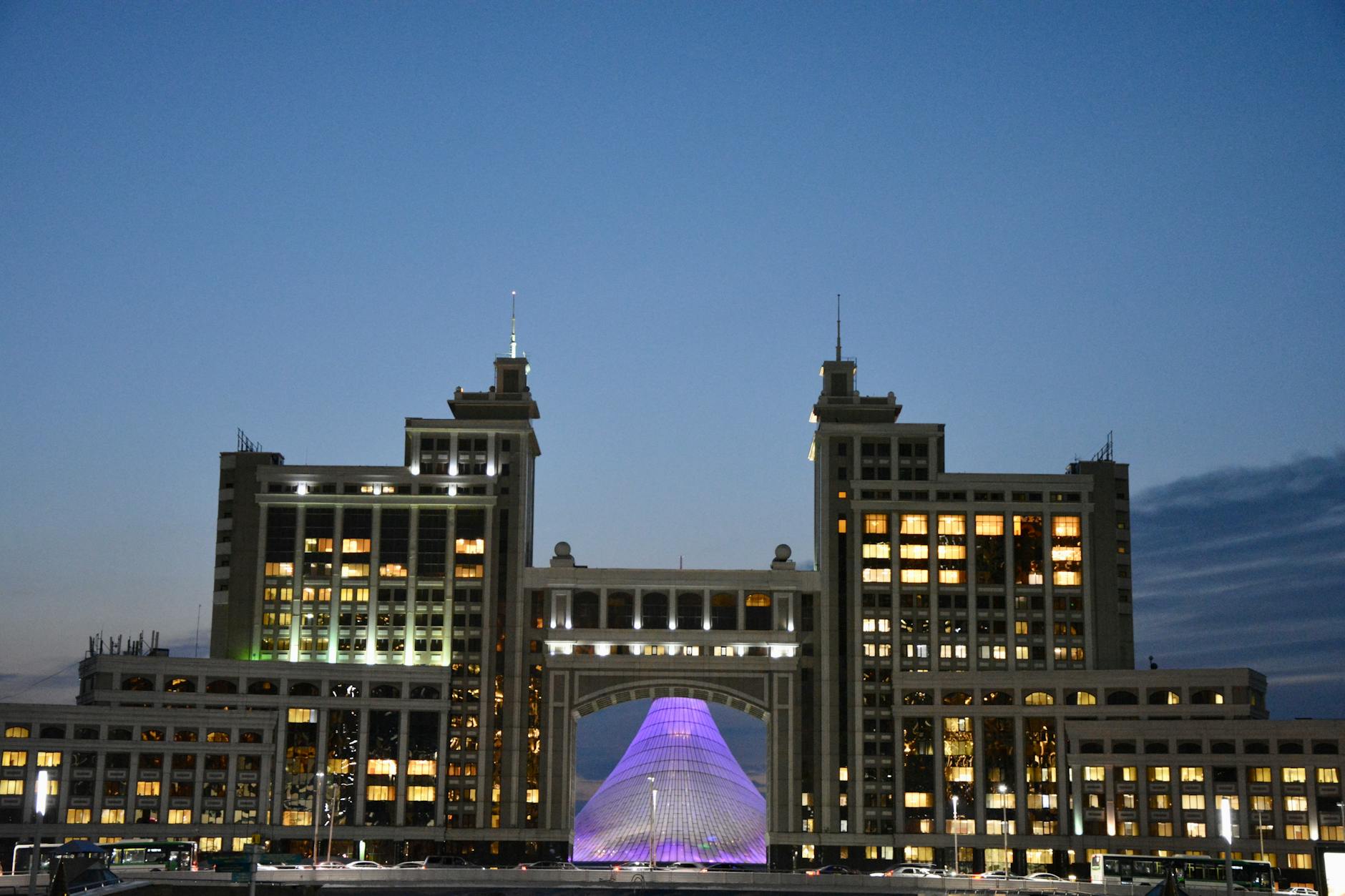
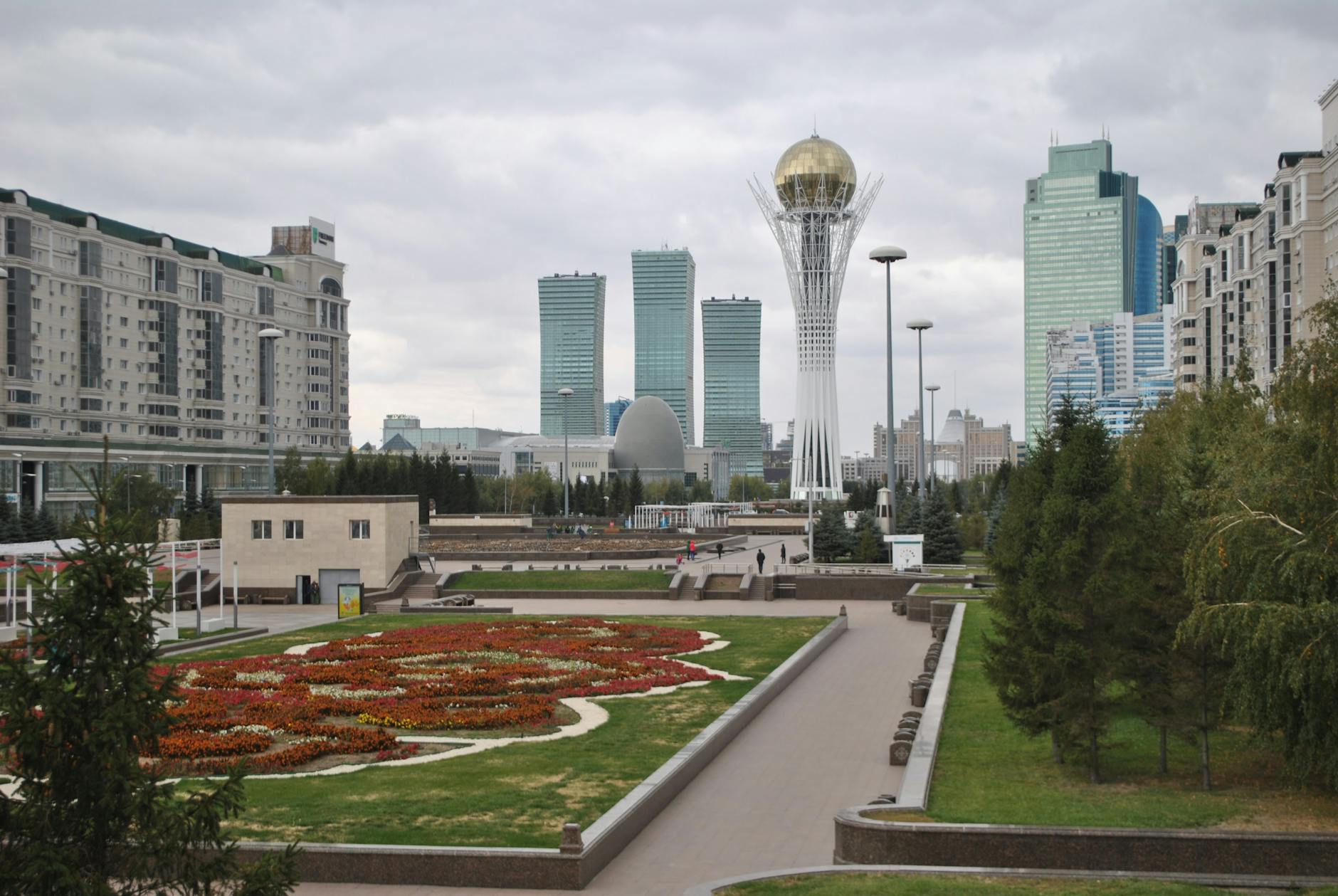
Astana is split in two by the Ishim river. Everything on the Left Bank went up after 1997: Baiterek, the Palace of Peace and Accord, Khan Shatyr, ministries. Its boulevards are so wide that the wind has nothing to slow it down. Across the water, the Right Bank is the old town of Akmolinsk and Tselinograd, with five-storey blocks, a real street grid and most of the markets and canteens. Tourists stay on the Left Bank and see the Right Bank from a taxi window. Reverse that and the city makes more sense.
Parks Where Residents Go
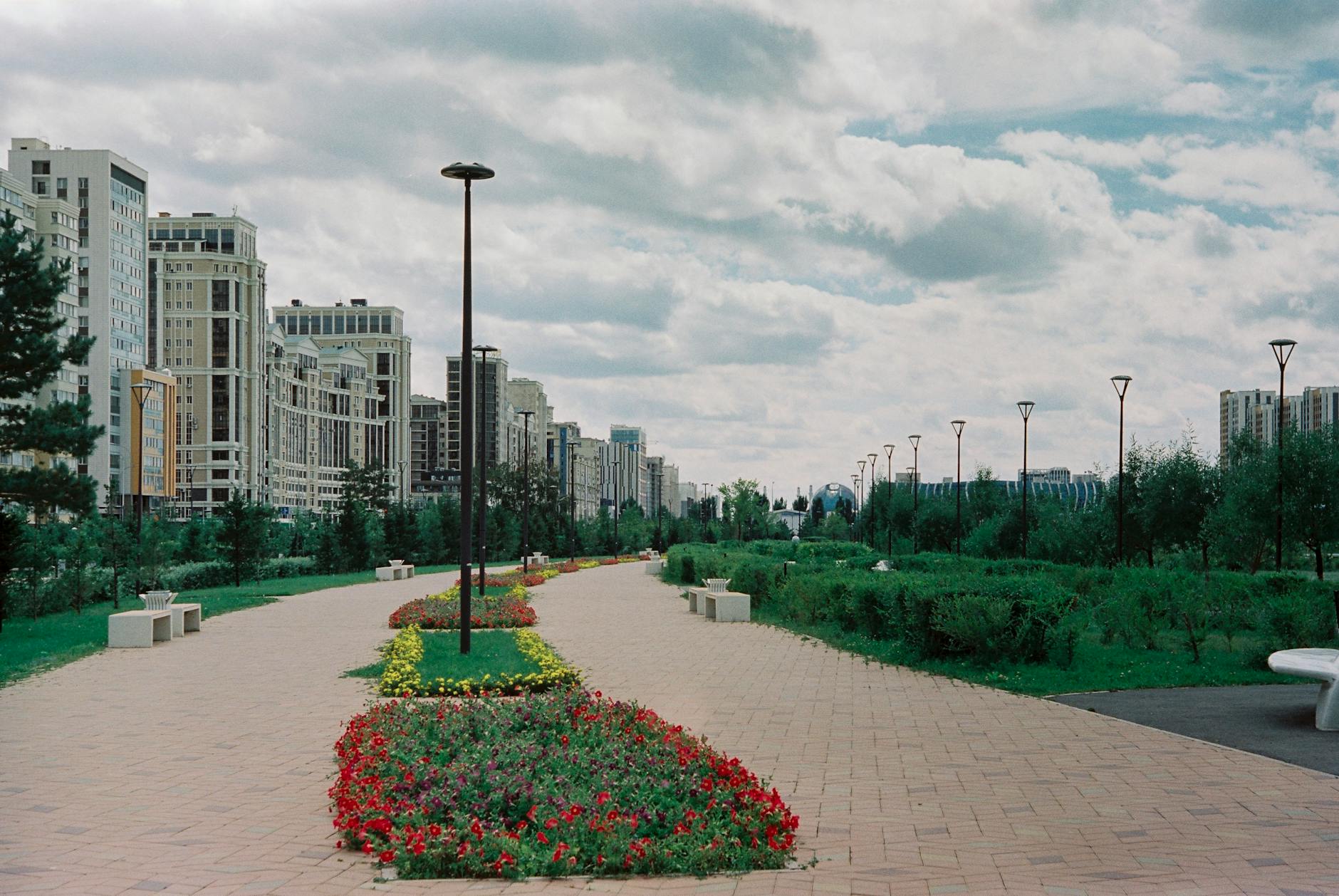
For a city on the open steppe, Astana has planted a lot of trees, and in summer the parks are where everyone ends up after work. Biggest of them is the Botanical Garden on the Left Bank, opened in 2018: glasshouses, ponds, bike lanes and enough space that it never feels full. Half a day goes quickly there in June or July. Entry is free; the glasshouses charge a small fee.
Along the Ishim, the embankment is two different places depending on the bank. By Baiterek, the new promenade has fountains, music and crowds. On the Right Bank, the old stretch between the Central Park and the railway bridge has big poplars, benches and men fishing in the evening. Rent a bike at the Central Park entrance and ride the loop. Pedestrian bridges connect the two banks, and the whole circuit takes about an hour at an easy pace.
Museums and Galleries Off the Main List
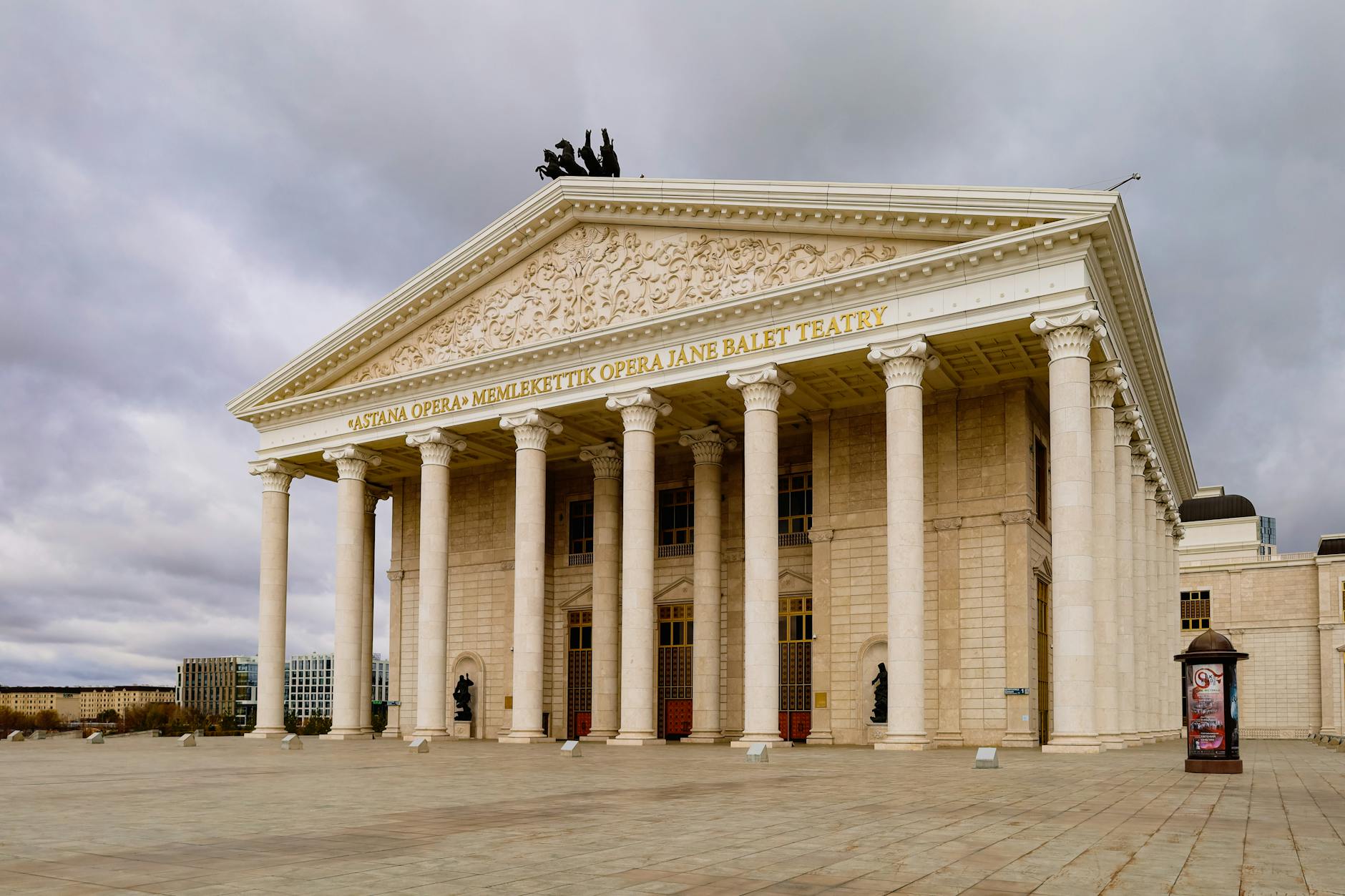
Astana Opera is the famous venue and worth a ticket if the season is on, with prices far below Vienna or Milan for the same repertoire. Next to the pyramid, the National Museum covers everything from Scythian gold to the move of the capital. Beyond those two, the Saken Seifullin Museum in a wooden house on the Right Bank tells the story of a Kazakh poet shot in 1938. In doing so it shows what Akmolinsk looked like before the glass towers. It is small and rarely busy.
Contemporary art lives in two places: the Kulanshi Center for Contemporary Art and the Has Sanat gallery. Both show Kazakh artists you will not see abroad, and both are free or nearly so. Check their social media for opening nights, which are the best way to meet people under forty in this city.
If you want the story behind the buildings told in order, tours of old and modern Astana usually take three to four hours and cover both banks. How the capital moved from Almaty in 1997, who drew the master plan, which buildings Norman Foster did and did not design: a guide fills in what the plaques leave out.
Where to Eat in Astana
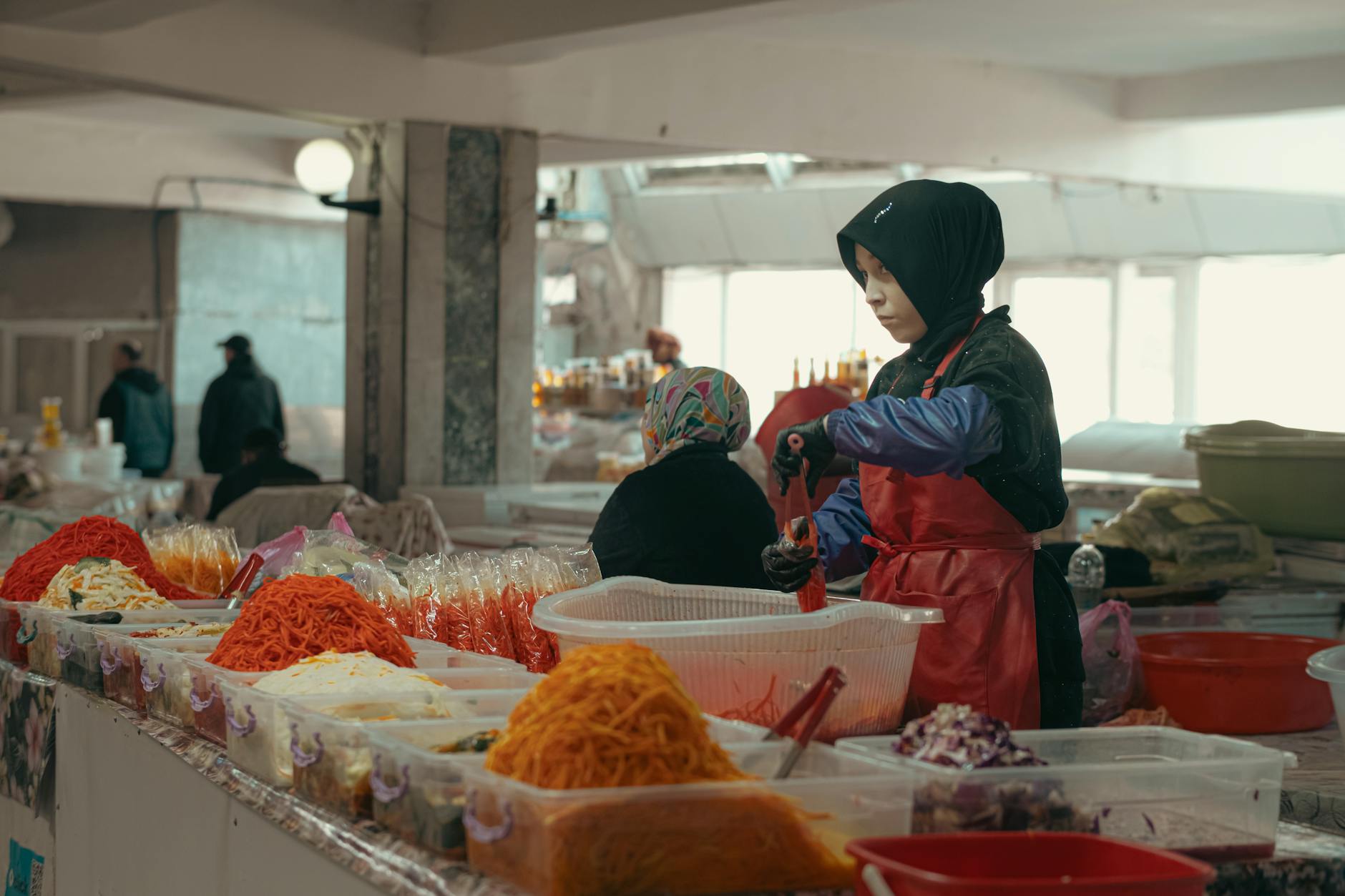
Kazakh food is meat, dough and dairy, in that order, and the best versions are in canteens and family restaurants, not in the hotel dining rooms. Lunch in a canteen costs a few dollars. Dinner in a proper Kazakh restaurant with a lamb dish and tea runs to 15 or 20.
Kazakh Dishes and Where to Try Them
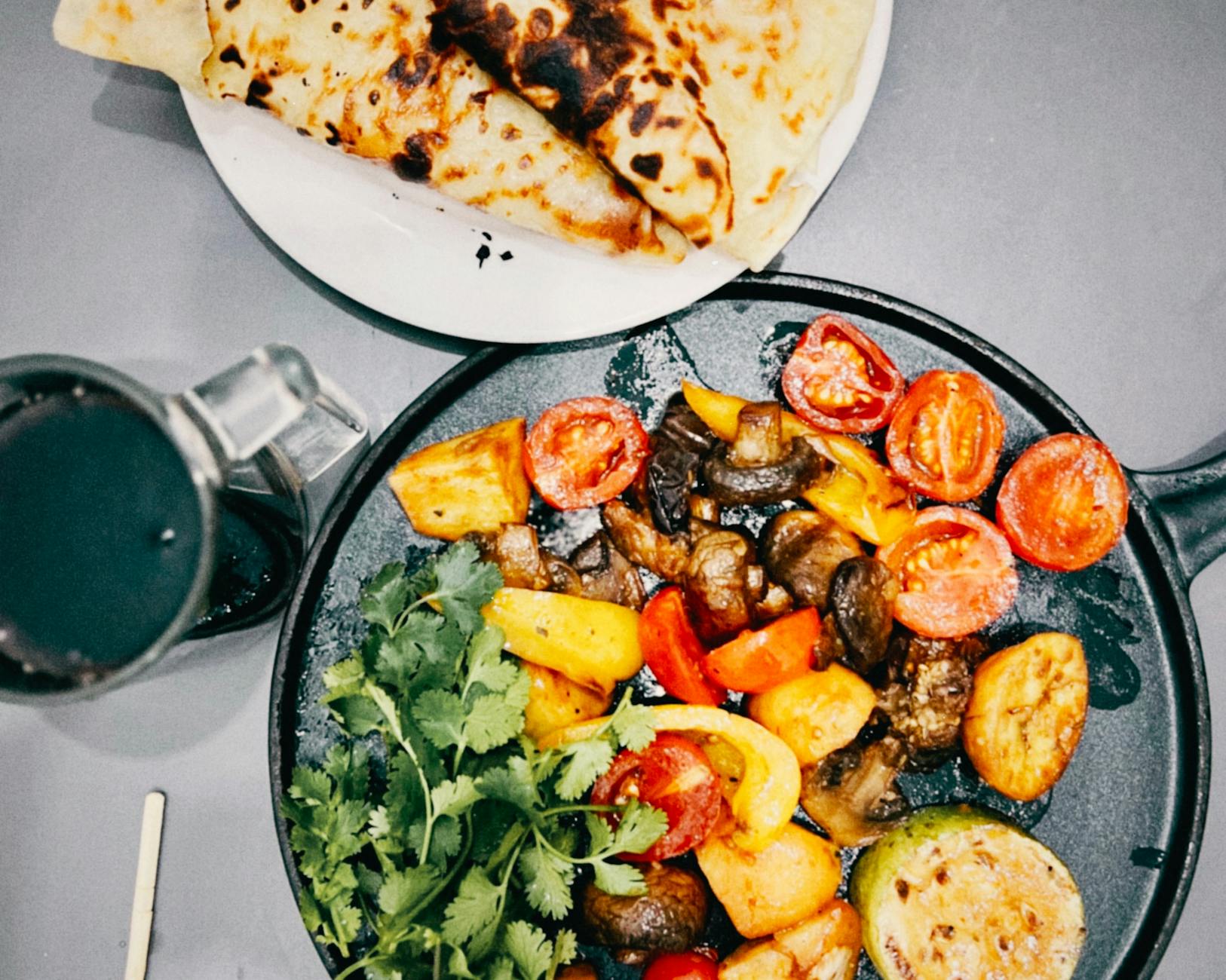
Order beshbarmak once. It is boiled horse or lamb on sheets of pasta with onion broth, served for sharing, and it is the dish every Kazakh family makes for guests. Tyubeteika and Dastarkhan are the standard recommendations for a traditional meal, and they earn it: large portions, mixed local crowd, menus in English.
For a modern take on the same ingredients, Qazaq Gourmet and Myaso i Vino cost about twice as much and are worth it for one evening. Other things to look for on any menu: kazy, a smoked horse sausage sliced thin as a starter; kuirdak, fried offal and potatoes, heavier than it sounds; baursaks, puffs of fried dough that come with tea everywhere. Kumys (fermented mare’s milk) and shubat (fermented camel’s milk) are sold in markets and some restaurants. Both are sour and fizzy. Try a glass, not a litre.
Coffee and Cake
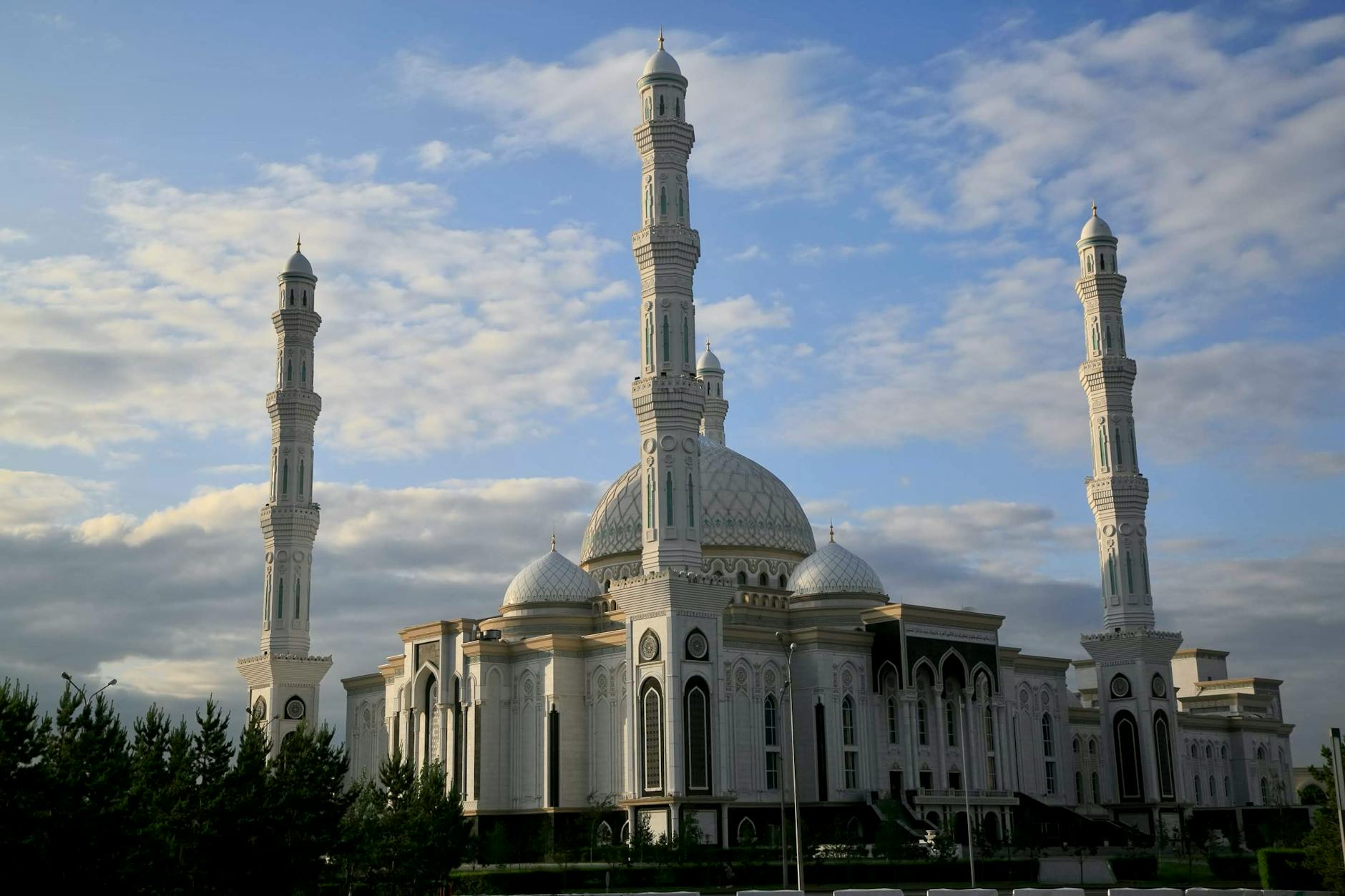
Specialty coffee arrived in Astana later than in Almaty but caught up fast. Coffee Boom and Traveler’s Coffee are the local chains, reliable and open late, full of students with laptops. Independent places hide on the ground floors of residential complexes such as Highville and Nursaya on the Left Bank: walk the inner courtyards and you will find three or four within a block, each with its own roast and a dozen seats. Prices for a flat white are in line with Eastern Europe, well below London.
For cake, Happy Cake is the name everyone gives you. Queues on weekends are real, and the honey cake is the reason.
Getting Around and Keeping Costs Down
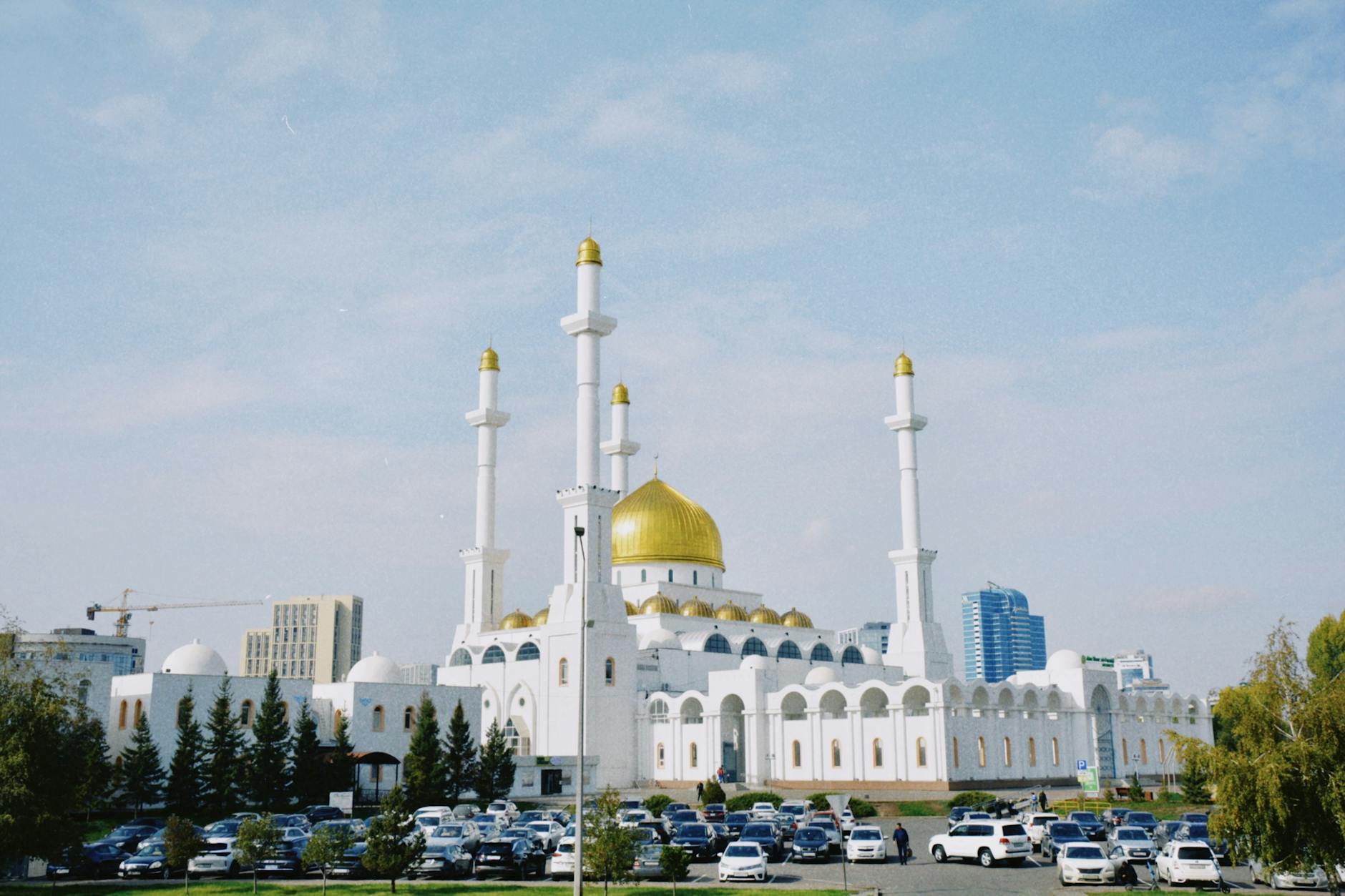
Astana was planned at car scale. Distances between Left Bank sights look short on the map and turn into 30-minute walks into the wind. Plan on transport, and plan on the weather: minus 30 in January is normal, plus 35 in July is normal, and the wind blows all year.
Buses, Taxi Apps and a Day Out of Town
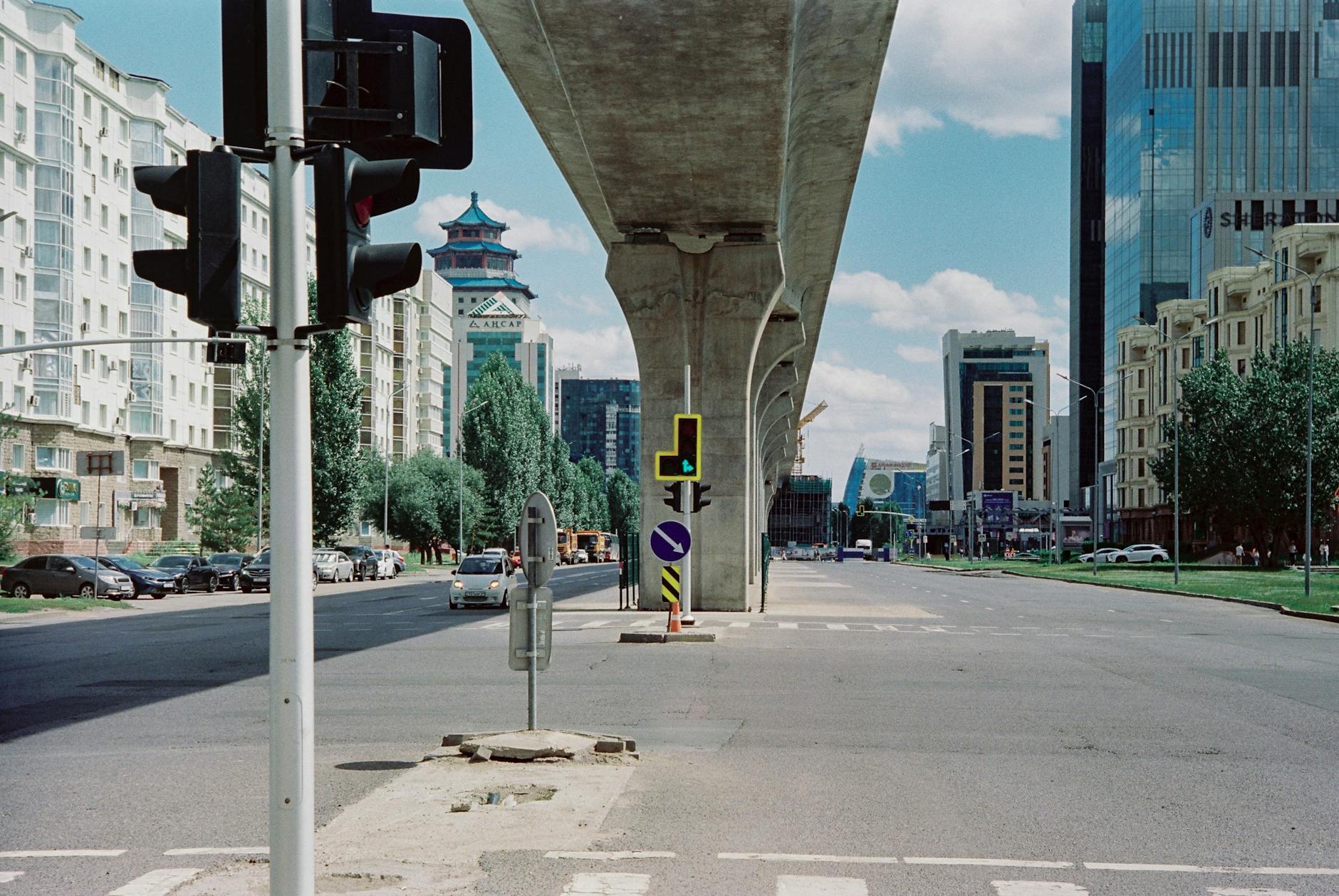
Buses are the only public transport, and they are better than the city’s reputation suggests. Vehicles are new and heated in winter. Routes run from early morning to around 11 pm. Pay with a bank card at the validator or a transport card from a kiosk; cash to the driver costs almost double. One ride is well under a dollar. 2GIS, the local map app, shows live bus positions and works offline, which is why residents use it instead of Google Maps.
Taxis are cheap by Western standards and the apps keep them honest. Yandex Go and inDrive both work; a ride across the river costs about the price of a coffee, and the airport to the centre is a few dollars more. Avoid the drivers who approach you at the airport doors. Car sharing has not taken hold, but renting a car makes sense for one specific trip: Burabay, also written Borovoe. It is a lake and pine-forest resort 250 km north, about three hours by road or by the morning train. Kazakhs call it the Switzerland of the steppe, which oversells it. Still, after two days of glass and concrete, granite cliffs and quiet are exactly right. A day trip to Borovoe with a driver solves the problem of the return train selling out.
Where the Budget Goes
Accommodation is the main cost, and it varies more than in most capitals. Left Bank five-stars such as Rixos President and Beijing Palace Soluxe charge European prices. Three-star chains like Ibis and Comfort Hotel cost a third of that. So do the small guesthouses on the Right Bank, which also put you within walking distance of the markets and canteens. For the lowest budgets there are decent hostels in Astana with private rooms in the old town. Food is cheap if you eat where the city eats; it is only expensive in the malls and the hotels.
Most state museums have a free day each month and student discounts on the rest; check the website before paying. Most of the best things here cost nothing anyway: the parks, the river loop, the galleries, the light show on the Baiterek side of the river after dark, and the free outdoor concerts the city puts on in summer around Independence Square and the embankment.
Souvenirs and Viewpoints
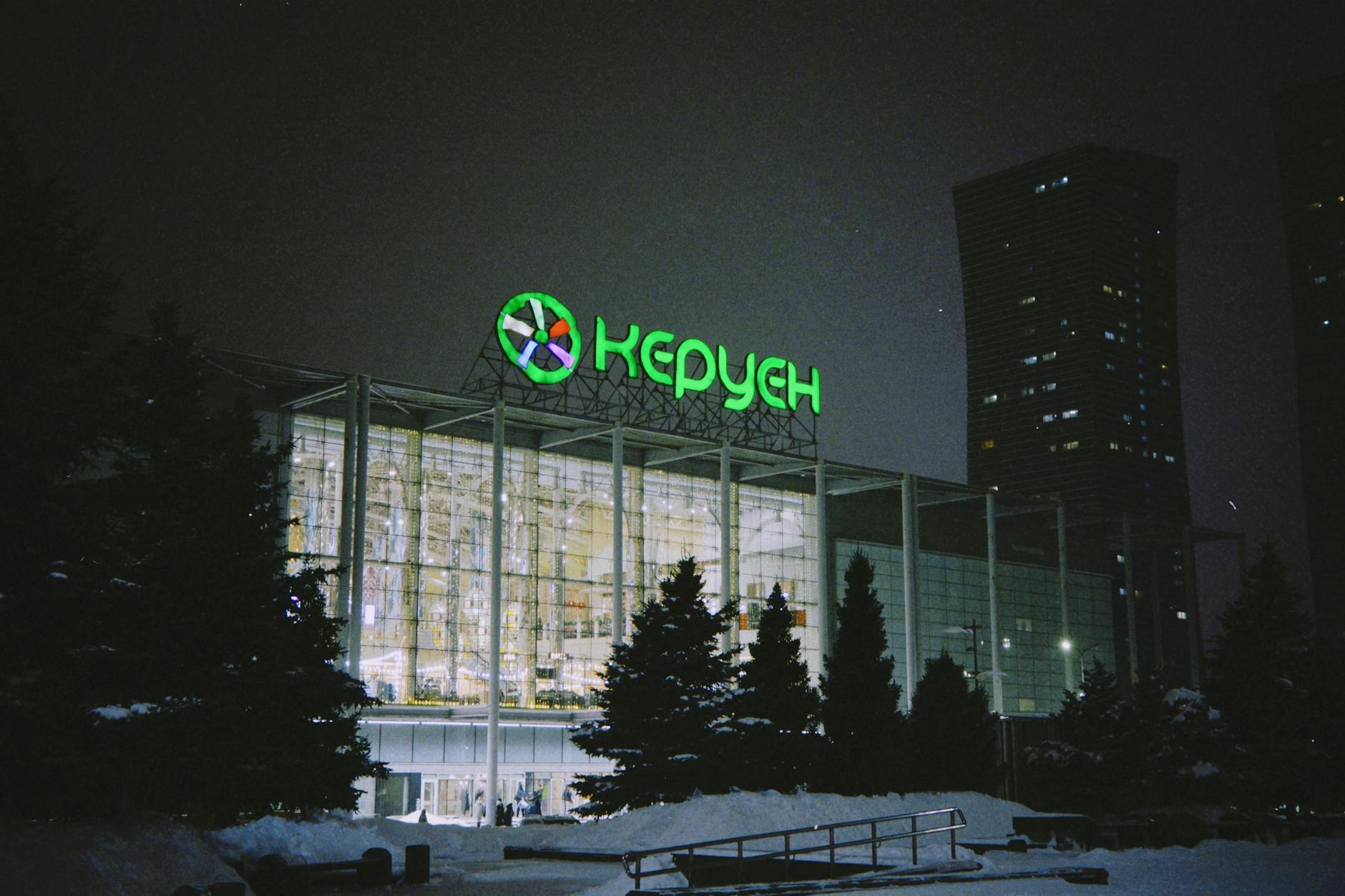
Baiterek’s observation deck gives the classic view down the boulevard, and it is worth the ticket once. Cheaper repeat views come from the top-floor cafes in the Khan Shatyr and Keruen malls, where a coffee buys you a panoramic window, and from the pedestrian bridges over the Ishim at sunset, which cost nothing.
Skip the souvenir stalls under Baiterek. Artyom, the central market on the Right Bank, has felt slippers, camel-wool blankets, dried fruit, horse sausage vacuum-packed for travel, and tea sold by weight, all at local prices. Nearby, the Asem shopping centre has the jewellery and leather stalls. Bargaining is normal at the market and pointless in the shops. Kazy and kumys do not travel well; felt and silver do.
Evenings and Days with Children
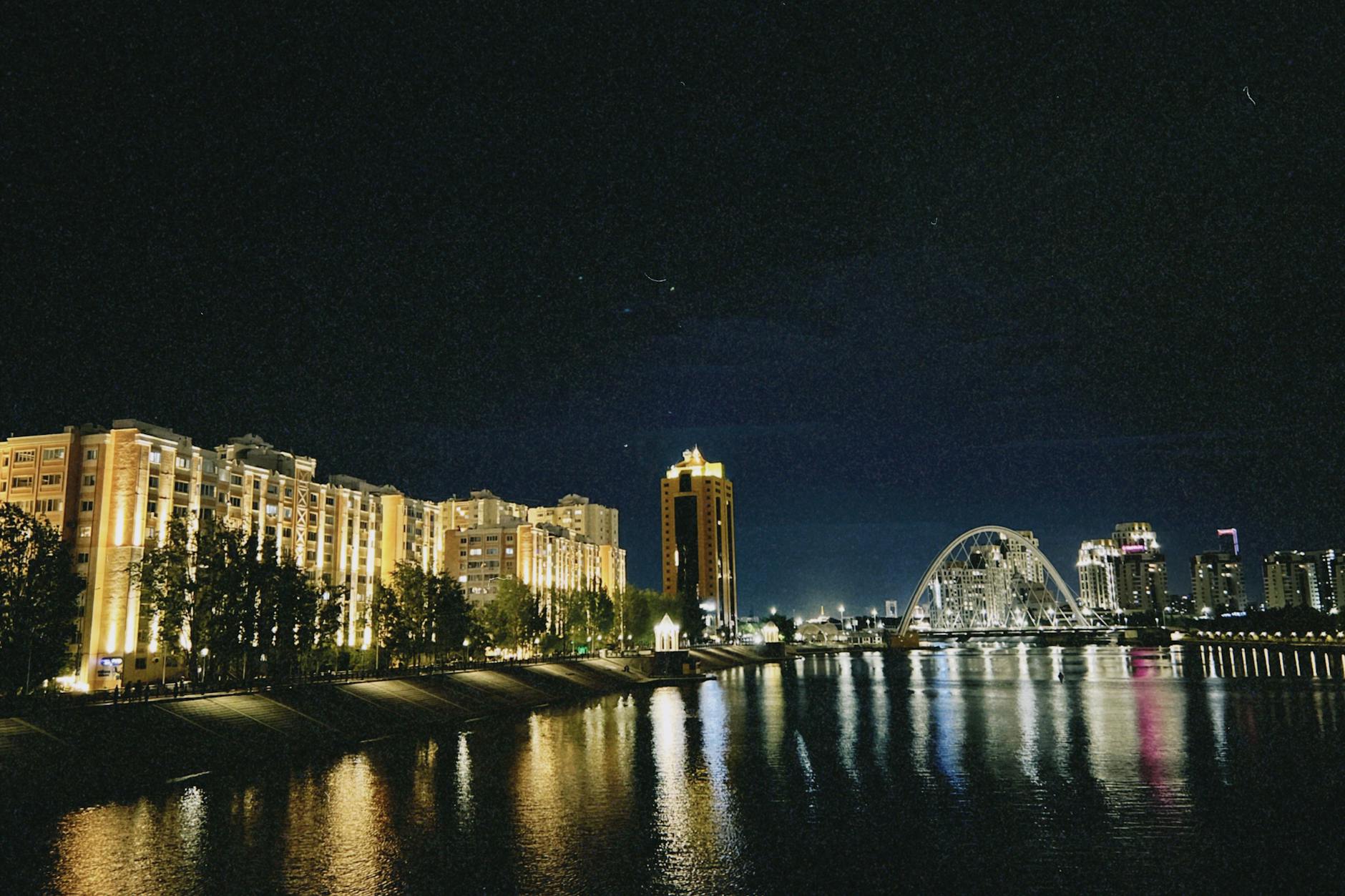
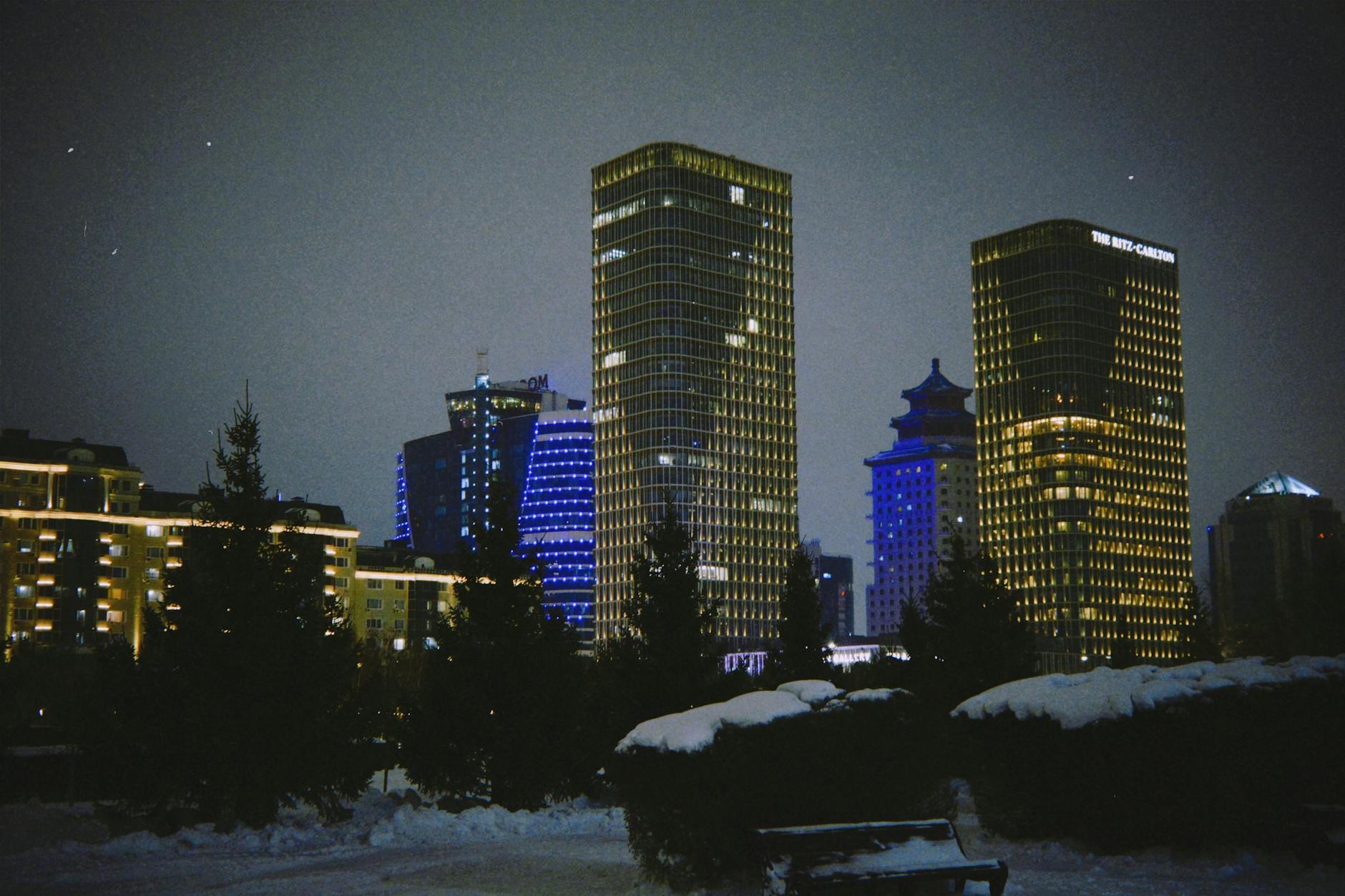
After dark the Left Bank switches on. Every major building is lit and the fountains on the embankment run to music. Walking from Khan Shatyr to the river takes an hour if you stop for photos. That is the one evening everybody does. Other nights need a little more planning.
Theatres, Bars and Tea
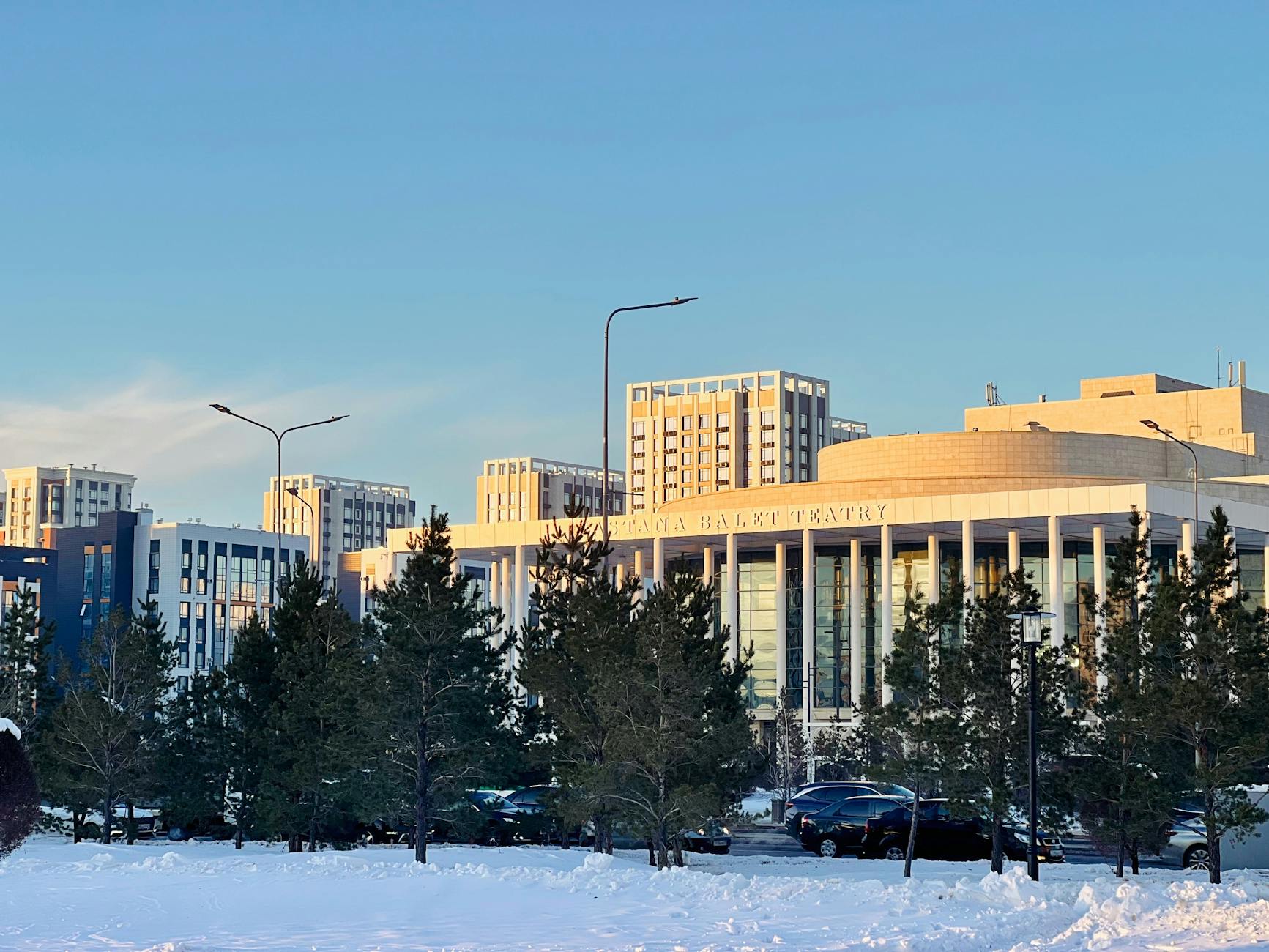
Residents go to the theatre more than visitors expect. Astana Musical stages modern productions, and the Gorky Russian Drama Theatre has a solid repertoire, mostly in Russian. Tickets at both are a fraction of European prices and sell out on weekends. Bars cluster on the Left Bank around Kabanbay Batyr Avenue and on the Right Bank near Respublika Avenue. Bar 25 and The Shoreditch are the usual names, with live music on Fridays and a crowd that is local rather than expat.
A quieter evening is the more typical one: a long sit in a cafe over a pot of tea, which is how Kazakh hospitality works at home too. For a guided version, the evening Astana walking tour called “6 Places Where the City Comes Alive” ends with a tea ceremony. It is a reasonable way to spend the first night if you arrive alone.
Astana with Kids
Astana is good with children because it was built for families moving from Almaty with small kids. Arai Park has rides, playgrounds and pedal boats on the pond; the Central Park on the Right Bank hosts weekend events and has a small amusement area by the river. Both are free to enter, with rides paid separately.
For bad weather, which in Astana means half the year, the indoor amusement park inside Khan Shatyr fills a whole afternoon. Duman Oceanarium, the furthest aquarium from any ocean in the world, has a shark tunnel that works on children of any age. Both are on the Left Bank and reachable by bus from anywhere in the city.
Three Days in Astana
Day one is the Left Bank: Baiterek in the morning, the National Museum, the pyramid, Khan Shatyr at sunset, the lit embankment after dinner. Day two is the Right Bank: Artyom market early, the Seifullin museum, lunch in a canteen, the bike loop along the river, a theatre in the evening. Day three is Burabay, leaving before eight and back by dark. Add a fourth day only if the opera season is on or you want the Botanical Garden at a slow pace.
Pack for the wind in any season, download 2GIS before landing, and keep a few thousand tenge in cash for the market. Everything else in this city takes a card, including the bus.


