

When I first started planning my trip, Singapore felt like something out of a sci-fi movie – a futuristic city, all gleaming skyscrapers, perfect roads, and, of course, absolutely sky-high prices. Lots of folks told me that saving money in Singapore was pretty much impossible, and it was only for those ready to splurge without a second thought. But my inner explorer always loves a challenge, and I decided to prove that a budget vacation in Singapore isn’t just a myth; it’s a totally achievable reality. I spent a whole week there, and I can confidently say: if you know the secrets, you can get maximum experiences without emptying your wallet. In this article, I’m going to share all the hacks that’ll help you organize a cheap trip to Singapore, without losing an ounce of comfort or fun. Let’s figure out how to make sure how much a trip to Singapore costs becomes a pleasant surprise, not a shock.
Myths and Reality: Is Singapore Really That Expensive?

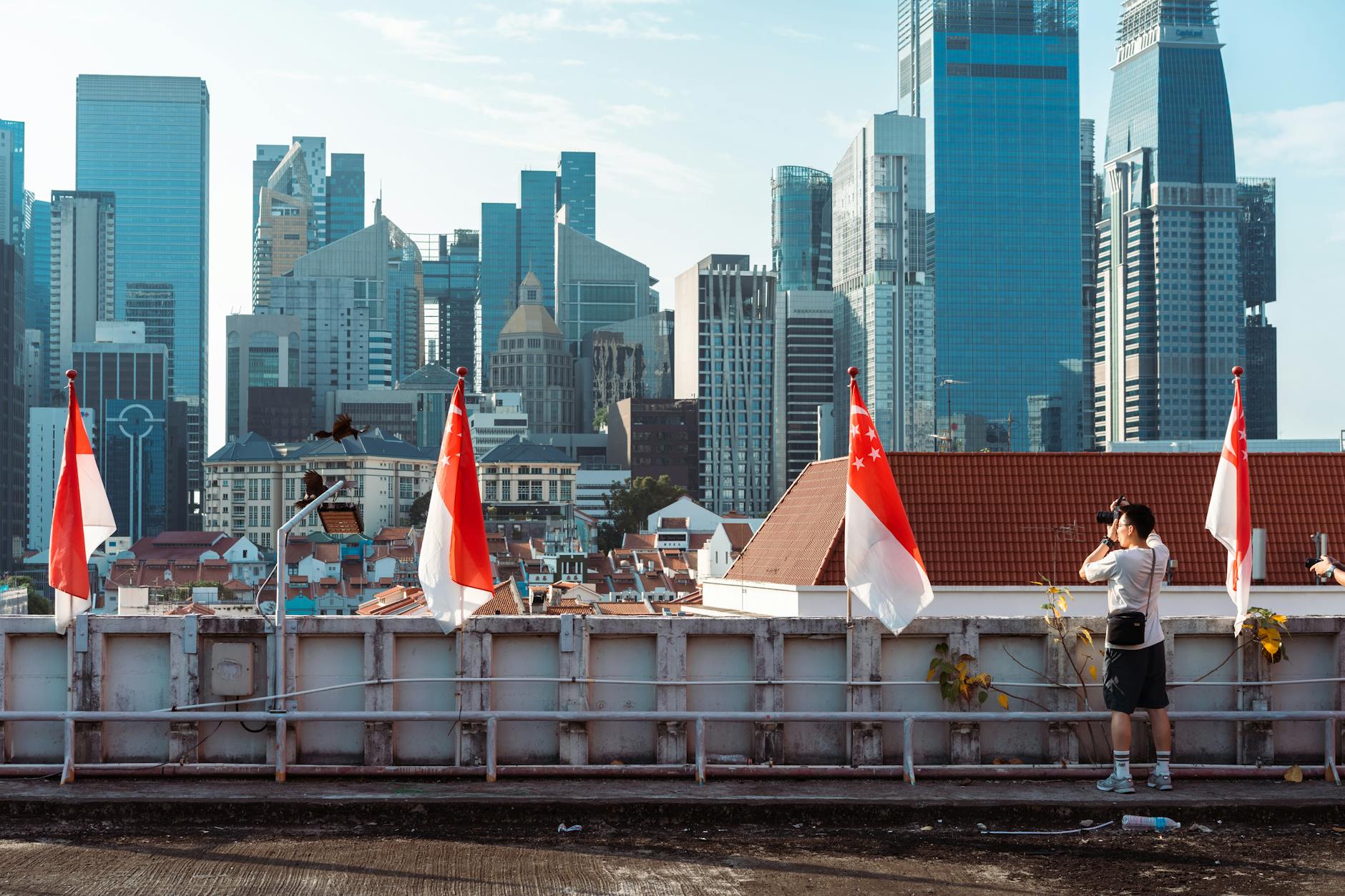
Before we dive into the nitty-gritty of saving, let’s just bust the biggest myth right off the bat. Yes, Singapore is one of the world’s priciest countries by many measures, especially if we’re talking about buying a car or renting long-term. But that absolutely doesn’t mean tourism here is automatically ruinous. Prices for some things, like cigarettes or booze, really do bite, but you can actually find pretty reasonable options for food, transport, and even accommodation. Honestly, I found that a lot of those stereotypes about Singapore’s exorbitant cost are pretty exaggerated, at least for travelers. The main thing is planning and knowing the local quirks. My goal was to figure out how to cut costs in Singapore as much as possible, without sacrificing any of the awesome experiences.
Singapore, it’s this incredible mix of cultures, futuristic architecture, and lush tropical greenery. Honestly, there’s something here for everyone, whether you’re a foodie chasing gastronomic adventures or someone who just loves a quiet stroll through parks. And the best part? So many of these experiences are totally free or cost very little. The key is not to fall for the seemingly expensive options right away; you’ve got to look for alternatives. Think cozy hawker centers instead of fancy restaurants, and efficient public transport instead of pricey taxis. I truly saw that this city is ready to open its arms even to those traveling on a shoestring budget. If you’re keen to really dive deep into the vibe of this amazing place, but without overspending, I can recommend Singapore with Soul to discover the city’s less obvious side.
How to Get There and Get Around the City on a Budget
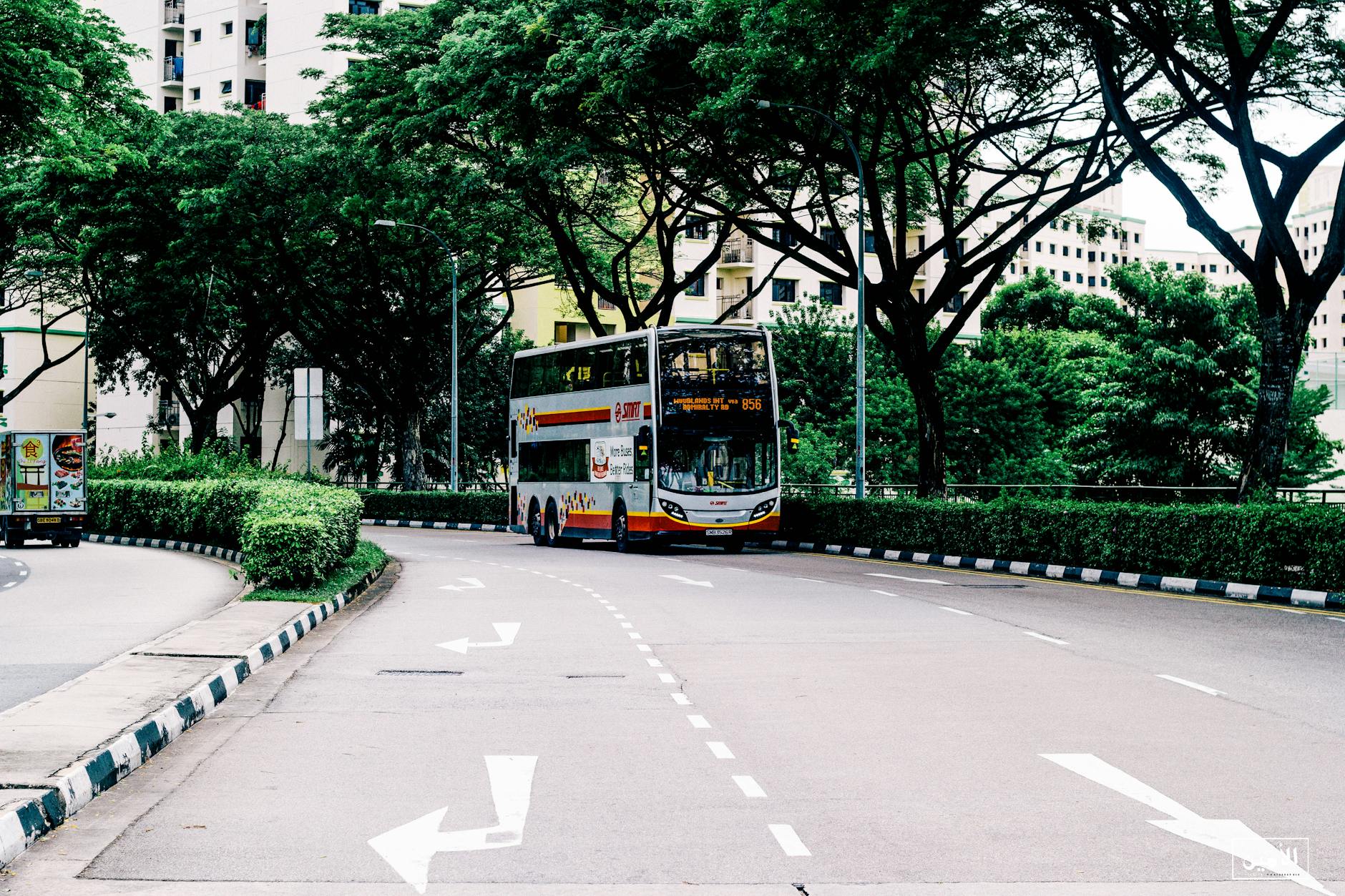
Flights and Transfers
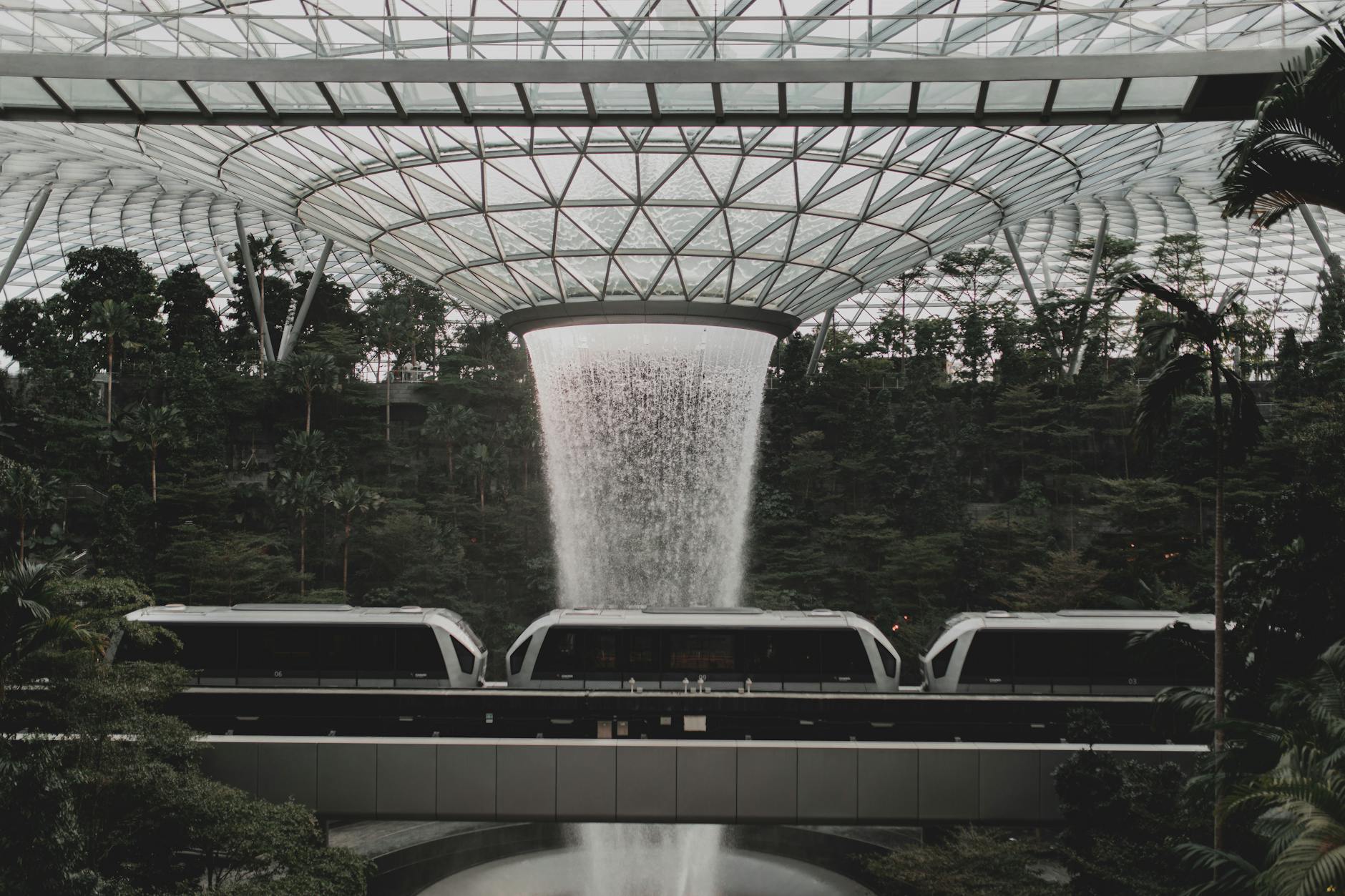
The very first step to saving money actually starts before you even land – and that’s, of course, booking your flights. The cost of airfare can easily eat up a huge chunk of your trip budget, so you really need to tackle this responsibly. I always monitor prices way in advance and try to buy tickets several months before I plan to go. Make sure to use aggregators to compare offers from different airlines. For example, I’d definitely look for flights to Singapore on Aviasales; it really helps sniff out the best options. Flexible departure dates also make a massive difference to the price; sometimes shifting by just a day or two can save you a pretty decent sum.
Once you’ve landed at the famous Changi Airport, don’t rush to grab a taxi. It’s comfy, sure, but not exactly budget-friendly. The airport is actually super well-connected to the city by the MRT network. A metro ride to the city center will take you about 30-40 minutes and only cost a few Singapore dollars. Seriously, it’s the easiest and cheapest way to get to your accommodation. Now, if you’ve got a ton of luggage or you’re traveling with a big group, you could look into pre-booking an airport transfer – that’ll be better value than hailing a taxi on the spot, and definitely more comfortable than public transport with loads of bags. But for most travelers, the metro is absolutely the best choice.
Public Transport in Singapore

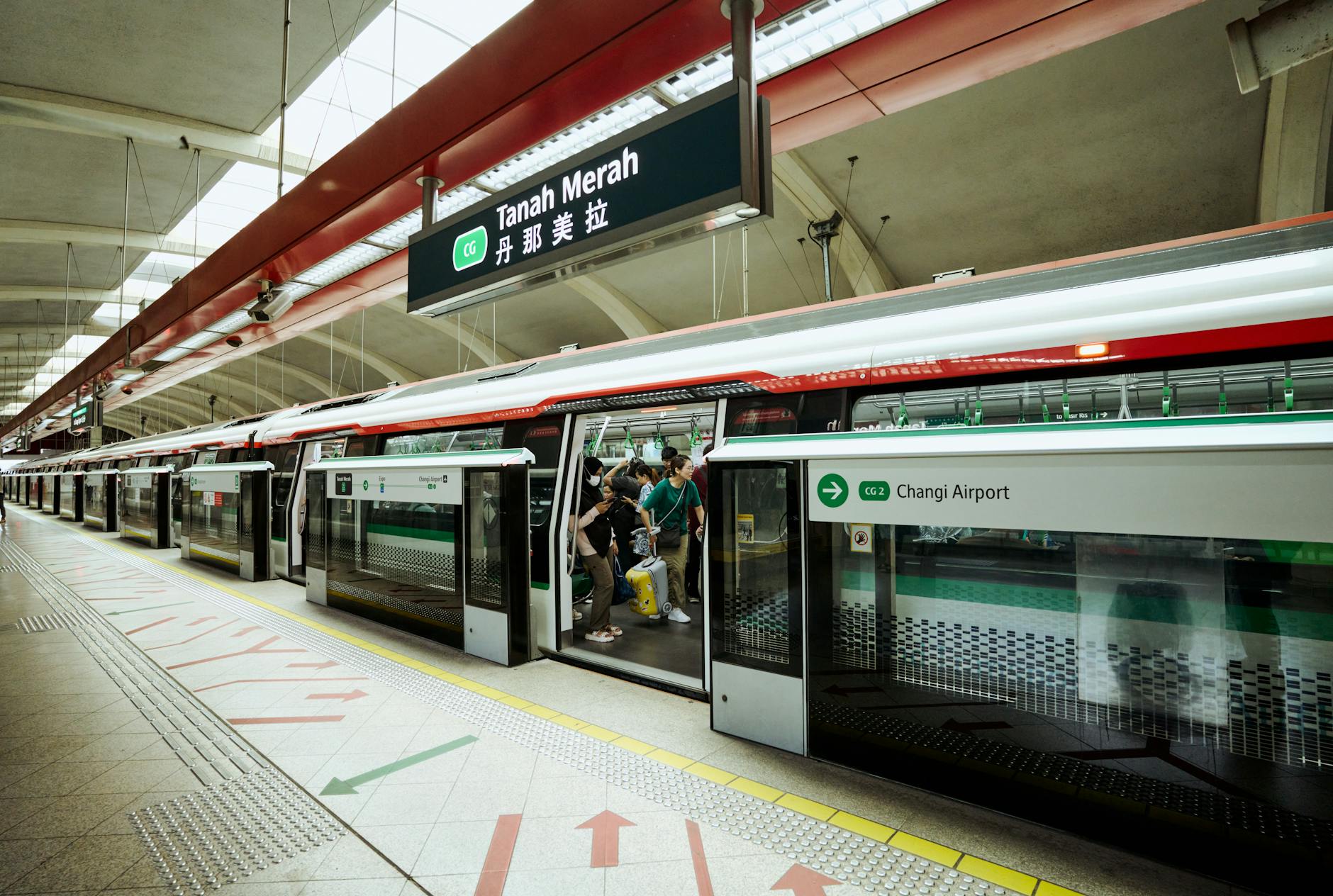
Getting around Singapore is an absolute pleasure, and honestly, that’s no exaggeration. They’ve got one of the best and most efficient public transport systems in the world here. The MRT (metro) and buses pretty much cover the entire city, and what’s super important – it’s incredibly budget-friendly. I barely used taxis, just once actually, when I needed to get to the airport super fast at an awkward hour. For all my other movements, I always picked the MRT or a bus. You’ve got a few options for paying your fare:
- EZ-Link Card: This is a top-up card, kind of like London’s Oyster card. You can buy it at any MRT station or in 24-hour 7-Eleven stores. It costs around 10 SGD (that includes a 5 SGD non-refundable card cost and 5 SGD pre-loaded balance). With it, your rides work out cheaper than buying single-trip tickets.
- Singapore Tourist Pass: If you’re planning to use public transport a lot over 1-3 days, this is a brilliant option. The card gives you unlimited rides on the MRT and buses. It costs 10 SGD for 1 day, 16 SGD for 2 days, and 20 SGD for 3 days (plus a 10 SGD deposit, which you get back when you return the card). I picked one up for two days, and it totally paid for itself.
- Contactless Bank Cards: If your card supports contactless payments, you can just use it directly. The system automatically calculates the fare. It’s convenient, but sometimes the fees might be a bit higher than with an EZ-Link.
Just remember, there are pretty strict rules on Singapore’s MRT and buses: no eating, no drinking, and absolutely no littering. The fines are seriously high, so it’s really not worth risking it. Honestly, Singapore’s public transport is your key to figuring out how to travel Singapore on a budget and see as much as possible.
Where to Stay: Budget Accommodation in Singapore
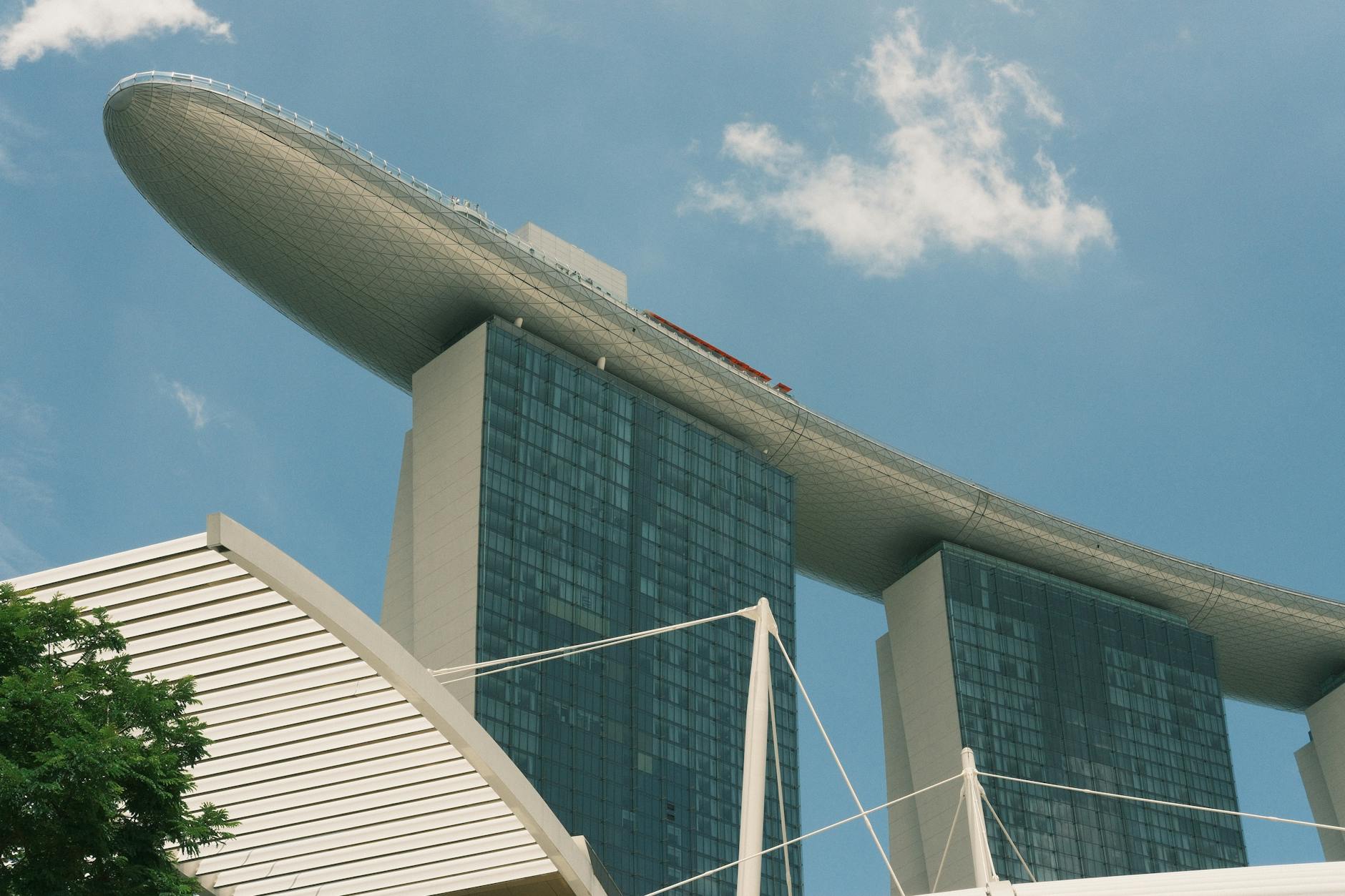
Accommodation, that’s probably the biggest expense if you don’t know how to live cheaply in Singapore. The five-star hotels here are absolutely mind-blowing, but their prices are, well, exactly what you’d expect. However, there are tons of ways to find budget accommodation in Singapore without sacrificing safety or cleanliness, which is super important.
Hostels and Budget Hotels

For anyone looking for the cheapest possible option, hostels in Singapore are a lifesaver. They’re usually super clean, really modern, and often offer capsule beds, which give you way more privacy than regular bunks in shared dorms. I actually stayed in one of these hostels in the Little India area, and it was a great experience. A night in a capsule hostel usually runs from 20 to 40 SGD. Plus, lots of hostels throw in free breakfast, which is an extra saving bonus.
If hostels aren’t really your thing, you can definitely look into cheap hotels in Singapore, but you’ll need to do a bit of searching. These are typically 2-3 star hotels, often found in ethnic neighborhoods like Geylang, Little India, or Chinatown. In these areas, you can stumble upon smaller, but really cozy guesthouses. For instance, in the Geylang area, you’ve got options like Fragrance Hotel – Oasis or ibis budget Singapore Joo Chiat. Sure, it won’t be a luxurious room with a Marina Bay view, but cleanliness, air conditioning, and your own private bathroom are pretty much guaranteed. Prices usually kick off from 70-100 SGD per night. And definitely book in advance, especially if you’re traveling during peak season.
Here’s another little hack: check out guesthouses or mini-hotels in Chinatown. They’re often set up in old shophouses, which really adds a unique local vibe. The facilities there might be a bit simpler, but on the flip side, you get to immerse yourself in the city’s authentic atmosphere. Anyway, the choice of budget accommodation in Singapore is pretty wide, especially if you’re okay with stepping a little outside the main tourist hubs.
Where and How to Eat Cheaply in Singapore

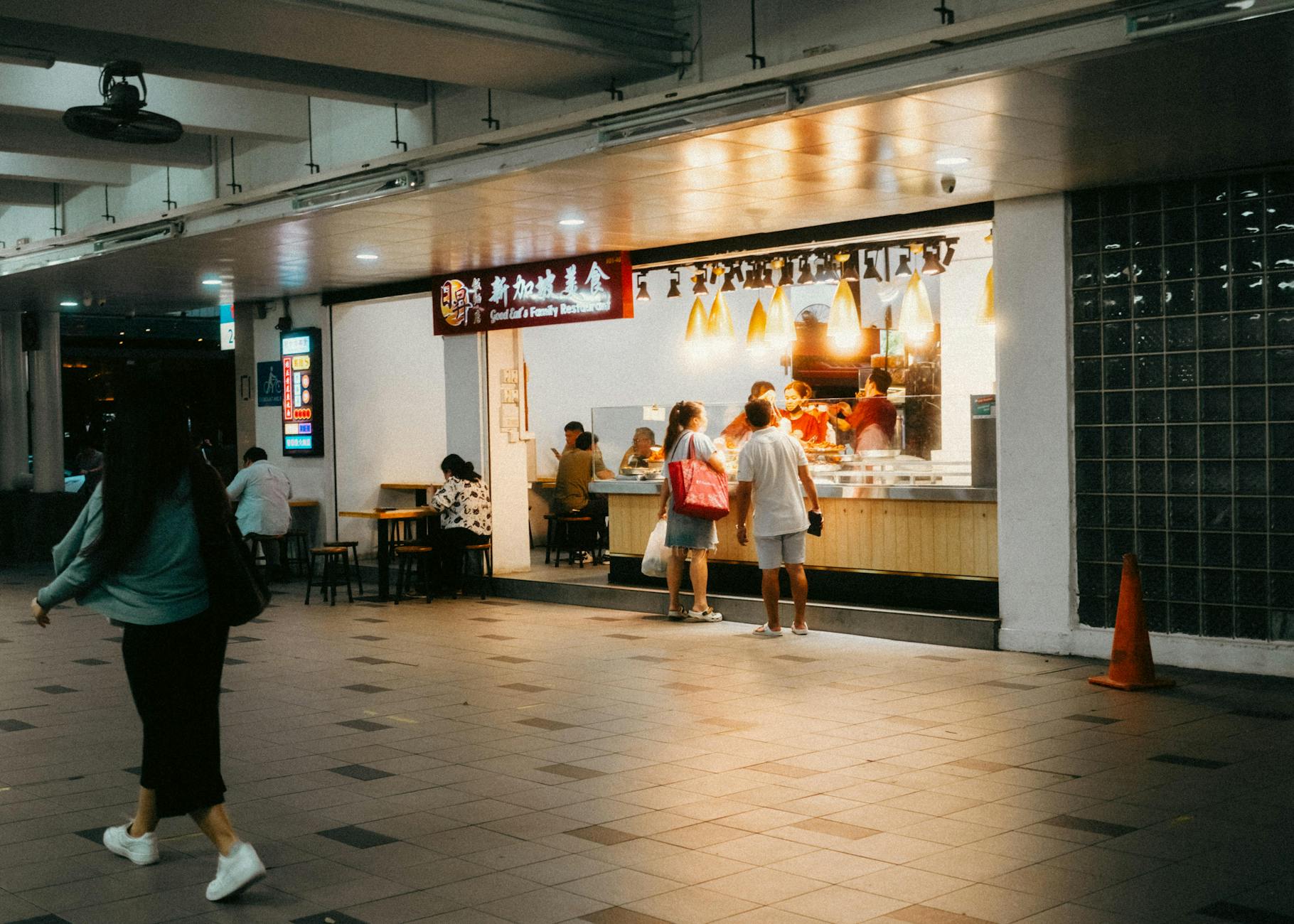
Now, here’s where Singapore truly blows your mind with its affordability – the food! Seriously, forget about fancy restaurants if you’re trying to eat cheaply in Singapore. The whole gastronomic culture here revolves around what they call hawker centers and food courts, and for a budget traveler, it’s just pure paradise. I could eat three times a day, try new dishes, and still spend less than I would on a single lunch at some European cafe.
Food Courts and Hawker Centres
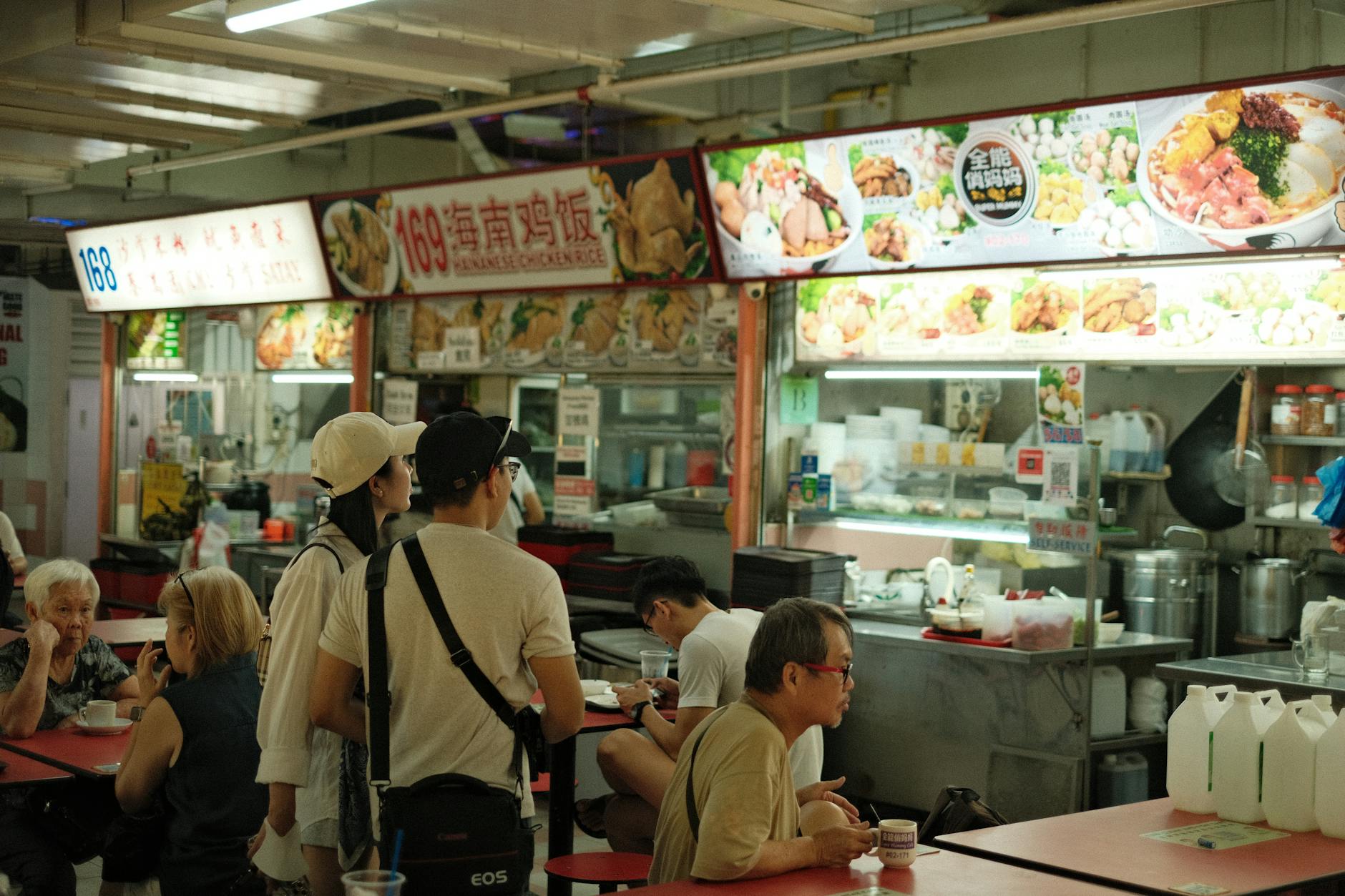
Hawker centers are these massive open or covered spaces packed with dozens, sometimes even hundreds, of tiny stalls, each specializing in one or a few dishes. You can find pretty much every Asian cuisine here: Chinese, Malay, Indian, Indonesian, Thai, and, of course, Singaporean. The portions are huge, the food’s fresh, and the prices? Just unbelievable! Here are my favorite hawker centers:
- Lau Pa Sat: This one’s right in the heart of the business district, in a stunning Victorian building. It’s always bustling with both tourists and locals. In the evenings, they close off part of the street, and it transforms into “satay street” – dozens of stalls grilling up satay skewers. You absolutely have to check it out!
- Maxwell Food Centre: Famous for its Chicken Rice from the Tian Tian Hainanese Chicken Rice stall, which actually earned a Michelin star! The queue there can get long, but trust me, it’s totally worth it.
- Tiong Bahru Market Hawker Centre: One of the oldest and most authentic hawker centers around. This is where you can try real local food, mostly frequented by Singaporeans themselves.
- Chinatown Complex Food Centre: The biggest hawker center in Singapore, with a massive selection of dishes. There’s even another Michelin-starred stall here, serving up soy sauce chicken noodles for just a few dollars.
I usually spent between 3 and 7 SGD for lunch or dinner at a hawker center. That’s just unbelievably good value! So, if you’re wondering about food prices in Singapore that won’t break the bank, hawker centers are definitely your answer. And if you’re keen to learn more about the city’s culinary culture and try some real delicacies with a local guide, I can totally recommend the Evening Gastronomic Singapore tour.
Food and Drink Prices

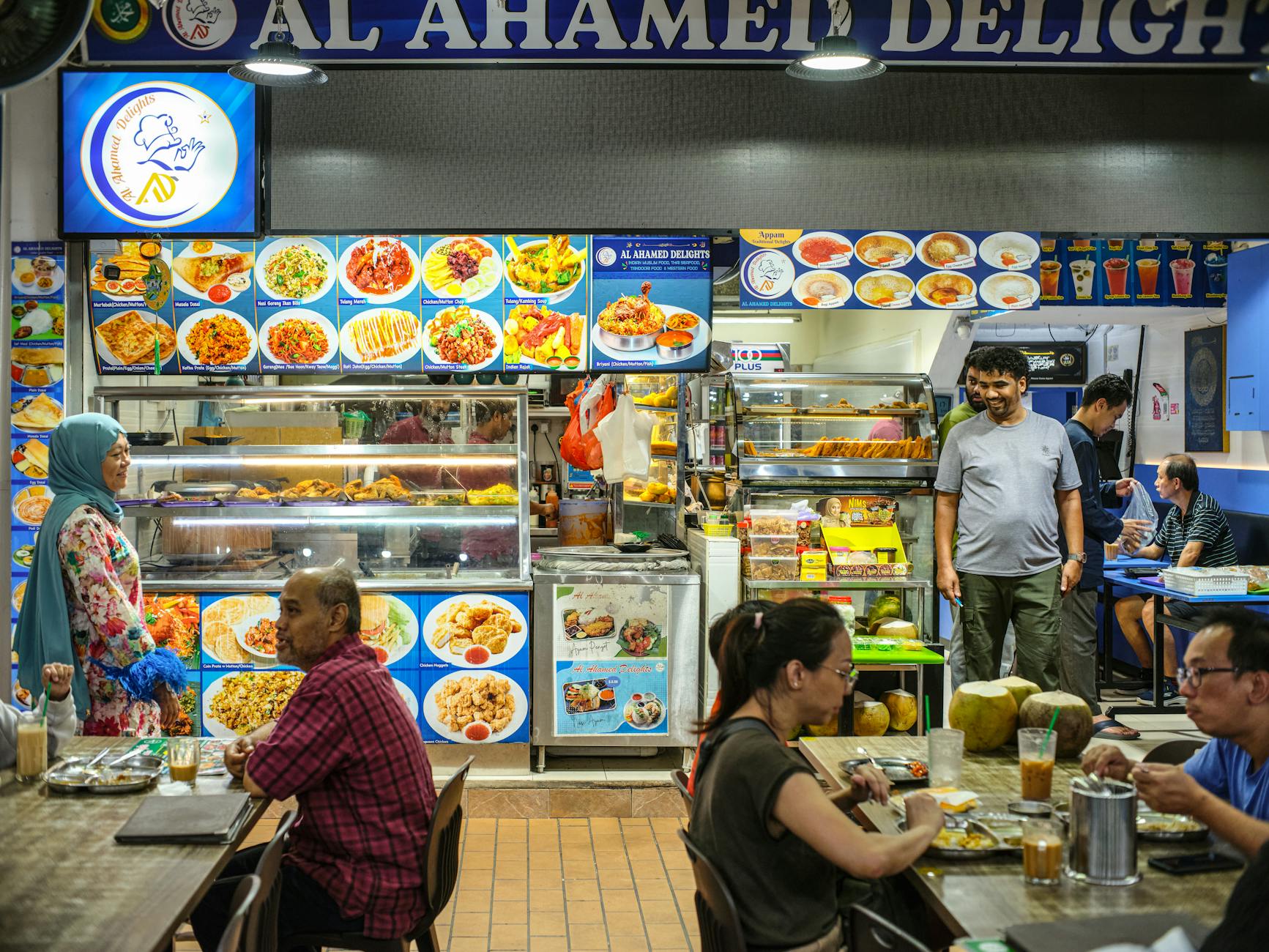
Besides the hawker centers, there are still a few other ways to eat cheaply in Singapore. Supermarkets are an excellent option for breakfasts and snacks. I often picked up fruits, yogurts, pastries, and juices, which really helped me save money in Singapore. An average breakfast, if you make it yourself or buy it at a supermarket, will cost around 5-10 SGD. Coffee in regular cafes runs about 3-6 SGD, but in “kopi tiam” coffee shops – it’s just 1.5 to 2.5 SGD. Bottled water costs about 1-2 SGD, but lots of hostels and public places offer free drinking water fountains, which also seriously helps cut costs in Singapore.
As for alcohol, you’ve really got to be ready for the high prices here. A beer in a bar can easily set you back 10 to 15 SGD for a pint. It’s cheaper in supermarkets, but still pricier than in most other countries. If you’re a fan of a drink, it’s way better to buy your alcohol at duty-free in the airport when you arrive; that’ll be much more cost-effective. But honestly, Singapore is so jam-packed with experiences that I rarely even thought about alcohol.
Free and Budget-Friendly Activities in Singapore


A huge plus for Singapore is that so many of its main attractions are either completely free or cost very little. This lets you significantly cut costs in Singapore and still get maximum experiences without taking a hit to your budget. I really saw firsthand that free activities in Singapore are so numerous and varied that you could easily spend several days here without dropping a single cent on entrance tickets.
Walks and Parks

They don’t call Singapore the Garden City for nothing. There’s a massive amount of greenery, parks, and gardens here, and so many of them are completely free to visit:
- Gardens by the Bay: These Gardens by the Bay are Singapore’s absolute postcard icon. Wandering around the grounds with those futuristic “Supertrees” is completely free. Every evening, there’s a stunning light and music show called Garden Rhapsody, which you can also catch for free. Entry to the Flower Dome and Cloud Forest conservatories is ticketed, but if your budget’s tight, you can still totally enjoy the view from outside. Though, if you do decide you want to see these gardens of Singapore from the inside, it’s honestly worth it.
- Botanic Gardens: This is the first and only tropical garden to be listed as a UNESCO World Heritage site. Entry is free, except for the National Orchid Garden. You could easily spend hours here, strolling along the picturesque pathways, just soaking in the nature and quiet.
- Merlion Park: Probably Singapore’s most recognizable symbol – the Merlion statue, that mythical creature with a lion’s head and a fish’s body. The park sits right on the bay, offering a fantastic view of Marina Bay Sands. It’s a perfect spot for photos or just to sit and enjoy the scenery.
- Southern Ridges: This is a chain of parks and bridges connecting several green areas. The most famous section is Henderson Waves, the highest pedestrian bridge in Singapore. You can really get in a great, multi-hour walk here, with panoramic views of the city and the port.
- Sentosa Island: Access to the island itself is free if you walk across the Sentosa Boardwalk (it’s about a 15-20 minute stroll from VivoCity shopping center). There are beaches on the island you can walk along for free. Of course, the main attractions (Universal Studios, water parks) are paid, but even just walking around the island is already a pleasant experience. If you want to explore Sentosa Island thoroughly, there are many tour options available.
Museums, Temples, and Cultural Heritage

Many museums in Singapore actually offer free entry on certain days or hours, and some are just free all the time. For example, you can visit the Singapore City Gallery or the ArtScience Museum (which is paid, but worth considering). Plus, free activities in Singapore definitely include visiting the numerous temples and mosques dotted around the ethnic neighborhoods:
- Chinatown: Take a wander through the vibrant streets, and pop into temples like the Sri Mariamman Temple (Singapore’s oldest Hindu temple) and the Buddha Tooth Relic Temple. It’s a deep dive into history and culture that costs absolutely nothing.
- Little India: Here too, you can freely visit colorful Hindu temples, such as the Sri Veeramakaliamman Temple, and really soak in the atmosphere of India with its spice aromas and bright saris.
- Kampong Glam: This used to be the Malay quarter, and it boasts the impressive Sultan Mosque. Lots of shops here sell interesting souvenirs and fabrics, but even just strolling along the streets with their cool street art and cozy cafes is a treat in itself.
If you’re looking to learn even more about these amazing neighborhoods and their history, there’s a fantastic Cultural Heritage of Singapore tour that covers Little India, Kampong Glam, and Chinatown.
Evening Singapore: Light and Music

In the evening, Singapore totally transforms, turning into a city of light and color, and so many of these spectacles are completely free:
- Spectra Light and Water Show at Marina Bay: Every evening, right on the promenade in front of the PARKROYAL COLLECTION Marina Bay, Singapore, there’s an impressive fountain, light, and laser show. You can find out the schedule when you’re there. This spectacle is absolutely mesmerizing and costs nothing at all.
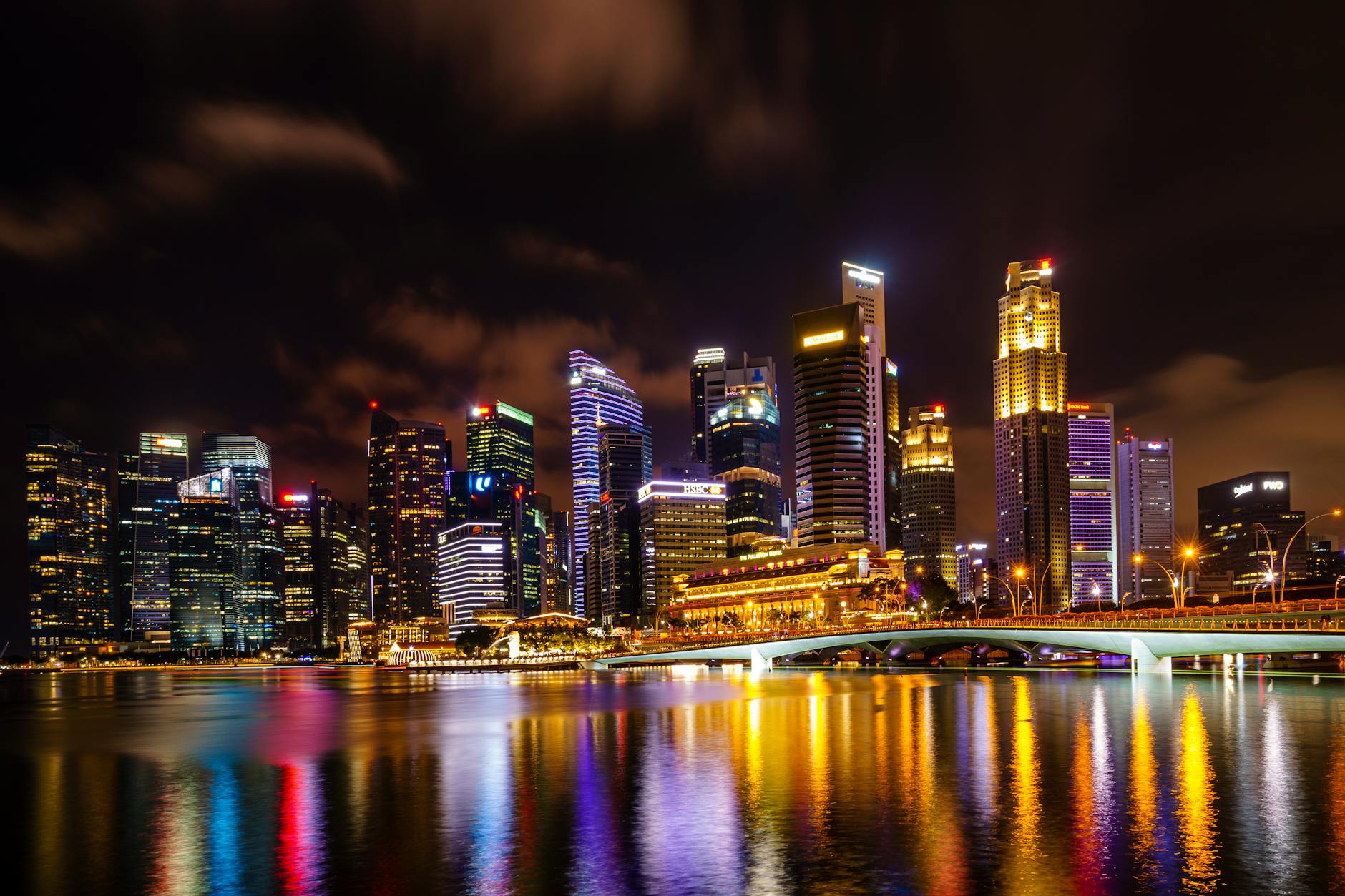
- A walk across the Helix Bridge: This futuristic bridge, connecting Marina Centre with Marina South, is a work of art in itself, especially at night when it’s all lit up. You get a fantastic view of the bay from here.
- Clarke Quay and Boat Quay promenades: These spots are famous for their bars and restaurants, but even just taking a stroll along the quays, watching the nightlife, and seeing the reflections of the lights on the water – that’s already a pretty engaging activity.
For those who really want to see the city of the future in all its glory and learn about its history, there’s a Singapore – City of the Future tour that’ll help you dive deeper into this amazing metropolis. And for night owls who love an adventure, you could consider a night safari; it’s paid, of course, but the experiences are totally guaranteed.
Budget Planning and Additional Saving Tips
To really save money in Singapore and have a truly budget-friendly vacation in Singapore, you’ve just got to be organized and always on the lookout for alternatives. Here are a few extra tips that totally helped me figure out how to cut costs in Singapore:
- Water: Always carry a reusable water bottle with you. It gets super hot and humid in Singapore, so you’ll constantly want to drink. Buying water every single time gets expensive. Luckily, there are drinking water fountains everywhere, especially in parks and shopping malls.
- Free Wi-Fi: Public Wi-Fi is available in loads of places, including the airport, shopping malls, MRT stations, and some parks. This helps you save on mobile internet.
- Discounts and Promotions: Before your trip, do a quick Google search for “Singapore discount passes” or “Singapore promotions.” Sometimes you can snag some really great deals on entrance tickets to parks or attractions, especially if you buy them online in advance.
- Souvenirs: Try to avoid buying souvenirs in the main tourist spots. You’ll find way more authentic and cheaper options in Chinatown or Little India.
- Plan Your Routes: Smart route planning will keep you from wasting extra time and money on getting around. Group attractions by area. For example, dedicate one day to Marina Bay, Gardens by the Bay, and Merlion Park. Another day could be for Chinatown and Little India.
- Avoid Peak Season: Prices for flights and cheap hotels in Singapore really depend on the season. September-November and February-April are usually considered quieter, so you might find better deals then.
- Local SIM Cards: If you need constant internet access, grab a local SIM card when you arrive. It’s way cheaper than roaming, and data packages here are pretty affordable.
I really believe that budget tours to Singapore don’t necessarily mean sacrificing comfort; it’s more about smart planning and making the most of every available opportunity. My experiences in the city were absolutely no worse than those who spent many times more. In fact, actually hunting for those budget loopholes just added a bit of spice and an adventurous spirit to my trip.
Conclusion

My trip to Singapore turned out to be a real eye-opener. I arrived with the prejudice that this city would totally bankrupt me, but I left with a complete understanding that Singapore on a budget isn’t just a catchy phrase. It’s real. If you’re willing to step off the well-trodden tourist paths, hunt for authentic food spots, use efficient and affordable transport in Singapore, and really lean into the numerous free activities in Singapore, then this city of the future will absolutely reveal a whole new side of itself to you.
I can’t say it was the absolute cheapest trip of my life, but it was definitely one of the most vibrant and packed with experiences, and I managed to stick to a perfectly reasonable budget. Singapore isn’t just a collection of sights; it’s an entire world where East meets West, nature blends with technology, and ancient traditions intertwine with a futuristic vision. And this world is accessible to everyone, no matter how thick your wallet is. So don’t be scared, go ahead and plan your cheap vacation in Singapore, and this amazing city will absolutely charm you. Seriously, go explore this garden city; it’s totally worth it!