

When I first flew to Thailand, my itinerary was pretty standard: a couple of days in Bangkok, then off to the islands. But my travel-loving friends kept raving about Chiang Mai, telling me all about its unique vibe, the mountains, and this incredible energy. Honestly, I didn’t really pay much attention back then. But then, when I started thinking about a place for a longer stay, somewhere I could blend work with a full life, Thailand’s northern capital just popped into my head. And now, a few months later, I can confidently say: Chiang Mai life isn’t just a temporary adventure; it’s a whole lifestyle perfectly suited for anyone looking for that sweet spot between productive remote work, deep cultural immersion, and active relaxation.
I’ve spent enough time here to form my own opinions and gather tons of useful info. So, if you, like me once upon a time, are searching for answers to questions like “how much does it cost to live in Chiang Mai?”, “where can you find long-term rentals?”, or “what is there to do in Chiang Mai for a long stay?”, then this article is totally for you. I’ll share my experience and tell you why Chiang Mai has become a real magnet for digital nomads and anyone dreaming of a good quality life far from the hustle and bustle of big cities. And hey, flights to Chiang Mai, you can often find them at really sweet prices if you plan ahead. You can check out options here.
Thailand’s Northern Gem: Why Does Chiang Mai Attract Long-Term Stays?

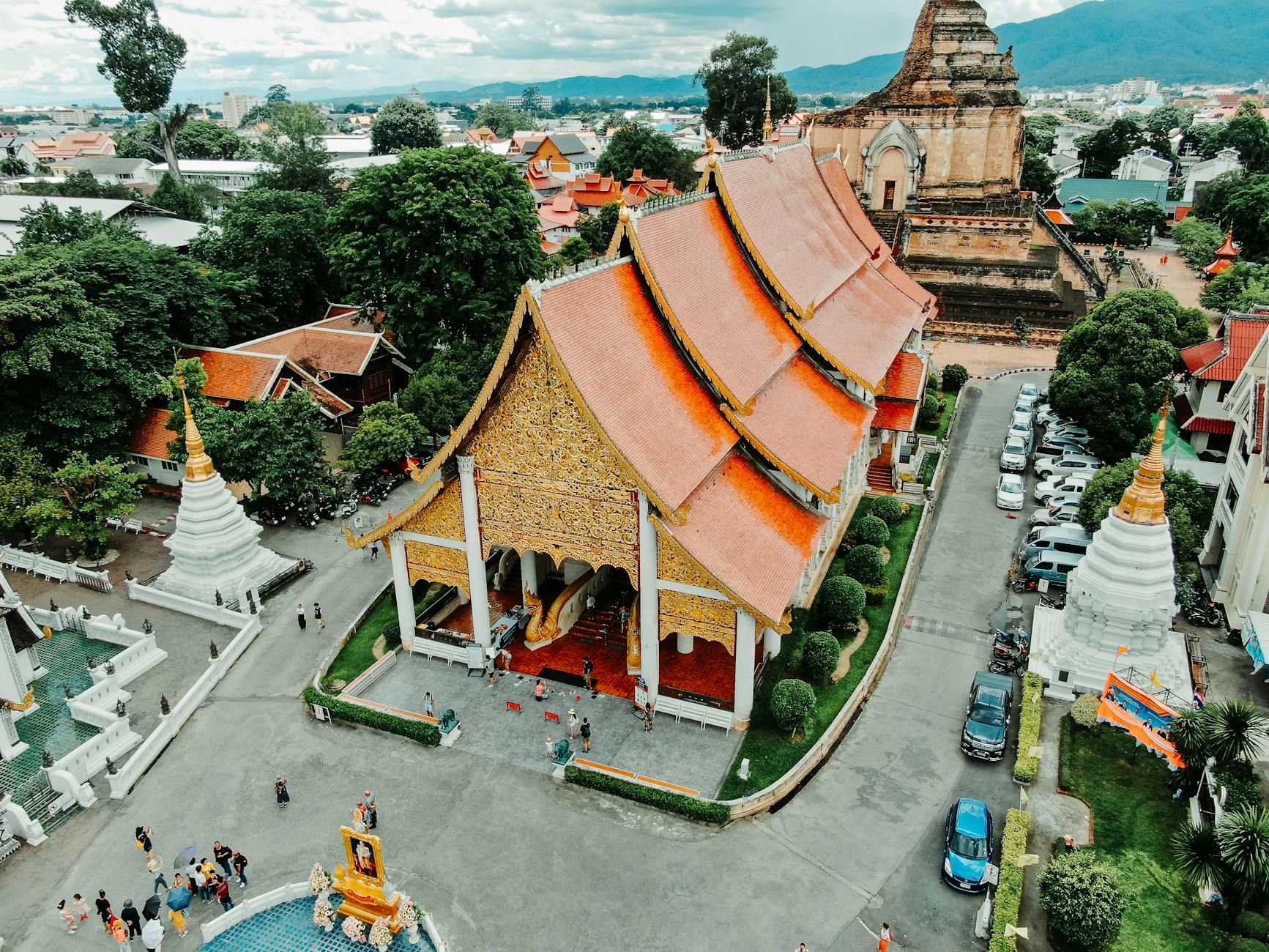
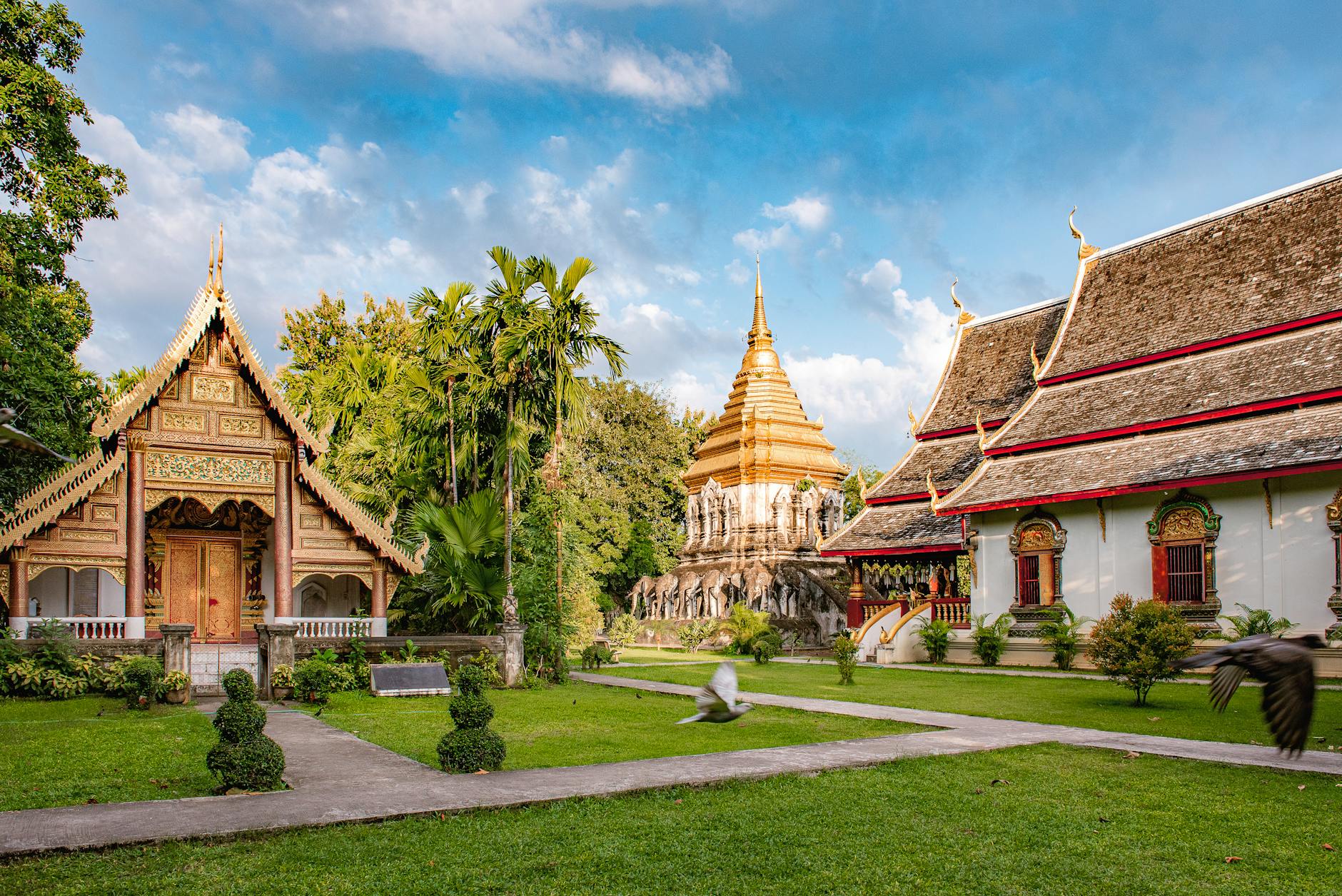
Chiang Mai, set amidst stunning mountains in northern Thailand, is drastically different from bustling, frantic Bangkok. You won’t find skyscrapers, endless traffic jams, or that insane pace here. Instead, you’ll discover ancient temples, lush greenery everywhere, polite smiles from locals, and this amazing, calm rhythm that just washes over you from day one. It’s not just a city; it’s a true cradle of Lanna culture, where every corner just breathes history.
Atmosphere and Culture

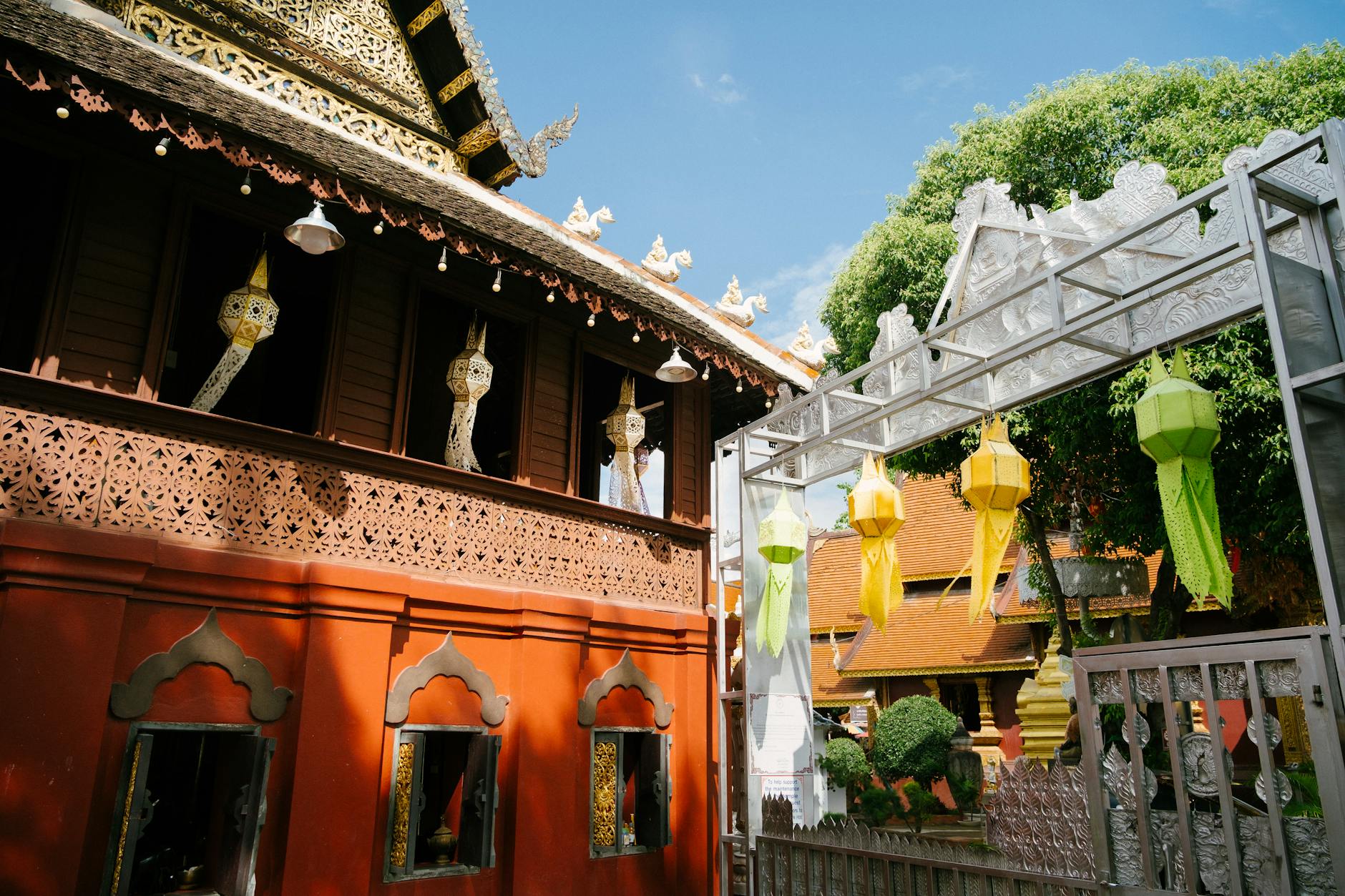
When I first arrived, I was immediately struck by this unique blend of ancient and modern. The Old City, encircled by its medieval wall and moat, is home to hundreds of temples, some of them centuries old. Just wandering these narrow streets feels like a meditation in itself. And outside the walls? Modern cafes, coworking spaces, and shopping malls, all fitting surprisingly well into the overall vibe. Locals are incredibly welcoming, and it’s not just tourist politeness; it’s a genuine part of their character. The culture here is vibrant and you can feel it in everything, from the street food to the traditional festivals. If you really want to dive deep into the local history and flavors, I highly recommend grabbing a walking tour of Chiang Mai’s streets. It’ll help you understand the city way better than just aimlessly wandering with a map.
Climate and Nature
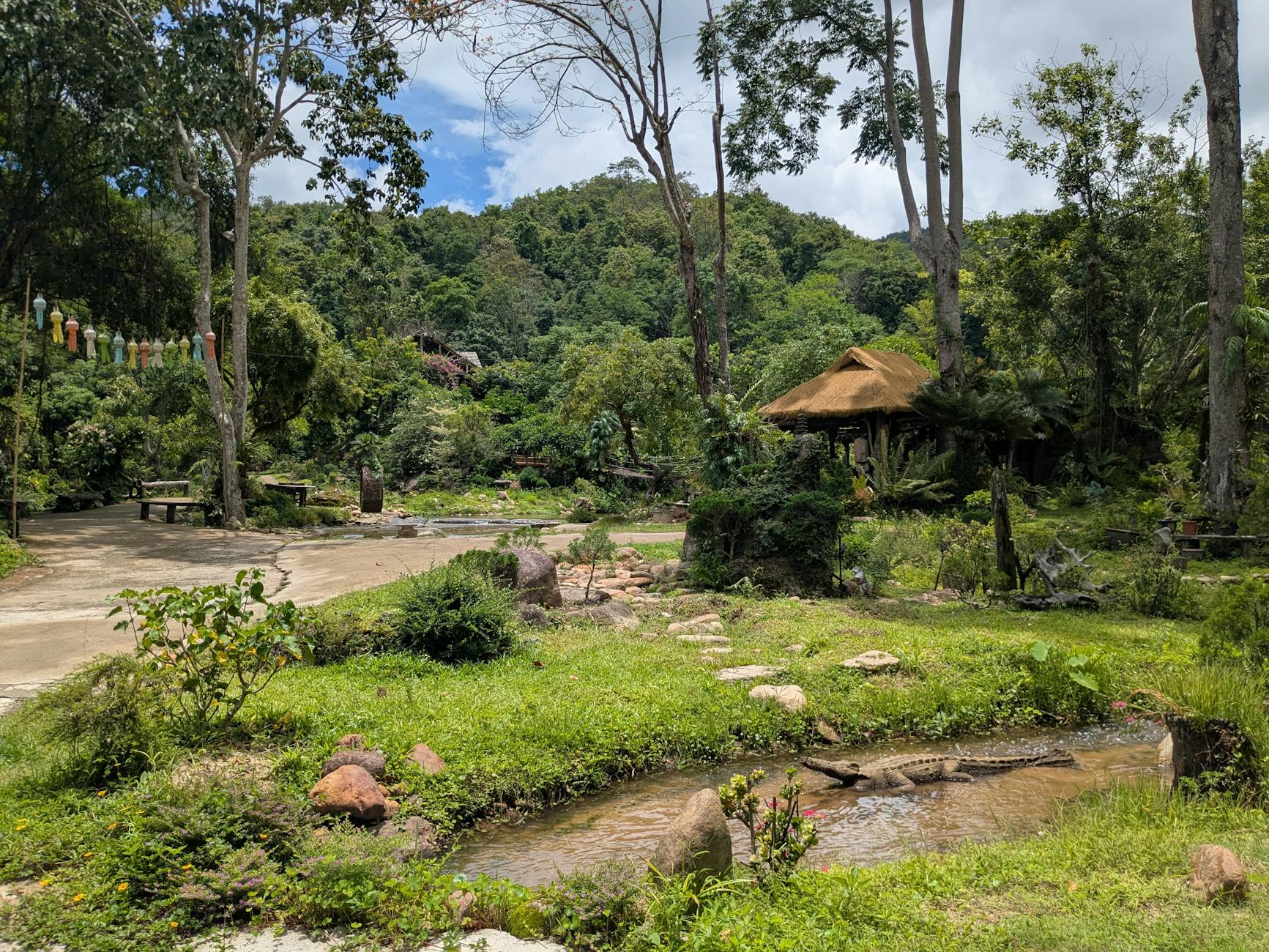
Chiang Mai’s climate is pretty comfortable, especially compared to Thailand’s southern regions. It’s got three main seasons: hot (March-May), rainy (June-October), and cool (November-February). My personal favorite is the cool season; temperatures drop to around 20-25°C during the day, and at night, it can even get chilly, sometimes down to 15°C. It’s the perfect time for city strolls and mountain trips. And the surrounding nature? That’s a whole other story. Mountains, waterfalls, national parks – all of it makes Chiang Mai an ideal spot for anyone who loves getting active outdoors. I’ve actually gone to the waterfalls and into the jungle quite a few times, for instance; it’s a fantastic way to just reset.
Pros and Cons of Living in Chiang Mai
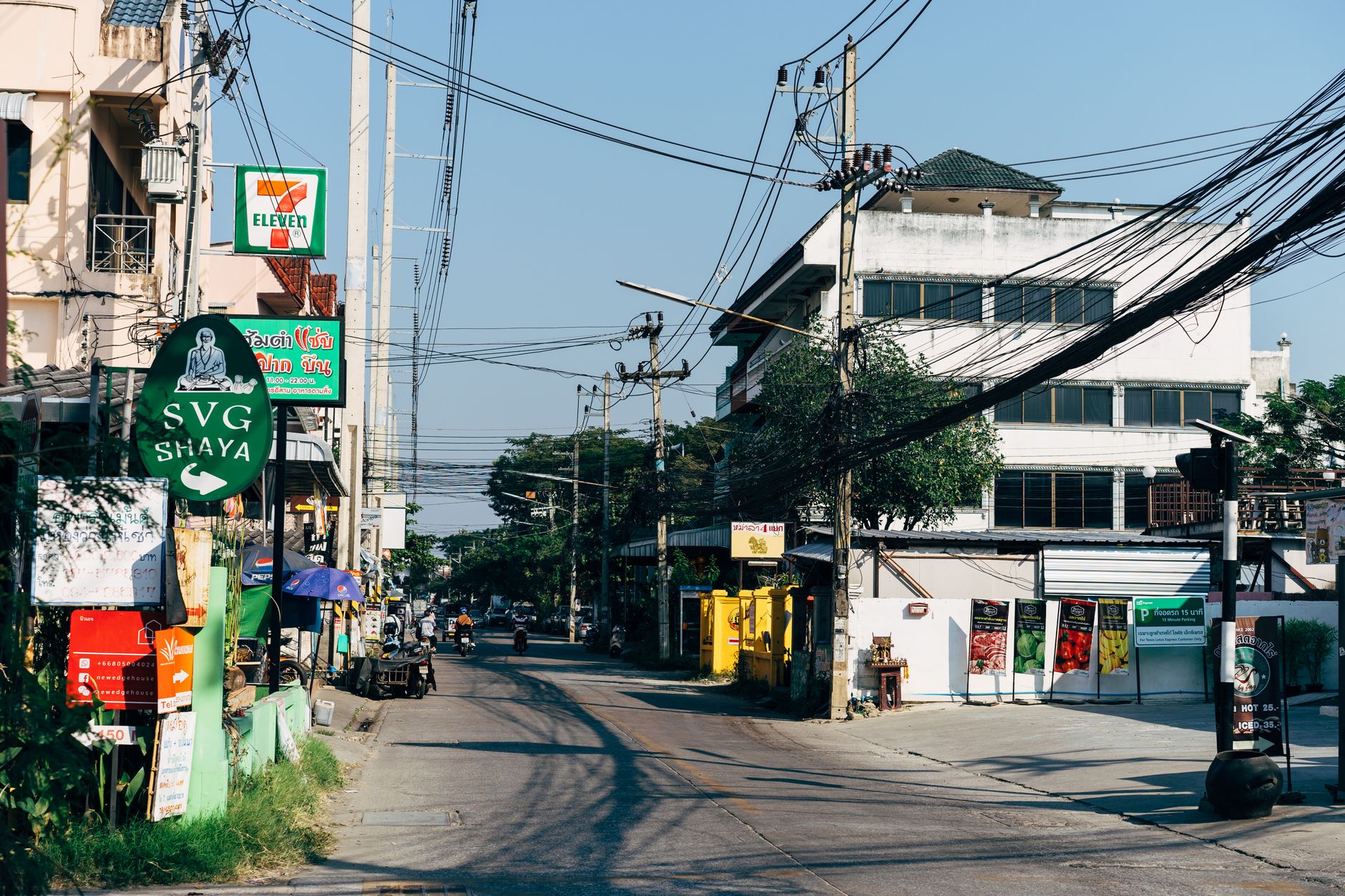
Like any place, living in Chiang Mai comes with its own quirks. For me, the pros and cons of living in Chiang Mai are pretty clear. Let’s start with the good stuff:
- Affordability: Life here is significantly cheaper than in Western countries, and even compared to Bangkok, it’s noticeably more budget-friendly.
- Safety: Chiang Mai is a really calm and safe city. I felt totally comfortable even walking around late at night.
- Nature and Climate: The mountain air, abundant greenery, and mild temperatures during the cool season are huge pluses.
- Community: There’s a super active and friendly expat community; it’s easy to find like-minded people.
- Culture: Deep immersion into Thai culture, with tons of temples, festivals, and traditions.
Now for the downsides, because every place has ’em:
- Smog Season: Roughly from February to April, the city gets covered in smog from agricultural burning. It’s a serious issue, and a lot of expats actually leave during this time. I had to live through one of those periods, and honestly, it wasn’t easy.
- No Sea Access: This is obvious, sure, but for some, it can be a deal-breaker. If you absolutely can’t live without beaches, Chiang Mai just isn’t your spot.
- Transportation: Getting around within the city is easy by scooter or taxi (Grab), but without your own transport, some places can be a bit tricky to reach.
- Language Barrier: In tourist spots, people speak English, but outside of those, knowing at least some basic Thai really comes in handy.
When you compare Chiang Mai or Bangkok for living, the choice really depends on your priorities. Bangkok is this massive metropolis with a frantic pace, endless shopping and nightlife options, but also with the prices, traffic, and general rush that come with it. Chiang Mai, on the other hand, is all about calm, nature, culture, and community. For me, as someone who values balance and the chance to work remotely in a comfortable setting, Chiang Mai turned out to be a far better fit.
Daily Life and Finances: How Much Does it Cost to Live in Chiang Mai?

One of the first questions anyone planning a move asks themselves is: how much does it cost to live in Chiang Mai? I can tell you, it’s way more affordable than many other popular expat destinations. Of course, everything hinges on your lifestyle, but I’ll try to give you the most concrete figures possible, based on my own experience.
Accommodation: Long-Term Rentals and Best Neighborhoods
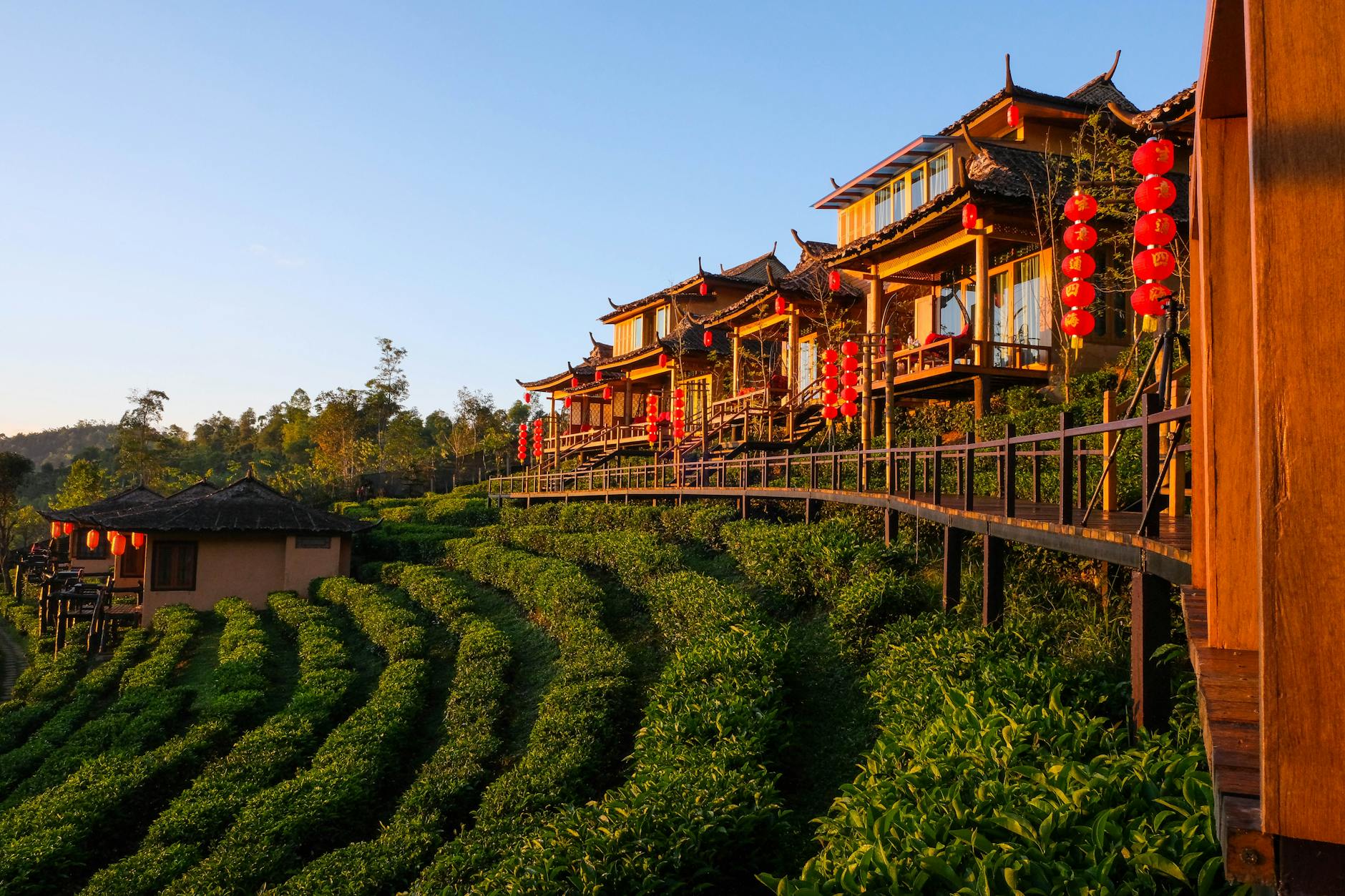
This is probably the biggest chunk of your expenses, but even here, Chiang Mai pleasantly surprises you. Long-term accommodation rentals in Chiang Mai offer a ton of options. You can find anything from modest studios to spacious apartments, or even houses. Prices, naturally, vary quite a bit.
- Studio/1-bedroom apartment: From 6000 to 15000 THB per month (roughly $170-430). For 8000-10000 THB, you can find a perfectly decent studio or small apartment in a condo with a pool and gym.
- 2-bedroom apartment: From 15000 to 30000 THB and up (roughly $430-860+).
- House: Renting a house can range from 20000 THB ($570) for a small Thai house to 50000+ THB ($1400+) for modern villas.
Important note: if you rent for 6 months to a year, you can usually snag a much better price. Landlords often ask for a deposit of 1-2 months’ rent.
So, where’s the best place to live in Chiang Mai? That really depends on what you’re looking for. Here are what I consider the best neighborhoods in Chiang Mai for renting:
- Nimmanhaemin (or just Nimman): This is the trendiest and most modern area. You’ll find tons of cafes, restaurants, coworking spaces, and boutiques here. It’s perfect for young people and digital nomads. Housing prices are a bit higher, but the quality definitely matches. I really loved taking evening strolls here; it had this European vibe, but with a clear Thai twist.
- Old City: The heart of Chiang Mai. It’s super atmospheric, with lots of temples, guesthouses, and small cafes. Quieter than Nimman, but with really well-developed infrastructure. Ideal for those seeking cultural immersion. Though, modern condos are rarer here; it’s mostly small apartments or houses.
- Santitham: A neighborhood located between the Old City and Nimman. It’s a more budget-friendly option, but still has good infrastructure. Lots of locals and expats live here, especially those looking for something a bit cheaper but still close to the center.
- Chang Klan: The Night Bazaar area. It’s lively, touristy, with a wide selection of hotels and restaurants. Good for anyone who loves being right in the thick of things. You can find hotels of all levels here, from budget-friendly to luxurious. For example, Dusit Princess Chiang Mai (4★) or Shangri-La Chiang Mai (5★).
- Riverside: The area along the Ping River. It’s calmer, with beautiful views, cozy cafes, and restaurants. Ideal for those looking for peace and relaxation. Some of the most luxurious hotels are located here, such as Anantara Chiang Mai Resort (5★) or RatiLanna Riverside Spa Resort (5★).
Honestly, you can find suitable accommodation through local Facebook groups, real estate agencies, or just by walking around the neighborhoods and looking for ‘for rent’ signs. Personally, I liked living near Nimman, but a bit further from the absolute epicenter; it was quieter there, and I could find a nicer apartment. If you’ve just arrived and are looking for temporary housing until you find a long-term option, you can always book a hotel in Chiang Mai for a few days.
Food, Transport, and Daily Expenses

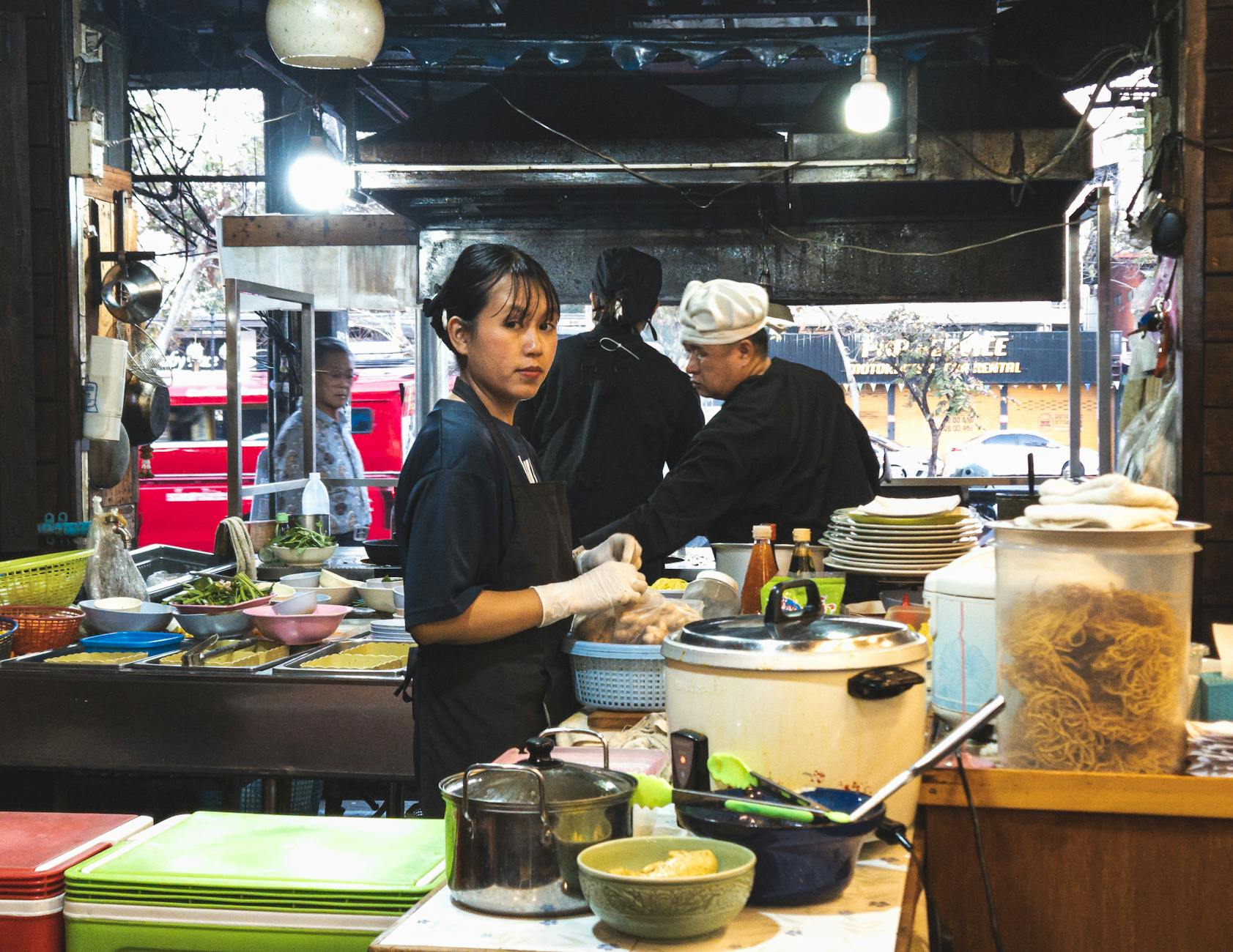
Now, here’s where Chiang Mai truly shines – food prices! Street food isn’t just delicious; it’s unbelievably cheap. A plate of pad Thai or curry can cost as little as 40-60 THB ($1.1-1.7). At local cafes, prices are a bit higher, but still very democratic – 80-150 THB ($2.3-4.3) per dish. If you cook for yourself, supermarkets won’t break the bank either. I’d spend no more than $10-15 a day on food, eating at cafes and sometimes buying groceries.
Transport: The most popular way to get around is by scooter. Rent costs around 2000-3000 THB ($57-86) per month. It’s convenient, but you really need to be careful on the roads. Taxis (Grab) and tuk-tuks are also available, but they’re pricier. A Grab ride across town will set you back 50-150 THB ($1.4-4.3). If you’ve just flown in, there’s an affordable transfer service in Chiang Mai that’ll take you straight to your hotel.
Other expenses:
- Internet: Most apartments and coworking spaces have good Wi-Fi. Mobile internet costs around 300-500 THB ($8.6-14.3) per month for a generous data package.
- Electricity and Water: These depend on your consumption, but usually, it’s 500-1500 THB ($14.3-43) per month.
- Entertainment: Entry to temples is often free or just symbolic (20-40 THB). Excursions and activities range from 500 THB to several thousand.
- Healthcare: More on this below, but insurance is absolutely essential.
Overall, I’d say that for a comfortable life in Chiang Mai, one person needs about 20,000 – 35,000 THB ($570-1000) per month, and that includes rent, food, transport, and a bit of entertainment. You could, of course, do it cheaper if you’re super frugal, but also much more expensively if you’re living it up.
Visa and Legal Stay
For a visa to Thailand for a long stay, you’ve got a few options. The easiest is a tourist visa. Many folks arrive on a 30-day visa exemption stamp, and then extend it for another 30 days at the immigration office. That gives you 60 days total. For a longer stay, you can get a 60-day tourist visa before you even fly in, with the option to extend it for another 30 days. That’s 90 days right there.
But for those planning to stick around for a while, there are other choices too:
- Student Visa: If you’re up for learning Thai (or something else), this is a popular way to legalize your stay for up to a year. Schools usually help with the paperwork.
- ED Visa (Education Visa): Similar to a student visa, but it can be for more specific courses, like Thai massage or cooking.
- Retirement Visa: For people over 50, under specific financial conditions.
- Smart Visa: For highly skilled professionals, investors, or entrepreneurs in specific industries.
- Digital Nomad Visa (Long Term Resident Visa): Thailand’s really keen on attracting digital nomads, and this visa is one of their tools. The conditions are always shifting, so it’s worth checking the latest info.
I’d always advise checking the latest requirements on the Thai embassy website in your country, as the rules can change. I myself started with a tourist visa, then switched to a student one to have more time to explore the country and its language.
Work and Community: Chiang Mai for Digital Nomads
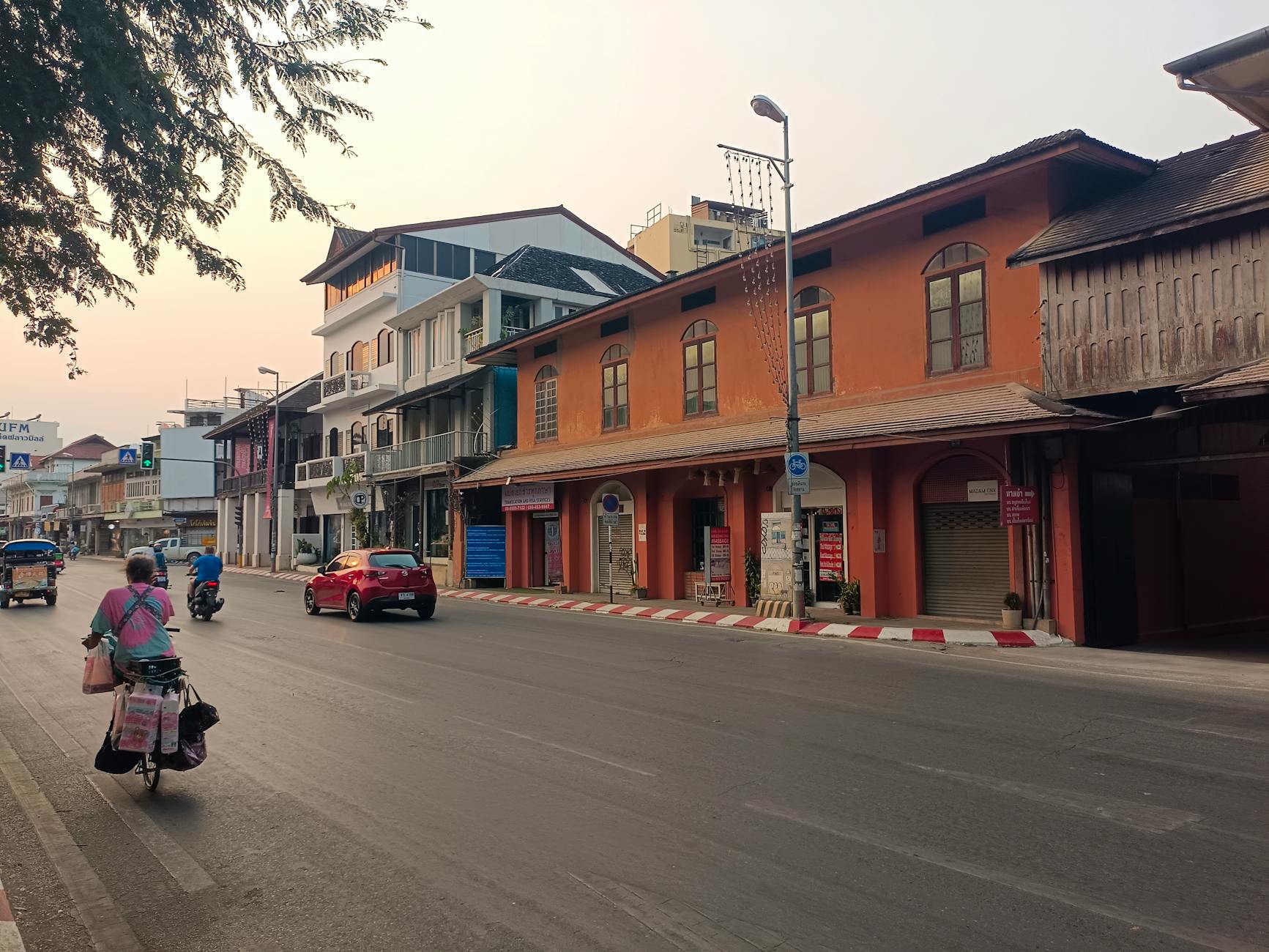
Chiang Mai is rightly considered one of the global hubs for digital nomads. A unique ecosystem has developed here that really supports and inspires people working remotely. It’s not just a city; it’s a massive hub for freelancers, startup founders, and anyone seeking freedom in their work.
Remote Work and Coworking Spaces

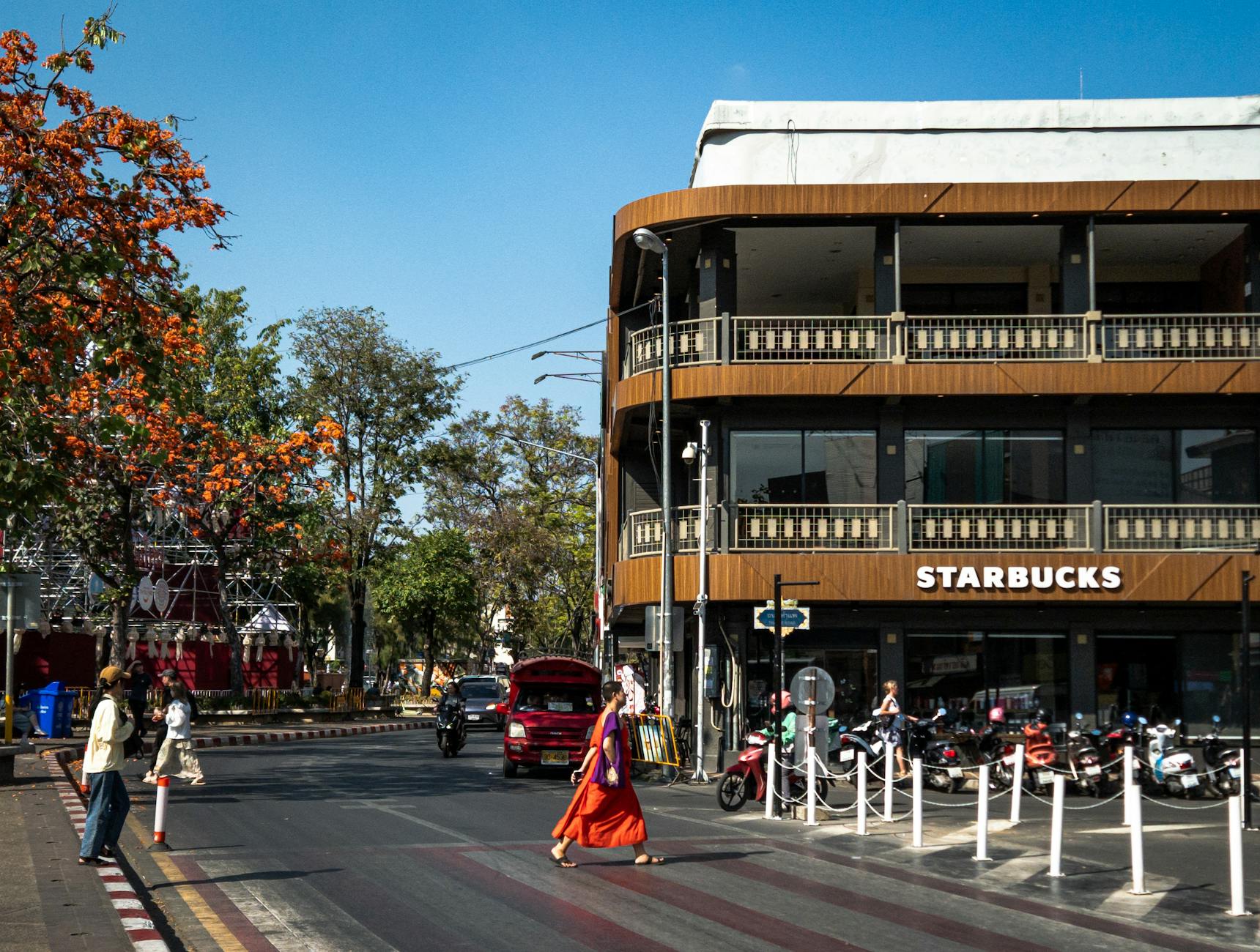
For anyone doing remote work, Chiang Mai is an absolute paradise. It’s got fantastic internet, affordable prices, and a huge number of places where you can get some productive work done. Cafes with Wi-Fi are on every corner, but for more serious work, Chiang Mai’s coworking spaces are a much better fit.
Here are a few popular ones:
- Punspace: Probably the most famous and oldest coworking space in Chiang Mai. They’ve got several locations (Nimman, Thapae Gate), good equipment, fast internet, and an active community. Prices range from 200 THB for a day pass to 3000-5000 THB per month, depending on the plan.
- Hub53: Another popular coworking spot, also located in Nimman. It stands out with its cozy atmosphere and good value for money. They offer various plans, including monthly memberships.
- CAMP (Creative & Meeting Place) at Maya Lifestyle Shopping Center: This isn’t exactly a coworking space in the classic sense, but more like a huge cafe-library on the top floor of the mall. It’s open late, has plenty of seating, power outlets, and Wi-Fi. Perfect for anyone who needs to quickly finish something up or just chill with their laptop. The main thing is, you gotta buy something from the cafe.
I actually got to work at a few of them myself. Punspace is a classic; you can always meet interesting people there. CAMP is a great spot for evening work when everything else is closing down. Honestly, no matter where I went, I saw people with laptops – it’s just become part of the local scenery.
Expat Community and Networking
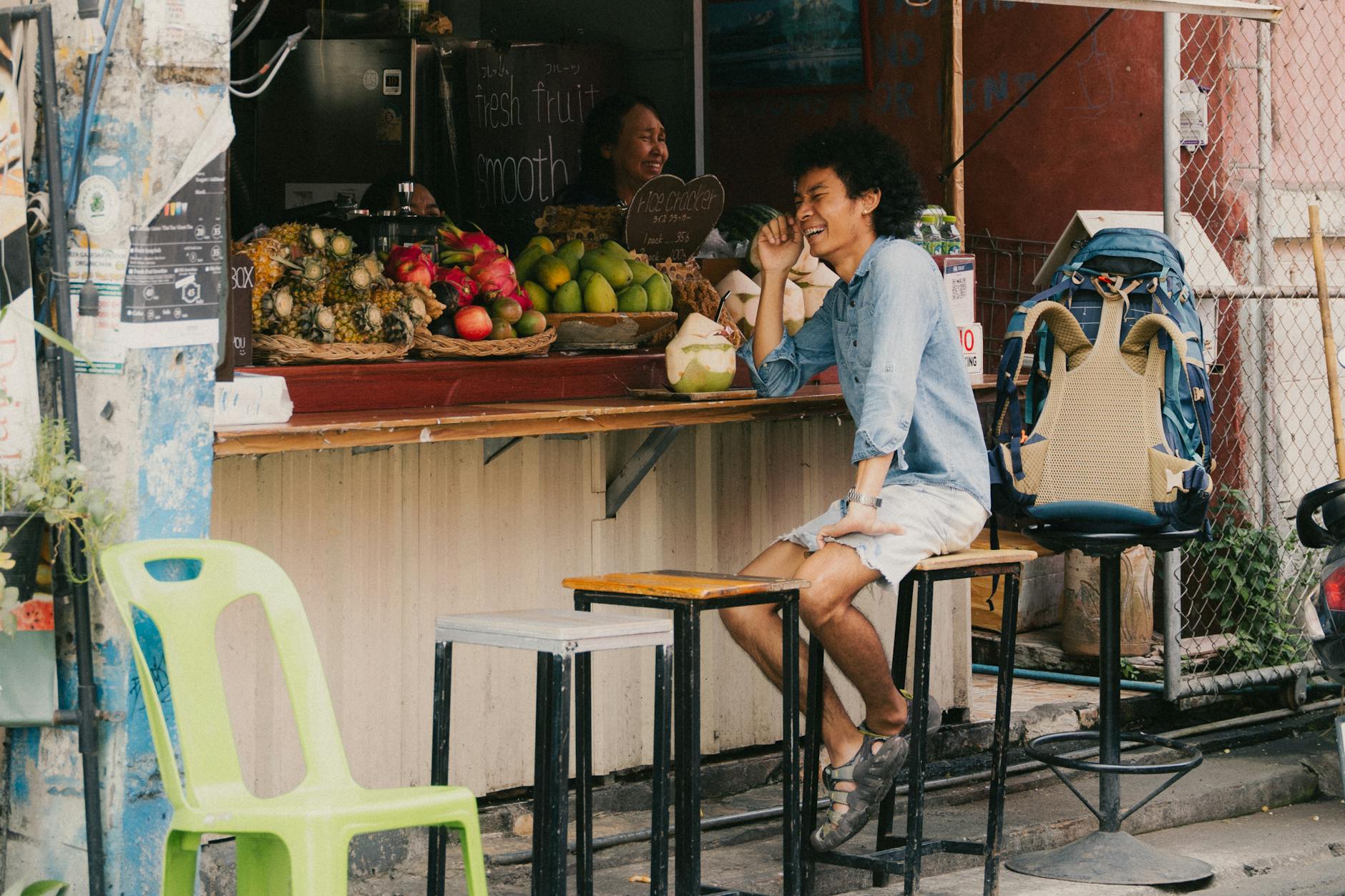
If you’re worried about making new friends or finding support in a new place, then Chiang Mai expats’ reviews pretty much unanimously confirm: you won’t have issues with that here. The expat community in Chiang Mai is really large, active, and open. People come from all over the world, and many of them are digital nomads just like you.
So, how do you meet people?
- Facebook Groups: The easiest way. Look for groups like “Chiang Mai Digital Nomads,” “Chiang Mai Expats,” and so on. They’re constantly posting about meetups, events, and parties.
- Coworking Spaces: A great spot for networking. Many coworking spaces host their own events, lectures, and workshops.
- Events: The city regularly hosts meetups dedicated to various interests – from language clubs to sports groups.
- Cafes and Bars: Just be open to chatting. It’s super easy to strike up a conversation with a stranger in Chiang Mai.
This community really helped me out when I first got here. People share experiences, give advice on rentals, visas, doctors – it’s invaluable. I met so many interesting folks here, and we’re still keeping in touch.
Relaxation and Growth: What to Do in Chiang Mai for a Long Stay?
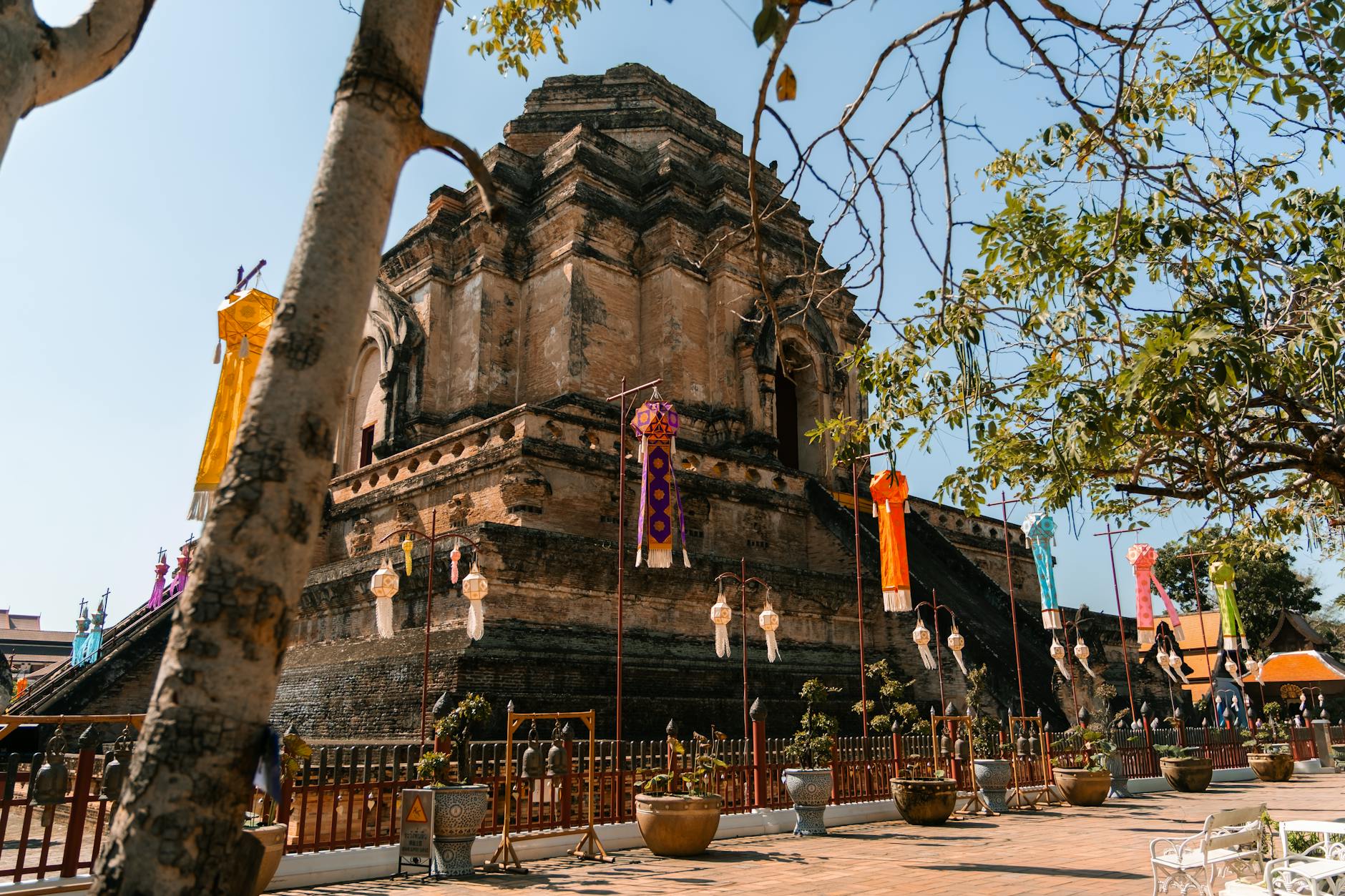
Once the work’s done, the logical question pops up: what is there to do in Chiang Mai for a long stay? The answer? Pretty much anything! The city and its surroundings offer such a diverse range of activities that getting bored is just impossible. This isn’t just about Chiang Mai leisure and entertainment; it’s a chance for deep immersion and self-growth.
Cultural Discoveries and Temples
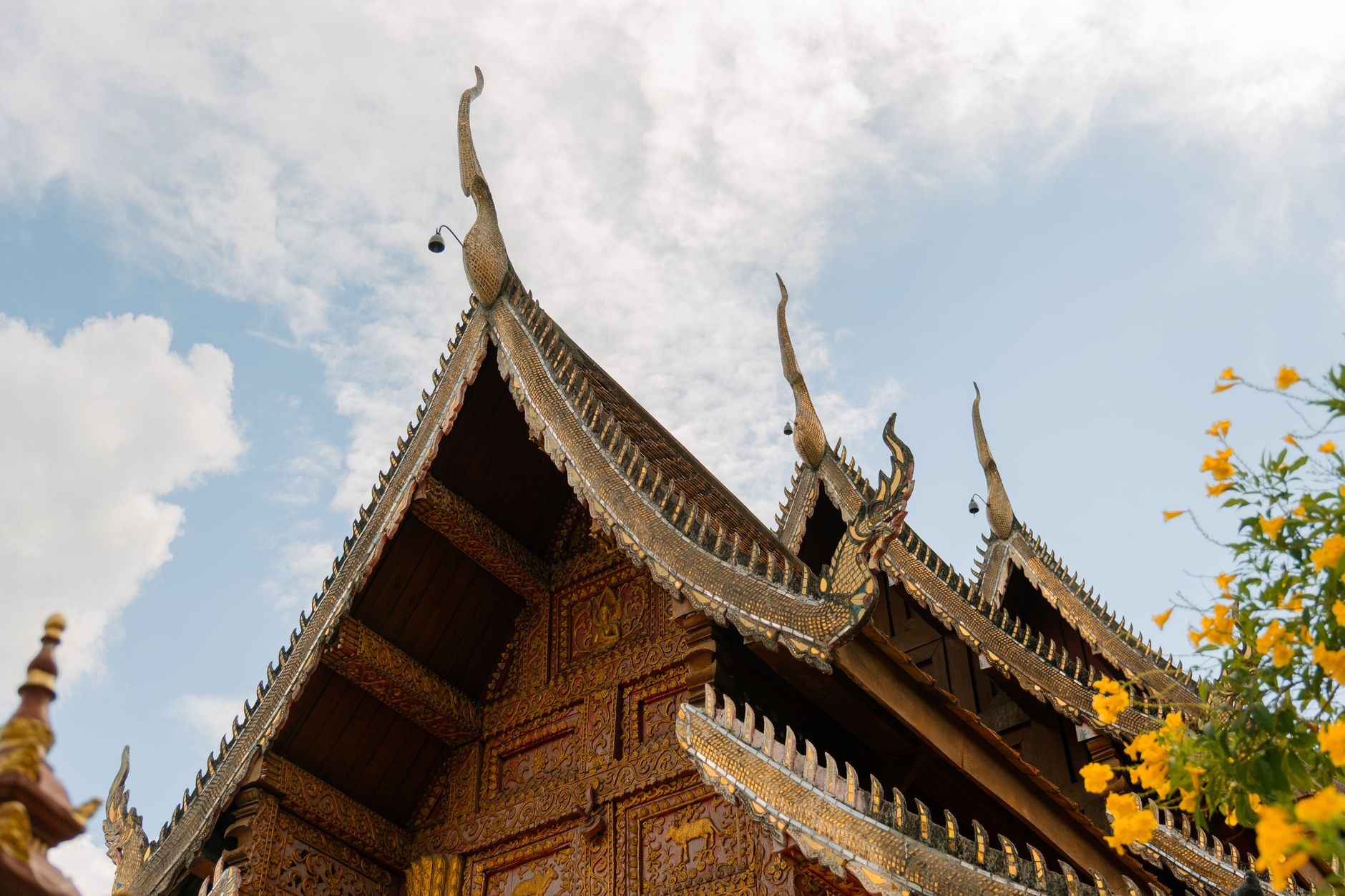
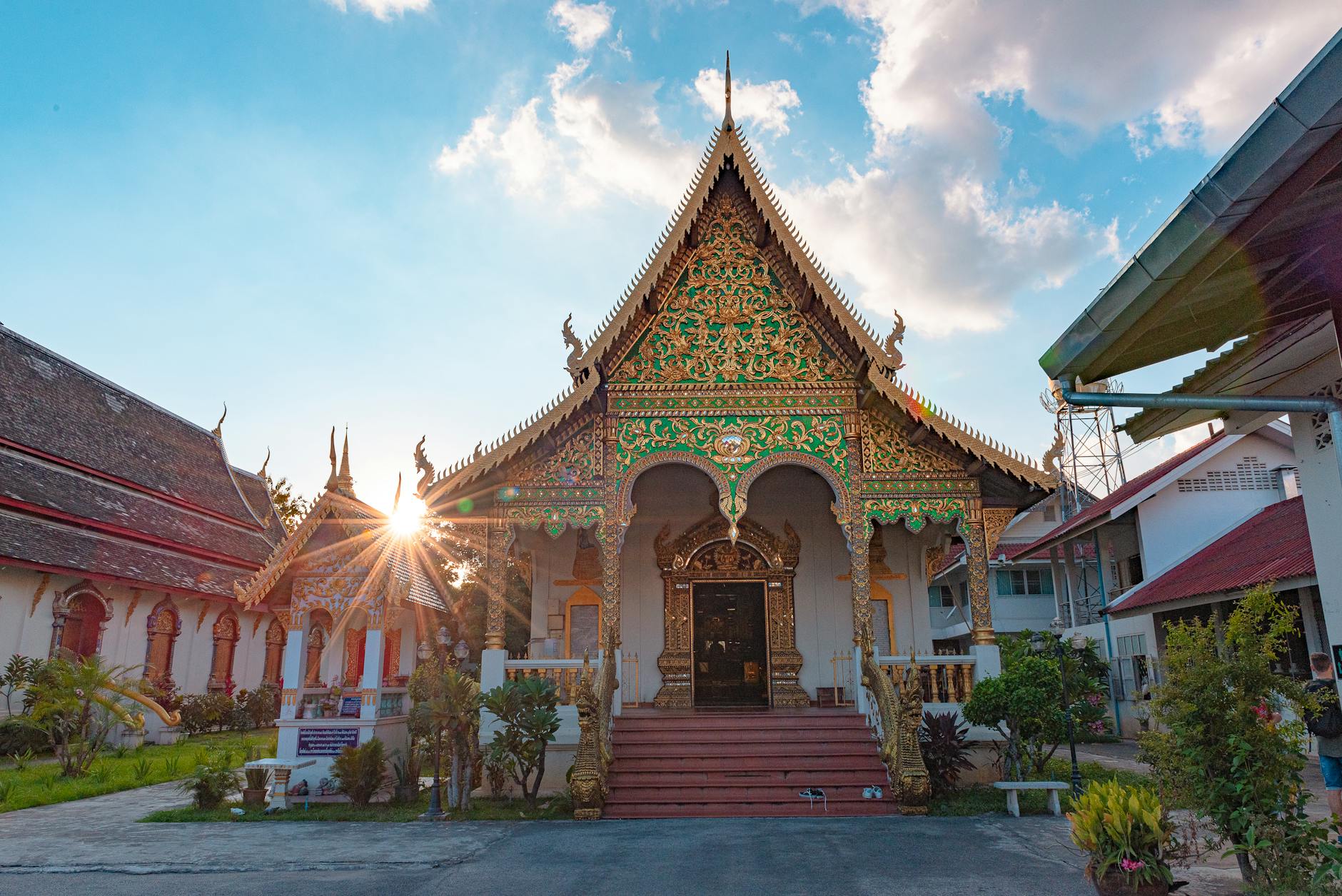
Chiang Mai is a city of temples. There are hundreds of them here, and each one tells its own story. You just can’t come here and not visit at least a few of them. My favorites include:
- Wat Doi Suthep: This temple is Chiang Mai’s calling card. It’s located on a mountaintop, offering incredible views of the city. The trip up there is an adventure in itself. I remember climbing those famous 306 steps.
- Wat Chedi Luang: Right in the heart of the Old City, with a massive, ruined chedi. Such a powerful place.
- Wat Phra Singh: Another magnificent temple in the Old City, known for its library temple and beautiful frescoes.
Besides the temples, you absolutely have to check out the night bazaars (like the Sunday Walking Street or the Night Bazaar), where you can grab souvenirs, try local food, and just soak in the atmosphere. If you want to see all the coolest stuff, I’d recommend the “Secrets of Chiang Mai: Elephants, Temples, and Mountain Views” tour; it covers all the main highlights.
Nature and Adventures

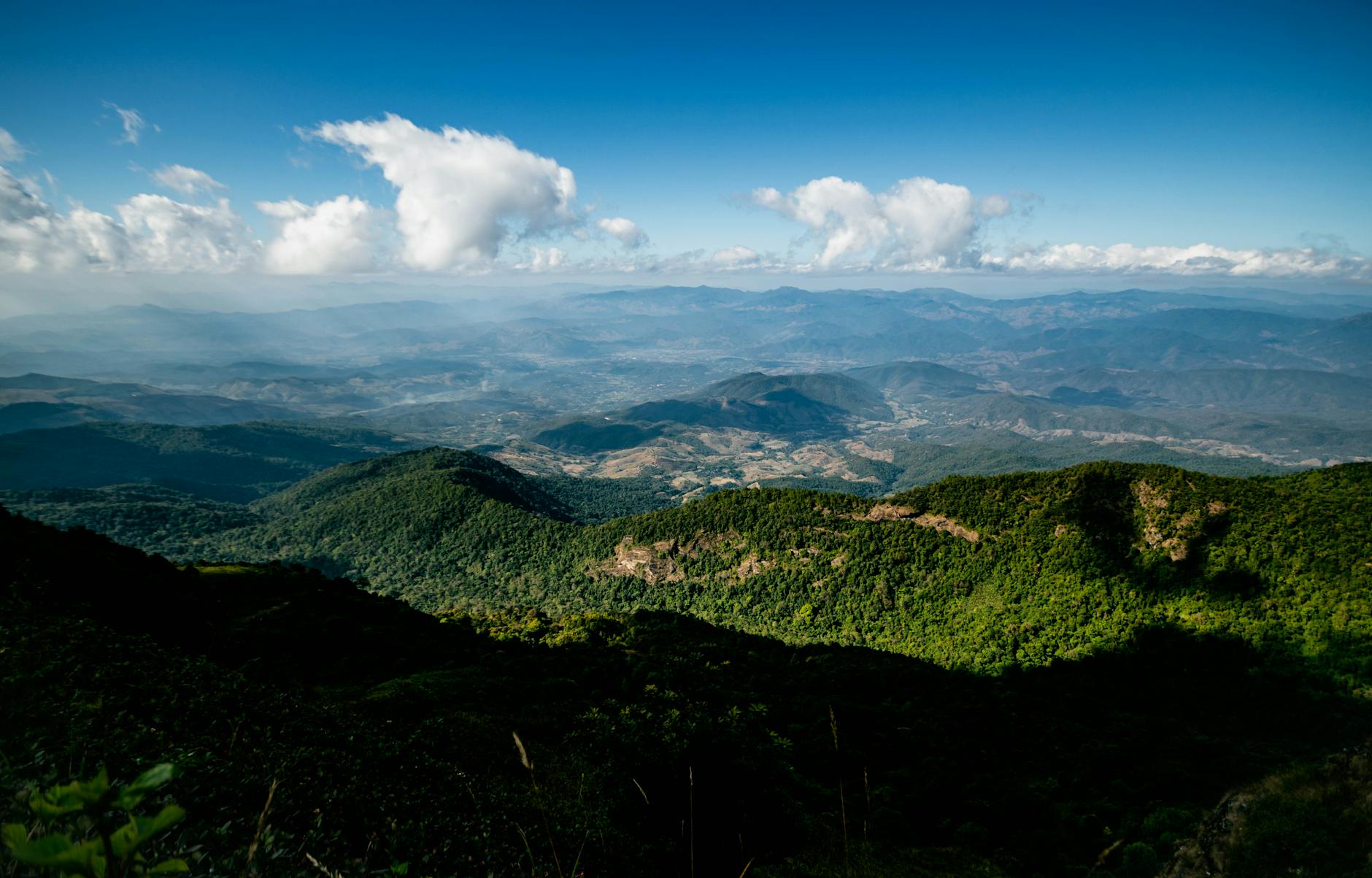
The areas around Chiang Mai are a paradise for nature lovers. National parks, waterfalls, elephant sanctuaries (definitely choose ethical ones where elephants aren’t used for riding), mountain tribes – all of this is accessible for day trips or multi-day excursions. Here’s what I’d absolutely recommend:
- Doi Inthanon National Park: This is home to Thailand’s highest point – Mount Doi Inthanon. Cool air, waterfalls, and the amazing Royal Pagodas. This place won’t leave anyone indifferent. You can go on a “Doi Inthanon – Roof of Thailand” tour or choose the “Thai Switzerland and the Peak of Thailand” excursion to see everything in one day.
- Trips to Chiang Rai: The neighboring city of Chiang Rai is famous for its White Temple (Wat Rong Khun), Blue Temple, and Black House. These are stunning architectural masterpieces that you absolutely have to see. You can take a “Chiang Rai Hits” day trip or a more extensive “Chiang Rai – Northern Heart of Thailand” excursion.
- Golden Triangle: The spot where the borders of Thailand, Laos, and Myanmar meet. It’s a historically significant place. There are tours that let you see all 3 countries in 1 day.
- Cooking Classes: A fantastic way to get to know Thai culture through food. I went to one such class and learned to cook several of my favorite dishes.
- Yoga and Meditation: Chiang Mai has lots of yoga and meditation centers where you can find classes for every taste and skill level.
For an even deeper dive into Lanna culture and the main sights, there’s even an all-inclusive Chiang Mai trip available, which is super convenient for anyone who wants to make the most of their time.
Health and Wellbeing


Looking after your health is a really important aspect when you’re staying long-term. Healthcare in Chiang Mai for foreigners is pretty well-developed. The city has several modern international hospitals with qualified doctors, and many of them speak English. For example, there’s Chiang Mai Ram Hospital or Bangkok Hospital Chiang Mai. Prices for medical services here are, of course, higher than at public clinics, but they’re still significantly more affordable than in Europe or the US. The main thing is, you absolutely must have good travel insurance that covers treatment abroad. I always get insurance; it just gives me peace of mind.
Beyond traditional medicine, Chiang Mai is a wellness hub. Massage parlors are everywhere, from budget-friendly street-side spots to luxurious spa centers. Thai massage isn’t just about relaxation; it’s a part of the culture. I got them regularly, and it really helped relieve tension after long hours at the computer. There are also tons of yoga centers, Ayurveda, and detox programs. Taking care of yourself here is easy and enjoyable.
Conclusion
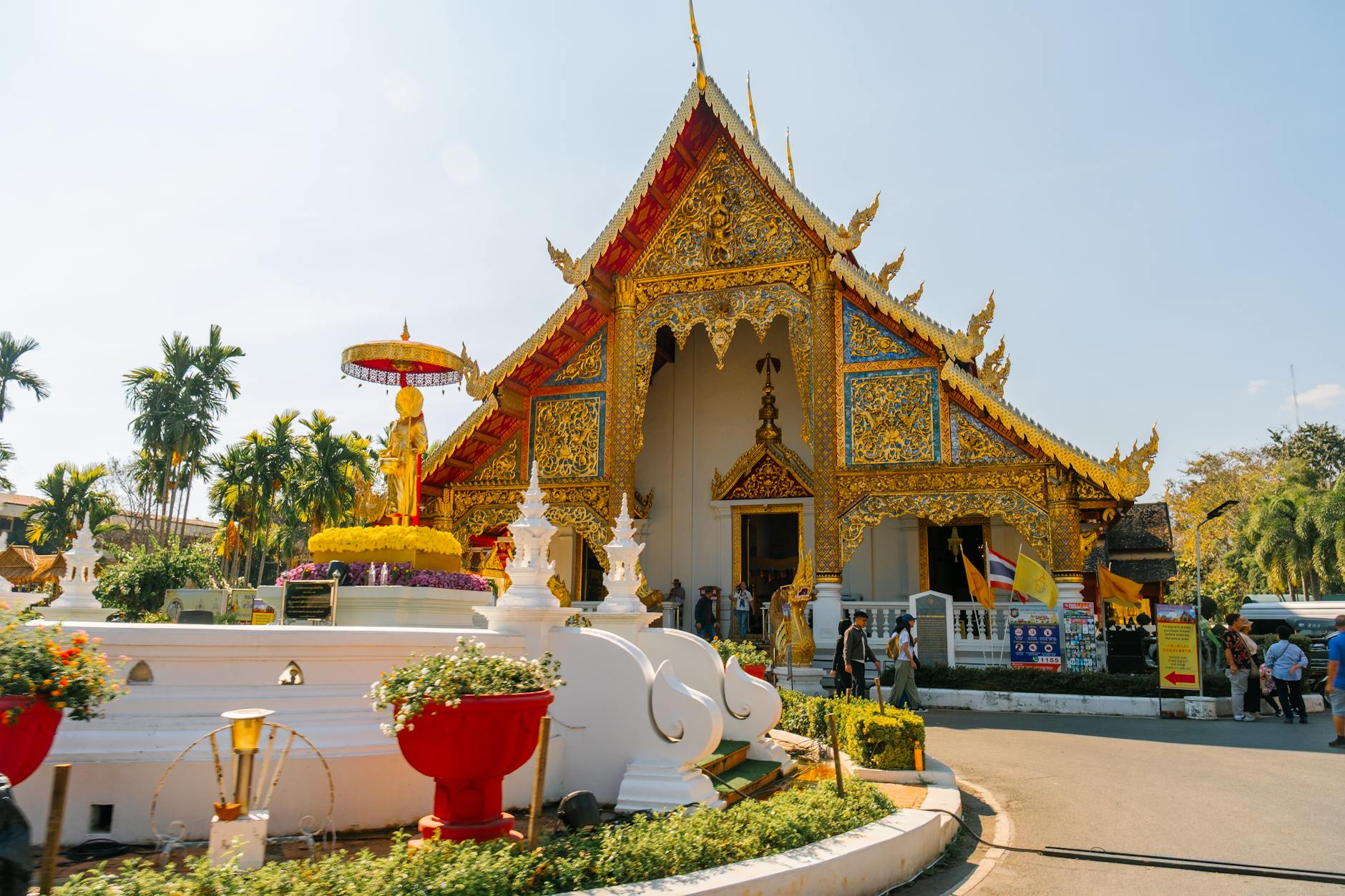
Chiang Mai has become something more than just another dot on the map for me. It’s a place where I learned to slow down, appreciate moments, and find a better balance between work and life. Chiang Mai life is this unique blend of Eastern wisdom, natural beauty, and modern comfort that any digital nomad truly appreciates. Here, you can find like-minded people, dive deep into a rich culture, and still not break the bank. Sure, like everywhere, it has its quirks – things like smog season or no direct access to the sea – but for me, those downsides are totally overshadowed by a huge number of positives. If you’re looking for a place for a long stay where you can work productively, find inspiration in nature, and really enjoy life, Chiang Mai is definitely worth considering. Maybe it’ll even become your second home, just like it did for me.