
Samui looks like white sand and palm trees from the plane window, and most visitors never get past Chaweng Beach. Give the island a week, though, and a second Samui opens up a few kilometers inland: waterfalls in the coconut plantations, empty temples, a stone garden up in the hills. This guide covers what to see on Samui besides beaches. If this is your first visit, start with our complete Samui planning guide and come back here for the quieter side of the island.
On Samui I always rent a scooter for the whole stay, and that is what changes the trip. Two or three days of the beach, food and massage circuit is enough for most people, and then the ring road starts calling. Rentals cost about 200-300 baht a day, the loop around the island is roughly 50 km, and every side road into the hills leads somewhere worth a stop. Below is what that kind of wandering turns up.
Jungle and Waterfalls in the Island’s Interior

Ask anyone on Samui what to see away from the coast and the answer is waterfalls. The interior is a green maze of jungle, coconut plantations and hills, with streams cutting through it to form cascades. Go early. Tour buses arrive around 10 a.m., and before that you get the pools to yourself. Water levels depend on the season: at the end of the dry months, around March and April, some falls shrink to a trickle, while from October to December they are at their loudest.
Na Muang Waterfalls

Na Muang are the most famous waterfalls on the island, and there are two of them. Na Muang 1 sits almost at the end of a paved road: a short walk from the parking lot brings you to a wide cascade that drops into a shallow pool, good for cooling off. It is not a secluded spot. An elephant camp sits next door, along with souvenir stalls and cafes. Entry to the first fall is free.
Na Muang 2 is higher up, and reaching it is part of the fun. The steep trail takes 20-30 minutes, and the waterfall at the top is taller and far more impressive, especially after rain. Wear real shoes, not flip-flops, because the rocks are slick. Bring water too, since there is nowhere to buy it on the trail.
Hin Lad and the Smaller Falls
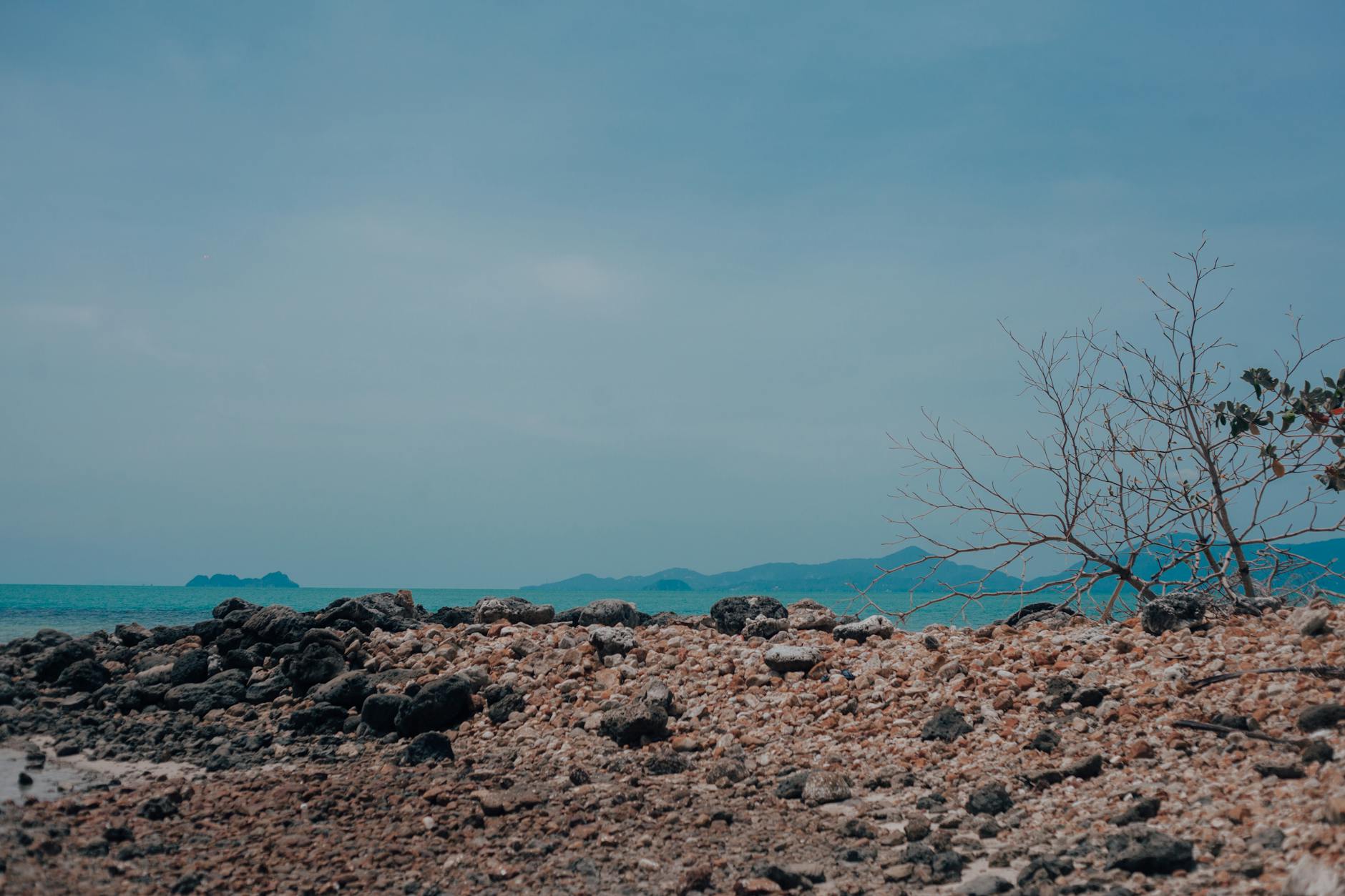
Beyond Na Muang the crowds thin out. Hin Lad Waterfall, just south of Nathon, is reached by a proper jungle walk of 40-50 minutes each way, so it is more of a trek than a stroll. You pass a small temple at the trailhead, and the fall itself has several pools for a swim. On a weekday morning I have had it almost to myself, which makes it a solid choice if you want Samui without crowds.
Tar Nim Waterfall is a small one near the Magic Buddha Garden, worth ten minutes if you are already up there. To get deeper into the hills you will want a 4WD jungle safari or your own SUV. Do not attempt those tracks on a regular scooter. The concrete ends, the gradient turns brutal and the gravel does the rest.
Temples Worth the Detour
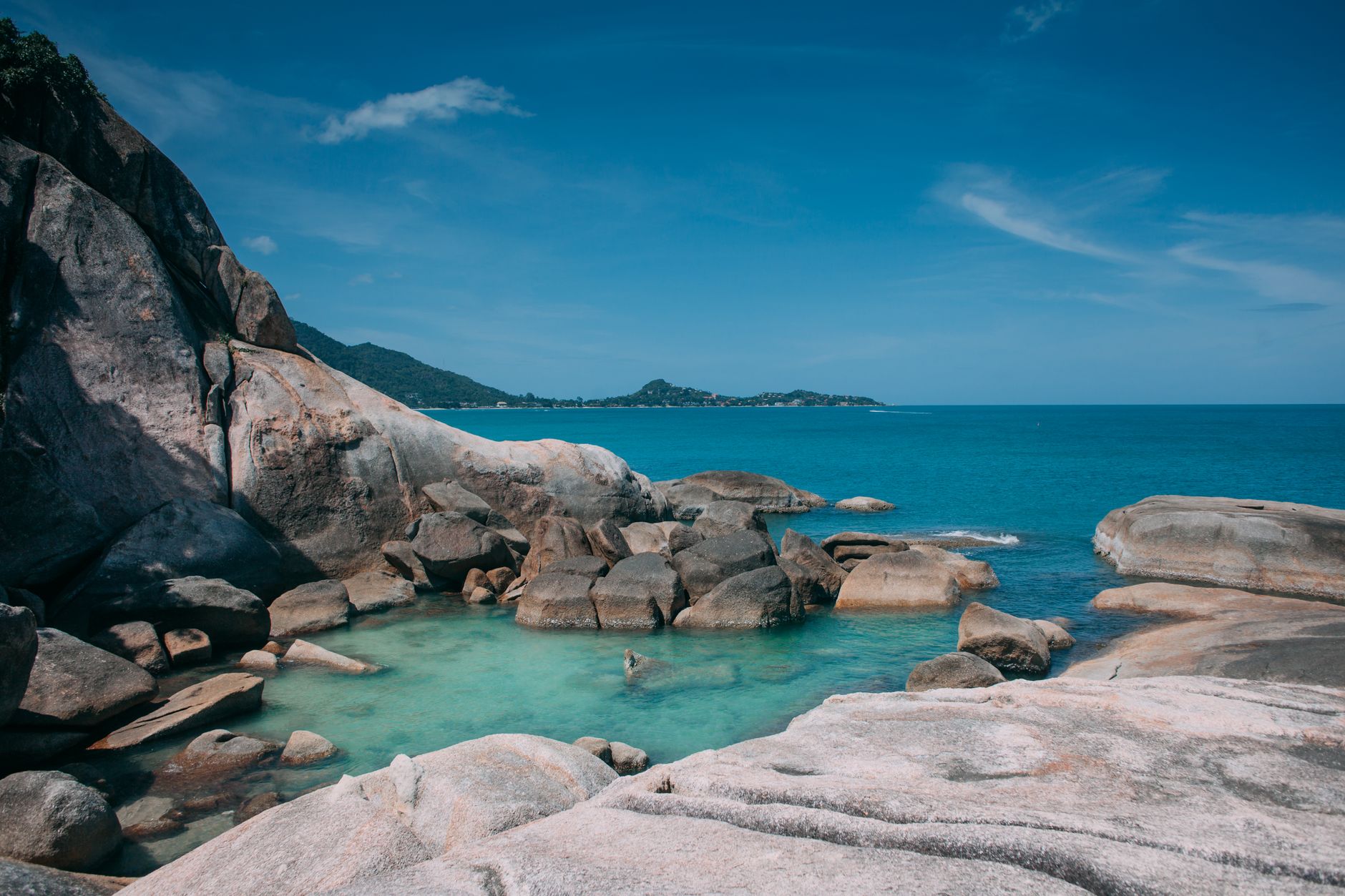
Buddhist temples are everywhere on Samui. Some are huge and ornate, others are tiny shrines half swallowed by the jungle. Each has its own feel, and together they are the easiest way to see the island’s culture rather than its tourism. Dress matters: shoulders and knees covered, shoes off at the door of any hall.
Big Buddha and Beyond

Wat Phra Yai, the Big Buddha Temple, is the island’s most recognizable landmark. The 12-meter golden statue sits on a small islet near the airport and is visible from the plane on approach. It is always busy, but around sunset the light on the gold makes it worth the crowd. Climb the dragon-lined staircase for a view across the bay. A small market by the entrance sells amulets, souvenirs and Thai sweets. Entry is free, with a donation box by the stairs.
Close by is Wat Plai Laem, far more colorful and with unusual architecture. An 18-armed statue of Guanyin, the Goddess of Mercy, sits in the middle of a lake, surrounded by bright pagodas and a laughing fat Buddha. Fish food is sold by the pond, and locals say feeding the fish brings luck. An hour is enough. The two temples are a ten-minute ride apart, so they pair well with a waterfall in a single day.
Wat Khunaram and the Quiet Monasteries
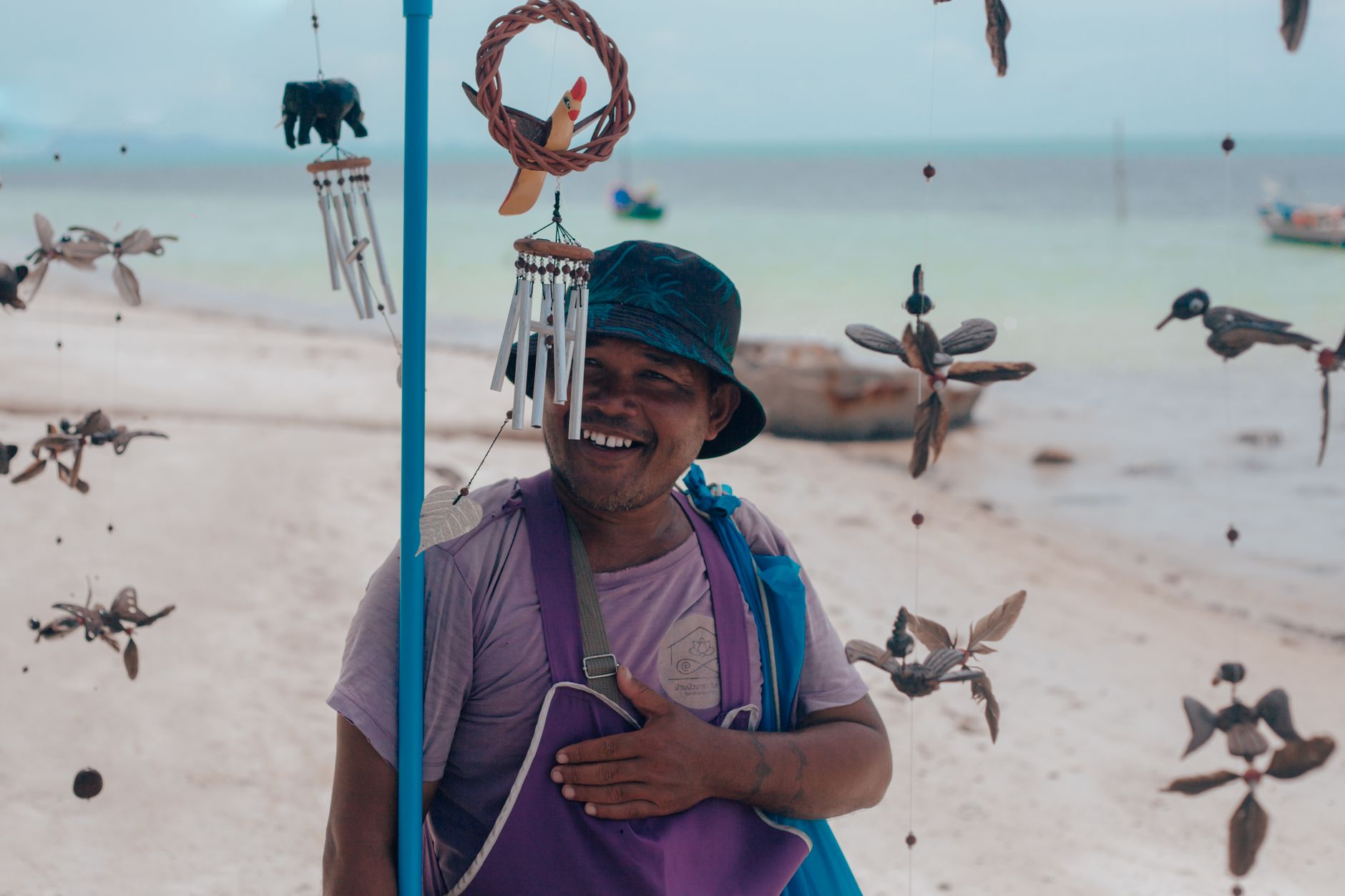
Something quieter: Wat Khunaram, on the ring road near Na Muang, is known for its mummified monk, Luang Pho Daeng. He died in 1973 while meditating and now sits in a glass case in the lotus position, wearing sunglasses. The body has barely decomposed. It is unsettling for a minute, then oddly peaceful, and locals come here to pay respects rather than to stare.
Small forest monasteries dot the island’s center, and most never make it into guidebooks. Turn off the main road wherever you see a “wat” sign and you often find nothing but monks, incense and the sound of leaves. Keep your voice down and leave a few baht in the box. Some private tours include these lesser-known spots, but a scooter and a map do the job just as well.
Seeing the Island From a Different Angle
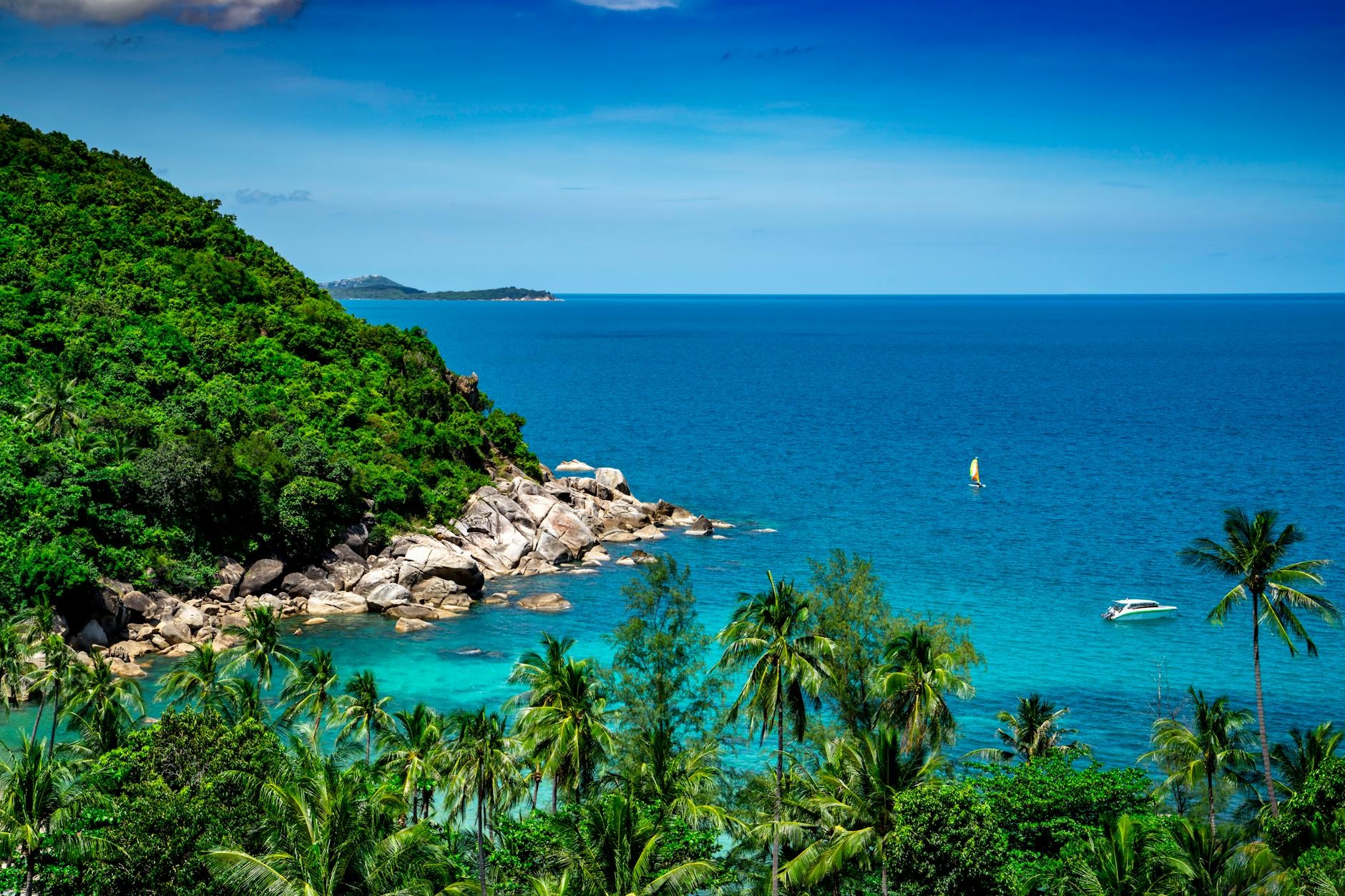
Samui keeps a few surprises past the waterfalls and temples. These spots need a longer drive or a steeper climb, and they change how the island looks once you have seen them.
Magic Buddha Garden (Secret Buddha Garden)

The Magic Buddha Garden, also called the Secret Buddha Garden, is one of the island’s best discoveries. It sits high in the hills above Na Muang, and the drive itself is an adventure. The road is steep and gravelly in places, so by scooter it is hard work and only for confident riders. A local fruit farmer, Nim Thongsuk, started the garden in 1976 at the age of 77, carving stone figures of gods, animals and mythical creatures and placing them among the plants and a small stream. It is quiet and cool up there, and the stone faces seem to watch you from the trees.
Entry costs 80 baht. Go in the morning, before the heat and the tour groups, and allow an hour or two for the paths. Several jeep tours stop here on the way to the viewpoints, which is the easier option if you would rather not deal with the road yourself.
Cooking Classes and Night Markets

Food counts as sightseeing on Samui. A half-day Thai cooking class usually starts with a walk through a herb garden or a market, then four or five dishes: green curry, tom yam, pad thai, mango with sticky rice. You eat what you cook, so skip lunch beforehand.
Night markets are the other way in. Fisherman’s Village Walking Street in Bophut runs on Friday evenings, the Lamai market on Sundays, and both are touristy along the main aisles. Walk to the far end and the stalls turn local: grilled squid, som tam pounded to order, coconut ice cream for 40-60 baht. Prices for food are fixed, so there is no bargaining.
Boat Trips to Ang Thong and Koh Tao

Leaving the beach does not mean leaving the water. Take a boat trip to the neighboring islands instead. Ang Thong Marine National Park is a cluster of 42 limestone islands about an hour west of Samui by speedboat, with an emerald lake hidden inside one of them, sea caves, kayaking and decent snorkeling. Full-day trips normally include the park fee, lunch and hotel pickup. It is a world you cannot see from the Samui shore.
A speedboat day trip to Koh Tao and Nang Yuan is the other classic: about 1.5 hours each way, snorkeling over coral at Nang Yuan’s three-island sandbar, and a stop in Koh Tao’s dive bays. Efoil boards, which fly above the water on an electric hydrofoil, are the newest toy on Chaweng and Bophut. A sunset catamaran cruise is the slow alternative.
Building Your Own Route
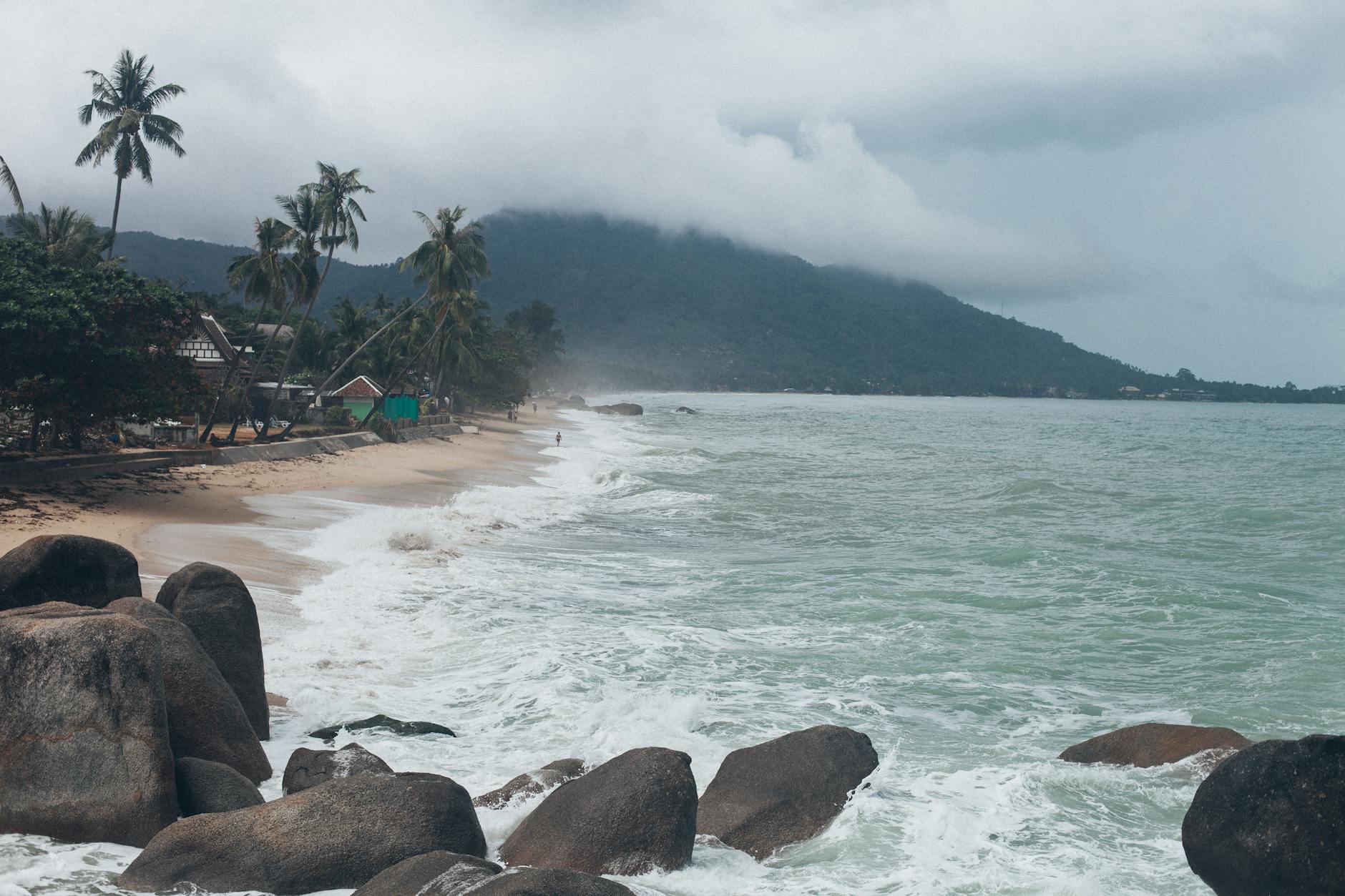
A few practical notes for putting together an off-the-beaten-path route on Samui. The main thing is to leave gaps in the plan and follow whatever turns up on the way.
Getting Around on a Scooter
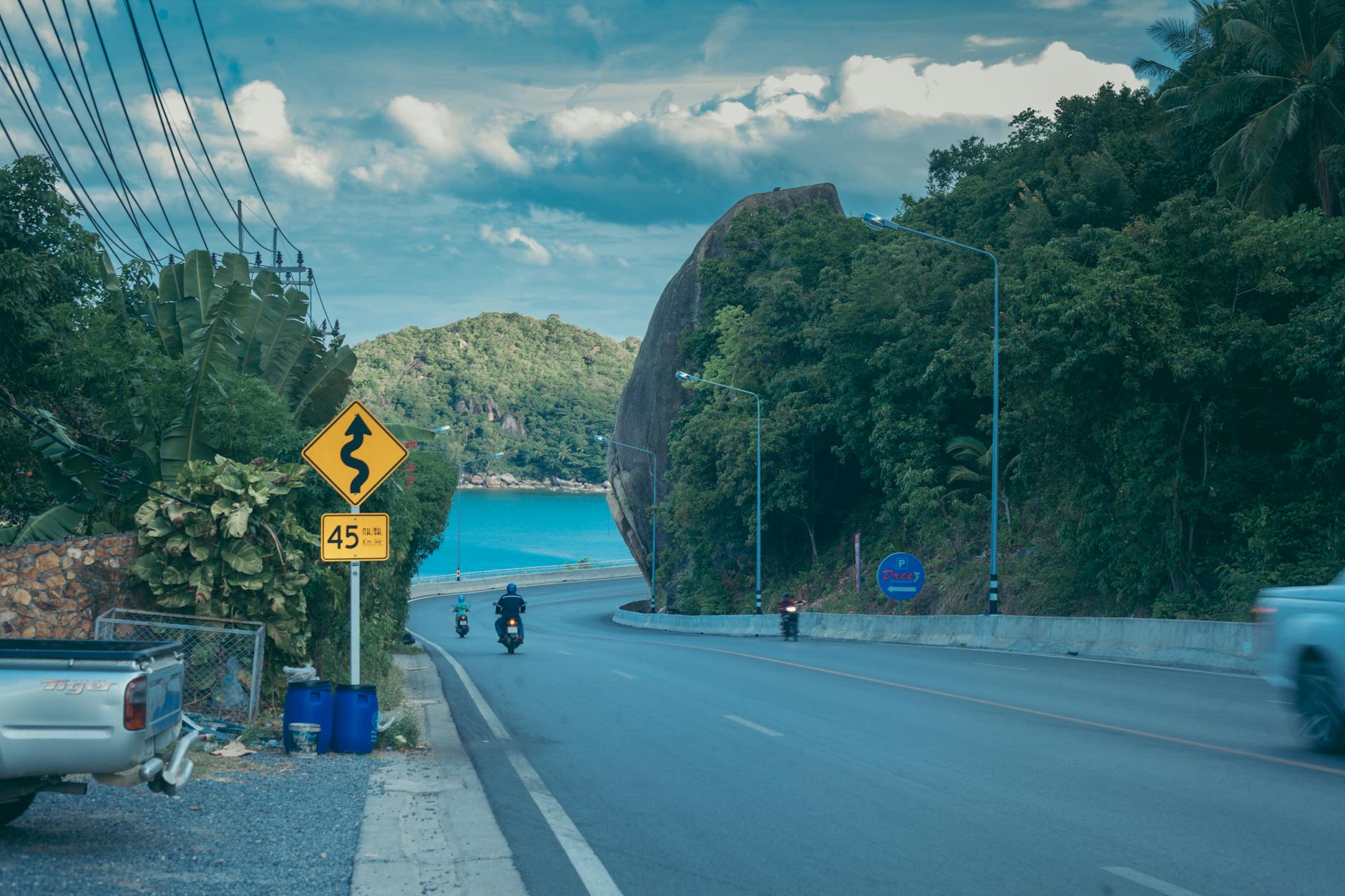
A rented scooter is the best way to see the island, and it is how most long-term visitors get around. It lets you turn down any side road and find spots no guidebook lists. Rentals start at about 200 baht a day for a 125 cc automatic, 300 for something bigger, and shops ask for a passport or a cash deposit. In Thailand I usually rent for a week at a time, because the daily rate drops. Be careful though. The ring road is busy, the hills are steep, and sand on the corners catches out beginners every week. A helmet is not optional. If you are not a confident rider, rent a car or use the Bolt app for taxis.
Google Maps works, but switching it off and following a random road is how you find the cafes with jungle views and the roadside fruit stalls. For a base, the island has plenty of hotels on Samui at every price. Lamai is quieter than Chaweng and closer to the waterfalls and Wat Khunaram; Lamai Bayview Boutique Resort is one option there. Chaweng has the most choice and the nightlife, Bophut has the Fisherman’s Village and the better restaurants.
Tours With a Local Guide
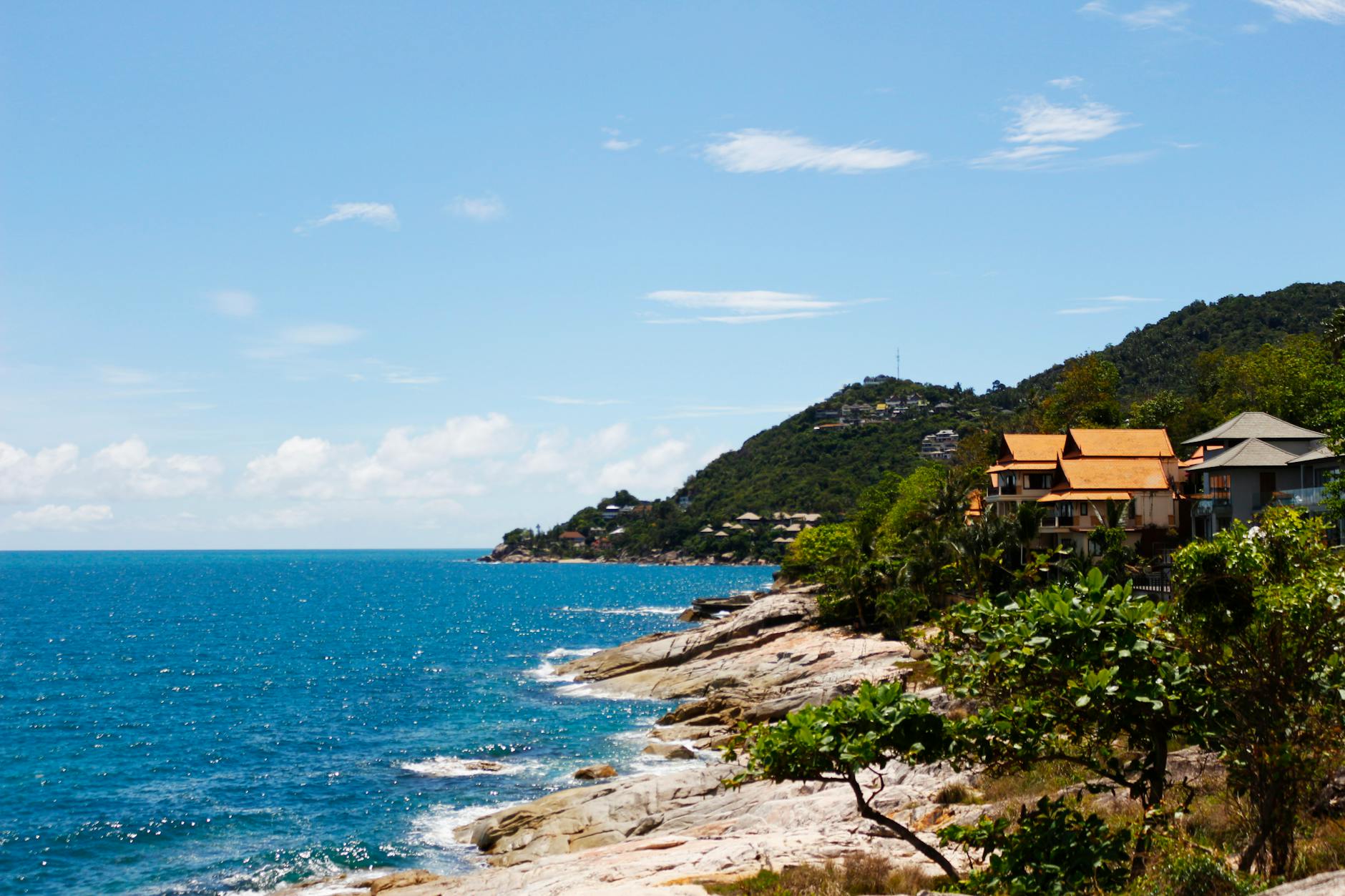
If planning is not your thing, or you want a guide who grew up here, Samui tours cover the main sights in a day. A six-hour Best of Samui tour with lunch typically strings together Big Buddha, Wat Plai Laem, Na Muang, the mummified monk and a viewpoint. Specialized tours go further, from jeep safaris to zipline courses in the canopy. There are also treasure-hunt style quests for groups and families.
Jeep safaris are the ones to pick if you want the interior without driving it yourself. They go off-road to mountain plantations, the Secret Buddha Garden and viewpoints over the west coast, and most include lunch at a hilltop restaurant. Expect a full day, from about 9 a.m. to 4 p.m., and a lot of dust.
Beyond the Postcard View
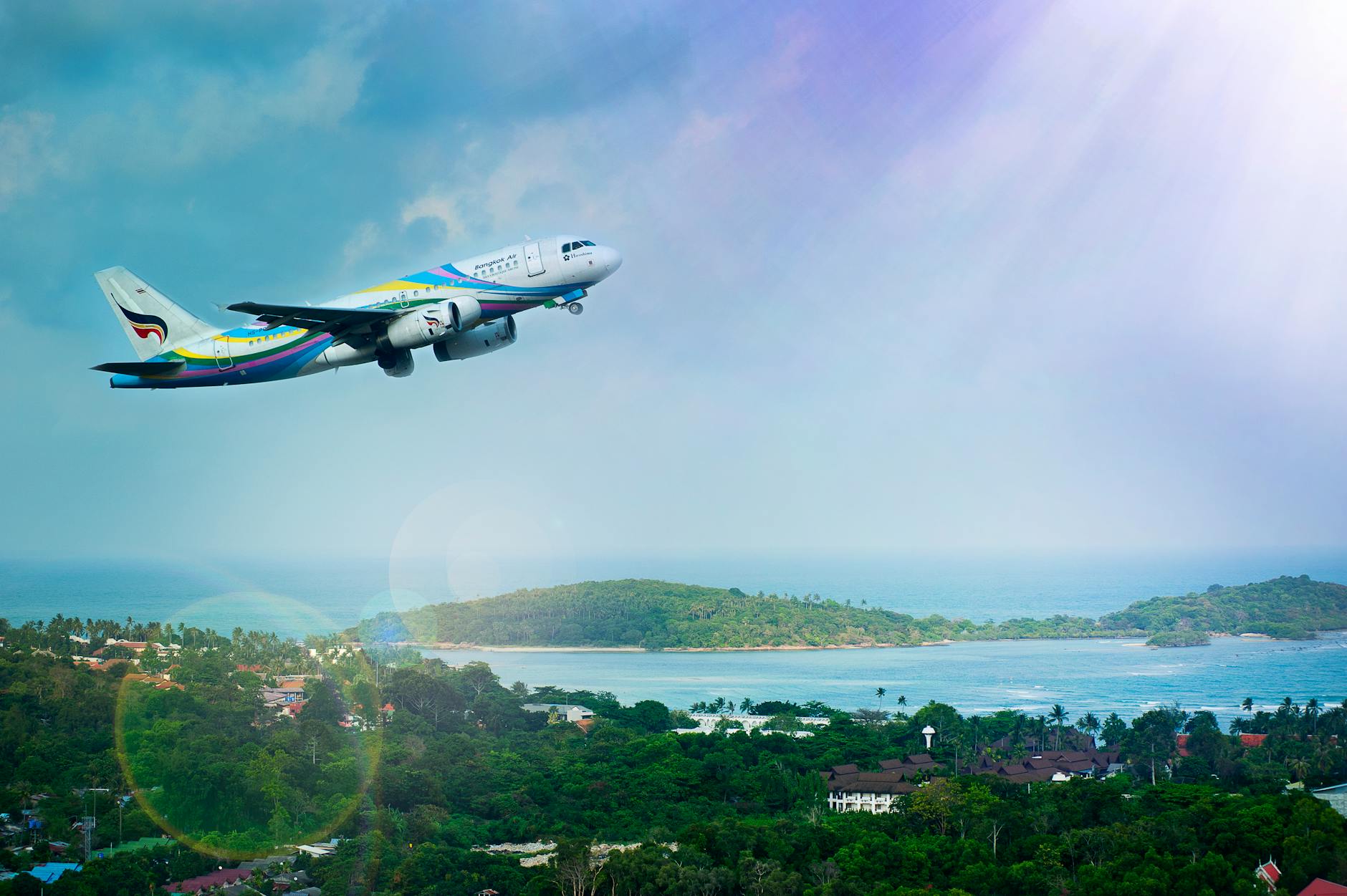
The parts of Samui that stay with you tend to be off the main roads: a trail to a waterfall, a temple with nobody in it, a mountain road that ends at a view. So the advice for anyone asking what to see on Samui beyond the beach is short. Rent a scooter or a car, pick a direction, and see where the road ends. Start with Na Muang at 8 a.m. and the Secret Buddha Garden before lunch, and you will have the island’s interior done before the tour buses arrive.


