

- How to Get to Koh Samui: Logistics and First Steps
- Weather in Koh Samui: When to Go and What to Expect from Each Season
- Where to Stay in Koh Samui: Best Beaches and Areas for Everyone
- Koh Samui What to See: Attractions and Entertainment
- Gastronomic Koh Samui: Where to Eat Affordably and What to Try
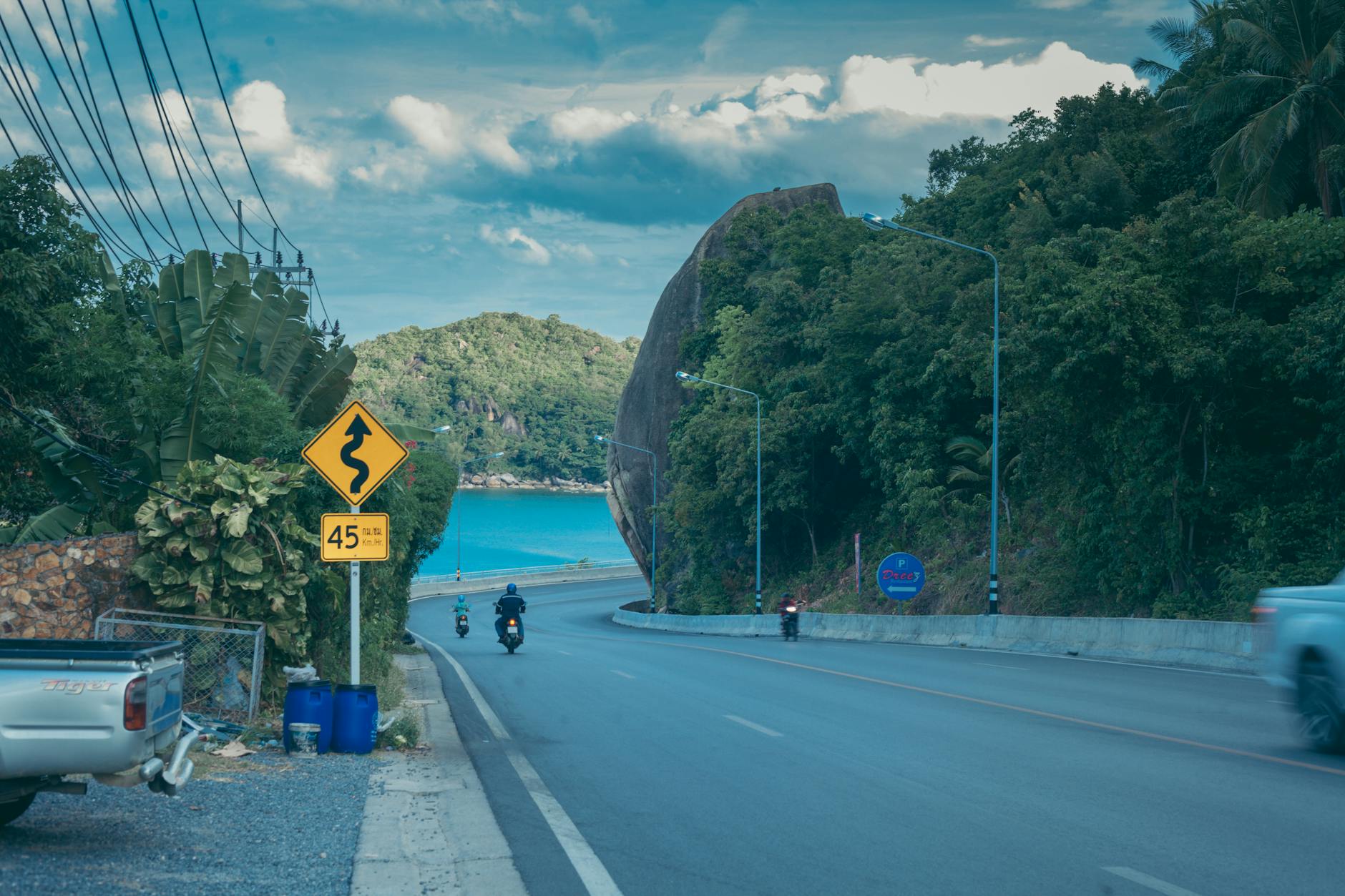
- Transportation in Koh Samui: How to Get Around the Island
- Koh Samui with Kids: Tips for Family Vacations
- Trip Budget: How Much Does a Trip to Koh Samui Cost?
- Koh Samui or Phuket: Which to Choose for Your Perfect Vacation
- What to Bring Back from Koh Samui: Souvenirs and Gifts
- Conclusion
There are places you keep coming back to, and for me, Koh Samui is definitely one of those islands. When I first landed here, I was honestly expecting a typical, hyped-up resort island, but I found something so much more – a blend of tropical serenity, vibrant life, and this really special, soulful vibe. This Koh Samui travel guide is all about my personal experiences and tips on how to plan the perfect trip to this amazing island. I’ve packed everything you might need here: from getting around to finding delicious and affordable places to eat in Koh Samui, and of course, I’ll share what to see in Koh Samui so your Koh Samui vacation reviews are nothing but rave. If you’re still wondering whether to choose Koh Samui or Phuket, or just looking for some inspiration, keep reading – I’ll try my best to convey all the magic of this place.
How to Get to Koh Samui: Logistics and First Steps


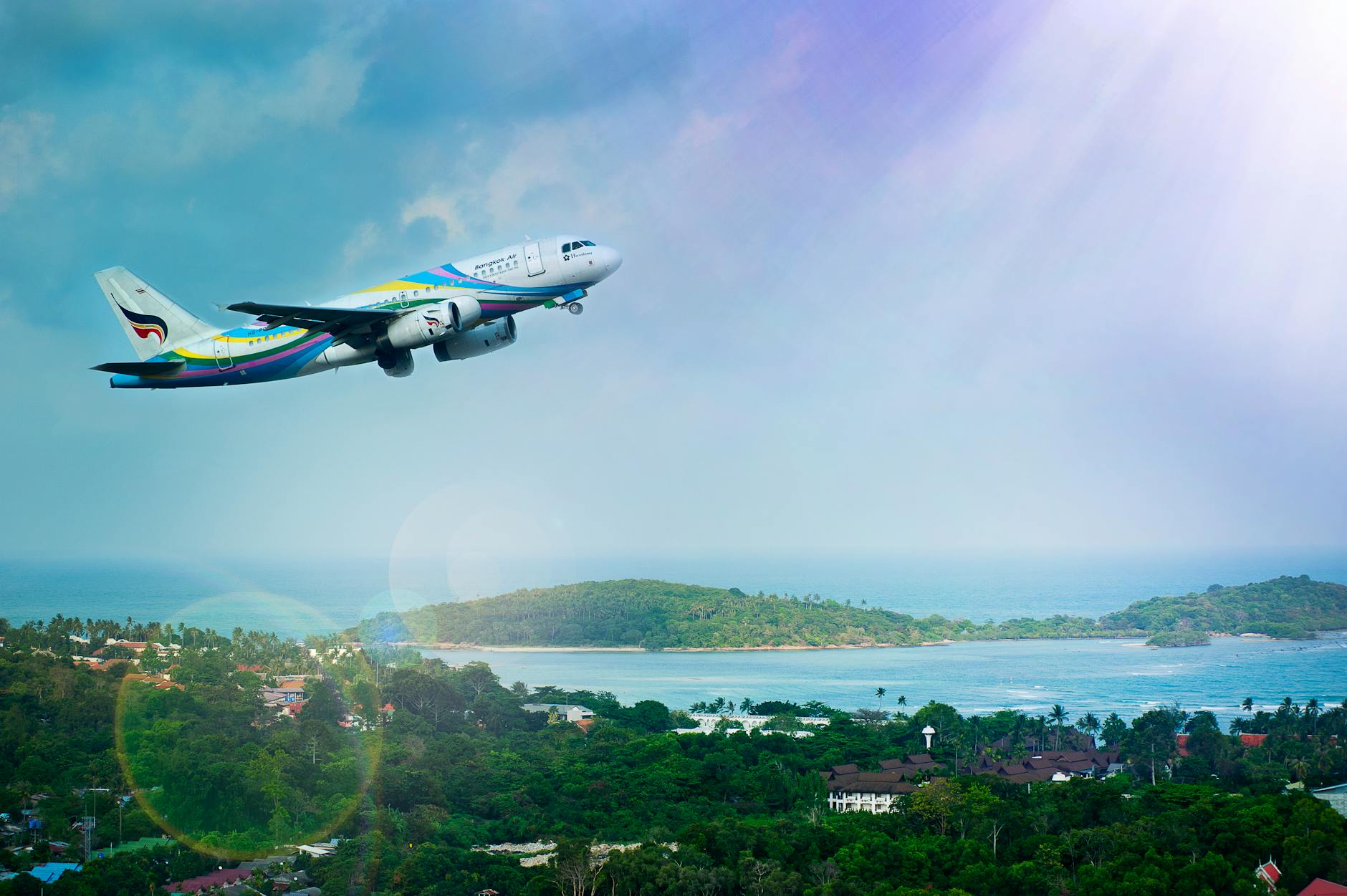
The question of “how to get to Koh Samui” is usually one of the first and most important things to figure out. You’ve got a few options, and your choice really depends on your budget and what you prefer. The most convenient, but also the priciest, way is a direct flight to the island. Samui Airport (USM) is privately owned by Bangkok Airways, which totally explains why ticket prices tend to be higher there. But honestly, you land right in paradise, and that’s pretty much worth it, wouldn’t you agree?
I usually hunt for flights to Koh Samui well in advance; it really helps save some cash. You’ll often find flights from Bangkok, Singapore, and Kuala Lumpur. If you’re flying in from further away, chances are you’ll need a layover in one of those cities.
An alternative, more budget-friendly option is a combined transfer. You’d fly into Surat Thani (URT) or Nakhon Si Thammarat (NST) – these are mainland airports – and then you make your way to the island by bus and ferry. Lots of airlines, like AirAsia or Nok Air, offer these “combo tickets” that include your flight, a bus to the pier, and the ferry to Koh Samui. It takes a bit longer – think 5-6 hours from landing to your hotel – but the price difference can be pretty significant. I’ve actually tried both ways, and if you’re not in a huge rush, the “combo” is a really cool way to see a little bit of mainland Thailand.
Once you arrive in Koh Samui, whether it’s at the airport or the ferry pier, you’ll find plenty of taxis and minivans waiting for you. Prices are generally fixed, so you won’t really get to haggle much. It’s smarter to arrange your transfer with your hotel beforehand or just grab an official taxi to avoid any unwelcome surprises. My very first arrival in Koh Samui was exactly like that – a bit chaotic, but totally filled with the excitement of something new.
Weather in Koh Samui: When to Go and What to Expect from Each Season

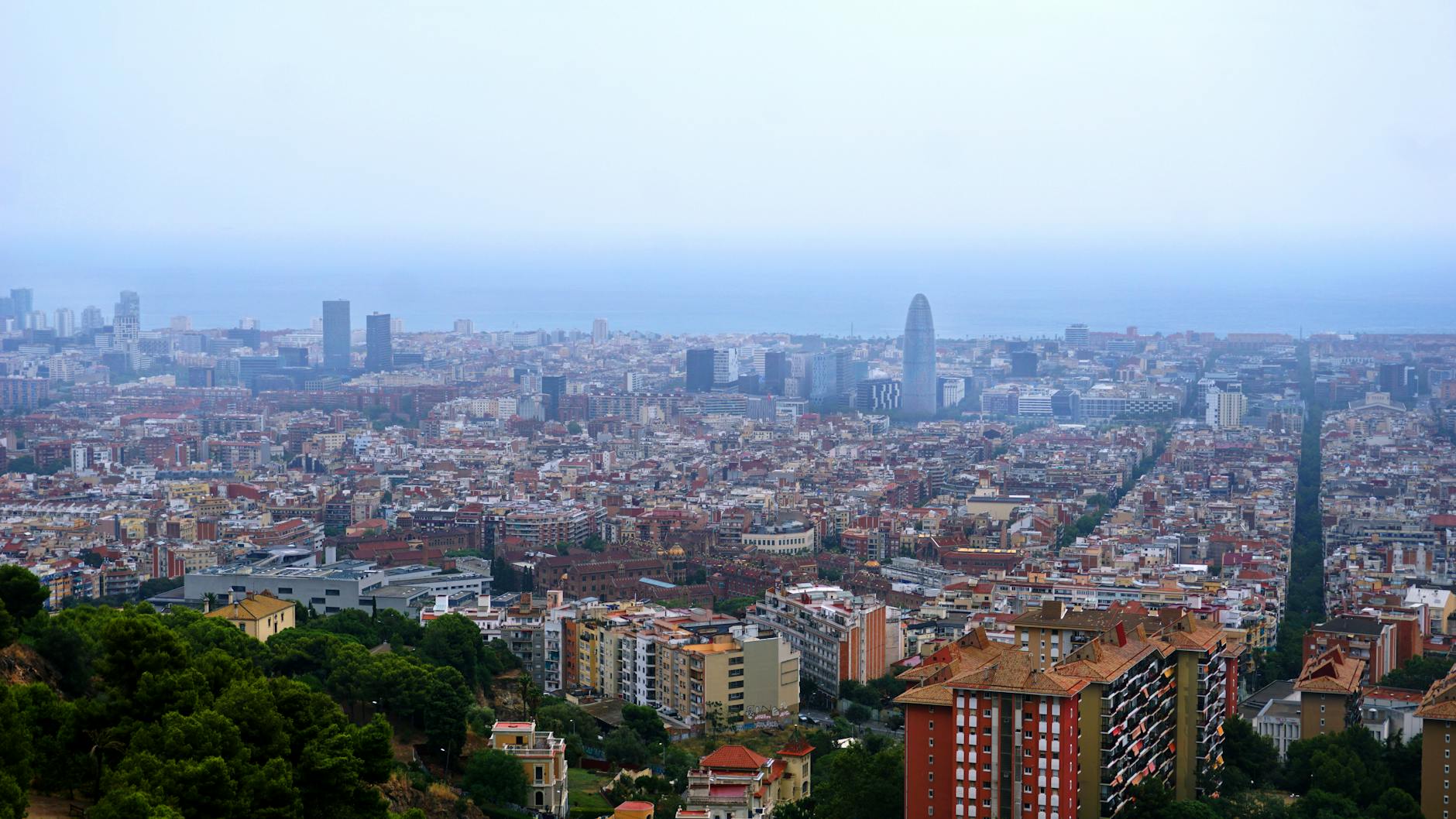
Knowing what the weather in Koh Samui is like month by month is super important for planning your perfect vacation. Thailand is a tropical country, and Koh Samui definitely has its own unique quirks that set it apart from, say, Phuket.
High Season: Dry and Sunny

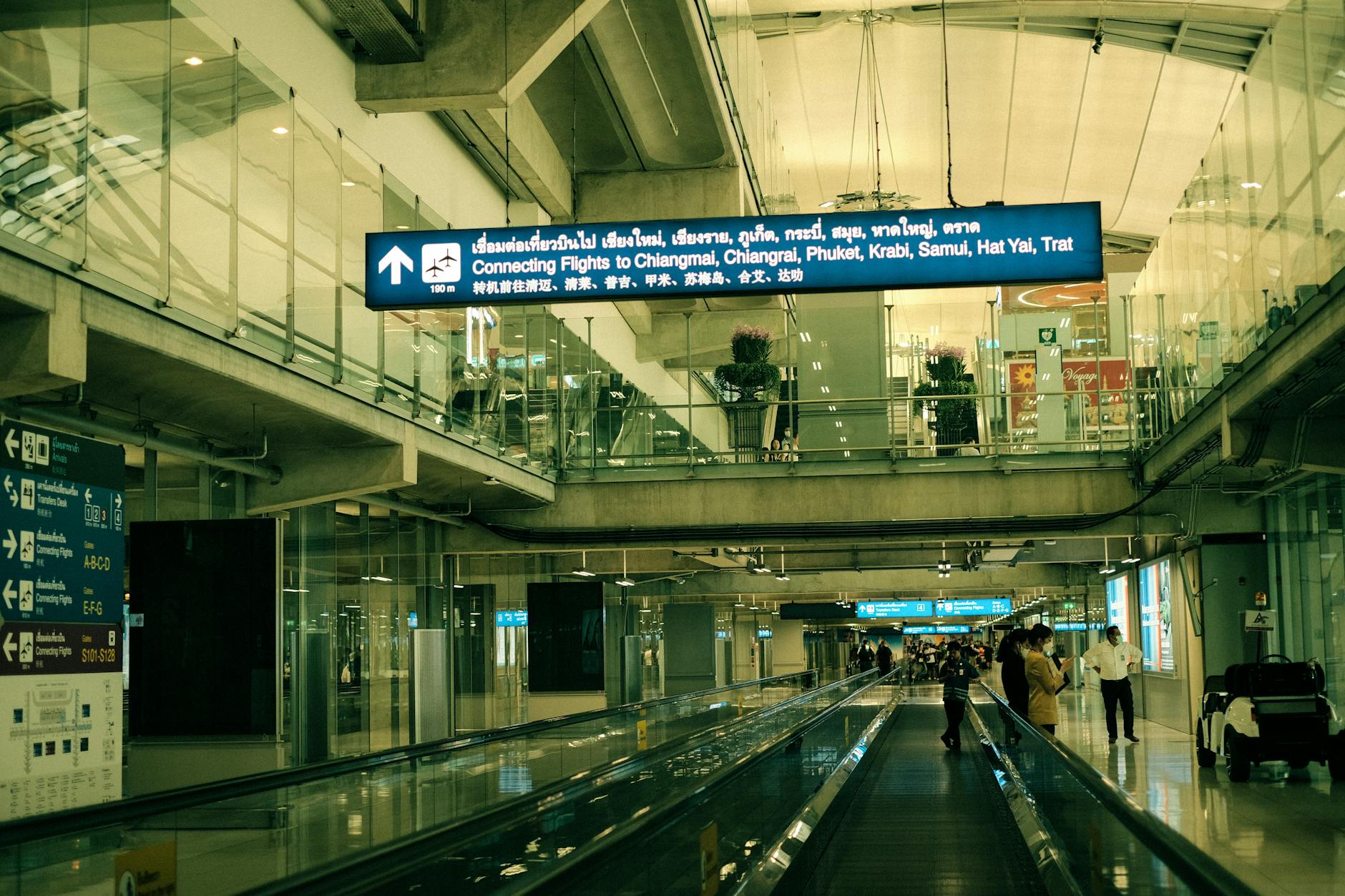
The absolute best time to visit Koh Samui is between December and April. That’s the high season, when the weather is at its driest and sunniest. Air temperatures are super comfortable, usually around +28-32°C, and the sea is calm and wonderfully warm. It’s true, the island gets pretty packed with tourists then, and prices for accommodation and tours might climb, but you’re pretty much guaranteed maximum sunshine and perfect conditions for beach lounging and water activities. I really love coming here in February; by then, I’m totally over Moscow’s freezing weather, and this place just feels like paradise. Evenings can sometimes get pleasantly cool, so a light jacket or cardigan wouldn’t hurt.
Shoulder Season: A Balance of Weather and Prices
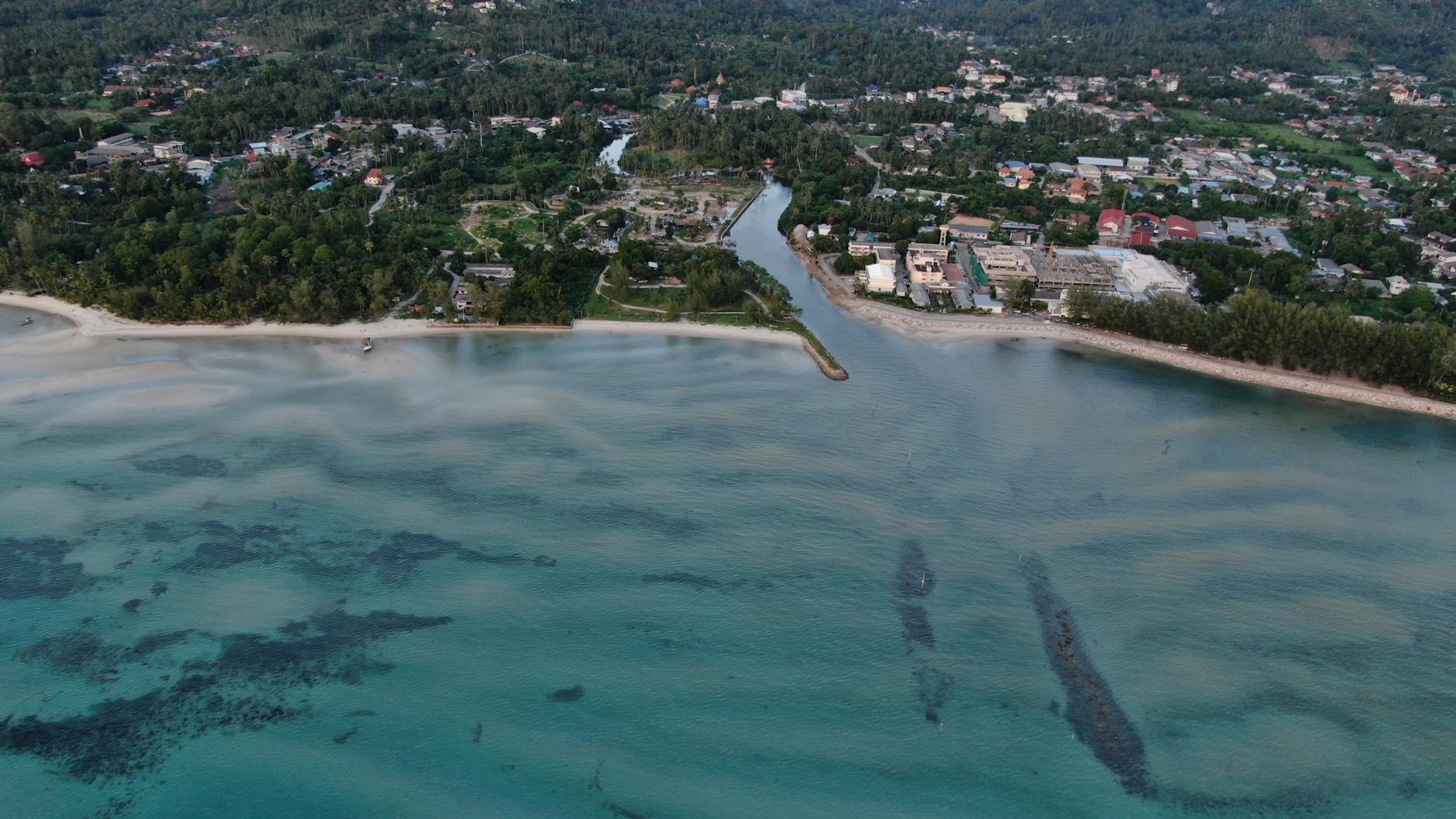
From May to August, Koh Samui enters what they call the shoulder season. The weather’s still great, but you might get some short, refreshing tropical downpours. They typically don’t last long—maybe half an hour to an hour—and then the sun usually pops right back out. On the flip side, there are fewer tourists around, and you can often snag better deals on hotels and flights. I was here one May, and honestly, the rain showers didn’t spoil the trip at all; if anything, they added a unique charm to the whole experience.
Rainy Season: Wet, But Beautiful in its Own Way
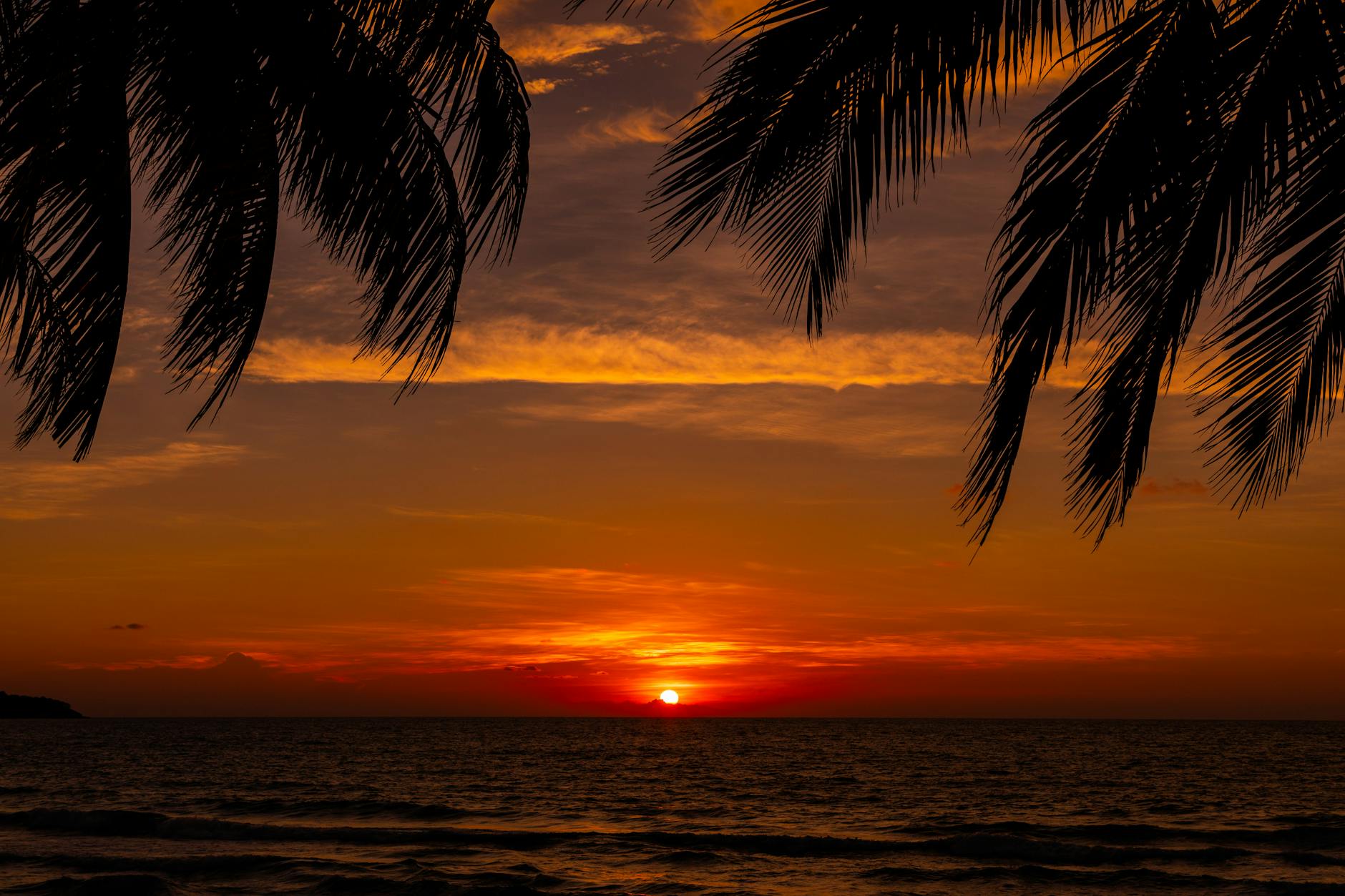
The period from September to November is considered Koh Samui’s rainy season. Now, that doesn’t mean it’s raining non-stop, you know. Often, it’s just a few hours of heavy downpour each day, and the rest of the time can still be sunny. The sea can get pretty choppy, and some island excursions might even be cancelled because of high waves. However, during this time, nature is especially lush, the waterfalls are full, and prices for pretty much everything drop noticeably. It’s a good option for anyone seeking solitude and who’s prepared for a few weather tantrums. If you’re on a budget and don’t mind a bit of rain, then this is totally your time to shine.
It’s really important to remember that tropical weather is just so unpredictable; even in the dry season, you might get a little shower, and during the rainy season, you could easily have weeks of perfect, sunny weather. The main thing is to be ready for any scenario and keep that positive vibe going!
Where to Stay in Koh Samui: Best Beaches and Areas for Everyone

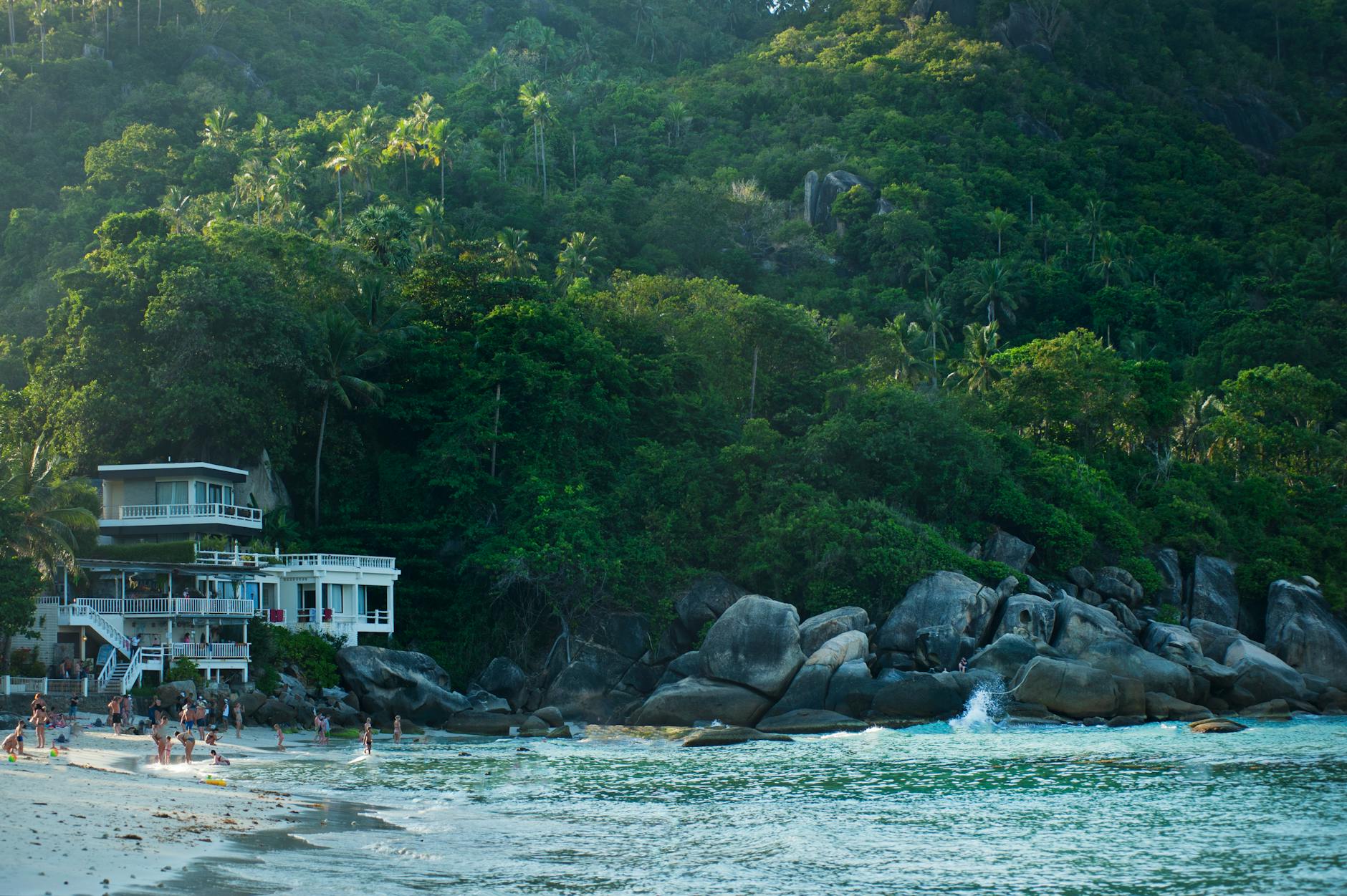
Choosing the right area and the best beaches in Koh Samui for your stay is, honestly, one of the key decisions that’ll really shape your whole vacation. The island’s pretty big, and each part offers something a little different.
Chaweng – The Heart of Parties and Activities
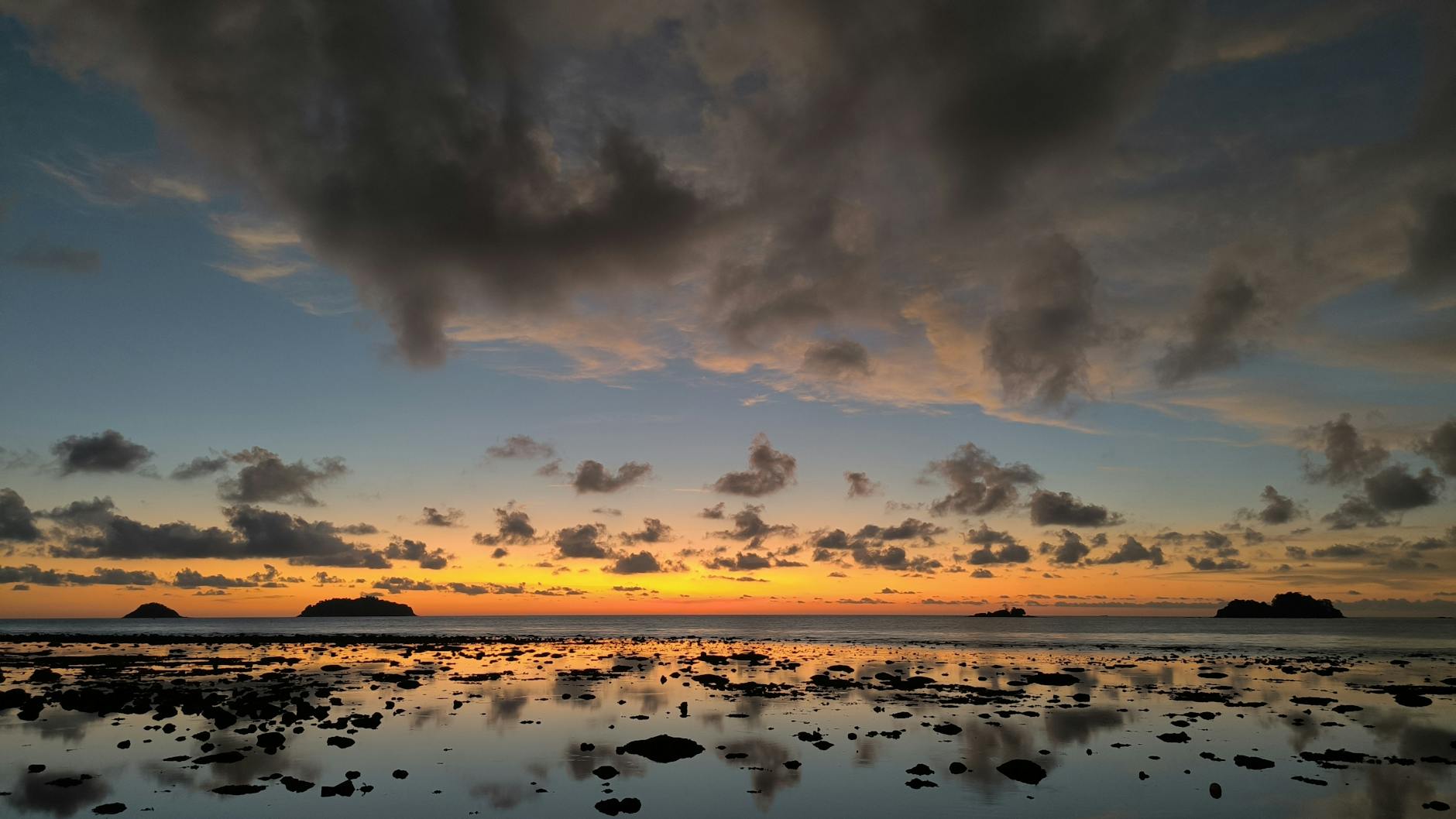
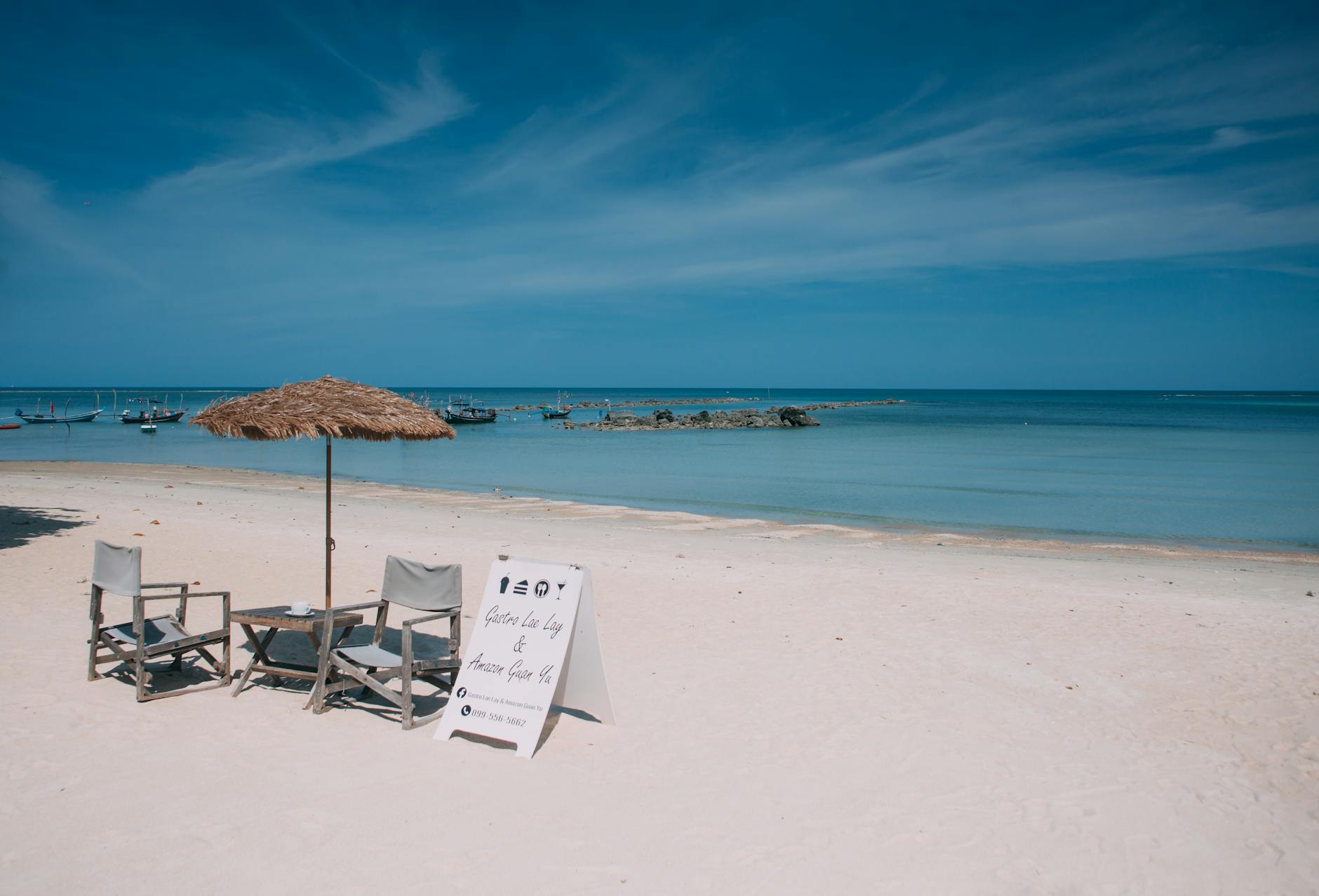
Chaweng is definitely the most popular and vibrant area on Koh Samui. You’ll find the longest and widest beach here, with soft white sand and crystal-clear water. Along the beach and main street, there’s a buzzing hub of restaurants, bars, clubs, shops, and massage parlors. If you love a lively scene and want to be right in the thick of the action, Chaweng is absolutely your spot. You can find everything from budget-friendly digs to luxurious Koh Samui hotels here. For instance, OZO Chaweng Samui offers modern design and a fantastic location, while Smile Samui Chaweng Beach Front Resort gives you direct beach access. And for those looking for something a bit more upscale, Avani Chaweng Samui Hotel & Beach Club – Adults Only is a brilliant choice, though that’s definitely more for an adult crowd.
Lamai – The Golden Mean
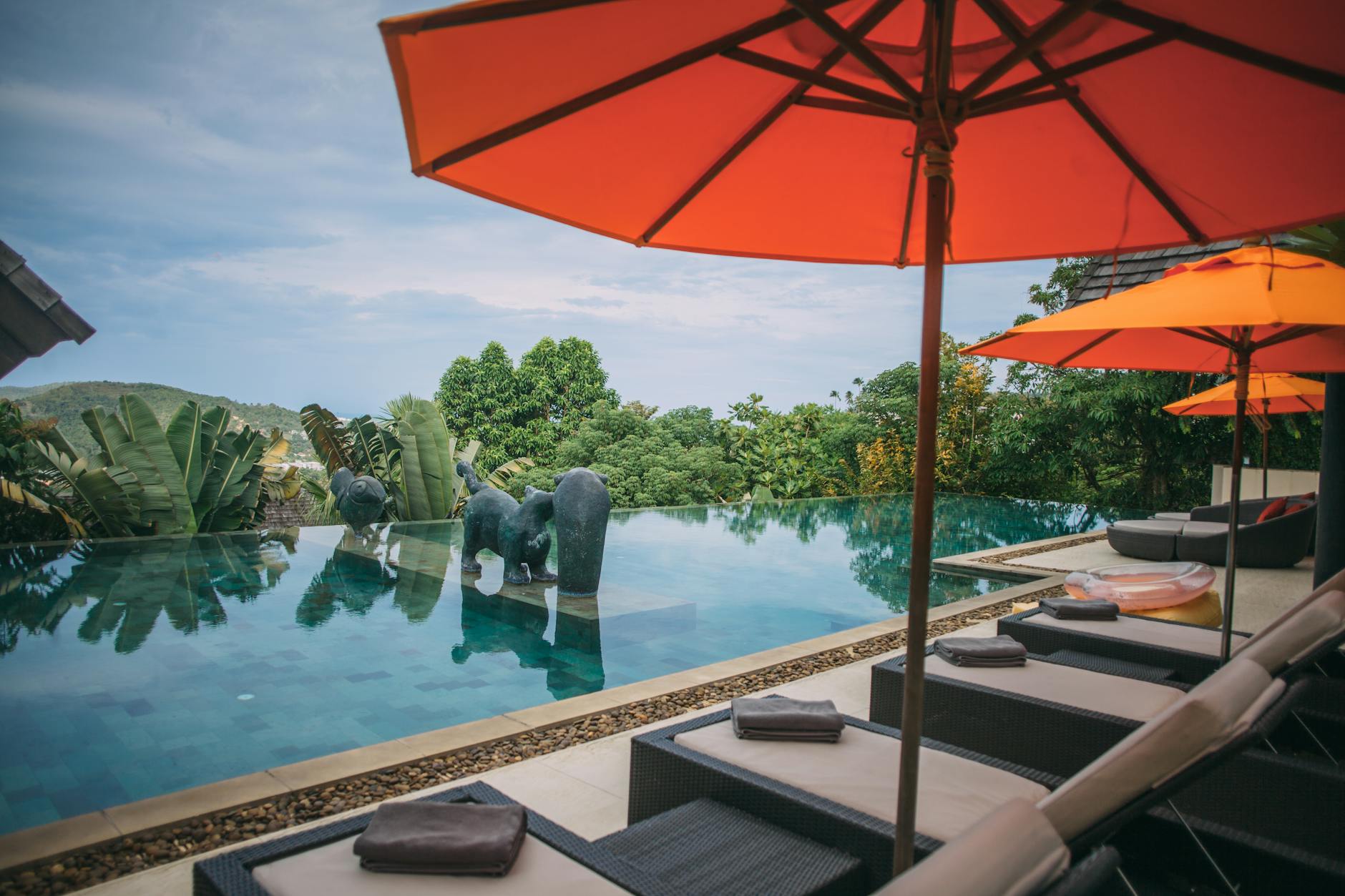
Lamai is a fantastic compromise between bustling Chaweng and the quieter northern beaches. It’s got plenty of developed infrastructure too, but everything feels a bit calmer and more soulful here. Lamai Beach is really beautiful, with coarse yellow sand, and in some spots, you’ll see these picturesque boulders. It’s a great spot for families or anyone looking for a more relaxed vibe, but who still wants to be close enough to civilization. I really love Lamai Bayview Boutique Resort for its cozy feel and stunning views. If you’re eyeing all-inclusive hotels in Koh Samui, Lamai also has a few decent options, though generally, you won’t find as many all-inclusive resorts on the island as you would, say, in Turkey.
Bophut – The Charm of Fisherman’s Village

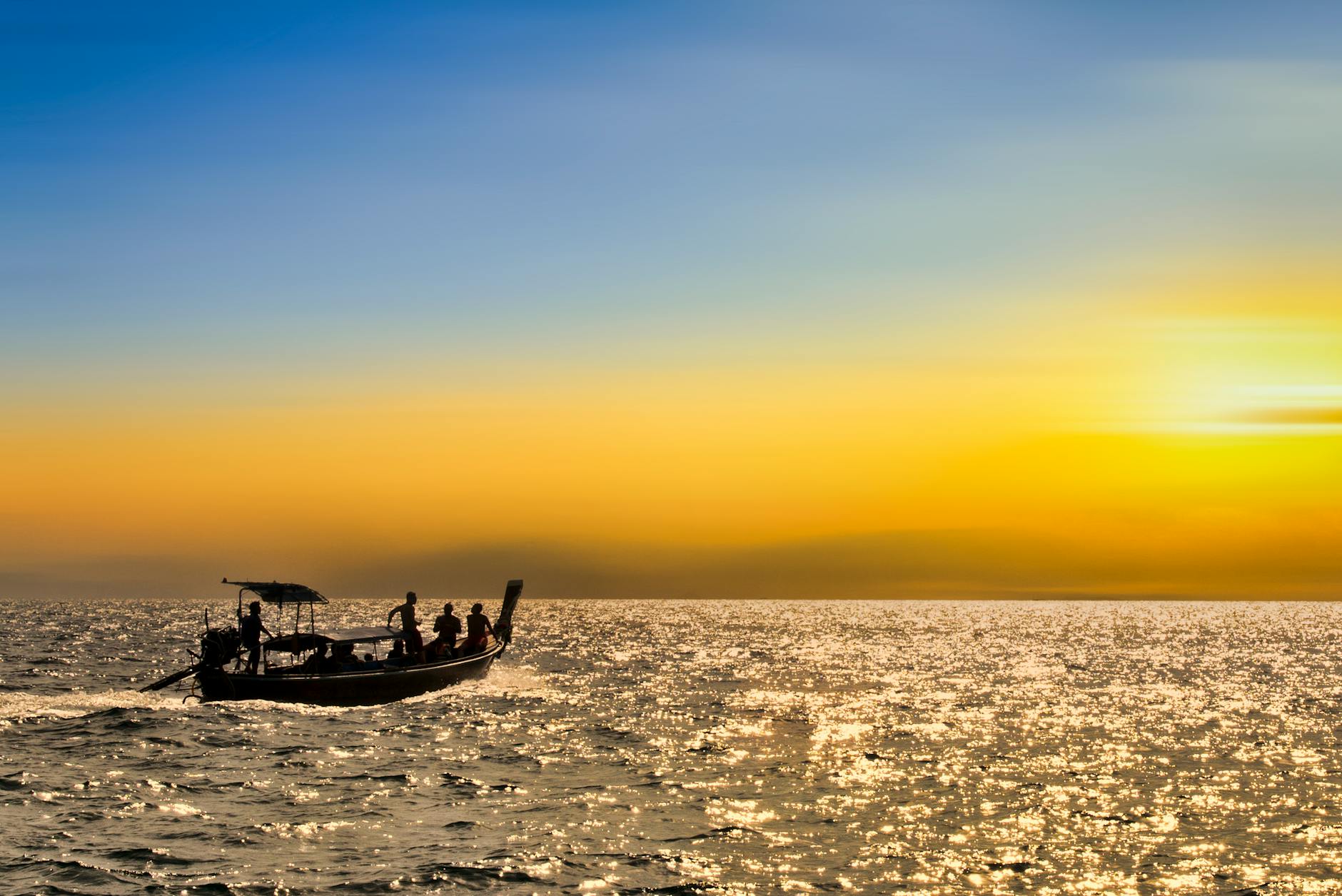
Bophut is famous for its Fisherman’s Village – it’s easily one of the most atmospheric spots on the entire island. You’ll find charming old wooden houses, boutique hotels, cozy cafes and restaurants, plus that famous night market on Fridays. Bophut Beach is calm, offering views of Koh Faan island (where the Big Buddha stands). It’s just perfect for a romantic getaway or for anyone who really appreciates style and tranquility. Holiday Inn Resort Samui Bophut Beach by IHG is a great choice for a family vacation, and if you’re craving luxury, then Kimpton Kitalay Samui will absolutely offer you an unforgettable experience.
Northern and Western Beaches: Seclusion and Luxury
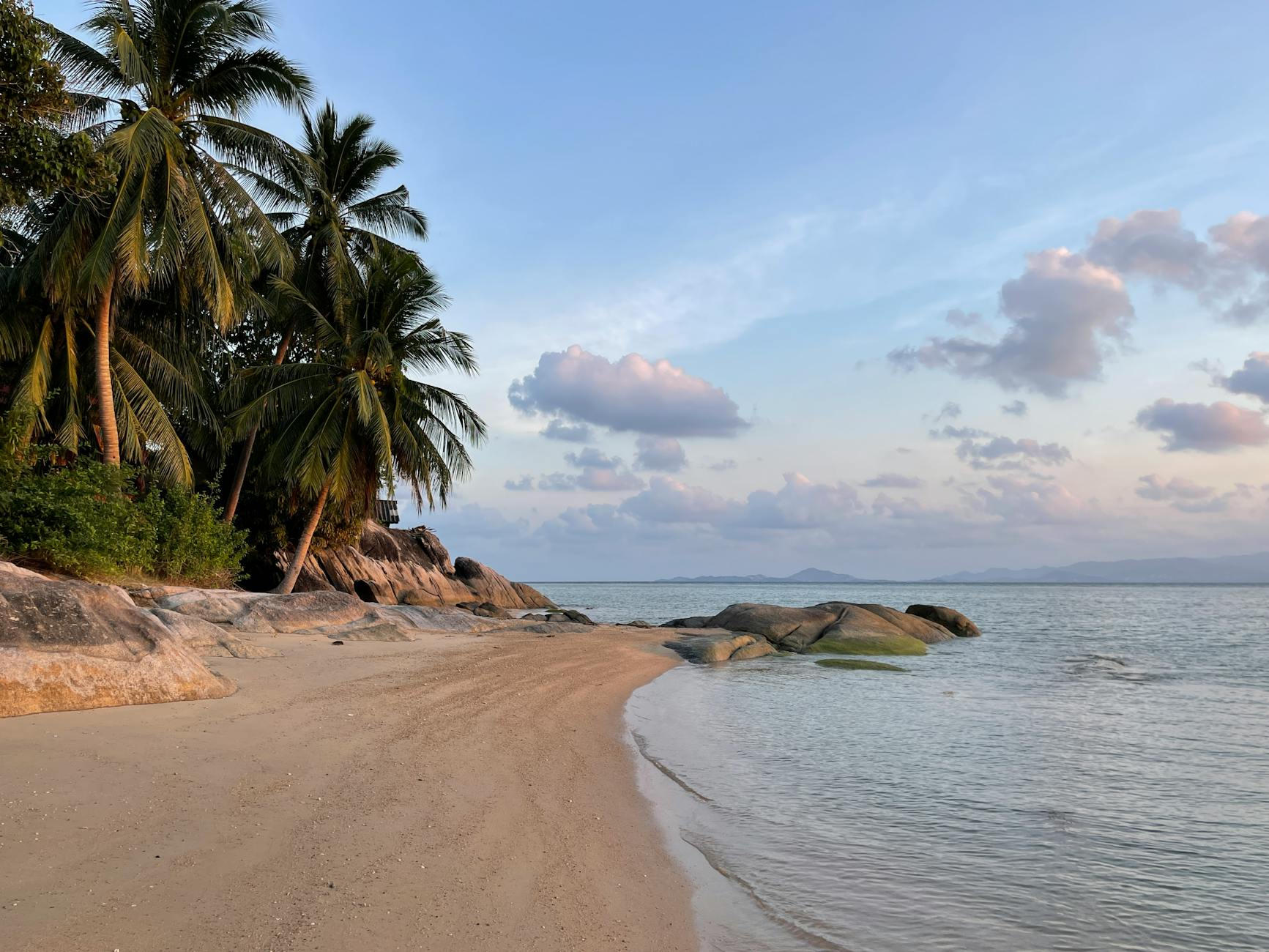
If you’re after maximum seclusion, quiet, and luxury, then you really ought to check out Maenam, Choeng Mon, and Taling Ngam beaches. You’ll find villas and high-end resorts here, often boasting their own private beaches. These areas are absolutely perfect for honeymoons, yoga retreats, or just for anyone who wants to completely disconnect from the hustle and bustle. Panorama Samui Residences offers villas with breathtaking views, and The Ritz-Carlton, Koh Samui is the very embodiment of five-star comfort. By the way, Vikasa Yoga Retreat isn’t just a hotel; it’s an entire complex for those seeking harmony and practicing yoga.
The choice is totally yours, of course, but I always recommend thinking about what kind of vacation you’re actually looking for. Lamai or Bophut are great for families with kids, Chaweng is perfect for younger crowds, and for those wanting to escape the world, the northern and western areas are your go-to.
Koh Samui What to See: Attractions and Entertainment
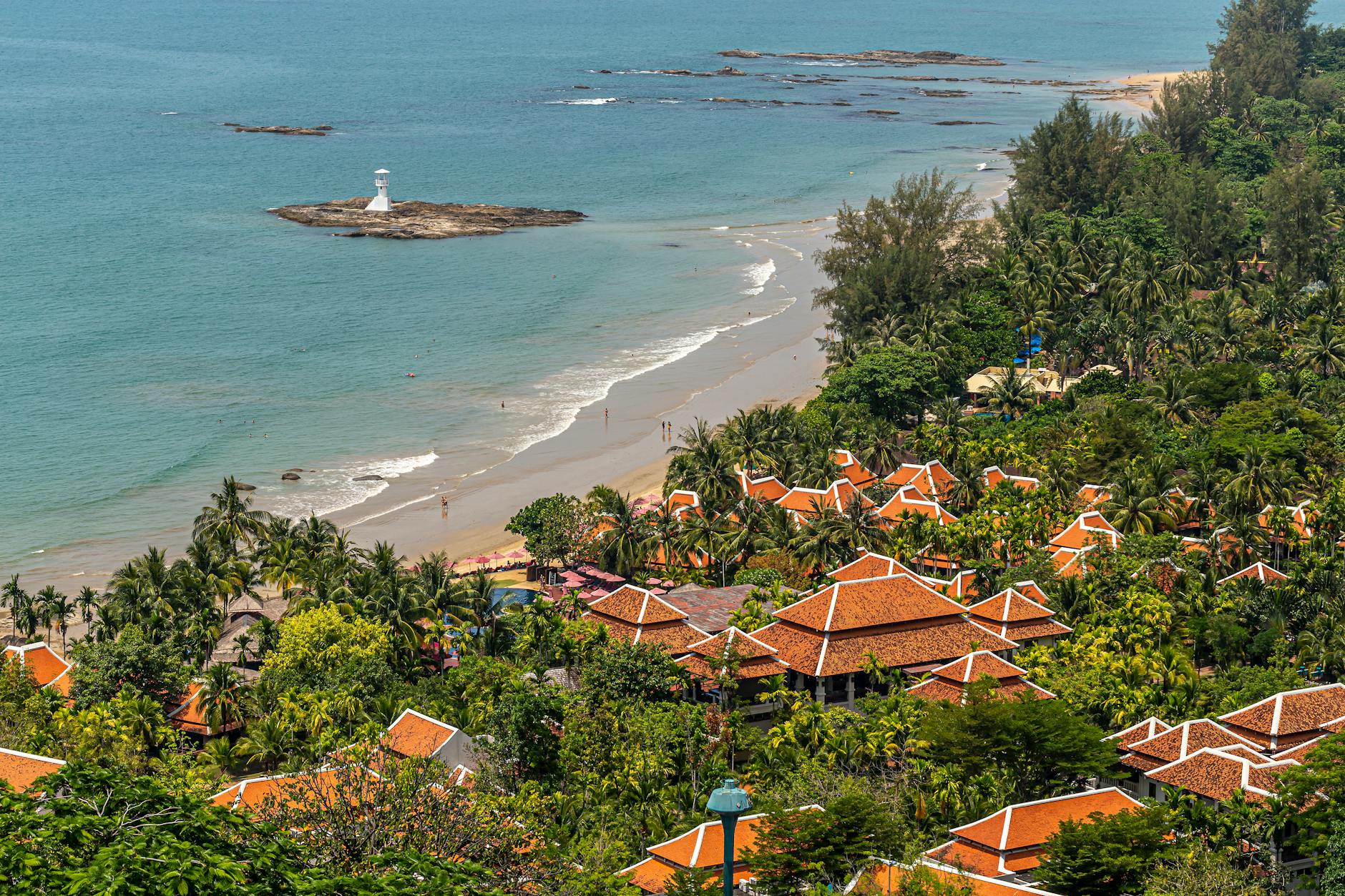
Koh Samui isn’t just about the beaches; there are tons of fascinating spots worth checking out too. If you’re asking yourself what to see in Koh Samui, well, here’s my must-do list. The island offers an amazing mix of nature, culture, and adventure.
Natural Wonders and Beach Relaxation
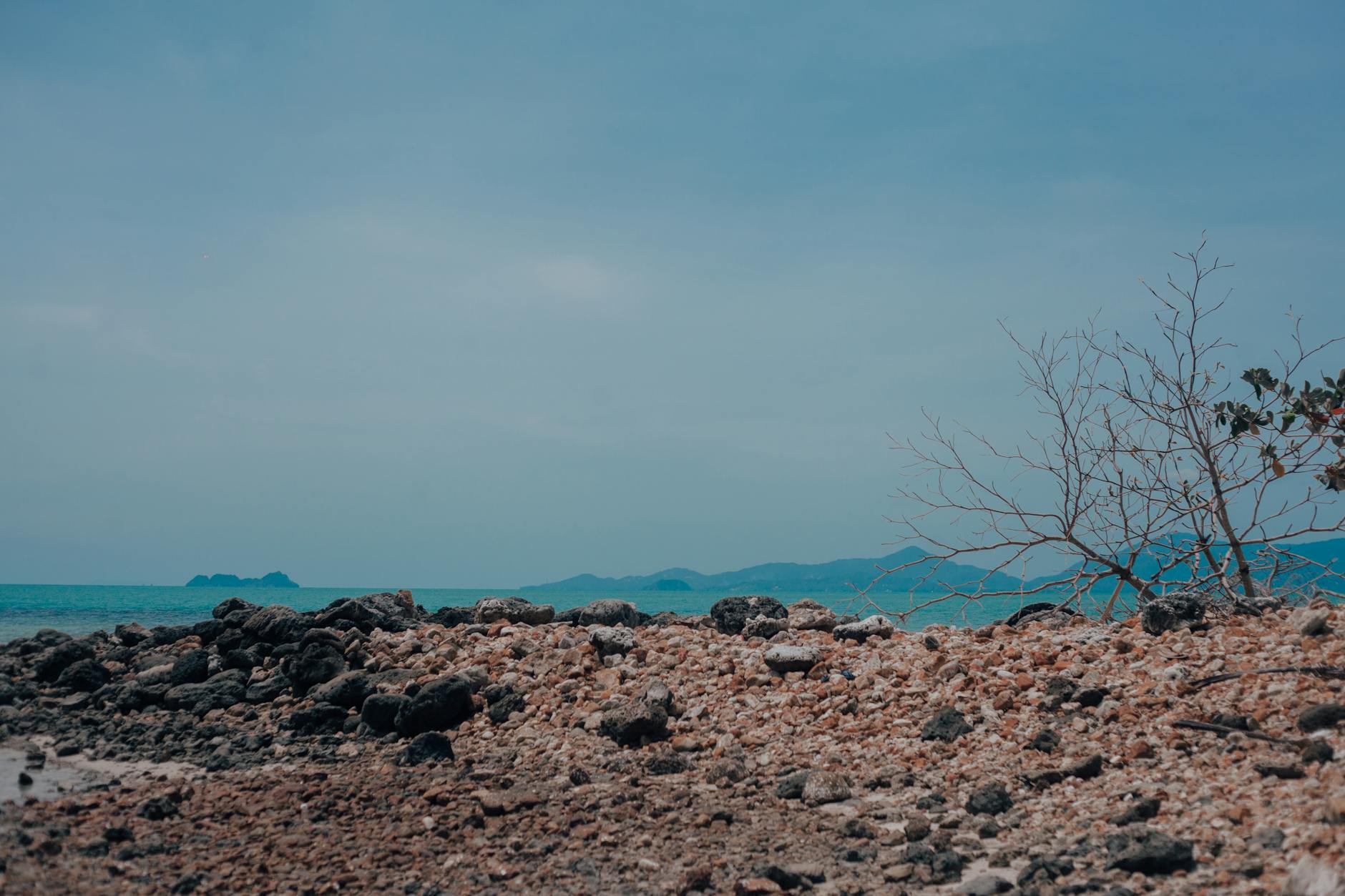
- Grandfather and Grandmother Rocks (Hin Ta & Hin Yai): These are probably one of Koh Samui’s most famous natural attractions. The unusually shaped rocks, resembling male and female genitalia, have become a pilgrimage spot for tourists. Beyond snapping funny photos, you can enjoy a gorgeous sea view here and grab some coconut sweets from local vendors.
- Na Muang Waterfalls: There are a few waterfalls on the island, but Na Muang 1 and Na Muang 2 are the most popular. You can easily walk to the first one, but getting to the second, taller one, requires a bit of a climb. They’re especially full and picturesque during the rainy season. You’ll often find elephant riding offered nearby, but I always urge people to choose ethical elephant sanctuaries where the animals are kept in good conditions.
- Secret Buddha Garden: Tucked high up in the mountains, this garden is a true oasis of calm and philosophy. A local farmer and gardener created it, and now you can see tons of stone statues of Buddha, mythical creatures, and people, all surrounded by lush tropical greenery. The drive there is an adventure in itself, often requiring a jeep.
- Ang Thong Marine National Park: This is an absolute must-see for anyone visiting Koh Samui. This archipelago of 42 islands is stunning with its untouched beauty – think emerald lagoons, towering limestone cliffs, hidden caves, and pristine white-sand beaches. I did the Ang Thong National Park Gems tour, and it was truly unforgettable. Snorkeling, kayaking, and climbing to the viewpoint overlooking the whole archipelago – those are memories for life! There are also other Ang Thong National Marine Park tour options from different operators.
- Koh Tao and Koh Nang Yuan Islands: If you’re into diving or snorkeling, these islands are a perfect pick. Koh Tao is famous for its dive schools and rich underwater world, while Koh Nang Yuan boasts three interconnected sandy islets. It’s a true paradise for marine adventure lovers. You can book a trip to Koh Tao and Nang Yuan islands.
- Pig Island (Koh Madsum): This small island has become super popular lately, famous for its free-roaming pigs who aren’t shy about interacting with tourists. It’s a fun and unique spot for a day trip. A private longtail boat tour with snorkeling and a stop at Pig Island is a great way to get there.
Cultural Immersion
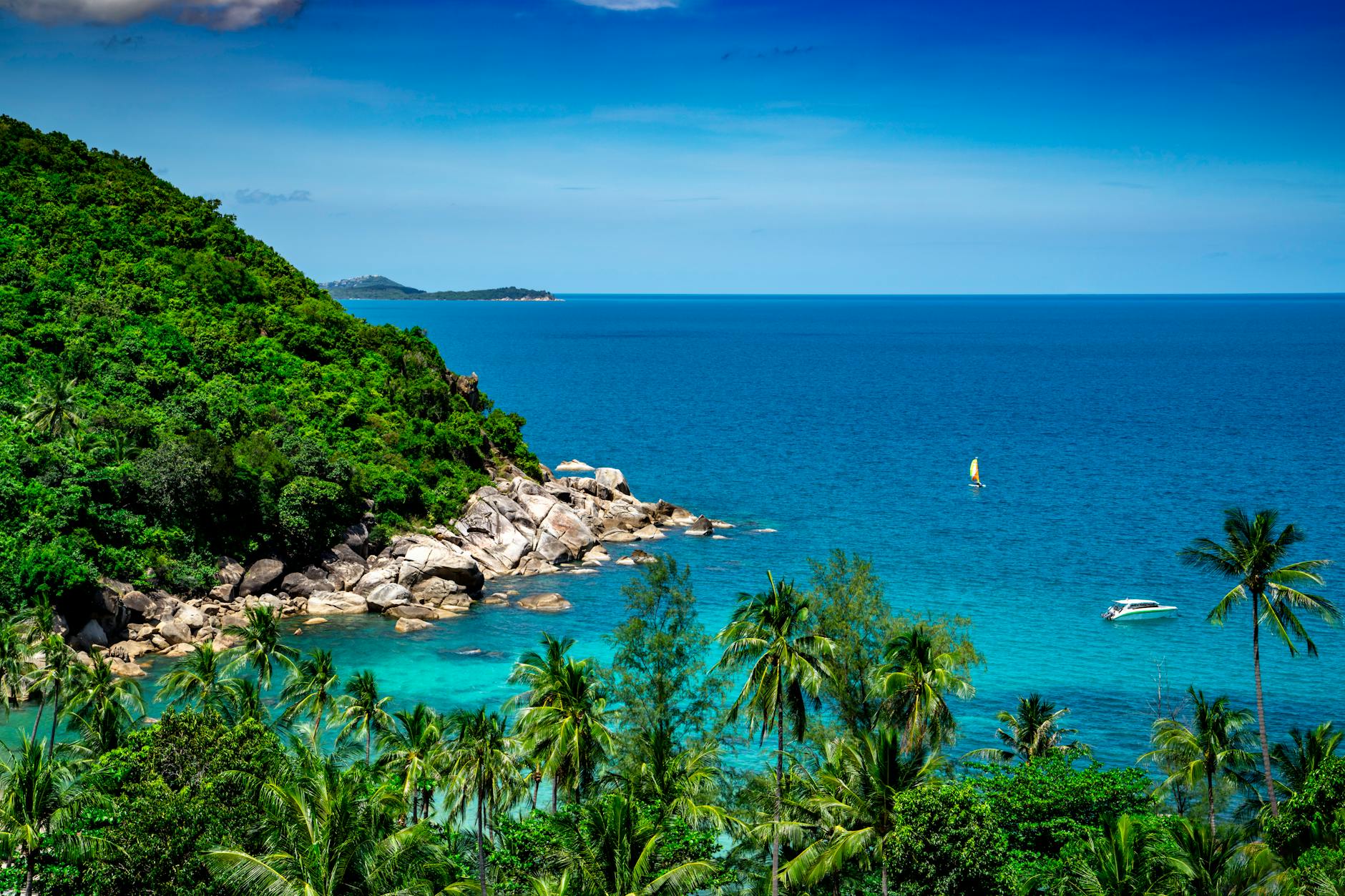
- Big Buddha (Wat Phra Yai): This is one of Koh Samui’s main iconic landmarks. The 12-meter-tall golden Buddha statue sits on the small island of Koh Faan, connected to Samui by a bridge. You get panoramic views from here, and the temple itself is incredibly ornate and majestic.
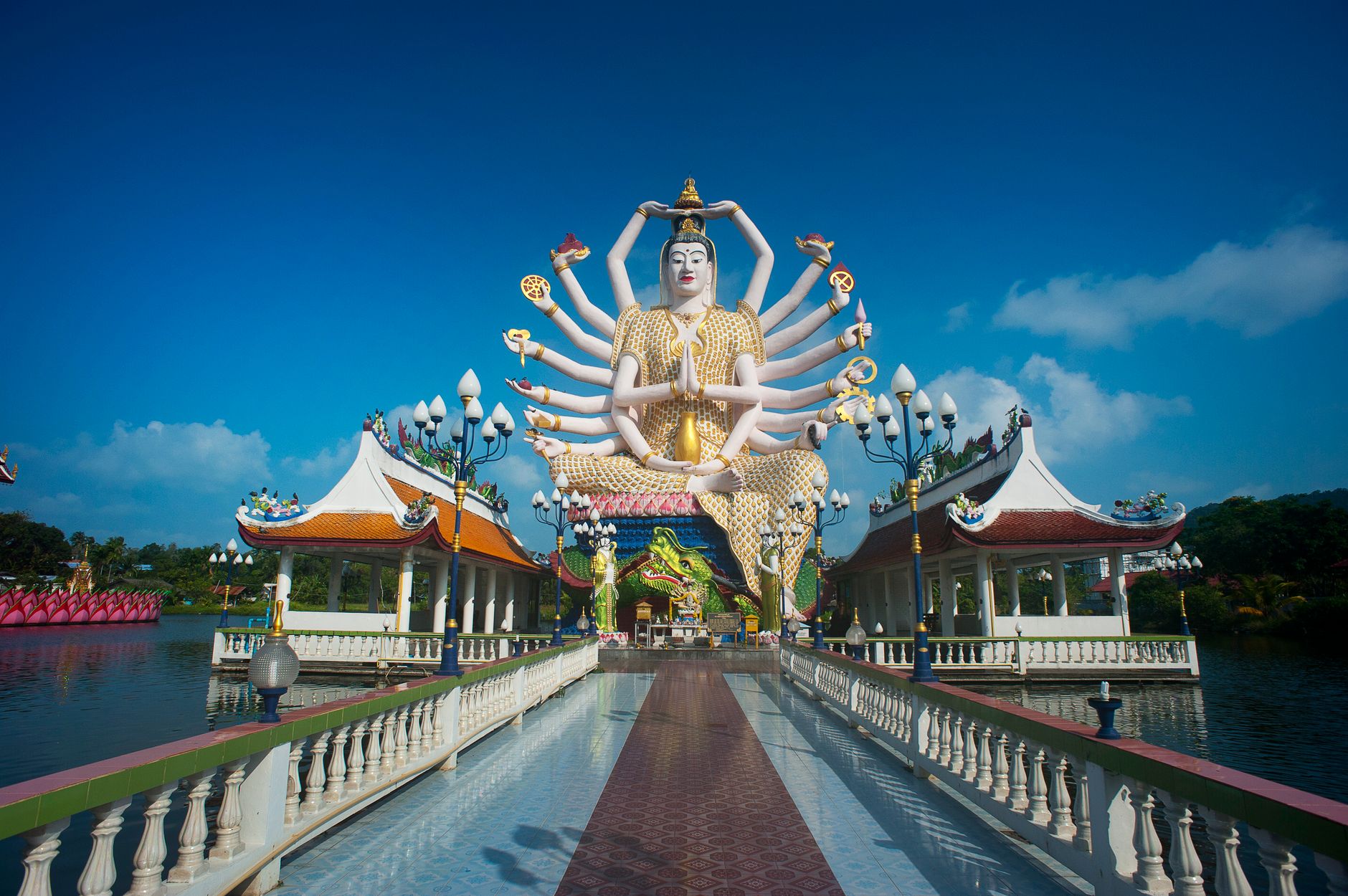
- Wat Plai Laem Temple: This temple complex is just striking with its vibrant colors and unique architecture. Here, you’ll see a massive statue of the multi-armed goddess Guanyin and the laughing Buddha. The temple sits right on a lake, which creates some truly picturesque views.
- Mummified Monk (Wat Khunaram): This temple houses the mummified body of monk Luang Pho Daeng, who, legend has it, predicted his own death and meditated until his last breath. It’s a powerful and contemplative place that offers deep insight into Buddhist traditions.
Active Recreation and Adventures
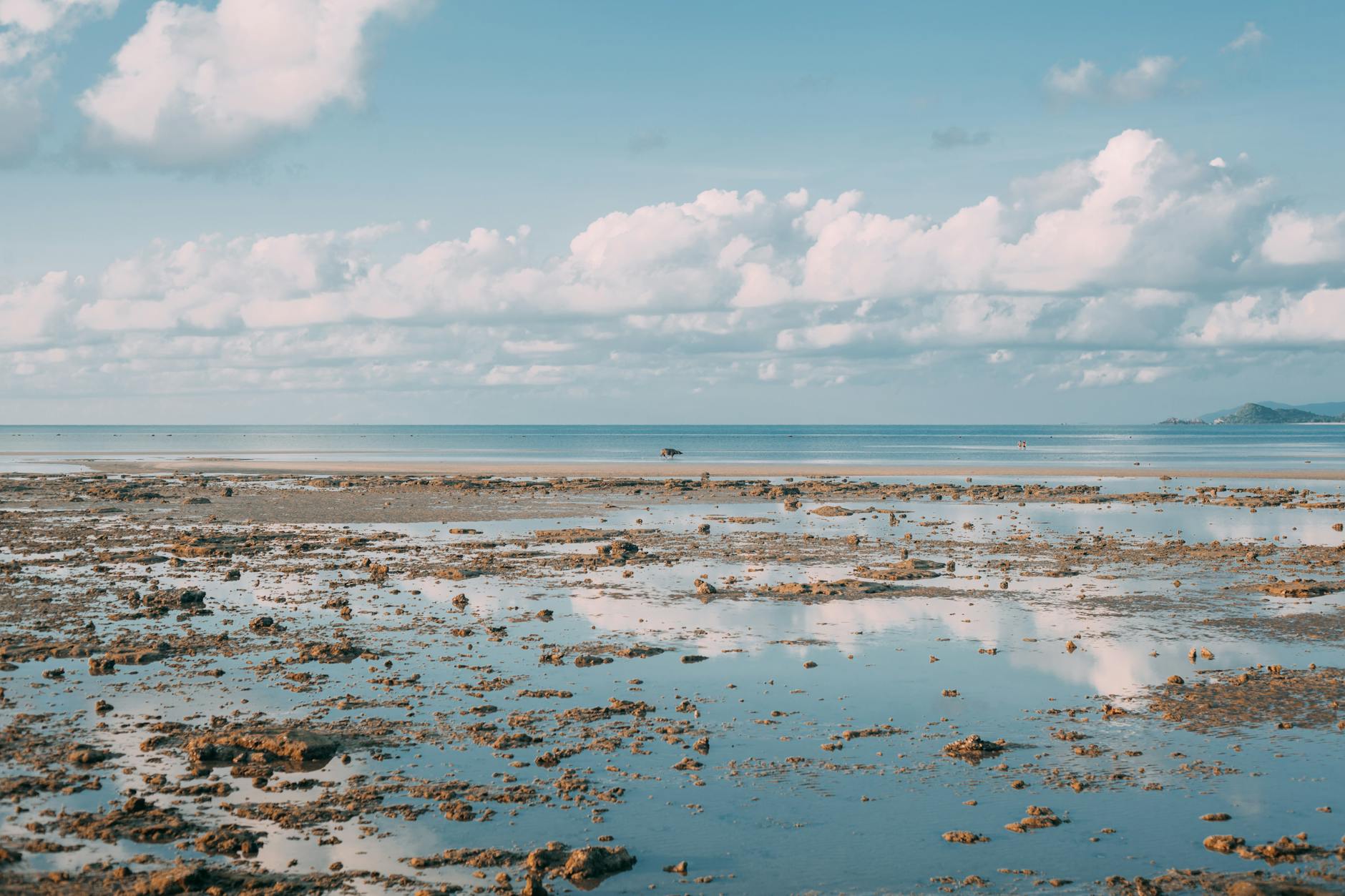
Koh Samui offers a ton of opportunities for active fun. If you’re an adrenaline junkie, Koh Samui tours come with various price tags, but the experiences are totally worth it. For instance, jungle jeep safaris are super popular. They’re a fantastic way to discover hidden corners of the island, waterfalls, and scenic viewpoints. I actually joined the Sunset Heroes: Koh Samui Jungle Jeep Adventure & Sunset Chillout Set, and it was absolutely stunning! And there’s also an island-wide jeep safari sightseeing tour available.
For water sports enthusiasts, riding an efoil (electric hydrofoil) in Koh Samui is something else entirely! And if you’ve been dreaming of trying it, kitesurfing in Koh Samui is a brilliant opportunity; they’ve got some great schools here. You could also take a catamaran trip around Koh Samui, which is super relaxing and lets you see the island from a different perspective.
If you’re aiming to get the most out of a single day, then the “Top Koh Samui Spots in One Day” or “Jeep Safari: All of Samui in One Day” are both excellent choices. And for those who prefer a more personalized touch, there’s a private sightseeing tour of Koh Samui.
Oh, and don’t forget about a photoshoot! I mean, views like these absolutely demand to be captured professionally. You can book a photoshoot on a quiet Koh Samui beach or against the backdrop of the tropical Koh Samui island.
Gastronomic Koh Samui: Where to Eat Affordably and What to Try

The food in Koh Samui is just a whole different story. Thai cuisine is one of my absolute favorites, and on Koh Samui, you’ll find it in all its incredible variety. If you’re looking for affordable places to eat in Koh Samui, you’ve got tons of options.
Street Food and Night Markets
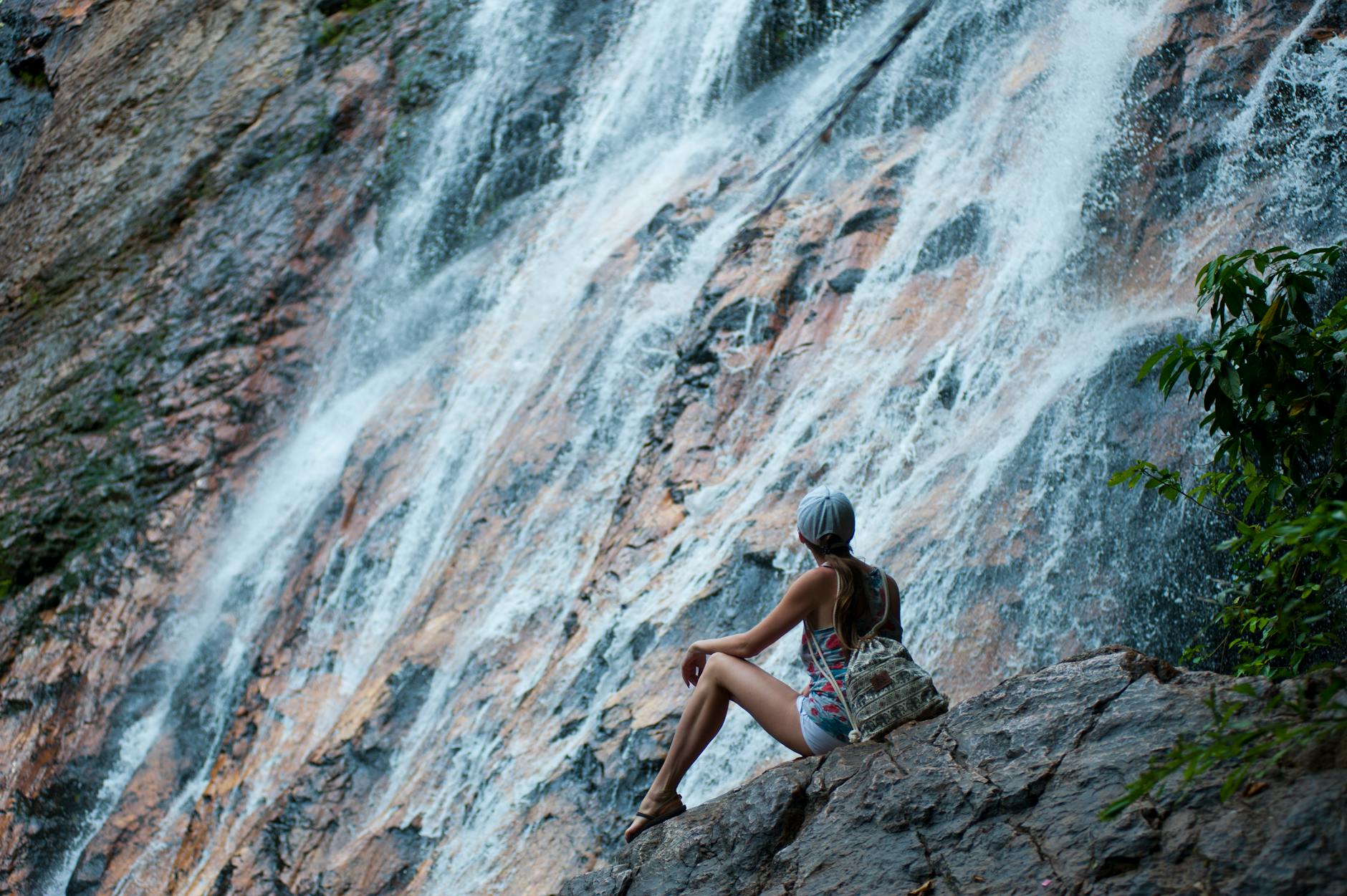
The most authentic and budget-friendly way to eat is definitely from street stalls and at night markets. My personal favorite has to be the Fisherman’s Village Walking Street on Fridays. You can try absolutely everything there: from Pad Thai and Tom Yum soups to super fresh grilled seafood, banana rotis, and exotic fruits. The prices will totally surprise you in a good way, and the atmosphere is just captivating. There are also night markets in Chaweng (on Sundays) and Lamai (on Saturdays and Sundays). I always try to sample something new, and I’ve never once regretted it.
Local Cafes and Restaurants
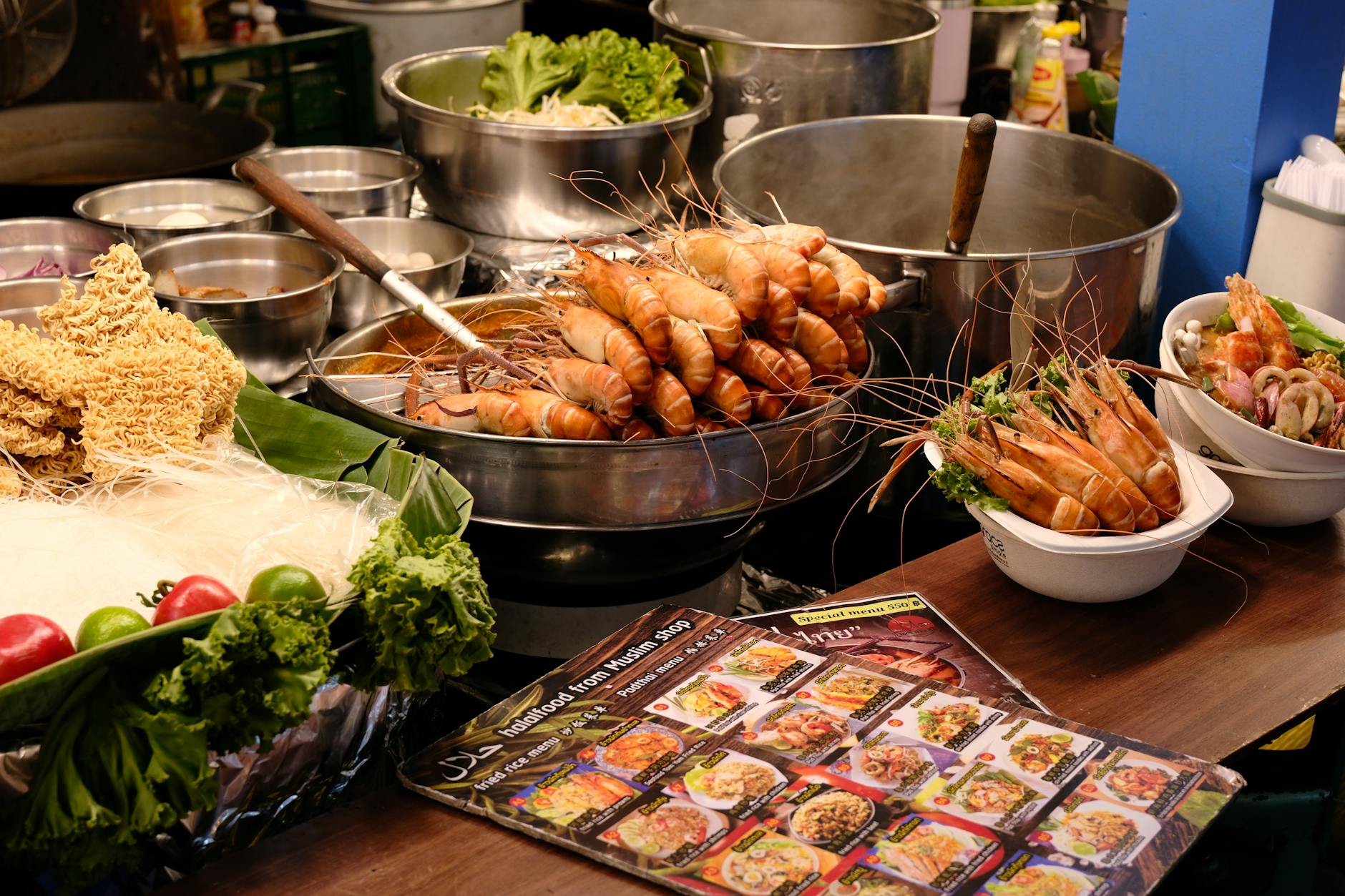
Scattered all over the island are hundreds of small, local cafes dishing out incredibly tasty and cheap Thai food. Always look for places where the locals are eating – that’s usually a dead giveaway for great food. My absolute favorite dishes are Massaman Curry, Khao Pad – which is fried rice with pretty much anything – and of course, Som Tum, the spicy green papaya salad. Don’t be afraid to try new things! Just be sure to ask for “mai pet” (not spicy) if you’re not a fan of too much heat.
Seafood
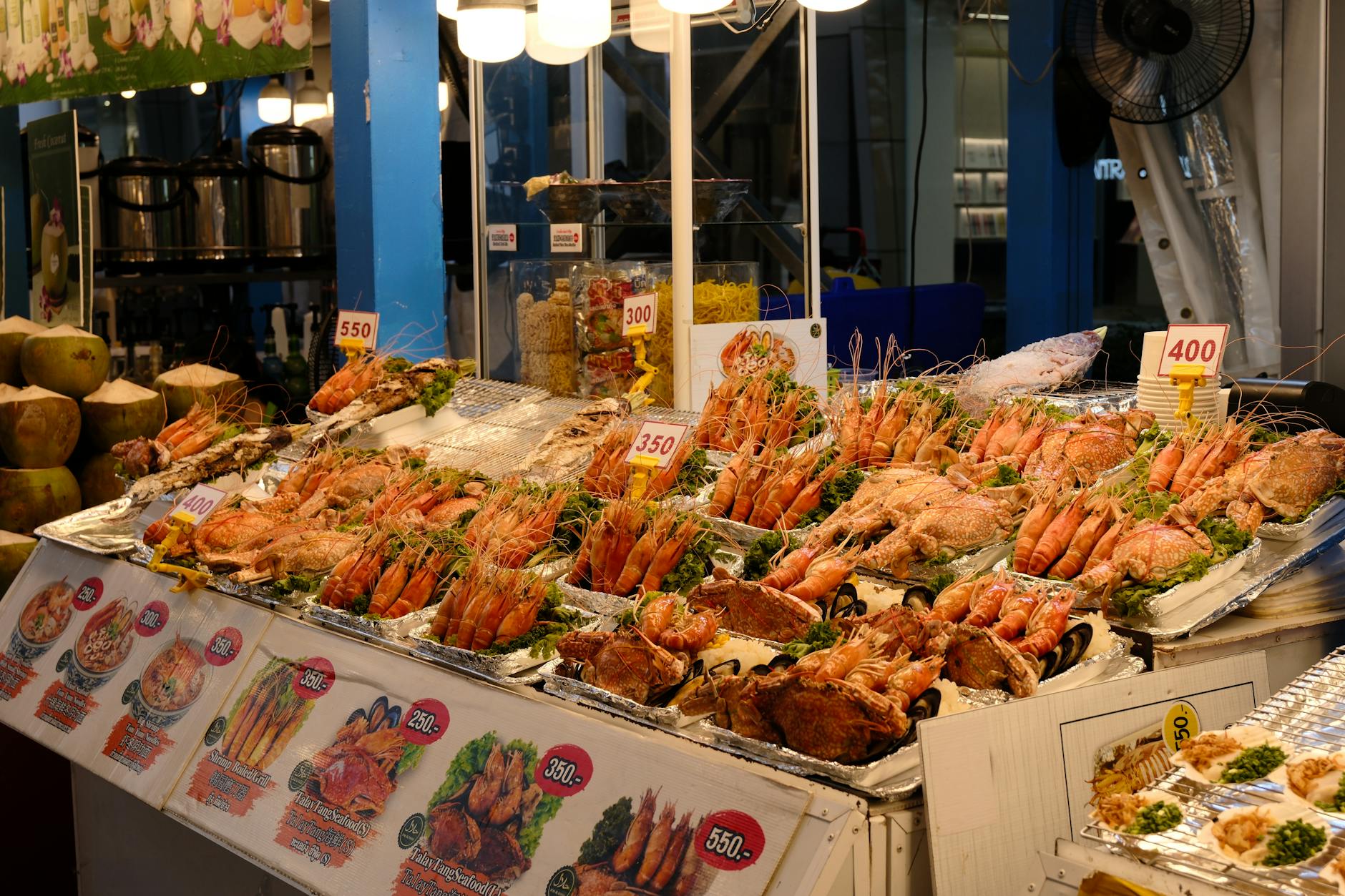
Being an island, Koh Samui naturally offers an abundance of fresh seafood. In Chaweng and Lamai, you’ll find plenty of restaurants where you can pick your fish, shrimp, or lobster right off the ice, and they’ll grill it up fresh for you. It’s not the most budget-friendly option, but sometimes you just gotta treat yourself, right? I always make sure to ask for the price per 100 grams, just so I know what I’m getting into.
Coffee Shops and Breakfasts
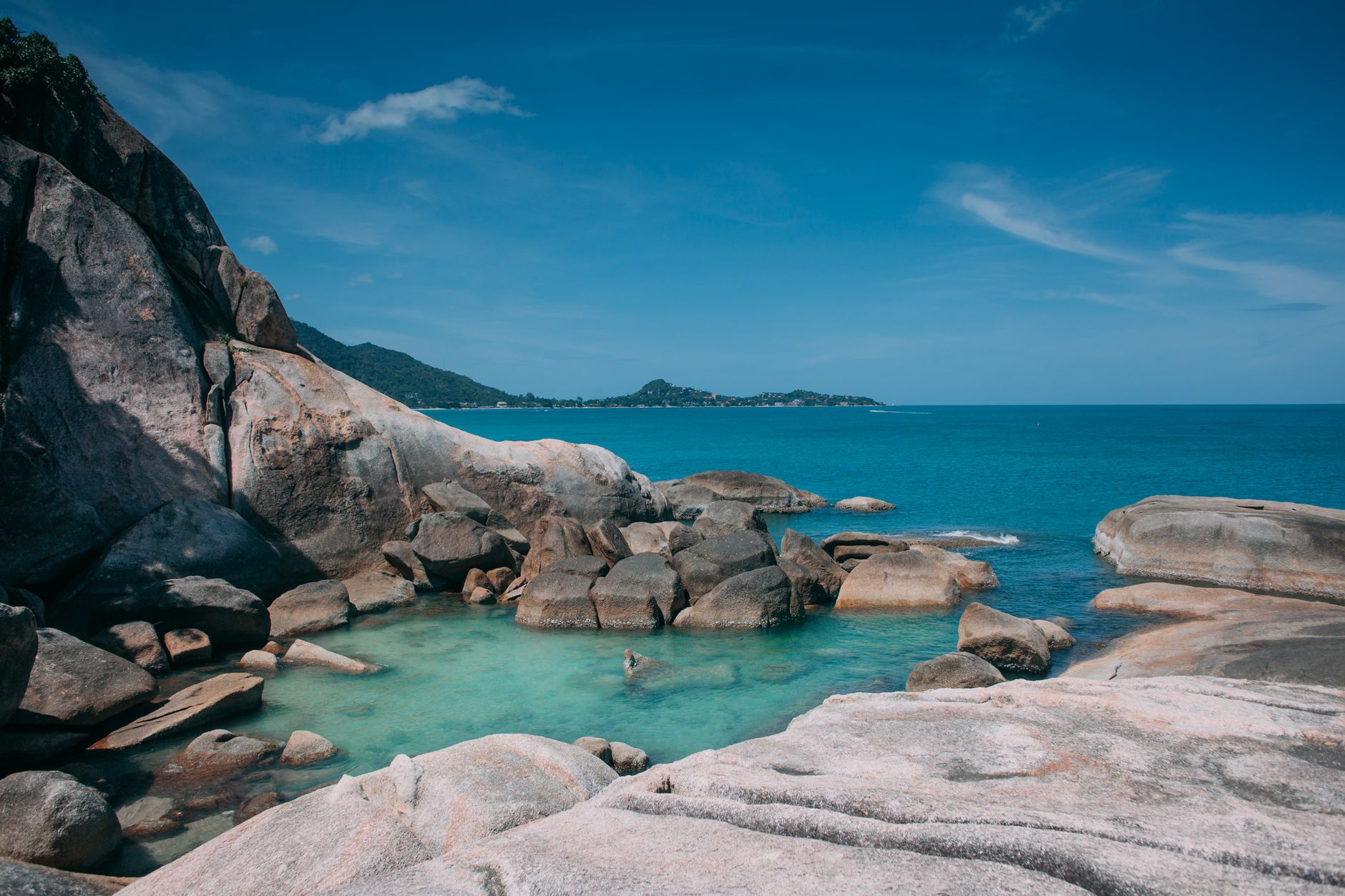
Koh Samui also has a pretty thriving coffee shop culture, actually. There are tons of cozy spots where you can grab a decent coffee and a European-style breakfast, especially if Thai food isn’t really your morning vibe. Prices in these places will be a bit higher, sure, but they’re still pretty reasonable. I often kick off my mornings with an iced coffee and a fresh-squeezed juice.
Transportation in Koh Samui: How to Get Around the Island
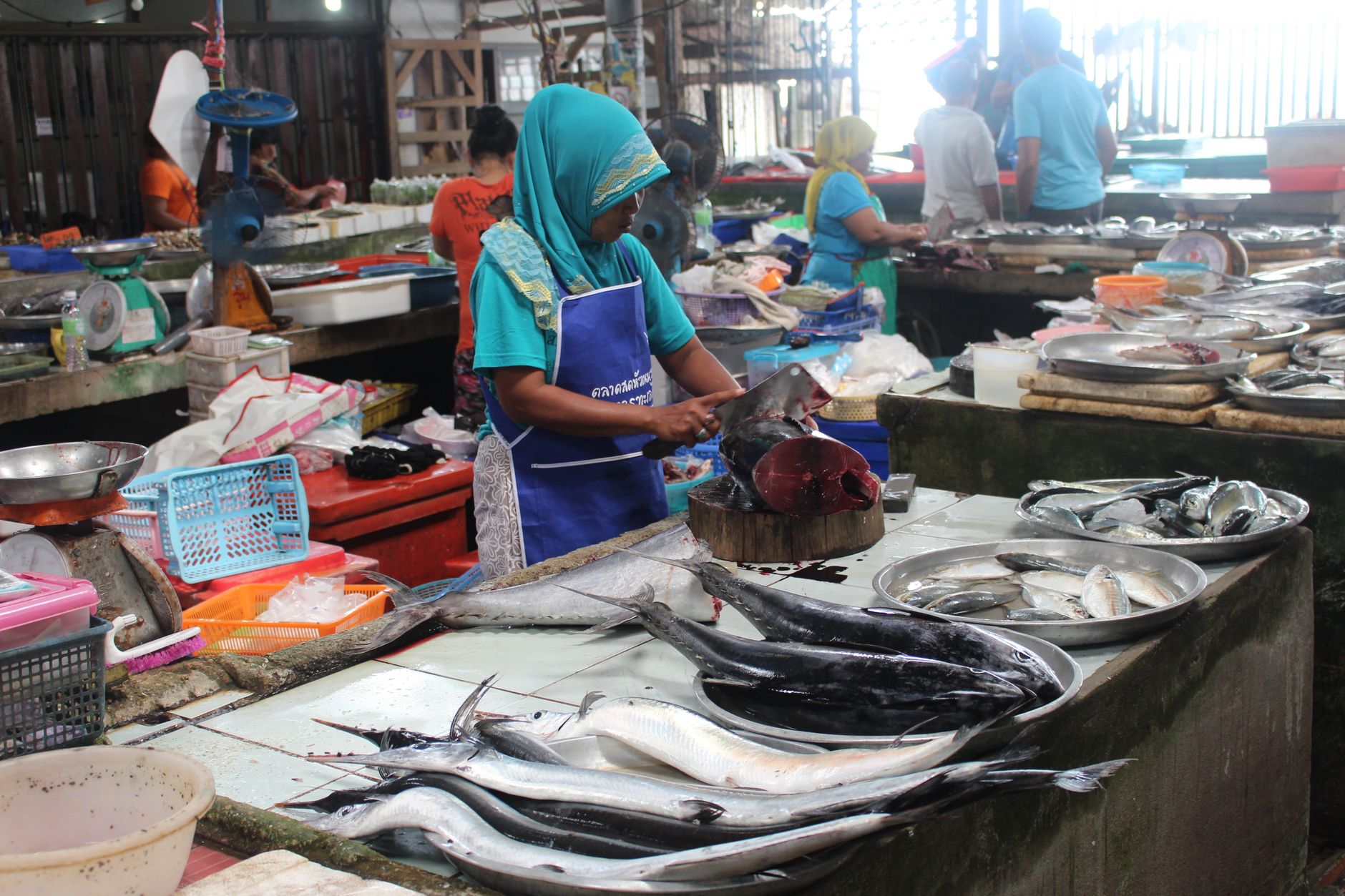
The question of “Koh Samui transport rental” is usually one of the first things that pops up for independent travelers. The island’s pretty big, so you won’t really get far on foot here.
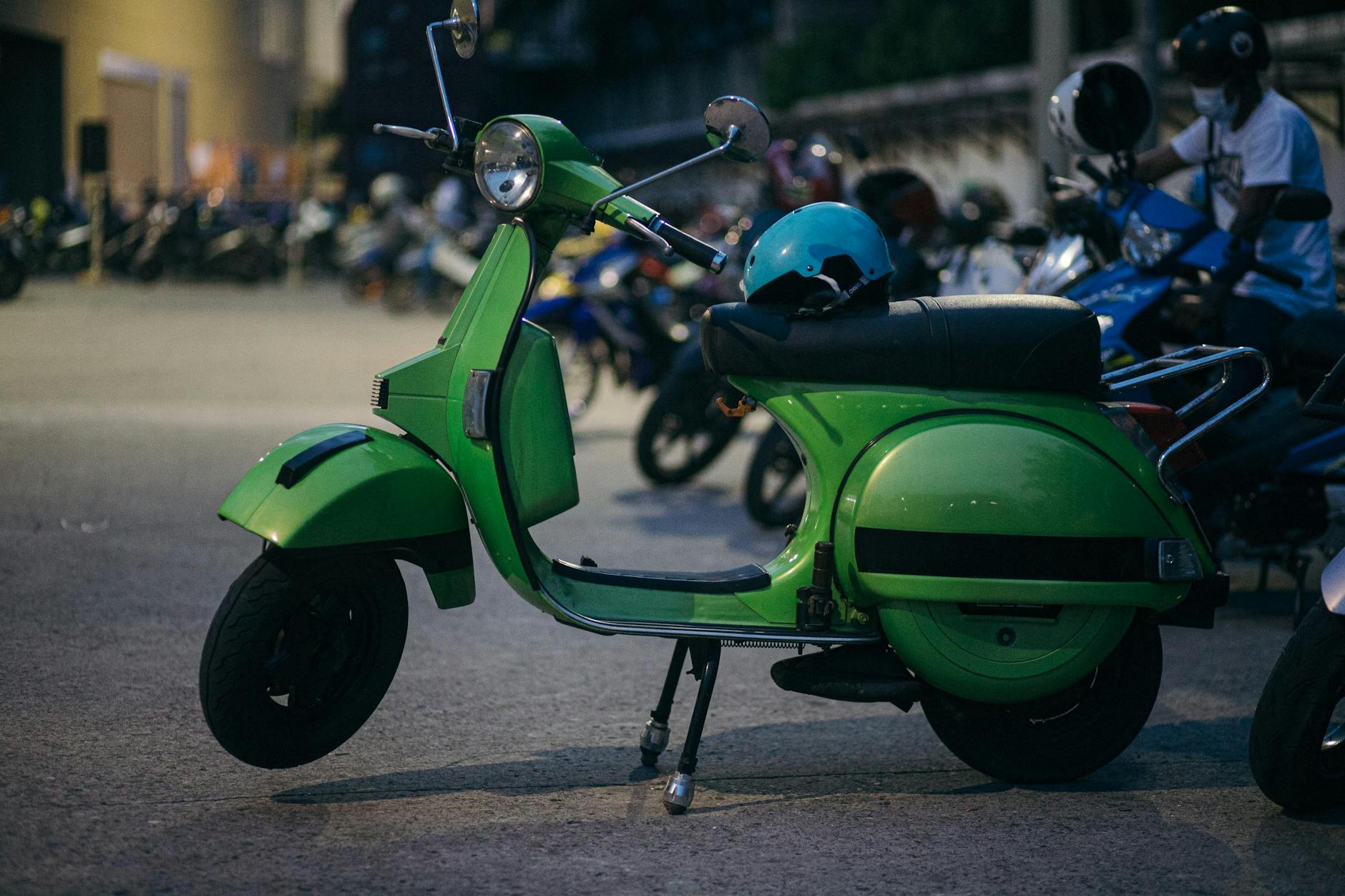
Scooter Rental
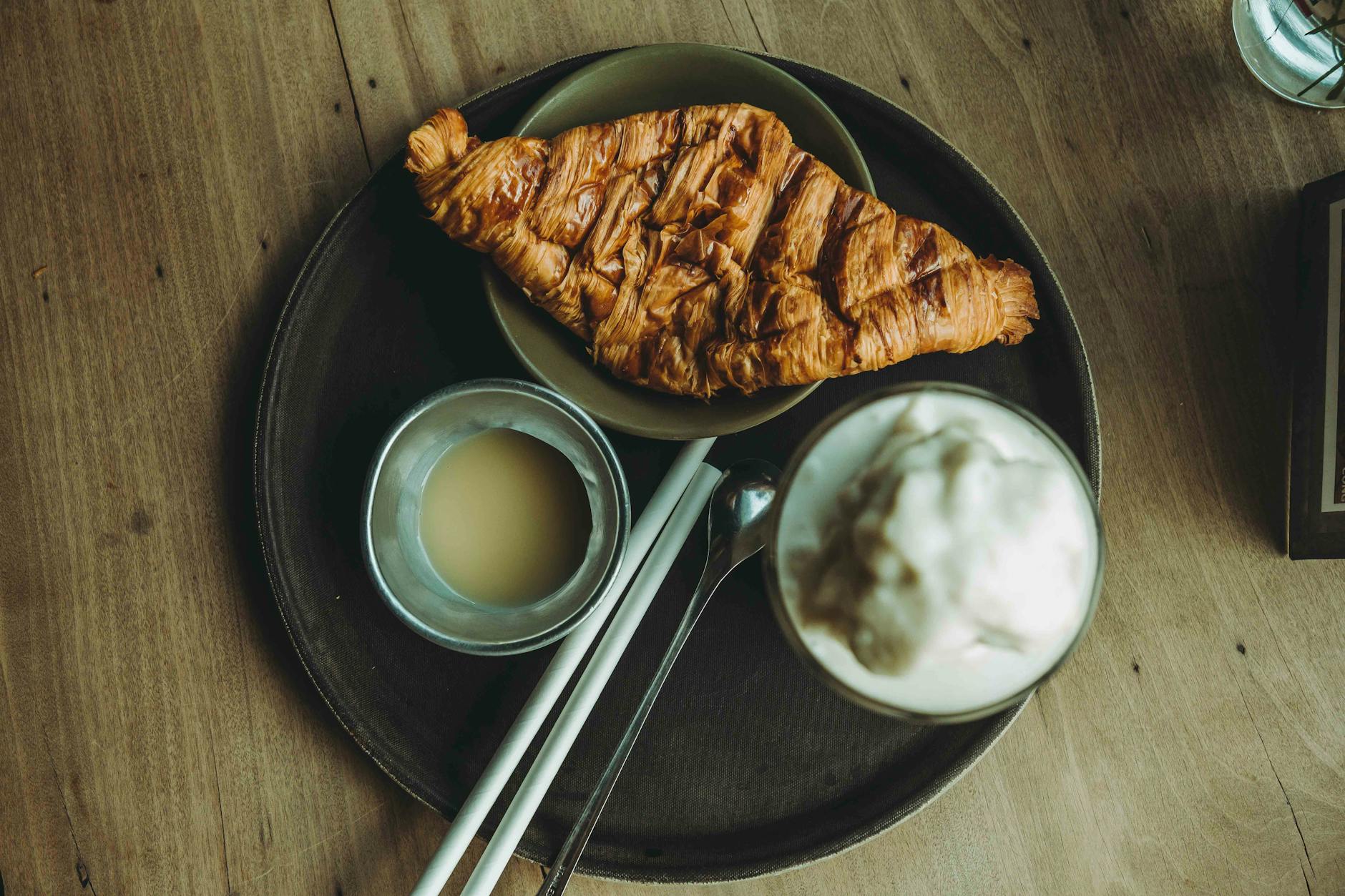
The most popular, and probably the most convenient, way to get around is by renting a scooter. Prices typically range from 150 to 300 baht per day, depending on the model and how long you’re renting it for. This gives you total freedom to roam, letting you explore even the most secluded corners of the island. But there are a few ‘buts’:
- Safety: Traffic on Koh Samui can be chaotic, and the roads aren’t always perfect. Always wear a helmet (it’s usually provided with the rental) and be extremely careful. If you don’t have experience riding a motorbike, it’s really best to think twice. Honestly, when I’m in Koh Samui, I usually prefer to rent a car.
- License: To drive a motorbike in Thailand, you need an international driving permit with a Category A endorsement. The police often set up checkpoints, and the fine for not having the correct license is about 500 baht.
- Insurance: Standard travel insurance rarely covers injuries sustained while riding a motorbike without the appropriate license category. You should really think about that beforehand.
Car Rental

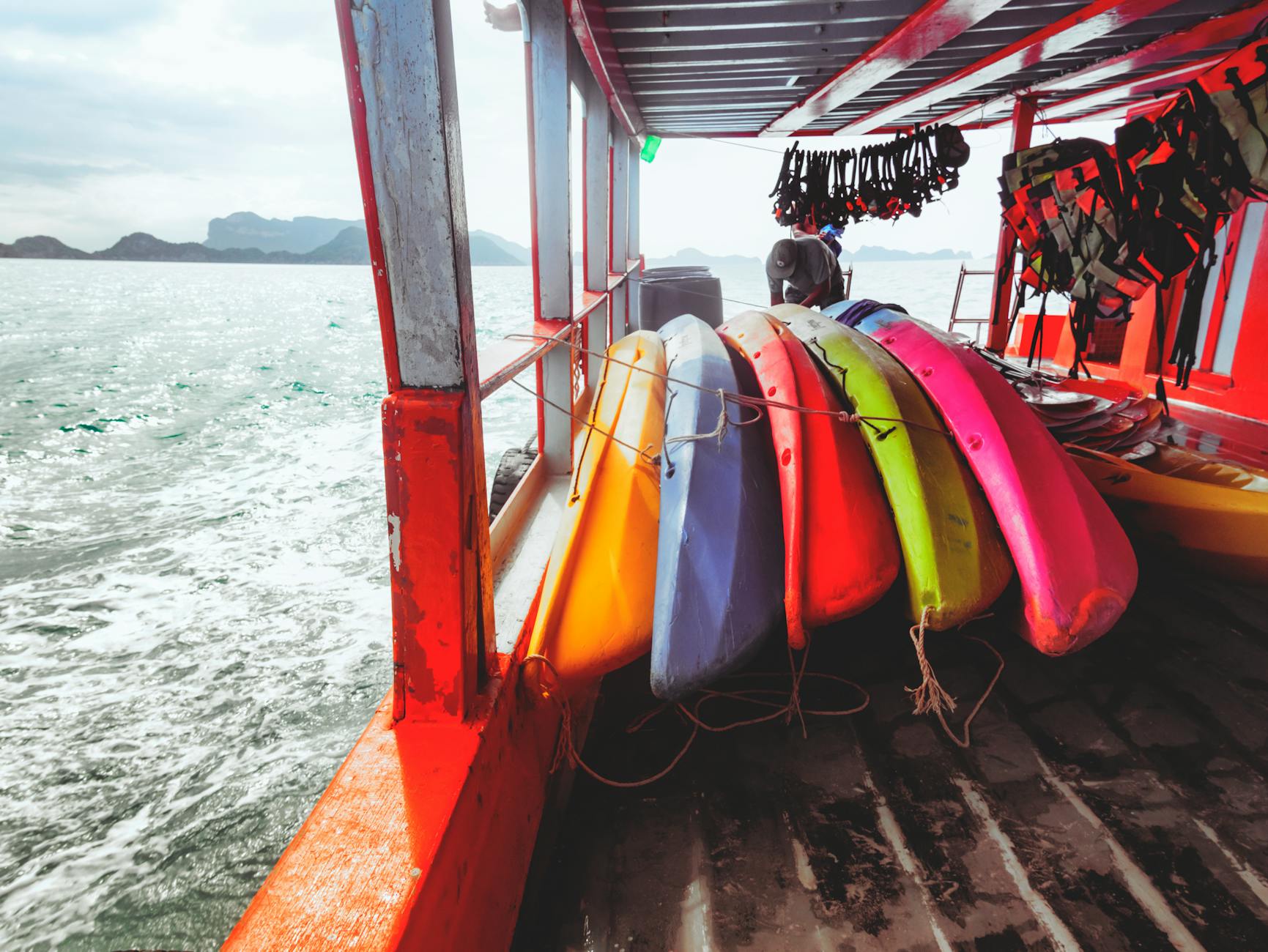
If you’re traveling with family or just not super confident on a scooter, renting a car is a fantastic option. Prices start from around 800-1000 baht a day for a small sedan. It’s much safer and more comfortable, especially during the rainy season. An international driving permit with a Category B endorsement is absolutely essential. I often book a car online in advance; it usually works out cheaper.
Songthaew
These are the local shared taxis, basically pick-up trucks with two rows of seats in the back. They run along the main routes, usually following the coastline. Fares depend on the distance, but generally, you won’t pay more than 50-100 baht for a ride within one area. To flag down a songthaew, just wave your hand, and to get off, simply press the bell button. It’s always best to agree on the fare beforehand, right before you hop in.
Taxis and Grab

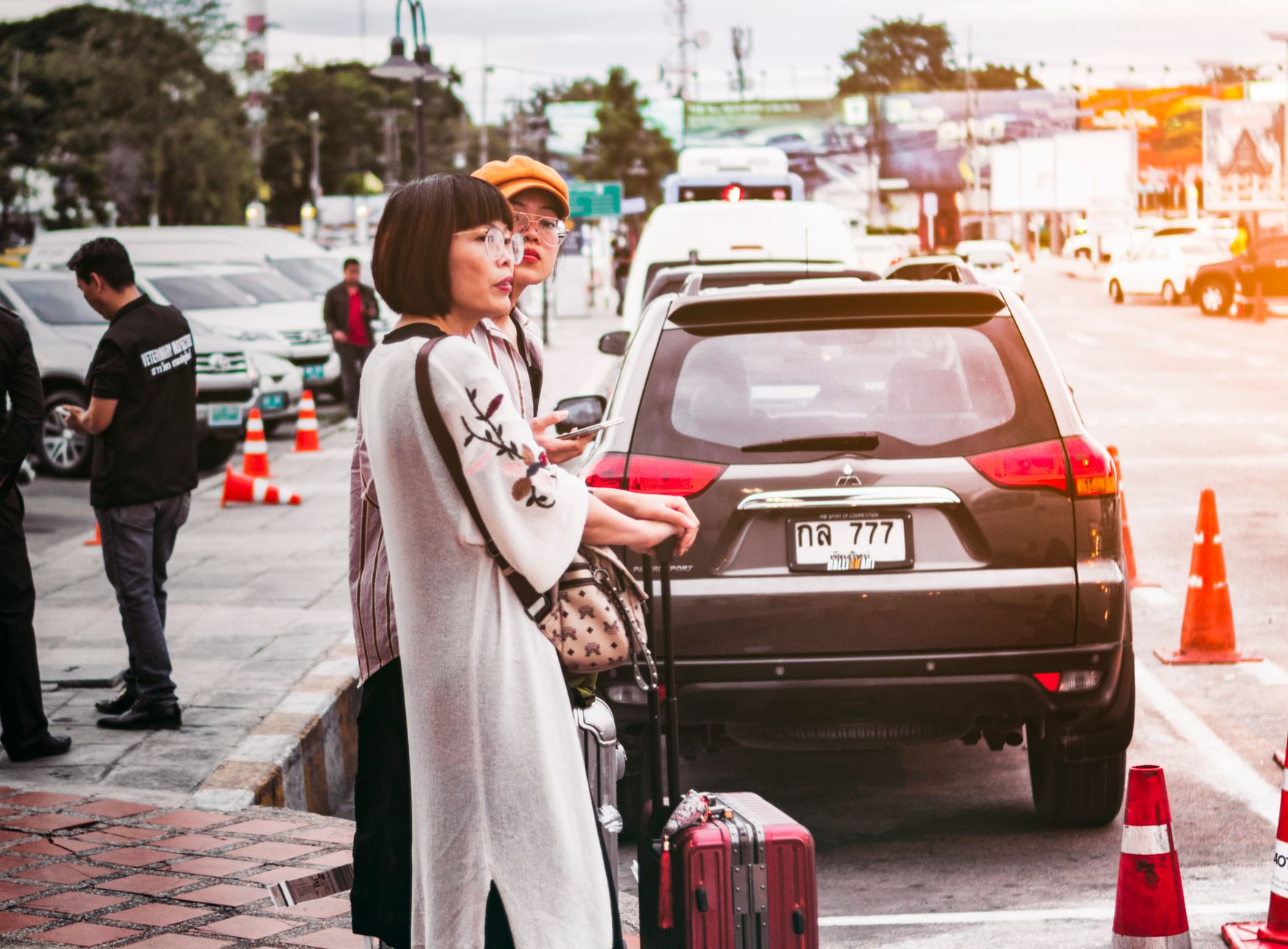
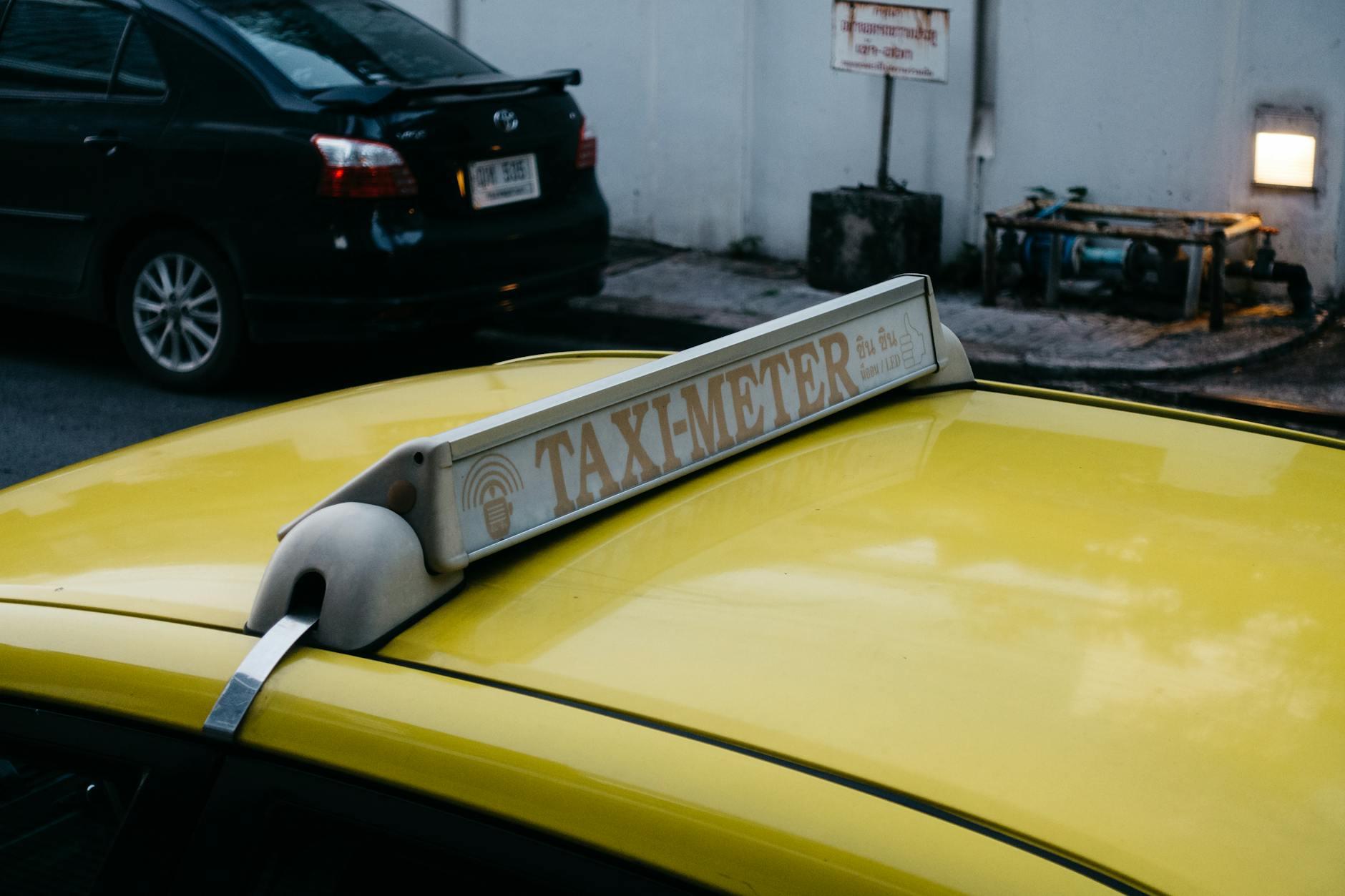
Regular taxis are also available on Koh Samui, but they’re considerably more expensive than songthaews. Drivers often refuse to use the meter and will quote a fixed, inflated price instead. The Grab app (Thailand’s version of Uber) does work on Koh Samui, but there aren’t as many drivers as in Bangkok, and prices might be higher than you’d expect. If you’re flying into Samui Airport, there are official taxi counters where the prices are fixed.
Koh Samui with Kids: Tips for Family Vacations
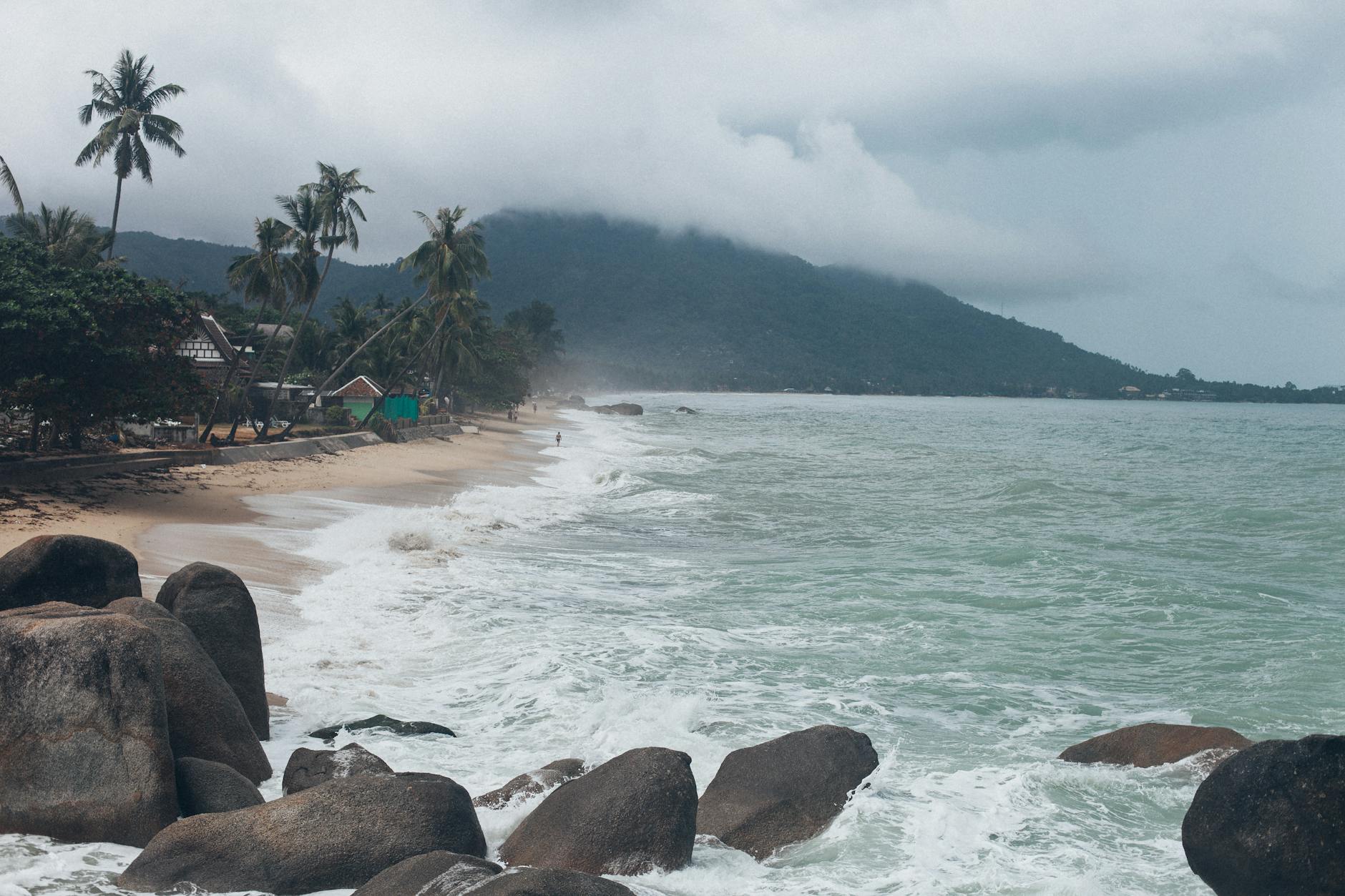
Traveling to Koh Samui with kids is a wonderful idea; the island is super family-friendly. I’ve actually vacationed there with my nephews a few times myself, and I can tell you, they won’t get bored.
Choosing a Beach and Accommodation
For holidays with kids, beaches with shallow entry and calm waters are absolutely ideal. Lamai and Bophut are both excellent choices. There aren’t strong currents here, so kids can splash around safely. When picking a hotel, definitely look for things like a kids’ pool, playrooms, or even kids’ clubs. Many hotels in Koh Samui, especially the 4- and 5-star ones, offer family rooms or villas with multiple bedrooms.
Activities for Kids
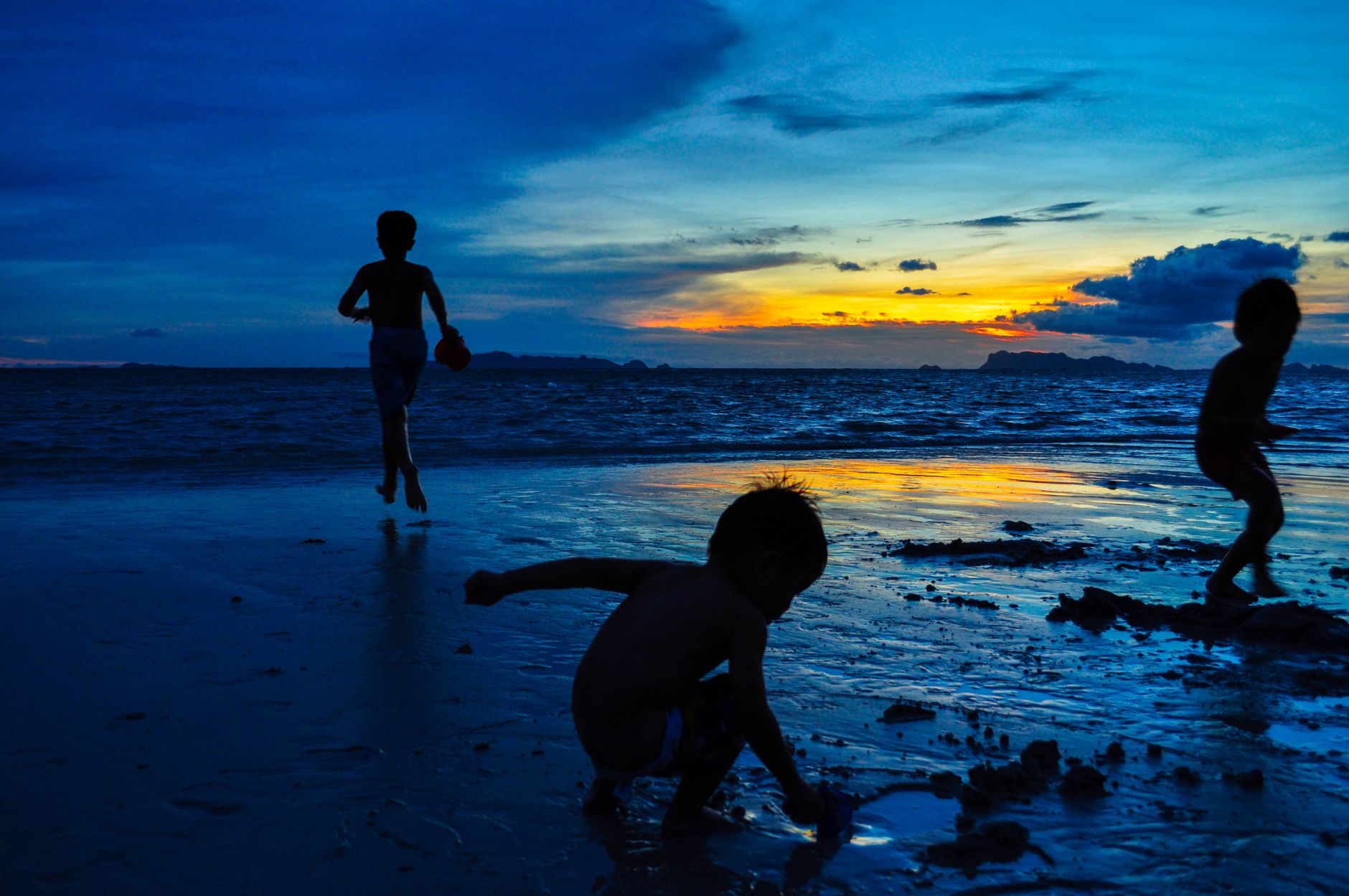
- Beach games: There’s plenty of space on the beaches for building sandcastles and playing with a ball.
- Water sports: For older kids, you could try kayaking or paddleboarding in the calm parts of the sea.
- Elephant sanctuaries: Visiting an ethical elephant sanctuary, where you can feed and walk with elephants (no riding), will create unforgettable memories for kids. Look for a sanctuary, not a tourist camp.
- Water parks: Koh Samui has a few smaller water parks, like Pink Elephant Water Park, which are great for a day of fun.
- Mini-golf and go-karting: These activities are also popular and kids usually love them.
- Cooking classes: Joining a Thai cooking class can be a super engaging experience for the whole family.
Practical Tips

- Sun protection: The tropical sun here is really intense. Make sure to use high-SPF sunscreen, wear hats, and light clothing. Definitely avoid the midday sun.
- Food: Thai food can be spicy, so always say “mai pet” (not spicy) when ordering for kids. Most restaurants do have a European menu. And honestly, the fruits on Koh Samui are incredibly fresh and delicious – perfect for a healthy snack.
- First-aid kit: Bring a standard first-aid kit with fever reducers, insect bite remedies, band-aids, and antiseptics. Local pharmacies are well-stocked, but it’s always best to have your own trusted supplies.
- Travel insurance: Seriously, make sure you get good travel insurance for the whole family.
Trip Budget: How Much Does a Trip to Koh Samui Cost?

The question of “how much does a trip to Koh Samui cost” is something many people wonder about. I’ll tell you right away, Koh Samui is often considered one of Thailand’s more expensive islands, but that absolutely doesn’t mean you can’t have a budget-friendly vacation here. It all really depends on your preferences and how well you can plan.
Let’s break down the main daily expenses for one person (roughly):
- Flights: This is probably the biggest chunk of your budget. Round-trip flights to Koh Samui from Moscow can run anywhere from $500 to over $1000, depending on the season, how far in advance you book, and if you have layovers. If you fly via Surat Thani, you could save $100-200.
- Accommodation:
- Budget (guesthouses, simple bungalows): $20-40
- Mid-range (3-4 stars, comfortable hotels): $50-150 (e.g., Mercure Samui Chaweng Tana or Bluemango Pool Villa & Resort Koh Samui)
- Luxury (5 stars, villas): $200+ (like The Culture Samui or The Ritz-Carlton, Koh Samui)
- Food:
- Street food/local cafes: $10-20 (for 3 meals)
- Mid-range restaurants: $30-50
- Fine dining: $70+
- Transportation:
- Scooter rental: $5-8
- Car rental: $25-35
- Songthaew/taxi: $5-15 (for a few rides)
- Tours and activities:
- Minor attractions: $5-10
- Full-day marine excursions (e.g., to Ang Thong): $50-80 (e.g., Paradise in the Gulf of Thailand)
- Jeep safari: $40-70 (e.g., island sightseeing tour by military jeep)
So, if you’re planning a budget trip, you could probably get by on $50-70 a day, not including flights. A comfortably mid-range vacation will likely run you $100-150 daily, but if you’re not used to holding back, then be ready for $200 and up. My advice? Always have a little extra tucked away for unexpected costs.
When it comes to Koh Samui tours from Moscow, they typically include flights and accommodation. Prices can vary wildly, but they’re often pretty good deals, especially during the low season. Sometimes, a package tour can even be cheaper than organizing everything yourself, so it’s definitely worth comparing.
Koh Samui or Phuket: Which to Choose for Your Perfect Vacation
The question of “Koh Samui or Phuket: which to choose” is a classic dilemma for anyone planning a trip to Thailand. Both islands are beautiful, but they each have their own distinct personality. I’d say your choice really depends on what you’re looking for.
- Atmosphere:
- Koh Samui: Generally calmer, more secluded, with that classic “bounty island” vibe. You’ll find fewer crowds here, more opportunities for relaxed breaks, yoga retreats, and romance. It definitely has a more intimate feel.
- Phuket: Bigger, noisier, and more developed. It boasts more tourist infrastructure, large shopping malls, and a vibrant nightlife. Sometimes, it can feel a bit too commercialized.
- Nature:
- Koh Samui: Famous for its coconut plantations, lusher jungles in the island’s center, and unique rock formations. Nearby, you’ve got Ang Thong National Park and the dive havens of Koh Tao/Nang Yuan.
- Phuket: Known for its majestic cliffs in Phang Nga Bay, James Bond Island, and its close proximity to Phi Phi.
- Beaches:
- Koh Samui: The beaches are more diverse, ranging from bustling Chaweng to secluded coves. The water is often calmer, especially on the east coast.
- Phuket: Has many long, wide beaches, but quite a few of them can get pretty crowded.
- Accessibility and Budget:
- Koh Samui: Flights are generally pricier because of the private airport. Overall, a vacation here might be slightly more expensive than in Phuket, although you can certainly find budget options.
- Phuket: The airport handles more flights, so tickets are often cheaper. The infrastructure makes it easy to find very budget-friendly accommodation and food.
- Who it’s for:
- Koh Samui: Perfect for couples, families with young children, those who love a tranquil vacation, yoga, retreats, and anyone seeking seclusion and natural beauty.
- Phuket: Better suited for active young people, party-goers, large groups, shoppers, and also for families with teenagers looking for more entertainment.
So, my takeaway is this: if you’re dreaming of a tropical paradise with swaying palms, calm beaches, and the chance to really get away from it all, then Koh Samui is definitely your pick. But if you’re after more activity, shopping, and nightlife, then Phuket might actually be a better fit. Or, you know, you could always visit both islands to compare and form your own opinion!
What to Bring Back from Koh Samui: Souvenirs and Gifts
Coming back from a trip, you always want to bring something back as a memory or to delight your loved ones, right? If you’re wondering what to bring back from Koh Samui, I’ve got a few ideas for you.
- Coconut products: Koh Samui is “the coconut island,” so anything related to coconuts is abundant and high-quality here. Think coconut oil (for skin, hair, cooking), coconut soap, balms, coconut sugar, and dried chips. These make practical and really useful gifts.
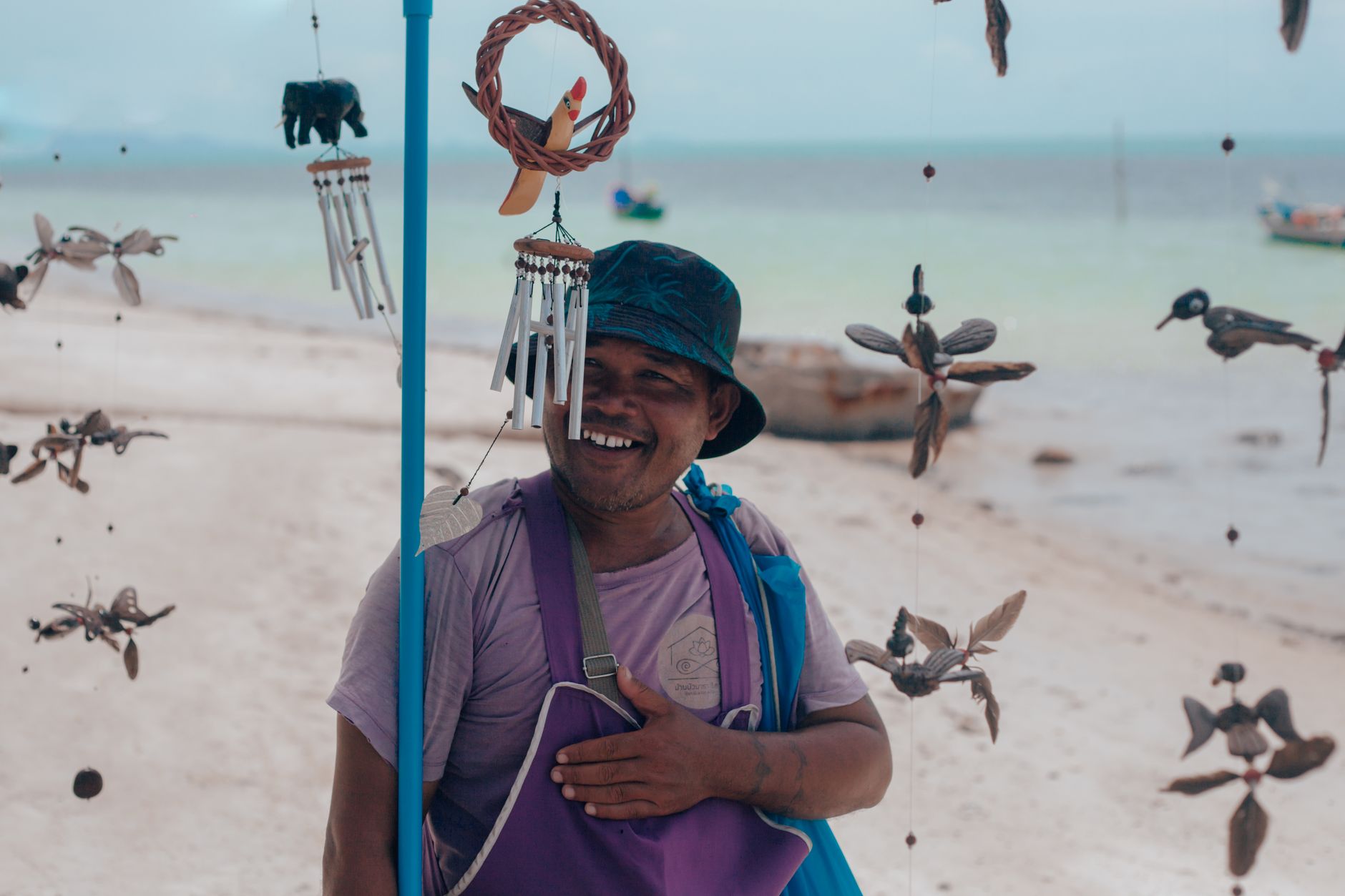
- Handicrafts: At the night markets and souvenir shops, you’ll discover loads of beautiful handcrafted items: wooden figurines, carved pieces, natural fabrics (like Thai silk), and jewelry made from shells and pearls.
- Thai cosmetics and balms: Thai cosmetics are pretty famous for their natural ingredients. Herbal balms (like tiger balm, green balm), inhalers, and aloe vera-based products are all really popular.
- Fruits: If you’re on a direct flight and not worried about excess weight, grab some ripe mangoes, mangosteens, or dragon fruit. It’ll be a real taste of Thailand that, let’s be honest, will disappear far too quickly. Just pack them well so they don’t mess up your luggage!
- Tea and spices: Cooking enthusiasts will love sets of Thai spices for making curries, and various types of Thai tea.
- Clothing and accessories: Light beach dresses, shorts, t-shirts with Koh Samui symbols, sarongs – you can find all of these at really nice prices.
The best places to snag souvenirs are, of course, the night markets (especially Fisherman’s Village) and big supermarkets like Tesco Lotus or Big C, where you can find quality coconut oil and other products at fixed prices.
Conclusion
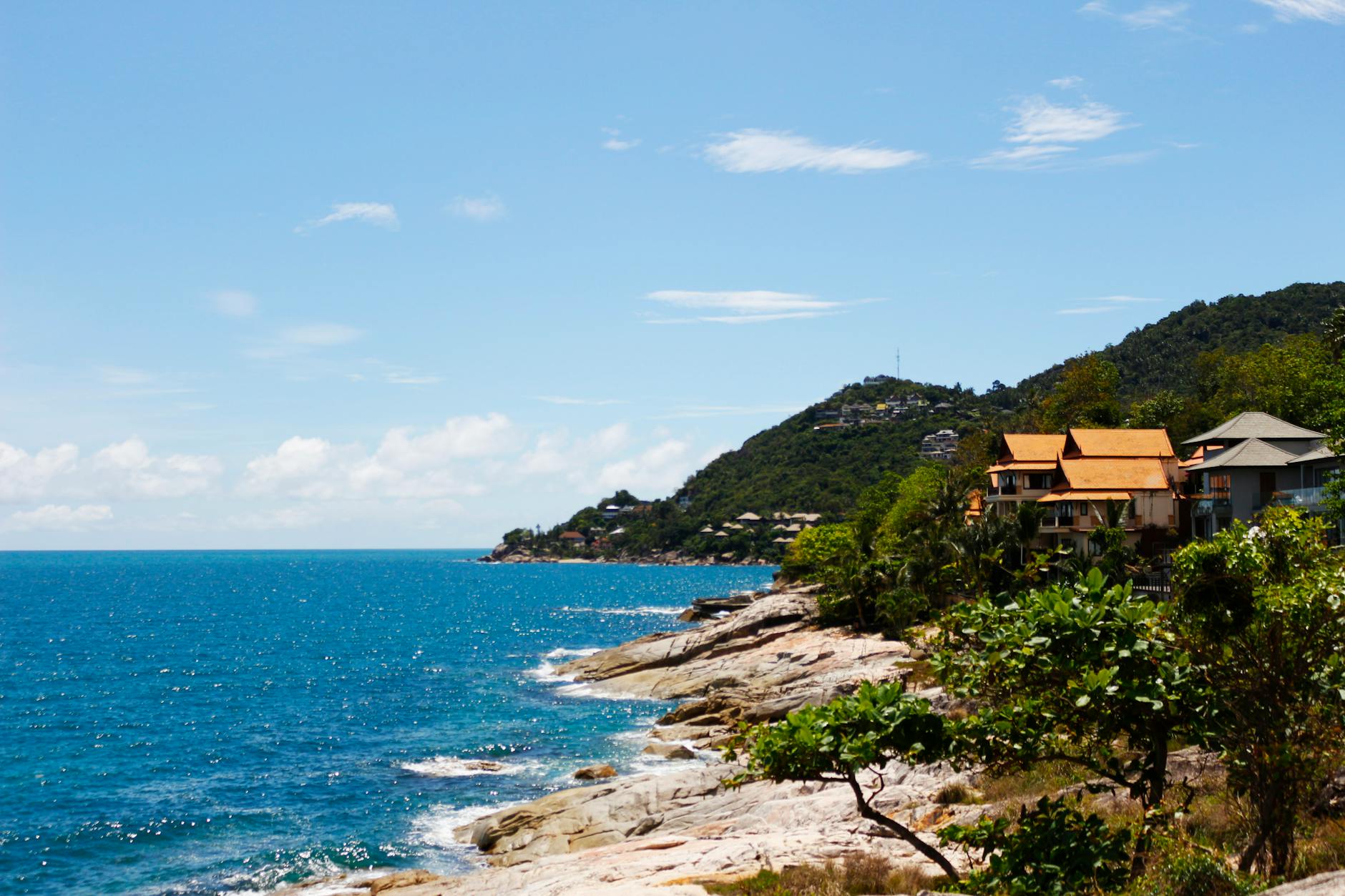
Well, there you have it, I think I’ve covered everything I consider important for planning a trip to Koh Samui. For me, this island is a place I always want to return to. Its relaxed pace, incredible nature, friendly people, and, of course, absolutely delicious food create this truly special, unique atmosphere. It doesn’t matter if you’re seeking solitude on a paradise beach, adventures in the jungle, or vibrant parties – Koh Samui can offer all of that.
I really hope this Koh Samui travel guide helps you plan your perfect vacation. The main thing I’ve learned over my years of traveling is not to be afraid to explore, to try new things, and to stay open to experiences. Koh Samui is waiting to give you its very best moments!