

Khiva isn’t just a city; honestly, it’s a living story that truly comes alive in its streets, its buildings, and its people. Visiting Khiva feels like stepping straight into the past, giving you such a better understanding of this incredible region’s history and culture.
Ichan-Qala: The Heart of Khiva

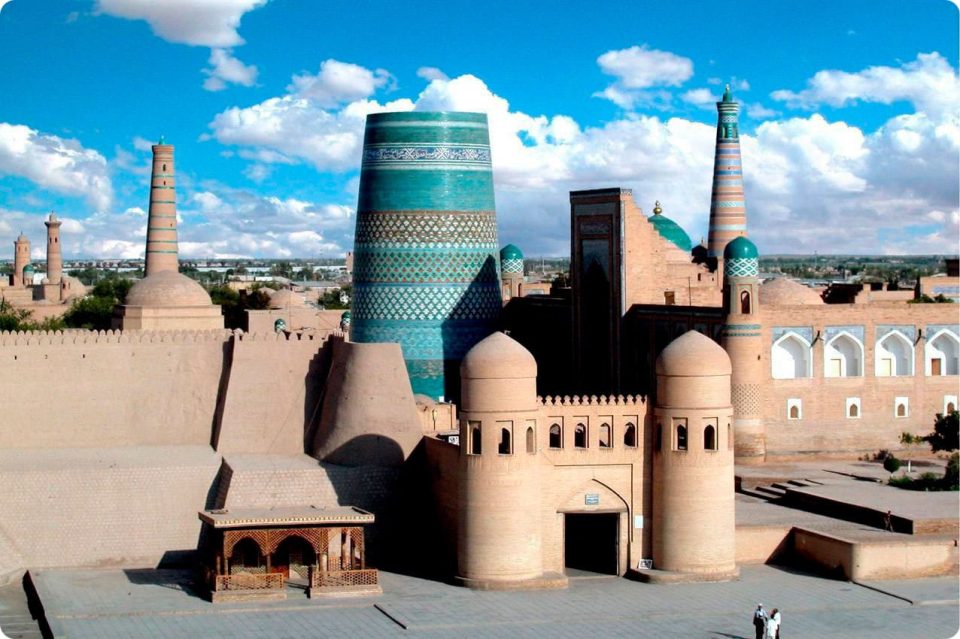
Ichan-Qala is basically an ancient city right within Khiva, wrapped in these super strong fortress walls. This whole district is totally a symbol of Khiva, and yeah, it’s a UNESCO World Heritage site. The walls themselves, made from clay and straw, weren’t just for keeping invaders out; they really marked a clear line between the inside world and everything beyond.
Inside these walls, you’ll find tons of historical spots: madrasahs, mosques, minarets, and palaces. One of the most famous has to be Kunarka, which used to be a fortress and the residence for Khiva’s khans. Honestly, you can still see the lavish rooms there, all decked out with incredible mosaics and intricate wood carvings.
The Muhammad Aminkhan Madrasah is another architectural gem; it actually served as an educational institution back in the day. They trained future scholars, lawyers, and religious figures here, which is pretty cool.
And Ichan-Qala is also super famous for its bazaars and artisan workshops. You can totally pick up traditional Uzbek goods here — think carpets, ceramics, and some really unique jewelry.
Honestly, all of Khiva’s history and culture just feels concentrated in this one spot. Every single stone, every street here just breathes history, it’s palpable. Visiting Ichan-Qala isn’t just a trip; it’s like a deep dive into the incredible world of Eastern culture and history.
Kalta Minor Minaret: Khiva’s Majestic Symbol

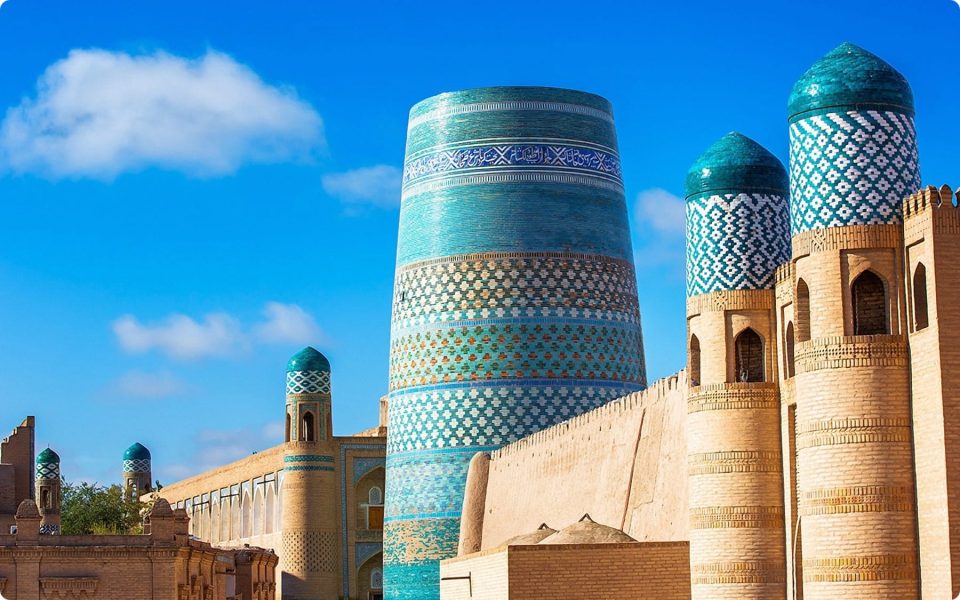
The Kalta Minor Minaret is seriously one of the most recognizable and impressive structures in all of Khiva. This minaret is part of the Ichan-Qala architectural complex, and yep, it’s also a UNESCO World Heritage site. It got its name (“Kalta” means “short,” by the way) because it was never actually finished to its planned height. Legend has it, construction stopped because the khan who commissioned it suddenly died.
The minaret wasn’t just for religious stuff; it had practical uses too. From its top, you could see the whole surrounding area, so it totally served as a lighthouse for caravans traveling along the Great Silk Road.
The structure itself is just covered in these exquisite geometric and floral patterns, all done in majolica technique. These designs create such a unique vibe, and honestly, they make the Kalta Minor Minaret one of the most photographed spots in Uzbekistan.
Inside the minaret, there’s a narrow staircase leading up to the top. But, unfortunately, tourist access is usually closed.
The Kalta Minor Minaret isn’t just some old building; it’s a true symbol of Khiva. It really reflects the city’s rich history, its religious importance, and its incredible cultural heritage. Seeing this majestic structure up close helps you truly get a feel for the spirit of this amazing city.
Pahlavan Mahmud Mausoleum: Khiva’s Sacred Site

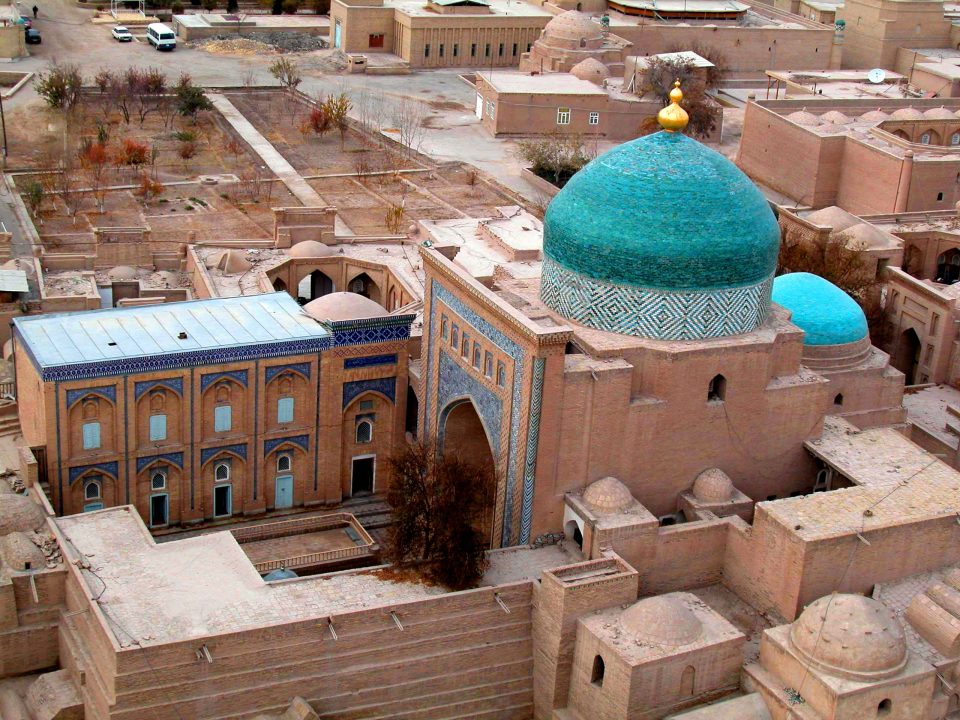
The Pahlavan Mahmud Mausoleum is seriously one of the most revered and significant religious places in Khiva, and honestly, in all of Uzbekistan. This mausoleum was built to honor Pahlavan Mahmud, who was actually a famous wrestler, but also a Sufi poet and an Islamic saint.
People believe Pahlavan Mahmud lived in the 14th century, and he was known for his wisdom, kindness, and honesty. His mausoleum has become a pilgrimage site for so many believers and for anyone seeking some spiritual peace.
The mausoleum’s architecture is absolutely stunning, so beautiful and intricate. The inside walls are adorned with these lavish mosaics and ceramic tiles, all with Islamic patterns. You’ll also find Pahlavan Mahmud’s marble tomb here, inscribed with verses from his own works.
The mausoleum has been rebuilt and expanded quite a few times over the years, but its main part has actually kept its original look. The complex also includes a madrasah and a mosque, both still actively used for religious ceremonies.
Visiting the Pahlavan Mahmud Mausoleum isn’t just a chance to learn about Uzbekistan’s history and culture. It’s also a pretty unique opportunity to really connect with the spiritual heritage of this land. Honestly, every stone here just breathes history and holiness.
Tosh-Hovli Palace: Khiva Khans’ Winter Residence

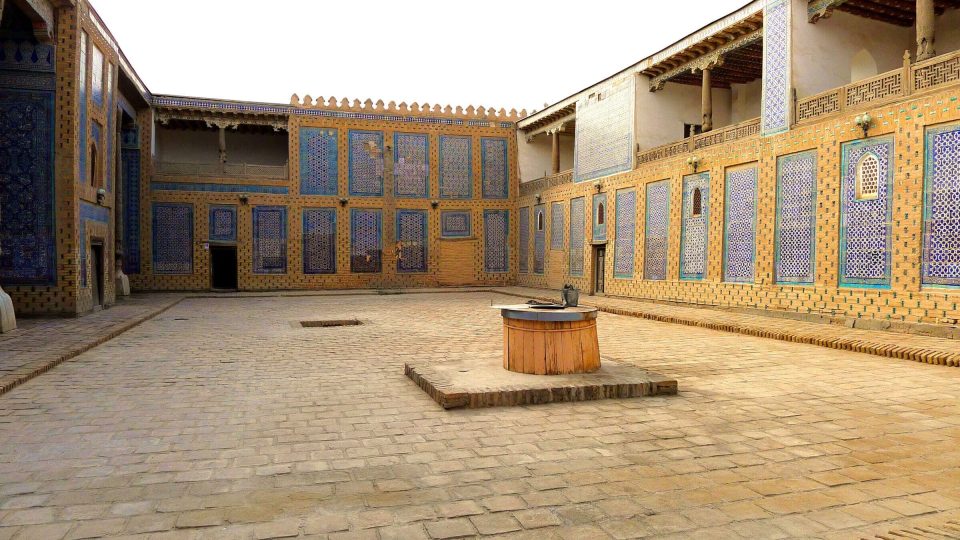
Tosh-Hovli Palace, right in the historic heart of Khiva, is one of the city’s most significant architectural treasures. Built in the 19th century, this palace actually served as the winter residence for Khiva’s khans.
The palace is super famous for its gorgeous interiors, all adorned with luxurious mosaics, incredible wood carvings, and beautiful ceramic tiles.
The whole complex features several courtyards, surrounded by pavilions and rooms for receiving guests. Honestly, Tosh-Hovli is a fantastic example of traditional Uzbek architecture, and it really showcases the region’s cultural and historical legacy.