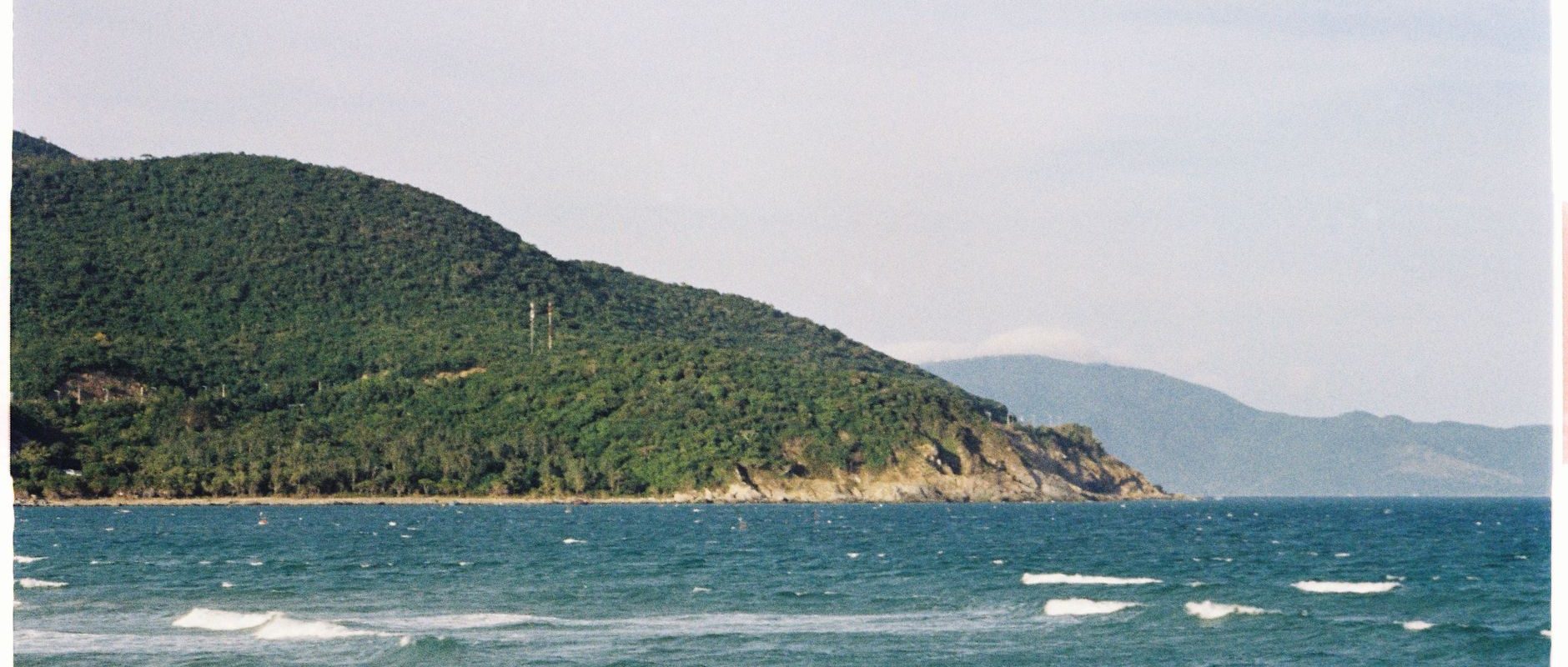
After a week on the beaches of Nha Trang the sea starts to repeat itself, and you want something else: cool air, mountains, an old town. From Nha Trang there are three classic destinations for that and two nobody writes about. Dalat in the hills is three and a half hours away, Mui Ne with its dunes five, Hoi An at the other end of the country is easier to fly to than drive. Then Phan Rang two hours south and Quy Nhon four hours north, where foreign tourists barely go. I lived in Vietnam for several months and did all five routes by bus, car and plane. Below is how to get there, what it costs and how many nights each one deserves.
How to Choose
One rule: the further, the more nights. Dalat needs at least one night, better two; a day tour means seven hours on the road for six hours in town. Mui Ne needs two nights, or you miss the dunes at sunrise, which is the reason to go. Hoi An needs three or four nights together with Da Nang, because the journey eats most of a day each way. Phan Rang and Quy Nhon work as a day trip or a single overnight.
Second question: when. Dalat is fine year-round, but from June to October it rains after lunch. Mui Ne is dry from November to April, which is also when the wind blows for kitesurfing. Hoi An is best from February to May, and from October to December it floods regularly. If you are in Nha Trang in the rainy months of October and November, head for the hills or the south rather than north.
Dalat, Hills and Coffee Three Hours Away
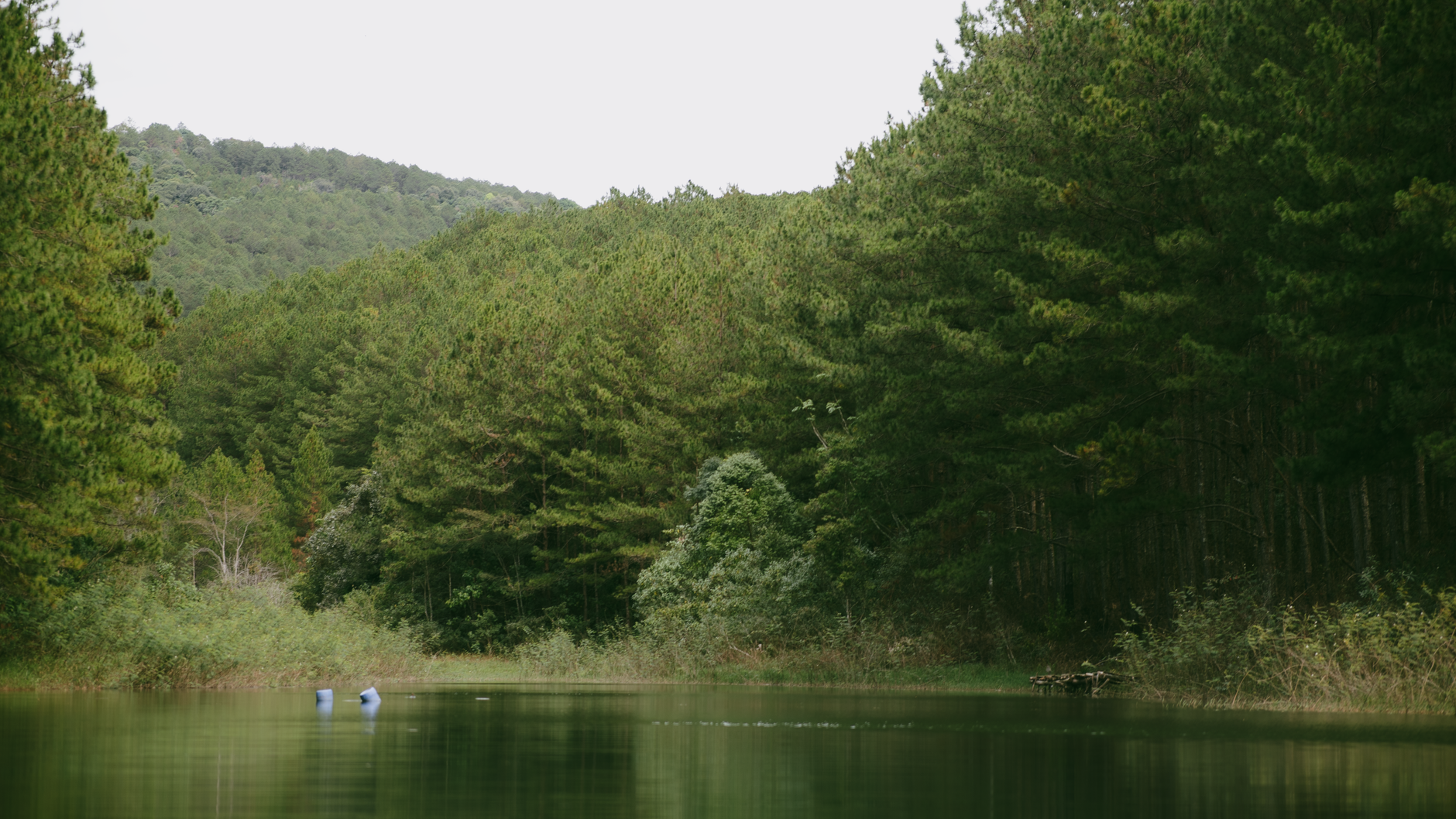
Dalat sits at 1,500 meters, and after the Nha Trang heat the first thing you notice is the air: 18 to 22°C by day, 12 to 15 at night, fog in the mornings. French colonists built it as a hill station to escape the heat, and they left villas, an art deco railway station and pine forests. Vietnamese couples come for honeymoons and strawberries, foreigners for coffee: plantations surround the town, and a cup of farm coffee costs 25,000 to 40,000 dong in a cafe overlooking the valley.
What to see in two days. Datanla waterfall with its rail toboggan through the forest, entry 150,000 dong plus 100,000 for the ride. The Crazy House, architect Dang Viet Nga’s tree-shaped guesthouse, 100,000 dong. A cable car to the Truc Lam zen monastery above Tuyen Lam lake, 120,000 return. Linh Phuoc pagoda built from broken bottle glass, free. A night market on the central hill with roasted sweet potatoes and hot soy milk. With a third day, Lang Biang mountain with jeeps to the summit and a Lat minority village.
Getting there is easiest on a Phuong Trang bus, also called Futa: the office is on Le Hong Phong street, departures hourly from 6:30 to 17:00, 180,000 to 250,000 dong, three and a half hours over the Khanh Le pass with switchbacks and fog. Buy tickets a day ahead at futabus.vn or the office. A car with a driver costs 1.4 to 1.8 million one way and lets you stop on the pass for the views, and a private transfer to Dalat booked ahead costs about the same without the haggling. If you cannot spare a night, the full-day Dalat trip from Nha Trang covers Datanla and the main sights, but be honest with yourself: that is seven hours in a car.
Stay in the center by Xuan Huong lake: guesthouses 15 to 25 dollars, hotels with a fireplace 40 to 70. Bring a sweater and closed shoes; evenings are properly cold and cafes light their stoves.
Mui Ne, Dunes and Wind Five Hours Away

Mui Ne is a 15-kilometer strip of resorts along the road south of Phan Thiet, 250 km from Nha Trang. Its sea is worse than Nha Trang’s: waves, murky water, erosion in front of some hotels. Nobody comes for the sea. They come for the red and white dunes that look like a piece of the Sahara beside the South China Sea, for the Fairy Stream where you walk barefoot through shallow water between red cliffs, and for the fishing village where hundreds of round basket boats unload the catch in the morning.
Classic is the sunrise jeep tour: up at 4:30, white dunes for sunrise, quad bikes for an extra 400,000 to 600,000 dong, then red dunes, the stream and the village by 9 am. A jeep for four costs 600,000 to 800,000 dong. Fairy Stream entry is 15,000, the dunes are free. From November to March the wind makes Mui Ne one of Asia’s best kitesurfing spots, and a two-hour lesson costs 60 to 80 dollars.
The Futa bus from Nha Trang takes five hours and costs 250,000 to 300,000 dong, morning and afternoon departures, arriving at the Phan Thiet station 20 minutes by taxi from the Mui Ne hotels. Sleeper buses exist, but five hours lying down is no easier than sitting. Stay two nights in a guesthouse on Nguyen Dinh Chieu road for 20 to 35 dollars; the sea is secondary there and the dunes are the same distance from everywhere.
Hoi An and Da Nang, Fly, Do Not Drive

Hoi An is 530 km from Nha Trang. By bus that is 10 to 12 hours, an overnight sleeper for 400,000 to 500,000 dong. I did it once and do not recommend it. A flight from Cam Ranh to Da Nang takes an hour and ten minutes, Vietnam Airlines and Vietjet fly daily, and tickets cost 900,000 to 1.8 million dong depending on the date. From Da Nang airport to Hoi An is 40 minutes and 350,000 to 450,000 by taxi. Counting the transfer to Cam Ranh airport and back, the plane costs half a day; the bus costs a night and a sleepless morning.
Hoi An is an old trading port of yellow houses, lanterns and a covered Japanese bridge, and from February to May it looks exactly like the postcards. The old town ticket costs 120,000 dong for five sights. Evenings bring lanterns on the river, mornings the market and tailors who sew in a day: a shirt for 15 to 25 dollars, a suit for 80 to 150. Thirty kilometers away lie the Cham ruins of My Son, 150,000 dong, worth reaching at the 6 am opening before the heat and the buses.
Da Nang next door adds the Marble Mountains, My Khe beach and the Golden Bridge held by giant hands at Ba Na Hills, where a ticket with the cable car costs about 950,000 dong; it is expensive and half a day of queues, but children love it. A self-planned three-night version: two nights in Hoi An’s old town, one in Da Nang by the beach, back on a morning flight. Book the Da Nang flights early; in Vietnamese holiday weeks they double.
Phan Rang, Cham Towers Two Hours Away

Phan Rang, formally Phan Rang-Thap Cham, 100 km south, barely appears in guidebooks, and that is its main virtue. The Po Klong Garai Cham towers on their hill are better preserved than Nha Trang’s Po Nagar and stand without crowds, entry 20,000 dong. Vinh Hy bay, 40 km from town, has emerald water, glass-bottom boats and snorkeling better than Hon Mun’s because nobody is there. Ninh Chu beach is empty on weekdays, and Cham villages make pottery and weave on hand looms.
The coastal highway from Nha Trang across the Cam Ranh peninsula is itself a reason to go: two hours between the sea and the dunes. By scooter it is the best ride in the region; a car with a driver costs 1.2 to 1.5 million for the day. One day is enough, and a night in Ninh Chu for 25 to 40 dollars turns it into a quiet weekend.
Quy Nhon, Empty Beaches Four Hours Away
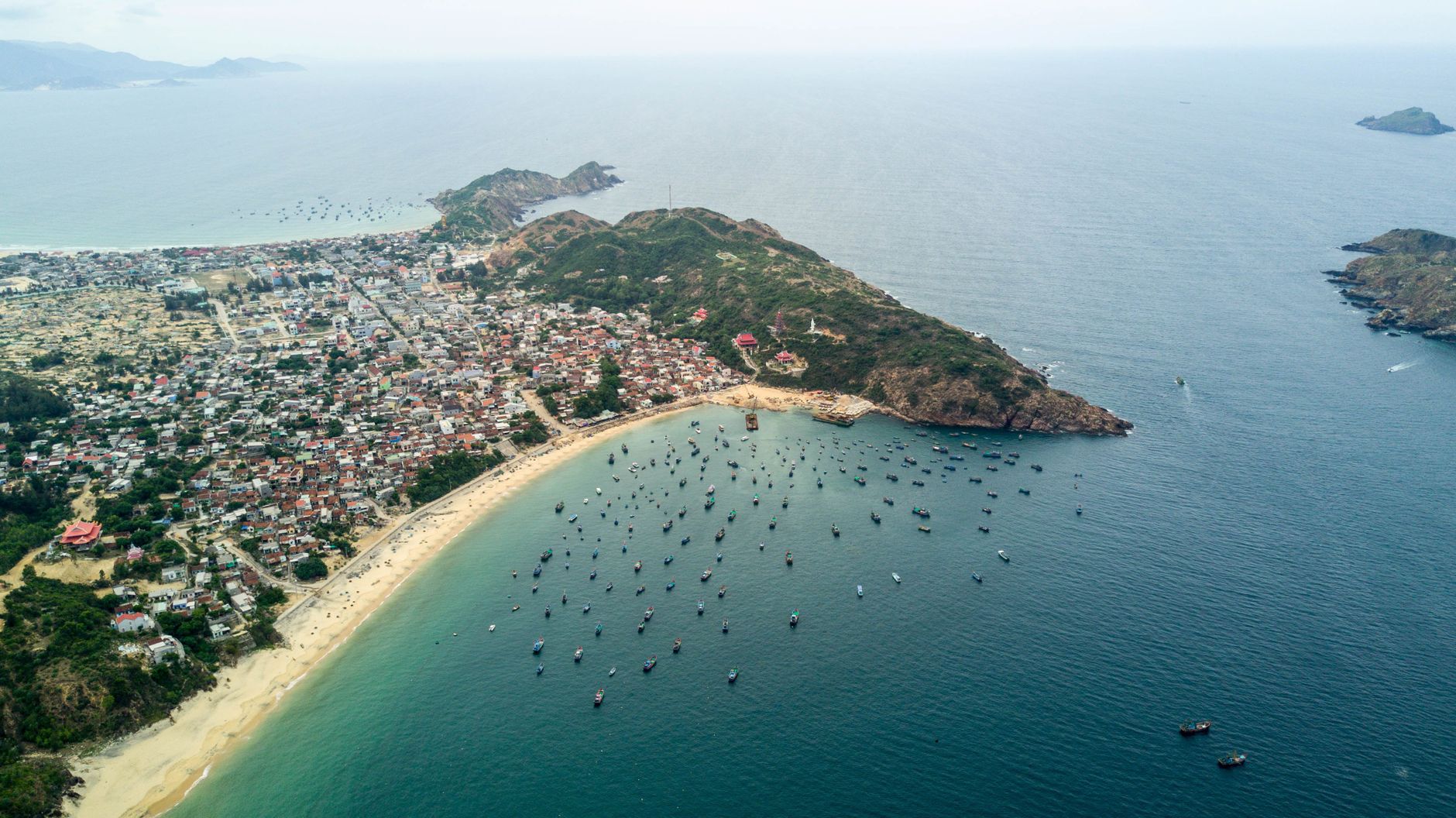
Quy Nhon, 230 km north, is a city the size of Nha Trang that foreigners almost never visit. Ky Co bay with its smooth boulders, Bai Xep beach in a fishing village with boats pulled up on the sand, the Banh It Cham towers on a hill, and the best banh xeo shrimp pancakes in Vietnam for 15,000 dong. Seafront hotels cost 20 to 40 dollars, the sea is cleaner than Nha Trang’s, and on a weekday you will have the beach to yourself.
The train from Nha Trang to Dieu Tri, Quy Nhon’s station, takes four hours, a soft seat costs 250,000 to 300,000 dong, and half the ride runs along the sea. The Futa bus takes the same time for 200,000 to 250,000. Two nights are enough. This is a destination for a second or third trip to Vietnam, once Hoi An is done.
All Five in One Table
Distances are measured from the Futa station in Nha Trang, fares are per adult in dong, and the nights column is the minimum that makes the road worth it. Add a day to everything in the Tet holiday week, when buses sell out and flights double in price.
| Where | Distance | Journey | Fare | Nights | Why |
|---|---|---|---|---|---|
| Dalat | 135 km | Bus, 3.5 h | 180,000 to 250,000 | 1 to 2 | Cool air, coffee, waterfalls |
| Phan Rang | 100 km | Car or scooter, 2 h | 1.2 to 1.5 million per car | 0 to 1 | Cham towers, Vinh Hy bay |
| Mui Ne | 250 km | Bus, 5 h | 250,000 to 300,000 | 2 | Sunrise dunes, kitesurfing |
| Quy Nhon | 230 km | Train or bus, 4 h | 200,000 to 300,000 | 2 | Empty beaches, food |
| Hoi An and Da Nang | 530 km | Flight 1 h 10 min plus taxi | 0.9 to 1.8 million airfare | 3 to 4 | Old town, lanterns, My Son |
Practical Notes for the Road
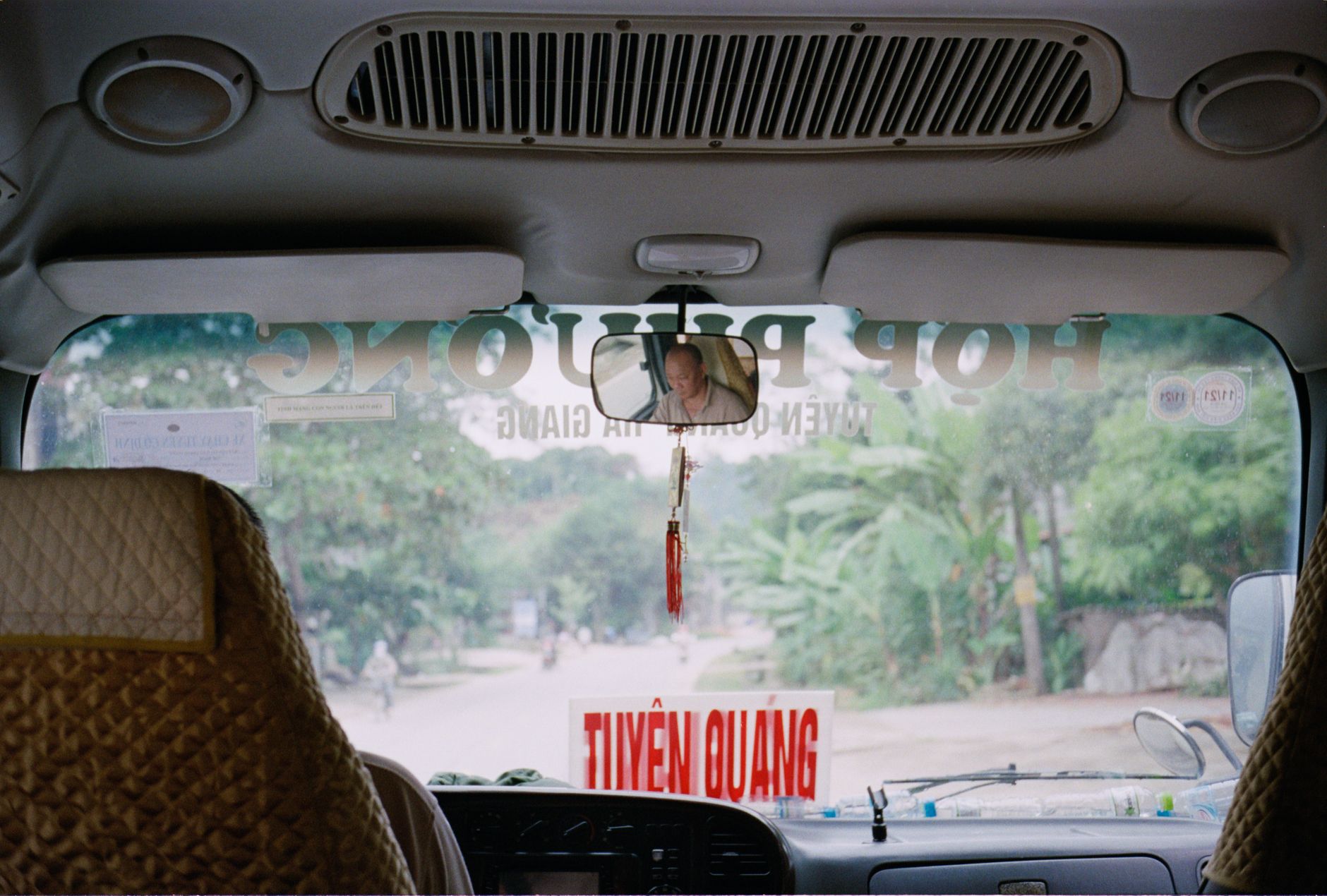
- Futa buses are the main carrier in the south. Tickets at futabus.vn or the offices, luggage goes in the hold, water is provided. Long routes stop for food.
- Trains are useful only northward, to Quy Nhon and beyond. Tickets at dsvn.vn, passport required at boarding.
- Your Nha Trang hotel need not be paid for while you are away: most hotels store luggage free if you return to them. It works when you keep one base, such as The Summer Hotel in the center, ten minutes from the Futa station. Our guide to where to stay in Nha Trang compares the districts for exactly this kind of base.
- Scooters over long distances only with an international permit with a motorcycle category and real experience. The Dalat pass and the Mui Ne highway are not for beginners.
- Cash is essential in Phan Rang and Quy Nhon; ATMs are few and cards are rarely accepted.
With one side trip, take Dalat for two nights: the contrast with the coast is the sharpest and the road the shortest. With two, add Phan Rang for a day for the sake of the coastal drive. Leave Mui Ne and Hoi An for a separate visit to Vietnam or a holiday longer than two weeks.


