You can spend a week in Nha Trang without eating a single Vietnamese meal if you stay on the seafront: steaks, pizza and borscht for tourists at European prices. Three blocks inland the city feeds itself, and feeds itself well: a fish market at dawn, noodles for 40,000 dong, charcoal grills by the river, coffee with a salted cream top. I lived in Vietnam for several months and ate my way through Nha Trang from plastic stools to rooftop restaurants. Below is what to try, exactly where, and what it costs in 2026.
What to Try Here and Nowhere Else
Nha Trang has its own cooking, neither Saigon’s nor Hanoi’s. Four dishes that other cities either lack or do worse.
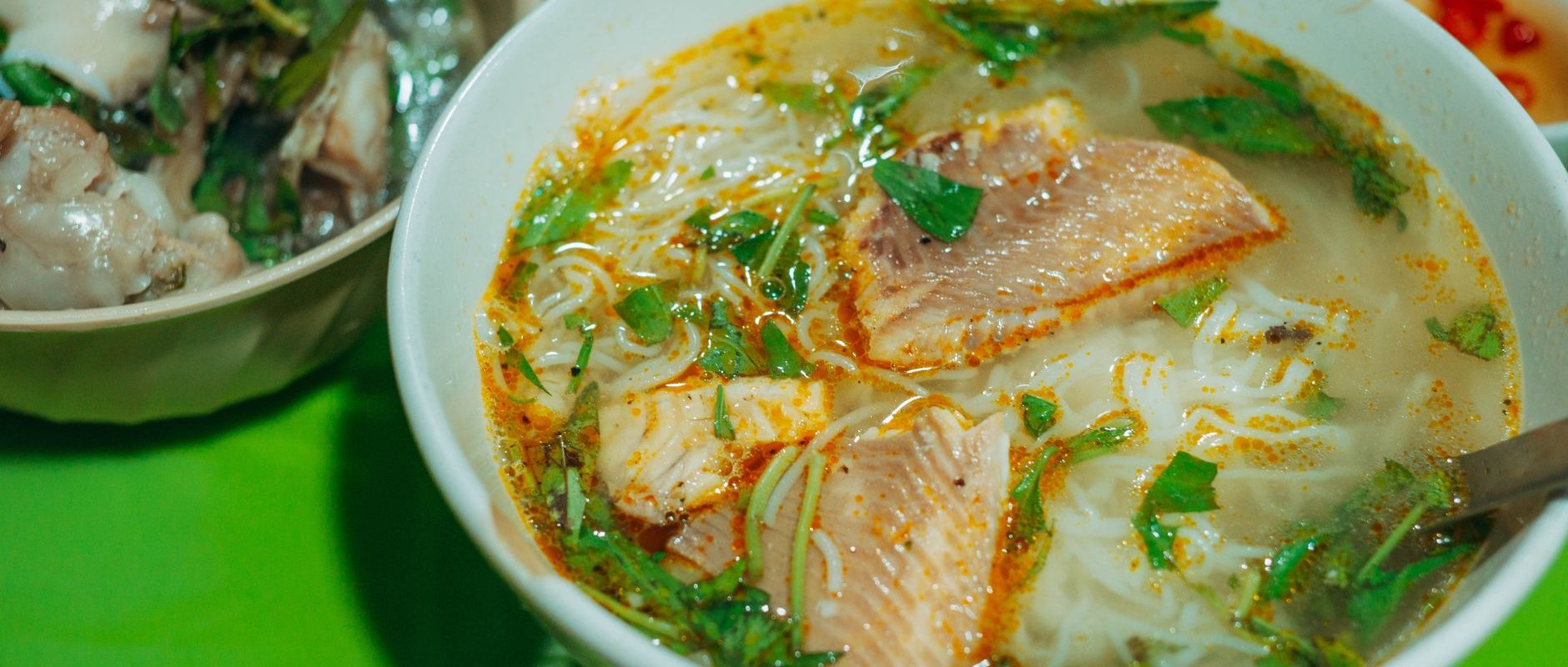
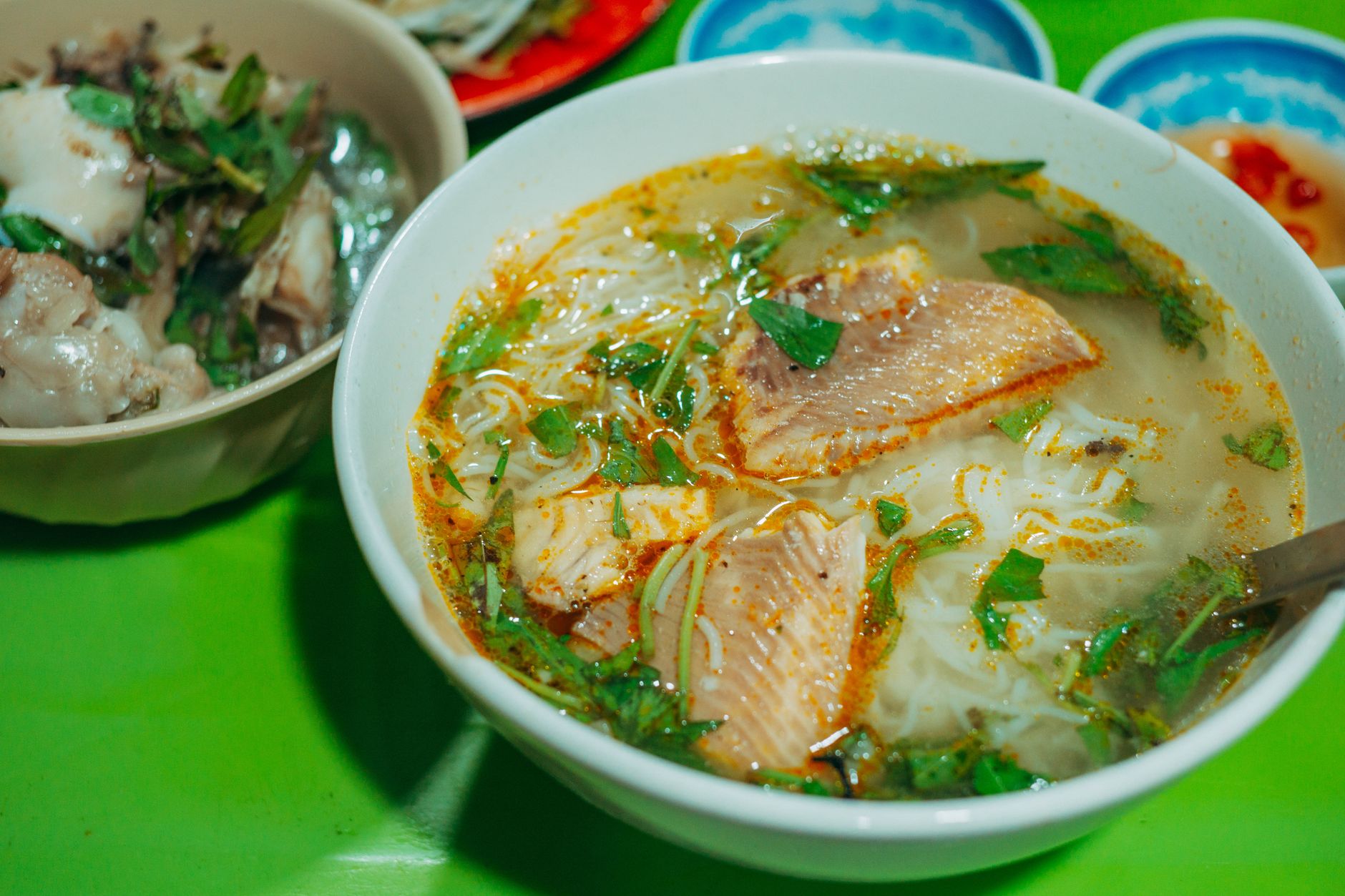
Bun cha ca, rice noodles in a broth with fish cakes, is the city’s signature breakfast, and a proper bowl costs 35,000 to 50,000 dong. Cooks simmer the broth on fish bones and pineapple, so it comes out clear and slightly sour, topped with mackerel cakes and tomato. Best bowls are on Yersin and Nguyen Thi Minh Khai streets from 6 to 10 am; by afternoon the pots are empty.
Nem nuong: pork sausages grilled over charcoal, wrapped in rice paper with herbs, cucumber, green mango and a crisp rice stick, then dipped in a thick sauce of liver and peanuts. A single serving runs 60,000 to 90,000. It comes from Ninh Hoa, a town 30 km away, and Nha Trang makes it better than anywhere else. Main addresses are on Nguyen Thi Minh Khai, from 3 pm until late.
Banh canh cha ca uses thick tapioca noodles with the same fish cakes in a heavier broth. More filling than bun cha ca, so people eat it at lunch. 35,000 to 45,000.
Banh xeo is a crisp rice-flour crepe with turmeric, shrimp and bean sprouts that you tear by hand, wrap in lettuce and dip in fish sauce. In Nha Trang they fry them small, five or six to a plate for 50,000 to 70,000, and they taste better than the big Saigon version.
Dam Market and the Fish Market at Dawn
Dam Market in the old center opens at 5 am. Ground floor is fruit, vegetables, fish and meat; upstairs is clothes and souvenirs. Come by seven, before the heat and while the trade is real. Fruit here costs half what it does on the seafront: mangoes 30,000 to 40,000 dong a kilo, dragon fruit 25,000 to 35,000, rambutan 40,000 to 50,000, mangosteen in season from May to August 60,000 to 80,000. A coconut with a straw is 15,000 to 20,000. Nobody bargains over food, prices are already low, but on souvenirs a third comes off.
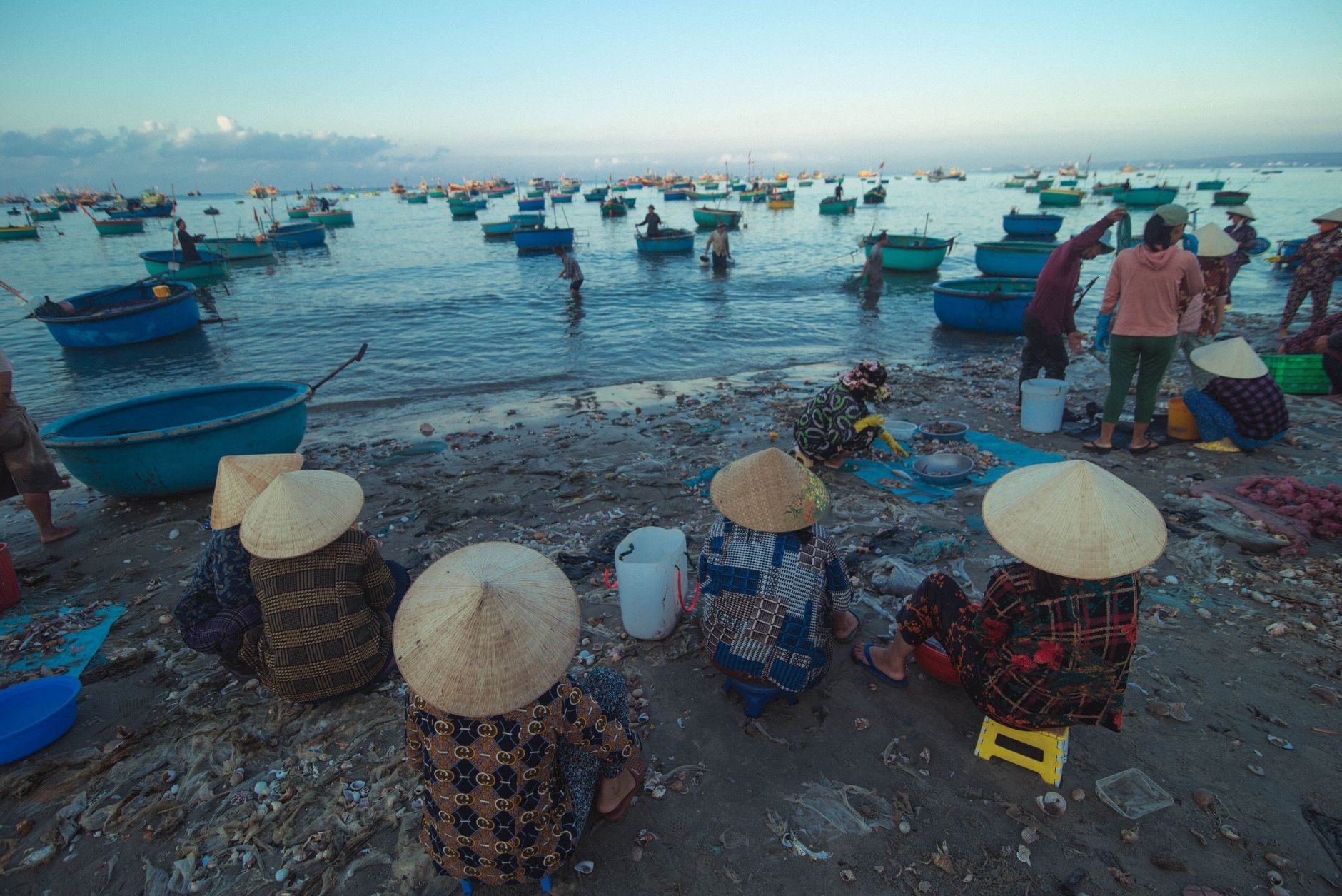
Nha Trang’s main fish market is not at Dam but at Vinh Luong port, about 15 km north of the center past Hon Chong. Boats land from 4 to 6 am, and by seven the restaurants have bought everything. Go for the spectacle: hundreds of baskets of tuna, squid, prawns and fish you have never seen. You can buy, but you have nowhere to cook, so the practical move is next door: fish restaurants by the market cook whatever you picked for 50,000 to 80,000 dong a kilo on top of the price. A Grab from the center takes 25 to 30 minutes, so leave the hotel by half past five.
If you want the market explained, a night food tour by scooter takes you to stalls you would never find without Vietnamese and tells you what to dip in what. About 900,000 to 1.2 million dong per person with food.
Seafood Without Getting Cheated
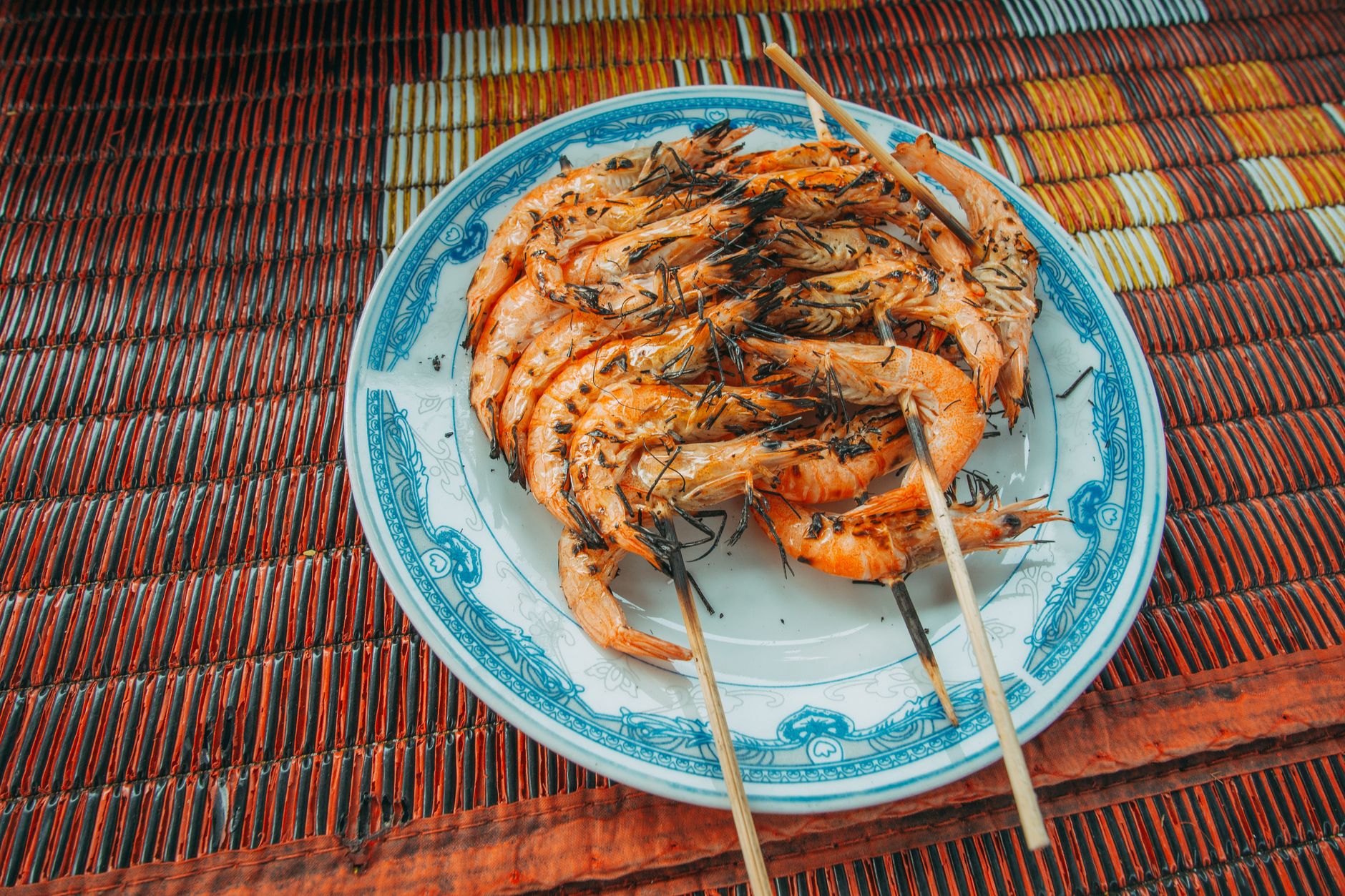
Seafood in Nha Trang is cheap, and it is also where tourists get overcharged most often. The tricks are simple: a price on the sign per 100 grams rather than per kilo, or a lobster weighed in front of you and swapped for a smaller one in the kitchen. Three rules. Confirm the price is per kilo, out loud. Have it weighed in front of you and the bill written on the spot. Pay the written bill, not the number someone says.
Honest addresses are Thap Ba street by the Po Nagar towers and the Cai riverbank north of the Tran Phu bridge, where restaurants stand in rows and serve locals. Prawns there run 250,000 to 350,000 dong a kilo, squid 200,000 to 300,000, crab 400,000 to 600,000, lobster 1.2 to 1.8 million. Grilling or steaming adds 30,000 to 50,000 per dish. Dinner for two with beer comes to 400,000 to 600,000. On the Tran Phu seafront the same prawns cost double, and you are paying for the view, not the quality.
The fishing village on Hon Mieu island feeds you from floating farms: you point at a pen, they pull the fish out and grill it. It is a stop on most island boat tours, and that lunch is usually the high point of the day.
Street Food and Where Locals Eat
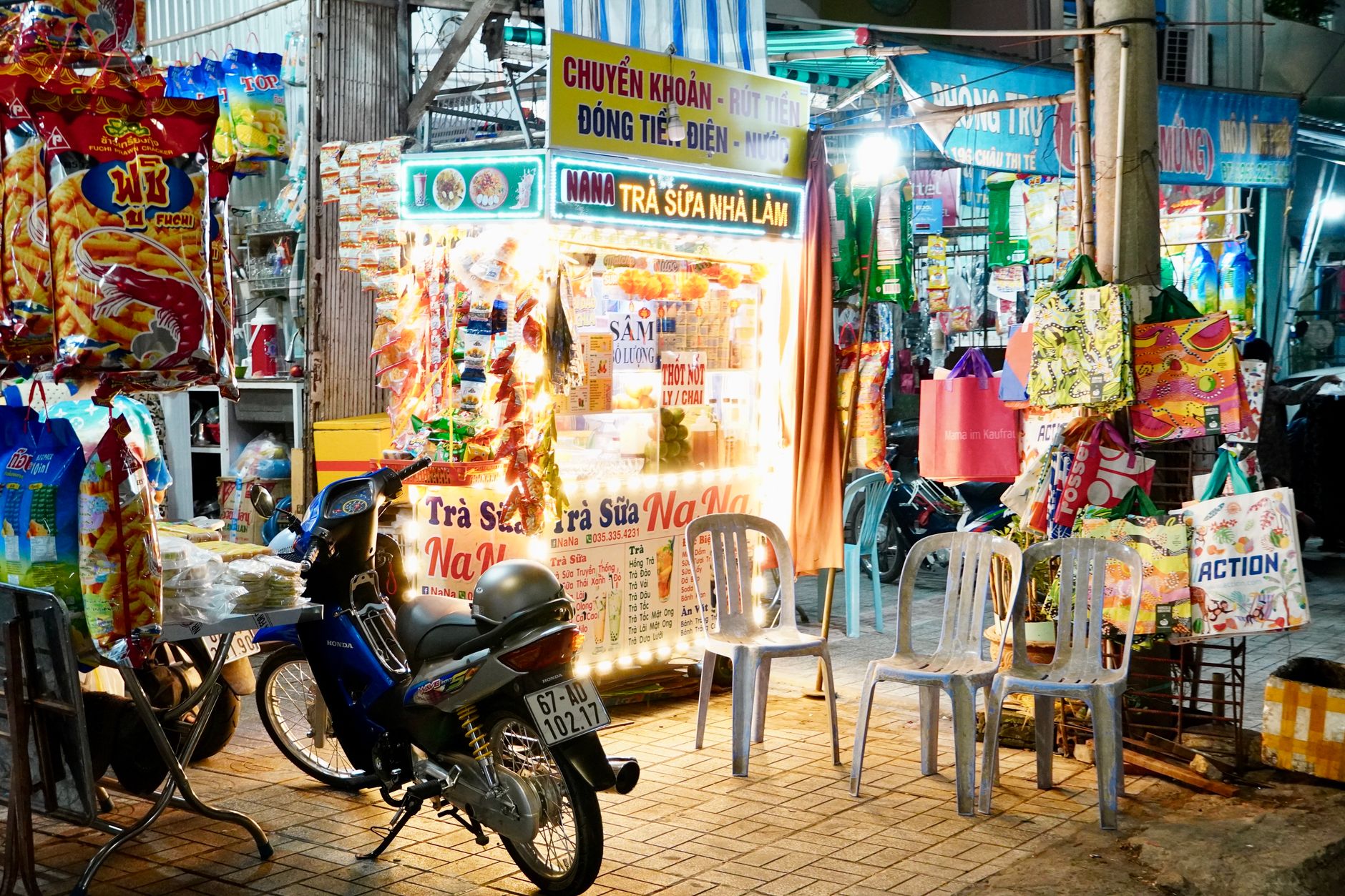
The blocks between Nguyen Thi Minh Khai, Hoang Van Thu and Le Thanh Ton streets are the city’s kitchen. In the evening the sidewalks fill with low tables, and each place makes one dish. One rule of thumb: where Vietnamese people sit and queue, the food is good and safe, because turnover is fast and nothing sits around.
What to order. Pho bo, beef noodle soup, 45,000 to 60,000. Banh mi, a baguette with pate, pork and herbs, 20,000 to 30,000, best by Dam Market and on the corner of Nguyen Thien Thuat. Com tam, broken rice with a grilled pork chop and a fried egg, 40,000 to 55,000, the working lunch of the city. Bo ne, beef on a sizzling cast-iron plate with egg and a baguette, 60,000 to 80,000, a breakfast that lasts until dinner. Oc, snails and shellfish in garlic, lemongrass or coconut, 40,000 to 70,000 a plate, eaten in the evening with beer.
Beer. The local brand is Nha Trang Beer, 15,000 to 20,000 a bottle in street cafes; Saigon and 333 cost the same, Tiger 25,000 to 30,000. Bia hoi, the 10,000-dong draft, is rare here; that is a Hanoi thing. For something stronger, try ruou, rice liquor infused with herbs, but in a restaurant, not from a plastic bottle at the market.
Coffee Worth the Trip
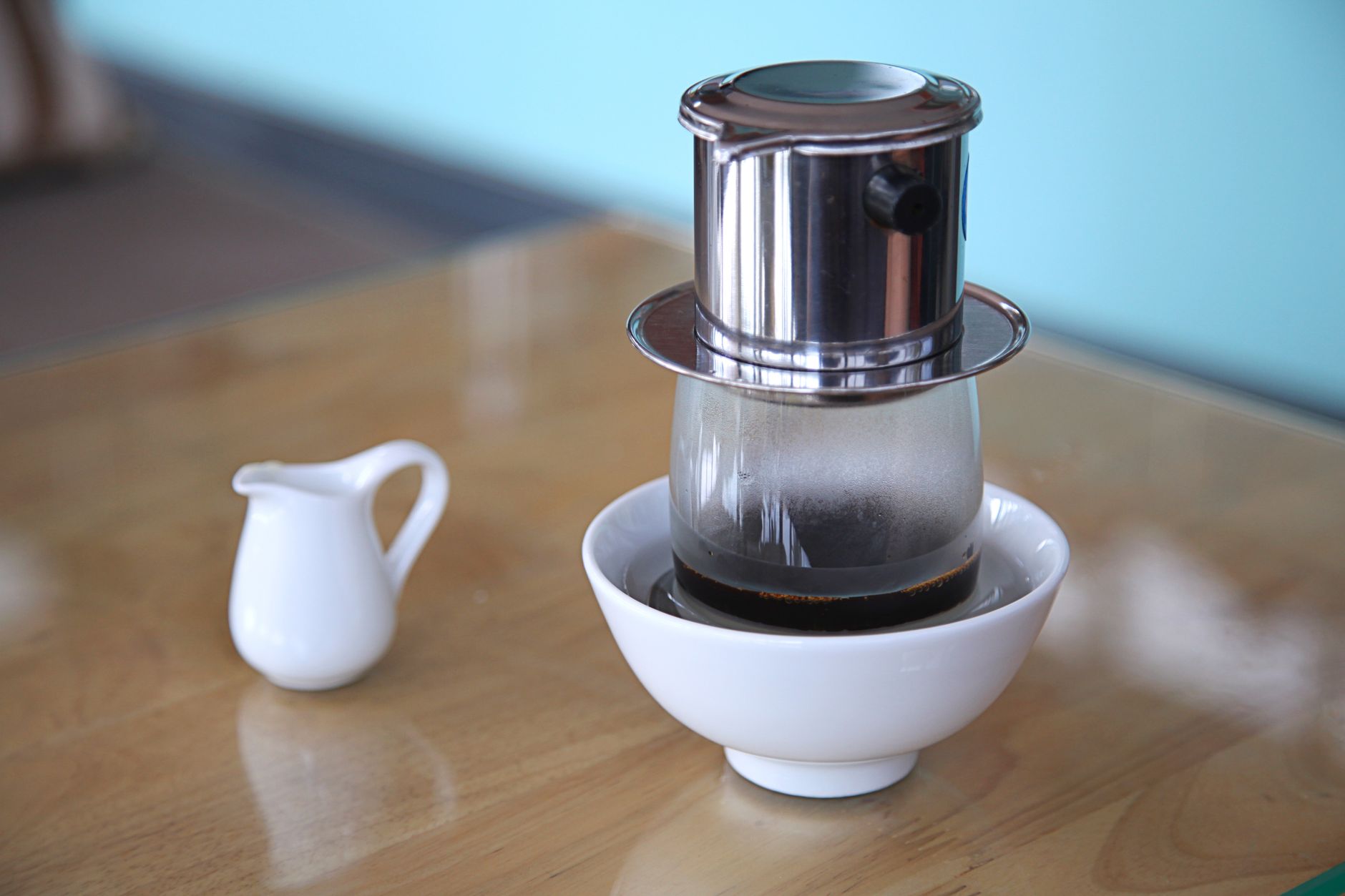
Vietnamese coffee drips through a phin, a small metal filter set on the glass, and you wait five minutes while it falls. Black on ice is ca phe da, with condensed milk ca phe sua da. That is the standard, 20,000 to 35,000 in a street cafe and 60,000 to 80,000 on the seafront.
Salt coffee, ca phe muoi, came down the coast from Hue and Nha Trang took to it fast: phin coffee under a foam of cream and salt. It sounds odd and works perfectly; the salt cuts the bitterness. 30,000 to 45,000, found on Nguyen Thi Minh Khai and around the cathedral. From Hanoi came egg coffee, ca phe trung, whipped yolk and sugar over espresso, 40,000 to 50,000. Coconut coffee with coconut ice cream at 45,000 to 60,000 is a dessert, not a drink.
Cafes with a view sit on the hill by Hon Chong and on the rooftops of the Tran Phu towers such as the Sheraton Nha Trang, where coffee costs 70,000 to 100,000 and you pay for the panorama. For flavor, go to the small cafes on the streets behind the seafront that roast Dalat beans themselves.
Fruit, Desserts and What to Take Home
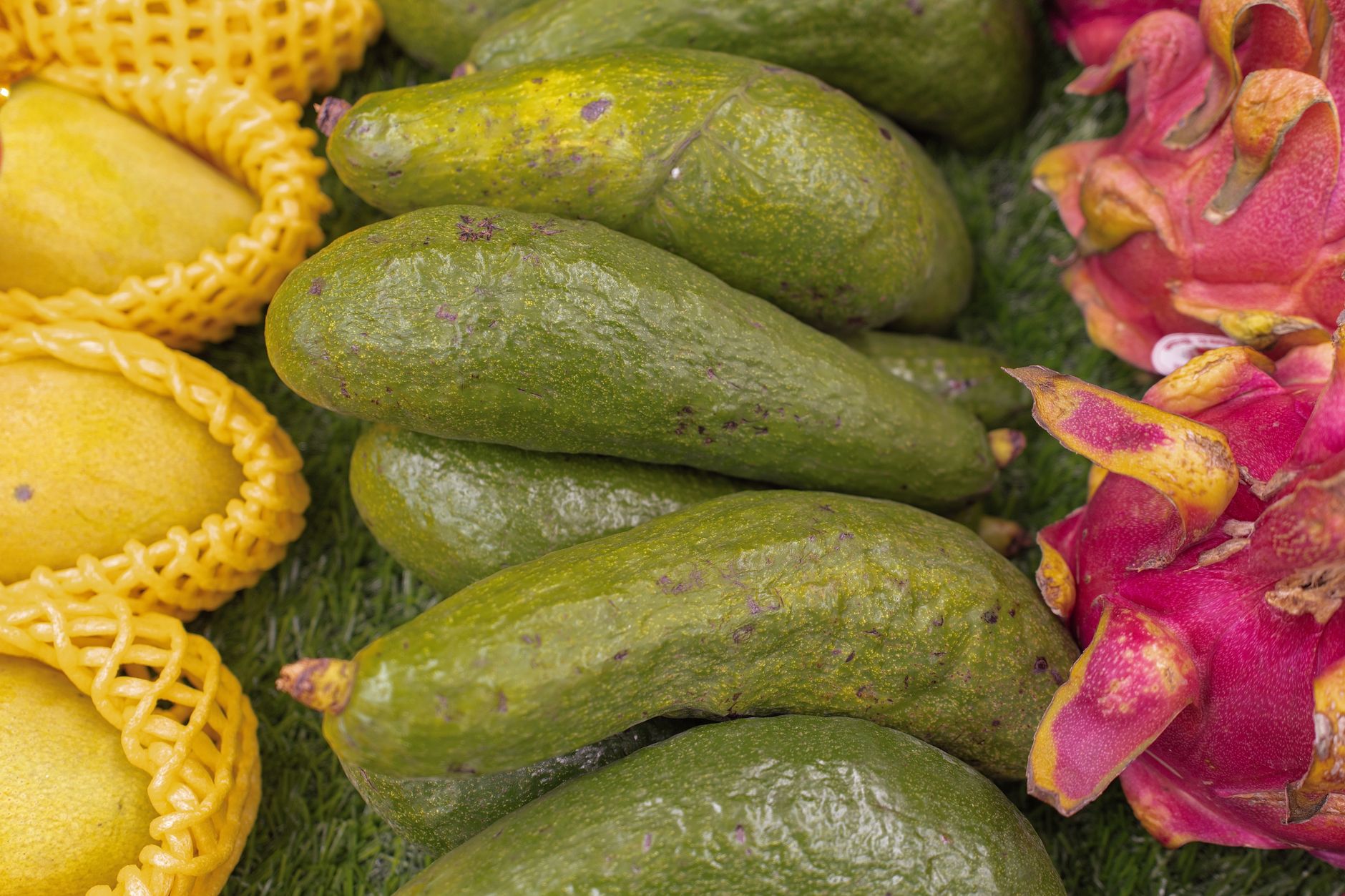
Fruit is in season all year in Nha Trang, but the peaks differ. Mango from March to June, mangosteen and rambutan from May to August, durian in June and July, dragon fruit always. Hotels ban durian, so eat it at the market, 80,000 to 120,000 a portion. Che, the Vietnamese dessert of beans, jelly, coconut milk and ice, comes from carts for 15,000 to 25,000, and in the heat it beats ice cream.
To take home: Dalat coffee beans, 150,000 to 250,000 for half a kilo, Phan Thiet fish sauce in a glass bottle, dried mango and cashews at 200,000 to 300,000 a kilo. Dried seafood from Dam Market smells strongly, and your suitcase will know. A phin filter costs 40,000 to 80,000 and completes the gift.
If You Want to Learn
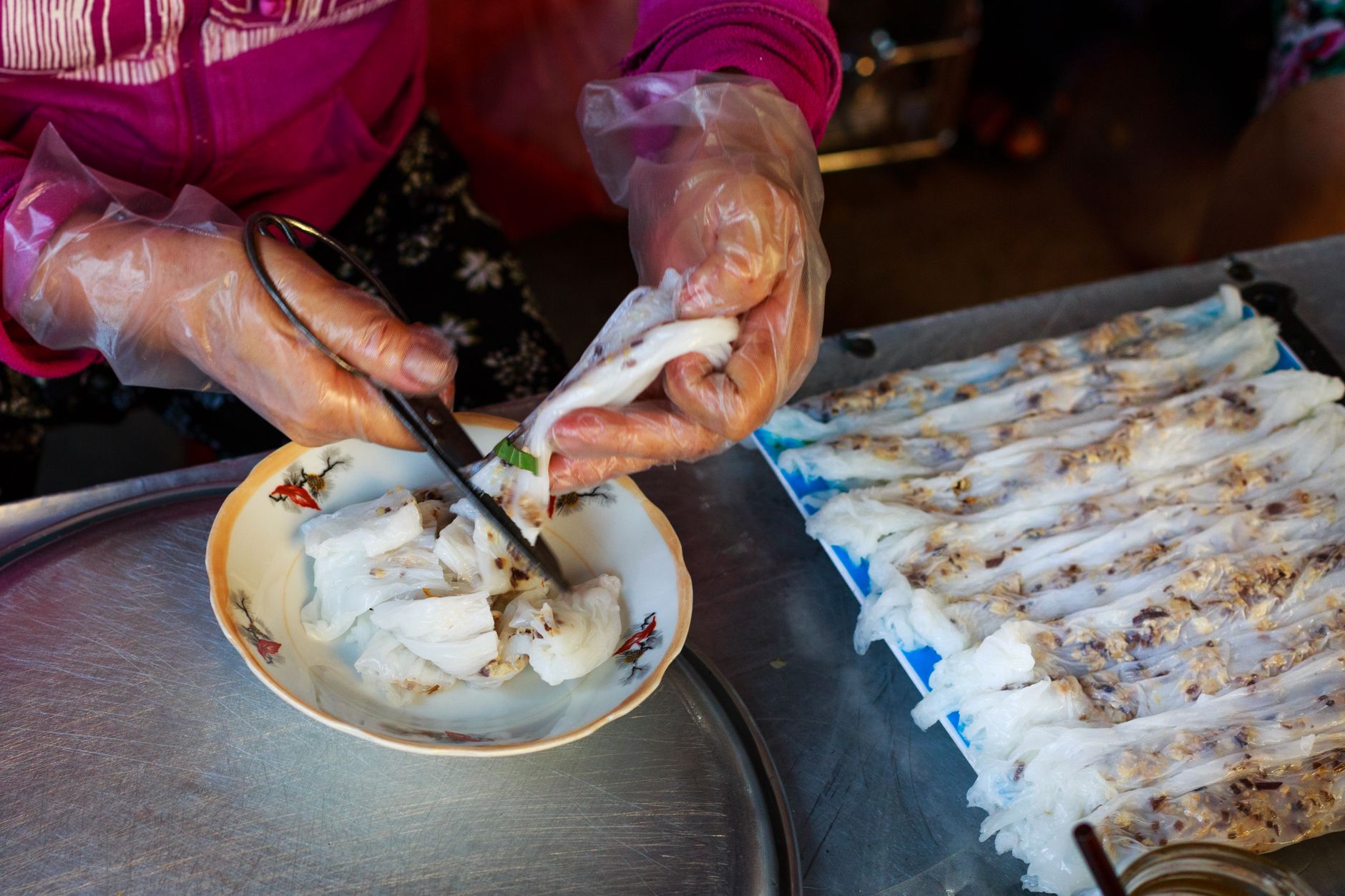
A cooking class is the best way to understand what goes into what. It is usually a morning: the market with the chef, three or four dishes, lunch from what you made. Prices run 700,000 to 1.1 million dong per person. The cooking class with market tour and craft village adds a walk outside the tourist center, and the countryside cooking class takes the kitchen out to a village, which suits anyone who finds classroom classes too much like school.
Prices in One List
| What | Where | Price, dong |
|---|---|---|
| Bun cha ca, bowl | Yersin, Nguyen Thi Minh Khai, mornings | 35,000 to 50,000 |
| Nem nuong, serving | Nguyen Thi Minh Khai, evenings | 60,000 to 90,000 |
| Banh mi | By Dam Market | 20,000 to 30,000 |
| Pho bo | Everywhere | 45,000 to 60,000 |
| Prawns, kilo | Thap Ba, Cai riverbank | 250,000 to 350,000 |
| Lobster, kilo | Same | 1.2 to 1.8 million |
| Seafood dinner for two | Local restaurants | 400,000 to 600,000 |
| Salt coffee | Center | 30,000 to 45,000 |
| Local beer, bottle | Street cafes | 15,000 to 20,000 |
| Mango, kilo | Dam Market | 30,000 to 40,000 |
| Cooking class | With market and lunch | 700,000 to 1.1 million |
Ice in Vietnam is factory-made, the cylinders with a hole through them, and it is safe; crushed ice from a bag at the market is the one to skip. Nobody drinks tap water, and a 1.5-liter bottle costs 10,000 to 15,000. Decent places wash the herbs that come with soup, but if in doubt, dunk them in the hot broth first. In several months in Vietnam, street food never once made me ill. The places I am wary of are the tourist restaurants on the seafront, where seafood sits in a display case from noon until it is ordered. Eat where the food moves fast.


