
Samui sits in the middle of a small archipelago. Ang Thong marine park lies 30 km to the west, Koh Phangan 15 km to the north, Koh Tao another 45 km beyond it, and a handful of islets hug the south coast. All of them can be done as a day trip, and the boats leave from piers that are 20 to 40 minutes from any hotel on the island.
After a few months of living on Samui and going out on most of these boats, my view is that spending the whole holiday on the main island wastes its best asset. Three or four days are enough for Samui’s own beaches, waterfalls and temples. After that, the interesting water is elsewhere.
This guide covers the four trips that make sense from Samui: Ang Thong, Koh Tao with Koh Nang Yuan, Koh Phangan, and the small islets off the south coast. For each one there are the departure piers, the time on the water, what a tour includes and what it costs in baht and dollars. Prices are from the 2025 season and change a little each year, so treat them as a range.
Ang Thong National Marine Park
If there is time for only one trip, it should be Ang Thong. It is not one island but 42 limestone islands that together form a national marine park, about an hour west of Samui by speedboat. Sheer cliffs rise straight out of the sea, lagoons sit hidden inside the rock, and the beaches are small strips of white sand between the walls. Nature is the whole point here; there are no resorts, no roads and no shops beyond the park kiosk.
Most tours to Ang Thong National Marine Park leave Nathon or Bangrak pier between 8 and 9 in the morning and return around 5. Two kinds of boat run the route. Speedboats take about an hour each way and fit more stops into the day. Larger wooden or steel boats take closer to two hours, roll less in a swell and usually serve lunch on board. Anyone who gets seasick should choose the big boat. The park closes each year for the monsoon, normally from November to mid-December, so check the dates before booking a trip in that window. A waterproof phone case is worth the 100 baht; the kayaking and the wet landings ruin electronics every day.
Snorkelling, Emerald Lake and the Viewpoint
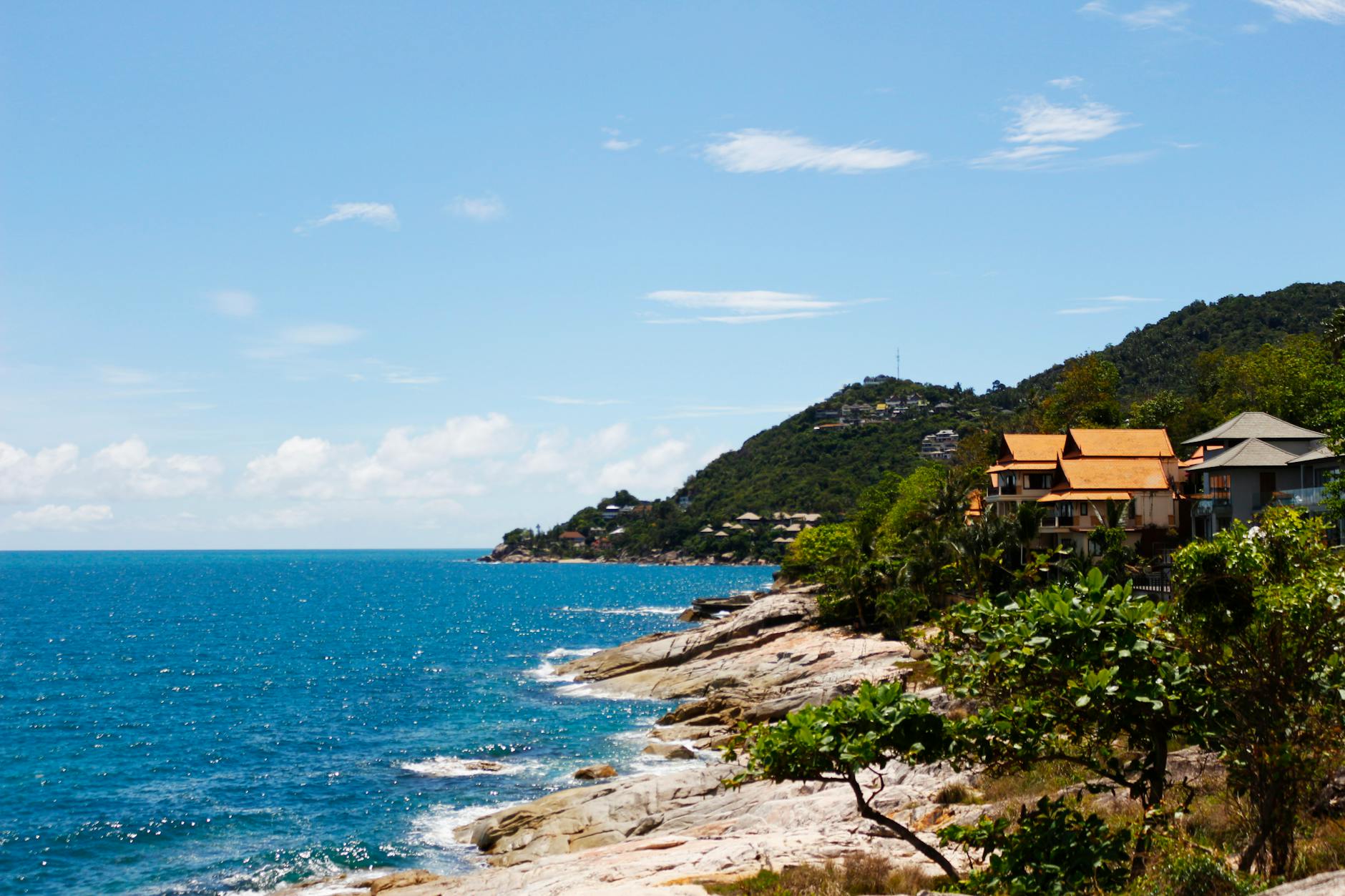
A typical Ang Thong day has three main stops. First comes snorkelling off one of the northern islands, where visibility is good from January to April and drops after the rains. Expect parrotfish, angelfish and coral heads in two to five metres of water rather than big pelagic life. Next is Koh Mae Ko and the Emerald Lake, called Talay Nai in Thai. It is a saltwater lagoon enclosed by cliffs and fed through underground channels. Wooden stairs lead up to a platform above it. The climb takes ten minutes and is hot at midday, but the colour of the water from above is the reason the park is on postcards.
Koh Wua Ta Lap holds the park headquarters and the main viewpoint. The trail climbs about 500 metres of elevation over rocks and fixed ropes, with several rest platforms on the way. From the top all 42 islands lie spread across the gulf. Flip-flops do not work on this trail; wear shoes with grip. Many tours add an hour of kayaking through sea caves and along the cliffs. The whole package, including hotel transfer, park fee of 300 baht, lunch and snorkel gear, costs 1,500 to 2,500 baht per person, about 45 to 75 dollars, depending on the boat and the operator.
Koh Tao and Koh Nang Yuan for Divers and Snorkellers
Koh Tao is the underwater trip. Its name means Turtle Island, from its shape and from the sea turtles that once nested on its beaches. Today it is one of the busiest dive-training islands in the world, with dozens of schools certifying beginners at some of the lowest prices anywhere. Next to it lies Koh Nang Yuan, three small islets joined by sandbars that appear at low tide. That sandbar view, photographed from the islet’s viewpoint, is the most reproduced image of the whole gulf.
Distance is the catch. Koh Tao lies about 70 km from Samui, so day trips run on speedboats and take an hour and a half to two hours each way. Departures are early, around 7:30, from Bangrak or Maenam pier. On a calm day the crossing is pleasant; in a swell it is a long two hours of slamming, which is why these trips are cancelled more often than Ang Thong when the weather turns. The reward is the clearest water in the region. Snorkellers regularly see blacktip reef sharks, green turtles and the occasional ray. A Samui tour to Koh Tao and Koh Nang Yuan is the right choice for anyone who came to the gulf for what is under the surface rather than on it.
Beaches, Bays and What the Day Looks Like
Boats stop at Koh Nang Yuan first. The islet charges a landing fee, and plastic bottles are banned, so bring a refillable one. A trail climbs to the viewpoint in 15 to 20 minutes; it is steep and rocky, so the same rule about shoes applies. Below, the three beaches are open for swimming and snorkelling straight off the sand. Coral starts a few metres out, and fish come close enough to see without a mask.
After Nang Yuan the boat moves to Koh Tao and makes two or three snorkel stops in bays such as Ao Muang, known as Mango Bay, and Ao Luk, known as Shark Bay. Shark Bay earns its name: juvenile blacktip reef sharks patrol the shallows, a metre long at most and not interested in swimmers. Seeing them from the surface is a matter of arriving before the crowds stir up the sand.
Lunch is usually a buffet at a beachfront restaurant on Koh Tao, then the long ride home. Total time on the boat is four hours or more, which makes this a poor choice for small children or anyone prone to seasickness. For everyone else it is the trip that delivers the widest range of marine life in a single day from Samui.
Prices run from 2,000 to 2,500 baht for the standard group speedboat and up to 3,500 or 4,000 baht for smaller boats with fewer passengers, roughly 60 to 120 dollars. That covers hotel transfer, the boat, lunch, snorkel gear and the landing fees.
Koh Phangan Beyond the Full Moon Party

Koh Phangan carries one association for most people: the Full Moon Party on Haad Rin beach, held every month and drawing several thousand people. That party is one beach on one night. The rest of the island is quieter than Samui, with hillier roads, emptier beaches, a national park with waterfalls, and a yoga and vegetarian scene in the west that has grown up over the past decade.
Of all the islands, Phangan is the easiest to reach independently. Ferries leave from Bangrak, Maenam and Nathon piers many times a day, run by Seatran, Lomprayah and Raja Ferry, and take 20 to 45 minutes depending on the route and the boat. A one-way ticket costs 300 to 500 baht, or 9 to 15 dollars. No tour is needed for this one: take an early boat, rent a scooter or hire a songthaew at Thong Sala pier, and catch a boat back in the late afternoon.
My usual pattern is the 8 am Seatran boat from Bangrak, a scooter for 250 baht at Thong Sala, and the last boat back around 5:30. That gives seven or eight hours on the island, enough for two beaches and the waterfall. Phangan feels a step behind Samui in development, which is exactly why people go.
Quiet Bays, Phaeng Waterfall and a Hilltop Temple

With one day, focus on the north-west. Haad Salad and Haad Yao are calm, shallow bays with white sand and coral within swimming distance, and both have a few restaurants for lunch. From Thong Sala the ride is 20 to 30 minutes on a paved but steep road; the hill down into Haad Salad has caught out a lot of first-time scooter riders, so take it slowly and avoid it in rain.
Phaeng Waterfall sits inside Than Sadet-Koh Phangan National Park, in the centre of the island, a ten-minute drive from Thong Sala. Entry is free. The main falls are a short walk from the car park and run strongest from October to December; in the dry months of March and April they shrink to a trickle. A trail continues uphill to the Khao Ra viewpoint, about 45 minutes each way, for anyone who wants a proper walk.
Wat Khao Tham is a small meditation temple on a hill above Baan Tai, on the road back toward Haad Rin. It is known for its silent retreats, and outside retreat dates the grounds are open. From the top there is a clear view over the south coast and across to Samui. Modest dress applies: shoulders and knees covered.
Budget for the day: ferry return of 600 to 1,000 baht, scooter 250 to 300 baht plus fuel, lunch and drinks 300 to 500 baht. Around 1,500 baht per person, or 45 dollars, for a full day with no tour operator involved.
Koh Matsum, Koh Tan and the South Coast Islets
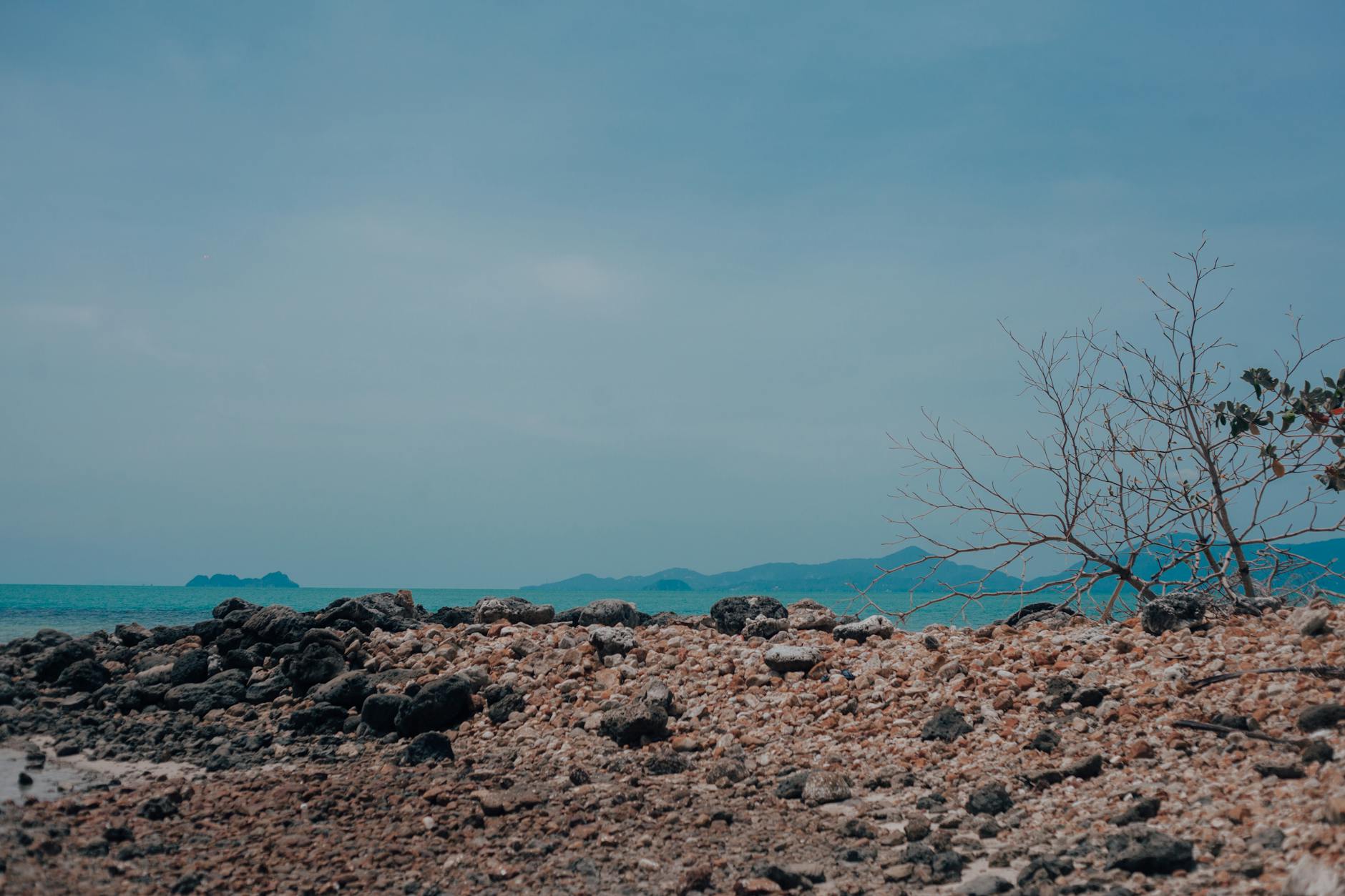
Off Samui’s south coast lie several smaller islets near Samui that suit a half-day rather than a full one. Koh Matsum, better known as Pig Island, has become the most popular of them in the past few years. A group of pigs lives on the beach, fed by the boat crews and by visitors, and they wander down to the water and pose for photos with anyone holding a banana. Samui boat trips to the islands in this group usually combine Matsum with a snorkel stop at Koh Tan.
Boats leave from Thong Krut pier in the far south of Samui, and the crossing to Matsum takes 15 to 20 minutes by longtail or less by speedboat. The island has a single beach with a small bar, palms, clear shallow water and the pigs. It is the easiest trip in this guide for families with young children: short ride, calm water, animals to feed, and back at the hotel by early afternoon. Bring fruit or vegetables for the pigs rather than bread, which the crews ask visitors not to give.
Longtail Boats and Negotiating the Route
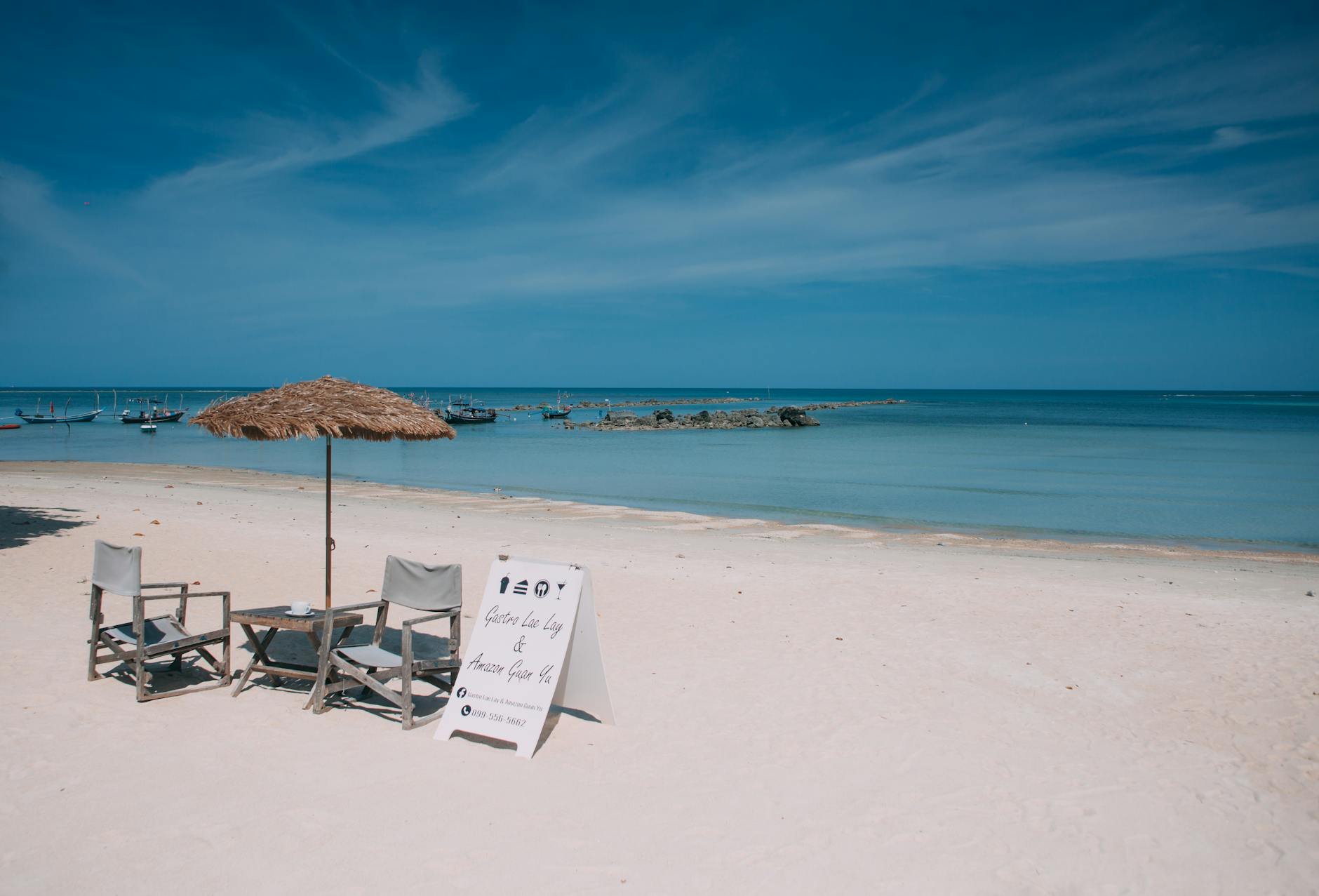
Koh Tan, next to Matsum, is a low island with mangroves on one side and a reef on the other. Snorkelling there is shallow and easy, with soft coral and small reef fish, and there is a beach restaurant that serves lunch to boat groups. Koh Samui Noi, which translates as Little Samui, is further out and rarely visited; a private boat trip can include it. Combined tours string two or three of these islets together with swimming and snorkel stops and are back by 2 or 3 pm.
Longtails are the flexible option. At Thong Krut pier the captains quote per boat, not per person: expect 1,500 to 2,000 baht, about 45 to 60 dollars, for a half day to Matsum and Koh Tan with up to six or eight passengers. Route and timing are agreed on the spot, so a group can stay longer with the pigs or skip the snorkel stop. Booked tours through an agency cost more per person but include hotel transfer, gear and lunch, which matters if the hotel is on the north coast, 40 minutes from Thong Krut.
How to Choose and Book a Day Trip from Samui
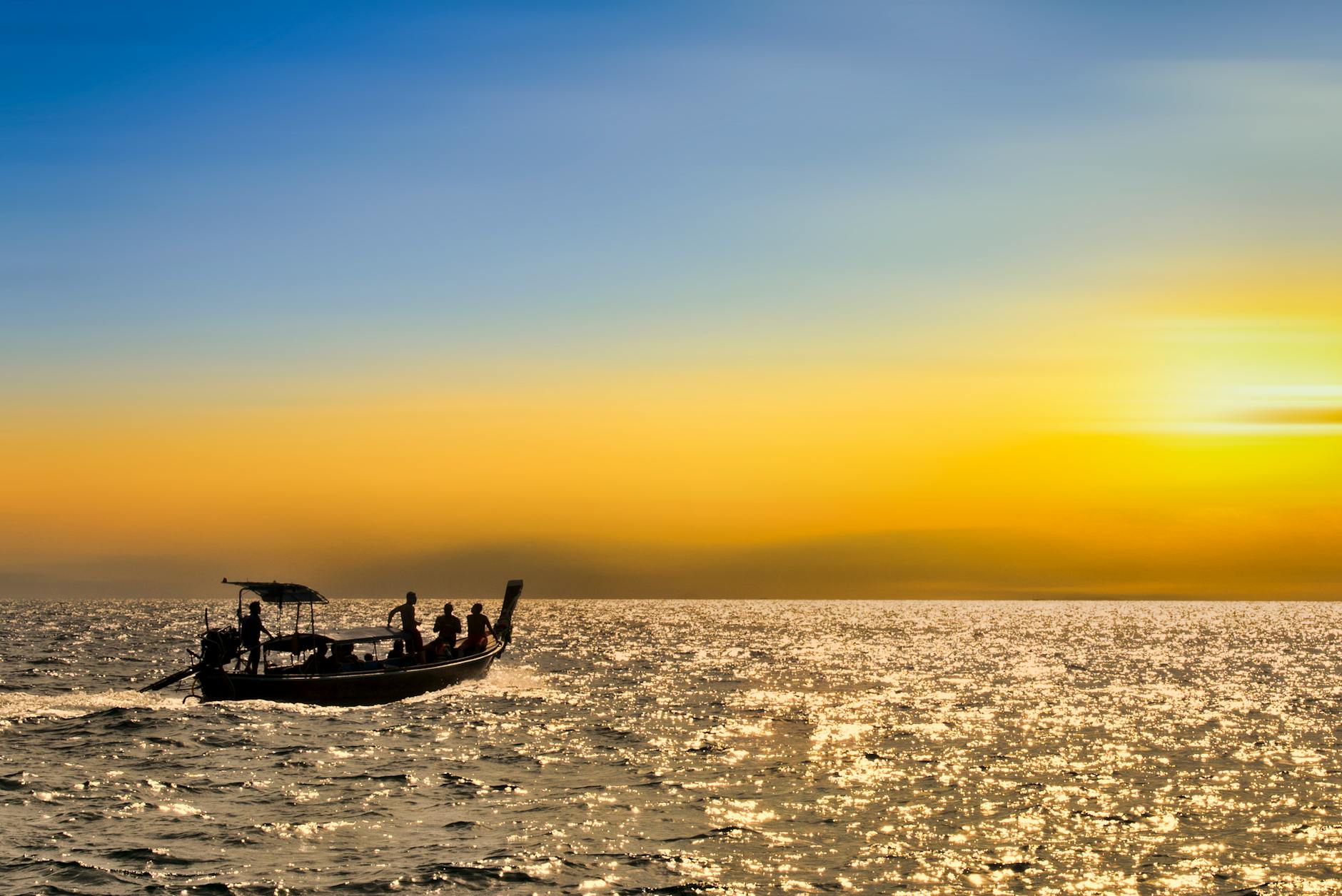
Start with what kind of day you want. Climbing and kayaking point to Ang Thong. Fish and coral point to Koh Tao. Freedom to wander with a scooter points to Phangan. Small children or a half day point to Pig Island. Samui has agencies on every street selling all four, and the same boat is often sold under several names at different prices, so the operator matters more than the brochure.
Four things decide whether a tour is worth its price. Boat type: speedboats are faster and rougher, big boats slower and steadier, with toilets and shade. Inclusions: hotel transfer, lunch, drinking water, snorkel gear and park or landing fees should all be listed; any that are missing get added at the pier in cash. Group size: a 40-seat speedboat and a 12-seat one visit the same bays and cost very different amounts. And recent reviews, because Samui operators change boats and crews from season to season, and last year’s reputation may not hold.
Prices, Booking and Practical Details
For a full-day group tour with everything included, the range is 1,500 to 4,000 baht per person, about 45 to 120 dollars. Ang Thong on a big boat sits at the bottom of that range, Koh Tao on a small speedboat at the top. Private boats cost more in total but less per head for a family of five or six. The cheapest offer in town is rarely the best one; boats that undercut everyone else tend to be the oldest and the most crowded. Hotels with a tour desk, such as the OZO Chaweng Samui on Chaweng beach, sell the same trips at a small markup, which is a fair trade for having someone to complain to if the pickup fails to show.
Booking works three ways. Walk-in agencies on the street quote in baht and take cash, and are fine for a trip the next day. Hotel desks are the same at a slightly higher price. Online platforms such as GetYourGuide and Viator let you compare operators, read reviews and hold a place a week ahead, which matters in high season from late December to March when the good boats sell out two or three days early. In the low season of September and October, walking in on the day works and prices soften.
What to bring: reef-safe sunscreen, a hat, swimwear worn under clothes, a towel, a dry bag, motion sickness tablets taken an hour before departure, and a few hundred baht in small notes for landing fees and drinks. Most boats have drinking water but not much shade. Pickup times are early, between 7 and 8:30, and the van collects guests from several hotels, so the first pickup may wait 40 minutes before reaching the pier.
For anyone still planning your arrival, one note on getting to the island. Samui airport is served almost entirely by Bangkok Airways, which keeps fares high; a return from Bangkok often costs more than the long-haul leg. The cheaper route is to fly to Surat Thani on a low-cost carrier and take the bus and ferry combination, which adds three to four hours. Compare both options when booking flights to Koh Samui, because the saving can cover two or three of the day trips above.
Which Trip on Which Day
With a week on Samui, a workable pattern is Pig Island on the second day, when everyone is still adjusting to the heat and a half day is enough; Ang Thong on the first calm morning after that; Phangan on a day with no fixed plans; and Koh Tao last, once you know how the group handles a boat. Leave the last two days open for whichever one the weather cancelled.
Sea conditions decide more than the calendar. From January to April the gulf is usually flat and every trip runs. From May to September afternoons bring wind and short chop, so morning departures matter. October to December is the rainy season, when Ang Thong closes for weeks and Koh Tao crossings get cancelled at short notice; Phangan and Pig Island, both close to shore, are the reliable options then. Operators refund cancelled trips or move them to the next day, so booking with a day or two of slack at the end of the stay costs nothing and saves a lot.


