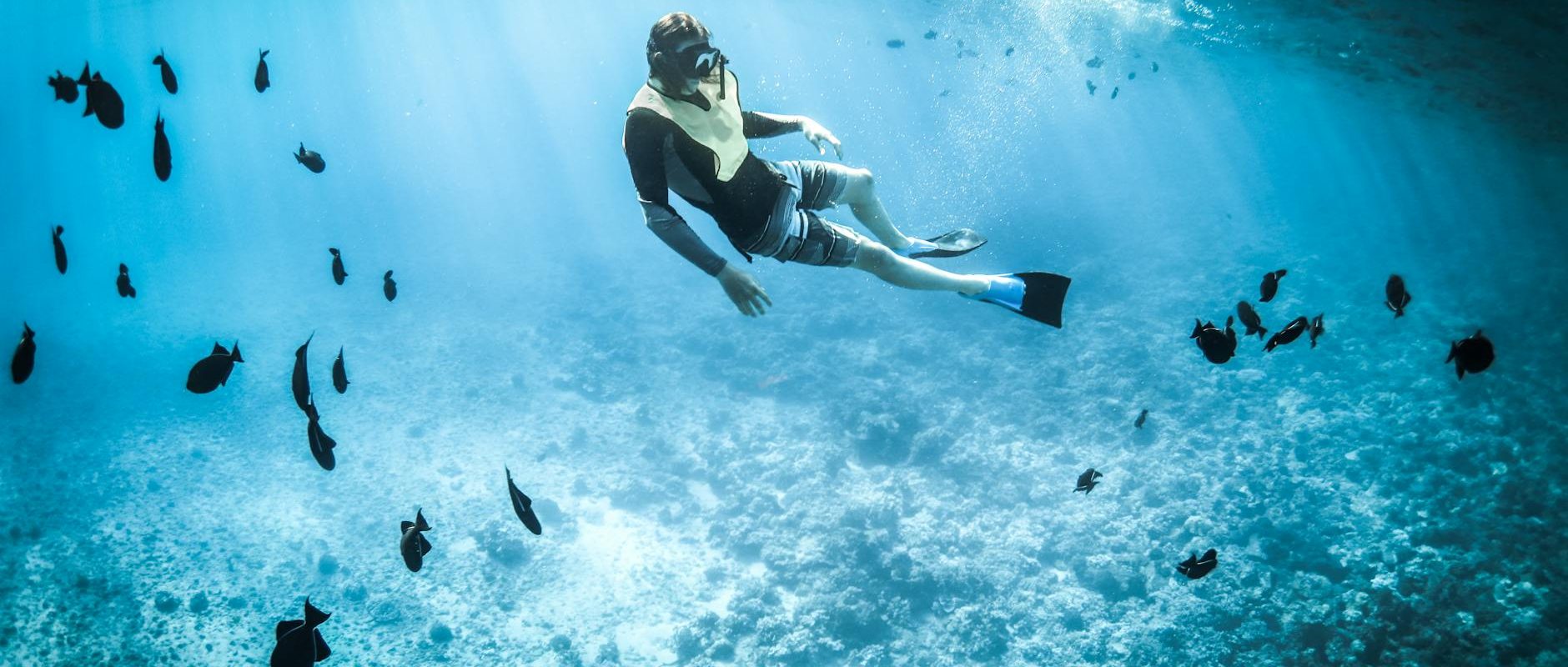
Most first trips to the UAE are about Dubai: towers, fountains, desert safaris. Fujairah sits on the other side of the Hajar mountains, on the Gulf of Oman, and it is the only emirate with a coastline on the open Indian Ocean rather than the shallow Persian Gulf. That one geographic fact explains why divers keep coming here. Water is clearer, natural reefs grow along the rocks, and a two-hour drive from Dubai gets you to a dive boat.
Below are the dive sites and snorkel spots that make sense for a first visit, what a dive costs in dirhams, and what to look for when picking a dive center. If you only have a mask and snorkel, most of it still applies.
Why Fujairah Works for Divers
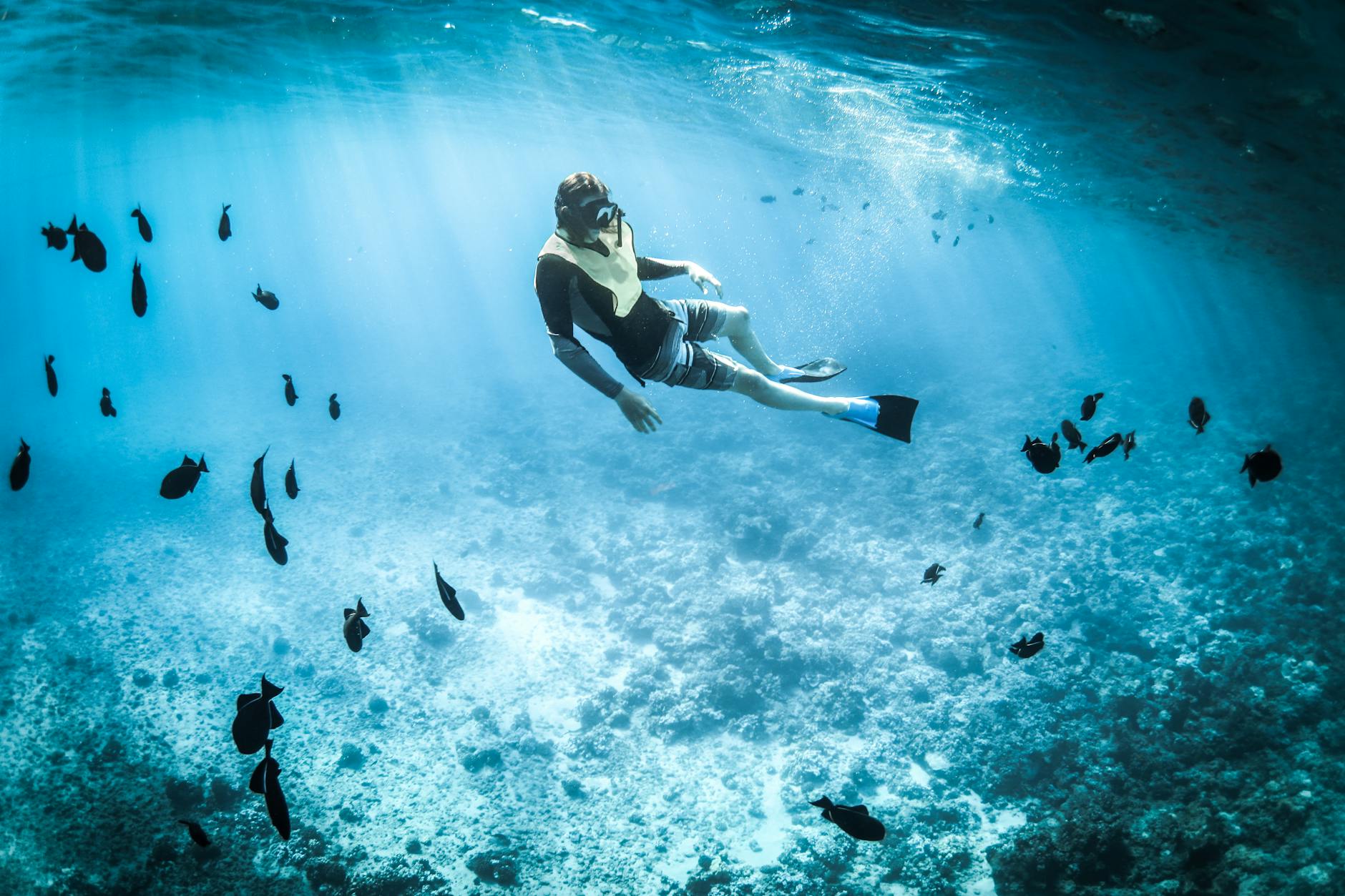
Location does most of the work. Every other emirate faces the Persian Gulf, a shallow, warm, slow-circulating body of water. Fujairah opens onto the Gulf of Oman, which connects straight to the Indian Ocean. Cooler water, more oxygen, more current, and a very different set of animals.
Reefs here are natural. In Dubai, most dive sites are artificial structures or sunk objects. On the east coast, coral grows on rock outcrops that have been there for thousands of years.
Visibility varies a lot by season. On a good winter day you get 20 meters and more; after a plankton bloom in spring it can drop to 5-8 meters. Water temperature rarely falls below 22-24°C in January and sits around 28-30°C from June to September, so a 3 mm wetsuit covers the whole year for most people. Currents are mild at the popular sites, which is why so many dive centers use them for training dives.
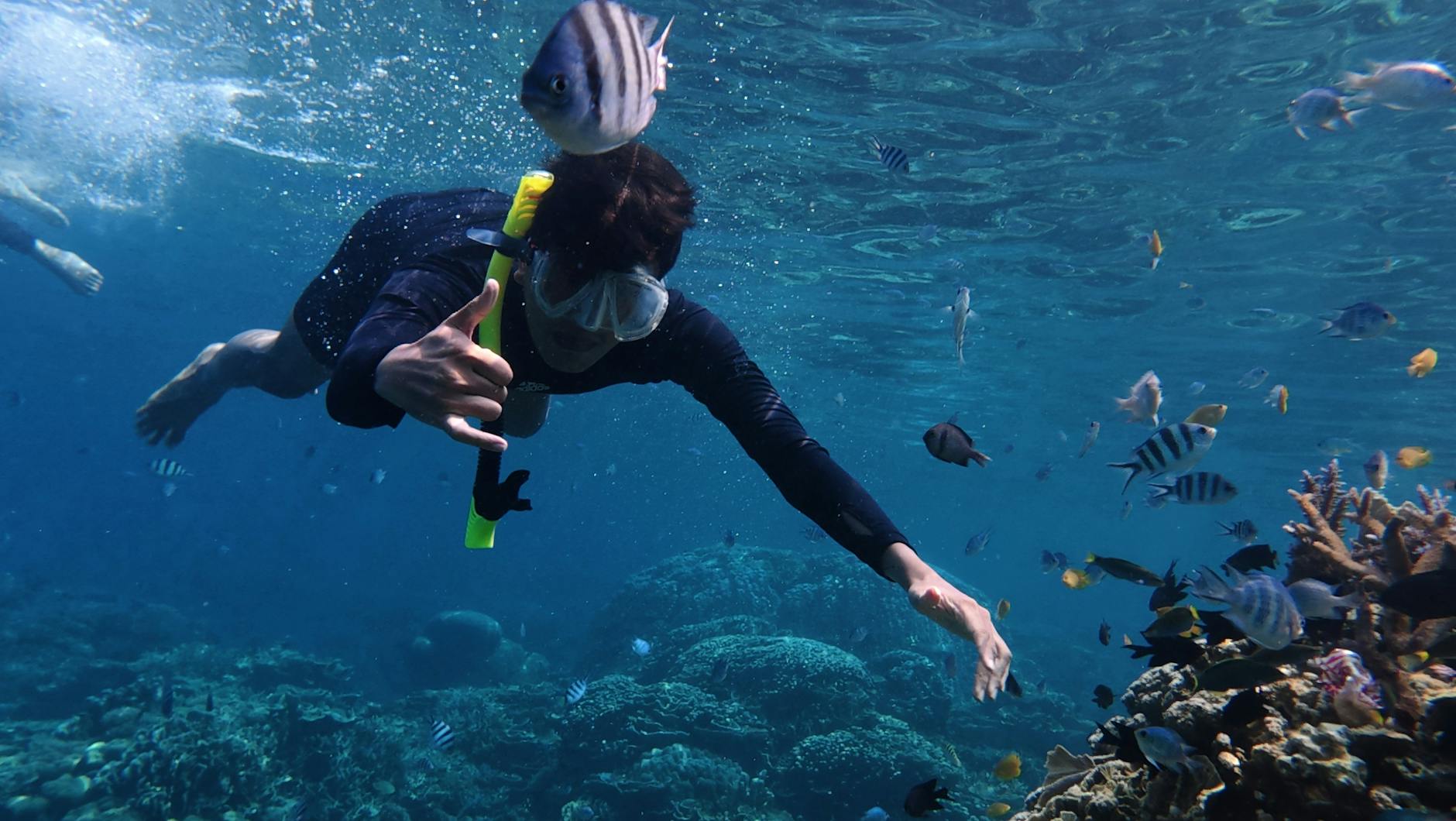
Coral coverage is modest compared with the Red Sea, so do not expect Egyptian walls. What you do get is density of life on small reefs: moray eels in almost every crevice, barracuda schools above the rocks, rays on the sand, turtles grazing on the shallows. Blacktip reef sharks turn up at Dibba Rock now and then, and whale sharks pass through in plankton season. A lot of this sits between 3 and 10 meters, which means snorkelers see it too.
How Fujairah Compares with Dubai and Abu Dhabi Diving
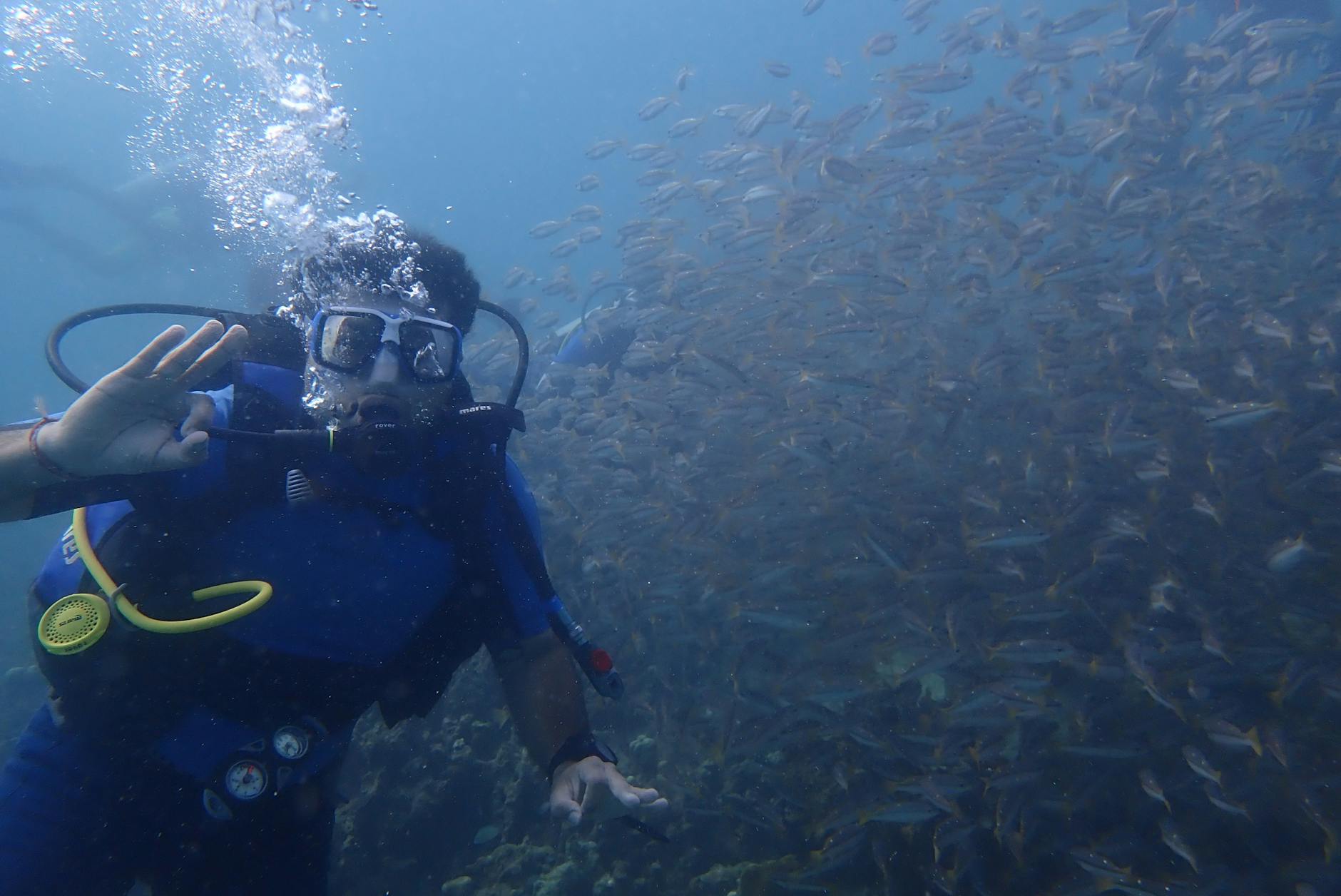
Two differences matter. First, biodiversity: Persian Gulf water gets above 35°C in summer, which bleaches coral and limits which species survive. Gulf of Oman water stays within a range most Indo-Pacific reef fish tolerate, so the species list is longer and the animals are bigger.
Second, pace. Fujairah is a small emirate with one main road along the coast, a port, and a string of resort hotels between the city and Dibba. Dive centers here are mostly small operations attached to hotels or based in Dibba Al Fujairah. Groups of four to six on a boat are normal. Nobody is running a factory.
You do not need to stay overnight. Dubai to Dibba takes about two hours by car on the E88 and E89, and several operators run day tours from Dubai to Fujairah that combine a boat trip with a stop at the fort or a wadi on the way back. If you have your own car, leaving Dubai at 6 am gets you on a 9 am boat.
Five Dive Sites Worth the Boat Ride
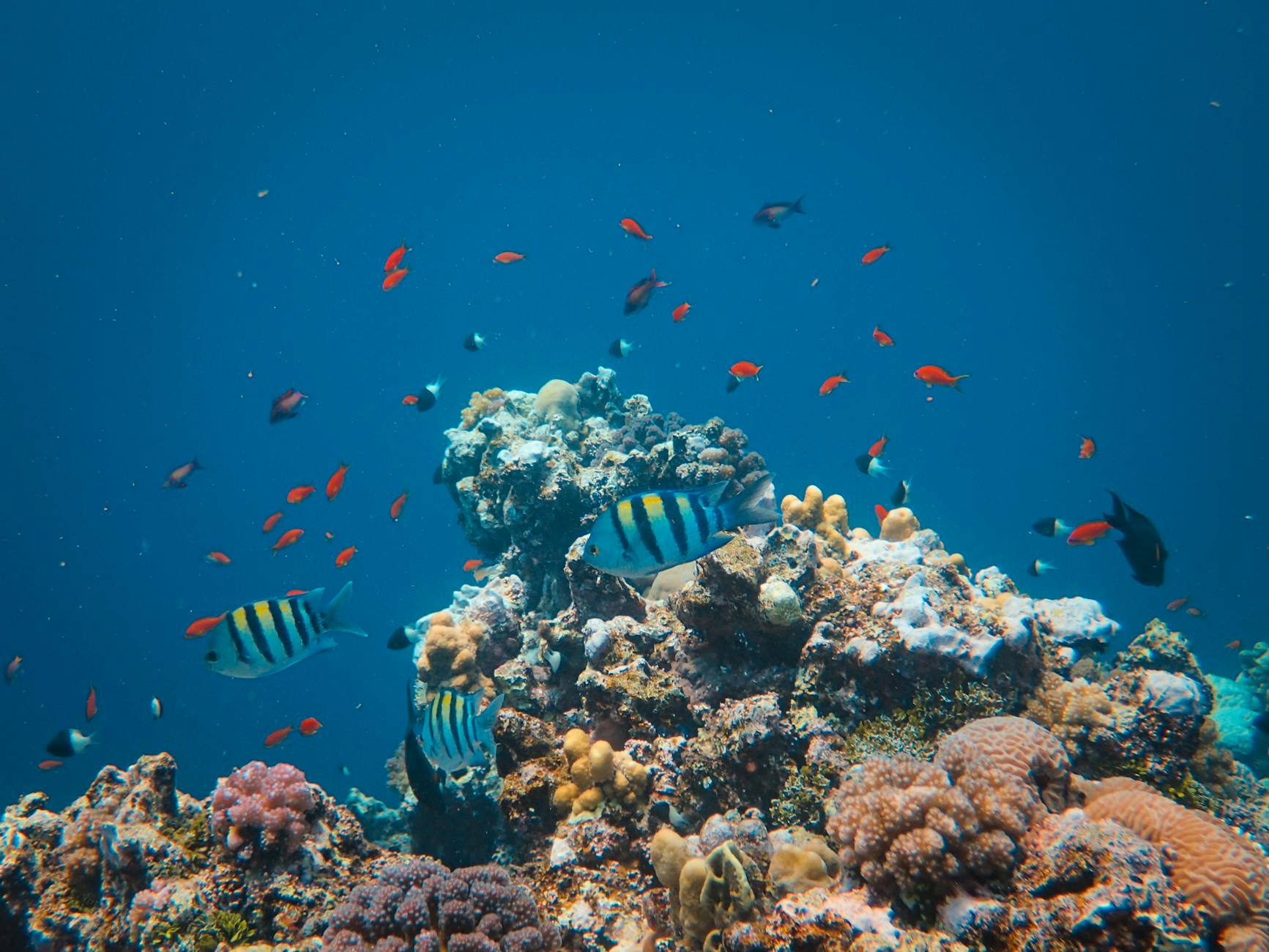
Dive centers in Fujairah rotate through roughly a dozen sites. These five come up on almost every schedule, and between them they cover shallow reef, deep reef, a wreck, and an oddity.
Dibba Rock
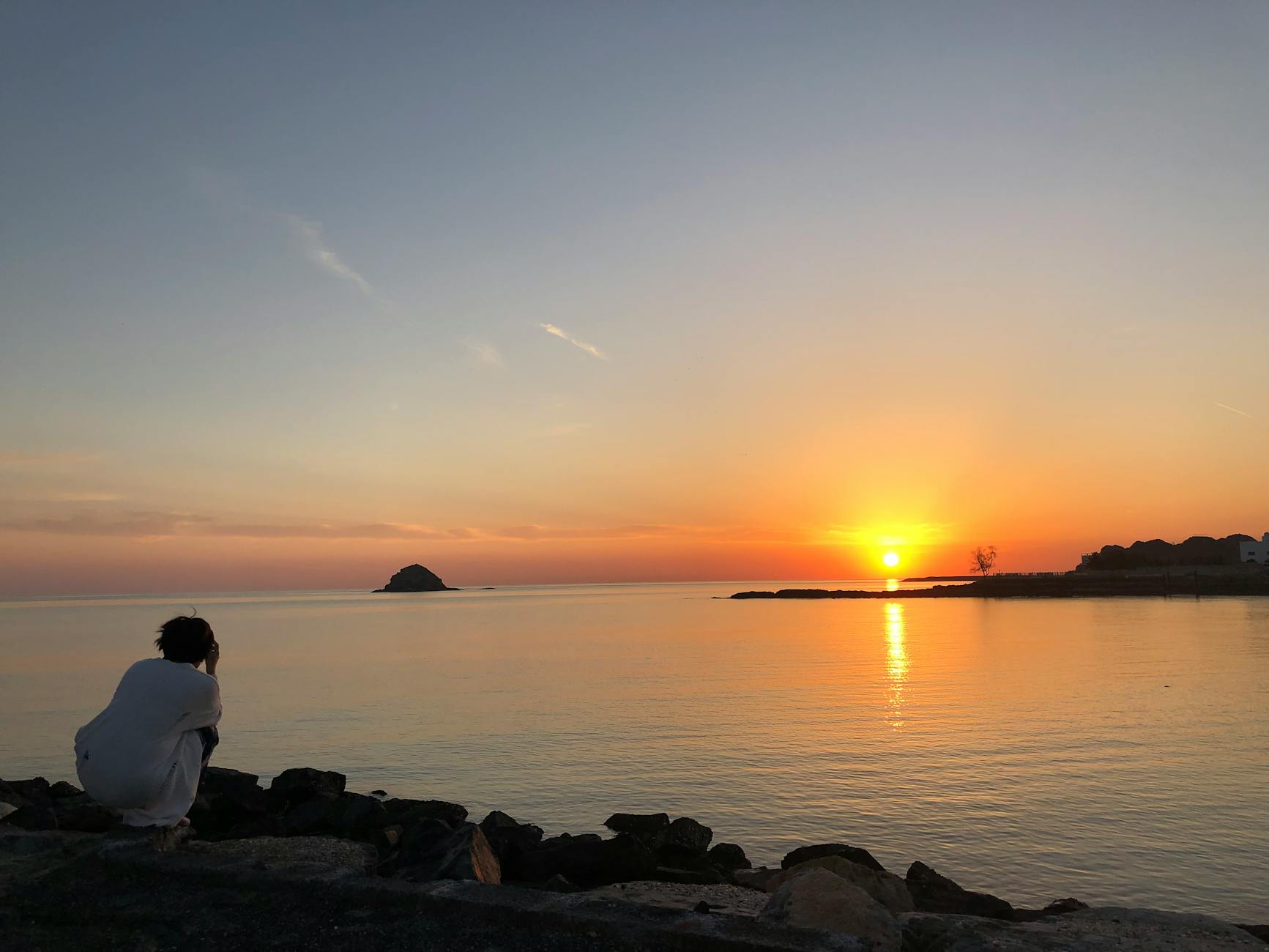
A small rocky island a few hundred meters off the beach at Dibba Al Fujairah, and the busiest site on the coast. Depth runs from 3 to about 16 meters, with a shallow coral garden on the landward side and a sandy slope on the seaward side. Turtles feed on the shallow reef, barracuda hang above the drop, and moray eels live in the boulders. Boat ride from the Dibba dive centers is five to ten minutes. Because it is so shallow, the island is also the main snorkel destination in the emirate.
- What to see: Soft and hard corals, green and hawksbill turtles, moray eels, rays, reef fish, occasionally whale sharks during plankton season.
- Depth: 3-16 meters.
- Who it’s for: All levels, including first dives. A snorkeling trip to Dibba Rock by boat typically lasts two to three hours and includes mask, fins and a guide.
Martini Rock
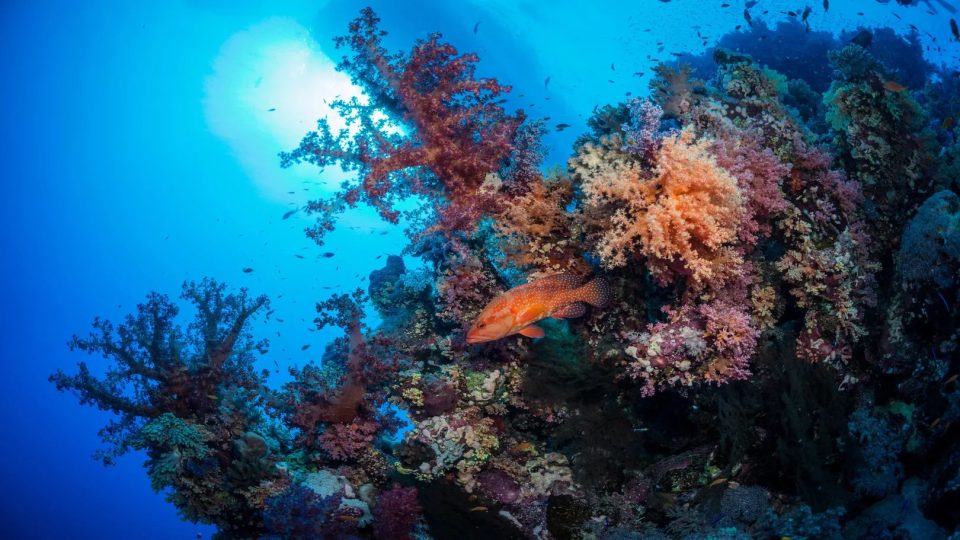
A submerged pinnacle south of Dibba, named for its shape when seen from above. Top of the rock is around 5 meters, the base at 20-25 meters. Sides are covered in purple and orange soft coral, which is the best coral growth on the coast, and the cracks hide scorpionfish, lionfish, and the occasional frogfish. Boat time from Dibba is 20-25 minutes. Current can pick up here, so centers usually schedule it as the first dive of the day.
- What to see: Soft coral gardens, lionfish, frogfish, octopus, cuttlefish, nudibranchs.
- Depth: 5-25 meters.
- Who it’s for: Best with Advanced Open Water or equivalent. Open Water divers can do it with a guide and stay above 18 meters.
Inchcape 1 Wreck
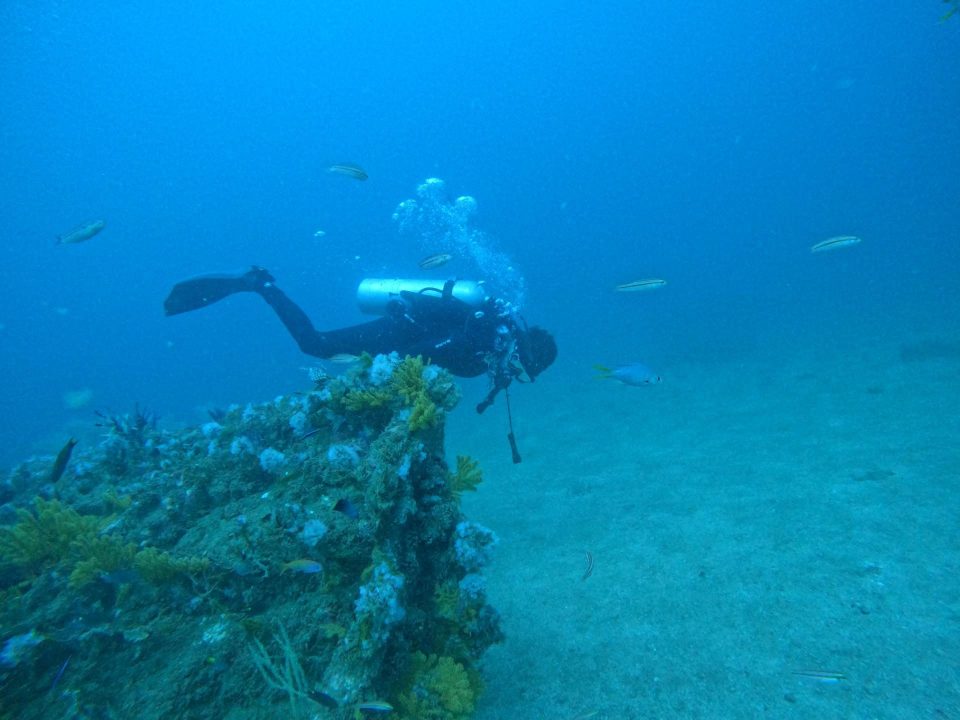
A 21-meter supply tug scuttled in 2001 as an artificial reef. It sits upright on sand at about 30 meters, with the deck around 25. Twenty years underwater have covered the hull in encrusting coral, and the wreck now holds a resident school of batfish and yellow snapper, plus groupers under the stern. Penetration is limited and only for divers trained for it. Bottom time at this depth is short, so plan on 20-25 minutes on the wreck and a slow ascent along the line.
- What to see: Intact tugboat, batfish, snapper, groupers, rays on the surrounding sand.
- Depth: 20-30 meters.
- Who it’s for: Advanced Open Water or Deep specialty. Not a first-week-of-diving site.
Three Rocks
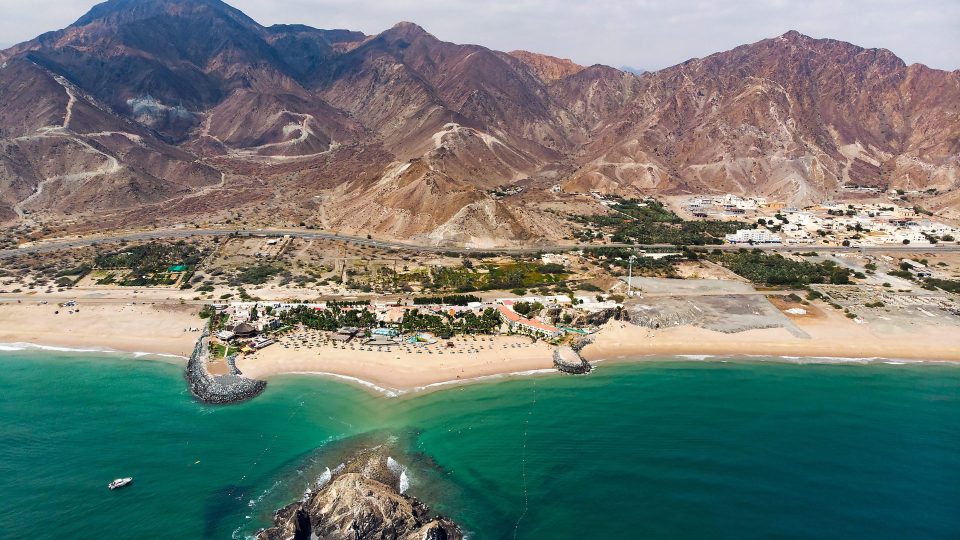
Three boulders rising from the seabed off Al Aqah, a short ride from the resort strip. Depth is 8 to 15 meters, sand between the rocks, coral on the rock faces. Turtles are common on the shallow side, and clownfish live in the anemones near the top. Visibility tends to be a little worse than at Dibba because of the sandy bottom. A good second dive of the day or a first dive for someone who has not been in the water for a year.
- What to see: Hard corals, turtles, clownfish, moray eels, small rays.
- Depth: 8-15 meters.
- Who it’s for: Everyone, including Open Water students.
Car Cemetery
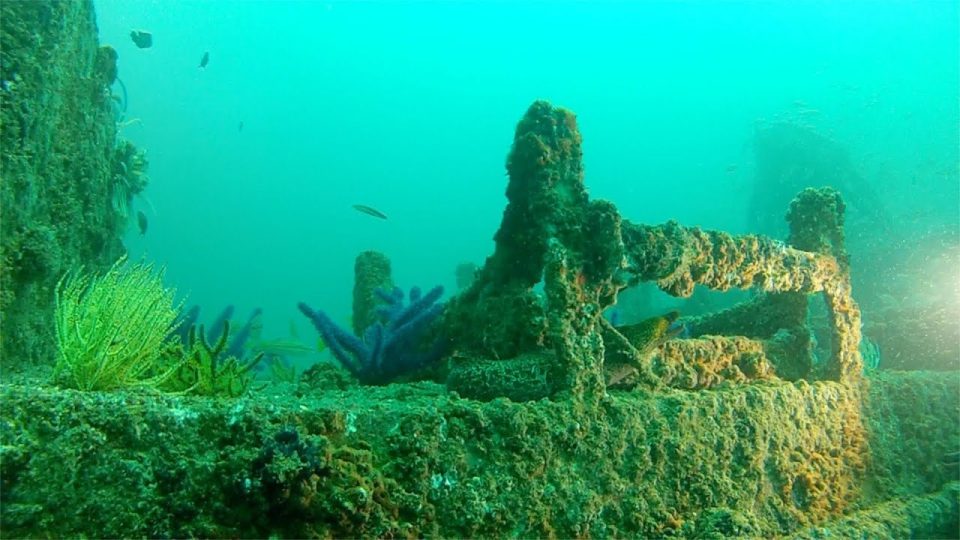
Exactly what the name says: a group of old cars dropped on the seabed off Al Aqah to create an artificial reef. Depth is 12-15 meters and the site is flat, so navigation is easy and bottom time is long. Coral growth is thin, but the car bodies are full of fish, and the shots are unlike anything else in the Gulf. Photographers ask for it by name; everyone else tends to do it once.
- What to see: Sunken cars, fish hiding in the wrecks, crabs, the occasional moray in a wheel arch.
- Depth: 12-15 meters.
- Who it’s for: All levels, especially underwater photographers.
Snorkeling Without a Tank
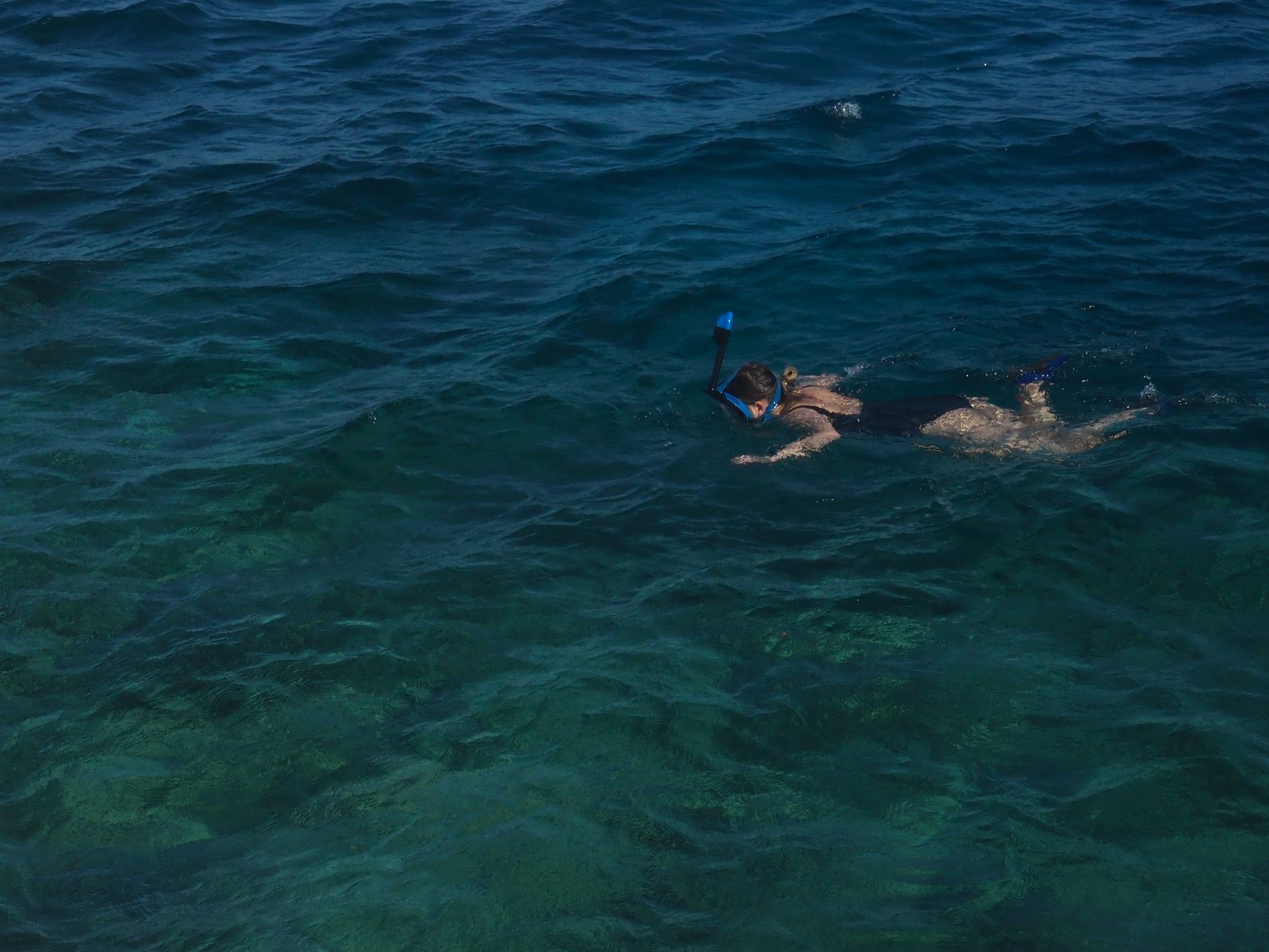
Diving is not compulsory. Because the reefs sit so shallow, a mask and snorkel show you most of the same animals at Dibba Rock and Snoopy Island, and a day of snorkeling costs a fraction of two tank dives. Rental of mask, snorkel and fins runs 30-50 dirhams at the beach hotels, and some shops in Dibba sell a basic set for about the same money.
Bring your own gear if you can. Rental masks at busy beaches leak, and a mask that fits changes the whole day. Early morning is calmer and clearer than afternoon, when the onshore wind picks up and stirs the shallows. A rash guard or a T-shirt in the water saves your back from the sun, which is strong even in January.
Where to Snorkel from Shore
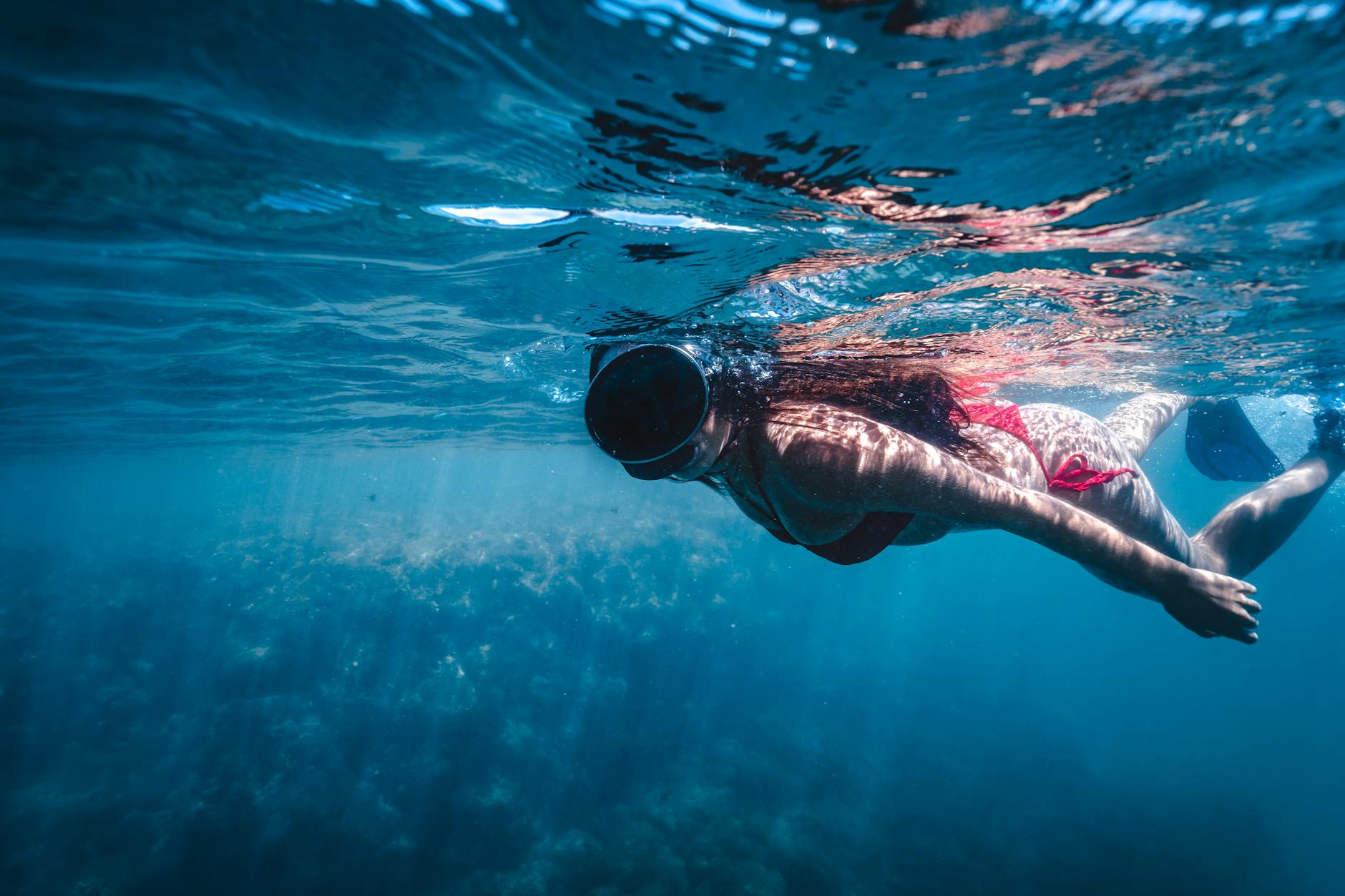
Three areas cover almost every shore snorkeling option on the coast:
- Dibba beaches: Dibba Rock is the target, but it is a 400-500 meter swim from the beach, so most people go by boat. Closer to shore, the rocks at the north end of the public beach hold small reef fish and the odd turtle. Some hotels on this stretch have house reefs a few fin-kicks from the sand.
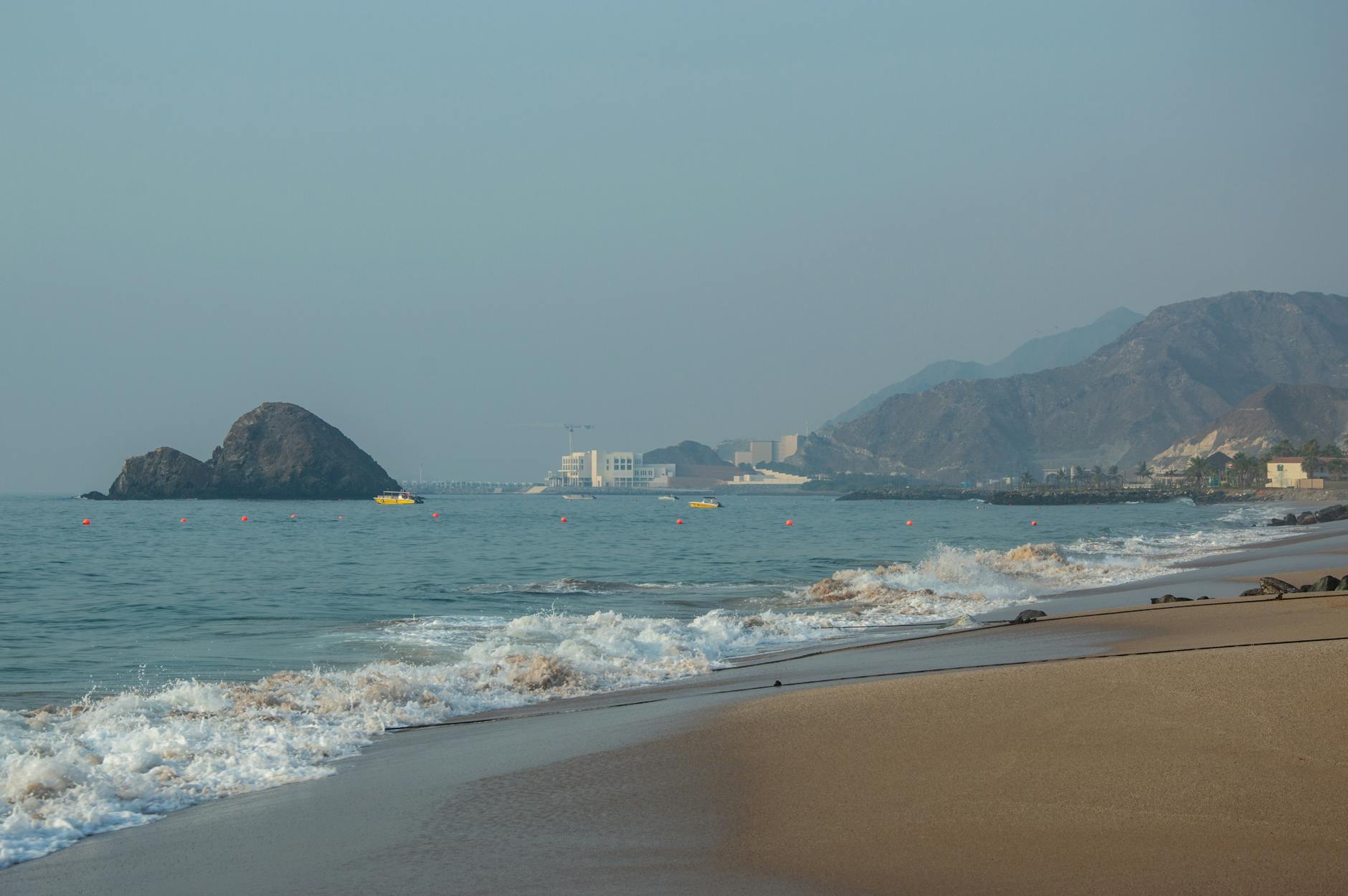
- Al Aqah and Snoopy Island: Snoopy Island is a rock about 100 meters off the beach at Al Aqah, named for its outline. It is the easiest shore snorkel in the emirate: wade in, swim out, circle the island. Turtles, small rays and reef fish are regular. Beach access is through the Al Bahar Hotel & Resort or the neighbouring resorts; day passes are sold at reception and usually include sunbeds and rental gear.
- Fujairah port area: Reefs exist near the port but access from shore is poor. Boat cruises from the marina stop at two or three snorkel spots along the coast and usually include lunch on board.
Boat snorkel trips cost roughly 150-250 dirhams per person for a half day, more if the itinerary crosses into Musandam. They make sense if you want Dibba Rock or the fjords without a dive certification.
Prices, Requirements and Picking a Dive Center
Fujairah has its own airport, but almost all international traffic lands in Dubai. Compare flights to Fujairah with Dubai fares before booking; in practice Dubai plus a rental car or a two-hour transfer is the usual route. From Dubai International, a taxi to Dibba runs 300-400 dirhams, and shared transfers arranged by dive centers cost less.
First Dives
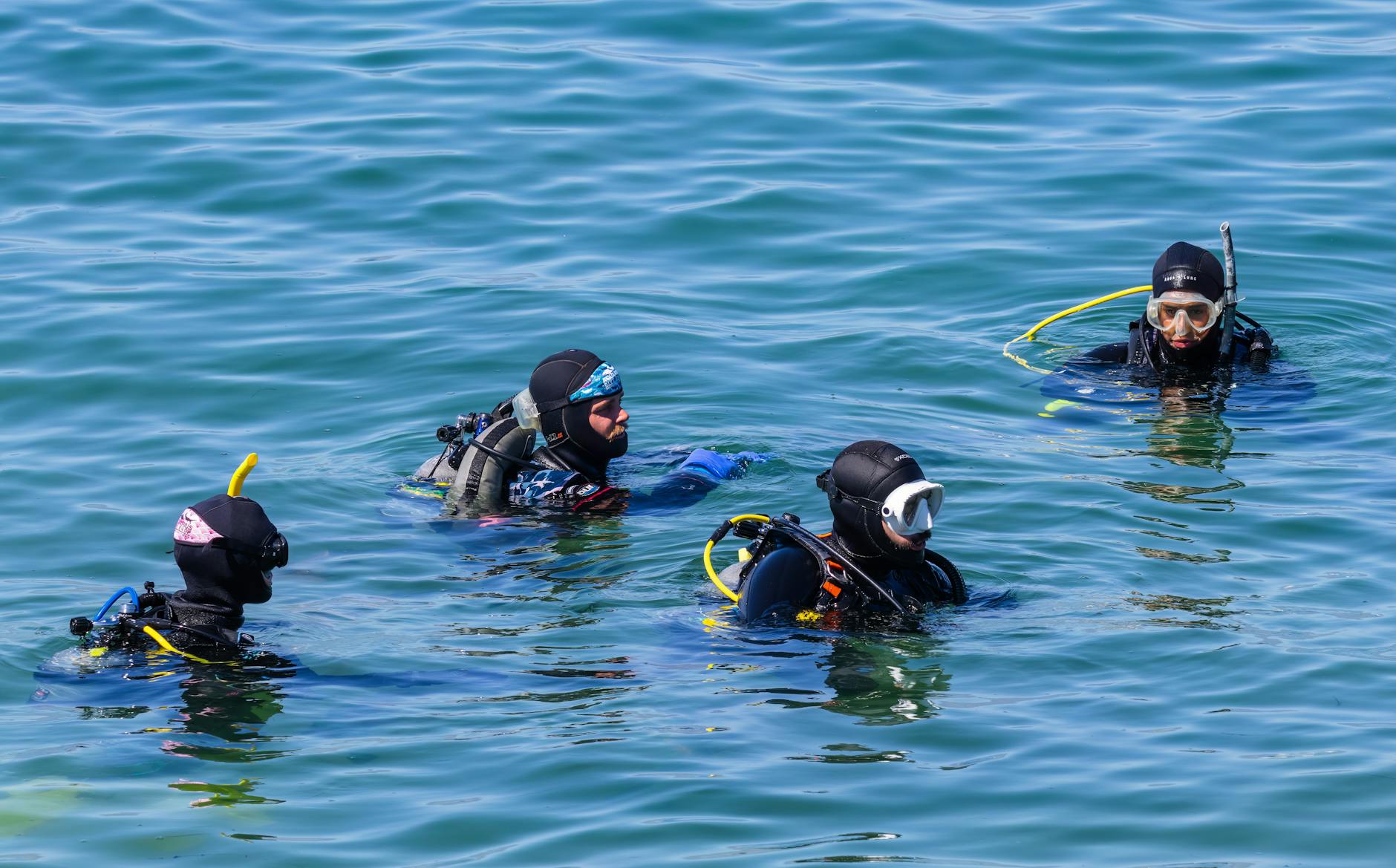
Never been underwater? Fujairah is a reasonable place to start because the training sites are shallow and calm. Dive centers here run the standard Discover Scuba Diving program: a briefing on land, skills practice in waist-deep water or a pool, then one or two dives with an instructor to a maximum of 12 meters. Dibba Rock and Three Rocks are the usual venues.
- Requirements: Basic swimming ability and a signed medical questionnaire. Minimum age is 10. Anyone with asthma, heart or ear problems needs a doctor’s sign-off.
- Cost: 400-600 dirhams (about 110-165 dollars) for one or two dives. That includes instructor, all equipment and the boat.
- Time: Half a day. Most centers start at 8 or 9 am and have you back on the beach by early afternoon.
Certified Divers
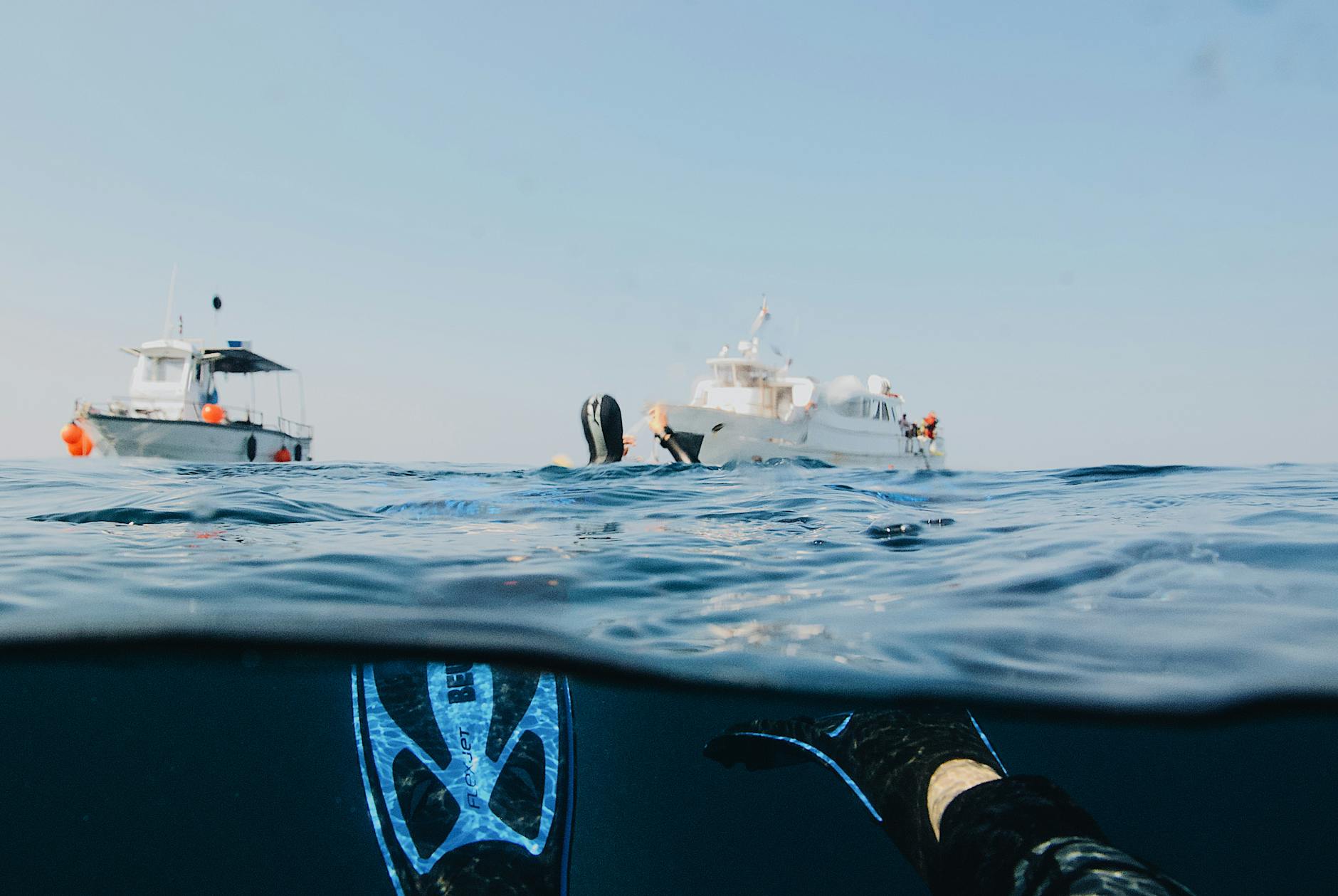
With a PADI, SSI or CMAS card, every site above is open to you within your depth limit. Bring your certification card and logbook; centers do check, and a logbook with nothing in it for three years may get you a refresher before the boat. Daily boats leave Dibba and Al Aqah in the morning, usually a two-tank trip.
- Cost: 250-450 dirhams (around 70-125 dollars) for two boat dives, including tanks, weights and a guide. A full equipment set adds 100-150 dirhams per day. Multi-day packages of six or ten dives cut the per-dive price noticeably.
- Equipment: Rental is available everywhere. Check the regulator and BCD yourself before the boat leaves, and ask when the tanks were last visually inspected.
Choosing a Dive Center
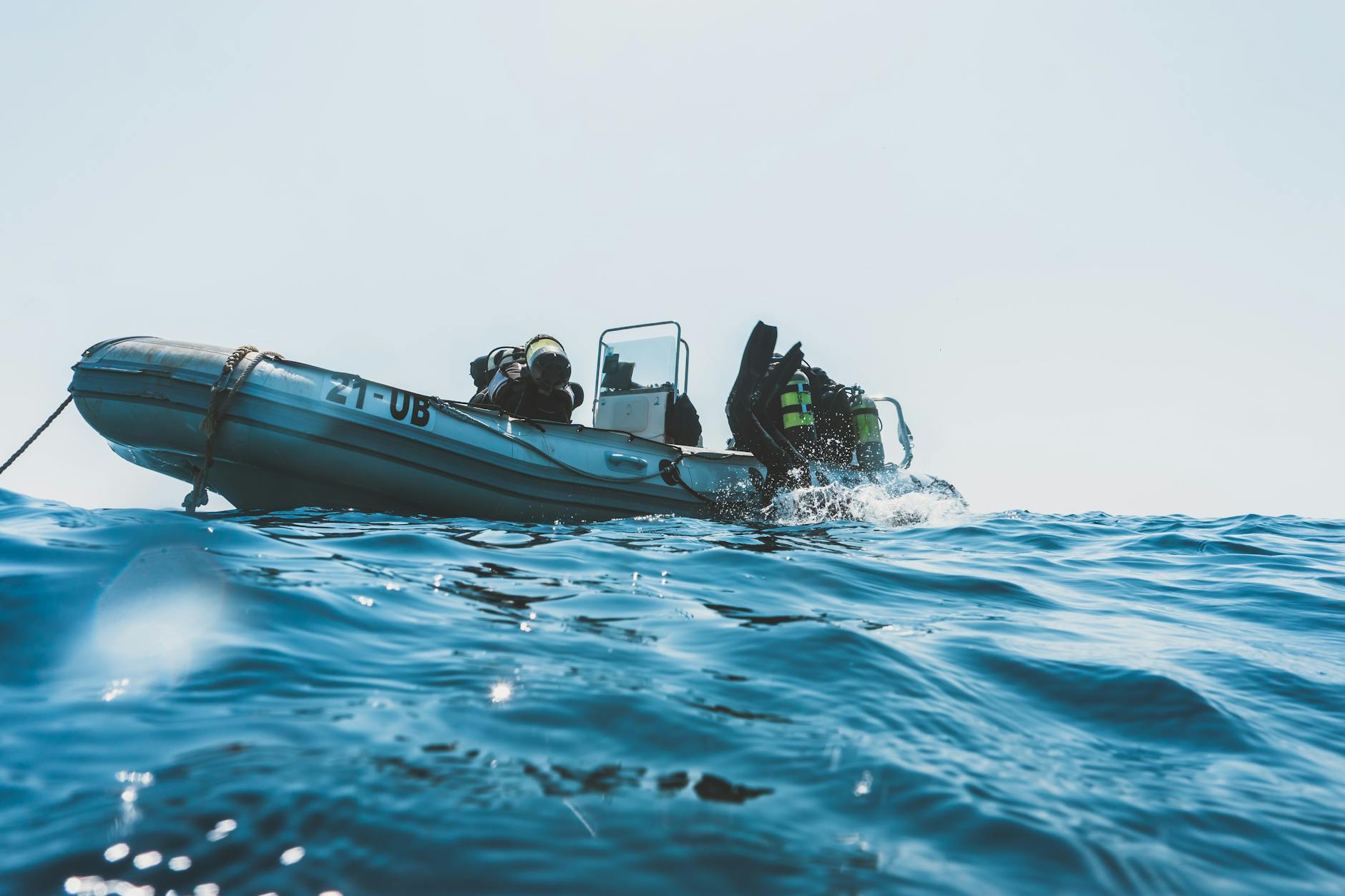
A handful of centers work the coast, clustered in Dibba Al Fujairah and at the Al Aqah resorts. Read recent reviews rather than the ones from five years ago; ownership changes. Things worth asking before you pay:
- Certification: PADI or SSI affiliation, and an instructor number you can look up.
- Instructors: How many years they have worked this coast, and which languages they teach in. English is standard; Russian, German and Arabic are common.
- Equipment: Age of the rental gear and the date of the last service.
- Group size: Four divers per guide is comfortable. Eight is a crowd on a small reef.
- Transport: Whether hotel pickup is included, and from where. Some centers collect from Dubai for an extra fee, which turns the day into a 12-hour outing.
Ask as many questions as you need. A center that gets irritated by questions about tank inspection dates is telling you something.
Best Months
Diving runs all year. October to May is the comfortable window: air temperature between 22 and 32°C, water 23-27°C, and the best visibility from November to February. June to September the air hits 40-45°C and the boat deck becomes hard work, though the water itself is fine. March and April can bring plankton blooms that cut visibility but also bring whale sharks, so it is a trade-off.
Between Dives: Fort, Mosque and Fjords
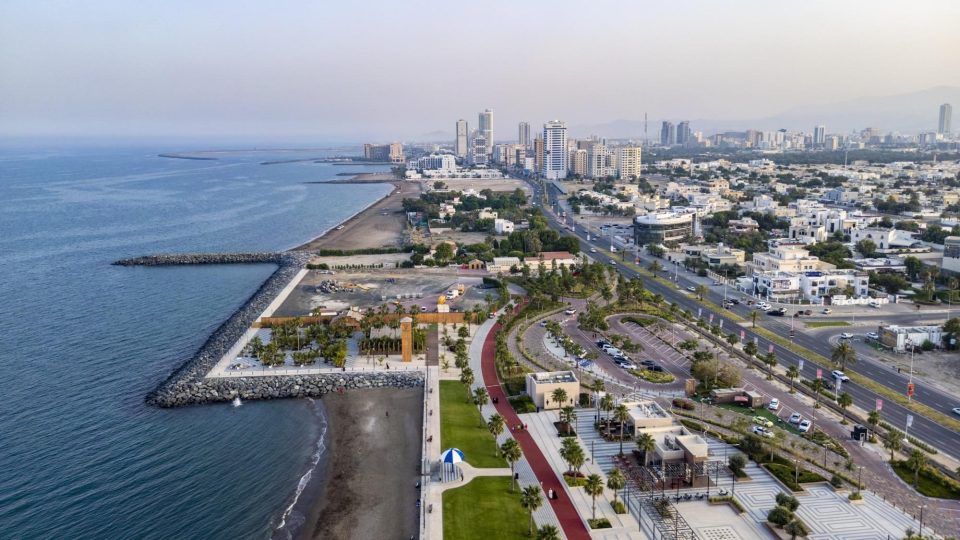
Surface intervals can be long, and there is a fair amount to see on land. Fujairah city is 40 minutes south of Al Aqah, and Dibba, at the northern end, sits right on the Omani border.
Al Badiyah Mosque, on the road between Al Aqah and Dibba, is the oldest mosque in the UAE, built around 1446 from mud and stone with four small domes. It is still in use, entry is free, and non-Muslims can visit outside prayer times with covered arms and legs. In Fujairah city, a guided Fujairah Fort tour takes in the restored 16th-century fort on its hill, the heritage village below it, and the museum. The hills behind the coast hold several wadis with pools that are perfect for a short hike in the cooler months.
North of Dibba the coast turns into the Musandam peninsula, where mountains fall straight into the sea. A Dibba fjords cruise on a traditional dhow runs along that coast for five or six hours with snorkel stops, lunch and a good chance of dolphins. It leaves from Dibba harbour, and most operators sort the Omani border paperwork for you if you book a day ahead.
For a base, the Al Aqah strip puts you closest to the dive boats and Snoopy Island; the five-star resorts there start around 500-700 dirhams a night in season. Fujairah city is cheaper and has more affordable but still nice places such as the Concorde Hotel, at the cost of a 40-minute drive to the boats. Dibba has a few guesthouses and the dive centers themselves. Browsing hotels in Fujairah with the map view makes the distance to the dive shops obvious.
A Two-Day Plan That Fits Most Trips
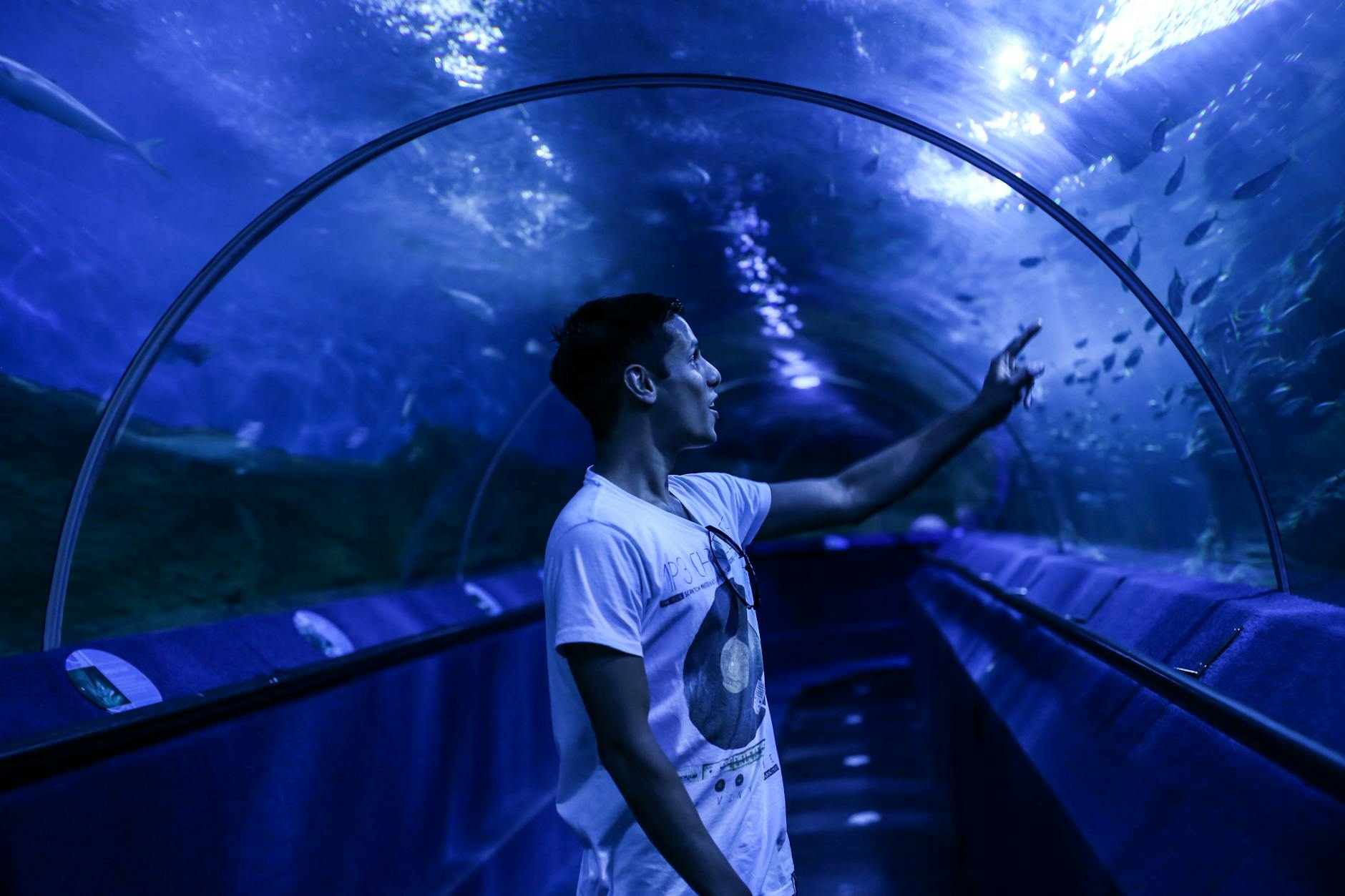
Day one: leave Dubai early, two-tank boat from Dibba (Martini Rock, then Dibba Rock), lunch in Dibba, Al Badiyah Mosque on the way to an Al Aqah hotel. Day two: snorkel Snoopy Island from the beach at 8 am before the wind, then either the wreck for advanced divers or a dhow into the fjords for everyone else, and back to Dubai by evening.
Budget for two days of diving, gear rental, one night at a mid-range hotel and transport from Dubai: roughly 1,500-2,000 dirhams per person, or 400-550 dollars. Snorkelers can cut that by half. Divers with their own equipment and a rental car spend the least of all.
Fujairah will not replace the Red Sea or Raja Ampat. What it offers is real reef, sharks and turtles within two hours of Dubai airport, at prices that make a spontaneous dive weekend possible on the way somewhere else. For a stopover, that is enough.


