
Three days is the most common length of a Singapore stopover, and it is enough to see the city properly if you don’t try to cover everything. Marina Bay, the three historic quarters, and one full day on Sentosa or in the gardens fit into 72 hours without rushing.
I usually pass through Singapore on the way between Bali, Malaysia and Thailand, and over the years one plan has stuck. Day one is for the bay and Gardens by the Bay, day two for Chinatown, Little India and Kampong Glam, day three for whatever kind of trip you want: a theme park island or a zoo and a UNESCO garden.
Below is that plan with opening hours, ticket prices in Singapore dollars and transport notes. If you also want to understand why the skyline looks the way it does, read my piece on Singapore as a futuristic city before you go.
One rule for the whole trip: start early. By 11 AM the heat and the tour groups arrive together, and both are easier to avoid than to fight.
Day One Around Marina Bay

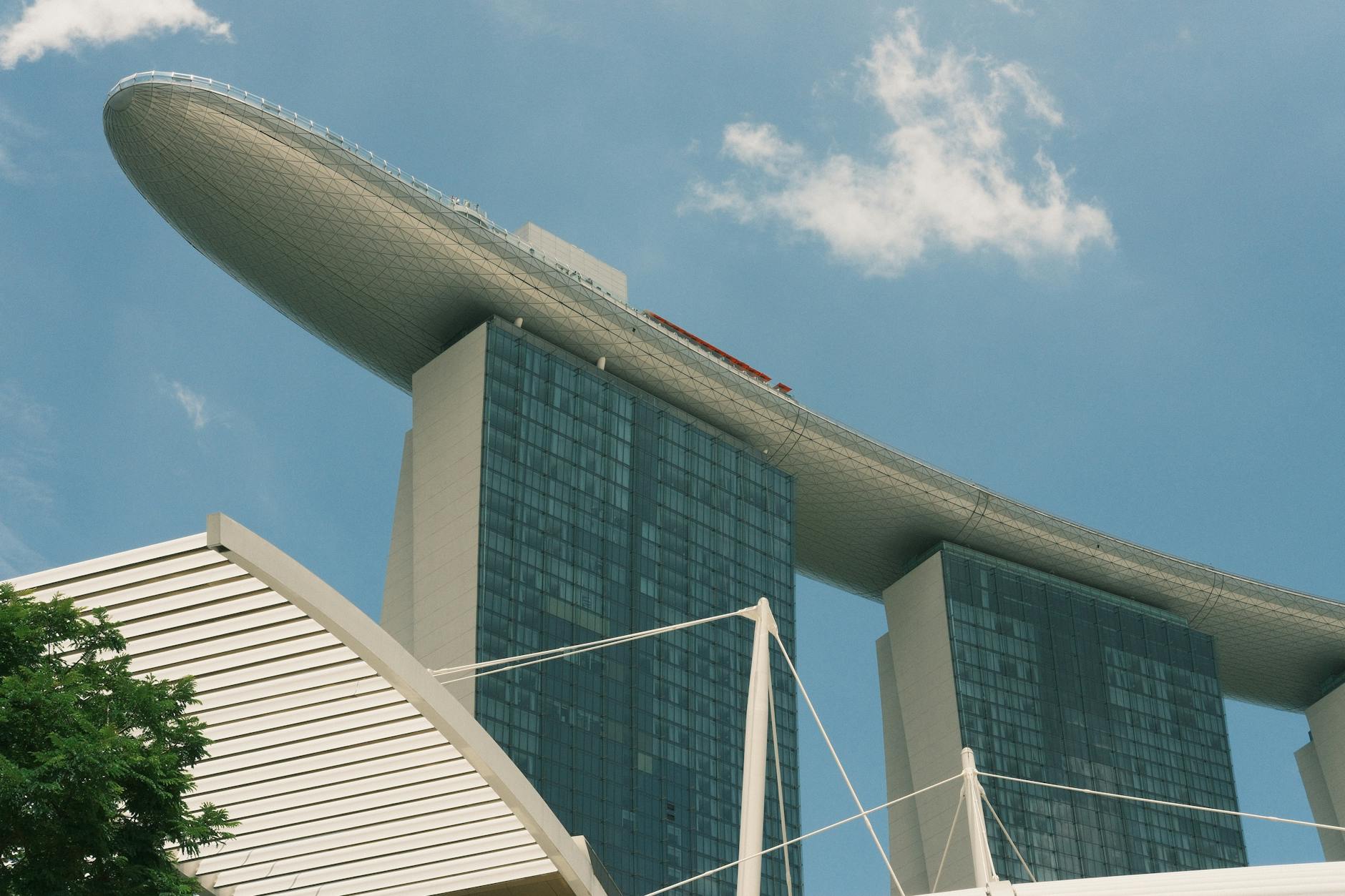
Marina Bay is where every first visit should begin. All the buildings you have seen in photos stand around one body of water: the three towers of Marina Bay Sands with the ship on top, the lotus-shaped ArtScience Museum, the durian-shaped Esplanade theatres. You can walk the whole loop around the bay in about an hour, and the MRT stations Raffles Place, Bayfront and Promenade sit on its edges.
Morning at the Merlion

Get to the Merlion before 9 AM. Later in the day the small park around the statue fills with groups, and the photo with the half-fish, half-lion spitting water in front of Marina Bay Sands turns into a queue. Early morning also gives you cooler air and soft light over the water. From Raffles Place MRT it is a five-minute walk past the Fullerton Hotel, the old general post office.
Take the photos, then slow down. Walk along the Esplanade waterfront, sit on a bench, watch the bumboats cross the bay. In these quiet minutes you notice how planned the whole place is: not a single wire overhead, every tree watered on schedule. If you prefer to have the history explained, a half-day Singapore city tour covers the Merlion, the Civic District and Chinatown in one go and saves you a second trip.
- Merlion: free, open around the clock.
- Photos without crowds: arrive before 9 AM, or come back after 10 PM when the skyline is lit.
Afternoon at Gardens by the Bay

From the Merlion, cross the Helix Bridge or ride one stop to Bayfront MRT and you are at Gardens by the Bay. Plan three to four hours here. Most of that time goes into the two glass conservatories:
- Flower Dome: a cool, dry hall with plants from Mediterranean climates: olive trees, baobabs, Californian succulents. Displays in the central field change every few weeks, so even a second visit looks different.
- Cloud Forest: a 35-meter indoor mountain covered in ferns and orchids, with a waterfall pouring down the front. Misting runs every couple of hours, and the walkways spiral down the outside of the mountain. Of the two, this is the one I would not skip.
Outside stands the Supertree Grove, eighteen steel trees up to 50 meters tall, wrapped in climbing plants. In daylight they are odd sculptures. At night they become the stage for a light show, so you will come back here after dinner. Tickets for the conservatories are sold at the gate and online; a Gardens by the Bay ticket bundle with both domes lets you skip the ticket counter, which matters on weekends.
- Conservatories: 9 AM to 9 PM daily, last entry 8 PM. Budget about 50 SGD for a two-dome adult ticket; prices have risen several times, so check the current rate before you go.
- Supertree Grove and outdoor gardens: free, 5 AM to 2 AM. The OCBC Skyway walkway between the trees costs about 14 SGD.
Evening Light Show and Dinner by the Water
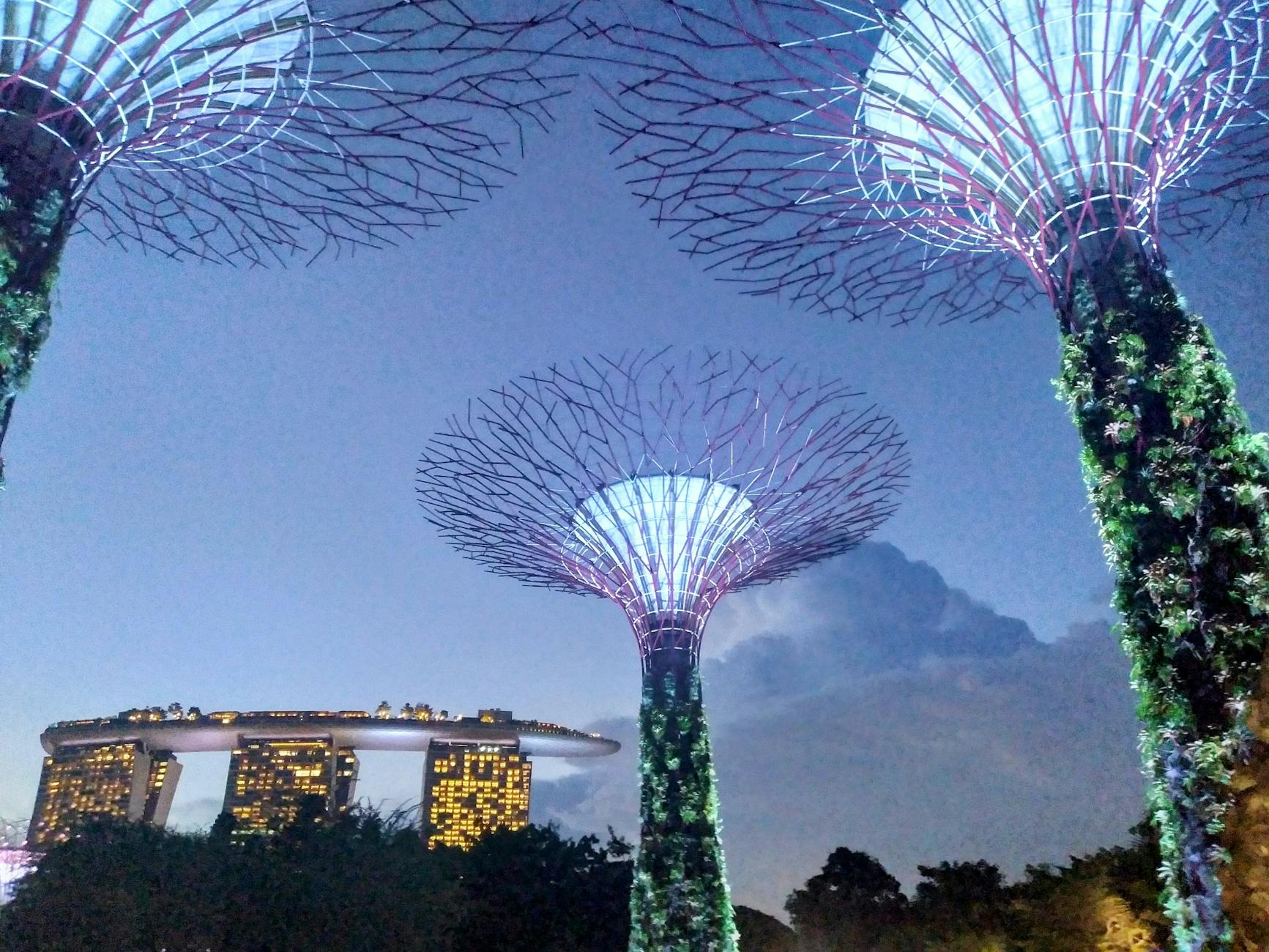
Garden Rhapsody, the light and music show at the Supertrees, runs twice every evening at 7:45 PM and 8:45 PM and lasts about 15 minutes. It costs nothing. Lie down on the grass under the trees rather than standing at the edge; the show is designed to be watched from below. Across the bay, Marina Bay Sands runs its own water-and-laser show, Spectra, at 8 PM and 9 PM, also free, so with a little walking you can catch both.
For dinner, Makansutra Gluttons Bay next to the Esplanade is my usual stop: an open-air hawker row with satay, chilli crab and barbecued stingray, and the full skyline in front of you. Expect 8 to 15 SGD per dish. For a table with a view and a wine list, the rooftop restaurants and bars of Marina Bay Sands and the Fullerton Bay Hotel are a ten-minute walk away, and most of them need a reservation on weekends.
- Dinner with a view: book a table a few days ahead, and check the dress code; several rooftop venues refuse flip-flops.
Day Two in the Three Historic Quarters

Singapore was laid out in the 1820s with separate districts for Chinese, Indian and Malay residents, and those districts still exist a short MRT ride apart. Day two moves through all three, from south to north, and ends on Orchard Road. Wear comfortable shoes: the walking adds up to around 8 kilometers, with plenty of stops for food.
Morning in Chinatown

Start at Chinatown MRT and walk down Pagoda Street, past the restored shophouses with their painted shutters. Souvenir stalls here are overpriced, but the streets themselves are the attraction. At the end stands the Buddha Tooth Relic Temple, a five-storey red and gold building from 2007 that holds what is said to be a tooth of the Buddha. Entry is free, shoulders and knees must be covered, and the rooftop garden with its prayer wheel is the quietest corner of the neighborhood.
Two minutes away on South Bridge Road is Sri Mariamman Temple, the oldest Hindu temple in the city, founded in 1827. Its gopuram tower is covered in painted gods and cows. A Hindu temple on the main street of Chinatown says more about how this city works than any museum. For lunch, Maxwell Food Centre across the road has the famous Tian Tian chicken rice stall; a plate costs about 5 SGD and the queue moves fast.
- Food to try here: chicken rice at Maxwell, dim sum on Smith Street, egg tarts from Tong Heng bakery.
Afternoon in Little India and Kampong Glam

Take the MRT two stops to Little India. Step out and the city changes: garlands of jasmine sold on the pavement, Tamil film music from the shops, the smell of cardamom and frying dough. Walk along Serangoon Road to Sri Veeramakaliamman Temple, dedicated to the goddess Kali, and continue to the Tekka Centre market if you want to see where the restaurants buy their spices. Mustafa Centre, a 24-hour department store on Syed Alwi Road, is the place for cheap electronics, gold and saris in one building.
From there it is a 15-minute walk east to Kampong Glam, the old Malay and Arab quarter. Sultan Mosque with its golden dome has stood here since 1928, and the base of the dome is made from the bottoms of glass bottles donated by poor residents. Around it run Arab Street, with fabric shops, and Haji Lane, a narrow alley of murals, bars and small independent boutiques. If you would rather walk these three districts with a local guide, a cultural heritage tour of Singapore covers them in about four hours with tastings along the way.
- Food to try: roti prata with fish curry in Little India (2 to 4 SGD), nasi padang and teh tarik in Kampong Glam.
- Sultan Mosque: visitors are admitted outside prayer times, usually 10 AM to noon and 2 to 4 PM; robes are lent at the entrance.
Evening on Orchard Road

End the day on Orchard Road, a 2.2-kilometer strip of shopping malls between Orchard and Somerset MRT stations. ION Orchard, Paragon and Takashimaya hold the luxury brands; 313@Somerset and Far East Plaza are cheaper. Even if you have no plans to shop, the street is pleasant after dark, when the facades light up and the air finally cools. Hotels along Orchard, such as Hilton Singapore Orchard or the Orchard Rendezvous, are a sensible base for a short trip because two MRT lines meet here.
Dinner is easy to solve. Every mall has a basement food court where a full meal costs 6 to 10 SGD, and the upper floors hold Japanese, Korean and Peranakan restaurants at 25 to 40 SGD a head. After two days of temples and gardens, an evening of air conditioning and escalators feels like a rest.
- Free viewpoint: ION Sky on the 56th floor of ION Orchard is open to shoppers with a receipt; check the hours, they change often.
Day Three, Sentosa or the Green Side of the City
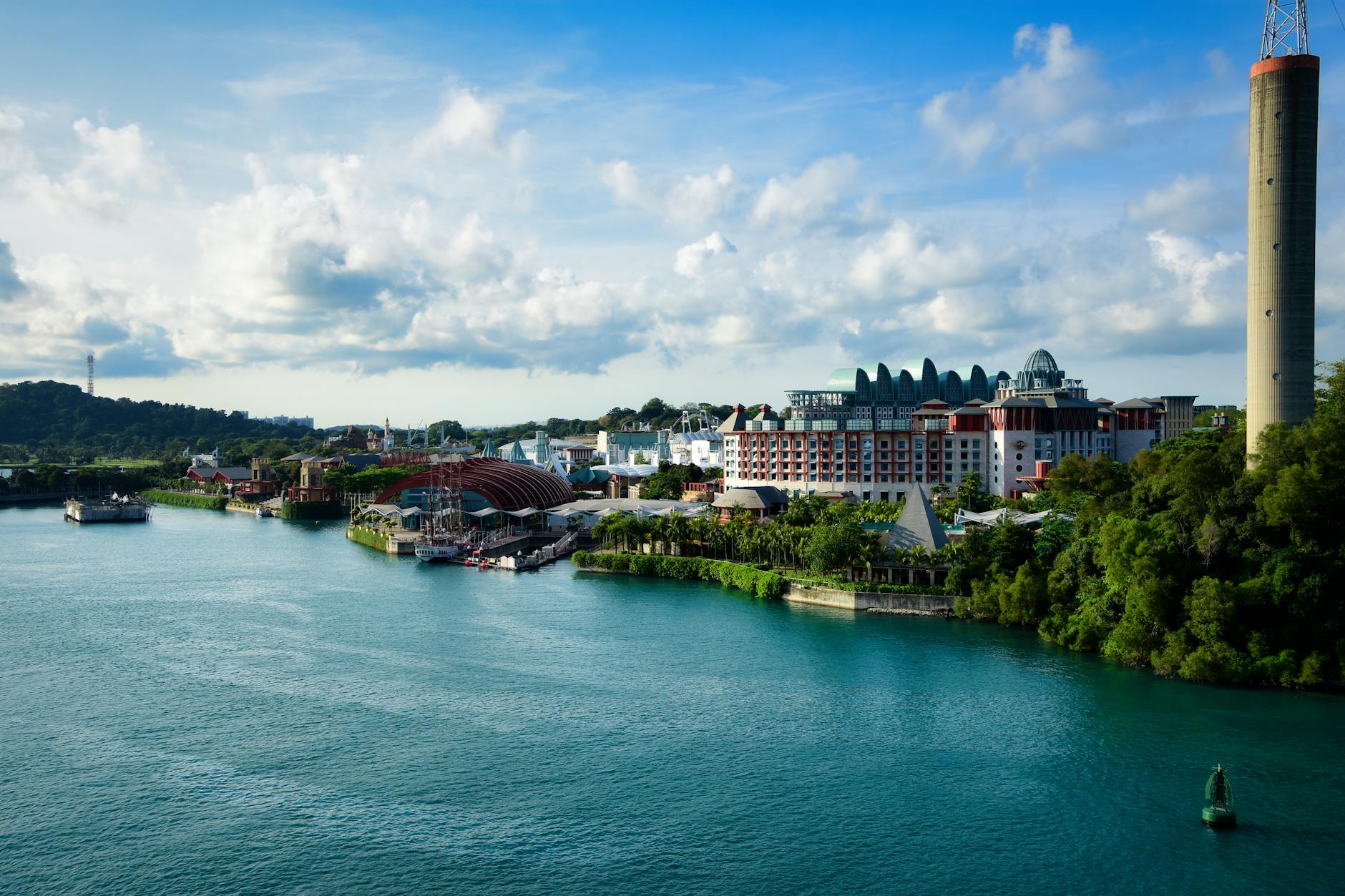
Day three depends on who you travel with. Families and first-timers mostly pick Sentosa, the resort island south of the city. Anyone tired of crowds does better at the zoo and the Botanic Gardens. Both options fill a full day, so don’t try to combine them.
A Full Day on Sentosa Island

Sentosa is a man-made resort island connected to the mainland at HarbourFront. Four ways lead across: the cable car from Mount Faber or HarbourFront Tower 2, the Sentosa Express monorail from VivoCity mall (4 SGD), the Sentosa Boardwalk on foot (free, about 10 minutes), or a bus. Take the cable car at least one way: the ride over the harbor and the container port shows how small the island state is.
What to do once you are there:
- Universal Studios Singapore: seven themed zones, a day-long affair. The Transformers ride and the Battlestar Galactica coasters draw the longest queues; go to them first, right at 10 AM opening.
- SEA Aquarium: one of the largest aquariums in the world, with a 36-meter viewing panel in front of the open ocean tank where manta rays and sharks circle over your head. Allow two hours.
- Beaches: Siloso, Palawan and Tanjong, all with imported sand and a view of anchored tankers. Not for swimming so much as for a cold drink after the theme park. Palawan has a suspension bridge to a rock that claims to be the southernmost point of continental Asia.
- Wings of Time: a water, fire and laser show on Siloso Beach at 7:40 PM and 8:40 PM, about 19 SGD, a reasonable way to finish the day.
One theme park plus the beach, or the aquarium plus the beach, is a realistic day. If you want transport, tickets and a guide handled for you, a Sentosa Island tour bundles the cable car and the main attractions, which with children saves a lot of standing in ticket lines.
- Cable car: about 35 SGD for a round trip on the Mount Faber line.
- Universal Studios: 80 to 100 SGD depending on the date.
- Aquarium: about 40 SGD for adults.
A Quieter Day at the Zoo and the Botanic Gardens
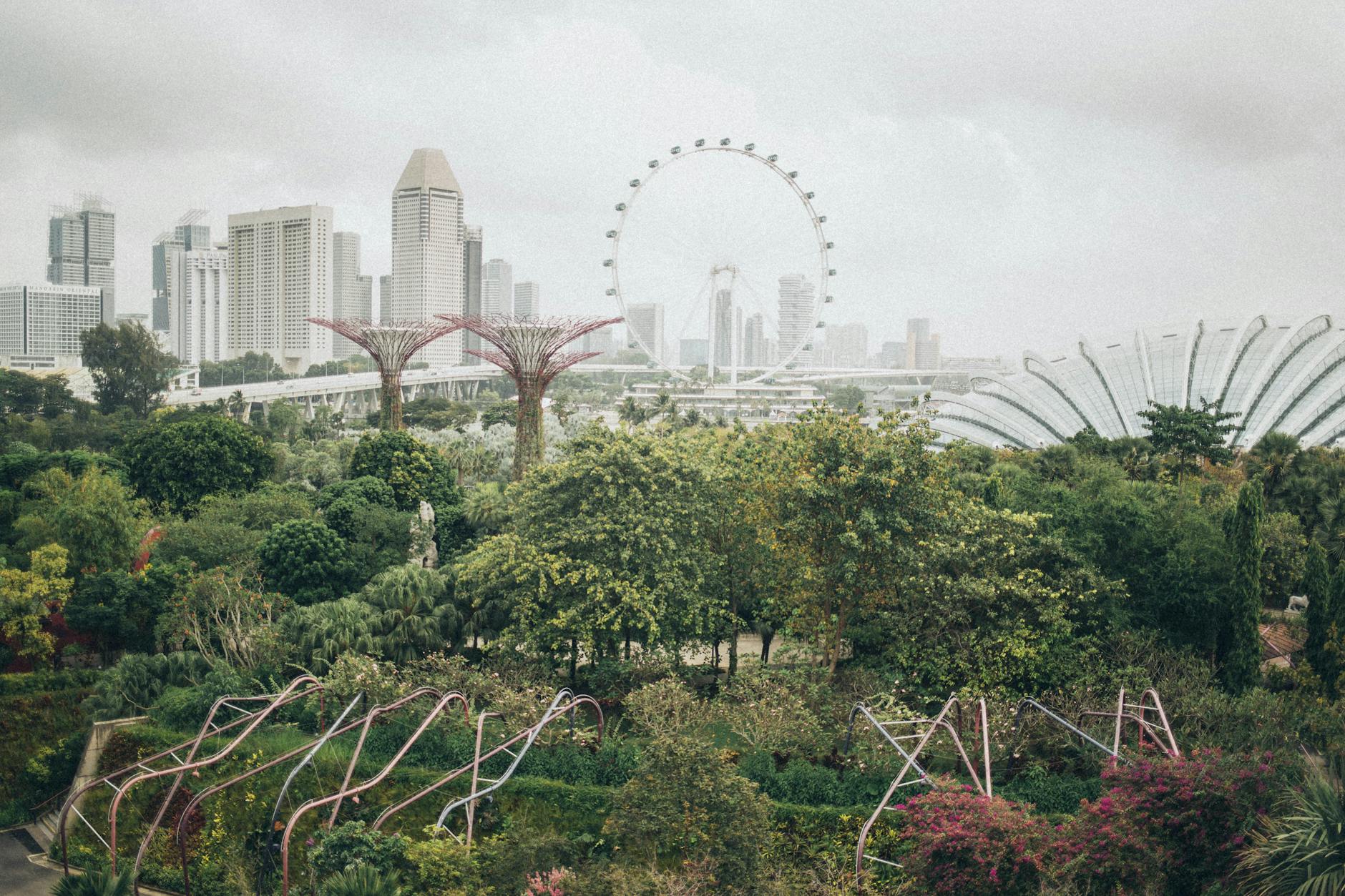
If Sentosa sounds like too much noise, spend the day in the north and the center of the island. Singapore calls itself the Garden City and backs it up with budget: about half the land area is under green cover.
- Singapore Zoo and Night Safari: the zoo in Mandai uses moats and glass instead of bars, so orangutans move through the trees above the paths. Give it four hours. Night Safari next door opens at 7:15 PM and takes you by tram and on foot past nocturnal animals in near-darkness. Getting there: MRT to Khatib, then the Mandai shuttle (about 20 minutes), or a 30-minute taxi from the center.
- Singapore Botanic Gardens: founded in 1859 and a UNESCO World Heritage site since 2015, with its own MRT station on the Downtown and Circle lines. Inside, the National Orchid Garden holds over a thousand species and two thousand hybrids, including orchids named after visiting heads of state. The rest of the park is free, and the lakes with monitor lizards and the rainforest patch are worth an hour on their own.
A sensible order: Botanic Gardens in the morning while it is cool, lunch in the Dempsey Hill restaurants next door, the zoo in the afternoon and Night Safari after dark.
- Singapore Zoo: about 48 SGD.
- Night Safari: about 55 SGD; combined tickets with the zoo are cheaper.
- Botanic Gardens: free, 5 AM to midnight. National Orchid Garden about 15 SGD, 8:30 AM to 7 PM.
Practical Details for Three Days
Singapore is one of the easiest cities in Asia to handle on your own. English is everywhere, the metro is clean and signs are logical. Still, a few things are worth knowing in advance.
From Changi Airport and Around Town
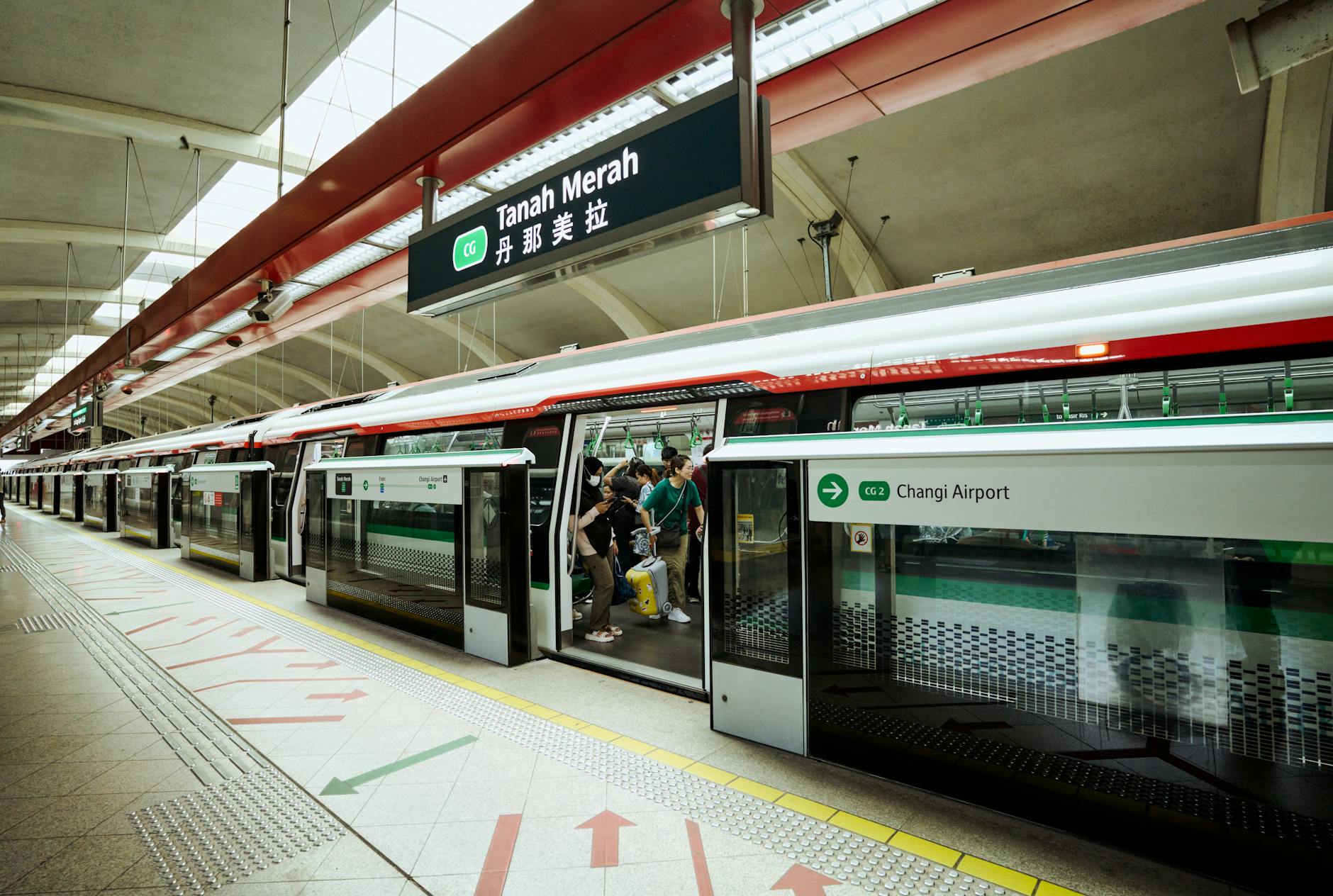
Changi Airport has its own MRT station under Terminals 2 and 3. A ride to the city center costs about 2 SGD and takes 35 to 45 minutes with one change at Tanah Merah; trains run until around midnight. A taxi to Marina Bay is 25 to 40 SGD depending on the hour, with surcharges after midnight. If you land late with a family and luggage, a pre-booked airport transfer to Singapore hotels costs about the same as a taxi and saves the queue at the rank.
Inside the city, the MRT reaches everything in this itinerary. You don’t need a special card: any contactless Visa or Mastercard taps straight through the gates and is charged per trip. A Singapore Tourist Pass with unlimited rides (about 22 SGD for one day, 34 for three, plus a refundable deposit) pays off only if you ride more than six or seven times a day. Buses accept the same cards and are useful for Dempsey Hill and the Mandai zoo. Grab, the local ride-hailing app, is cheaper than a street taxi and shows the price in advance.
- MRT: single trips from about 1.2 to 2.5 SGD depending on distance.
- Taxi or Grab: 10 to 15 SGD for a short ride within the center.
Where to Stay for a Short Trip
Singapore hotels are the most expensive in Southeast Asia, so location matters more than stars. For three days, stay within a five-minute walk of an MRT station on the Downtown, North-South or East-West line and you will spend almost nothing on taxis.
- Luxury, from about 350 SGD: PARKROYAL COLLECTION Marina Bay, Pan Pacific Singapore or Raffles Singapore, the colonial hotel where the Singapore Sling was invented. Marina Bay Sands itself is the obvious choice if the infinity pool is the point of the trip, since the pool is for guests only.
- Mid-range, 180 to 300 SGD: Rendezvous Hotel on Bras Basah Road, Holiday Inn Singapore Orchard City Centre, Furama City Centre at the edge of Chinatown. All three sit on top of or next to an MRT station.
- Budget, 60 to 150 SGD: ibis budget Singapore Selegie near Little India, or the capsule hostels in Chinatown and on Lavender Street. Pod beds start around 40 SGD.
I have a longer comparison of districts in the guide on where to stay in Singapore. Whatever area you pick, compare Singapore hotels on Booking.com a few weeks ahead: during the Formula 1 weekend in September and over Chinese New Year, rates double and the cheaper rooms sell out first.
What to Eat in Singapore
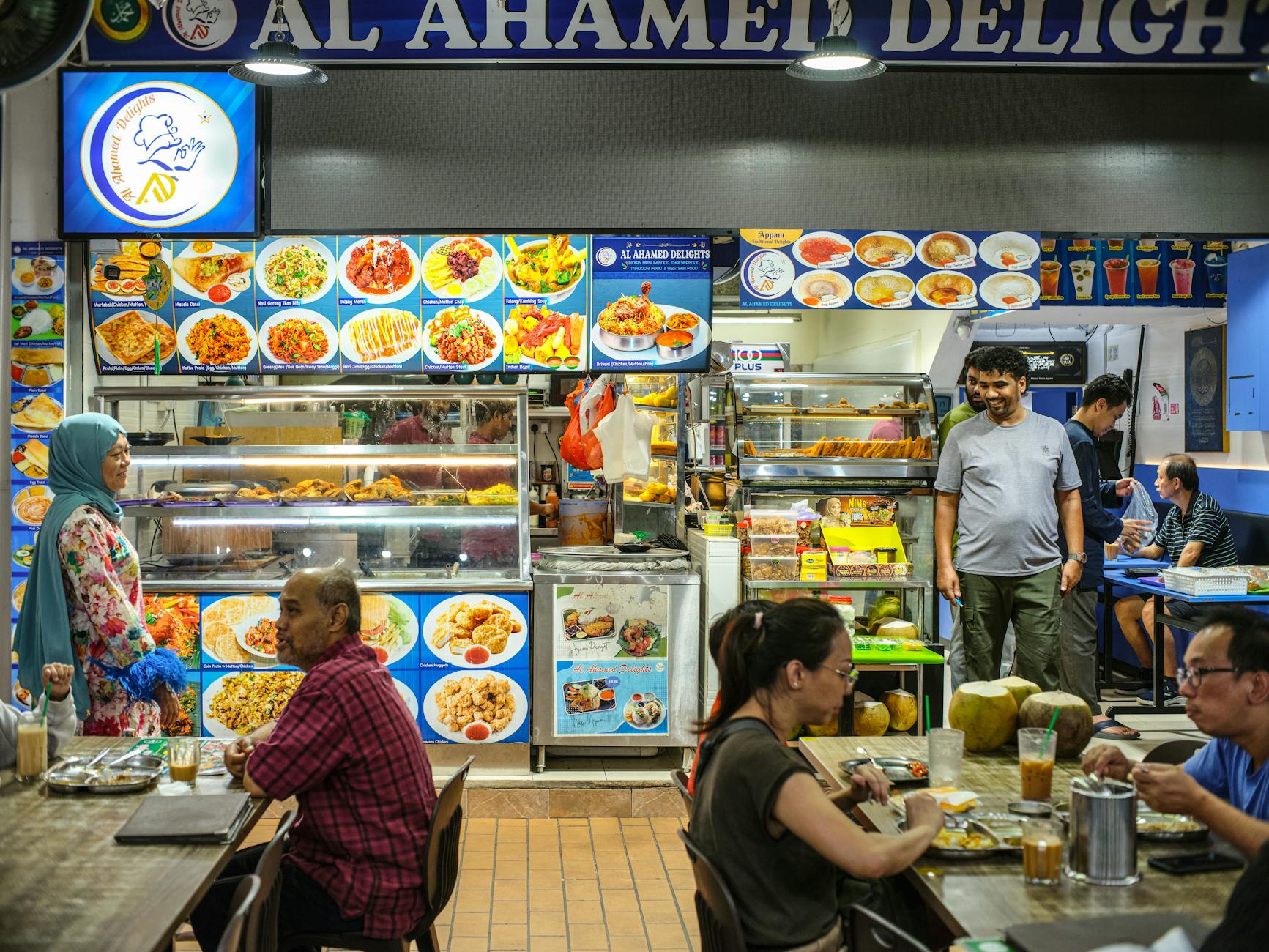
Food is the main reason I keep routing flights through Singapore. Malay, Chinese, Indian and Peranakan kitchens have cooked side by side for two centuries, and the results are sold at hawker stalls for the price of a coffee in Europe. Four dishes to order at least once:
- Hainanese chicken rice: poached chicken over rice cooked in chicken stock, with chilli and ginger sauces. Simple on the plate, hard to get right. 4 to 6 SGD.
- Laksa: noodles in a spicy coconut broth with prawns and fish cake. Katong Laksa in the east of the city cuts the noodles short so you eat it with a spoon alone.
- Chilli crab: a whole mud crab in a sweet, spicy tomato and egg gravy, eaten with fried buns. The national dish and the one expensive item on this list, 60 to 100 SGD per crab depending on weight.
- Roti prata: a flaky, griddled Indian flatbread served with curry, plain or stuffed with egg, cheese or banana. Breakfast or late-night food, 2 to 4 SGD.
Eat at the hawker centers. Every stall carries a hygiene grade from the government, the tables are shared, and you order and pay at the counter, then carry your tray. Lau Pa Sat in the financial district, Maxwell Food Centre in Chinatown and Old Airport Road in the east are the ones I return to. A hawker meal with a drink runs 6 to 10 SGD. Evening food tours exist for those who want the dishes explained, but the stall names above are enough to get started.
Weather, Money and Rules

- Climate: 28 to 32°C all year, humidity around 80 percent, a short heavy shower most afternoons from November to January. Light clothing outside, but carry a thin jacket: malls, trains and museums are chilled to about 20°C.
- Water: tap water is safe to drink, and refill points stand in many MRT stations and parks. A bottle in a 7-Eleven costs about 1.5 SGD.
- Language: English is the working language of the country, with Mandarin, Malay and Tamil as the other official ones. Menus and signs are in English everywhere.
- Money: the Singapore dollar trades at roughly 1.30 to 1.35 to the US dollar. Cards and phone payments work everywhere except some hawker stalls, so keep 30 to 50 SGD in cash for food.
- Rules: fines are real. Littering starts at 300 SGD, smoking outside marked areas is 200 SGD, and eating or drinking on the MRT is 500 SGD. Chewing gum can’t be bought in the country, though bringing a pack for personal use is fine. Jaywalking is also fined, and locals do wait for the green man.
- Internet: an eSIM with 10 to 20 GB for a week costs 5 to 10 USD, cheaper than the tourist SIMs at the airport. Free Wireless@SG Wi-Fi exists in malls and stations but needs registration.
Is Three Days Enough
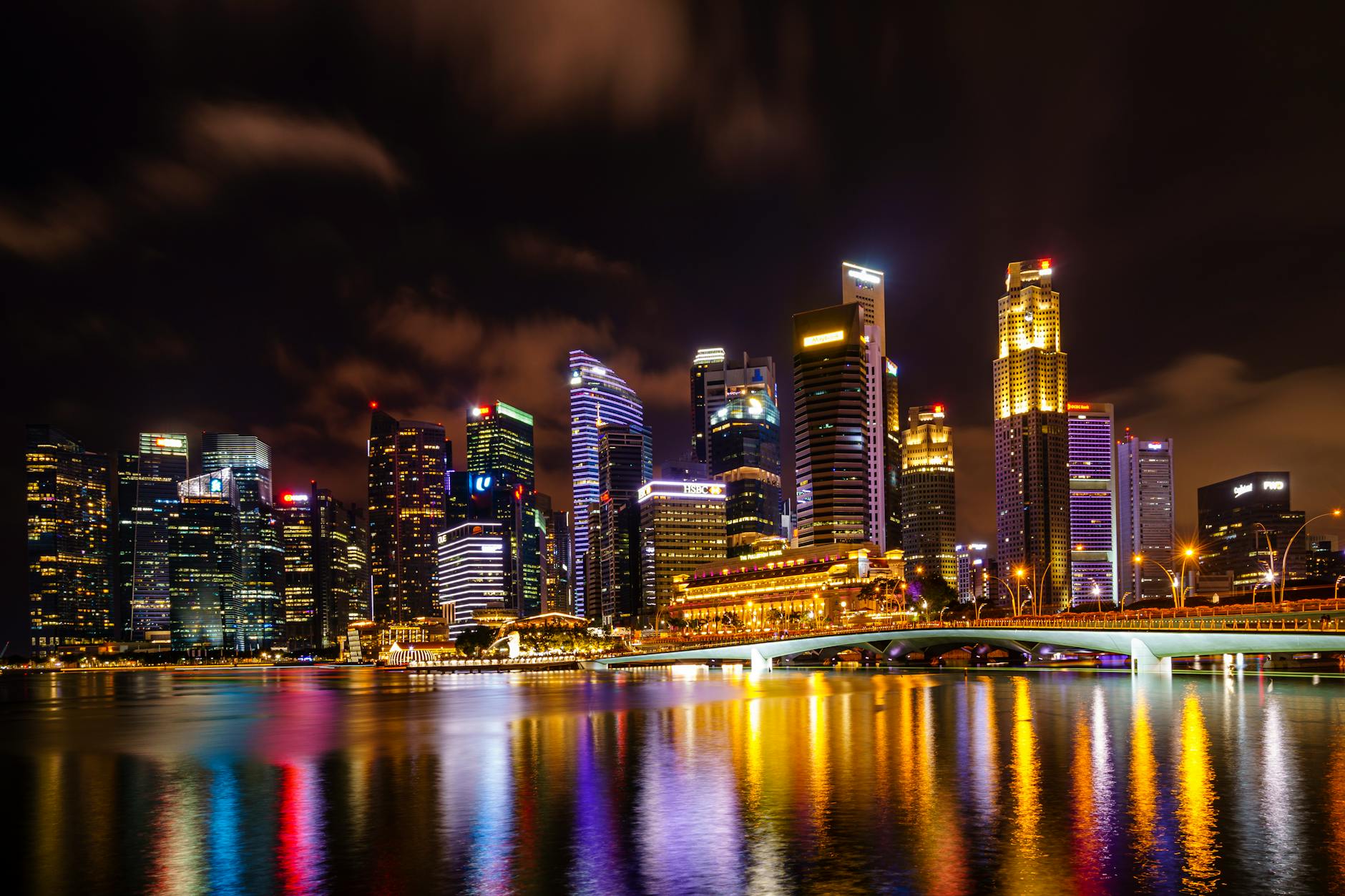
For a first visit, yes. Singapore is a city of 730 square kilometers, smaller than Greater London, and the parts a visitor wants are concentrated in a few districts linked by one metro system. Three days cover the bay, the three old quarters and one big day out. What you miss is the east coast, the Southern Ridges forest walk and the neighborhood hawker centers, and those are good reasons for a second stopover.
Budget for the plan above, per adult and excluding hotel and flights: around 60 SGD for day one with the conservatories and a hawker dinner, 20 to 30 SGD for day two, and 150 to 200 SGD for a Sentosa day or 120 SGD for the zoo, Night Safari and orchids. Transport for three days rarely exceeds 25 SGD.
The most common mistake is scheduling four things before lunch. Heat here is slow and cumulative, and by mid-afternoon it wins. Plan two anchors per day, leave the gaps empty, and let a hawker center or an air-conditioned mall fill them. If your flight home leaves in the evening, Changi’s Jewel mall with its 40-meter indoor waterfall is on the airport side of immigration and takes an easy final hour.


