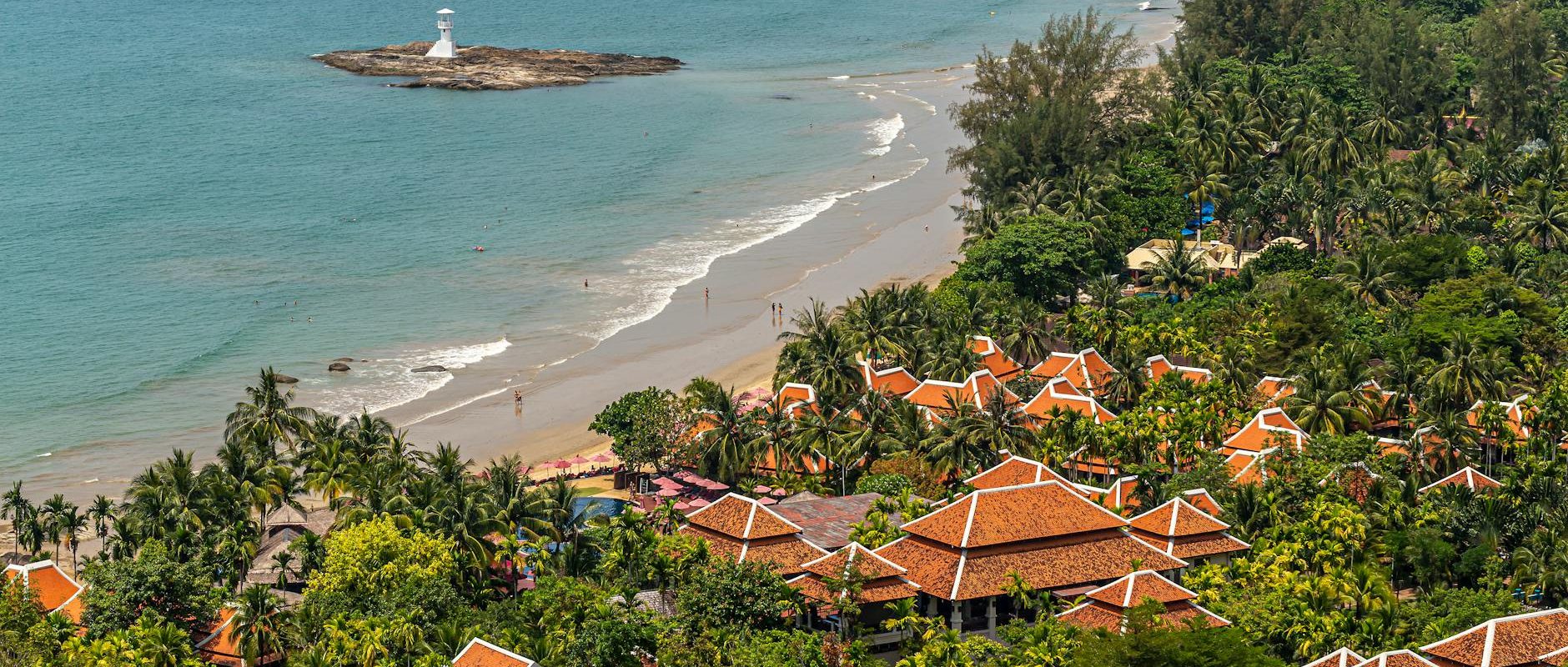
Koh Samui is one of the few islands I keep going back to. Before my first trip I expected another overbuilt resort island with a strip of hotels and not much else. What I found instead was a 50-kilometre ring road with a different mood every ten minutes: a party beach, then coconut groves, then a fishing village with a Friday market. This guide collects what I have learned over several stays: how to get there without overpaying, which beach to pick, where the cheap food is, how to rent a scooter without getting fined, and what a day on the island costs. There is also a section on what to see on Koh Samui beyond the sand, and a frank comparison with Phuket at the end.
Getting to Koh Samui

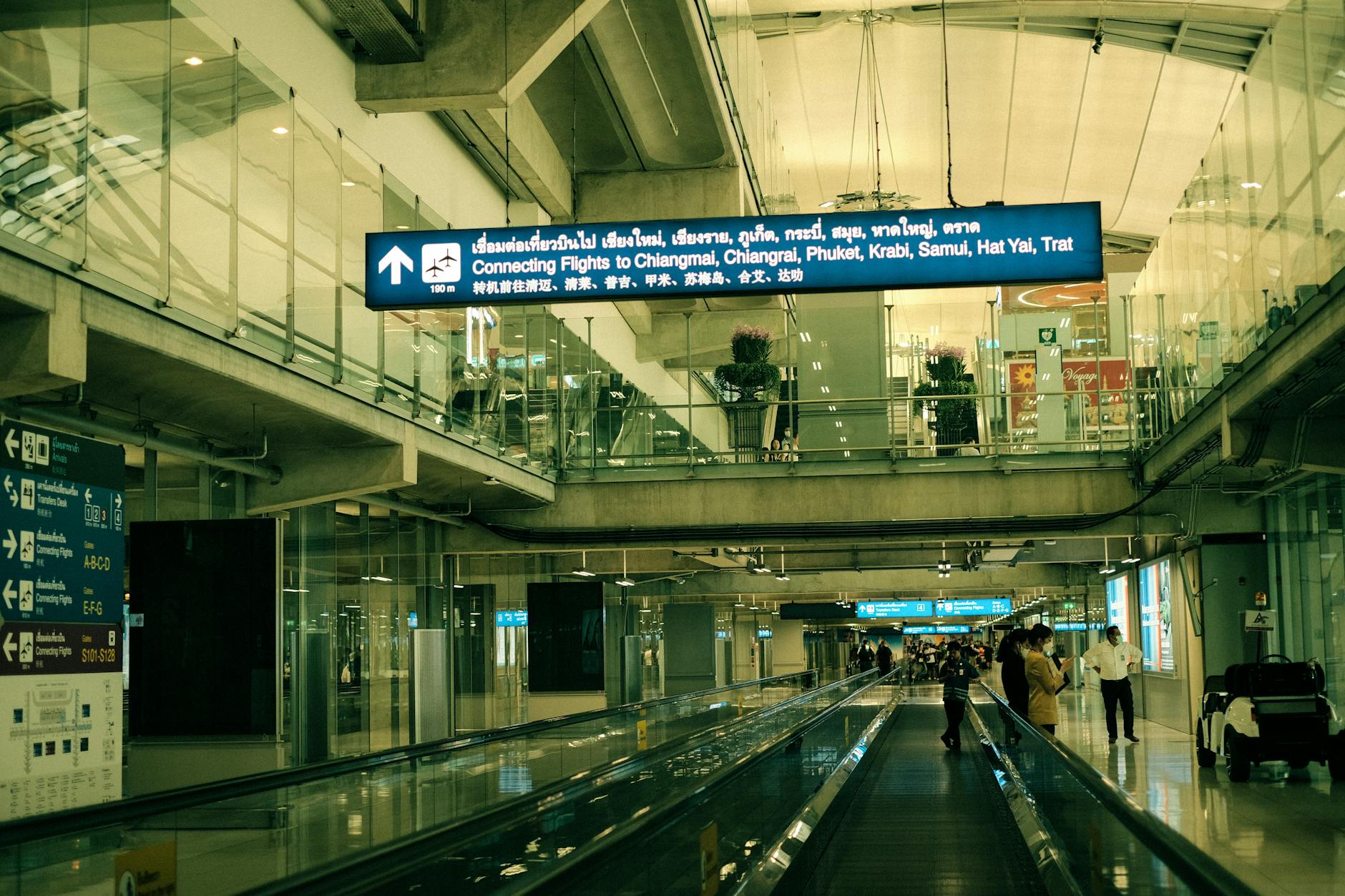
Two routes exist, and the choice comes down to money versus time. Flying straight to Samui Airport (USM) is the simplest option and the priciest one. Bangkok Airways owns the airport, so almost every flight is theirs, and a one-way hop from Bangkok often costs two or three times what a flight to Phuket does. In return you land in an open-air terminal that looks like a garden, and you are on a beach within half an hour.
Book Samui flights as early as you can. Most direct services come from Bangkok, Singapore, Kuala Lumpur and Hong Kong. From Europe or the US you will connect in one of those hubs anyway, so compare the total fare on Google Flights or Trip.com rather than the last leg alone.
The cheaper route is the combo transfer. You fly to Surat Thani (URT) or Nakhon Si Thammarat (NST) on the mainland, then take a bus to Donsak pier and a ferry across. AirAsia and Nok Air sell “fly and ferry” tickets that bundle all three legs. Seatran ferries arrive at Bangrak pier near the Big Buddha, Raja ferries at Nathon on the west coast; the crossing takes about 90 minutes either way. Count on 5 to 6 hours from landing at Surat Thani to your hotel door. I have done both, and the combo trip is fine if you are not in a hurry and land before noon. An evening arrival at Surat Thani usually means a night on the mainland.
Taxis and shared minivans wait at the airport and at both piers. Prices are fixed and posted, so there is nothing to haggle over. Booking a transfer through your hotel costs about the same and saves standing in a queue.
When to Visit
Samui sits in the Gulf of Thailand, and its calendar runs differently from Phuket on the Andaman side. When Phuket is soaked in July, Samui is mostly dry. When Phuket dries out in November, Samui gets its wettest month.
High Season, December to April
Dry, sunny, 28 to 32°C, calm sea. This is the season most people plan around, and prices for rooms and tours reflect it. The island gets busy but never Phuket-busy. I usually come in February to get out of a grey European winter, and it has never let me down. Evenings on the north coast can be cooler than you expect, so a light jacket earns its place in the bag.
Shoulder Season, May to August
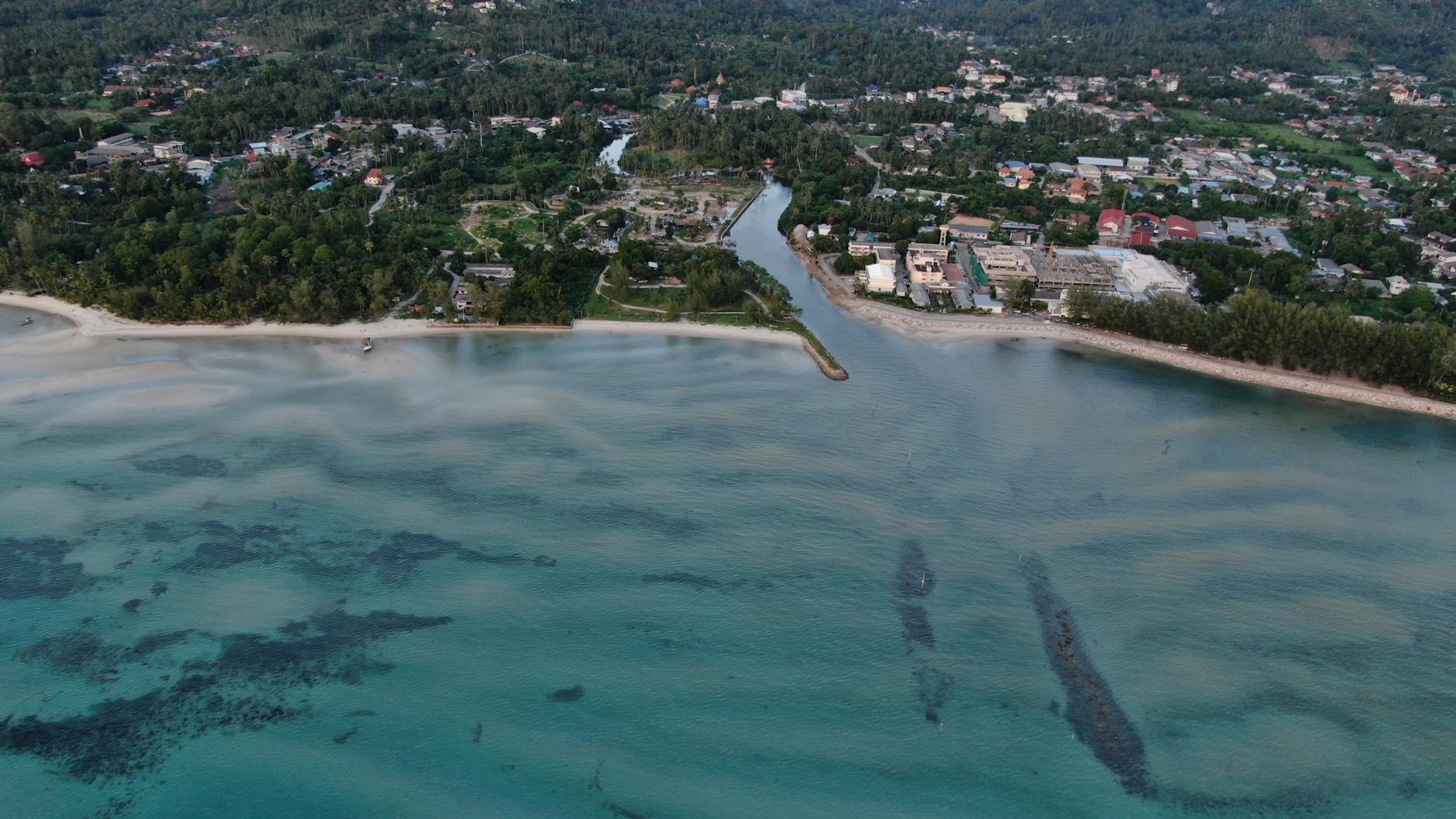
Mostly good weather with short, heavy afternoon showers that pass within an hour. Hotels drop rates by 20 to 40 percent compared with February, and flights are easier to find. May and June are my favourite months for value: the sea is still flat, the beaches are half empty, and a rain shower at four in the afternoon is a reason for a coffee, not a ruined day.
Rainy Season, September to November
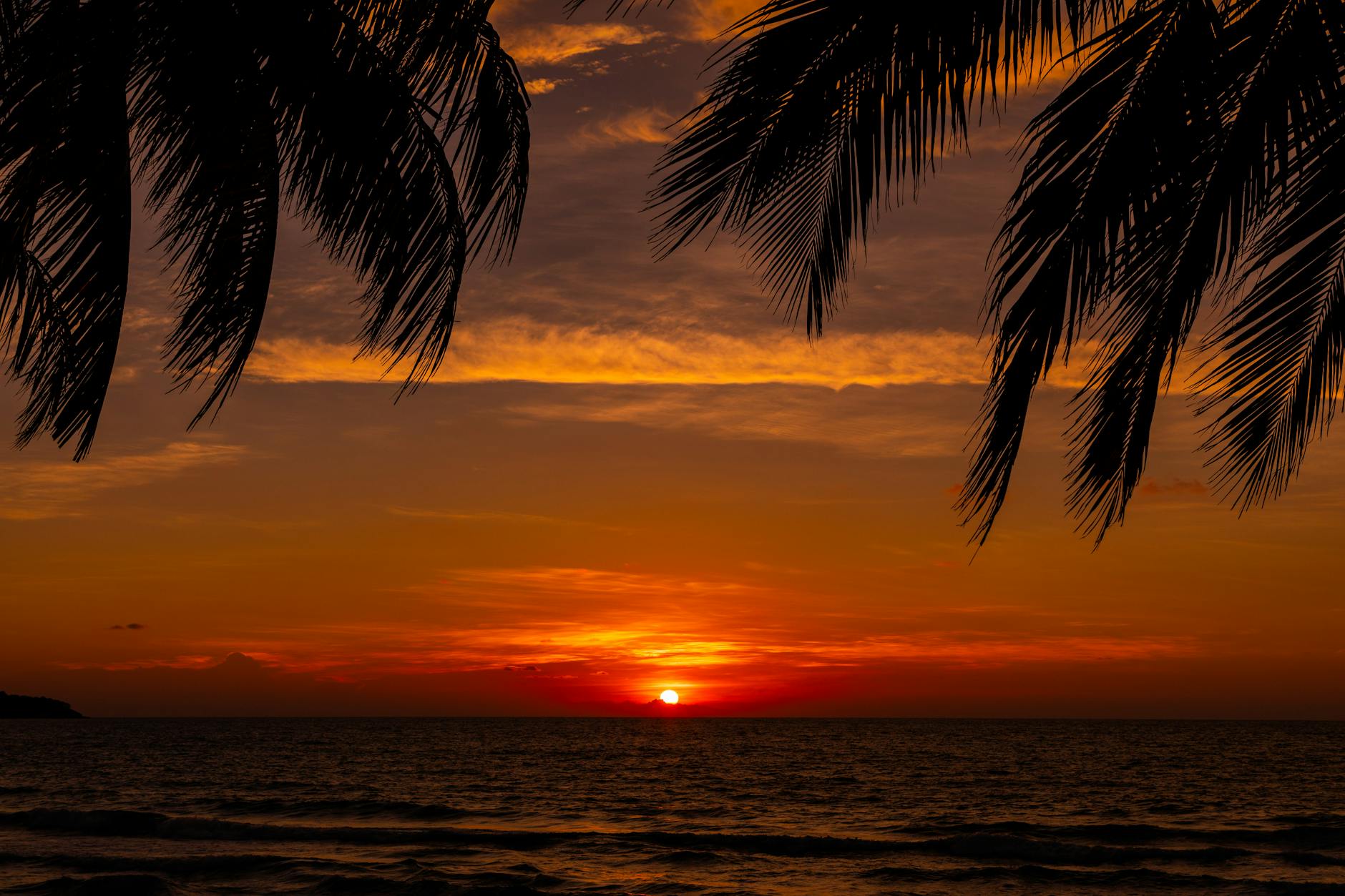
October and November are the wet months, and November can bring several days of rain in a row. The sea gets rough, and boat trips to Ang Thong or Koh Tao are cancelled at short notice. On the plus side, the island turns deep green, the waterfalls run at full strength, and rooms cost less than at any other time of year. September is a gamble that often pays off; late November rarely does.
Tropical weather does not read the calendar. Expect the occasional shower in February and the occasional dry week in October, and plan the boat trips for the first days of your stay so you have room to reschedule.
Where to Stay
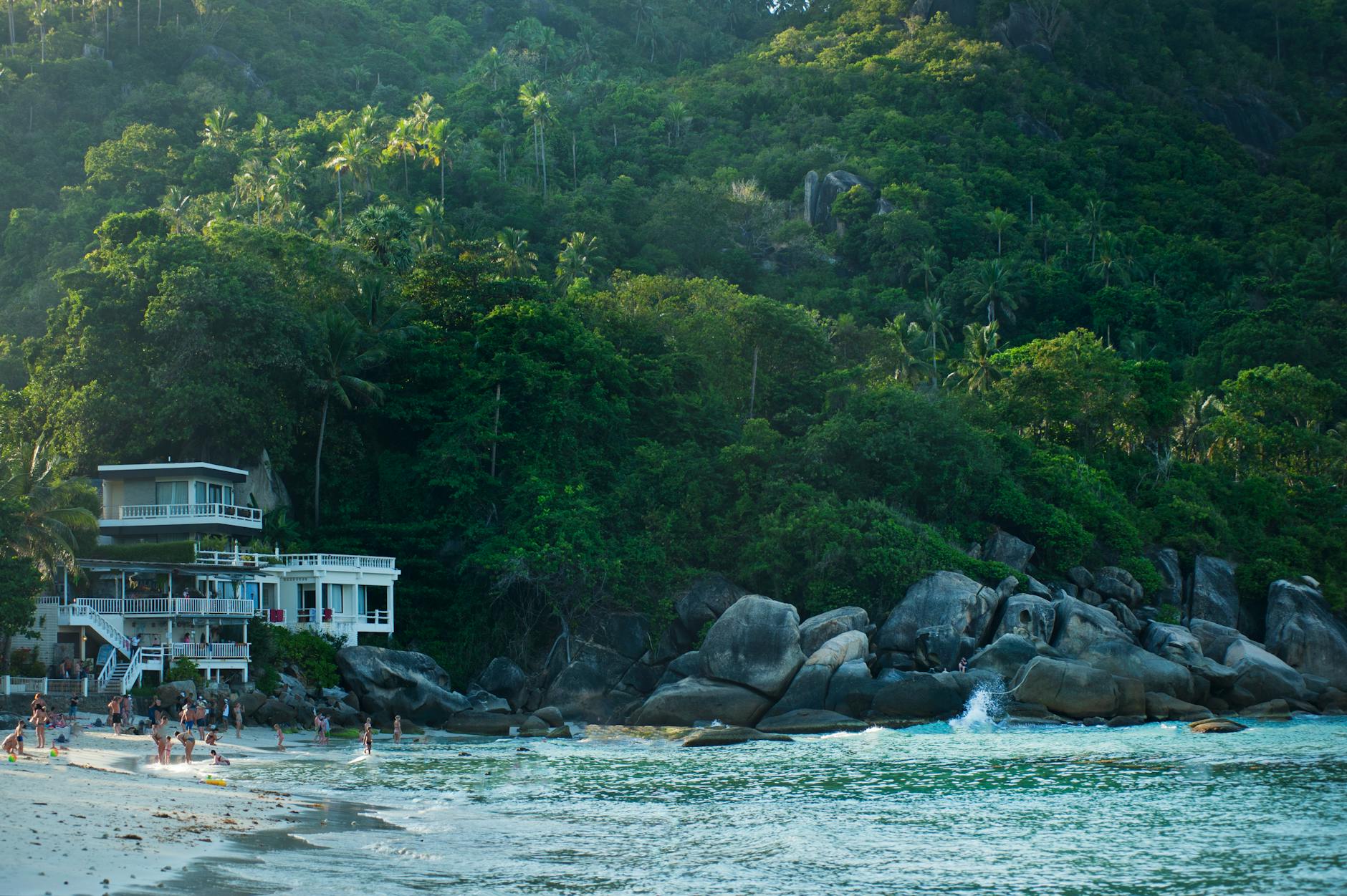
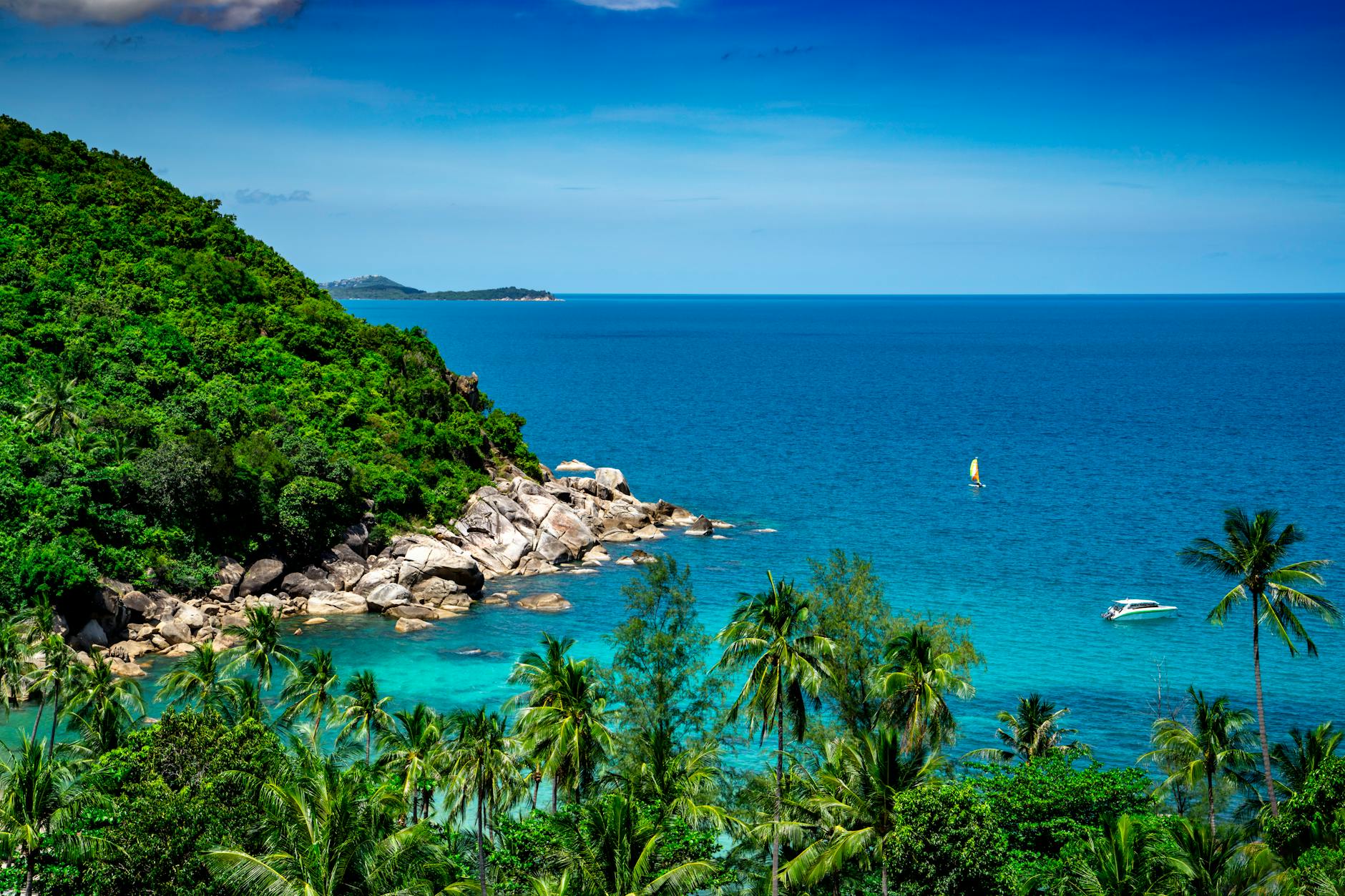
Each stretch of the coast has its own character, and the beach you pick shapes the whole trip more than the hotel does. Distances are small on paper, yet a taxi from Chaweng to Maenam costs 400 to 500 baht, so choose a base you will not need to leave every evening.
Chaweng for the Nightlife
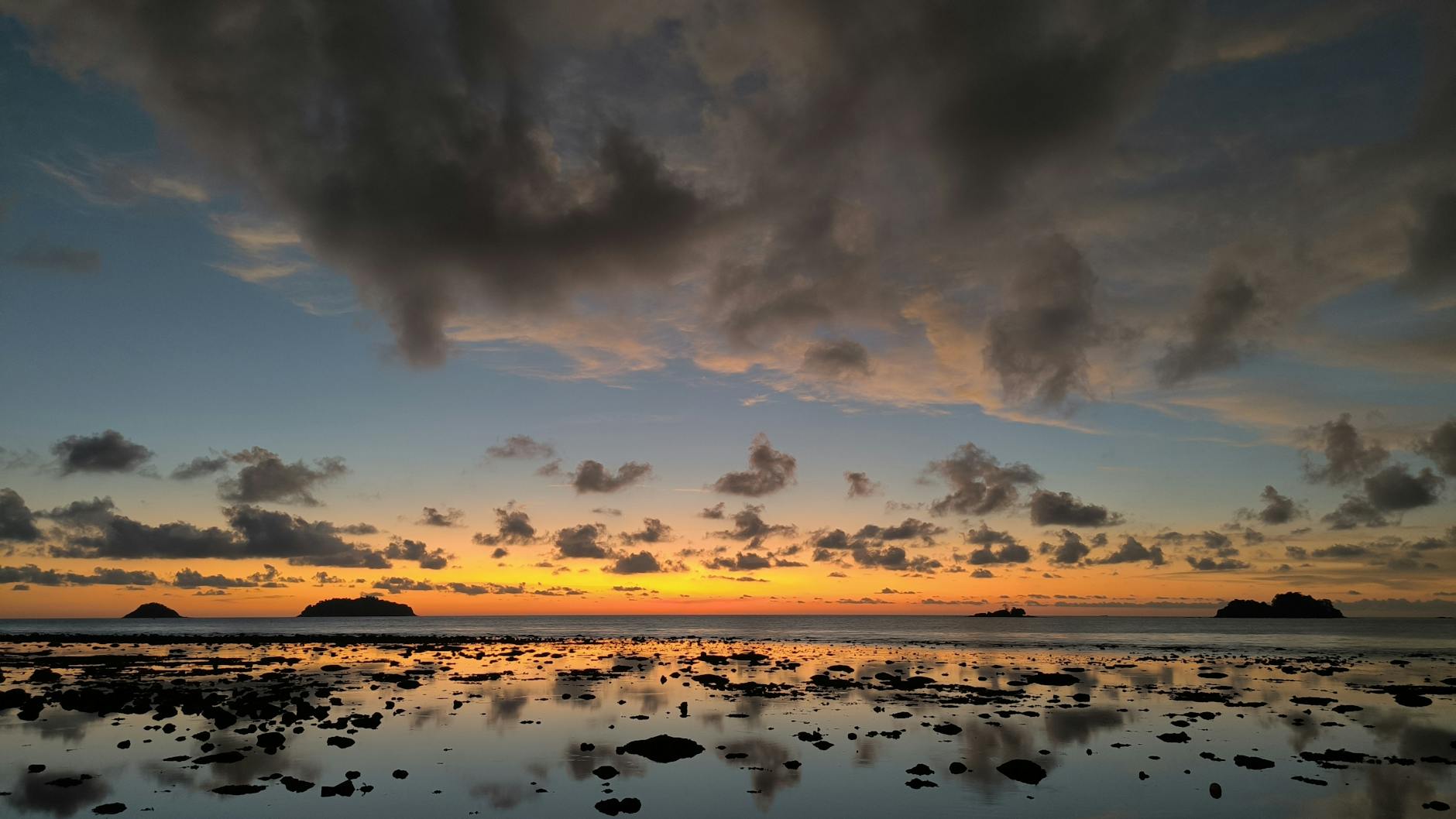
Chaweng has the longest beach on the island, about 7 kilometres of white sand, and the busiest road behind it: bars, clubs, a Central shopping mall, massage shops every twenty metres. If you want to walk out of the hotel and into the action, this is the place. Rooms range from 500-baht guesthouses on the back lanes to five-star resorts on the sand. OZO Chaweng Samui is a sensible mid-range pick right on the main beach; Smile Samui and the adults-only Avani sit a little further north where the sand is quieter.
Lamai for a Balance
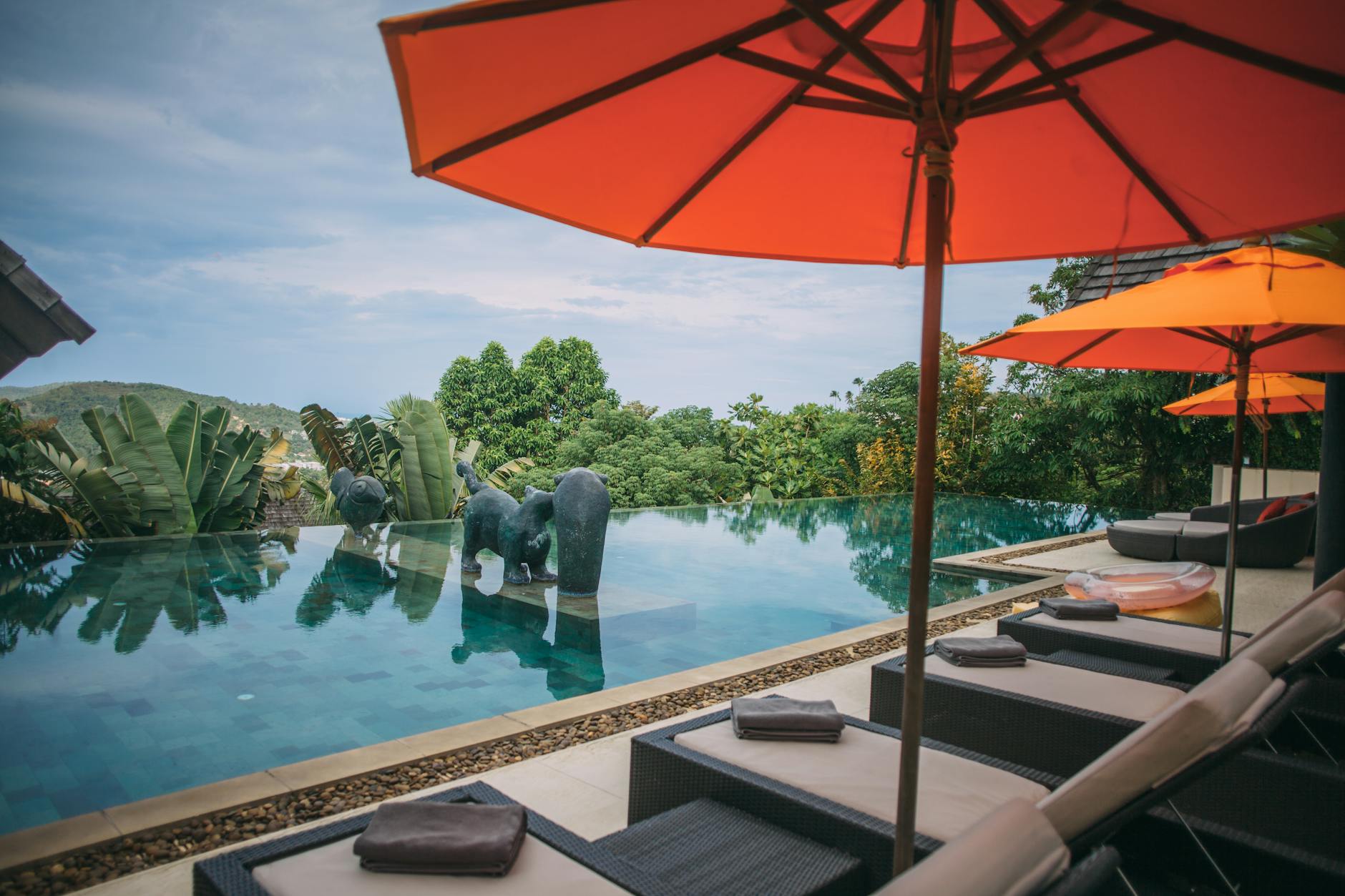
Lamai is Chaweng at half volume. You get a 7-Eleven, a night market on Sundays, enough restaurants for a two-week stay, and a beach with coarser yellow sand and big granite boulders at the southern end. Families and anyone over thirty tend to end up here. Lamai Bayview Boutique Resort is a small hillside place with a good view over the bay for the price. All-inclusive resorts exist on Samui but are rare; the island works on a room-only or bed-and-breakfast model, and eating out is cheap enough that all-inclusive rarely saves money.
Bophut and Fisherman’s Village
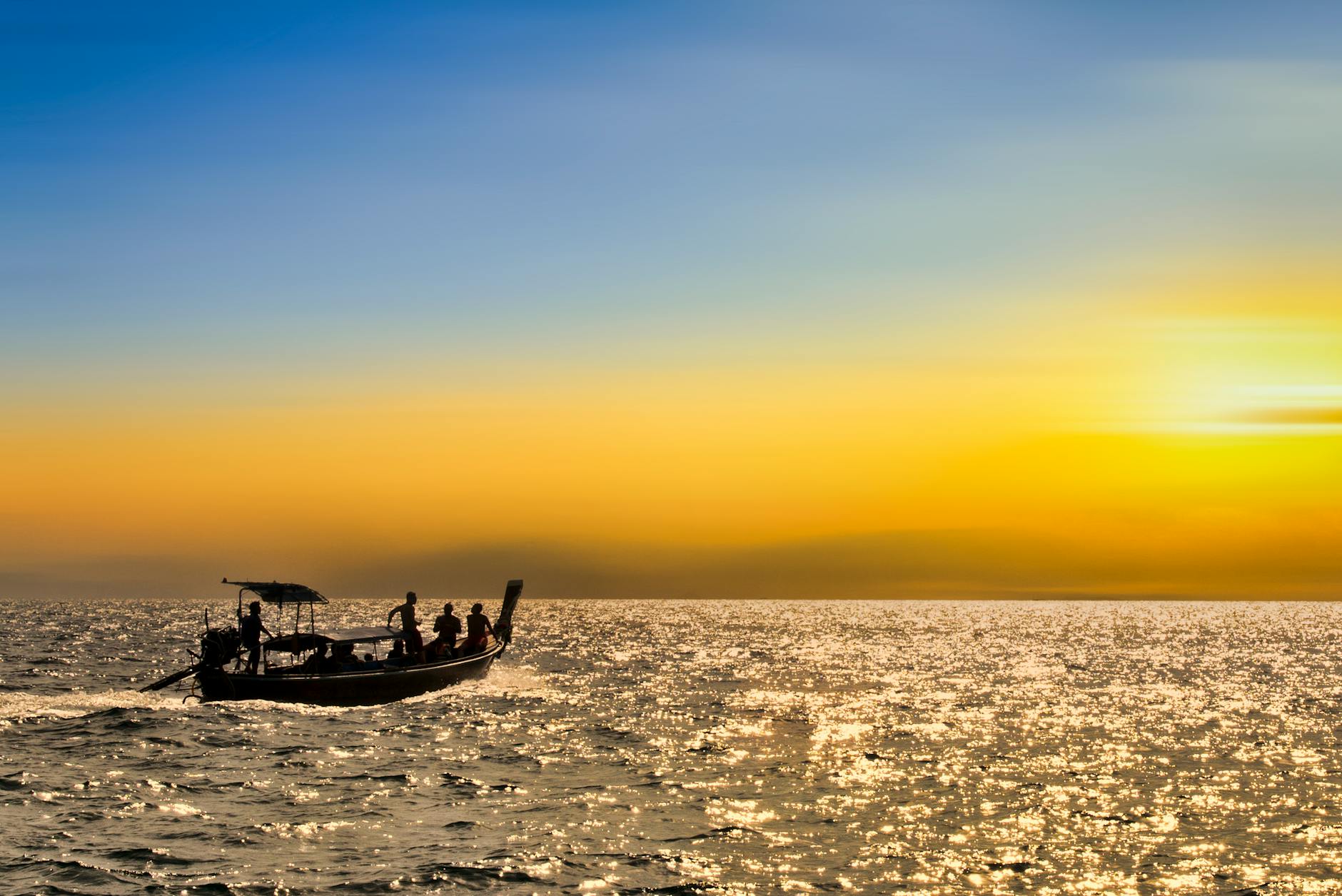
Bophut is my usual base. Fisherman’s Village is a single street of old Chinese shophouses turned into cafes, boutique hotels and restaurants with tables on the sand. Every Friday from about 5 pm it becomes a walking street market. The beach is narrow and the water shallow, with the Big Buddha visible across the bay. Couples and families with small children do well here. Holiday Inn Resort Samui Bophut Beach is the reliable family option at the western end; Kimpton Kitalay Samui is the upmarket choice on the same beach.
North and West Coasts for Quiet
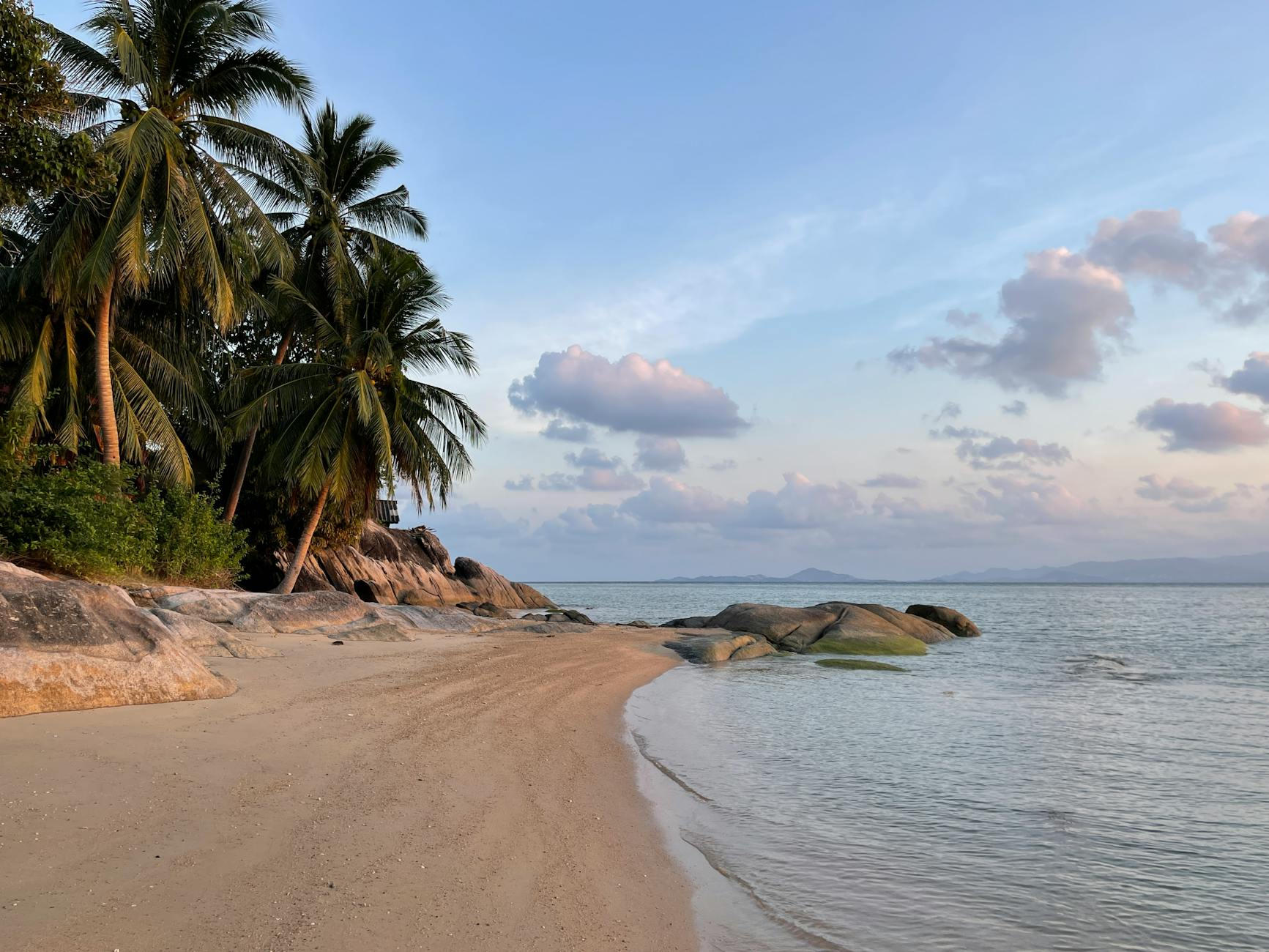
Maenam, Choeng Mon and Taling Ngam are where you go to see nobody. Maenam has a long, quiet beach and the cheapest bungalows on the island. Choeng Mon is a small cove near the airport with calm water and a handful of upmarket resorts. Taling Ngam, on the far west coast, gets the sunsets and the Five Islands view. This is honeymoon and yoga-retreat territory: Panorama Samui Residences rents hillside villas above Choeng Mon, The Ritz-Carlton, Koh Samui occupies a whole headland north of Chaweng, and Vikasa runs week-long yoga programmes on the cliffs between Chaweng and Lamai.
Short version: Lamai or Bophut for families, Chaweng for nightlife, Maenam for a budget, Choeng Mon or Taling Ngam if you want silence and a pool.
Things to See and Do
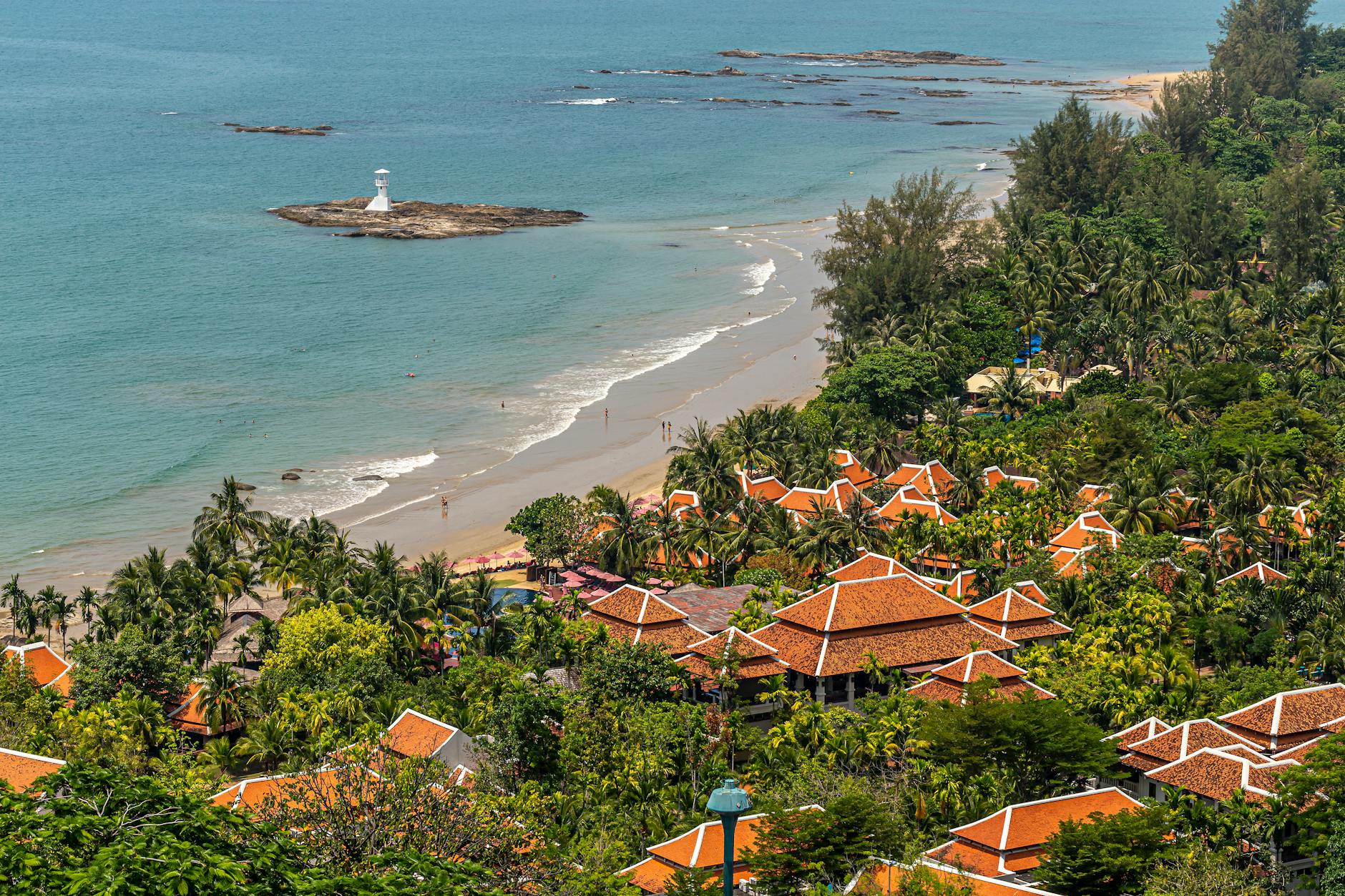
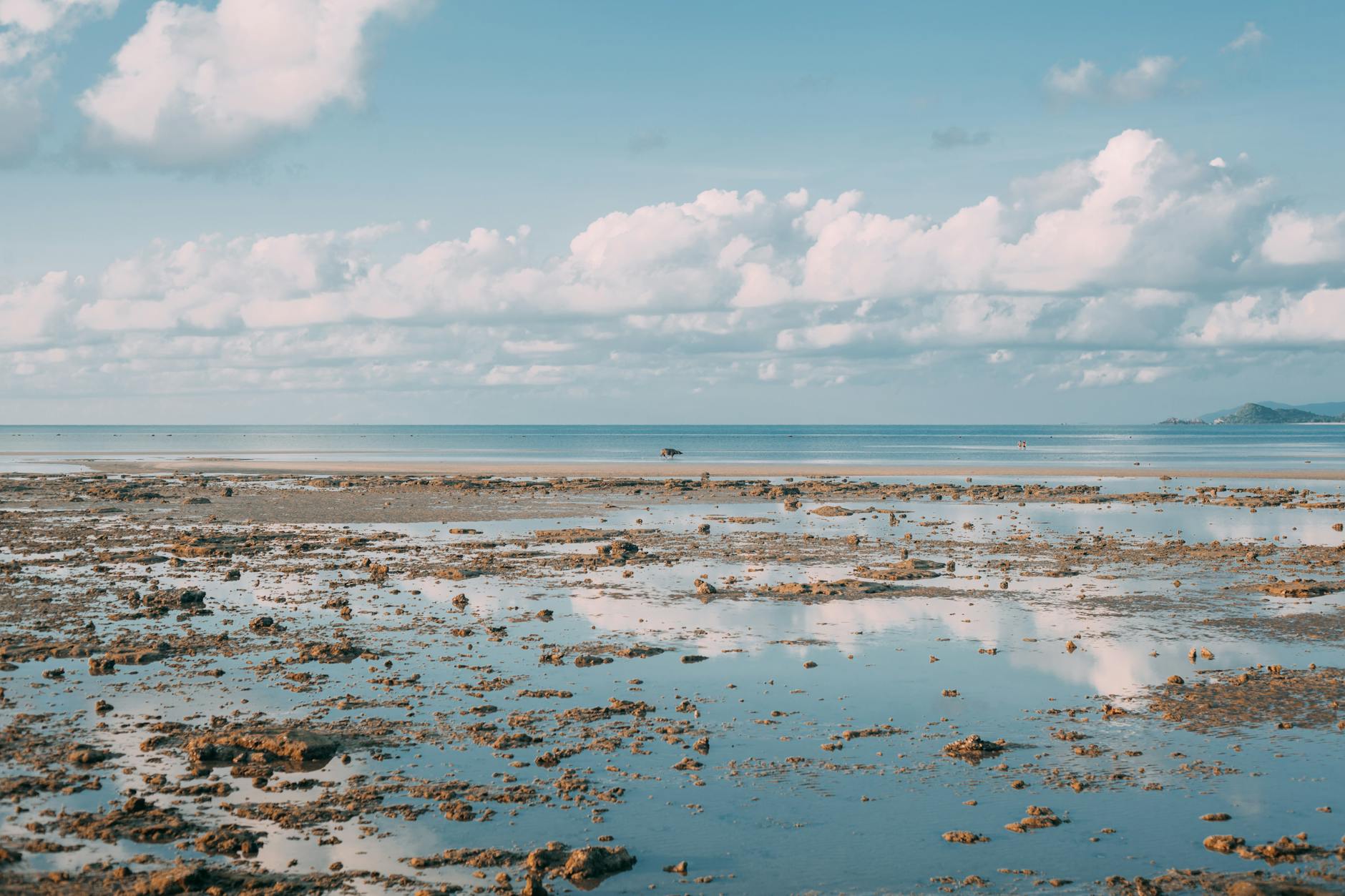
You can circle the island on the ring road in about two hours without stops. With stops it fills a full day, and the boat trips add two or three more. Below are the places I send friends to first.
Nature and Beaches
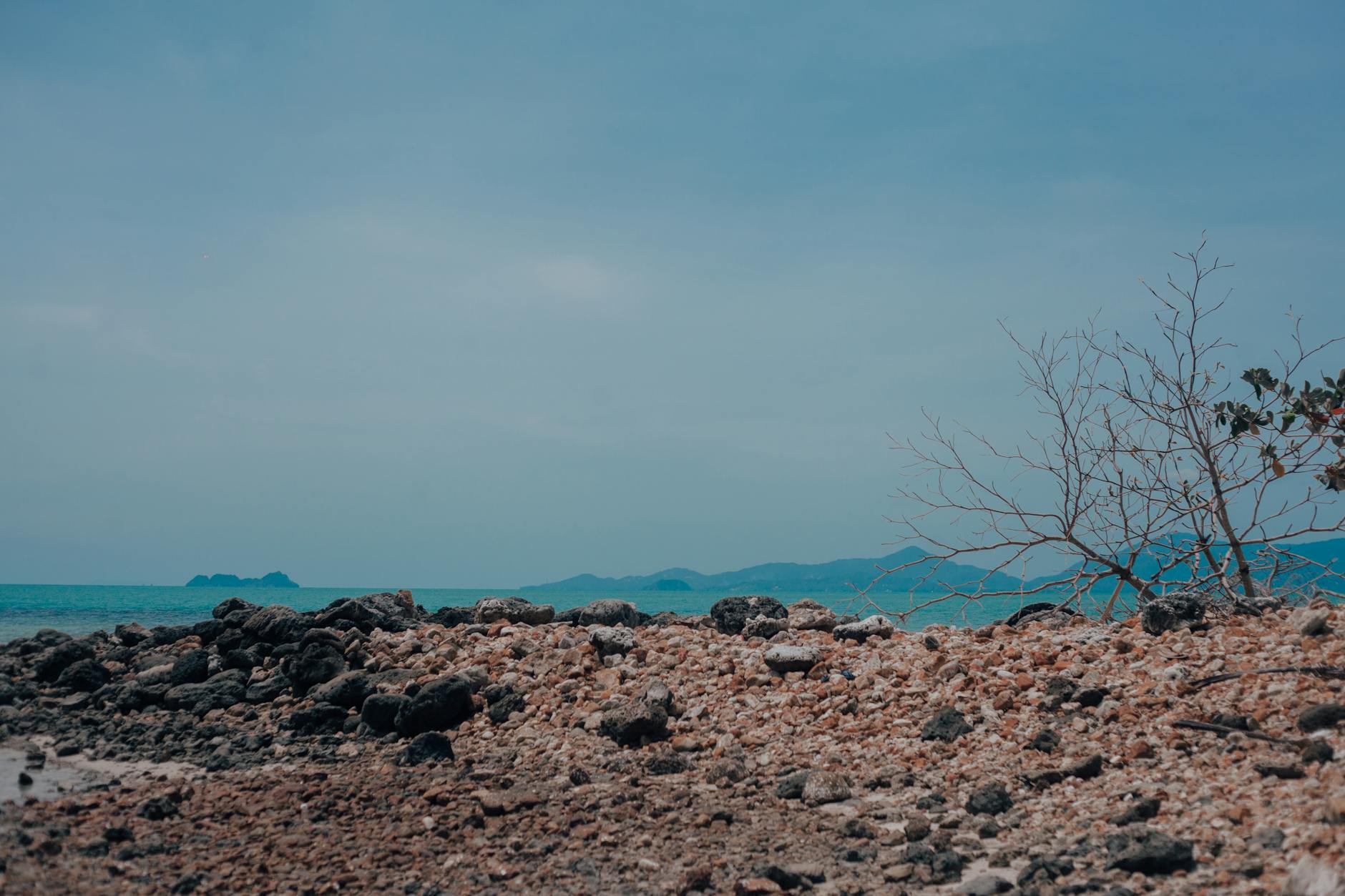
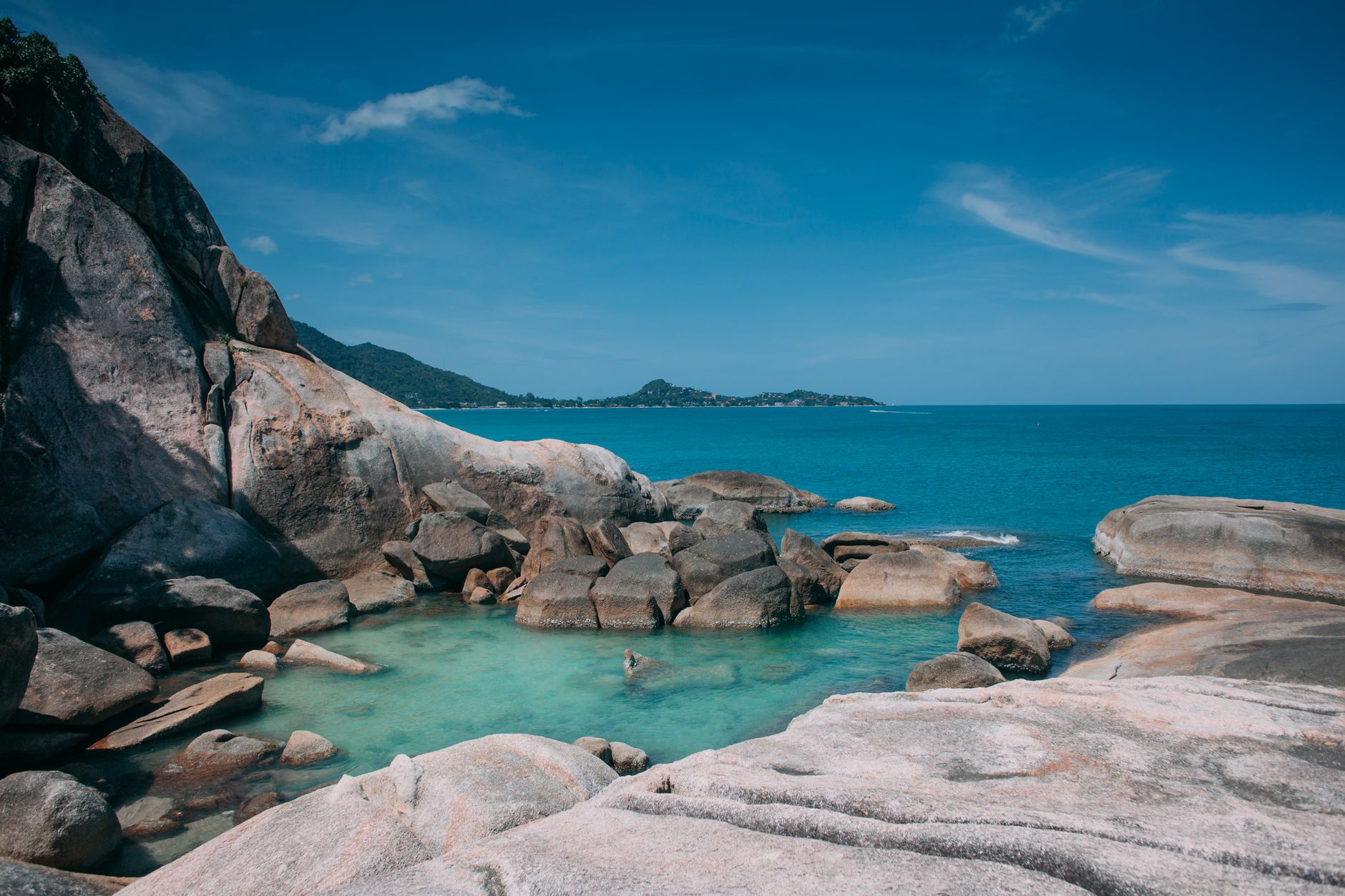
- Grandfather and Grandmother Rocks (Hin Ta and Hin Yai). Two granite formations south of Lamai that look like male and female anatomy, which is the entire reason the tour buses stop. Entry is free, the view along the coast is good, and the stalls at the entrance sell kalamae, a coconut caramel that is the island’s best souvenir sweet.
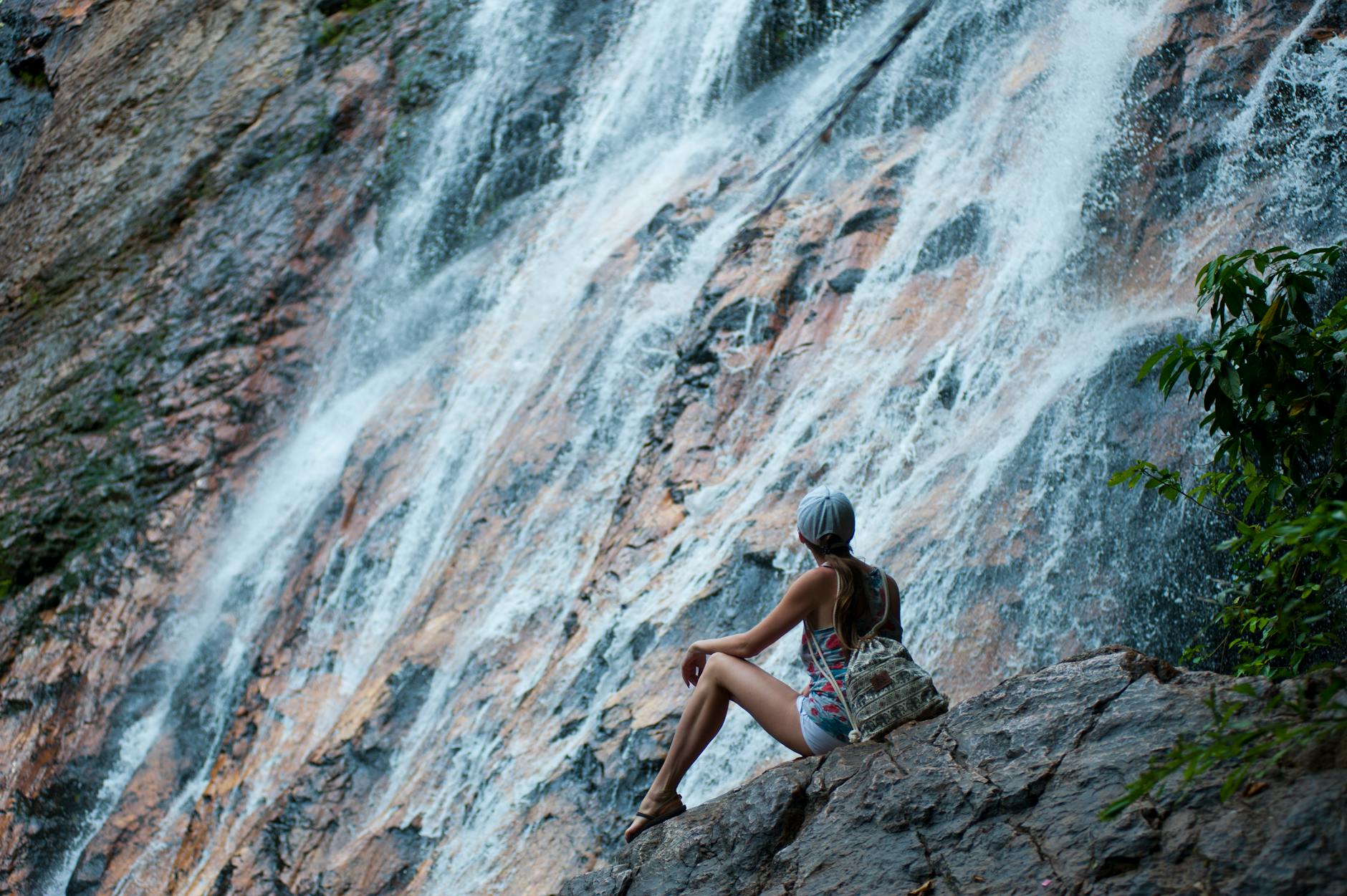
- Na Muang Waterfalls. Na Muang 1 is a two-minute walk from the car park and free. Na Muang 2 is taller, about 80 metres, and needs a 30-minute uphill walk. Both are worth it in September and October and reduced to a trickle by March. Elephant rides are sold at the entrance; skip them.
- Secret Buddha Garden. A retired durian farmer spent the last years of his life filling a jungle clearing in the hills with concrete statues of Buddhas, animals and figures from Thai folklore. Entry is 80 baht. The road up is steep concrete; a scooter with a passenger will struggle, so most people arrive on a jeep tour.
- Ang Thong Marine National Park. Forty-two limestone islands an hour’s speedboat ride west of Samui, with an emerald saltwater lake on Koh Mae Ko and a viewpoint on Koh Wua Ta Lap that needs a steep 30-minute scramble. A full-day trip with snorkelling and kayaking costs 2,000 to 3,000 baht plus the 300-baht park fee, and every agency on the island sells one. A typical Ang Thong day tour leaves at 8 am and is back by 5 pm.
- Koh Tao and Koh Nang Yuan. The essential trip for snorkellers and divers, and the best of the island-hopping day trips from Samui. Koh Tao has some of the cheapest dive certification in the world and coral gardens close to shore; Nang Yuan is three islets joined by a sandbar with a 200-baht landing fee. The Lomprayah catamaran takes about two hours each way, and a Koh Tao and Nang Yuan snorkelling trip from Samui includes the boat, lunch and gear for roughly 2,500 baht.
- Pig Island (Koh Madsum). A small island off the south coast where a dozen pigs live on the beach and pose for photos. It takes 15 minutes by longtail boat from Thong Krut pier, and most half-day boat trips combine it with snorkelling at Koh Taen next door. Go early; by 11 am the beach is full and the pigs are asleep.
Temples
- Big Buddha (Wat Phra Yai). A 12-metre golden statue on the islet of Koh Faan, joined to Samui by a causeway near the airport. Entry is free, it opens at 6 am, and the stairs give a view over Bangrak bay. Cover shoulders and knees; sarongs are lent at the gate.
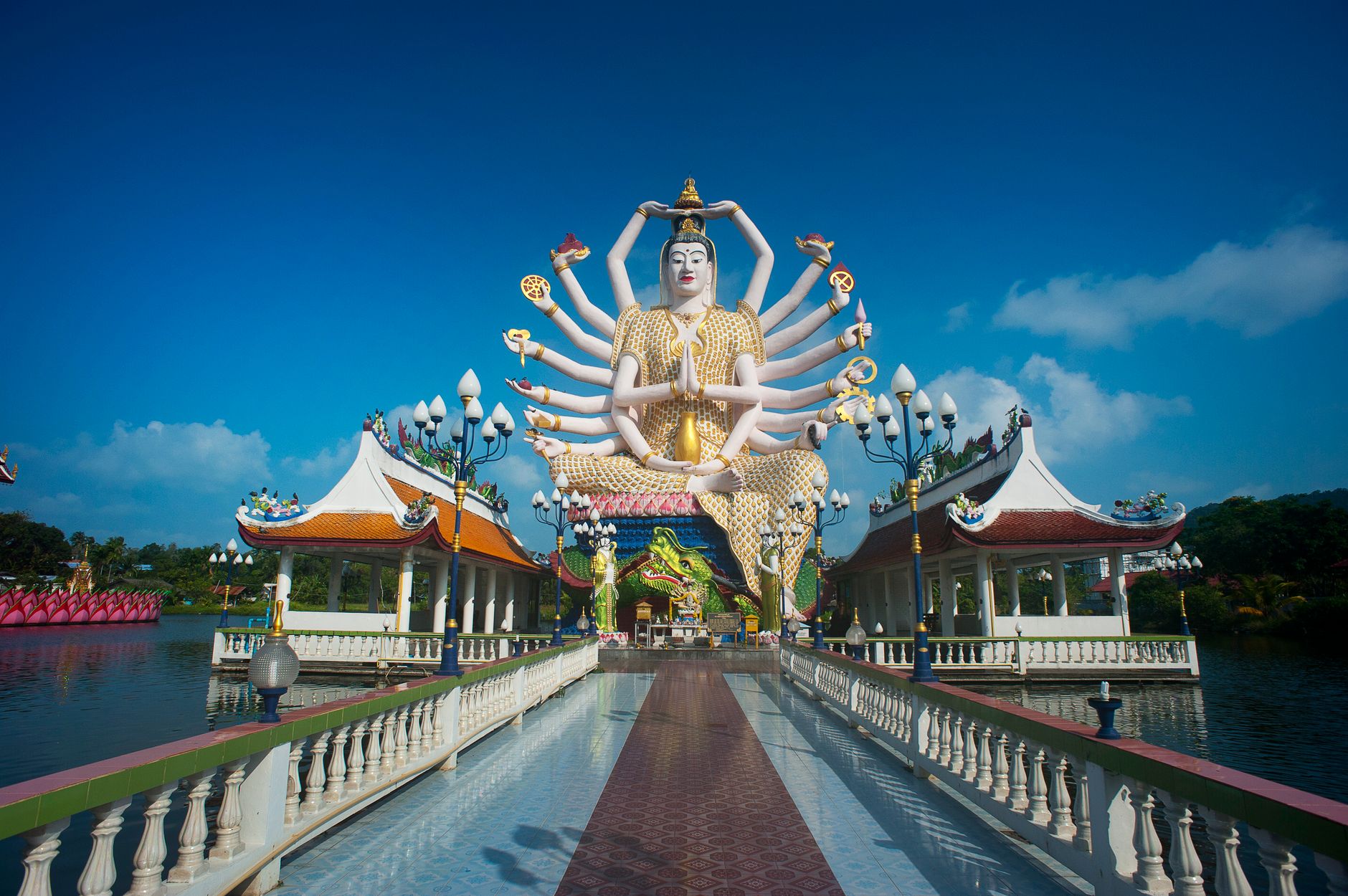
- Wat Plai Laem. Five minutes from the Big Buddha and more interesting: an 18-armed Guanyin statue and a fat laughing Buddha, both set on platforms in a lake full of catfish. Free entry, fish food sold for 10 baht.
- Mummified Monk (Wat Khunaram). The body of Luang Pho Daeng, who died in meditation in 1973 and asked to be displayed rather than cremated, sits in a glass case wearing sunglasses. It is on the ring road between Lamai and Na Muang, so it fits any southern loop.
Jeeps, Boats and Boards
Samui’s interior is steep jungle with dirt tracks that a rental scooter cannot handle, which is why the jungle jeep safari is the island’s most popular land tour. A full-day version covers the Secret Buddha Garden, a couple of viewpoints, Na Muang and a rubber plantation for 1,500 to 2,500 baht with lunch. Sunset versions run shorter and end at a viewpoint bar.
On the water, kitesurfing schools work from Nathon and Hua Thanon between December and March, when the wind is steady. Efoil lessons are sold at Chaweng and Bophut for about 4,000 baht an hour. A sunset catamaran cruise from Bangrak pier, with dinner on board, is the calmer option and costs 2,500 to 3,500 baht.
If you have one day and want to see it all, the island-loop minivan tours cover the Big Buddha, Wat Plai Laem, Hin Ta Hin Yai, Na Muang and a viewpoint in six or seven hours. A private driver for the same loop costs about 2,500 baht for the car and lets you skip the souvenir stops.
Photographers work the beaches at Choeng Mon and Silver Beach in the early morning; an hour-long session costs 3,000 to 5,000 baht and is a common thing for couples to book on a honeymoon here.
Where to Eat Cheaply
Food is the cheapest part of a Samui trip if you eat where the Thais eat. A plate of fried rice at a roadside place costs 50 to 70 baht, a bowl of noodle soup about the same, and a whole grilled fish at the market around 200. Beachfront restaurants charge three to five times that for the same dishes.
Night Markets
Each part of the island has its own night: Fisherman’s Village in Bophut on Friday, Lamai on Sunday, Maenam on Thursday, and Chaweng’s Laem Din market every evening. Fisherman’s Village is the biggest and the most touristy, with pad thai, grilled squid, banana roti and mango sticky rice sold from carts along the whole street from 5 pm to about 11. Laem Din in Chaweng is where the locals shop and eat, and it opens at 4 pm with a seafood section at the back where you pick the fish and they grill it. Budget 150 to 250 baht for a full dinner at any of them.
Local Cafes
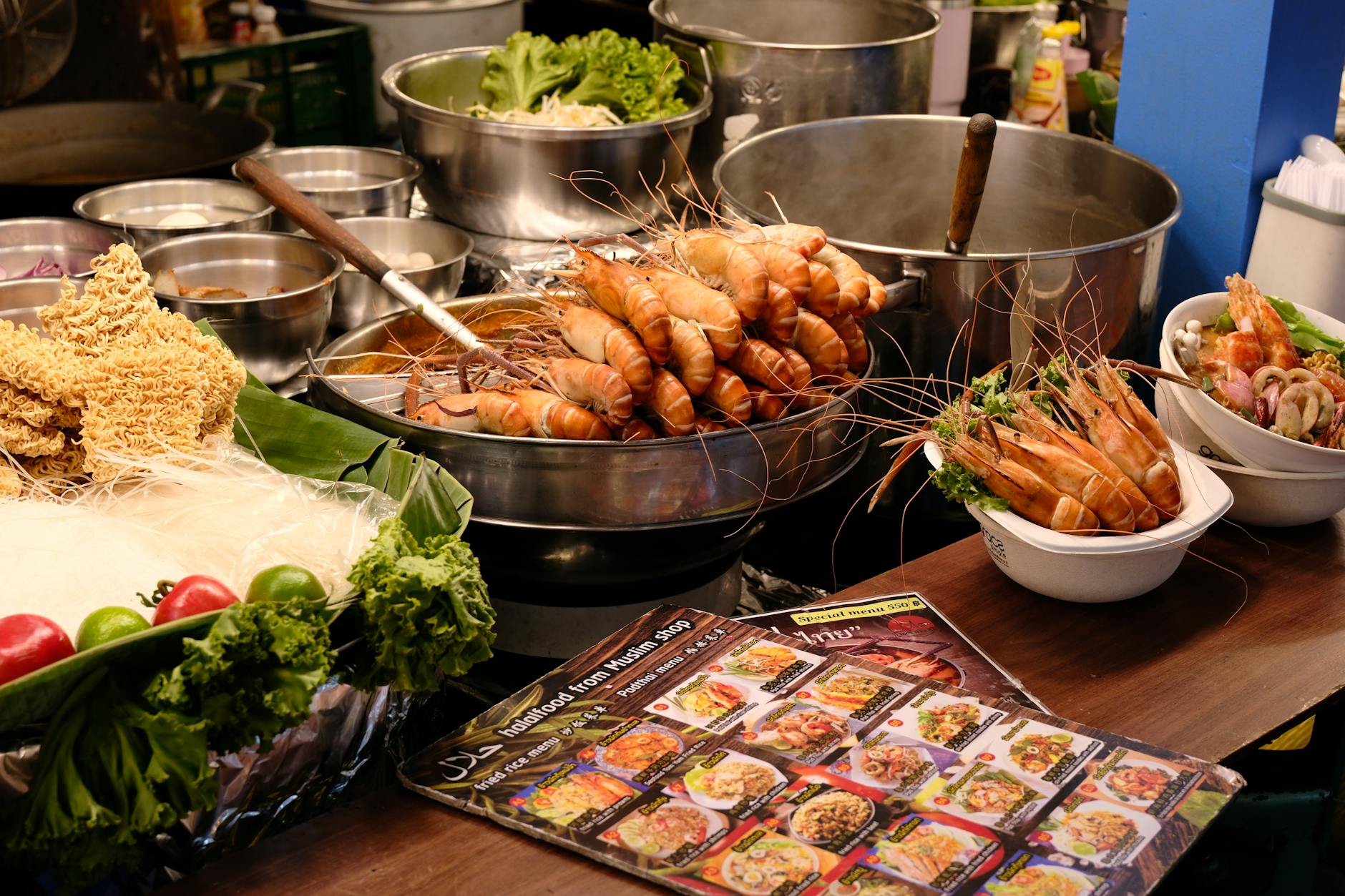
Hundreds of open-fronted family restaurants line the ring road and the side streets. Pick one with a few Thai customers and a laminated picture menu. My standing order is massaman curry, khao pad (fried rice) and som tum, the green papaya salad. Som tum arrives at Thai spice level unless you say “mai pet” (not spicy) or “pet nit noi” (a little spicy). Southern Thai cooking is hotter than what you get in Bangkok, so those two phrases matter more here than elsewhere in the country.
Seafood
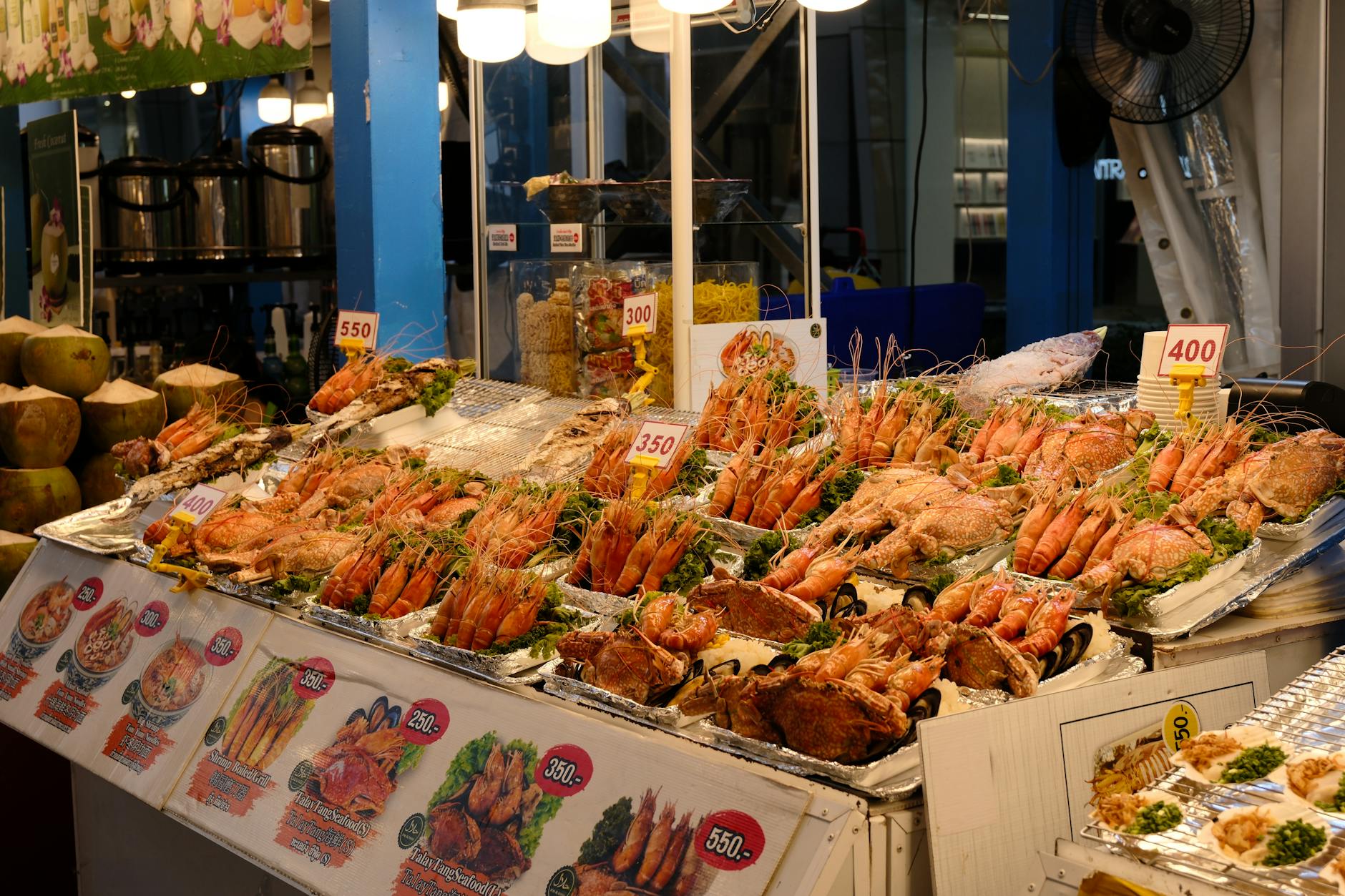
Restaurants in Chaweng, Lamai and Bophut display the day’s catch on ice out front: snapper, barracuda, tiger prawns, rock lobster. You choose, they weigh and grill. Prices are per 100 grams and are written on a small card next to the ice, so check before you point. Lobster runs 300 to 400 baht per 100 grams; a big prawn platter for two comes to about 800 baht. The fishing villages at Hua Thanon and Bang Po have the same fish at lower prices and no view.
Coffee and Breakfast
Samui has a proper cafe scene, mostly in Bophut, Maenam and along the Chaweng lake. A flat white costs 80 to 120 baht, a Western breakfast with eggs and toast 180 to 250. The cafes double as offices for the island’s long-stay crowd, so the wifi is usually good. Iced coffee and a fresh coconut on the beach is how most of my mornings here begin.
Getting Around the Island
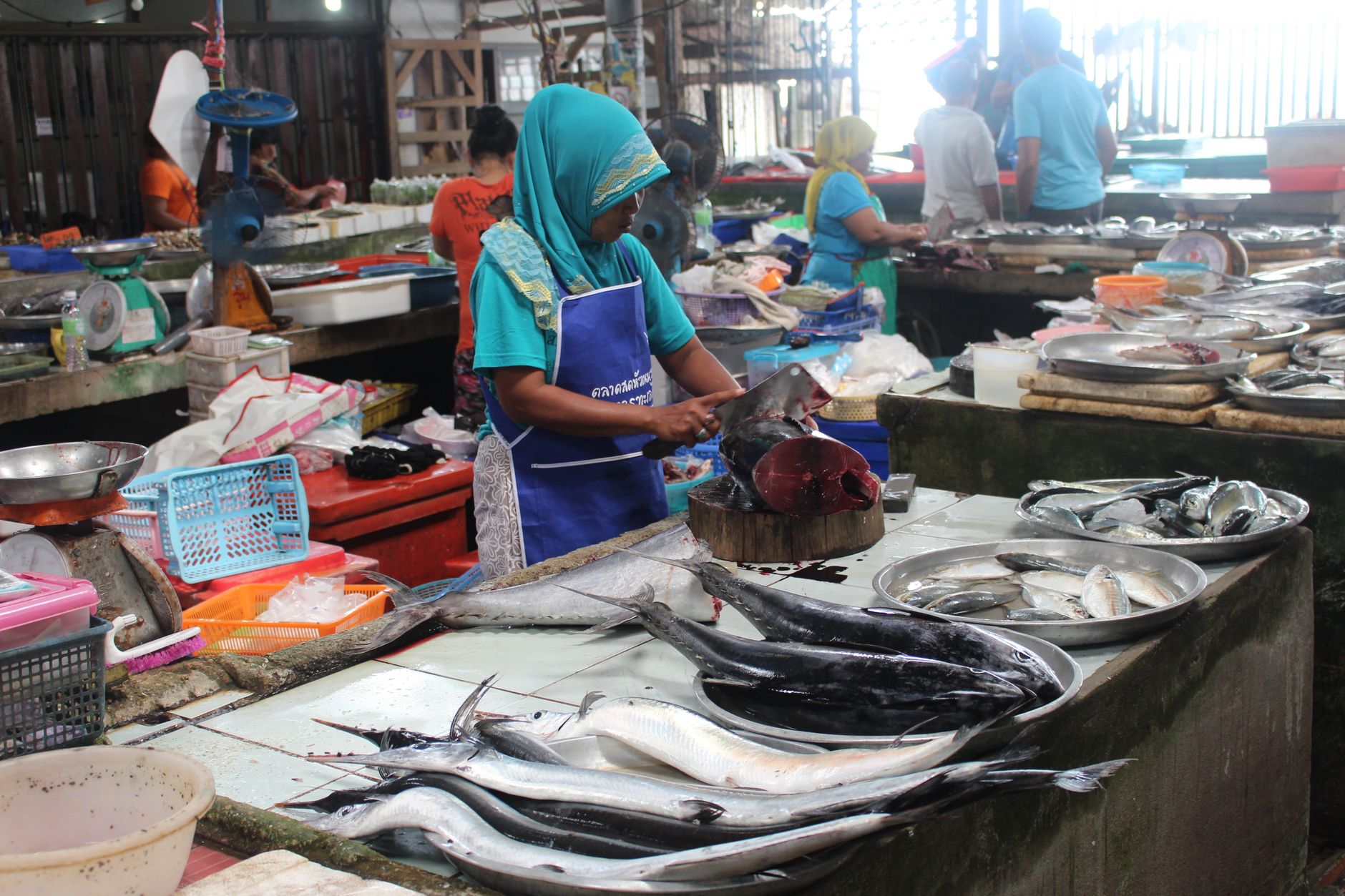
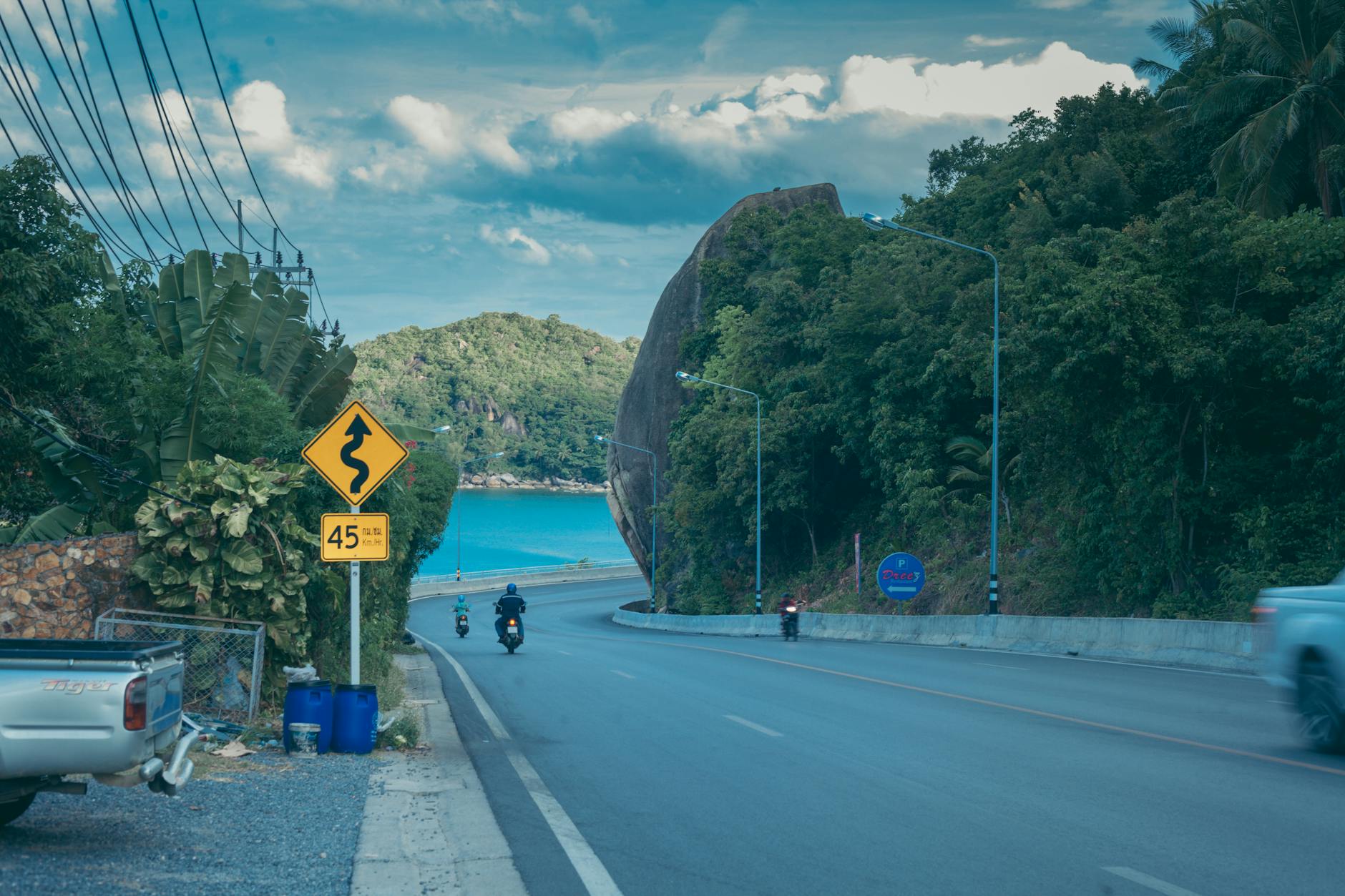
Samui is about 25 kilometres across, and the ring road (Route 4169) runs 51 kilometres around it. Nothing is walkable except the beach you are staying on, so you will need wheels or a plan for the local trucks.
Scooters
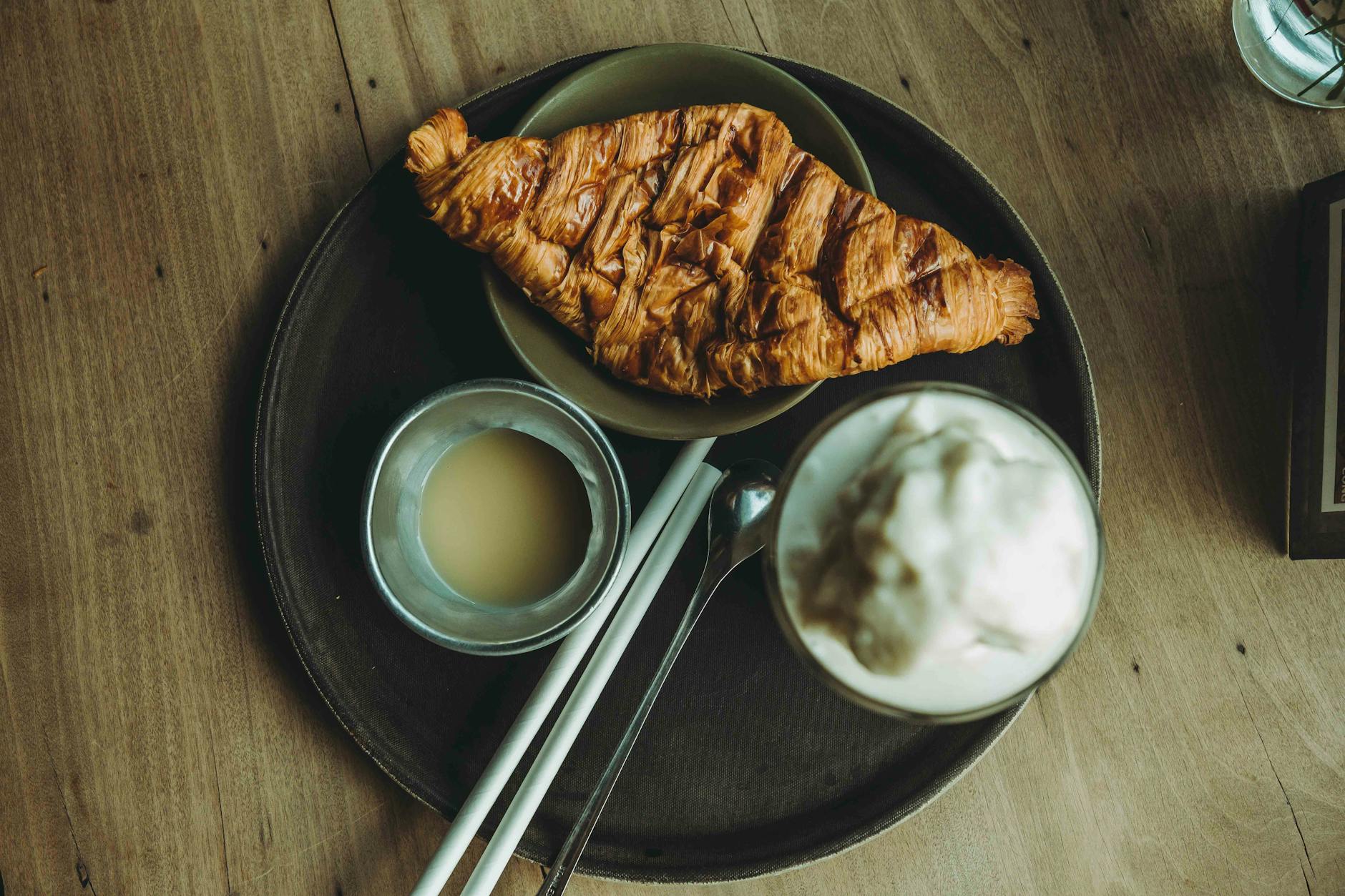
A 125cc automatic costs 150 to 300 baht a day, less by the week, and a tank of petrol is under 150 baht. Rental shops are on every street and most hotels arrange one. Three things to know before you sign:
- Safety. Samui has one of the highest road-accident rates in Thailand. The ring road is fast, the hill sections between Lamai and Chaweng are steep, and sand on the corners is common. Wear the helmet, and if you have never ridden a motorbike, do not learn here. I rent a car on this island more often than a scooter.
- Licence. Riding legally needs an international driving permit with the motorcycle (A) category. Police checkpoints on the ring road are routine, and the fine without a licence is 500 to 1,000 baht. Most rental shops keep your passport as a deposit; leave a copy and cash instead if they will accept it.
- Insurance. Travel insurance almost always excludes motorbike accidents when you lack the correct licence category. Read your policy before you rent, not after.
Cars
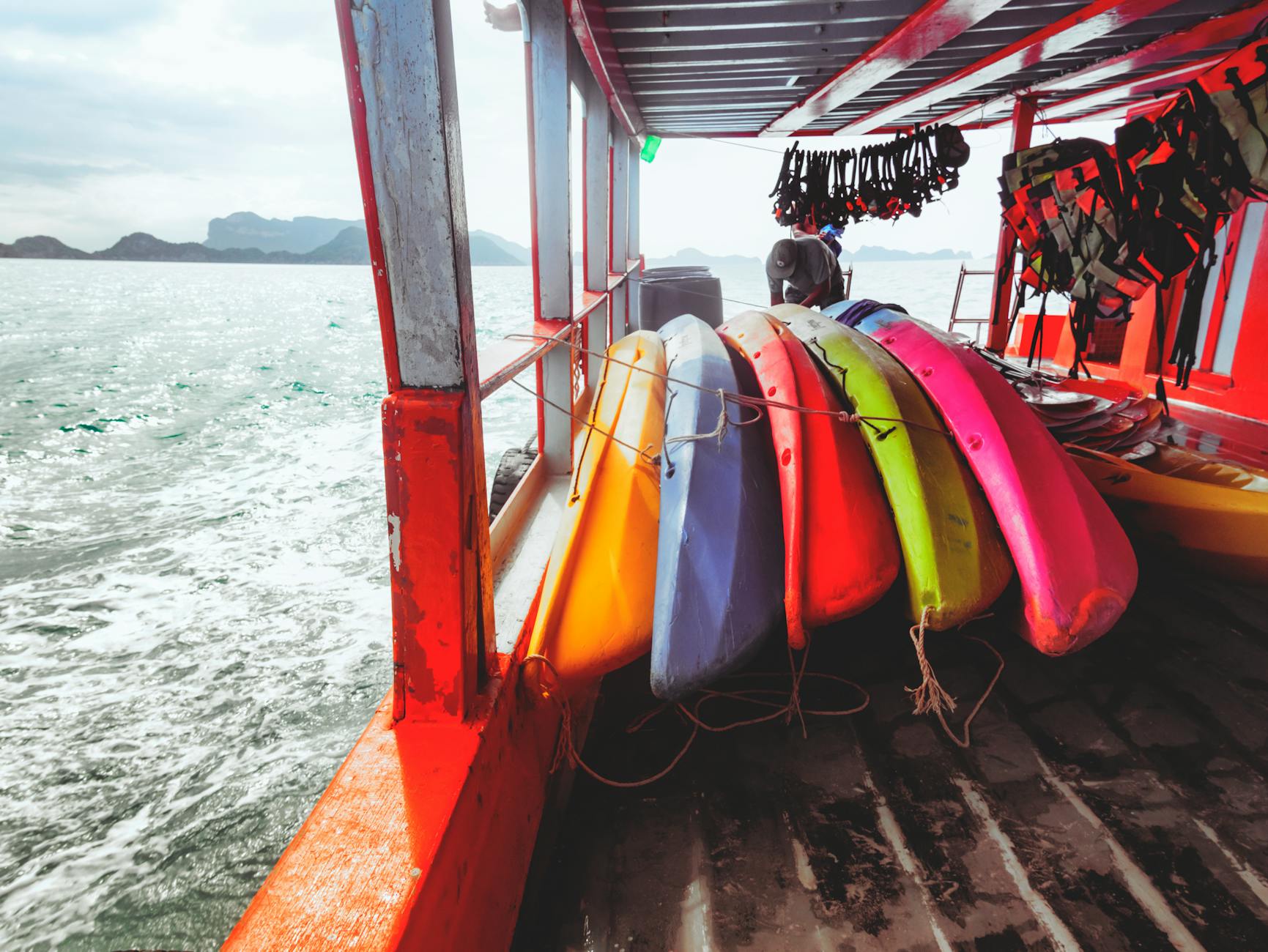
A small car starts at 800 to 1,000 baht a day from a local shop, or about the same from the international agencies at the airport if you book online in advance. Air conditioning matters in the rainy season, and a car lets you carry a family plus beach gear. The permit you need is the ordinary car (B) category. Parking is free almost everywhere, and the roads outside Chaweng are quiet enough that driving is easy.
Songthaews
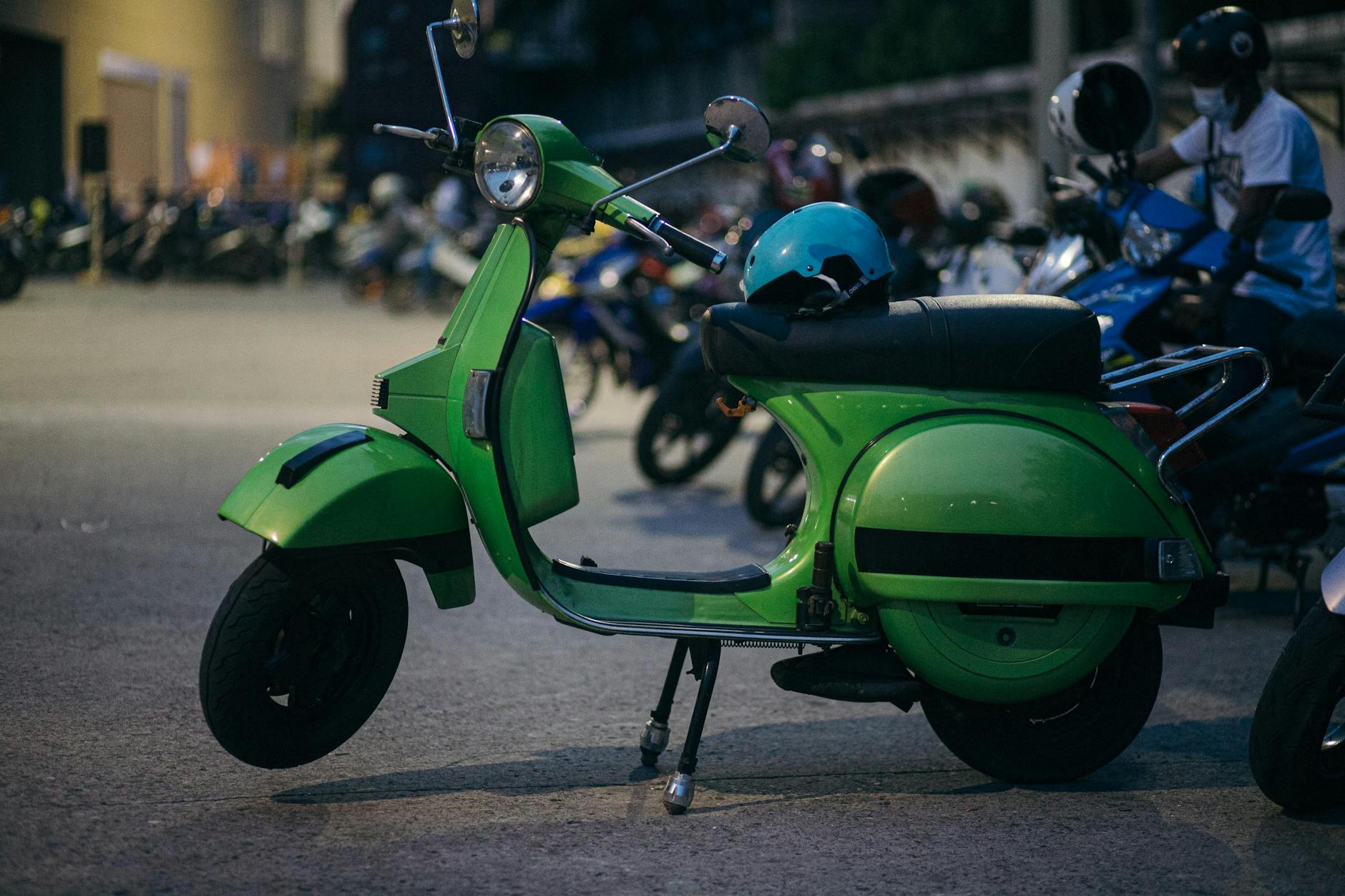
Songthaews are pickup trucks with two benches in the back. They run set routes along the ring road in daylight, and you flag one down, tell the driver where you are going, and press the buzzer to get off. A ride between neighbouring beaches costs 50 to 100 baht; agree the fare before you climb in, because after dark the same trucks turn into private taxis at 300 baht and up.
Taxis and Grab
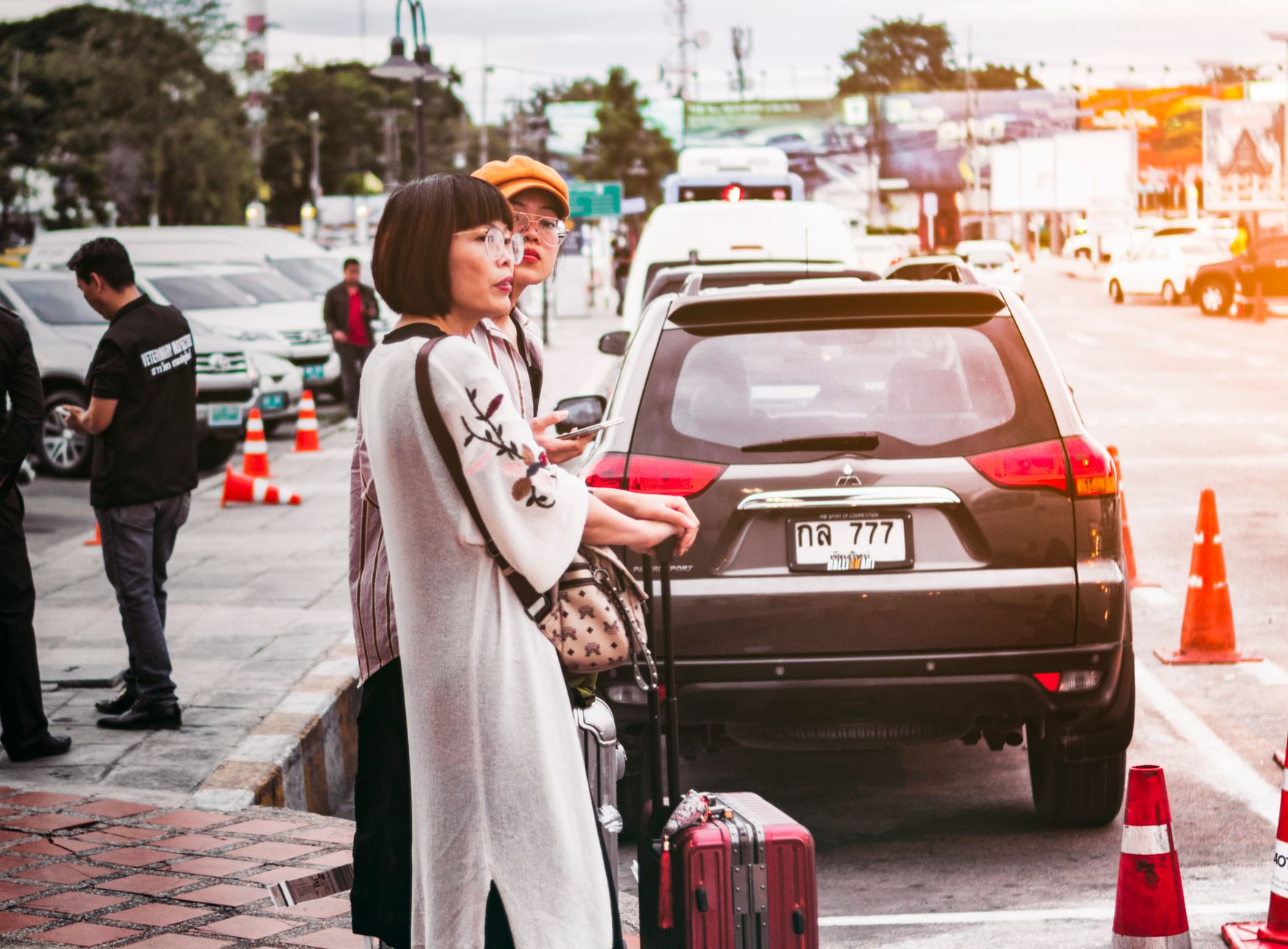
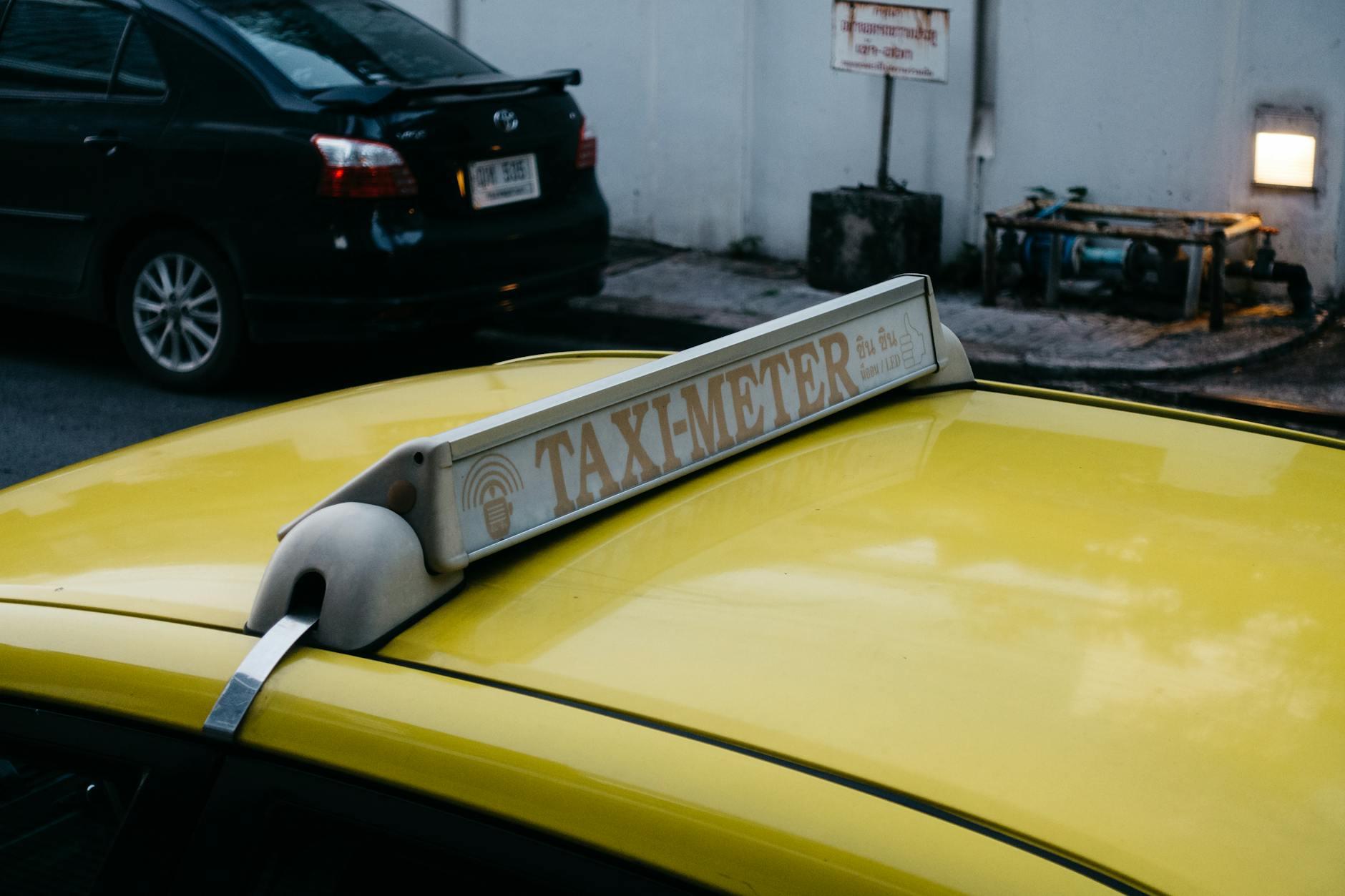
Meter taxis exist in name only; drivers quote a flat fare, and Chaweng to Bophut costs 300 to 400 baht. Grab and Bolt both work on the island with a small number of drivers, and the app fare is usually 20 to 30 percent below the street quote. The official taxi counter at the airport has fixed prices posted on the wall, and that is the one place where nobody will overcharge you.
Samui with Children
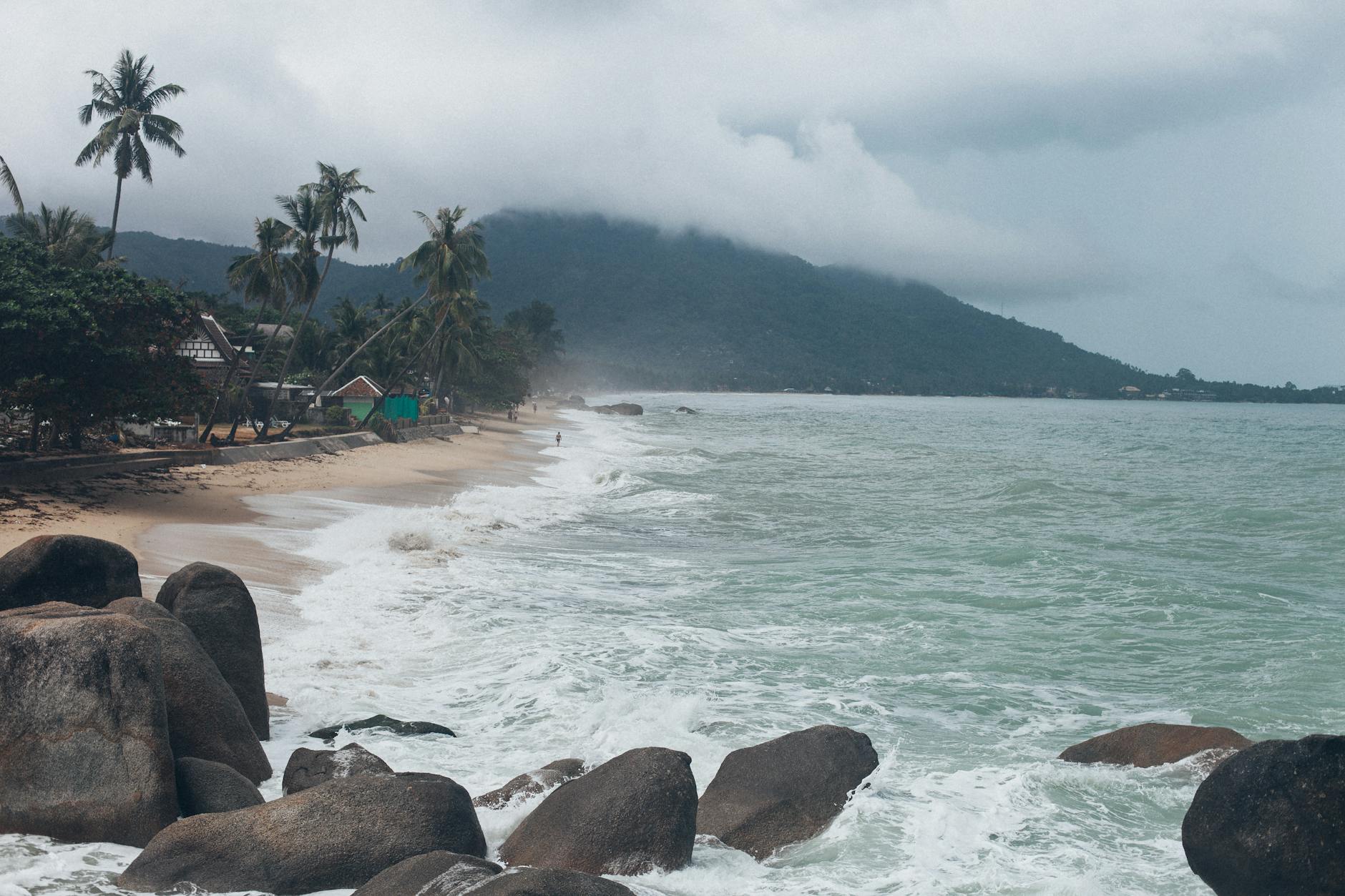
Samui is an easy island for families: short distances, shallow beaches on the east and north coasts, and enough non-beach activities to fill a rainy afternoon. Many resorts have kids’ clubs, and the international hospitals in Chaweng and Bophut are of a high standard, which matters more than the pool when you travel with small children.
Best Beaches for Families
Bophut, Maenam and Choeng Mon have the shallowest, calmest water; you can wade out 30 metres and still stand. Lamai’s northern half is also gentle, though the southern end near the rocks has a current in the shoulder months. Chaweng works too but the beach gets loud by evening. When booking, filter for a kids’ pool or a family room, which on Samui usually means a villa with two bedrooms rather than a connecting hotel room.
Activities Children Like
- Beach days. Sand, a bucket, a rented kayak for 200 baht an hour. Bophut and Choeng Mon are wide enough at low tide for football.
- Kayaking and paddleboards. Rentals on every calm beach; from about age eight kids can manage a board in the flat water at Choeng Mon.
- Elephant sanctuaries. Two or three sanctuaries in the interior let visitors feed and walk with rescued elephants without riding them. A half-day visit costs 2,000 to 3,000 baht per adult, less for children. Check that the programme has no riding, no shows and no chains before you book.
- Water parks. Pink Elephant Samui Water Park near Chaweng is small but well kept, with slides for toddlers and teenagers and shaded seating for the adults.
- Mini-golf and go-karts. Both are on the ring road between Chaweng and Bophut and cost 300 to 500 baht a session.
- Cooking classes. Half-day classes in Bophut and Lamai start with a market visit and end with everyone eating what they made. Most schools take children from about age six and price them at half the adult rate.
Practical Points for Families
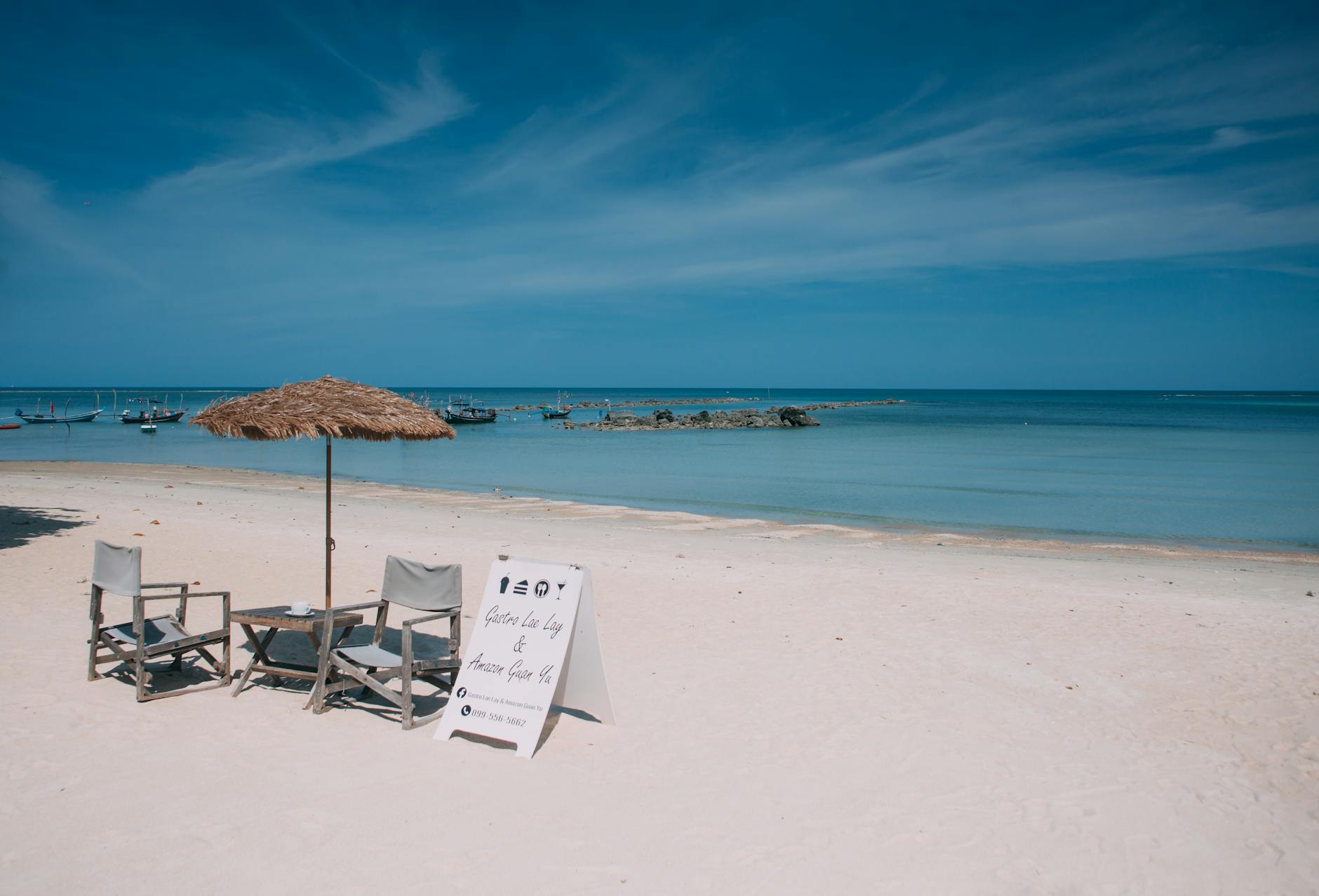
- Sun. The UV index sits at 11 or 12 most of the year. SPF 50, rash vests for swimming, and a break indoors between noon and 3 pm.
- Food. Order “mai pet” for the children; every kitchen knows the phrase. Fried rice, chicken satay, mango sticky rice and fresh fruit cover most picky eaters, and every tourist restaurant has pasta and pizza as a fallback.
- First-aid kit. Fever medicine, antiseptic, plasters and bite cream. Pharmacies are everywhere and cheap, and Bangkok Hospital Samui in Chaweng handles anything serious.
- Insurance. A private hospital visit here bills in the thousands of baht for a consultation and far more for a night in a ward. Make sure the whole family is covered.
What a Trip Costs
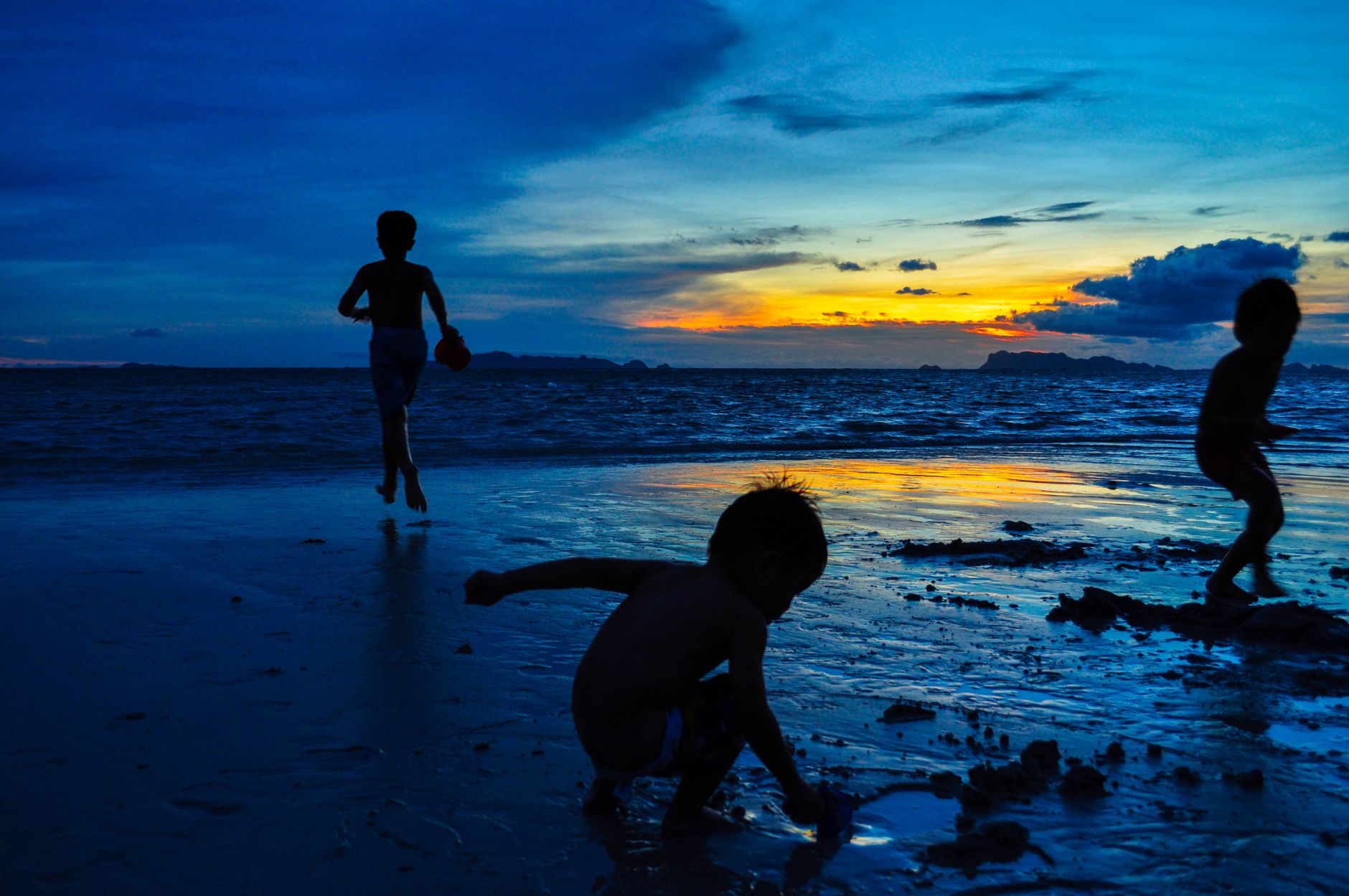
Samui has a reputation as one of Thailand’s pricier islands, and for flights and resort rooms that is fair. Food and transport cost the same as on the mainland. The figures below are per person per day at roughly 35 baht to the dollar.
- Flights. A return from Europe to Samui runs $500 to over $1,000 depending on season and how early you book. Flying to Surat Thani and taking the ferry saves $100 to $200 per person.
- Accommodation.
- Budget guesthouses and bungalows: $20 to $40
- Mid-range 3 to 4 star hotels: $50 to $150 (Mercure Samui Chaweng Tana or Bluemango Pool Villa are typical of this bracket)
- Luxury resorts and private-pool villas: $200 and up (The Culture Samui, the Ritz-Carlton, the Four Seasons)
- Food.
- Street food and local cafes, three meals: $10 to $20
- Mid-range restaurants: $30 to $50
- Beachfront fine dining: $70 and up
- Transport.
- Scooter: $5 to $8
- Car: $25 to $35
- Songthaews and the odd taxi: $5 to $15
- Tours.
- Temples, waterfalls, Secret Buddha Garden: $0 to $10 in entry fees
- Full-day boat trip to Ang Thong or Koh Tao: $60 to $90 including park fees
- Jeep safari: $40 to $70
A backpacker gets by on $50 to $70 a day without flights. A comfortable mid-range trip with a scooter, a boat trip every few days and dinners out is $100 to $150. Villas with a pool and a driver push it past $200. Cash still matters: the market stalls and songthaews do not take cards, and ATMs charge a 220-baht fee per withdrawal, so take out larger sums less often.
Package holidays bundle flights and a resort, and in the low season they sometimes come in cheaper than booking separately. Compare the package against the flight plus a room you choose yourself; the packages tend to use the big Chaweng resorts, which are not always where you would want to stay.
Koh Samui or Phuket
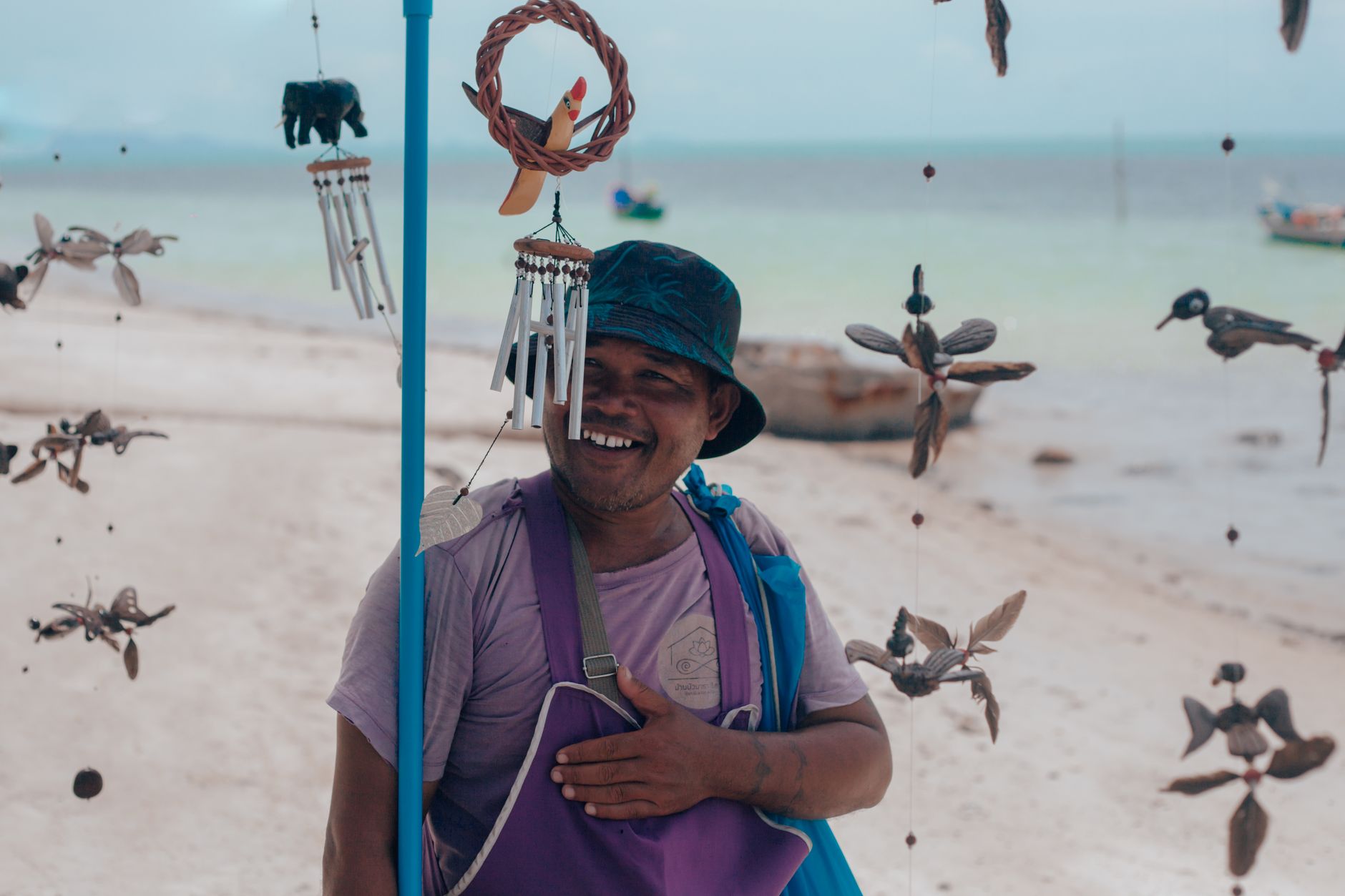
Both are big resort islands with an airport, and both are good. They differ in scale, in season and in what a typical evening looks like.
- Scale.
- Koh Samui: 230 square kilometres, one ring road, a few towns. You can learn the island in a week, and it is easy to find an empty beach.
- Phuket: more than twice the size, with a real city, several shopping malls, a highway and a nightlife district in Patong that runs all night. It feels like a province, not an island.
- Season.
- Koh Samui: best from January to April, still good through August, wet in October and November.
- Phuket: best from November to April, rough seas and red flags from May to October. If your dates fall in July, Samui is the safer bet.
- Day trips.
- Koh Samui: Ang Thong Marine Park, Koh Tao and Nang Yuan for diving, Koh Phangan for the Full Moon Party half an hour away by ferry.
- Phuket: Phang Nga Bay with its limestone karsts and James Bond Island, the Phi Phi islands, Similan for diving in season.
- Beaches.
- Koh Samui: more variety, from the long strip at Chaweng to coves like Silver Beach and Choeng Mon, and the east coast water is flat most of the year.
- Phuket: long, wide west-coast beaches that are among the best in the country, though Patong and Kata get packed, and the surf in the monsoon months is dangerous.
- Cost.
- Koh Samui: flights cost more because of the private airport, and mid-range hotels run 10 to 20 percent higher.
- Phuket: a big international airport with direct flights from Europe, the Gulf and Australia, so tickets are cheaper, and the volume of hotels keeps rooms competitive.
- Who it suits.
- Koh Samui: couples, families with young children, yoga and wellness trips, anyone who wants a quiet week with a boat trip or two.
- Phuket: groups, nightlife, shopping, families with teenagers who need something to do every day.
My own answer: Samui for a slow week, Phuket for a loud one. If you cannot decide, Samui in the summer and Phuket in the winter follows the weather, and each is a short domestic flight from Bangkok.
Souvenirs Worth the Suitcase Space
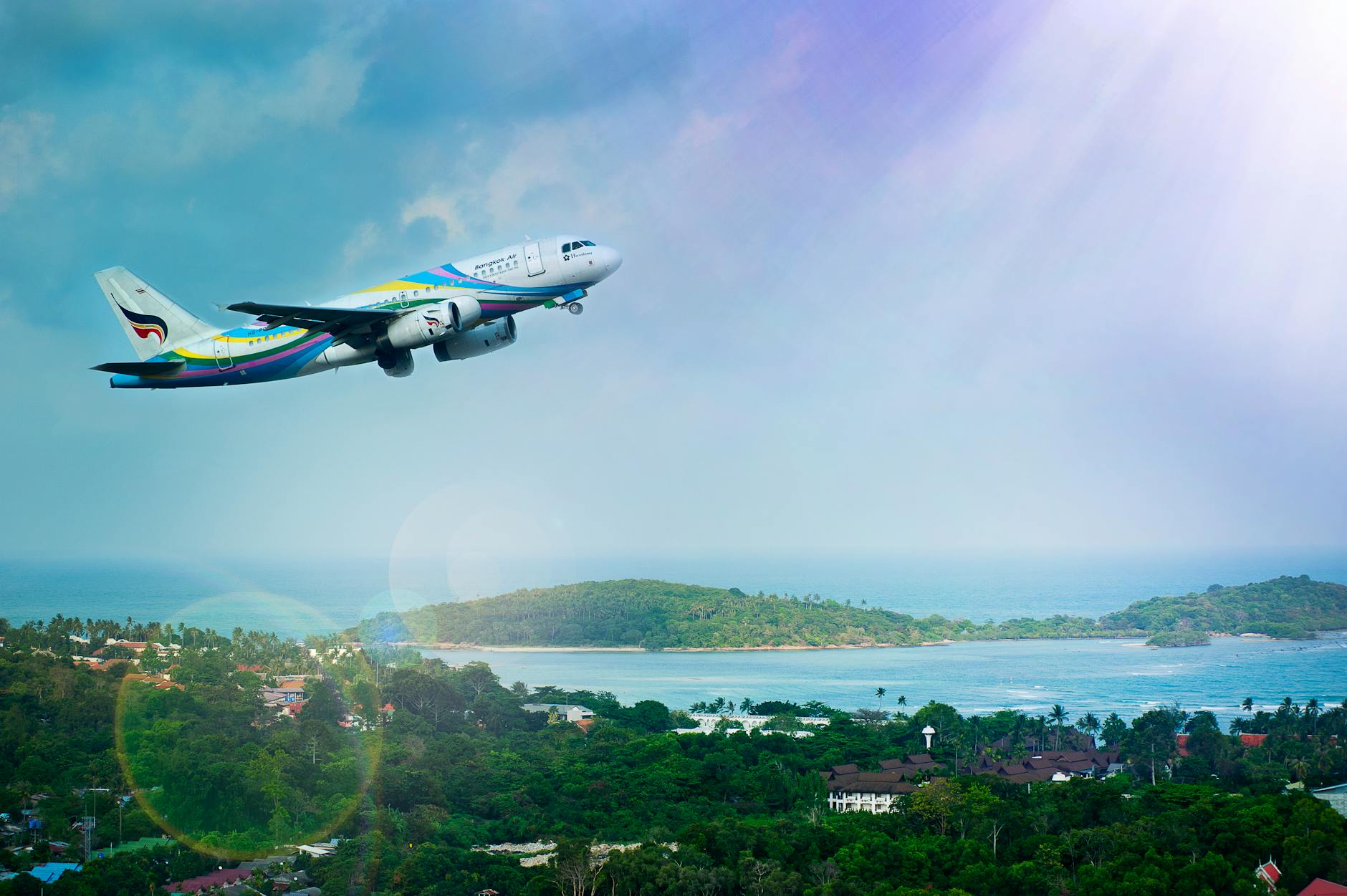
Beyond the elephant-print trousers, a few things from Samui are worth carrying home.
- Coconut products. Samui was a coconut plantation before it was a resort, and it still exports them. Cold-pressed coconut oil, soap, coconut sugar and dried chips are sold at every market. A 250 ml bottle of good oil costs 150 to 250 baht.
- Handicrafts. Carved teak elephants, Thai silk scarves and shell jewellery fill the night markets. Prices are negotiable; a third off the first quote is normal.
- Balms and herbal products. Tiger Balm, the yellow Siang Pure inhaler, and aloe gel for sunburn all cost a fraction of the price at home, and every 7-Eleven stocks them.
- Fruit. With a direct flight, a box of mangoes or mangosteens travels fine in hand luggage. Durian does not; airlines and most hotels ban it.
- Curry pastes and tea. Vacuum-packed massaman and green curry paste from the supermarket weigh nothing and cost 30 to 50 baht a packet. Thai jasmine tea and butterfly-pea tea are the other light options.
- Clothing. Cotton dresses, shorts and sarongs at 100 to 300 baht at any market. Quality is what you would expect at that price.
For crafts and clothes, the Friday market in Fisherman’s Village has the widest choice. For coconut oil and curry paste, the Big C and Lotus’s supermarkets on the ring road have fixed prices and a bigger range than the stalls.
A One-Week Plan
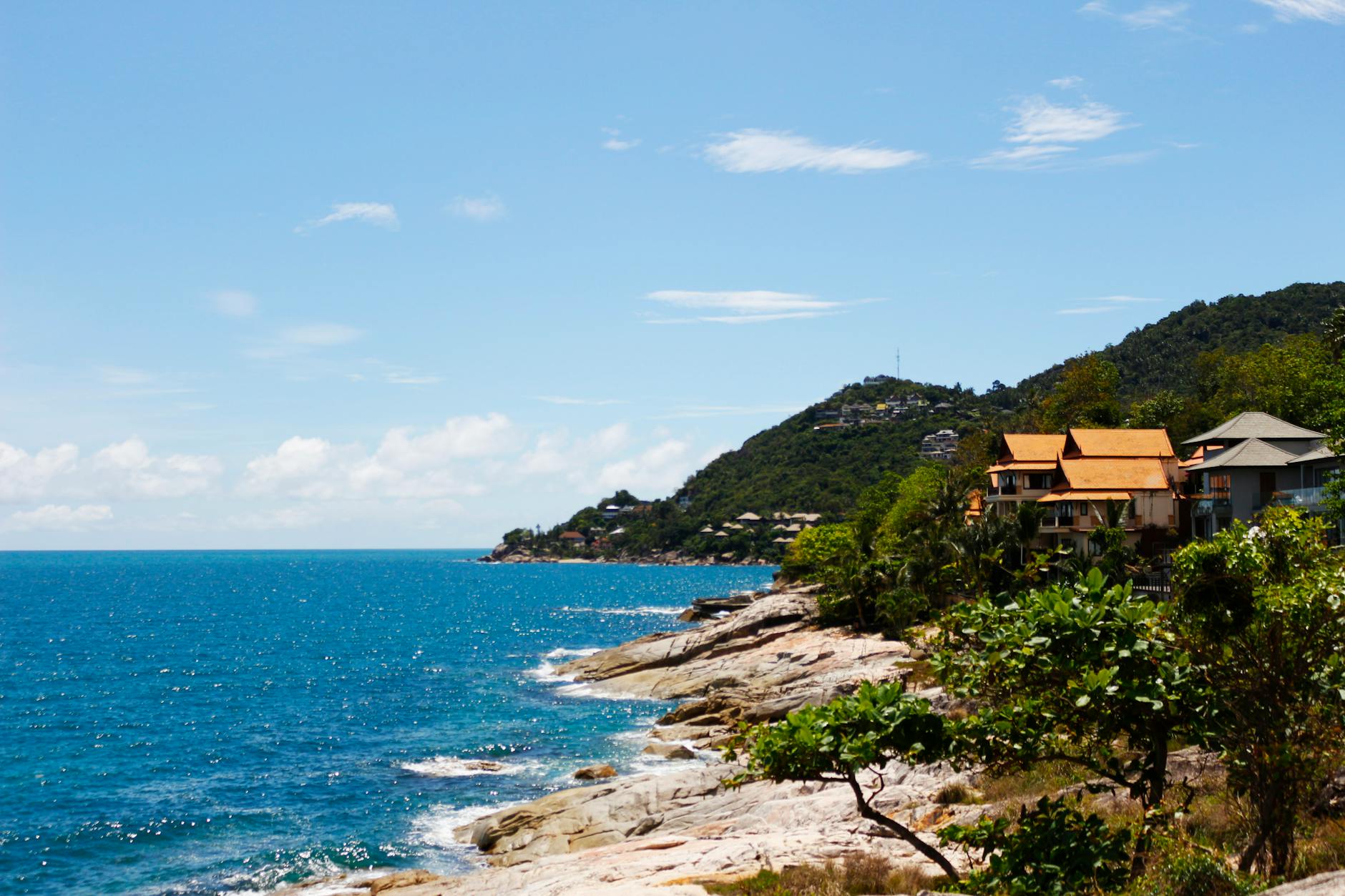
If it helps, here is how a first week on Samui tends to fall into place. Day one: arrive, settle in, walk the beach, dinner at the nearest night market. Day two: rent a car or scooter and do the southern loop, Hin Ta Hin Yai, the mummified monk, Na Muang, back through Lamai. Day three: Ang Thong by boat, booked the day before. Day four: rest, cafe, massage, maybe a cooking class in the afternoon. Day five: Koh Tao and Nang Yuan for snorkelling. Day six: Big Buddha and Wat Plai Laem early, then Choeng Mon beach, then the Friday market in Fisherman’s Village if the dates line up. Day seven: nothing planned, which is the day people remember.
Leave the boat trips flexible, keep 3,000 baht in cash on you, and check the ferry timetable before booking a flight out of Surat Thani. The rest of Samui works itself out.


