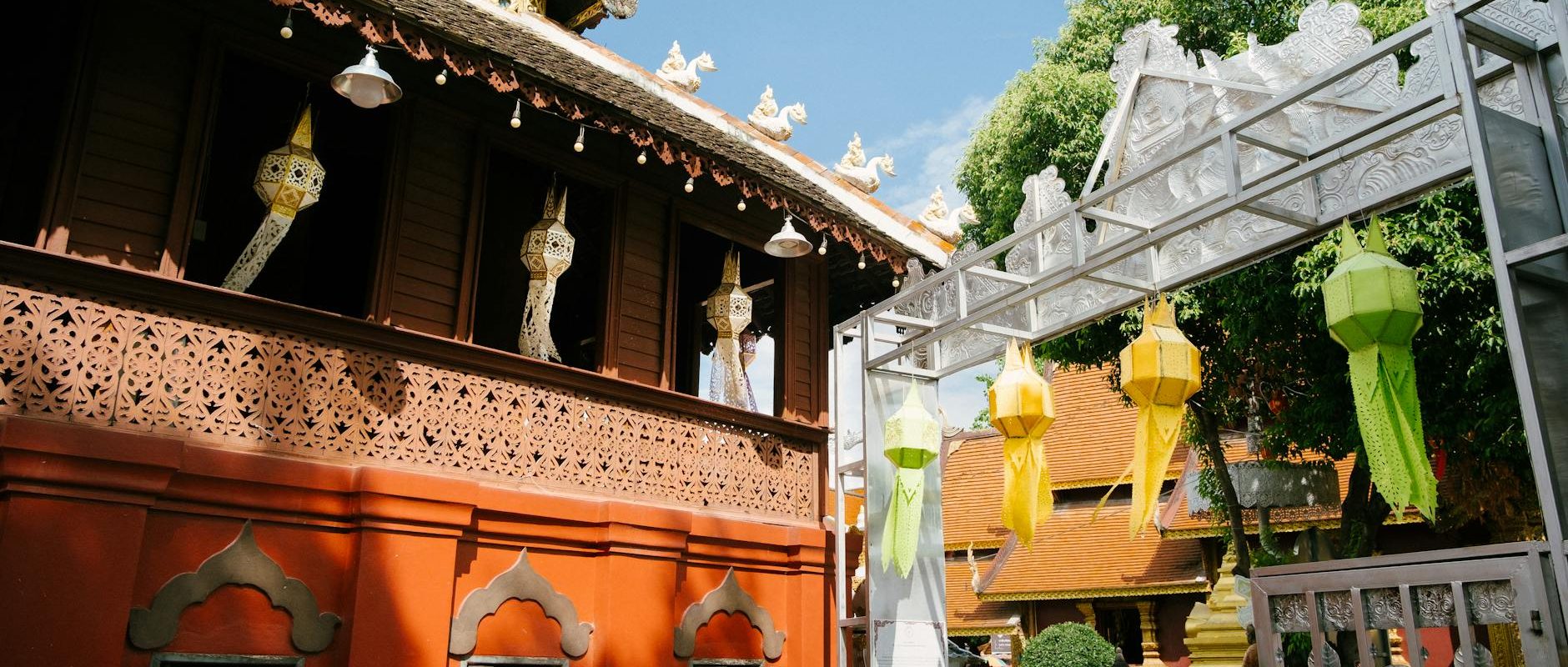
Chiang Mai has more than 300 temples inside and around a city of 130,000 people, and most of them still function as monasteries rather than museums. Monks sweep the courtyards at dawn, alms rounds pass through the old city before 7 am, and several of the larger temples run meditation programs open to foreigners for a donation. This guide covers the temples worth a visit, how the meditation courses work and what they cost, and the practical side: transport, seasons, where to sleep. I have spent several months in the city over the years, usually on a rented scooter, and the notes below come from that routine rather than a single tour.
Temples of the Old Lanna Capital
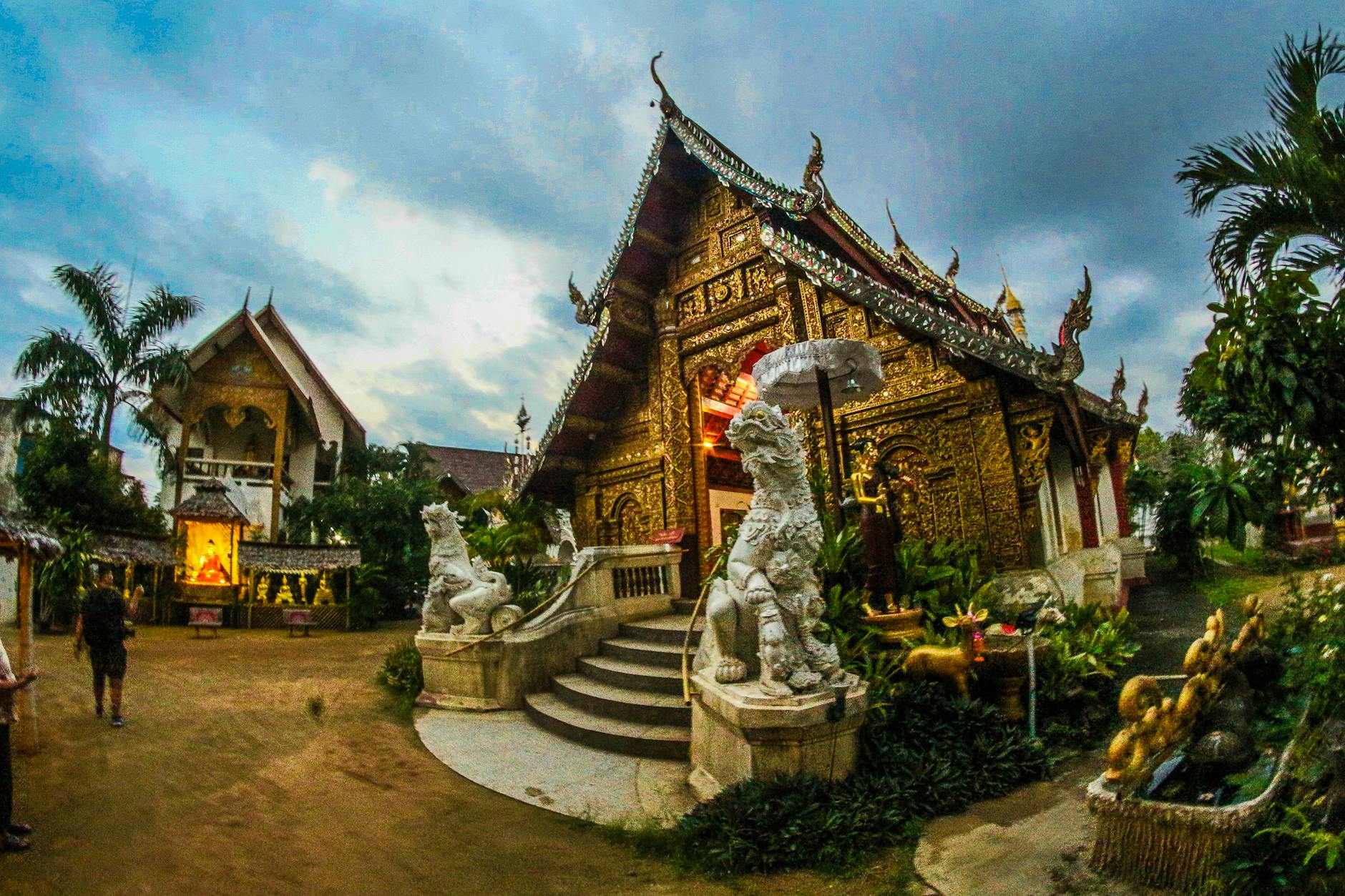
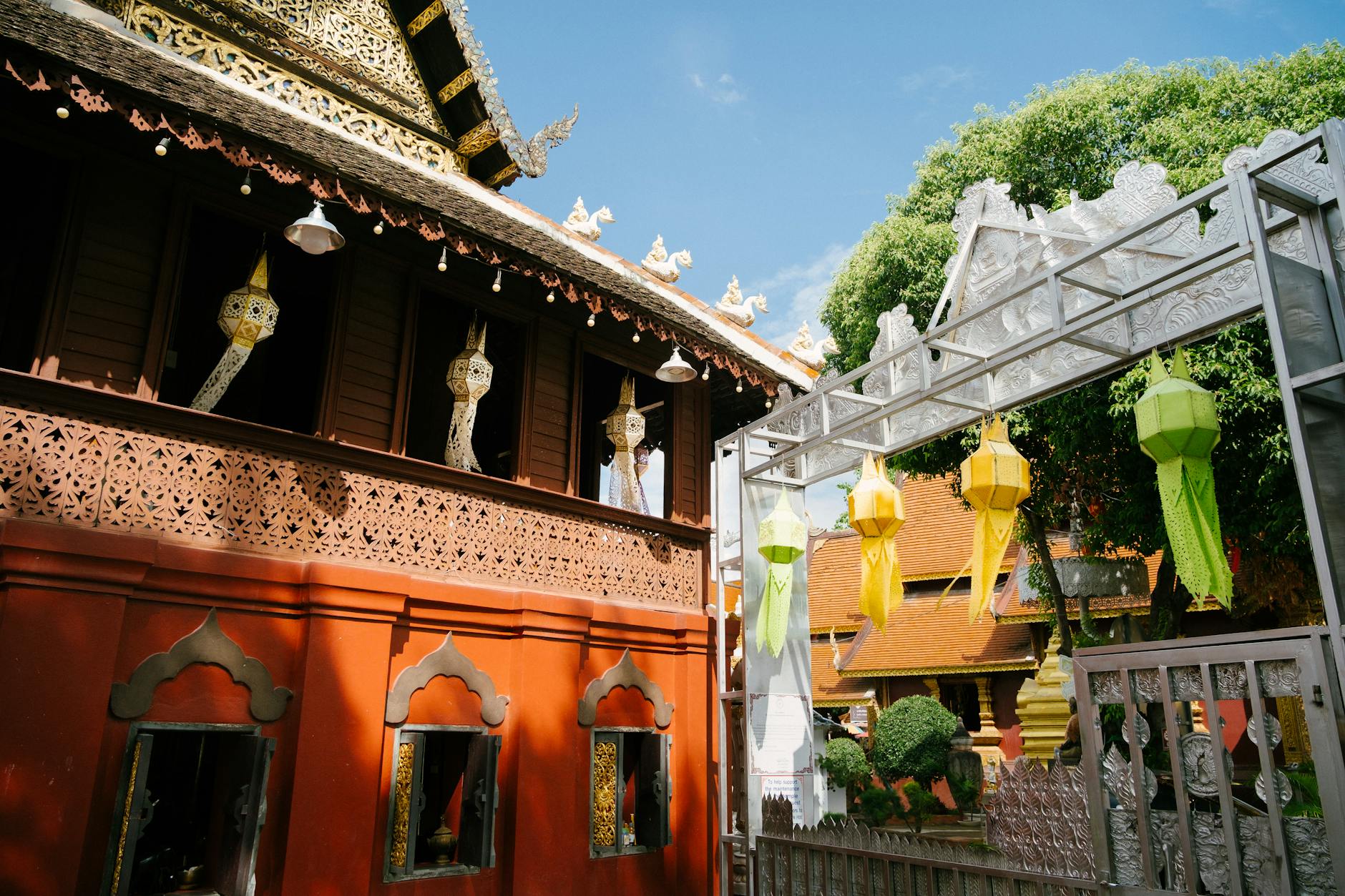
Chiang Mai was founded in 1296 as the capital of the Lanna kingdom, and its temple architecture differs from Bangkok’s. Roofs are lower and swoop closer to the ground, gables carry carved wooden peacocks and nagas, and many chedis are plain brick rather than gilded. Inside the square moat of the old city there are more than 30 temples within a 15-minute walk of each other. Outside it, two of the most important sit on the slopes of Doi Suthep, the mountain that closes the city off to the west.
Entry fees are low. Wat Chedi Luang charges 50 baht for foreigners, Wat Doi Suthep 30 baht, and most smaller temples ask only for a donation. All of them open by 6 am and close between 5 and 6 pm.
Wat Doi Suthep on the Mountain
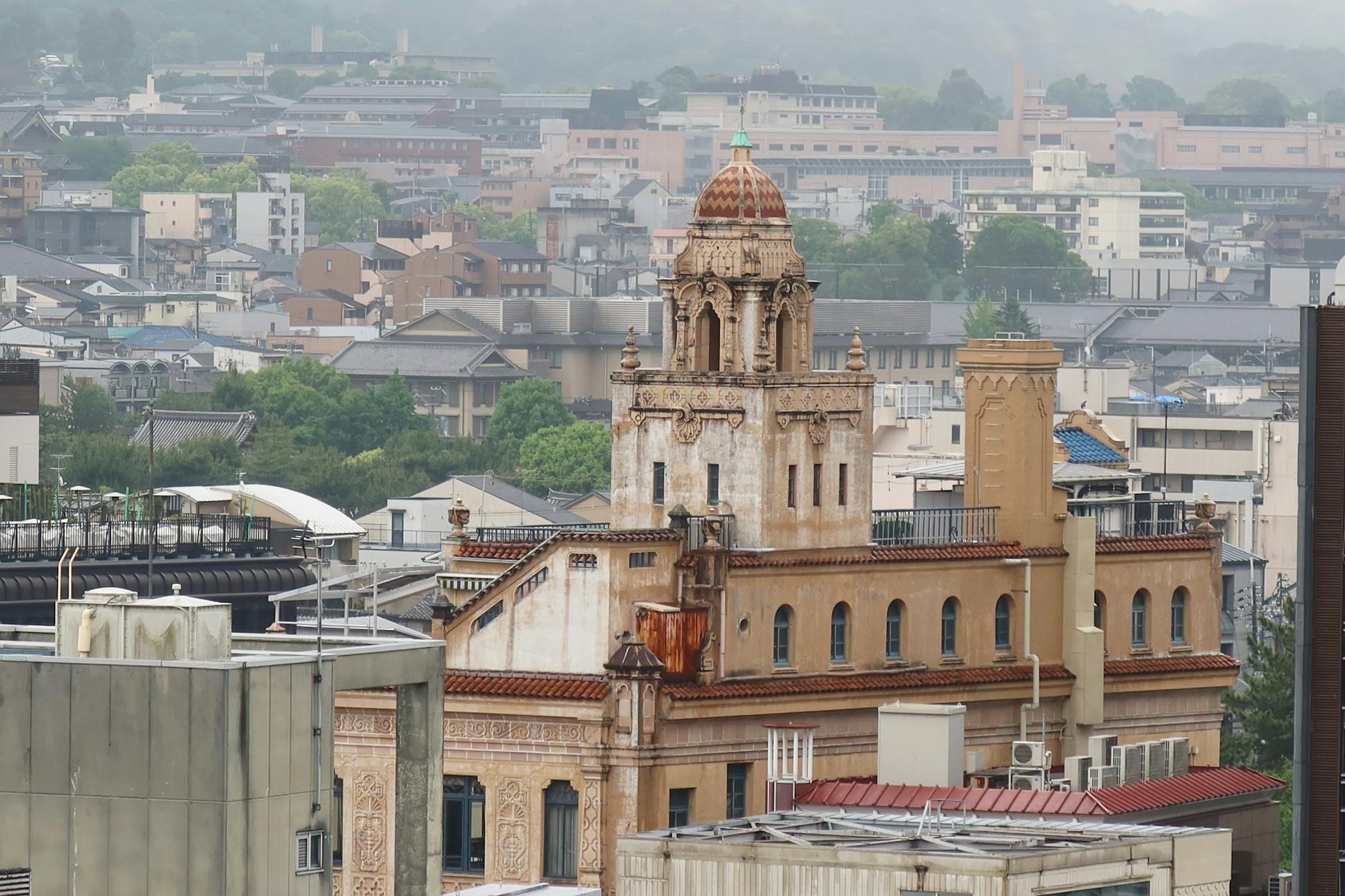
Wat Phra That Doi Suthep stands at about 1,050 m, 15 km from the old city by a winding road. Founded in 1383, it holds a relic of the Buddha in a gilded chedi 24 m high. Two ways lead up from the car park: the Naga staircase with 306 steps, lined by two serpent balustrades with mosaic scales, or a funicular for 20 baht. The steps take ten minutes and are worth it. At the top, walk clockwise around the chedi with the pilgrims, then go to the terrace on the east side, where the whole valley and the airport runway are laid out below. On clear mornings in December the view reaches the hills beyond Lamphun.
Timing matters more here than anywhere else in Chiang Mai. Tour buses arrive from 9 am, and by 11 the terrace is packed. Before 8 am the temple belongs to monks and a few locals making merit, and the light on the gold is at its best. Red songthaews leave from the front gate of Chiang Mai University on Huay Kaew Road when they fill up, 40 baht each way per person, or about 500 baht for a private trip with waiting time. A scooter handles the road fine, but the last 5 km are steep hairpins. Most guided temple tours in Chiang Mai start here at sunrise and continue to the old city, which is the right order.
Wat Chedi Luang and Wat Phra Singh in the Old City
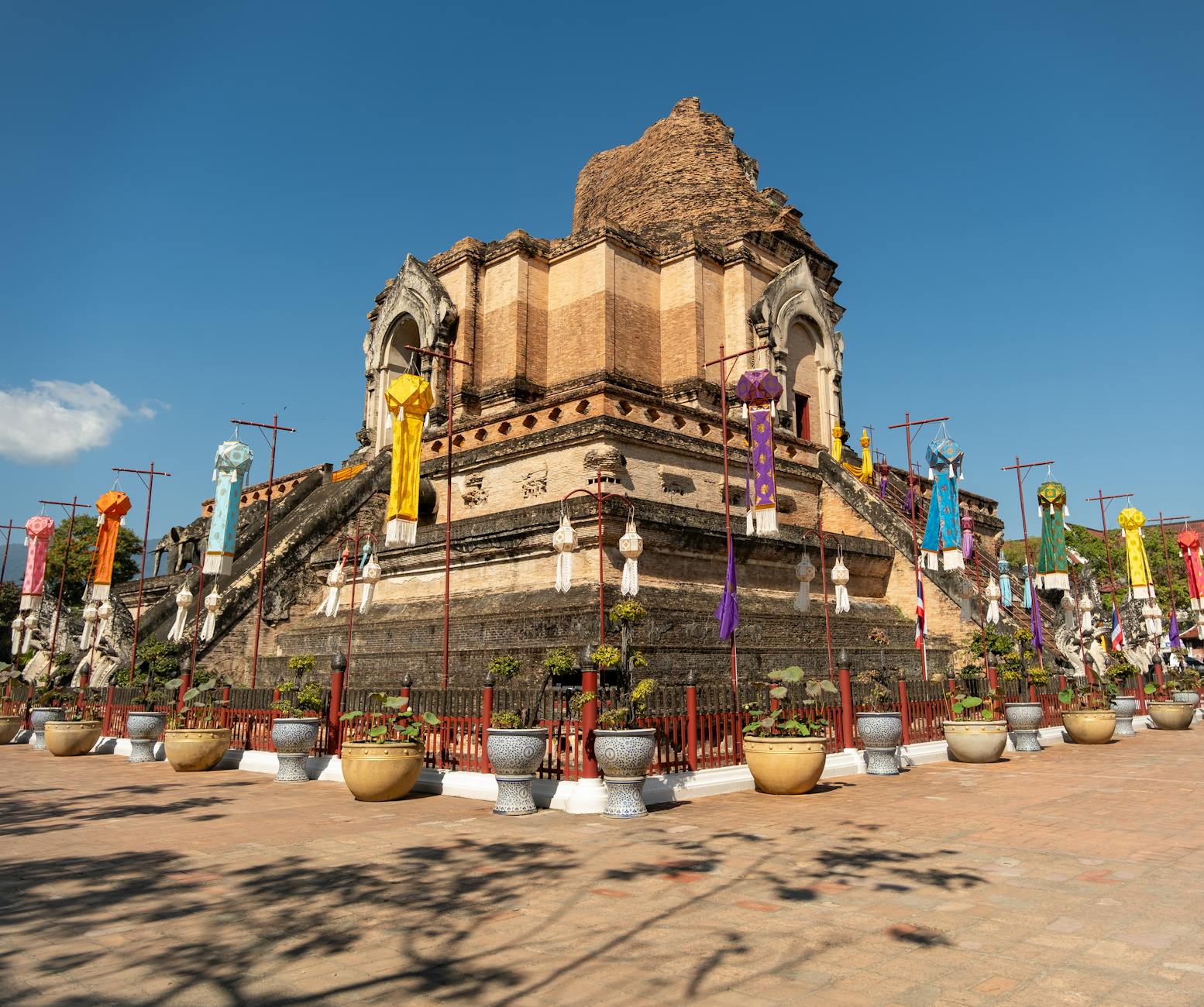
Wat Chedi Luang sits at the exact center of the old city on Phra Pokklao Road. Its brick chedi was finished around 1475 and stood 82 m tall, the highest structure in Lanna, until an earthquake in 1545 brought down the top third. What remains is still 60 m of brick with elephant sculptures on the terraces and a jade replica of the Emerald Buddha in the eastern niche, where the original was kept from 1468 to 1551 before it moved to Bangkok. The grounds also hold the city pillar shrine, closed to women by tradition, and a large teak viharn with a standing Buddha. Monks run a monk chat table under the trees every day from 9 am to 6 pm, and this is the easiest place in the city to ask questions about ordination, daily routine or Buddhist ideas.
Wat Phra Singh, 600 m west along Ratchadamnoen Road, is the busiest working temple in the old city and the finest example of Lanna style. Built in 1345, it houses the Phra Singh Buddha, a bronze image that is carried through the streets during Songkran in April. The small Lai Kham chapel behind the main hall has 19th-century murals showing Lanna court life, with tattooed men and women in local dress, and the raised Ho Trai library next to it is decorated with stucco deities. The two temples are 10 minutes apart on foot with coffee shops in between. A History and Flavors walking tour of Chiang Mai covers both plus the market lanes north of them in about three hours, ending with lunch.
Wat Umong and Wat Suan Dok for Quiet
Wat Umong lies in a patch of forest behind Chiang Mai University, off Suthep Road. King Mangrai founded it in 1297, and its unusual feature is a set of brick tunnels dug into an artificial mound, with Buddha images in niches at the ends. Legend says they were built for a monk who wandered off into the forest during meditation, so the abbot painted forest scenes on the tunnel walls to keep him at home. Above the tunnels stands a bell-shaped chedi, and below them a pond with catfish and turtles that visitors feed for 10 baht a bag. Signs nailed to the trees carry short teachings in Thai and English. Entry is by donation. Weekday mornings are almost silent apart from birds, and the temple runs monk chats and short meditation sessions on weekends.
Wat Suan Dok, on Suthep Road 1 km west of the moat, is where the Lanna royal family’s ashes rest in a garden of whitewashed chedis. The main hall is an open-sided pavilion with a 500-year-old bronze Buddha, and the temple belongs to Mahachulalongkorn Buddhist University, so many of the monks are students who speak English. Its monk chat program runs Monday, Wednesday and Friday from 5 to 7 pm and needs no booking. Sunset is the time to come. The white chedis turn orange against the mountain, and the courtyard is empty after the day visitors leave.
Meditation Courses in Chiang Mai
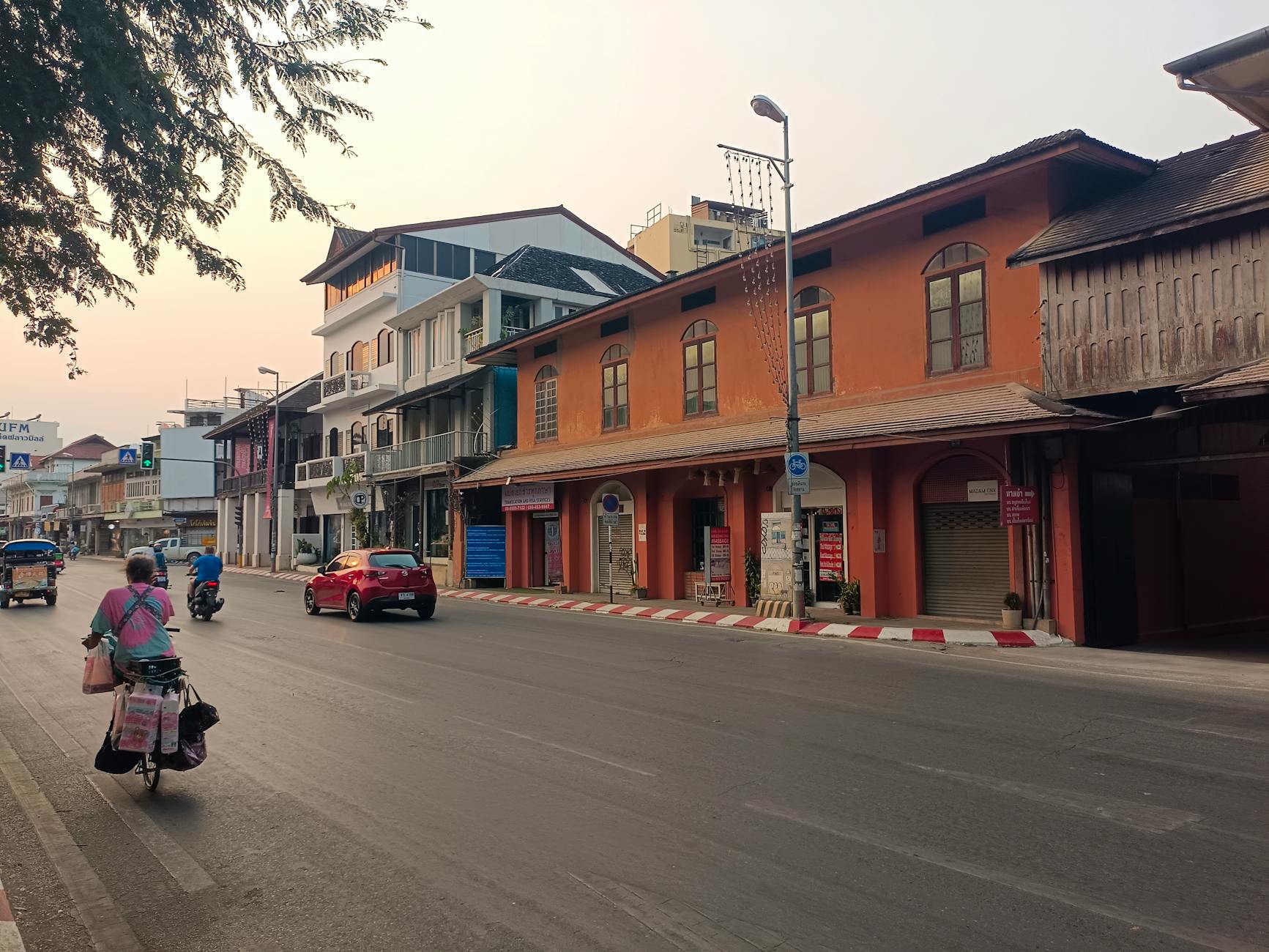
Chiang Mai is the easiest place in Thailand for a foreigner to learn meditation inside a monastery. Several temples have run English-language programs for decades, from two-hour introductions to 26-day silent courses. Almost all teach vipassana in the Mahasi tradition: alternating periods of sitting and walking meditation, with mindful noting of sensations. None of them require you to be Buddhist. All of them expect white clothing, no alcohol, and phones switched off for the duration.
Where Beginners Start
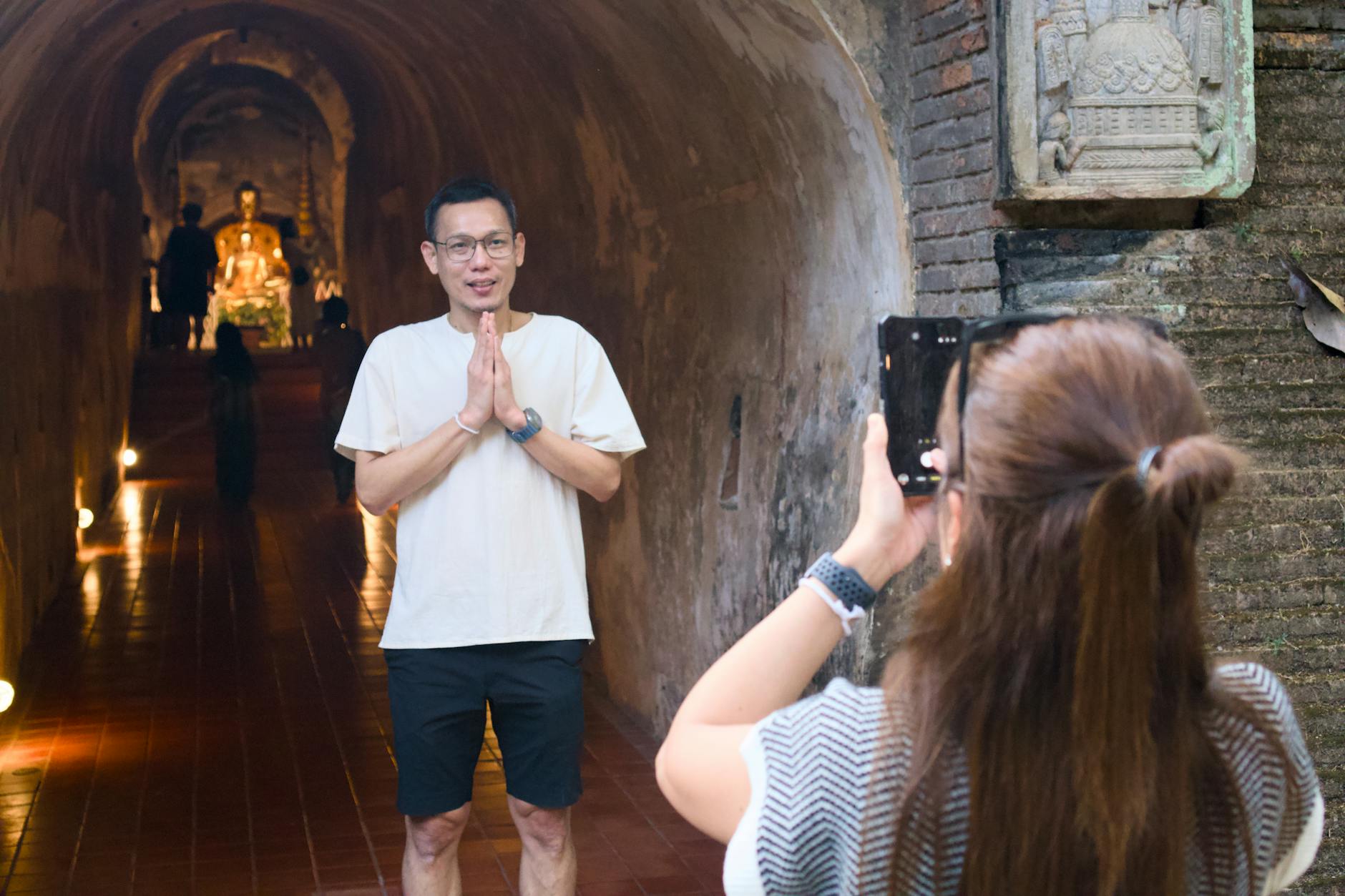
Monk chats are the zero-commitment option. You sit at a table with a monk, often a novice in his twenties improving his English, and talk for as long as you like. Wat Chedi Luang has one every day, Wat Suan Dok three evenings a week. Ask about how to sit and breathe, and most monks will give a ten-minute lesson on the spot. Women should not hand anything directly to a monk or sit next to him. Otherwise the format is informal.
One step up is the two-day retreat run by the Monk Chat program of Wat Suan Dok. It leaves from the temple every Tuesday afternoon for a meditation center outside the city and returns Wednesday afternoon. The fee of about 500 baht covers transport, food, lodging in a simple dormitory and the loan of white clothes. Participants get instruction in sitting and walking meditation, a chanting session at dawn, and a question-and-answer period with the teacher. It is designed for people who have never meditated, and groups are usually 20 to 40 people. Booking is done in person at the Monk Chat office a day or two ahead. The Wat Phra That Doi Suthep meditation center, on the mountain next to the temple, also takes beginners for courses of 4 to 21 days, donation based, with a personal interview each day.
Longer Retreats
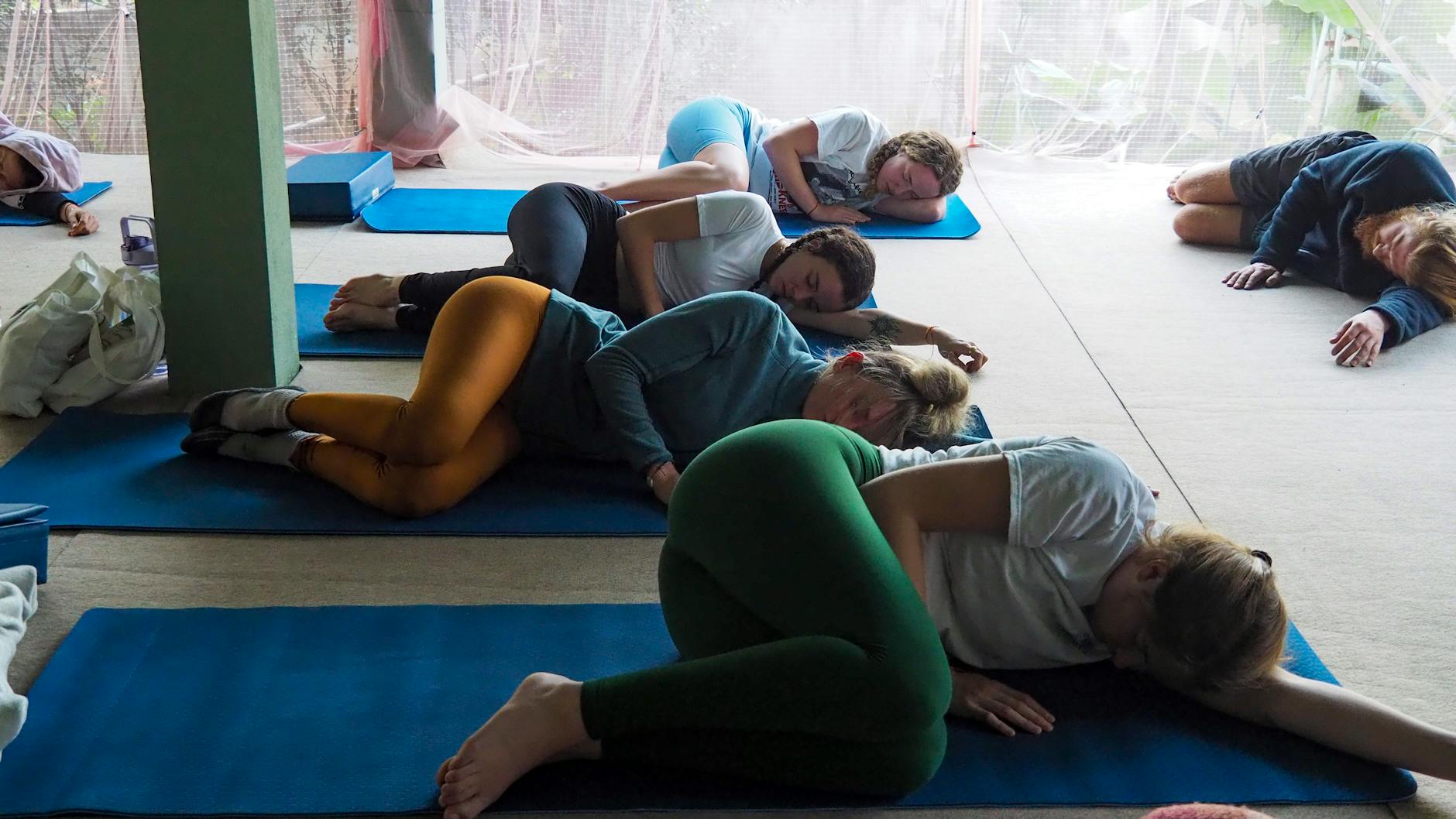
Serious courses mean silence, a 4 am wake-up bell, two meals before noon and nothing after, and eight to twelve hours of practice a day. Wat Ram Poeng, also known as the Northern Insight Meditation Centre, in the southwest of the city near the airport, runs the best-known program. The basic course is 26 days, and the minimum stay for foreigners is 10. Meditators live in single rooms, meet the teacher daily, and gradually extend their sitting periods. There is no fee, only a donation box, and the waiting list in high season means writing a month ahead. Further afield, Wat Pa Tam Wua in Mae Hong Son province, four hours by minivan, is a forest monastery with a gentler schedule and no minimum stay, which makes it popular with first-timers who want more than two days.
Read the rules before committing. Some centers forbid reading, writing and exercise. Others allow yoga in the afternoon. Some ask for a health declaration, since long sitting and reduced food are hard on the body. Anyone who wants the structure of a retreat without the monastery discipline can look at a Buddhism immersion program in Chiang Mai, where a guide arranges temple visits, alms giving and a meditation session with a monk over one or two days, with a hotel bed at night.
What Courses Cost
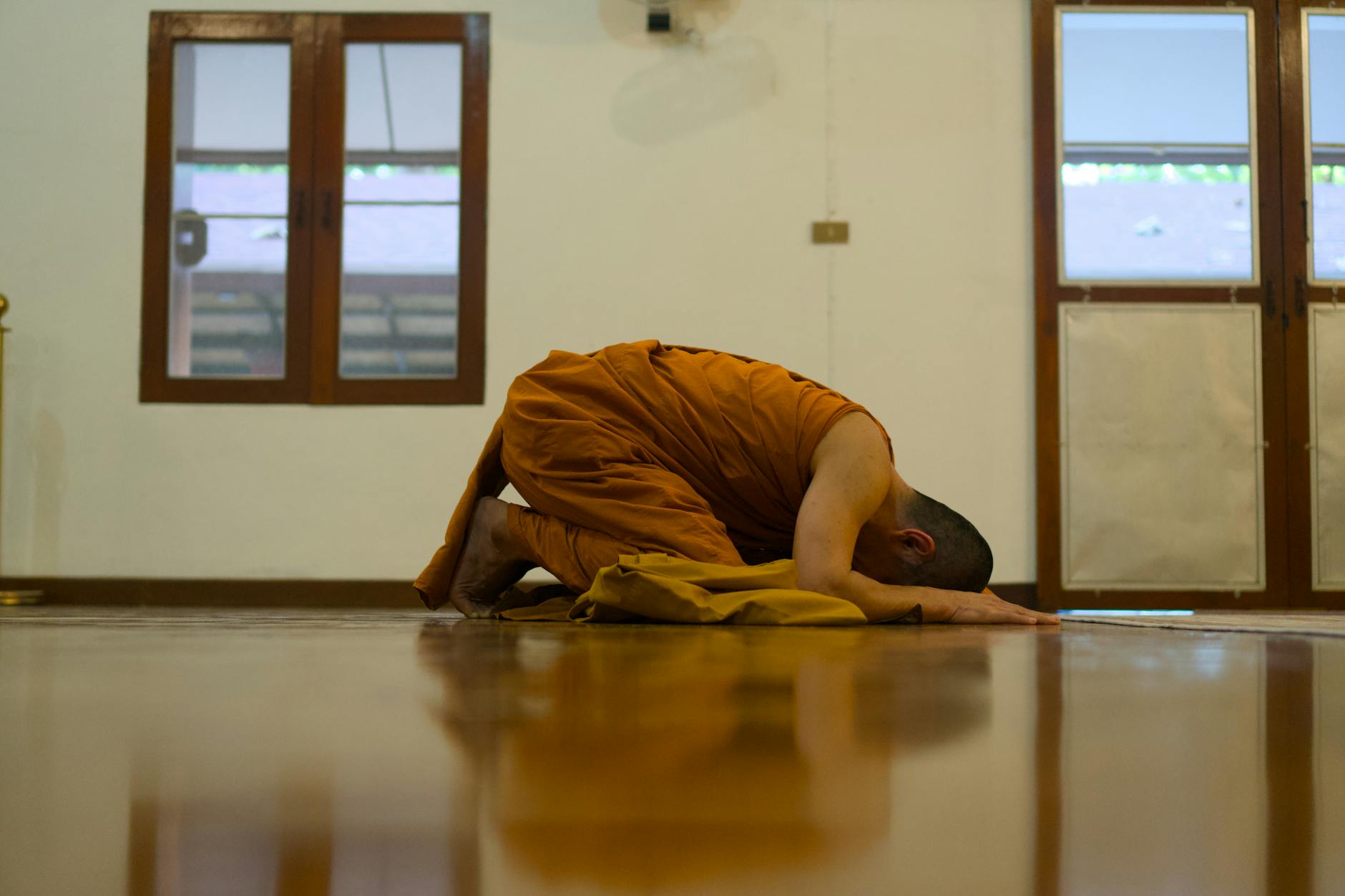
Temple programs run on dana, the Buddhist practice of giving. Monk chats are free. The Wat Suan Dok two-day retreat asks about 500 baht, roughly $15, to cover costs. Wat Ram Poeng and the Doi Suthep center take no fee at all, and a donation of 200 to 300 baht per day at the end is customary but never requested. White clothes can be bought at Warorot Market for around 300 baht a set if the temple does not lend them.
Private meditation centers and wellness resorts around the city are a different market. A weekend program with private room, vegetarian meals and yoga costs 5,000 to 15,000 baht, and week-long packages at resort hotels reach 50,000 baht and more. They are comfortable, but the teaching is often lighter than in a temple. Ask exactly who teaches and for how many hours a day before paying. Reviews of the resort side are collected in our Thailand hotel guest score study, which is a reasonable place to check a name before booking.
Buddhist Life Outside the Temple Walls
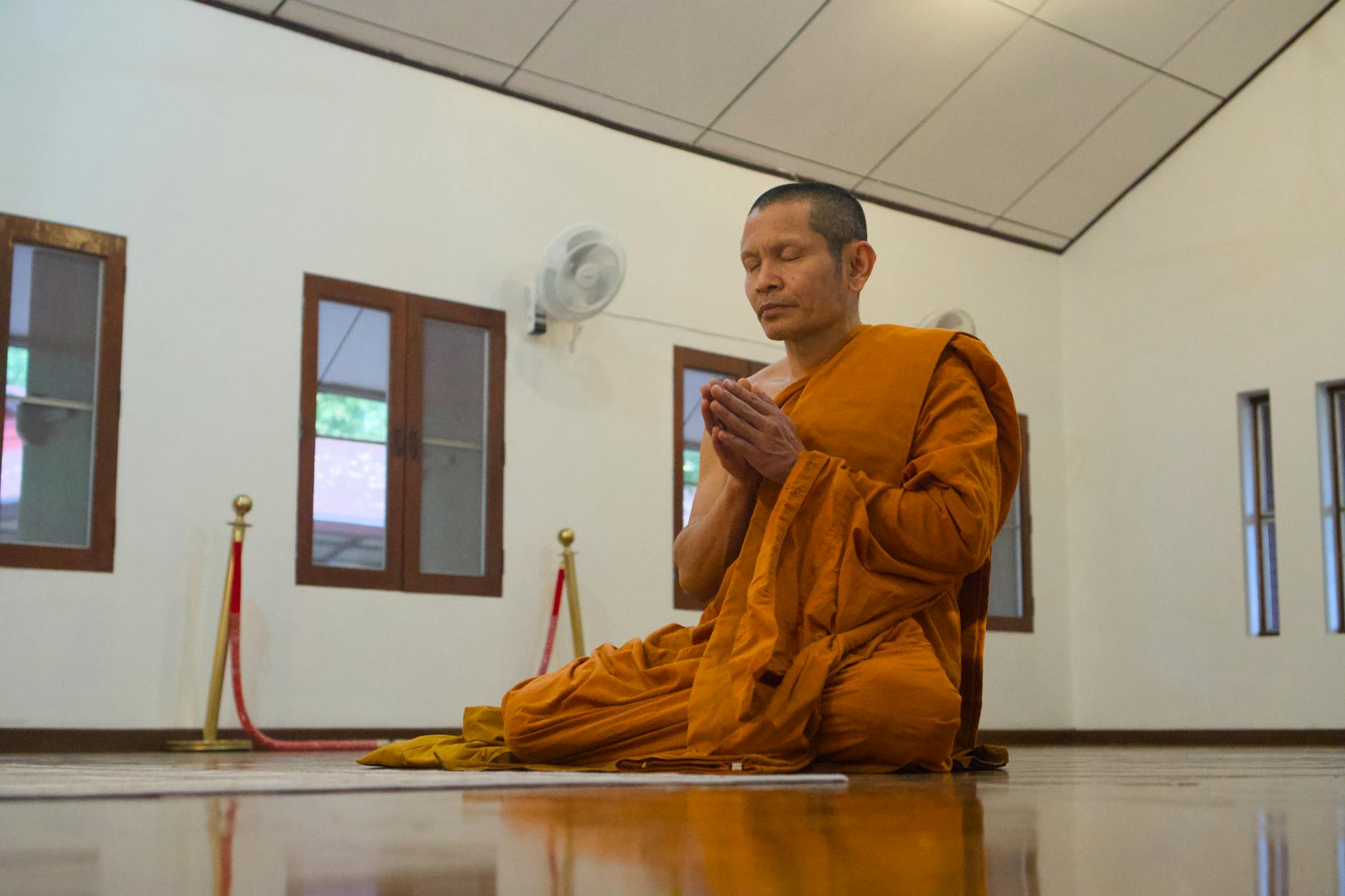
Buddhism in Chiang Mai is not confined to temple grounds. Spirit houses stand outside every shop, taxi drivers keep amulets on the dashboard, and the calendar is organized around Buddhist holy days, when alcohol sales stop and temples fill with families in white. Watching these routines teaches more than any guided tour. Three of them are easy for a visitor to join.
Alms Rounds and Monk Chats
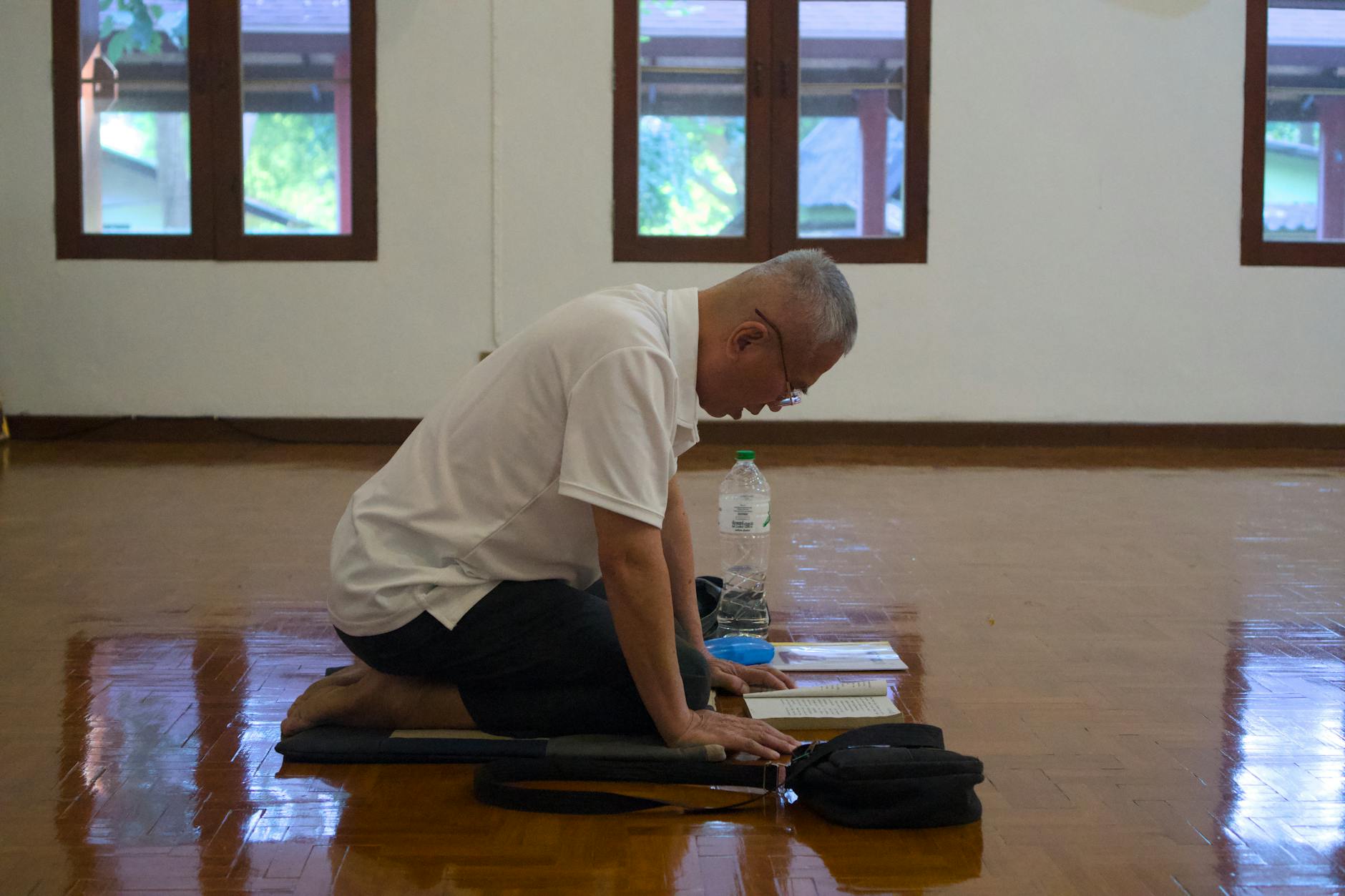
Every morning between 6 and 7 monks walk barefoot through the neighborhoods around their temples collecting food. In the old city the best streets to watch are Ratchadamnoen and the lanes around Wat Phra Singh, and along the Ping river near Warorot Market. Residents wait outside their houses with rice, curry in plastic bags and fruit, kneel, place the food in the bowl, and receive a short chant in return. Visitors can take part. Buy a ready-made offering set from a market stall for 20 to 50 baht, remove your shoes, and do not touch the monk. Photograph from a distance and without flash. Unlike Luang Prabang, the ritual here has not turned into a tourist show, and the point is to stay unobtrusive.
Monk chats work in the other direction: the monks want to talk. Questions about why they ordained, what a day looks like, how long they plan to stay in robes, and what they think of tourists all get honest answers. Many young monks are from hill tribe villages and ordained partly to get an education, and they say so. Bring a notebook. The conversations are often the most memorable part of a temple day.
Lanna Crafts, Food and Markets
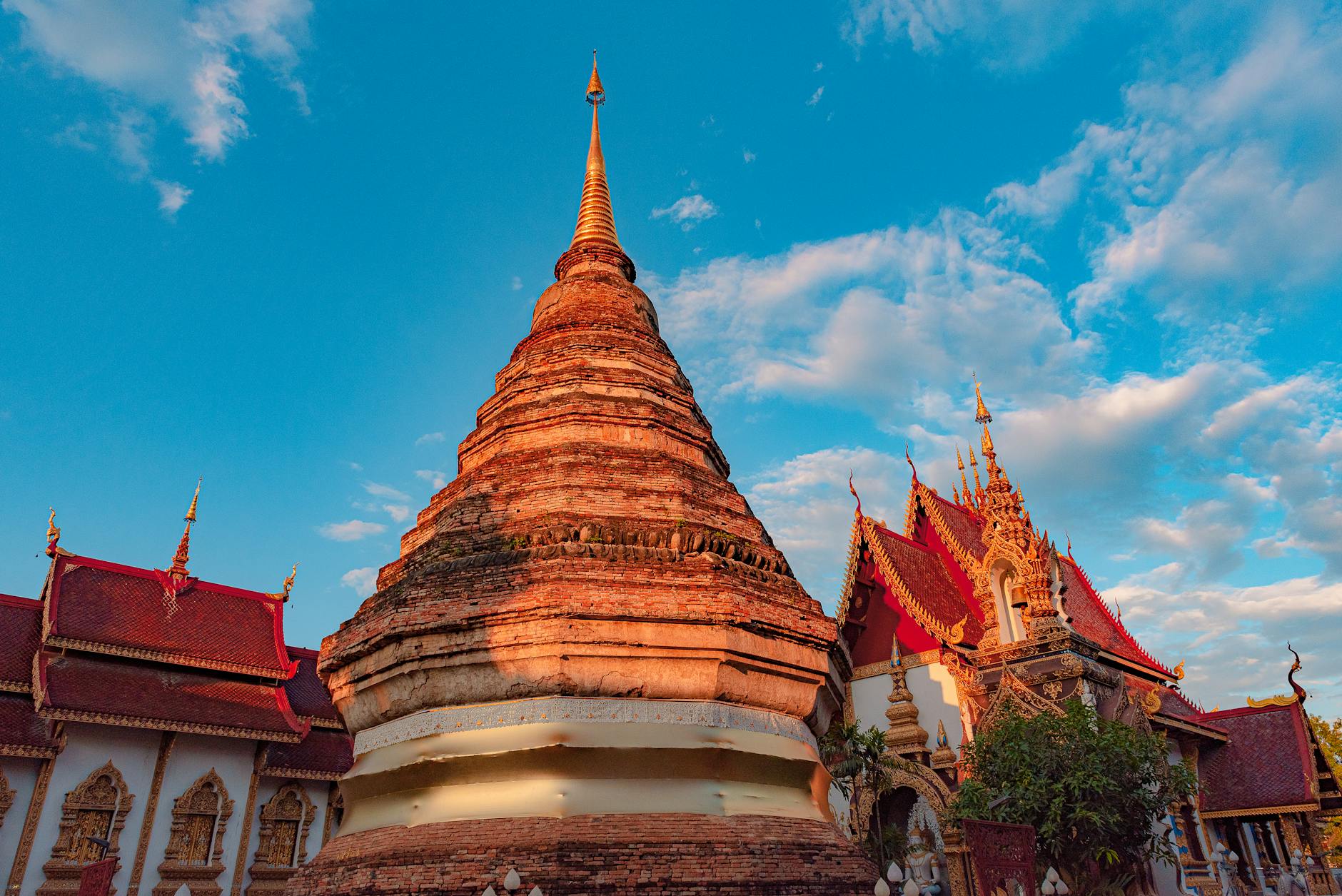
Craft traditions in Chiang Mai grew up around the temples, which needed silverwork, lacquer, woodcarving and paper for ceremonies. Wualai Road south of the moat is the old silversmiths’ quarter, and Wat Sri Suphan there has an entire ordination hall covered in embossed silver and aluminum. Bo Sang village, 9 km east, makes the painted paper umbrellas, and San Kamphaeng beyond it weaves silk and cotton. Workshops in both villages let visitors watch and buy at prices lower than in the city.
Food is the other half of Lanna heritage. Khao soi, egg noodles in a coconut curry broth topped with crispy noodles, pickled mustard greens and lime, is the dish everyone associates with the north. A bowl costs 50 to 70 baht at the well-known places such as Khao Soi Khun Yai near Wat Kuan Kama, which sells out by early afternoon. Sai ua, a herb-heavy pork sausage, and nam prik ong, a tomato and pork chili dip eaten with raw vegetables, complete the standard Lanna spread. Northern food is less sweet and less coconut-based than Bangkok cooking, and many temple fairs serve it from communal pots.
Warorot Market by the river opens at 5 am and is where locals shop for everything from monk robes to dried chilies. It is the place to buy an alms set, white clothes for a retreat, or a bag of sai ua to take home. The Sunday Walking Street on Ratchadamnoen, from 4 pm to midnight, is more of a craft fair, with temple courtyards along the route turned into food courts. Amulet stalls in both places sell small clay and metal Buddha images, and the sellers will explain which temple and which monk blessed each one, which is a lesson in local belief in itself.
Practical Details
A temple-focused week in Chiang Mai needs less planning than a beach holiday, but the season and the base you choose make a difference.
When to Come
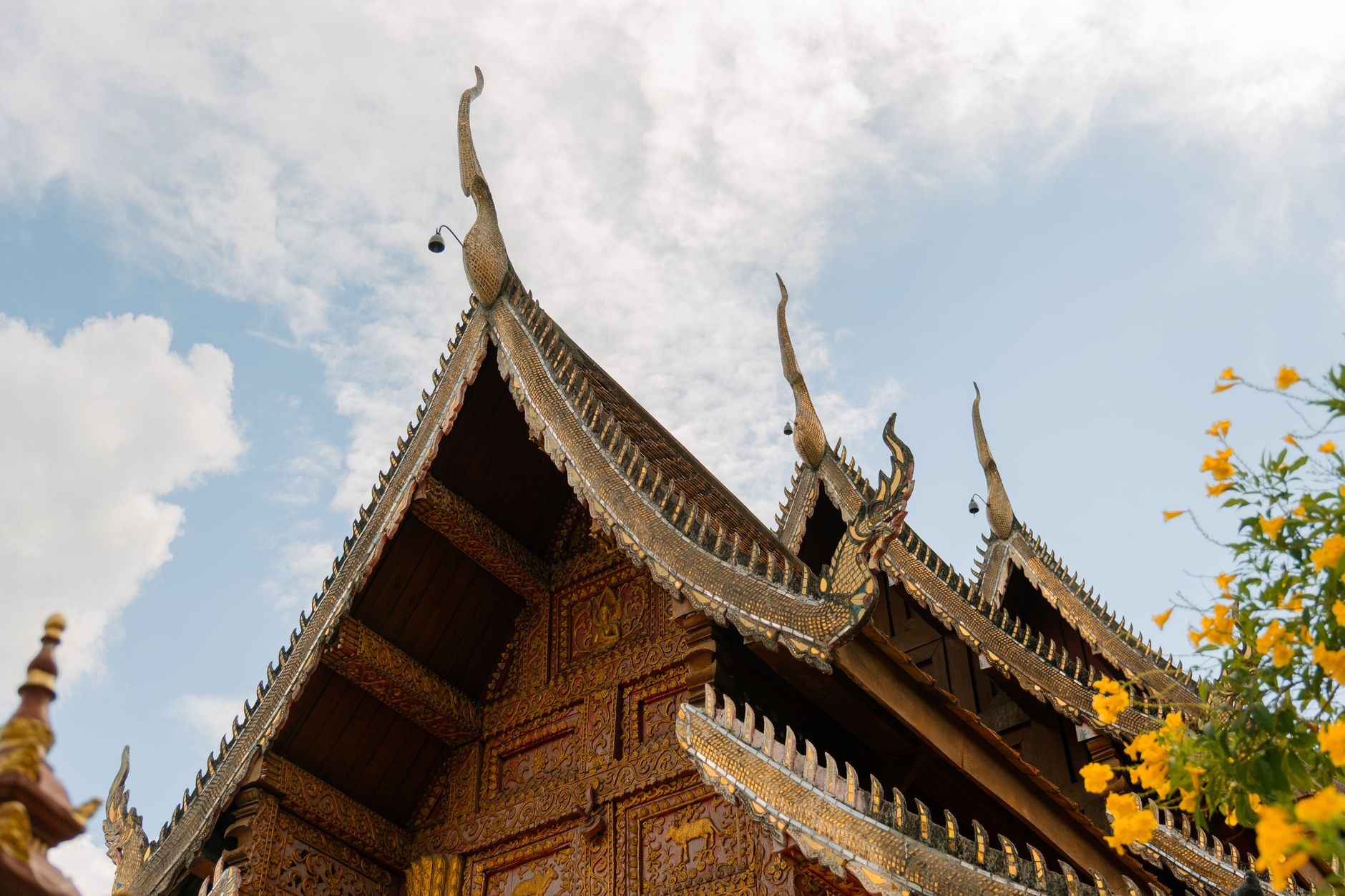
November to early February is the cool season, with mornings around 15°C and afternoons near 30°C, dry skies and the Loy Krathong and Yi Peng lantern festivals in November. Hotels charge their highest rates then. Late February to April is the burning season, when farmers clear fields across the north and air quality can reach hazardous levels for weeks. March is the worst month, and anyone with asthma should avoid it. Songkran in mid-April brings three days of water fights and the Phra Singh Buddha procession. May to October is the rainy season: an hour of hard rain most afternoons, green hills, half-empty temples and rooms at half price. For meditation courses, the rainy season is the quiet time, and Buddhist Lent from July to October is when monks stay put in their monasteries.
Where to Stay
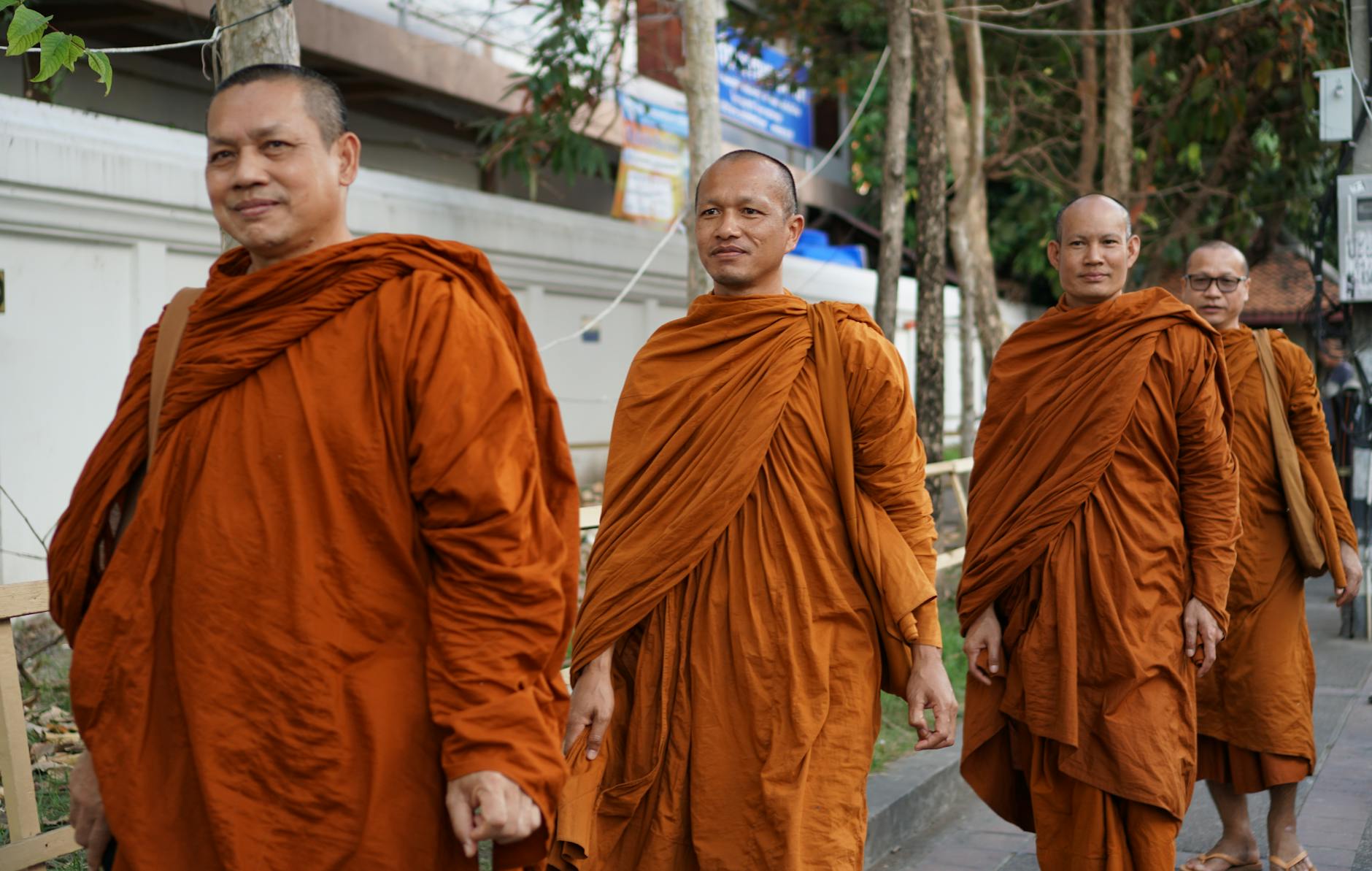
Stay inside the moat or within a few hundred meters of it. From there the main temples are on foot, the alms rounds pass your door, and songthaews to Doi Suthep are a short ride away. Guesthouses in the old city start around $15 a night, and the boutique hotels we rate highest in Chiang Mai are mostly clustered there too. Tamarind Village on Ratchadamnoen Road is built around a 200-year-old tamarind tree in Lanna style, two minutes from Wat Phra Singh, from about $150. On the river, the Anantara Chiang Mai Resort occupies a former British consulate garden, quieter but a 20-minute walk from the temples. Shangri-La on Chang Klan Road is the large-hotel option near the Night Bazaar. For a full comparison, hotels in the old city of Chiang Mai can be filtered by distance to Tha Phae Gate, which is a useful proxy for walkability. Nimman, west of the moat, has cafes and coworking spaces but no temples of note.
Getting Around
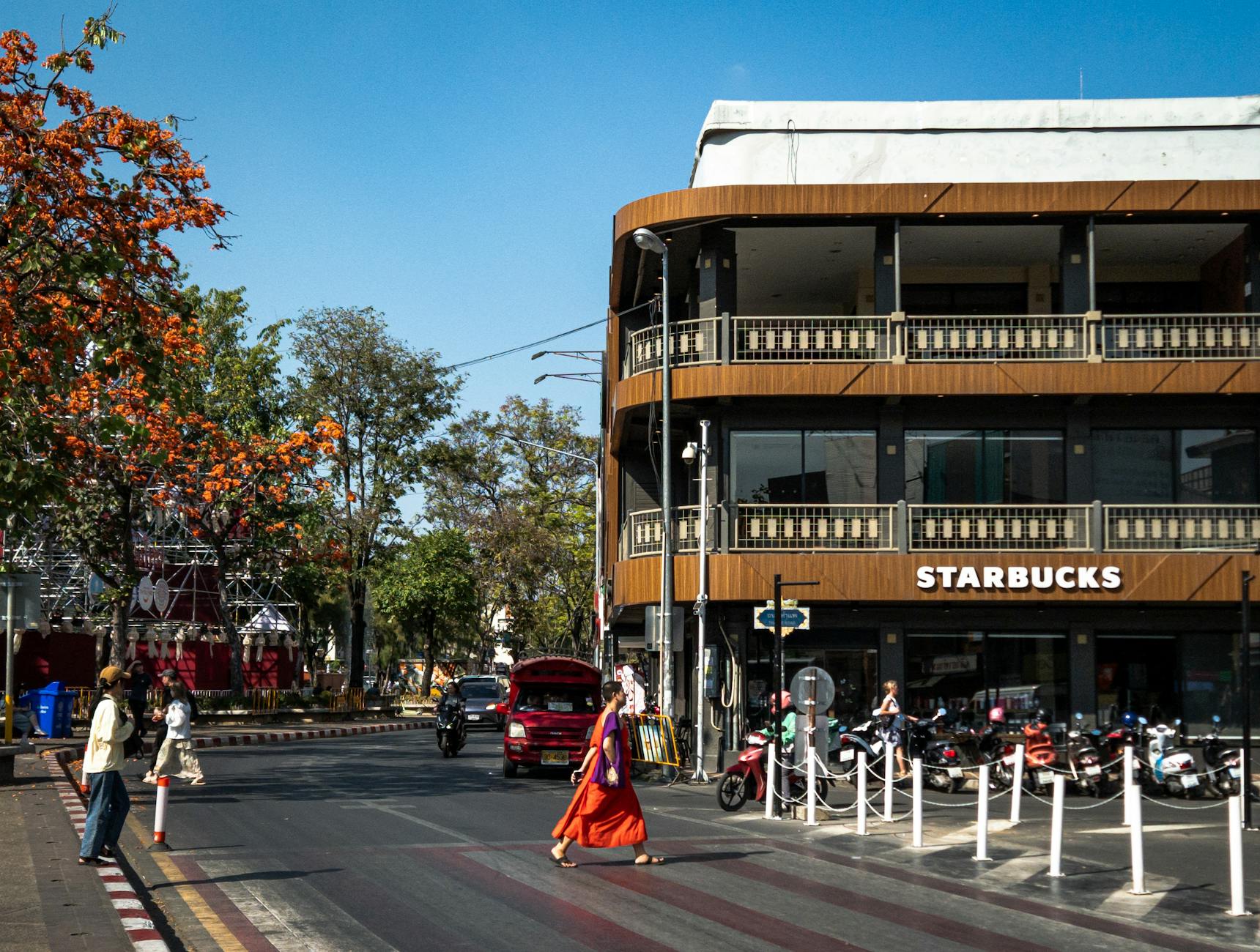
The old city is 1.5 km square and flat, so walking covers it. Bicycles rent for 50 to 100 baht a day from guesthouses. Red songthaews work as shared taxis: flag one, name your destination, and pay 30 baht per person for trips within the city. Grab works well and shows the fare in advance. For Doi Suthep, Wat Umong and the craft villages, a scooter is the practical choice at 200 to 300 baht a day. In Chiang Mai I usually rent one for the whole stay, which costs less than a week of Grab rides. An international driving permit is required in theory and checked at police stops near the moat, and helmets are mandatory. Traffic outside the moat moves fast, and the Doi Suthep road has tight bends, so first-time riders should take a songthaew up the mountain.
Temple Etiquette
Cover shoulders and knees at every temple. Sarongs are lent or sold at the gate of Doi Suthep and Chedi Luang, but a light scarf in the bag solves it everywhere. Shoes come off before any building with a Buddha image, and socks are fine. Sit with feet tucked behind you, never pointing at the altar or at a monk. Women do not touch monks or hand them objects directly; place the item on a cloth or table instead. Do not climb on chedis or pose in front of Buddha images with your back to them for photos. Loud voices carry across courtyards, and a wai with a small bow is the right greeting for a monk. None of this is enforced harshly, but it is noticed.
Day Trips Beyond the City
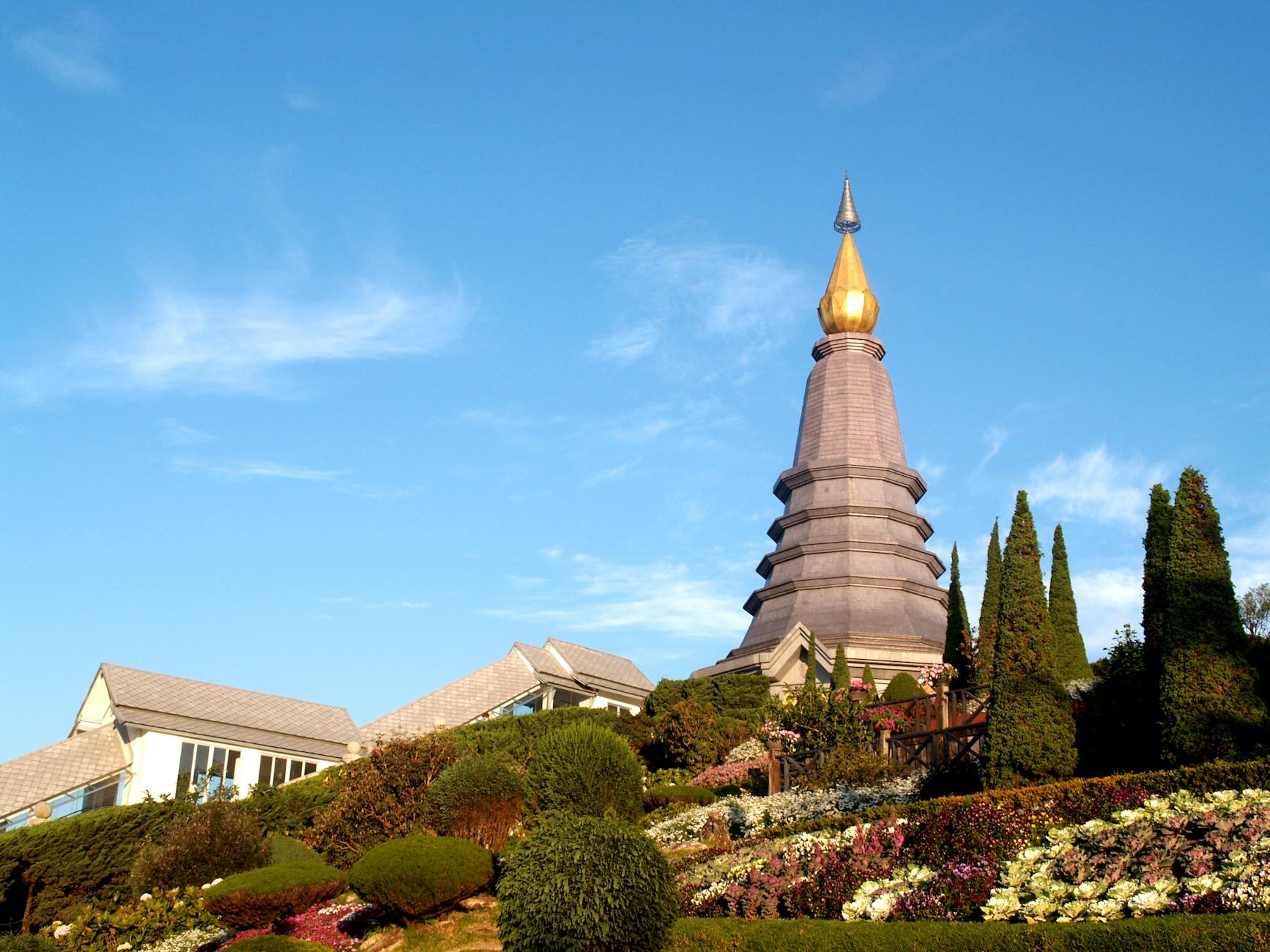
Doi Inthanon, Thailand’s highest mountain at 2,565 m, is 100 km southwest. The national park fee is 300 baht for foreigners, and the twin chedis near the summit, built for the king and queen in the 1980s, have gardens and views over the cloud line on clear mornings. Temperatures at the top drop near freezing in December. A Doi Inthanon day tour with the chedis, the Wachirathan waterfall and a Karen village runs about 10 hours. Chiang Rai, three hours northeast, has the White Temple, an artist’s fantasy in mirrored plaster finished in stages since 1997, and the Blue Temple painted in deep ultramarine. Both are contemporary art as much as religion and make a sharp contrast with the brick chedis of Chiang Mai. Public buses take four hours each way, so most people book a Chiang Rai day tour from Chiang Mai or stay a night.
A Three-Day Temple Itinerary
Day one: alms round on Ratchadamnoen at 6:30, breakfast, then Wat Phra Singh, Wat Chedi Luang and the monk chat there, lunch of khao soi, and Wat Sri Suphan on Wualai Road in the afternoon. Day two: songthaew to Doi Suthep by 7 am, back down to Wat Umong before the heat, Wat Suan Dok at sunset with the monk chat at 5 pm. Day three: Warorot Market early for white clothes and an alms set, then either the Tuesday retreat departure from Wat Suan Dok or a scooter loop to Bo Sang and San Kamphaeng. Anyone with a week should add Doi Inthanon and consider the 10-day minimum at Wat Ram Poeng, which is the most direct way to understand what the temples are for.
Total spend on temple fees for the three days is under 200 baht. The alms set costs another 50. The most expensive part of a Chiang Mai temple week is usually the flight.


