
Chiang Mai in the brochures is a square of moat, a few golden temples, the Sunday market and a morning with elephants. All of that exists and is worth the trip. But the city has around 300 temples, a dozen markets, a mountain range on its doorstep and a long tradition of craftspeople, and most of it sits outside the ten blocks that tour groups cover. Below is what I go looking for on return visits: the quiet temples, the markets that feed the city rather than the visitors, the waterfalls past the first car park and the workshops that still make things by hand.
Finding the City’s True Spiritual Heart

Wat Phra That Doi Suthep on the mountain and Wat Chedi Luang in the Old City deserve their crowds. Both are at their best before 8:00, before the first songthaews arrive. Past those two, though, the city’s temples thin out into places where monks sweep the courtyard in silence and the only other visitors are neighbours bringing rice. A few of them are built for exactly that quiet.
Finding Quiet at Wat Ram Poeng (Tapotaram)

Wat Ram Poeng, also called Tapotaram, lies in the Suthep district about four kilometres south-west of the moat, at the foot of the mountain. Founded in 1492, it is best known today as the Northern Insight Meditation Centre, a Vipassana retreat that runs courses of 10 to 26 days for foreigners in English. Visitors are welcome on the grounds without joining a course. White-clad meditators walk the paths in slow motion, a 15th-century chedi stands behind the main hall, and the library holds Buddhist scriptures in several scripts. Nobody sells anything. The sound is wind in the trees and the occasional bell.
- Address. 1 Moo 5, Suthep, Mueang Chiang Mai District, Chiang Mai 50200. About 15 minutes by scooter from Tha Phae Gate; a Grab costs 80 to 120 baht.
- Opening hours. Grounds open roughly 8:00 to 17:00. Enquiries about meditation courses go to the foreign office next to the main hall, which keeps shorter hours.
- Dress. Shoulders and knees covered, shoes off in the halls, voices low. Meditators here are mid-retreat and will not make eye contact; that is the rule, not rudeness.
Forgotten Stupas and Mystical Gardens

Chiang Mai was the capital of the Lanna kingdom for 500 years, and the kingdom built temples at a rate the modern city has never caught up with. Dozens of ruined chedis stand in back gardens, behind petrol stations and in the middle of rice fields along the Outer Ring Road. None of them appear on tourist maps. Ride any road out of town for ten minutes and there will be one: a brick stupa with a tree growing from the top, a few headless Buddhas, a stray dog asleep in the shade. The Fine Arts Department has catalogued more than 50 such sites inside the city limits alone.
The easiest place to start is Wat Umong, the forest temple with tunnels dug into a hill in 1297, now firmly on the backpacker circuit. Its popularity stops at the car park. Paths behind the tunnel mound lead to a reed-fringed lake, a field of broken Buddha images collected from other sites, and two smaller shrines that get a handful of visitors a day. Anyone who wants the history explained rather than guessed at can book a guided walking tour of Chiang Mai with a local historian, which usually covers the Old City’s lesser temples as well as the famous ones.
How to Eat Like You Live Here

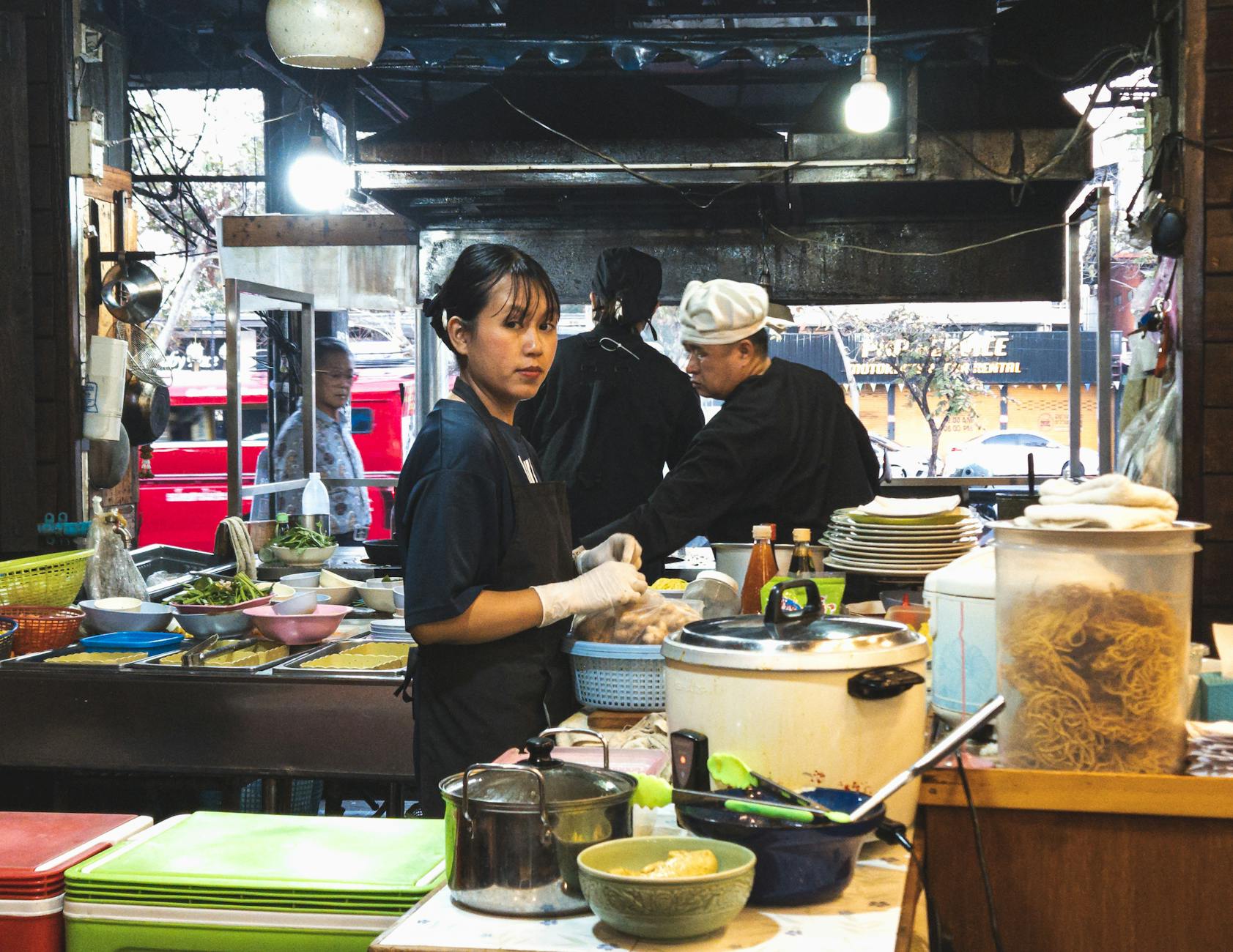
Northern Thai food is a separate cuisine from the Bangkok version: milder, pork-heavy, built on sticky rice and herbs rather than coconut and chili. Restaurants with English menus inside the moat serve a careful version of it at 150 to 250 baht a dish. The same dishes cost 40 to 70 baht at the markets where the city actually shops, and the cooks have been making one recipe for twenty years.
Markets Beyond the Night Bazaar

Muang Mai Market stretches along the west bank of the Ping River just north of Warorot. It is the wholesale market that supplies every restaurant in the province, and it runs around the clock with the peak between 4:00 and 9:00, when trucks unload mangoes, longan, mountain vegetables and crates of live catfish. Stalls at the edges sell breakfast to the porters: rice soup, grilled pork skewers, fried dough with soy milk for 10 to 20 baht a piece. When I am in Chiang Mai for more than a few days, this is where breakfast happens, on a plastic stool with the river behind and the city waking up in front.
Somphet Market sits inside the moat on Moon Muang Road near Soi 6, and visitors walk past it every day without noticing. Mornings bring fruit, fresh curry pastes and northern sausages; from late afternoon the food stalls take over. Its khao soi, the curried egg-noodle soup that is Chiang Mai’s signature dish, comes in a 50-baht bowl with pickled mustard greens and a lime on the side and is as good as any in the city.
- Muang Mai. Wichayanon Road, Chang Moi, Chiang Mai 50300. Open 24 hours, busiest 4:00 to 9:00. Bring small notes; nobody takes cards.
- Somphet. Moon Muang Road, Soi 6, north-east corner of the Old City. Fresh produce from about 6:00, cooked food from 16:00 to 22:00.
- Ordering. Point at what looks good and hold up fingers for the quantity. “Mai phet” means not spicy, “aroi” means delicious, and both get a smile.
Coffee Shops and Sweet Treats

Northern Thailand grows arabica on the hills above 1,000 metres, much of it planted in the 1980s as a replacement for opium under royal development projects, and Chiang Mai roasts and drinks most of it. The city has more independent cafés per block than Bangkok. The Nimmanhaemin area is the obvious hub, but the better finds are down the numbered sois of the Old City and across the river in Wat Ket: Graph Café for cold brew in a shophouse the width of a corridor, My Secret Café in Town for single-origin beans from Doi Chang and Mae Chaem. A pour-over costs 70 to 100 baht, and roasters will usually sell a 250-gram bag of whatever is in the grinder.
Dessert in Chiang Mai goes well beyond mango sticky rice. Carts outside the markets sell coconut ice cream in a bun or a coconut shell for 20 to 30 baht. Roti vendors near Tha Phae Gate make the local version with egg and condensed milk rather than the chocolate-and-banana one aimed at visitors. Khanom krok, coconut-rice pancakes cooked in a dimpled iron pan, appear at every morning market for 20 baht a tray and vanish by 9:00.
Getting into Nature, Away from the Crowds
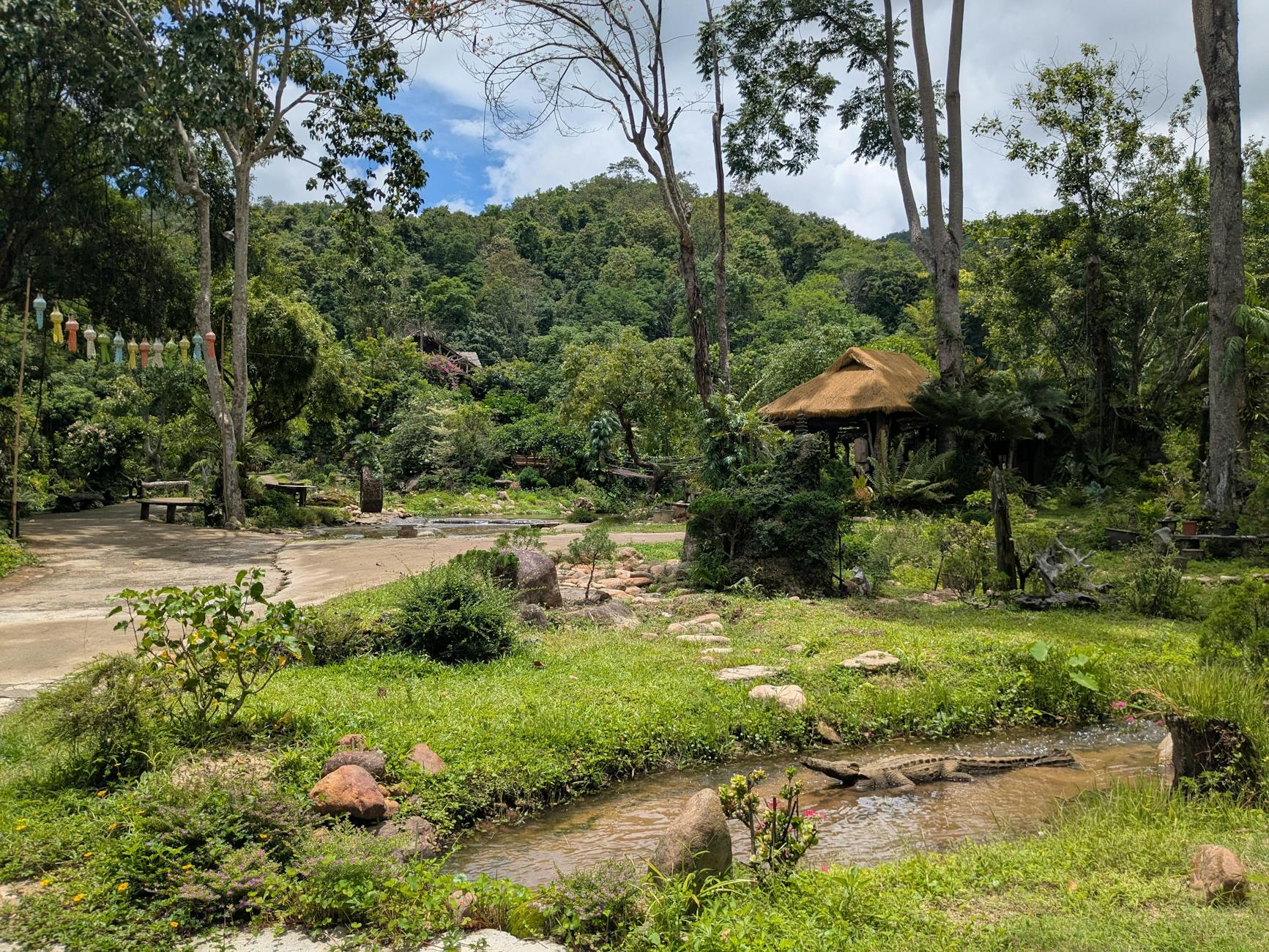
Doi Suthep-Pui National Park begins where the university campus ends, and the mountains run north from there to the Burmese border. Most visitors drive the one road up to the temple and back. The forest on either side of that road has waterfalls, hill-tribe villages and trails that see a few dozen people a day, and the bigger peaks an hour or two out of town have even fewer.
Waterfalls and Mountain Trails

Huay Kaew Waterfall at the bottom of the mountain is the one everyone sees because it is next to the zoo. Three kilometres up the road, a side turn leads to Monthathan Waterfall, a nine-tier cascade inside the national park with pools deep enough to swim in from June to January. Weekdays it is close to empty. The park fee is 100 baht for foreigners, and a guided hike to Monthathan Waterfall adds the monks’ trail that climbs on from the top pool towards Wat Pha Lat. Further out, about 60 kilometres and 90 minutes north in Sri Lanna National Park, Bua Tong Waterfall flows over limestone so rough with mineral deposits that visitors walk straight up the falling water in bare feet. Entry is free; a half-day trip to Bua Tong Sticky Waterfall solves the transport for anyone without a scooter licence.
Hikers have two directions. Behind Doi Suthep, trails lead through Hmong villages such as Doi Pui and Khun Chang Khian, where a local guide hired in the village for 500 to 800 baht knows the paths that no app shows. To the south-west, Doi Inthanon rises to 2,565 metres, the highest point in Thailand, two hours from the city. It is popular, with good reason: the summit cloud forest, the twin royal pagodas and the Kew Mae Pan ridge trail are unlike anywhere else in the country, and mornings in December can drop below 5°C up there. A day trip to Doi Inthanon normally bundles the 300-baht park fee, the Karen village of Mae Klang Luang and the Wachirathan waterfall into one route.
How to See Elephants Ethically

Chiang Mai province has more captive elephants than any other in Thailand, most of them retired from logging after the 1989 ban. How they live now depends entirely on the venue. Riding camps still exist along the Mae Taeng road. The alternative is an ethical elephant sanctuary visit, where the day consists of preparing food, walking with the herd and watching them bathe in the river, with no riding, no shows and no hooks. These parks sit an hour or more north or south of the city in valleys that double as some of the best scenery in the province. A full day with lunch and transfer costs 2,000 to 3,000 baht.
- Doi Suthep-Pui National Park. Reached by scooter or by red songthaew from the zoo for 40 to 60 baht per person. Foreigner fee 100 baht, valid all day across the park’s waterfalls.
- Bua Tong “Sticky Waterfall”. Route 1001 north towards Phrao, about 90 minutes. Free entry, open 8:00 to 17:00, best before 11:00 when the tour minivans arrive.
- Choosing an elephant venue. Read reviews from the last six months, look for “sanctuary” or “rescue” rather than “camp”, and treat any mention of riding, painting or football as the signal to book elsewhere.
Finding Chiang Mai’s Creative Soul

Lanna kings brought craftsmen back from every campaign, and the districts they settled still carry the trades: Wua Lai for silver, Bo Sang for paper umbrellas, San Kamphaeng for silk and celadon. UNESCO named Chiang Mai a Creative City of Crafts and Folk Art in 2017, and a newer generation of designers has moved into the same neighbourhoods.
Workshops and Galleries
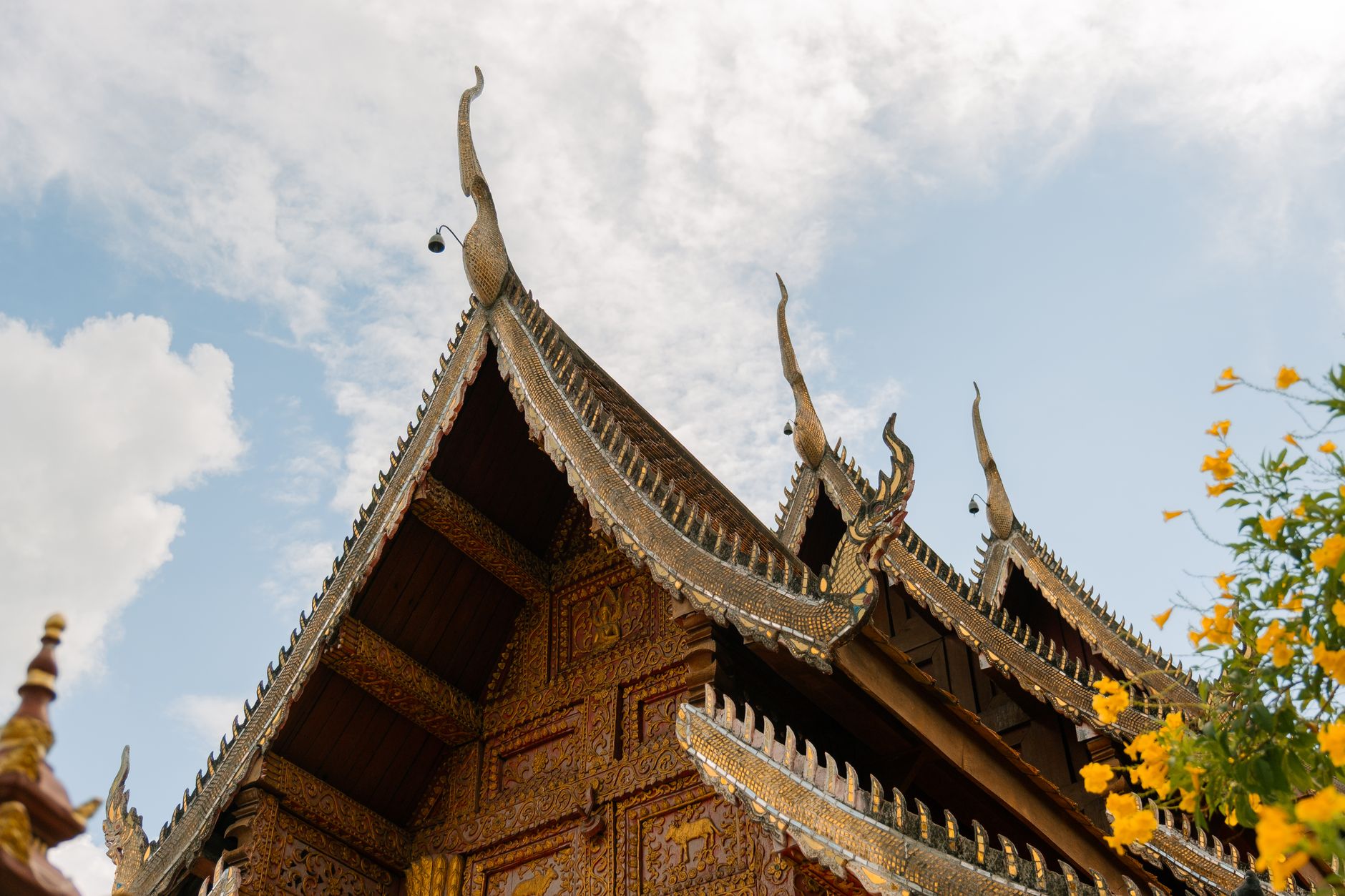
Baan Tawai, the handicraft village 15 kilometres south, is where tour buses go for teak furniture, and it feels like it. Better hunting is on Wua Lai Road just south of the moat, where silversmiths still hammer bowls and temple panels in open-fronted shops, and Wat Sri Suphan nearby is an entire temple hall sheathed in silver by the same craftsmen. Across the river in Wat Ket, converted teak houses hold small galleries and ceramics studios where the person at the wheel is the person selling. Prices are fixed and fair; a hand-beaten silver bracelet starts around 1,500 baht.
Many workshops teach as well as sell. Half-day classes in umbrella painting at Bo Sang, silver jewellery on Wua Lai or wood carving in Hang Dong cost 800 to 1,500 baht including materials, and students leave with the object they made. Booking a day ahead is enough outside the December peak.
Evening Markets and Local Talents

The Sunday Walking Street on Ratchadamnoen Road is good and enormous, and by 19:00 it moves at a shuffle. Smaller night markets serve the people who live here. Outside the front gate of Chiang Mai University on Huay Kaew Road, the student market opens every evening with 50-baht clothes, handmade jewellery, Korean-Thai street food and a crowd whose average age is about twenty. It shows the side of the city that designs the things sold on Nimmanhaemin.
Kad Ruam Chok, next to Central Festival on the north-east ring road, is a food-and-craft market open Wednesday to Sunday evenings. Families drive in from the suburbs, the stalls sell northern sausages, grilled river fish and locally made homeware, and prices sit a third below the Old City. Vendors have time to talk, which is where the stories about the city come from.
A Few Practical Tips
Everything above is reachable from the Old City in under two hours. Where to sleep and how to move around decide how much of it fits into a visit.
Where to Stay Off the Main Drag
Inside the moat, the busiest lanes run from Tha Phae Gate to Wat Phra Singh; the north-west quarter around Wat Lok Moli is a different, sleepier town. East of the river, Wat Ket and Charoenrat Road hold old teak compounds turned into guesthouses, and the hotels along the Ping River there put the Night Bazaar within a 15-minute walk but out of earshot. At the upper end, Anantara Chiang Mai Resort and Ping Nakara Boutique Hotel occupy riverside plots with colonial-era architecture; Tamarind Village and U Chiang Mai inside the Old City offer Lanna courtyards for a third of the price. Comparing hotels in Chiang Mai on a map rather than by name is the fastest filter, since a room two streets from the walking street can be half the price of one on it.
- Style. The city’s boutique hotels and traditional Lanna guesthouses, built of teak around a garden, cost 1,200 to 3,000 baht and come with a host who knows which soi has the best noodles.
- Timing. Rooms sell out for Loy Krathong in November and for the weeks around New Year. Outside those dates, booking a few days ahead is enough.
Getting Around and Other Advice
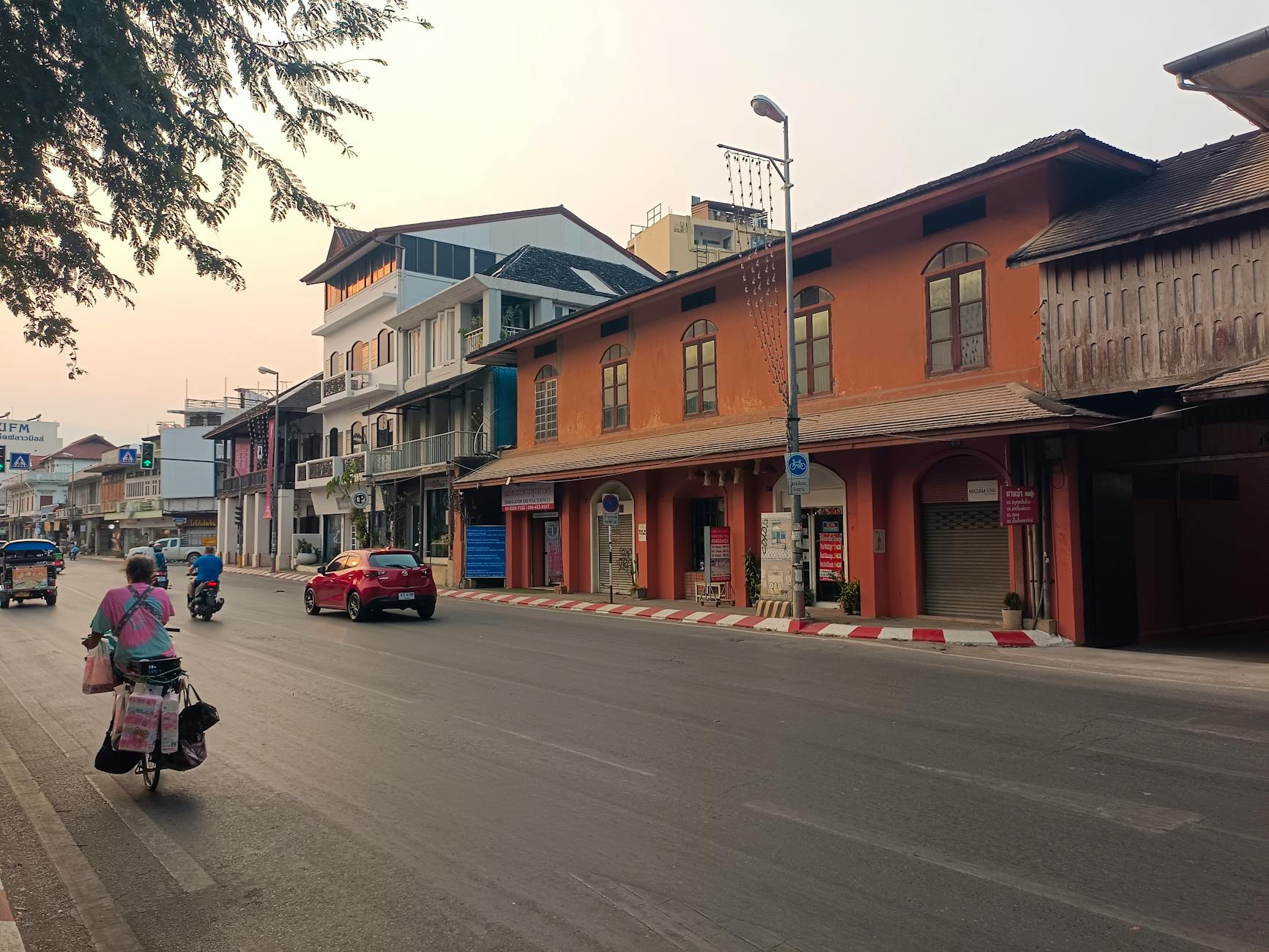
A scooter is the key to most of this list. Rental runs 200 to 300 baht a day or around 3,000 a month, and in Chiang Mai I usually take one for the whole stay rather than by the day, because the waterfalls, the ruined chedis and the morning market are all awkward to reach any other way. An international driving permit with a motorcycle category is required by law, helmets are enforced at the moat checkpoints, and the fine for riding without either is 500 to 1,000 baht. Non-riders have the red songthaews at 30 to 40 baht per hop inside the city, Grab for fixed-price cars and the airport, and tuk-tuks for the last kilometre after dark. Airport transfers by Grab cost 150 to 200 baht to the Old City.
November to February brings cool, dry weather and the full crowds. March and April are the burning season, when farmers clear fields and the air quality index can pass 200; the mountains disappear in haze and it is the one time of year to avoid. May and June are the quiet window: hotels drop prices by a third, the first rains clear the air, and afternoon showers last an hour. Flights from Bangkok take 70 minutes and start at about 1,000 baht one way on the low-cost carriers.
- Money. Chiang Mai costs roughly two-thirds of Bangkok. Markets, songthaews and small temples take cash only, and the ATMs charge 220 baht per withdrawal, so take out larger sums less often.
- Weather. Hot season March to May with highs of 38°C, rainy season June to October with short daily downpours, cool season November to February with mornings of 15°C.
- Temple manners. Shoes off before entering any hall or private home, shoulders and knees covered, feet never pointed at a Buddha image, and women do not hand objects directly to monks.
Three Days off the Main Roads
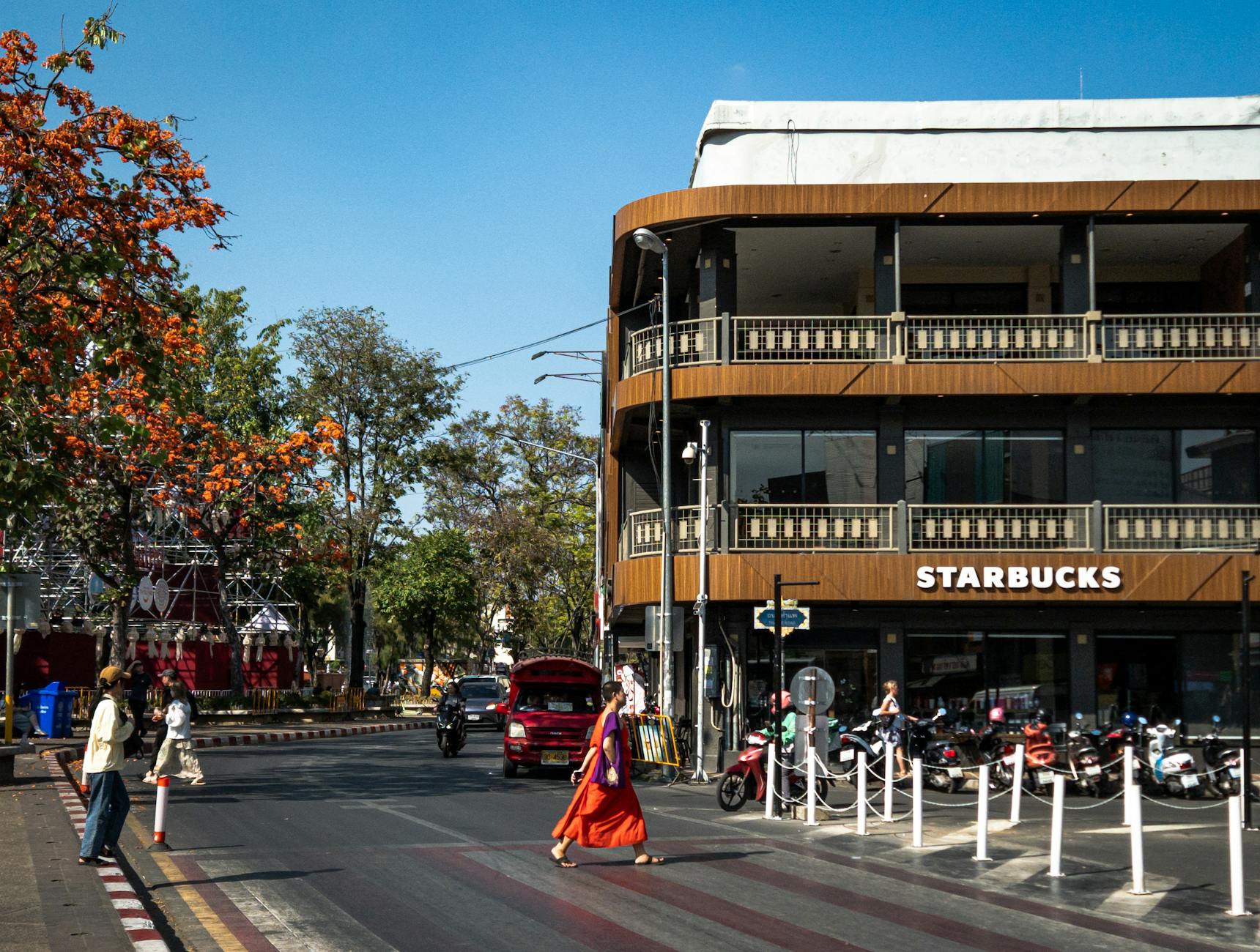
Day one: breakfast at Muang Mai at 7:00, Wat Umong and the shrines behind it before the heat, silver shops on Wua Lai after lunch, khao soi at Somphet in the evening. Day two: scooter up to Monthathan for a swim by 9:00, the Hmong villages behind Doi Suthep with a local guide, coffee in Wat Ket on the way back, the university night market for dinner. Day three: Bua Tong in the morning before the minivans, or Doi Inthanon as a full day, with Kad Ruam Chok for a last dinner if it falls between Wednesday and Sunday.
Budget for those three days, excluding the room: about 900 baht for the scooter, 400 for park fees, 1,000 for food and coffee, and whatever a half-day craft class adds. The whole programme comes to less than one night at the riverside resorts, and it covers more of the Lanna city than a week on the walking-street circuit.


