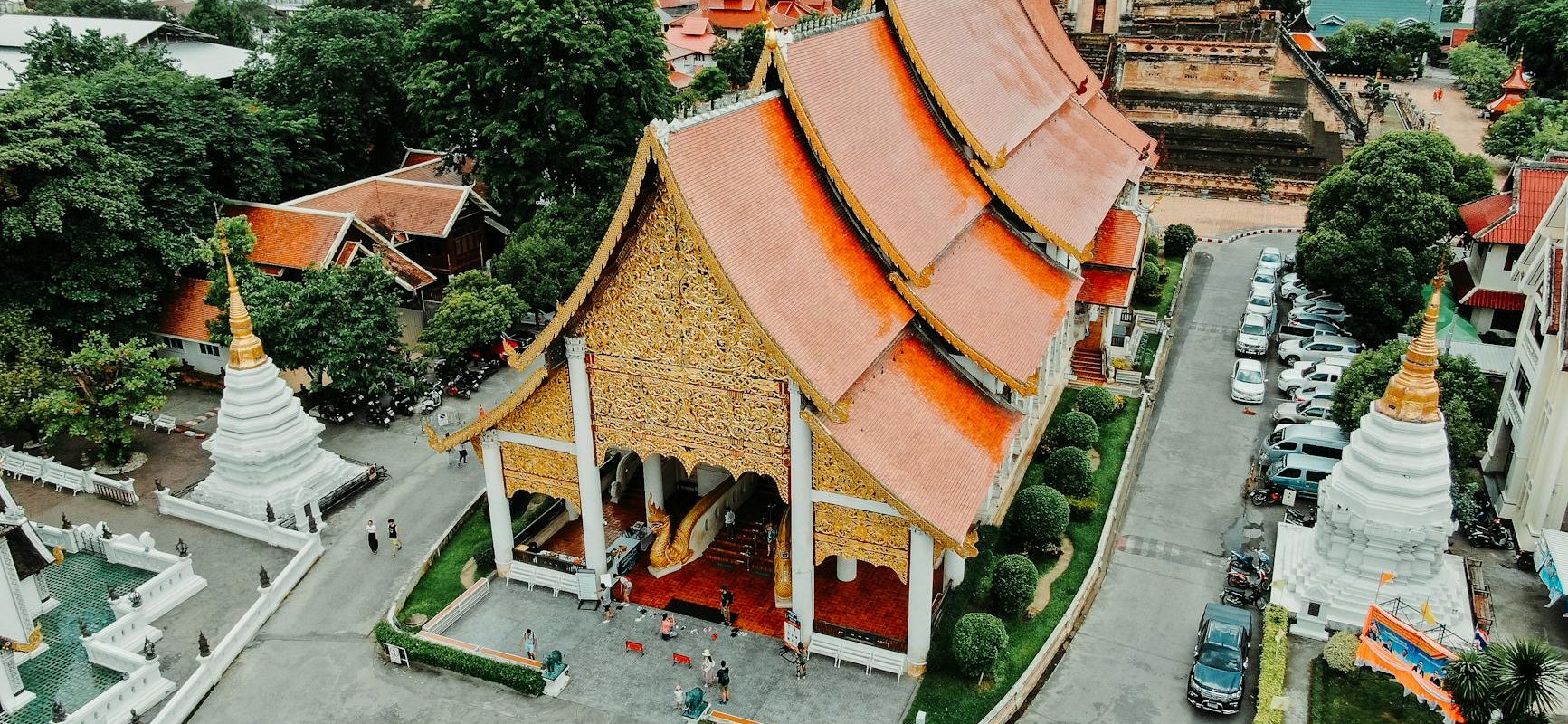
Most first trips to Thailand follow the same script: a few days in Bangkok, then straight to the islands. Chiang Mai tends to come later, once you start looking for a place to stay for months rather than days, somewhere with reliable internet, a bearable climate and rent that leaves money for weekends away. Thailand’s northern capital has been that place for remote workers since the early 2010s, and after spending time there myself I understand why it holds people. This guide covers what a long stay costs, where to rent, which visa fits, where the coworking crowd sits, and what fills the evenings and weekends.
If your questions are “how much does it cost to live in Chiang Mai”, “where do you find a long-term rental” and “what is there to do once the temples are done”, the sections below answer them with numbers rather than adjectives. Prices are in Thai baht with a rough dollar equivalent at 35 THB to the dollar.
Why People Stay in Chiang Mai
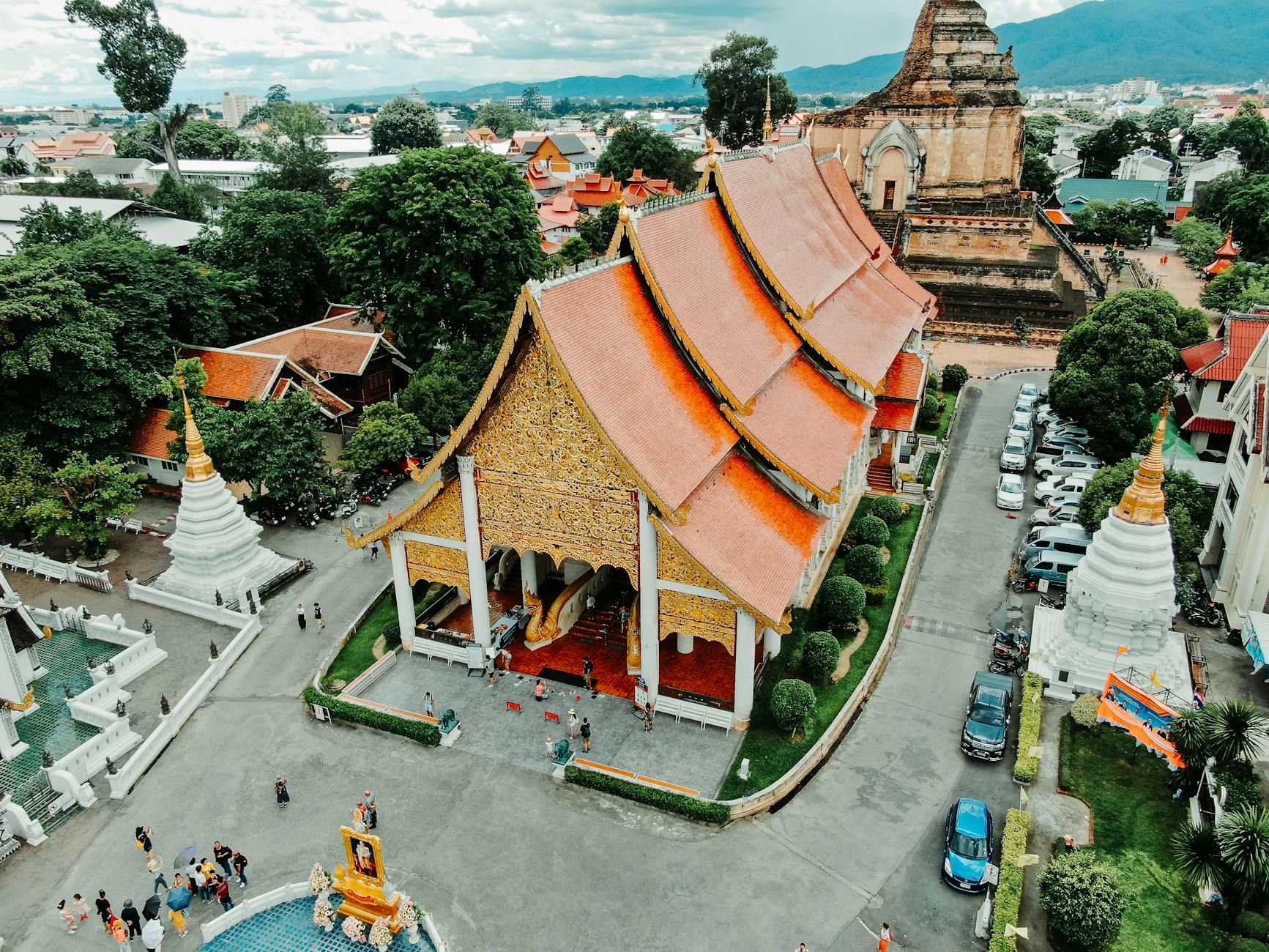
Chiang Mai sits in a valley 700 km north of Bangkok, ringed by mountains, and it runs at a different speed. No skyscrapers, no overhead expressways, no hour-long crawl to cross town. In their place: a walled Old City with temples on every second block, trees over most streets, and a rhythm that settles you within a day or two. Chiang Mai was the capital of the Lanna kingdom for five centuries, and that history still shapes the city’s layout, its festivals and its food.
Atmosphere and Culture
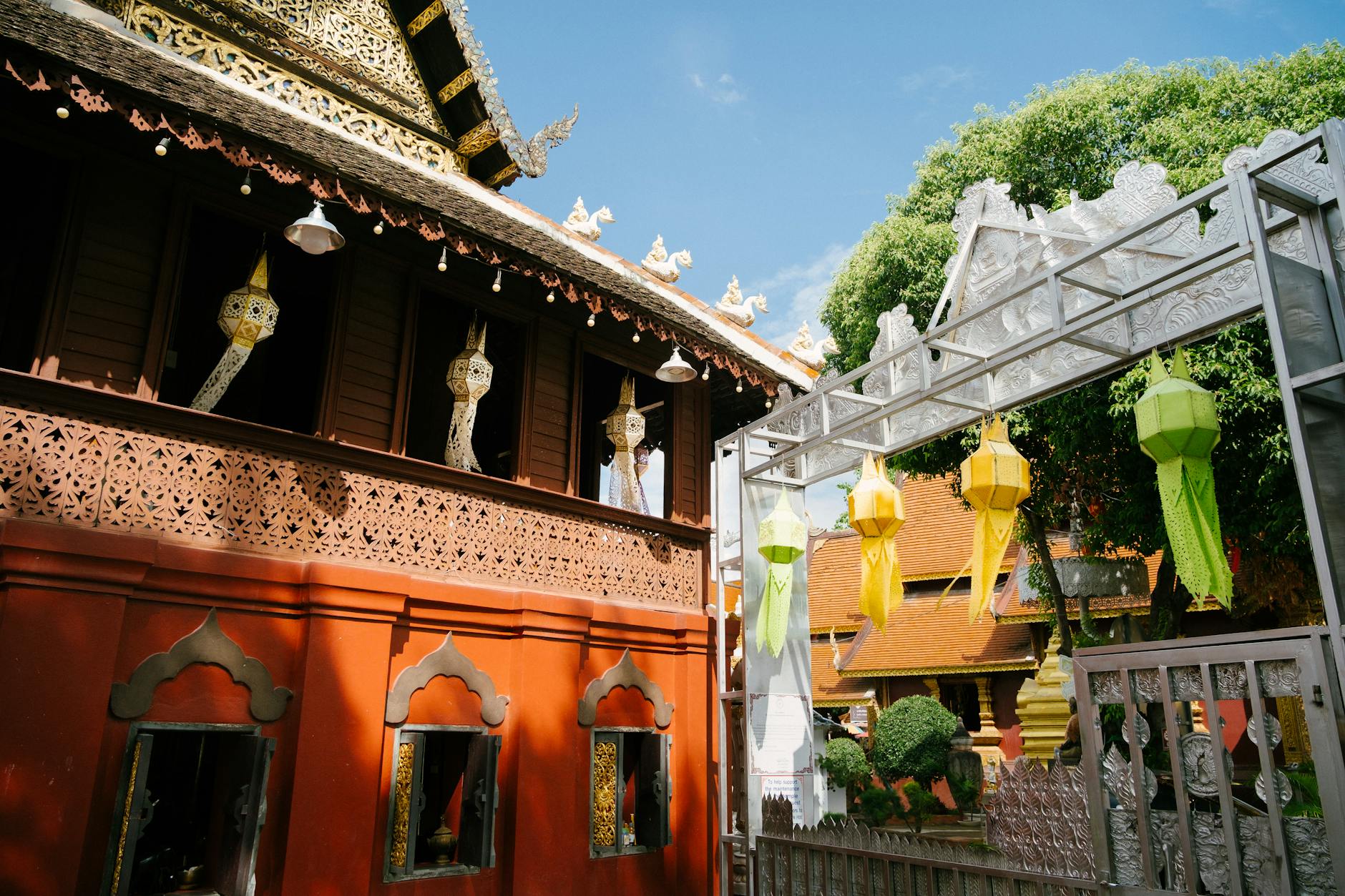
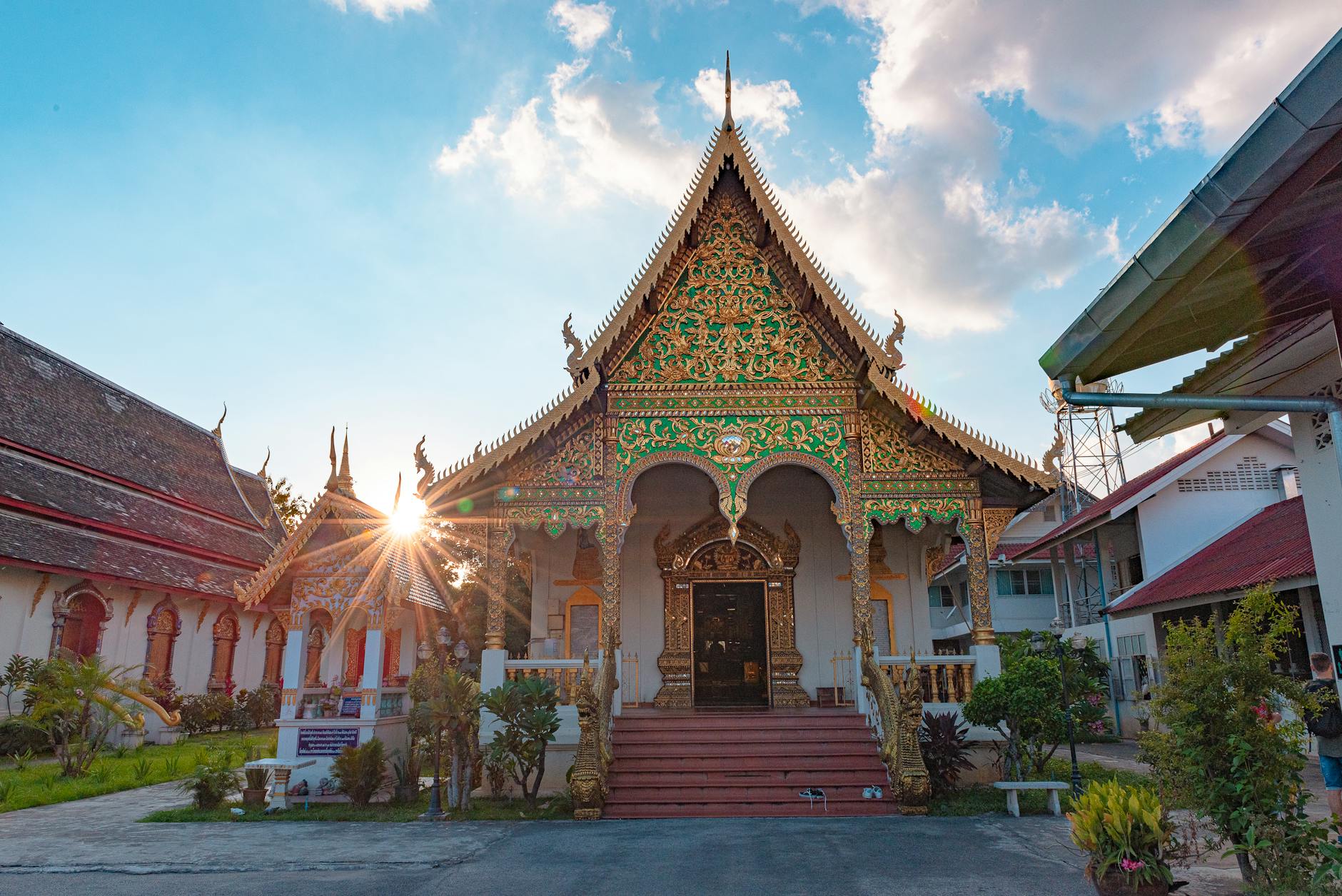
What strikes you first is how old and new sit side by side. Inside the moat and the brick wall, the Old City holds more than thirty temples, some from the 14th century, and walking its lanes early in the morning, when the monks are out collecting alms, is a quiet way to start a day. Step outside the wall and you are among specialty coffee roasters, coworking spaces and a mall with a cinema. Locals are easygoing with foreigners in a way that does not feel rehearsed for tourists, partly because so many foreigners have lived here for years. For context on the history and the food, a walking tour of Chiang Mai’s Old City in the first week pays off: you learn which temple is which and which market stall does the best khao soi, and then you have months to go back.
Climate and Nature
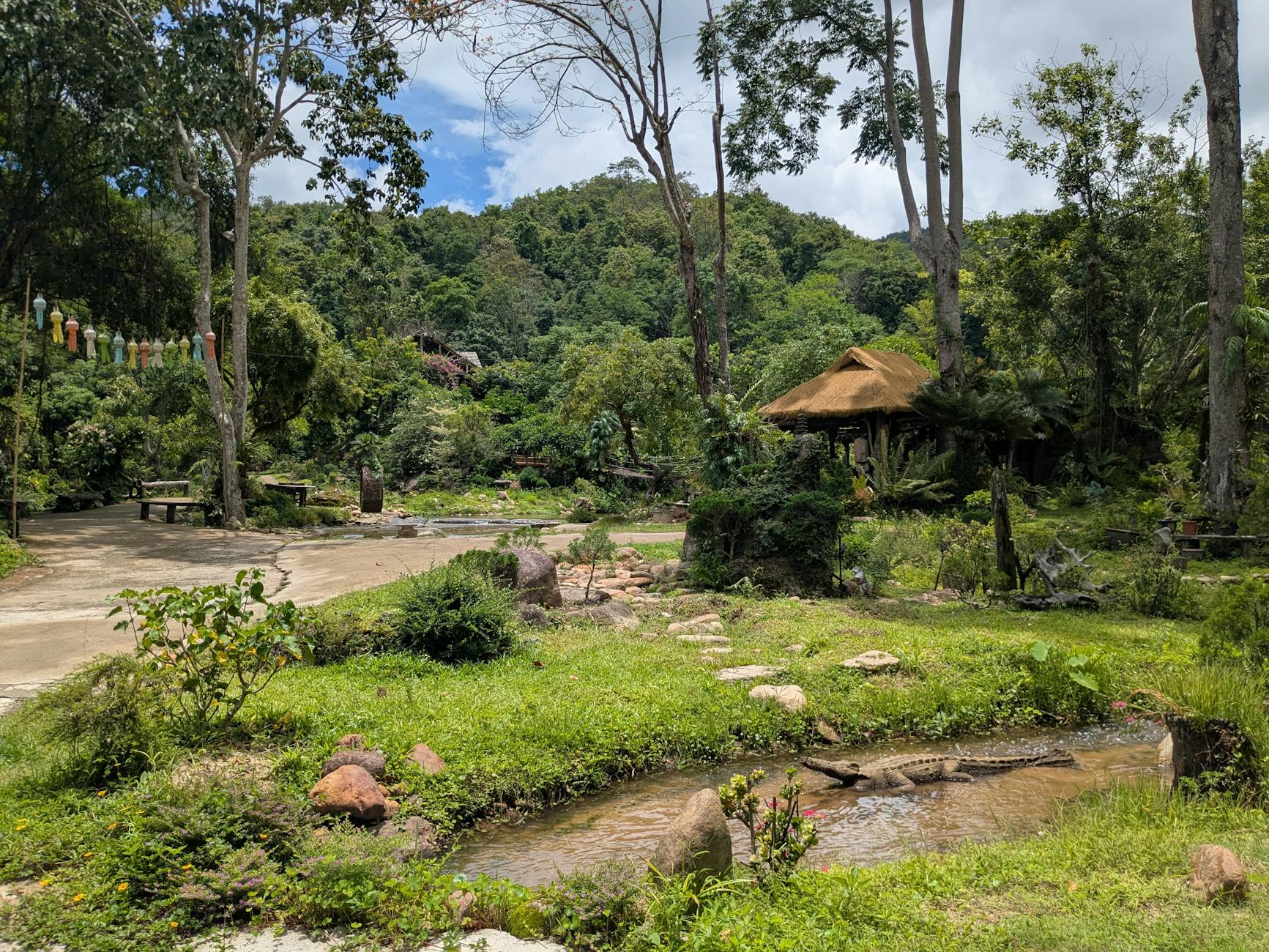
Chiang Mai’s weather is kinder than the south’s. Three seasons: hot from March to May, rainy from June to October, cool from November to February. The cool season is the reason people time their arrival for November. Daytime temperatures sit at 20-25°C, nights drop to around 15°C, and the air is dry enough that a scooter ride at 7 am needs a jacket. Those are the months for guided day trips into the mountains, when the summit of Doi Inthanon can be close to freezing at dawn. The surrounding mountains, waterfalls and national parks are the other half of why people stay. A waterfall hike an hour from town resets a week of screen time better than any cafe.
Pros and Cons of Living in Chiang Mai
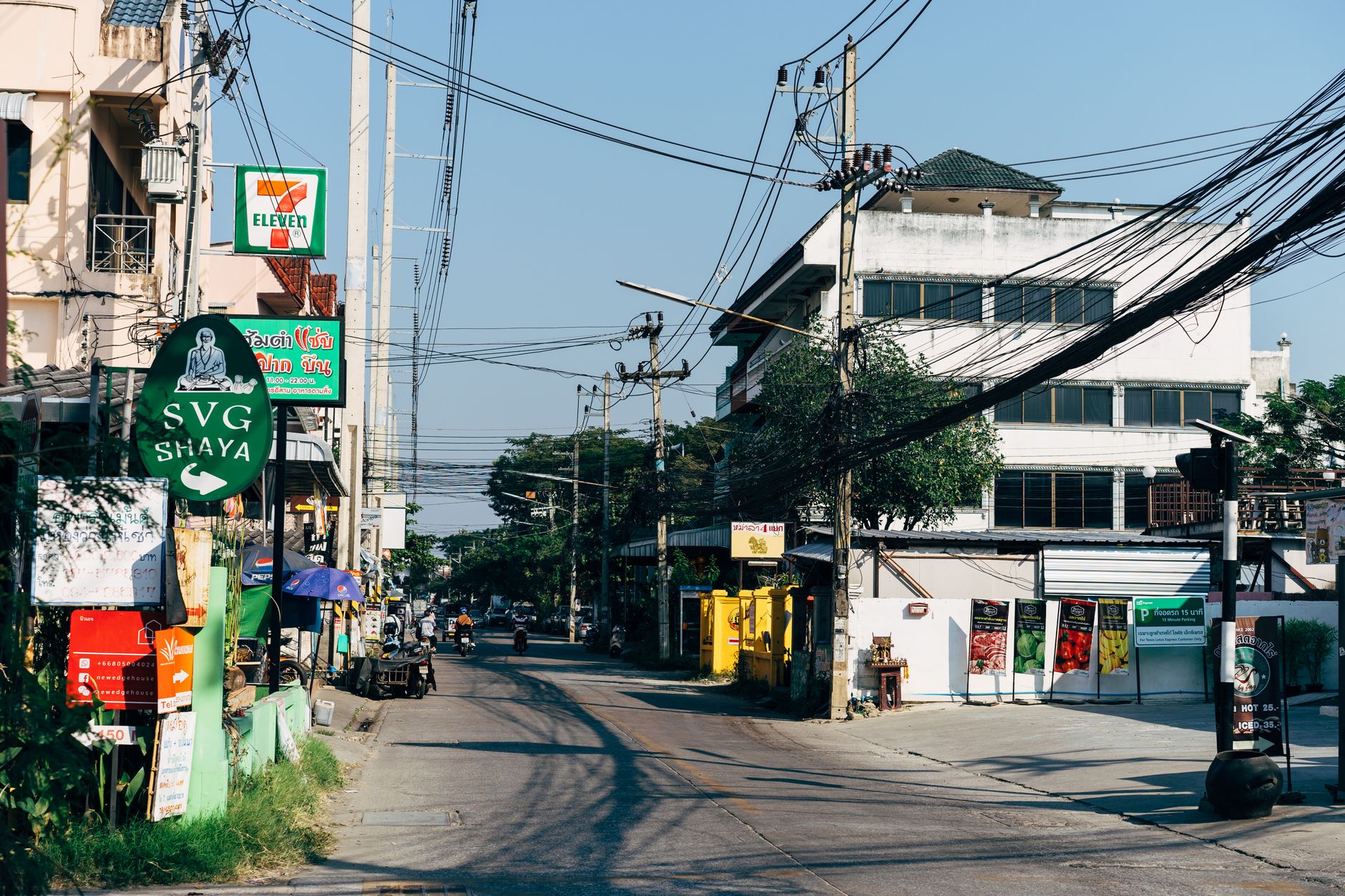
Like any city, Chiang Mai has a ledger with two columns. The good side first:
- Affordability. Rent, food and transport cost a fraction of Western prices, and noticeably less than Bangkok for the same quality of flat.
- Safety. Violent crime against foreigners is rare. Walking home from Nimman at 1 am is unremarkable. Scooter accidents are the real risk, not people.
- Nature and climate. Mountain air, greenery on every street and four months of cool, dry weather.
- Community. One of the largest expat and remote-worker populations in Asia, which means meetups, language partners and someone who has already solved whatever problem you have.
- Culture. Lanna festivals, hundreds of working temples and a food tradition distinct from the rest of Thailand, all going on around you rather than staged for visitors.
And the downsides, which are real enough that some people leave after one season:
- Smoke season. From roughly February to April, crop burning across northern Thailand, Laos and Myanmar fills the valley with smoke. PM2.5 readings regularly pass 150, air purifiers sell out, and many long-term residents decamp to the coast for six weeks. Anyone with asthma should plan around it.
- No sea. The nearest beach is a flight away. If you need the ocean weekly, this is the wrong base.
- Transport. There is no metro and buses are sparse. A scooter or the Grab app covers the city, but without your own wheels the outer neighbourhoods and the mountains are awkward to reach.
- Language. English works in Nimman, the Old City and hospitals. In the markets and the suburbs, fifty words of Thai change daily life.
Choosing between Chiang Mai and Bangkok comes down to pace. Bangkok offers endless choice in food, nightlife and shopping, with the prices, traffic and noise that come with it. Chiang Mai trades that for a slower rhythm, mountains ten minutes from the centre and a community that is easy to join. For remote workers who want a steady routine and a short commute to a desk, Chiang Mai usually wins. For people who need a big-city buzz every night, it loses within a month.
What Living in Chiang Mai Costs
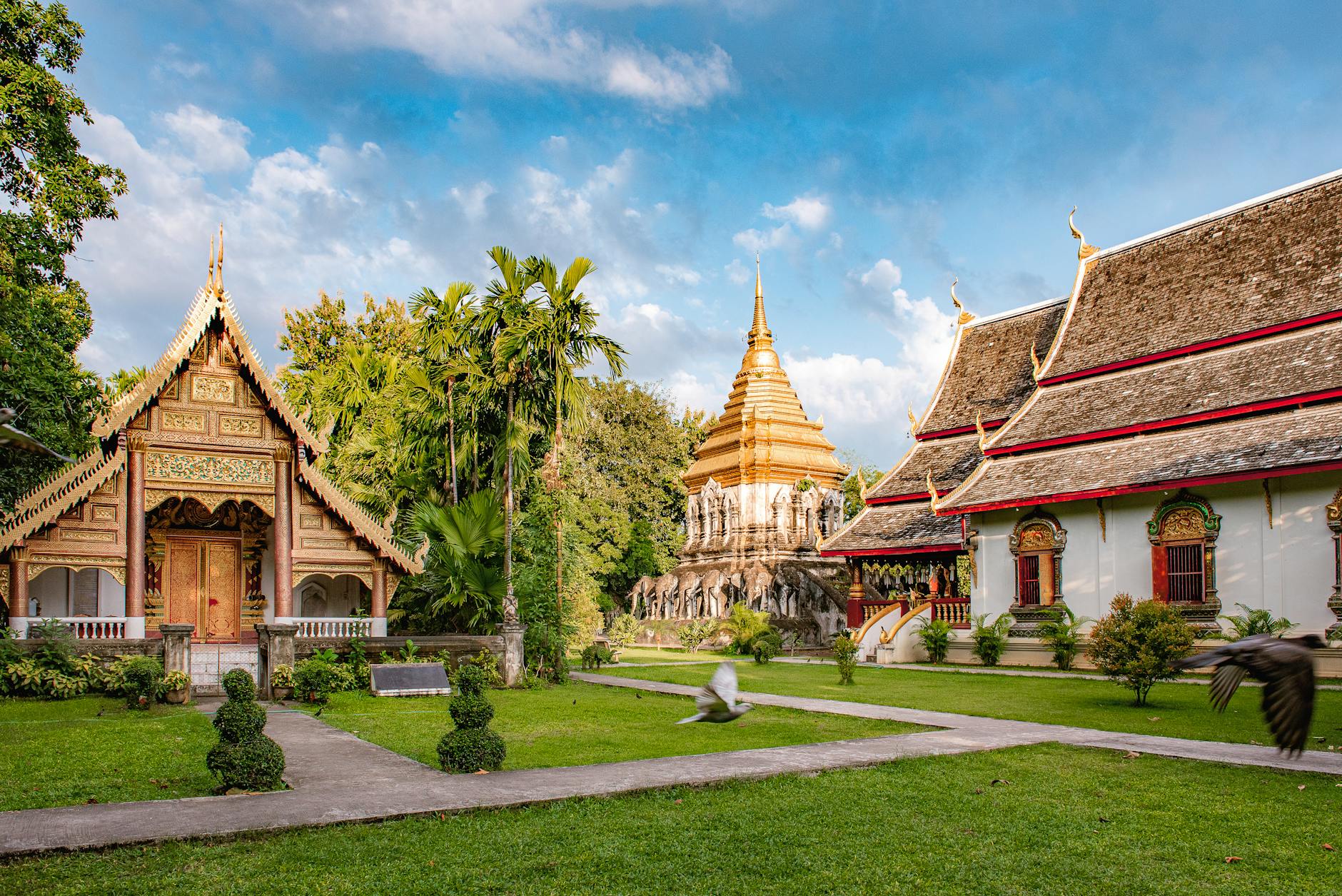
The question everyone asks before moving is the cost, and the short answer is that Chiang Mai remains one of the cheapest places in Asia to live well. The figures below assume a single person renting a furnished flat, eating a mix of street food and cafes, and getting around by scooter.
Long-Term Rentals and the Best Neighborhoods in Chiang Mai
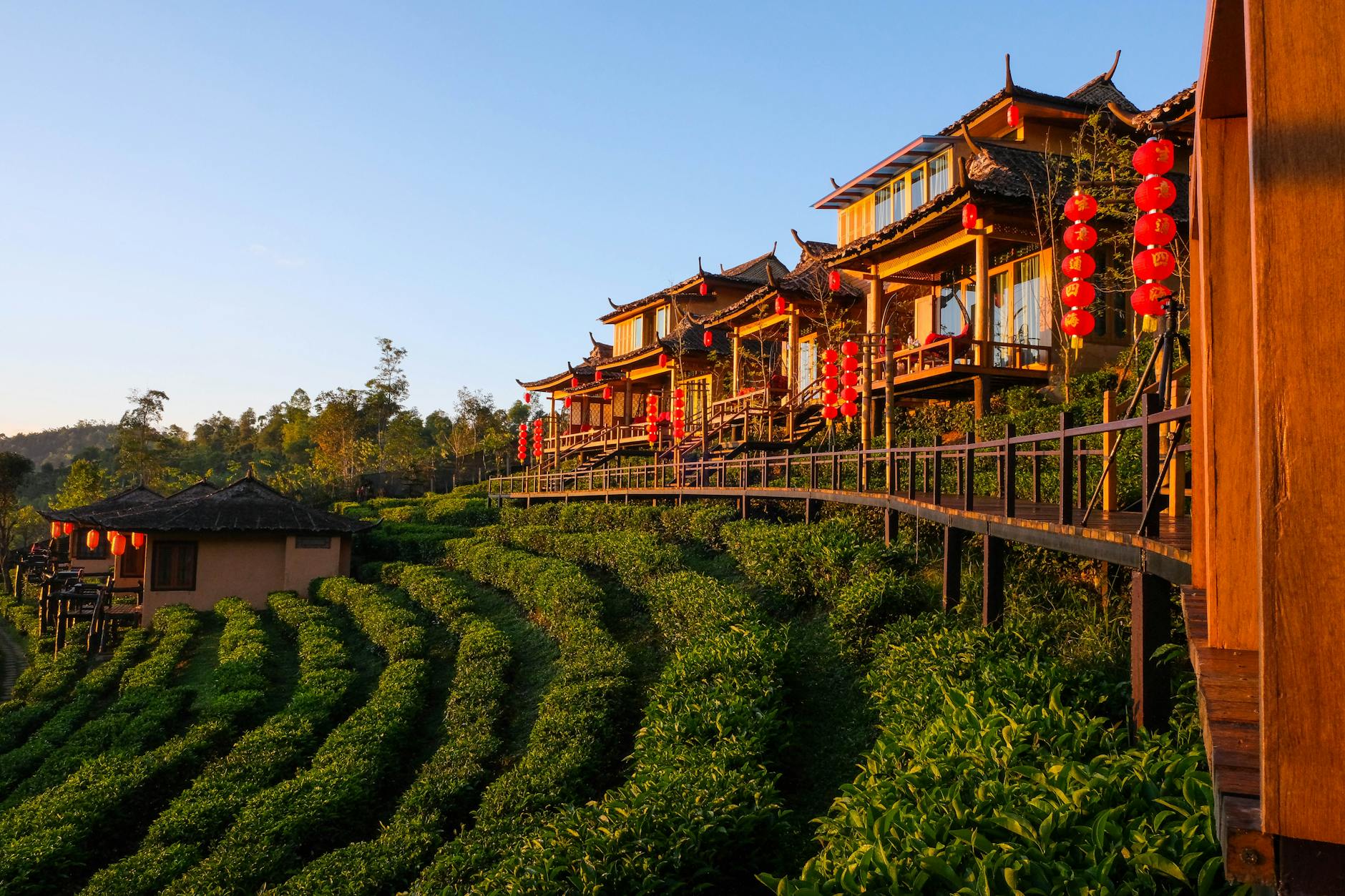
Rent is the largest line, and even so it stays modest. Long-term rentals range from a bare studio in a Thai apartment block to a modern condo with a pool to a whole house with a garden. Typical monthly rates:
- Studio or one-bedroom. 6,000-15,000 THB a month ($170-430). For 8,000-10,000 THB you get a clean studio or a small one-bedroom in a condo with a pool and gym, usually with a washing machine on the floor and a 7-Eleven downstairs.
- Two-bedroom. 15,000-30,000 THB and up ($430-860+), depending on building age and distance from Nimman.
- House. From 20,000 THB ($570) for a small Thai-style house in a residential soi to 50,000+ THB ($1,400+) for a modern villa in the gated estates on the ring road.
Two practical points. A six- or twelve-month lease cuts the monthly rate, often by 20-30 percent compared with month-to-month. And a deposit of one or two months’ rent is standard, returned at the end if the flat is in order. Electricity is billed separately, and condo buildings sometimes charge above the government rate per unit, which is worth asking about before signing.
Where to live depends on what you want outside your front door. The neighbourhoods most long-term residents choose between:
- Nimmanhaemin (Nimman). The modern district west of the Old City, dense with cafes, restaurants, coworking spaces and bars. Rent runs highest here, and in return everything is walkable, including the Maya mall and the One Nimman complex. Evenings here feel almost European, with a Thai edge: a craft beer bar next to a 40-baht noodle stall.
- Old City. The historic square inside the moat. Temples, guesthouses, small cafes and a slower pace than Nimman. Modern condos are scarce; stock is mostly older apartments and townhouses. Good for anyone who wants the culture at the doorstep and does not mind walking or scootering to Nimman for the coworking scene.
- Santitham. Wedged between the Old City and Nimman, with the same access at lower rents. Lots of Thai residents, local markets, and a growing number of expats who want to be near the centre without Nimman prices.
- Chang Klan. The Night Bazaar district east of the Old City. Busy, tourist-oriented, with hotels at every level. It makes more sense as a base for the first week than for a year. Two solid options for that week are the Dusit Princess Chiang Mai, a four-star right on the bazaar, and the Shangri-La Chiang Mai, a five-star with a large pool a few blocks south.
- Riverside. The stretch along the Ping River is the calmest central area, with riverside cafes and restaurants and views that make up for the longer ride to Nimman. The city’s best resort hotels sit here, including the Anantara Chiang Mai Resort and the RatiLanna Riverside Spa Resort, both five-star.
Flats are found through Facebook groups (search “Chiang Mai rentals” or “Chiang Mai apartments”), through agents who charge the landlord rather than you, or by walking a street you like and reading the “for rent” signs on building gates. The last method still works best for the cheaper Thai-run buildings, which never list online. A common pattern is to take a hotel in Chiang Mai for the first four or five nights, view flats in daylight, and sign by the end of the week. Looking a block or two off the main Nimman drag typically finds a quieter and better flat for the same money.
Food, Transport, and Daily Expenses
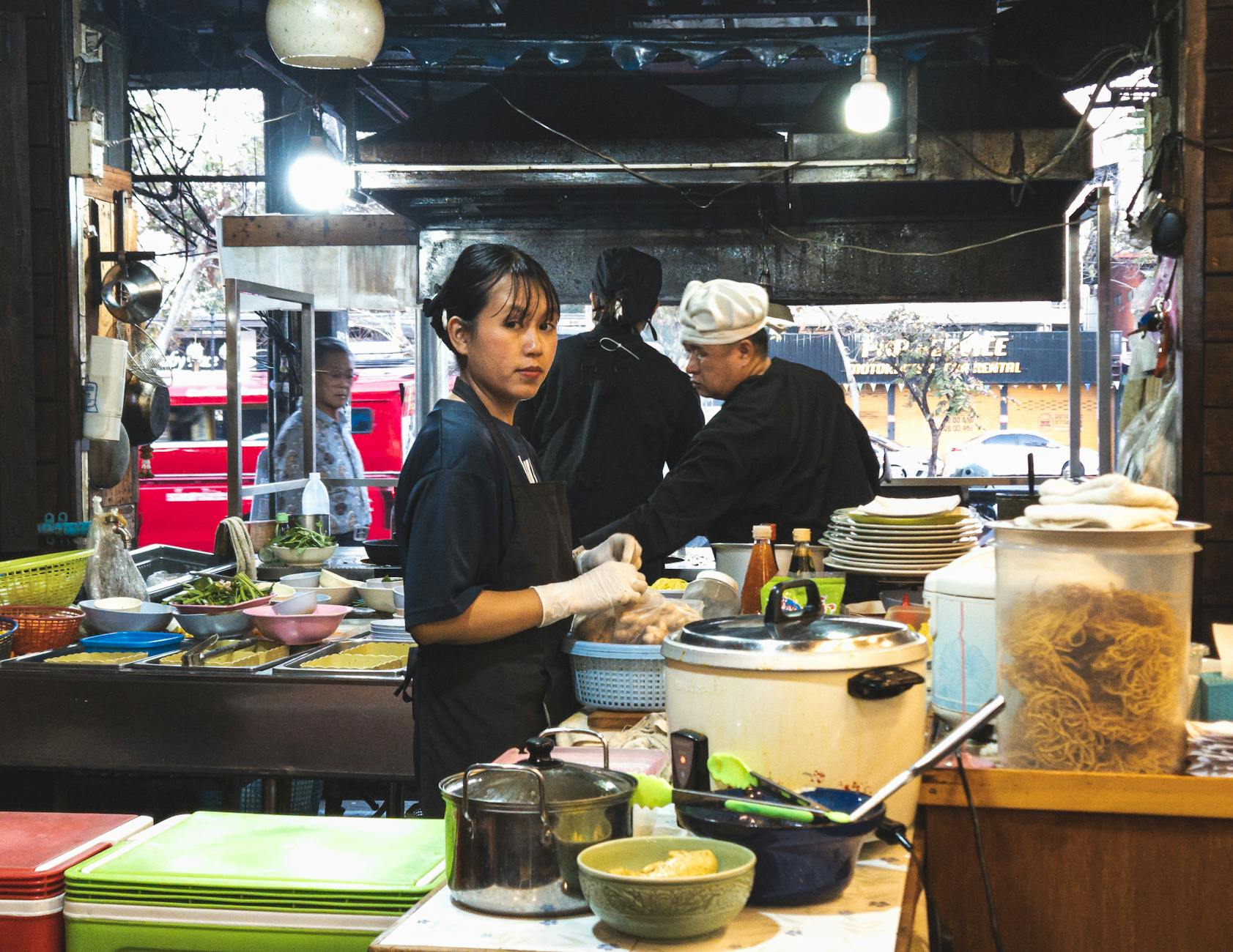
Food is where the budget stretches furthest. A plate of pad thai, a curry over rice or a bowl of khao soi, the northern coconut curry noodle soup, costs 40-60 THB ($1.10-1.70) at a street stall or a shophouse restaurant. Cafes aimed at foreigners charge 80-150 THB ($2.30-4.30) for a meal and 60-90 THB for a flat white. Supermarkets and the morning markets keep home cooking cheap. A realistic daily food budget that mixes eating out with some groceries is $10-15.
Transport usually means a scooter. A monthly rental runs 2,500-3,500 THB ($70-100) for a 125cc automatic, with a helmet included and a passport copy as deposit. Riding here is manageable if you have ridden before; if not, Chiang Mai’s wide, flat streets are a reasonable place to learn, but a Thai or international licence is required and police checkpoints near Nimman do ask. Grab taxis cost 50-150 THB ($1.40-4.30) across town, and the red songthaew trucks charge 30 THB a seat along fixed routes, which is the cheapest way to the university or the airport.
Other monthly lines:
- Internet. Most condos include fibre Wi-Fi, and coworking spaces run 100 Mbps and up. A prepaid SIM with 30-50 GB of data costs 300-500 THB ($8.60-14.30) a month from AIS, True or DTAC.
- Electricity and water. 500-1,500 THB ($14.30-43) a month, almost entirely driven by how many hours the air conditioner runs. Hot season bills double.
- Entertainment. Temples charge nothing or 20-50 THB. Yoga drop-ins are 200-350 THB, a cinema ticket 150-200 THB, a one-hour Thai massage 200-300 THB. Day tours start around 1,000 THB and go to several thousand for trekking or elephant sanctuaries.
- Healthcare. Covered below, but budget for insurance from day one.
Putting it together, a single person lives comfortably in Chiang Mai on 20,000-35,000 THB ($570-1,000) a month, including rent, food, a scooter and a few weekends away. People do it on 15,000 THB in a Thai-style studio with no air conditioning. Couples in a two-bedroom condo with a car and regular restaurant dinners spend 50,000-70,000 THB.
Visa and Legal Stay
Thailand’s visa rules shift often, so treat this as a map rather than legal advice. The simplest route is the visa exemption on arrival, which at the time of writing gives most Western passports 60 days and can be extended once by 30 days at the Chiang Mai immigration office near the airport for 1,900 THB. That is 90 days without a visa. The government has discussed shortening the exemption again, so check the current figure before booking a one-way ticket.
For stays longer than three months, the realistic options:
- Education (ED) visa. Enrol in a course, usually Thai language, and stay for up to a year with periodic extensions. Schools in Nimman and the Old City handle the paperwork; expect to pay 25,000-35,000 THB for a year of classes, and expect immigration to ask a few questions in Thai at renewal time.
- Destination Thailand Visa (DTV). Introduced in 2024 for remote workers and people taking longer courses in cooking, Muay Thai or similar. It is valid for five years with stays of up to 180 days per entry, requires proof of around 500,000 THB in savings, and costs 10,000 THB. For most long-term remote workers this has replaced the old tourist-visa shuffle. A Thai cooking class is a pleasant afternoon on its own, but the “soft power” DTV category needs a registered course of several months, not a one-day workshop.
- Retirement visa. For applicants over 50 with 800,000 THB in a Thai bank or a monthly income of 65,000 THB.
- Long-Term Resident (LTR) and Smart visas. Ten-year and four-year visas for high earners, investors and specialists in targeted industries. The income thresholds exclude most freelancers.
Always confirm the current rules with the Thai embassy in your home country before committing to a flat lease, because extensions and requirements change with little notice. Immigration in Chiang Mai is busy; arriving at 7:30 am with copies of every page of your passport is the local wisdom.
Chiang Mai’s Digital Nomad Scene
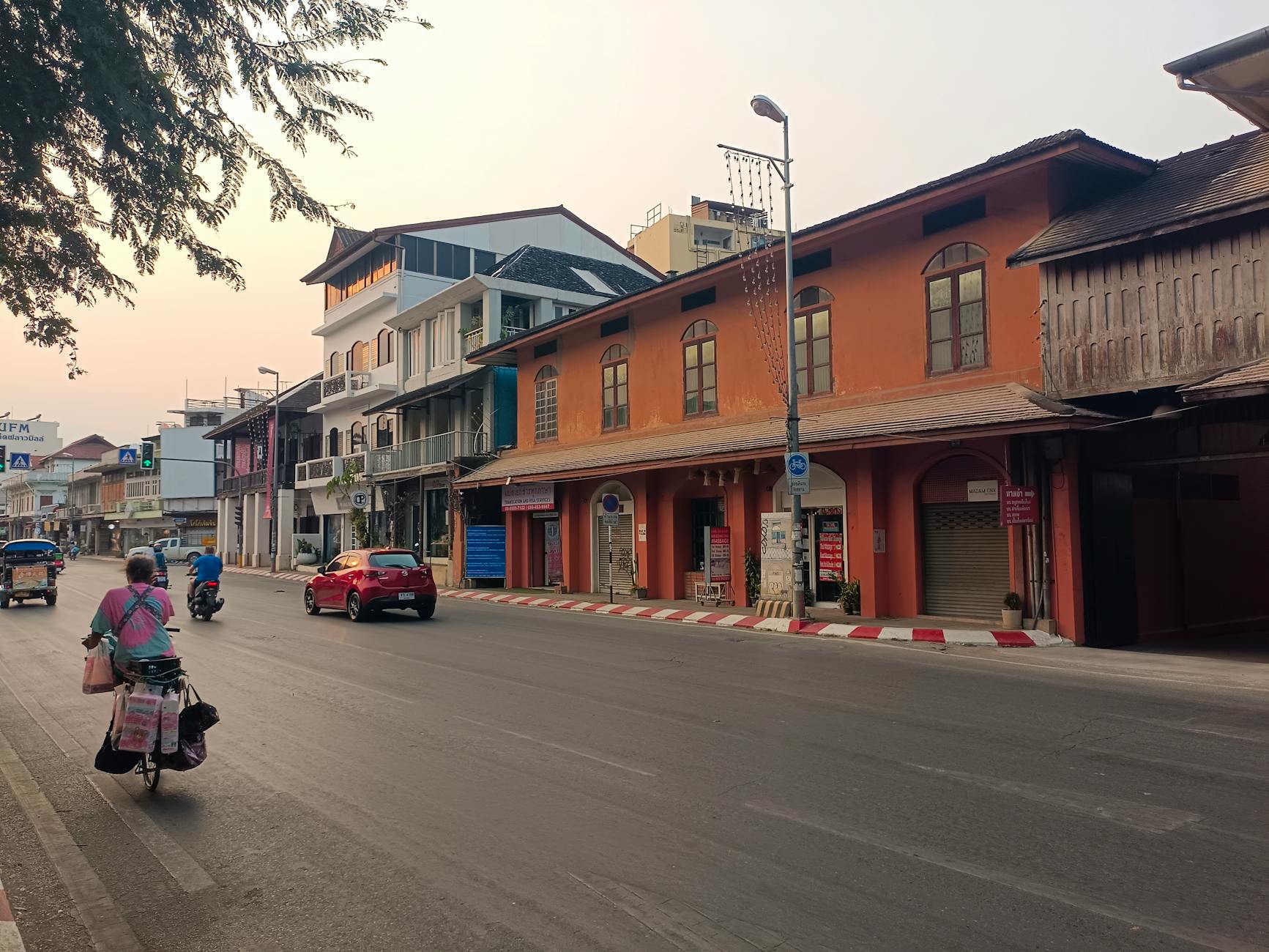
Chiang Mai earned its reputation as a remote-work capital a decade ago, when the first coworking spaces opened in Nimman and the cost of living drew freelancers from Europe and North America. The infrastructure has matured since: fibre internet in most buildings, a dozen coworking spaces, cafes designed around laptops, and a calendar of meetups that runs year-round except during the smoke.
Remote Work and Coworking Spaces
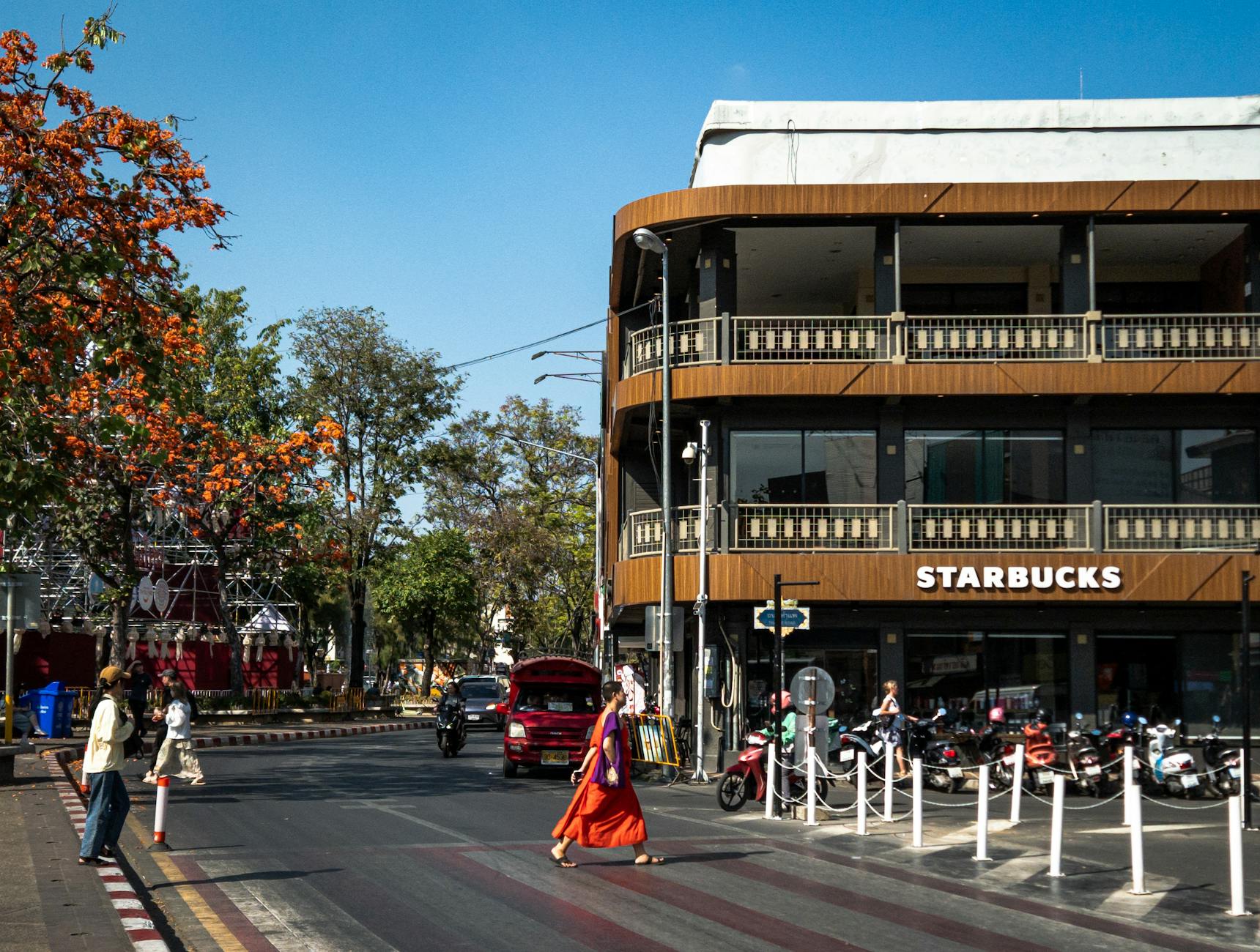
Working from Chiang Mai is straightforward. Internet is fast and cheap, power cuts are rare outside the rainy season, and cafes with Wi-Fi and outlets line every street in Nimman. For focused days and for meeting people, the coworking spaces are the better bet, and the three that come up most often:
- Punspace. The oldest and best-known, with branches in Nimman and near Tha Phae Gate. Good chairs, fast fibre, meeting rooms and a community that organises its own events. A day pass costs about 200-300 THB, monthly memberships 3,000-5,000 THB depending on hours and desk type.
- Hub53. Also in the Nimman area, smaller and quieter, with flexible plans that suit people who only need a desk a few days a week. Members tend to be longer-term residents rather than passers-through.
- CAMP at Maya Lifestyle Shopping Center. Not a coworking space in the strict sense but a large cafe and library on the mall’s top floor, open until late, with hundreds of seats, outlets everywhere and Wi-Fi in exchange for a drink order. Useful for evening sessions after the proper coworking spaces close, and for the view over Nimman at sunset.
Most people settle into one of these within a week and treat it as an office. Punspace is where you meet the widest range of people; CAMP is where you go at 9 pm when a deadline refuses to move. Laptops are such a fixture of the Nimman landscape that nobody looks twice at a cafe table occupied for four hours.
Expat Community and Networking
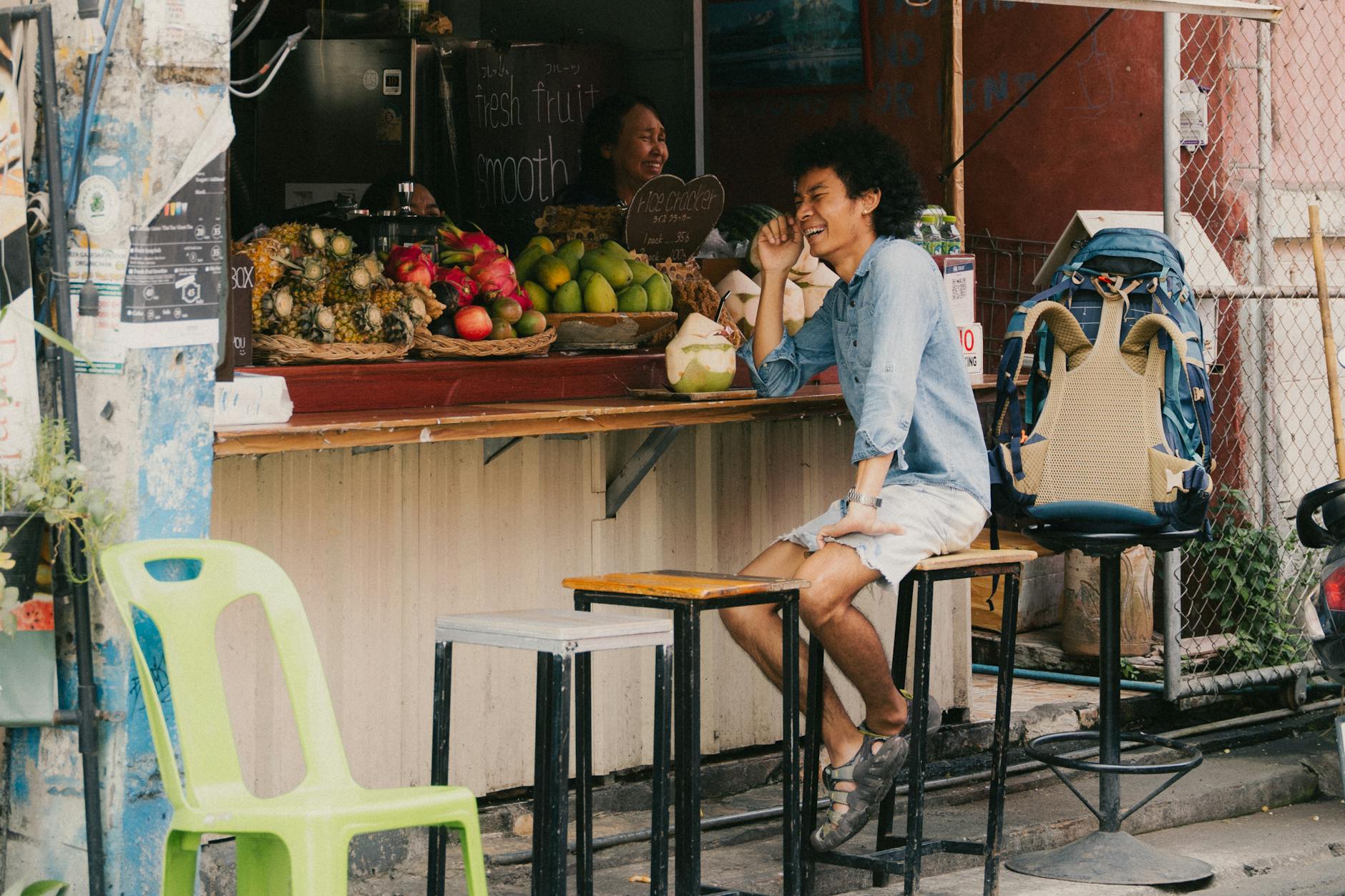
Loneliness is not the problem in Chiang Mai; filtering is. Tens of thousands of foreigners live here, many of them remote workers, and the community is organised enough that a newcomer can fill a calendar within days. Where people meet:
- Facebook groups. Still the main channel. “Chiang Mai Digital Nomads” and “Chiang Mai Expats” carry daily posts about meetups, apartments, visa runs and lost cats. Read for a week before posting and most questions answer themselves.
- Coworking spaces. Punspace and Hub53 host talks, skill-shares and Friday drinks. These are the lowest-effort way to meet people who do similar work.
- Interest groups. Language exchanges at cafes in the Old City, trail-running and cycling clubs that leave for Doi Suthep at dawn, board-game nights, Muay Thai gyms with beginner classes.
- Cafes and bars. Striking up a conversation at the next table is normal here in a way it is not in most cities, because everyone was new once and remembers it.
This network is the practical advantage of Chiang Mai over cheaper or prettier towns. Someone in a group has already found the dentist who speaks English, the mechanic who does not overcharge for scooter brakes, and the immigration officer who is friendlier on Tuesdays. Friendships made over a shared coworking desk here have a way of lasting after everyone has moved on.
What to Do in Chiang Mai Long-Term
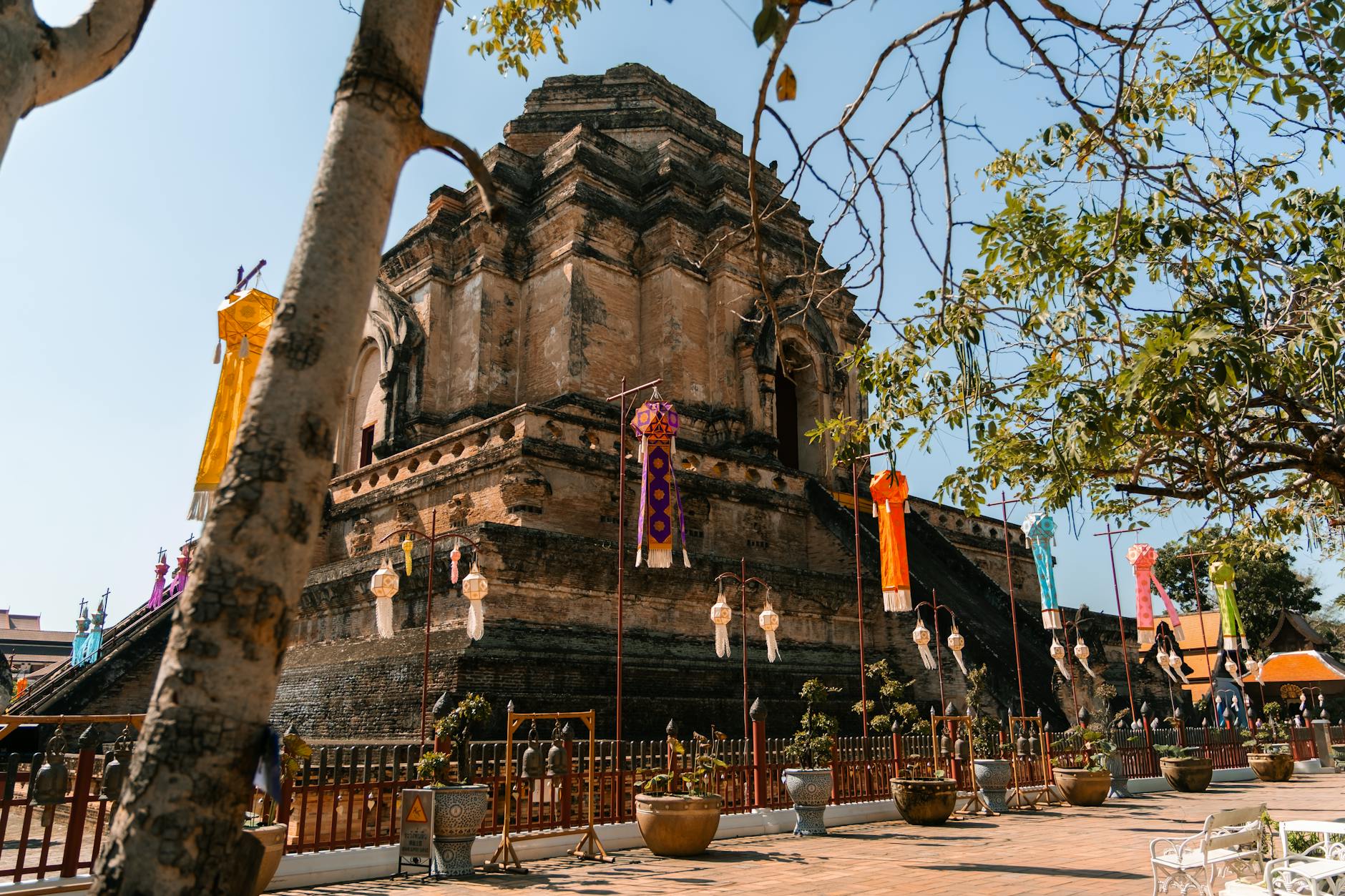
Once the laptop closes, Chiang Mai offers more than a tourist week can hold, which is the point of staying longer. The city and the province around it reward repeat visits: a temple at festival time looks nothing like the same temple on a Tuesday, and the mountains change completely between the rainy season and the cool.
Cultural Discoveries and Temples
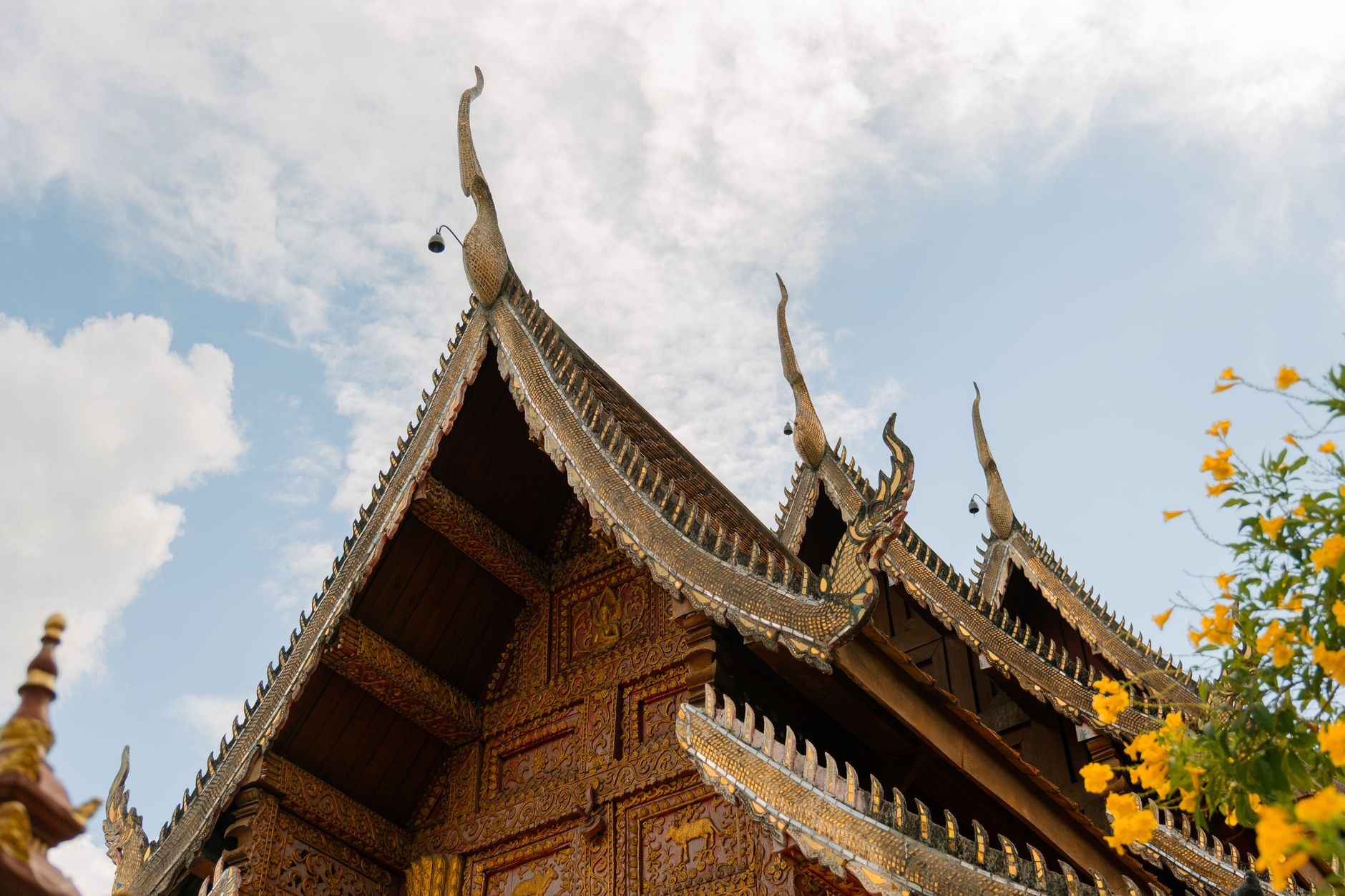
Chiang Mai is a city of temples, with over 300 in the province and a few dozen within the Old City alone. Three that long-term residents keep returning to:
- Wat Phra That Doi Suthep. The mountain temple above the city, 15 km from the centre up a winding road. Climb the 306 steps of the naga staircase or take the funicular, and arrive before 8 am for the view before the haze and the tour buses. Foreigners pay 30 THB; a shared songthaew from the zoo gate costs about 40 THB each way.
- Wat Chedi Luang. In the middle of the Old City, with a 15th-century brick chedi partly collapsed in an earthquake and never fully rebuilt. The “monk chat” tables under the trees let you ask a novice anything about monastic life, in English, for free.
- Wat Phra Singh. The city’s most revered temple, at the west end of Ratchadamnoen Road, with a Lanna-style scripture library and murals from the 1800s in the smaller Lai Kham chapel.
Beyond the temples, the markets structure the week. The Sunday Walking Street fills Ratchadamnoen Road from Tha Phae Gate to Wat Phra Singh with craft stalls and food from 4 pm; the Saturday version runs along Wua Lai Road south of the wall; and the Night Bazaar on Chang Klan trades every evening. Warorot Market near the river is the daytime market locals use, and the place to buy northern sausage, dried chillies and fruit by the kilo.
Nature and Adventures
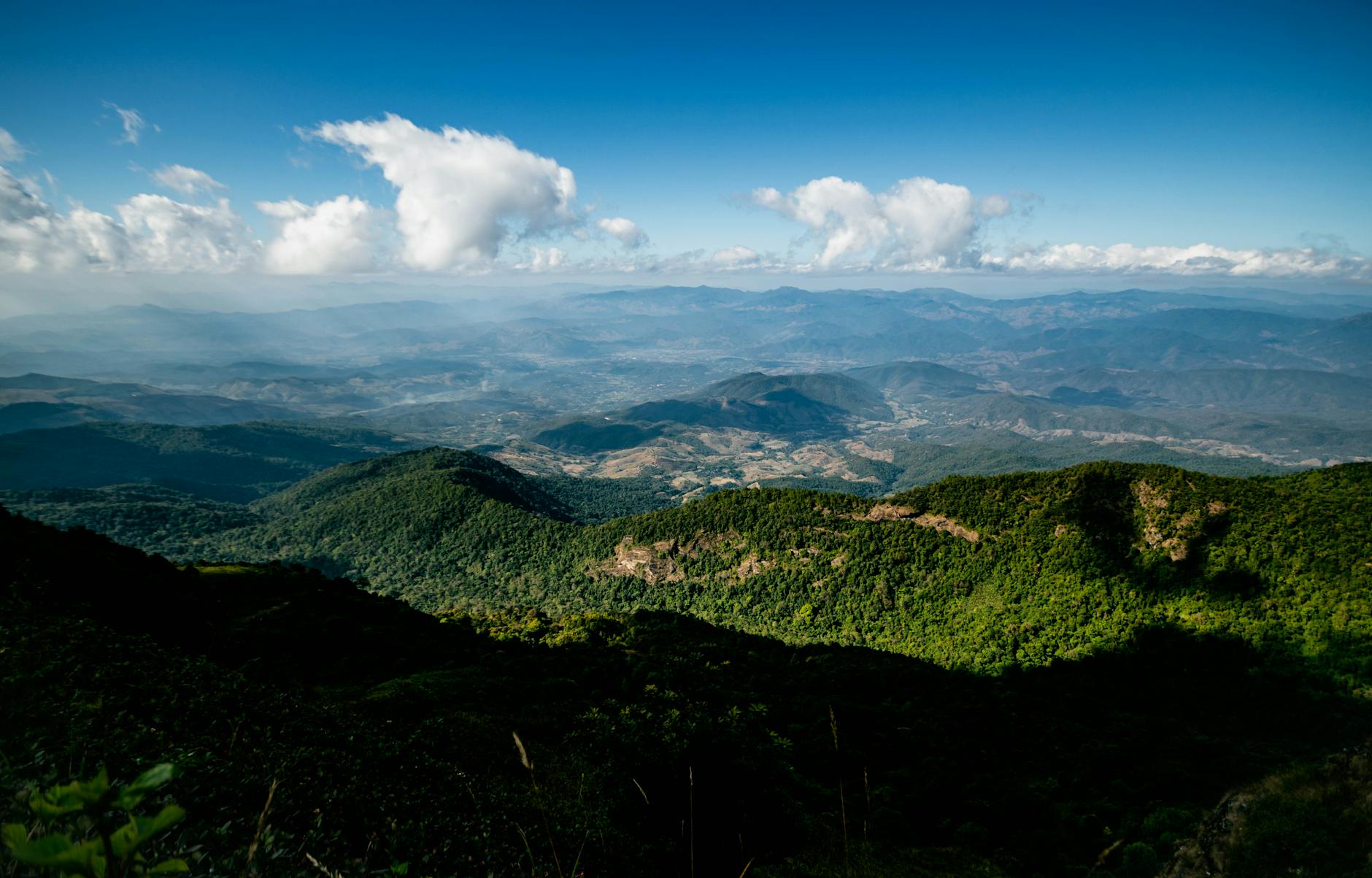
The province around Chiang Mai is where long-term residents spend their weekends. National parks, waterfalls, elephant sanctuaries (choose one with no riding and no shows) and hill-tribe villages all sit within a day trip. The outings that justify the drive:
- Doi Inthanon National Park. Thailand’s highest mountain at 2,565 m, two hours southwest of the city. Cool air year-round, the twin royal pagodas near the summit, the Wachirathan and Siriphum waterfalls, and the Kew Mae Pan nature trail, a 3 km loop through cloud forest that opens from November to May. Park entry is 300 THB for foreigners.
- Chiang Rai. Three hours north by bus. The White Temple (Wat Rong Khun), the Blue Temple and the Black House are three artists’ projects rather than historic sites, and worth a long day trip or an overnight. Green Bus runs the route hourly for about 200-300 THB.
- Golden Triangle. The point on the Mekong where Thailand, Laos and Myanmar meet, usually combined with Chiang Rai. The Hall of Opium museum there explains the region’s history better than the viewpoint does.
- Cooking classes. A half-day course at a farm outside the city teaches four or five dishes and the market shopping that precedes them. After a few months of eating out, learning to make a proper khao soi at home is a practical skill.
- Yoga and meditation. Studios in Nimman and the Old City run drop-in classes, and several monasteries, including Wat Suan Dok and Wat Umong, offer meditation courses in English from a day to several weeks.
With a scooter and a free Sunday, the Samoeng loop, a 100 km circuit through the mountains west of the city, is the classic ride: strawberry farms, the Mae Sa valley, and a return through the forest above Doi Suthep. Leave by 8 am and you are back for a late lunch.
Health and Wellbeing

Healthcare for foreigners in Chiang Mai is good and, by Western standards, cheap. Chiang Mai Ram Hospital and Bangkok Hospital Chiang Mai are the two private hospitals most expats use, with English-speaking doctors, same-day appointments and in-house pharmacies. A consultation runs 500-1,000 THB, a dental cleaning about 1,000 THB, and an overnight admission with tests a few tens of thousands of baht. Those figures are manageable for a sore throat and ruinous for a scooter crash, which is why travel or expat health insurance is not optional. Policies for a year in Thailand start at a few hundred dollars for people under 40.
Health here goes beyond hospitals. Thai massage is part of daily life rather than a treat: shophouse parlours charge 200-300 THB an hour, and the women’s prison massage programme near the Old City, run as vocational training, is the city’s best-known bargain. After weeks at a desk, a weekly massage does more for the back than any ergonomic chair. Yoga studios, Ayurvedic clinics, fasting retreats and Muay Thai gyms round out the options, and most of them cost less per month than a single class would at home.
Who Chiang Mai Suits, and Who It Does Not
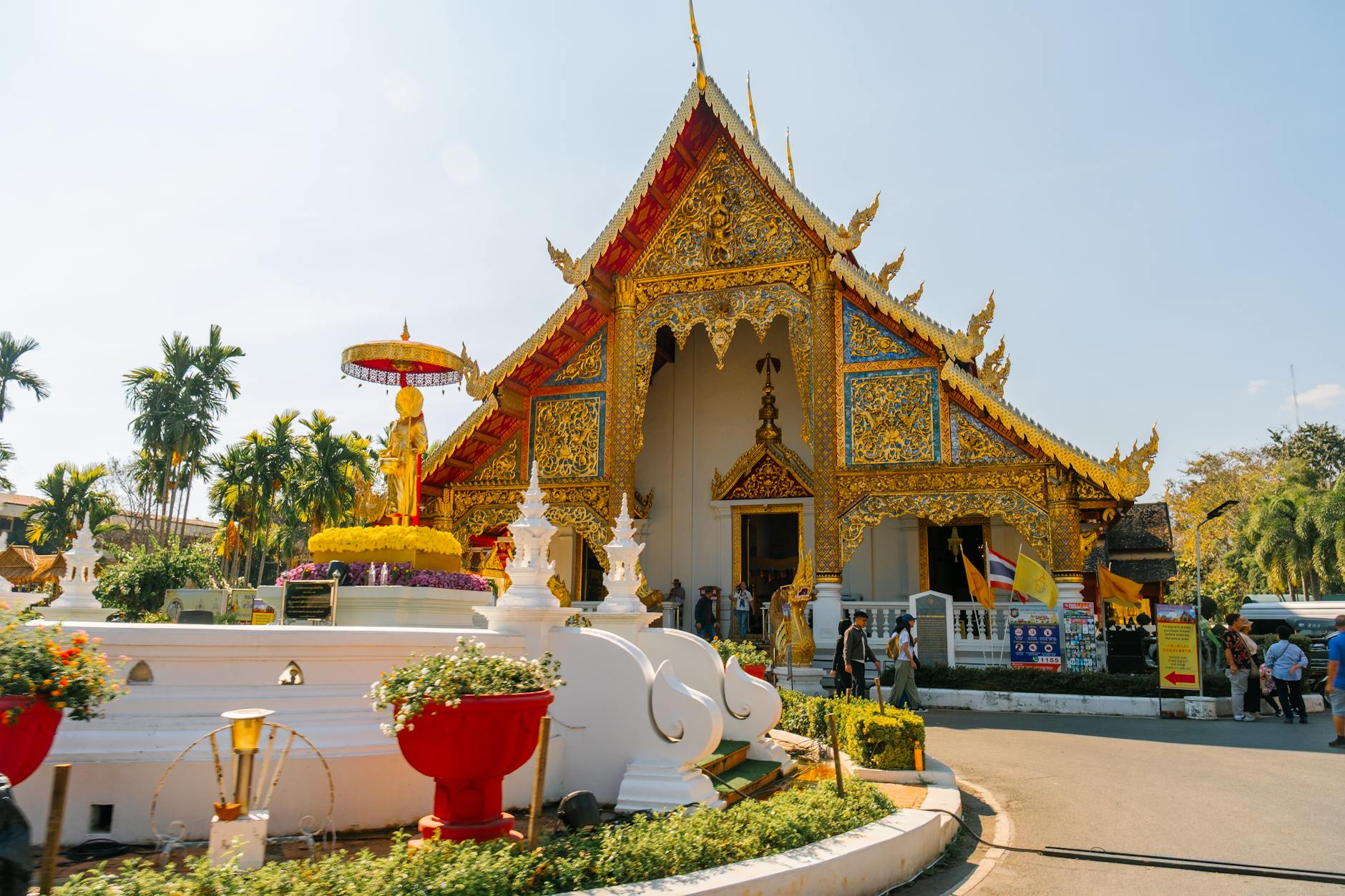
Chiang Mai works for people who want a routine: a desk by 9, khao soi at noon, a temple or a trail on the weekend, and a monthly budget that stays under $1,000 without effort. It works less well for anyone who needs the sea, who cannot tolerate two months of smoke, or who wants a new nightlife district every Friday. The honest way to decide is to arrive in November, rent a condo for a month in Santitham or off the main Nimman road, buy a coworking pass, and see whether the city’s pace suits yours. By December most people know. Those who stay tend to measure their time here in seasons rather than weeks, and the first cool-season morning with 15°C air and a clear view of Doi Suthep usually settles it.


