Picture the UAE and you probably see Dubai: towers, man-made islands, malls the size of small towns. Two hours east of all that, the Hajar Mountains rise to over 1,500 metres and the country turns into rock, gorges and silence. Fujairah is the emirate that sits on the far side of that range, and its mountains are the best reason to leave the coast. This guide covers the hiking routes that make sense for different fitness levels, what a jeep safari involves and costs, and how to get there and where to sleep.
What the Hajar Mountains Look Like
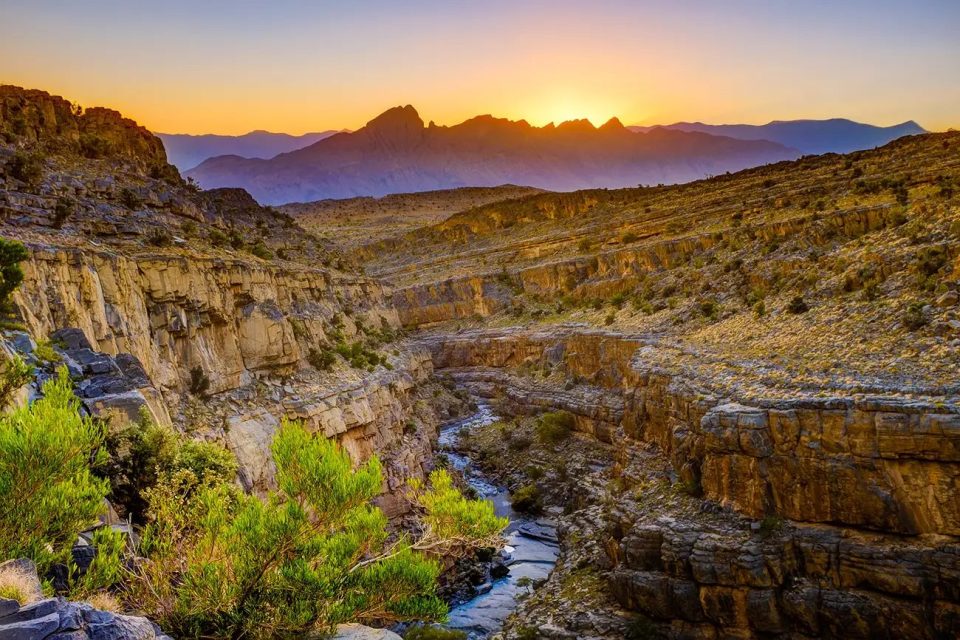
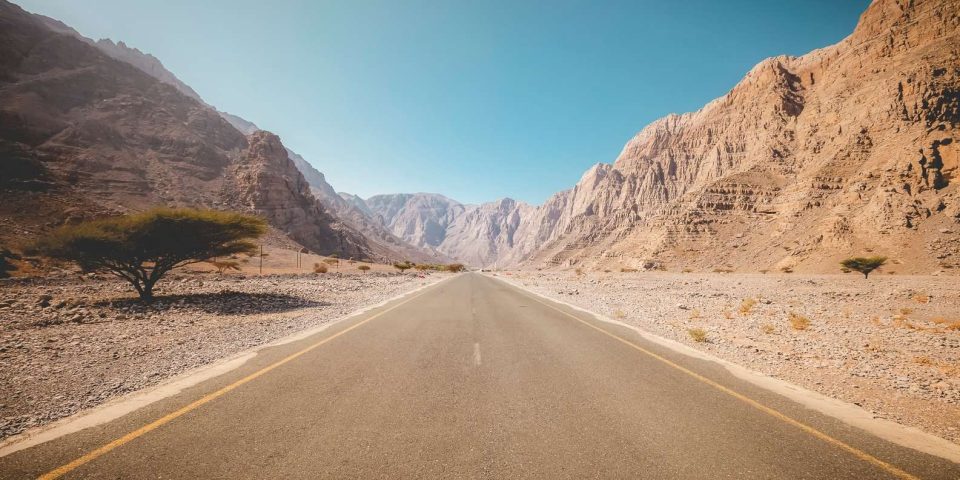
Landscape is the first thing that hits you. After the flat sand of the western emirates, mountains dominate everything here. Ancient and bare, the Hajar range runs from Oman up through the eastern UAE. Forests do not exist. Everything is rock, cut by deep dry riverbeds the locals call wadis and dotted with tough, sparse shrubs. Rock colour changes through the day, from soft grey at sunrise to deep orange an hour before sunset.
That bareness is what makes hiking here feel different. Silence is close to total, broken by wind or the occasional goat. Phone signal drops out in most wadis. At the same time, a town with petrol, water and food is rarely more than 30 minutes away, which is a comfortable kind of remoteness.
Plan the trip for October to April. In summer the heat climbs above 45°C, and hiking then is not just unpleasant but dangerous. Winter days are dry and sunny at 20-28°C, with cold nights up high. December to February is the sweet spot.
Why These Mountains Are Worth a Day
Fair question. The world has the Alps and the Himalayas, and the Hajar are neither. Four things still make them worth the drive.
- Access. An hour and a half to two hours by car from Dubai and you are at a trailhead. No flights, no altitude, no permits.
- Range of difficulty. Flat walks along wadi floors suit children; ridge routes near Masafi gain 800-1,000 metres and need navigation skills.
- Things to find. Hidden oases, petroglyphs, abandoned stone villages and, with luck, wildlife: Arabian tahr, foxes, porcupines.
- Solitude. On a weekday you can walk for hours without meeting anyone. Fridays and Saturdays bring local families to the popular wadis, so go early.
Raw nature within commuting distance of a modern city is the combination, and few places offer it this cheaply.
Hiking Routes From Easy to Hard
First step is picking a route. Dozens are logged on AllTrails and Wikiloc, and the tracks there are more reliable than any signage on the ground. Below are the ones that give a good sense of the area. Be honest about fitness: distances look short on the map, but loose rock and heat slow everyone down.
Easy Walks Through Wadis and Old Villages
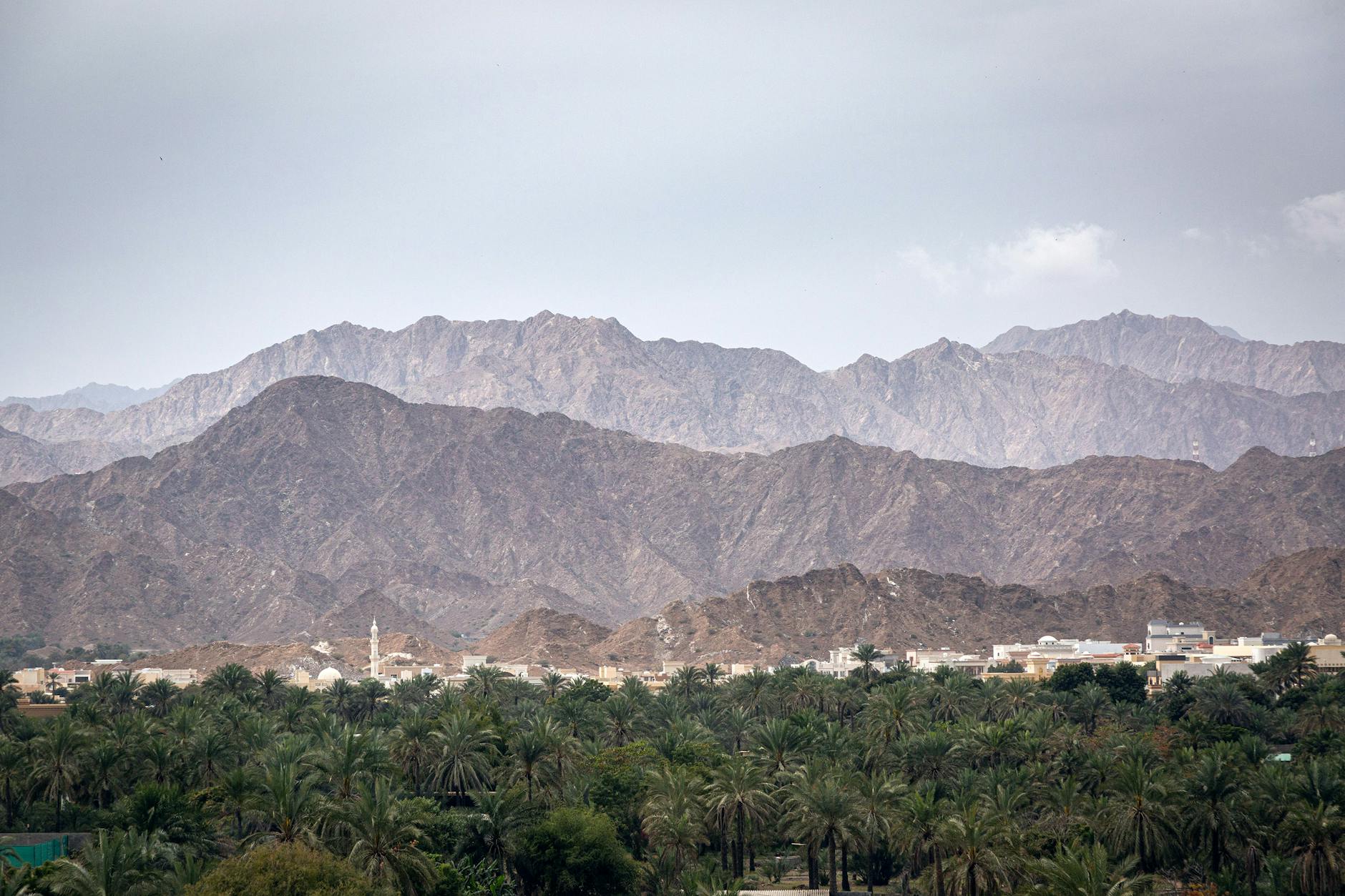
If you are new to this or walking with family, start on a wadi floor. Dry riverbeds form natural corridors with little elevation change, and you can turn back at any point.
Wadi Shawka Dam Loop. Technically this one is just over the border in Ras Al Khaimah, but it is 40 minutes from Fujairah and the classic first hike in the country. The loop runs about 10 km from a free car park at the dam, follows the reservoir for a while, then climbs into the hills and comes back along a ridge. It is one of the few marked trails in the UAE, with painted waymarks, so navigation is simple. Count on three to four hours with stops. In spring, after rain, the pools below the dam hold water, and local families picnic there on weekends. Come on a weekday morning and the car park has three cars in it.
Wadi Al Hayl. Pure Fujairah, 15 minutes south-west of the city. Al Hayl Fort, once a summer residence of the ruling family, is the anchor, and petroglyphs estimated at 1,000 to 3,000 years old sit on boulders nearby. From the fort, the wadi floor leads past palm groves and old farm terraces. Two hours out and back is enough. Pair it with a guided trip to Wadi Ghub, the so-called Rainbow Valley, if you want to see the striped rock formations without hunting for the unmarked track yourself.
Harder Routes Around Masafi and Jebel Yibir
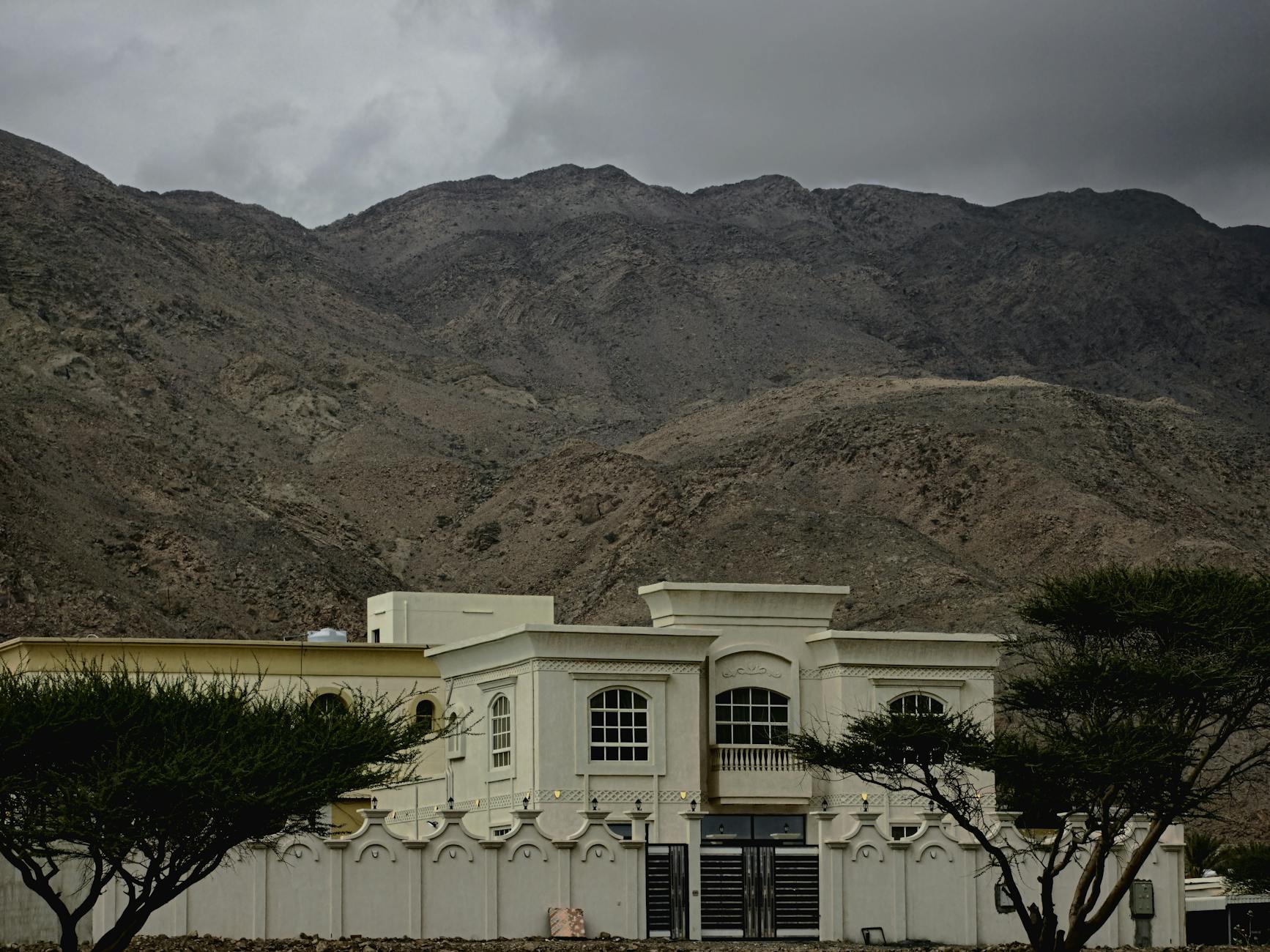
Past the easy walks, the routes demand fitness, a GPS track and a lot of water. None of them are marked.
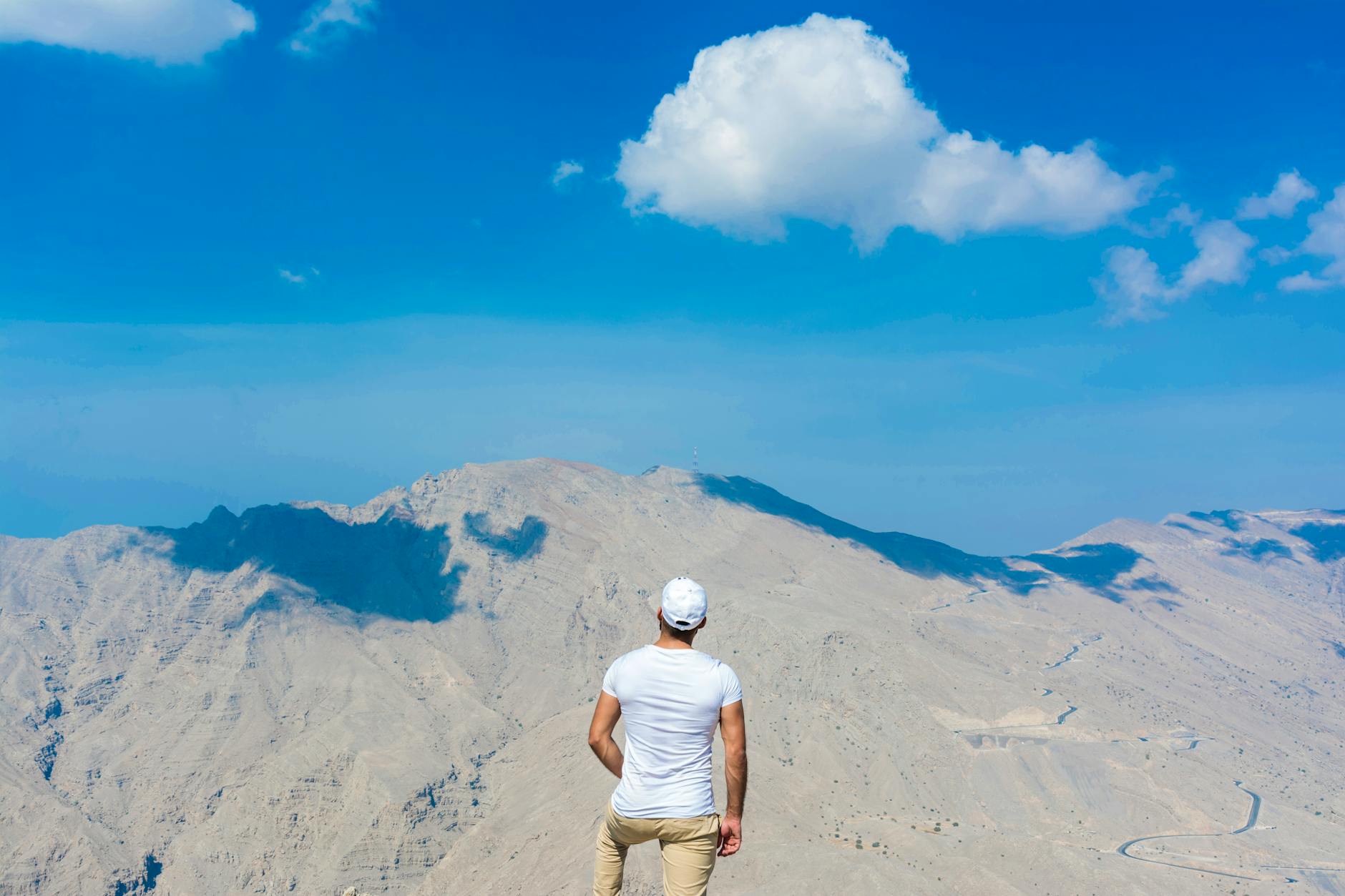
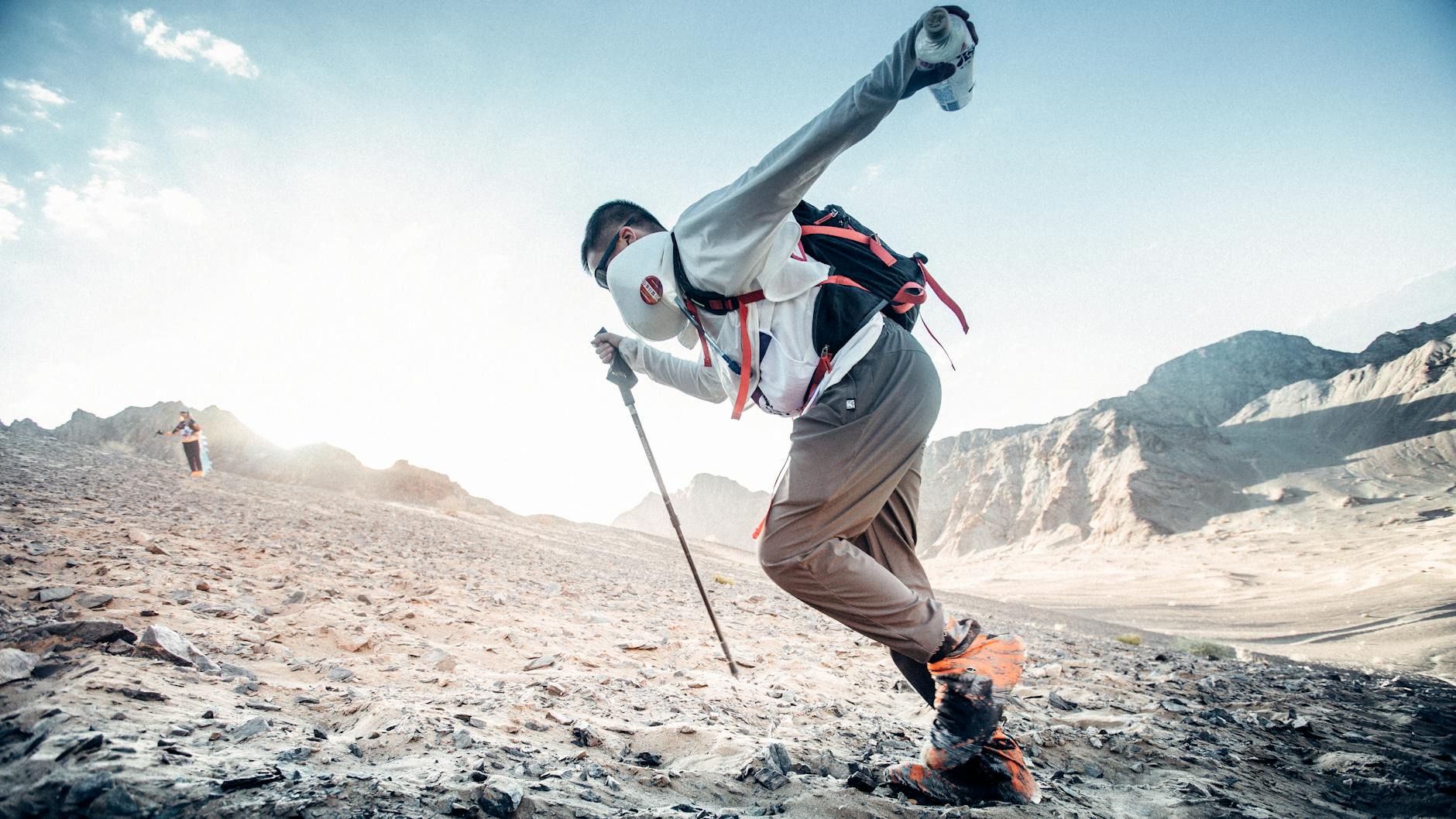
Routes around Masafi. Masafi is known for its Friday Market on the Dubai road, but the hills behind it hold trails with 800-1,000 metres of gain. Paths follow goat tracks and old donkey trails between abandoned terraces, and the line on your phone is the only reliable guide. Payoff is a view over the whole range, with the coast visible on clear days. Budget six to eight hours and start by 7 a.m.
Jebel Yibir. At around 1,500 metres this is one of the highest summits you can reach on foot in the UAE. Routes to the top are steep and rocky, with scrambling in places. On a clear winter day the summit shows both the Arabian Gulf and the Gulf of Oman. Go with someone who knows the mountain, or hire a local guide; rescue is slow out here, and there is no water on the route.
Rules for Hiking Here
A few rules I keep for myself in the Hajar, learned the hard way on the first trips:
- Shoes. Not sneakers, not sandals. Boots with stiff soles and ankle support, because the rock is sharp and often loose.
- Water. Minimum 3-4 litres per person, even on an easy trail; 5-6 litres if it is warm. Dehydration arrives faster than thirst does.
- Navigation. Download the route to your phone from AllTrails or Wikiloc before leaving the hotel, and carry a power bank. Signal is gone in most wadis.
- Timing. Start at first light. Plan to be back at the car an hour before sunset; dusk lasts about 20 minutes here and then it is black.
- Clothing. Light, long-sleeved, sun-blocking. Hat and sunscreen in every month.
- Snakes and scorpions. Both live here, neither is aggressive. Watch where you step, keep hands out of crevices and do not flip rocks.
- Rain. Wadis flood within minutes after a storm in the hills, even when the sky above you is clear. If rain is forecast anywhere in the range, stay out of the riverbeds.
Jeep Safaris Through the Wadis
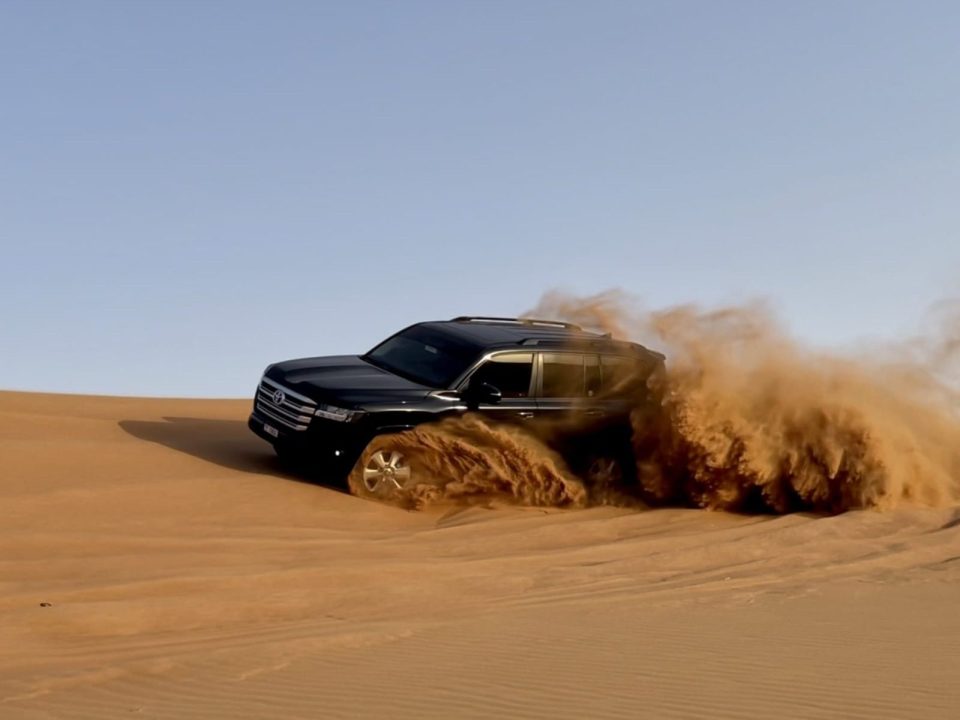
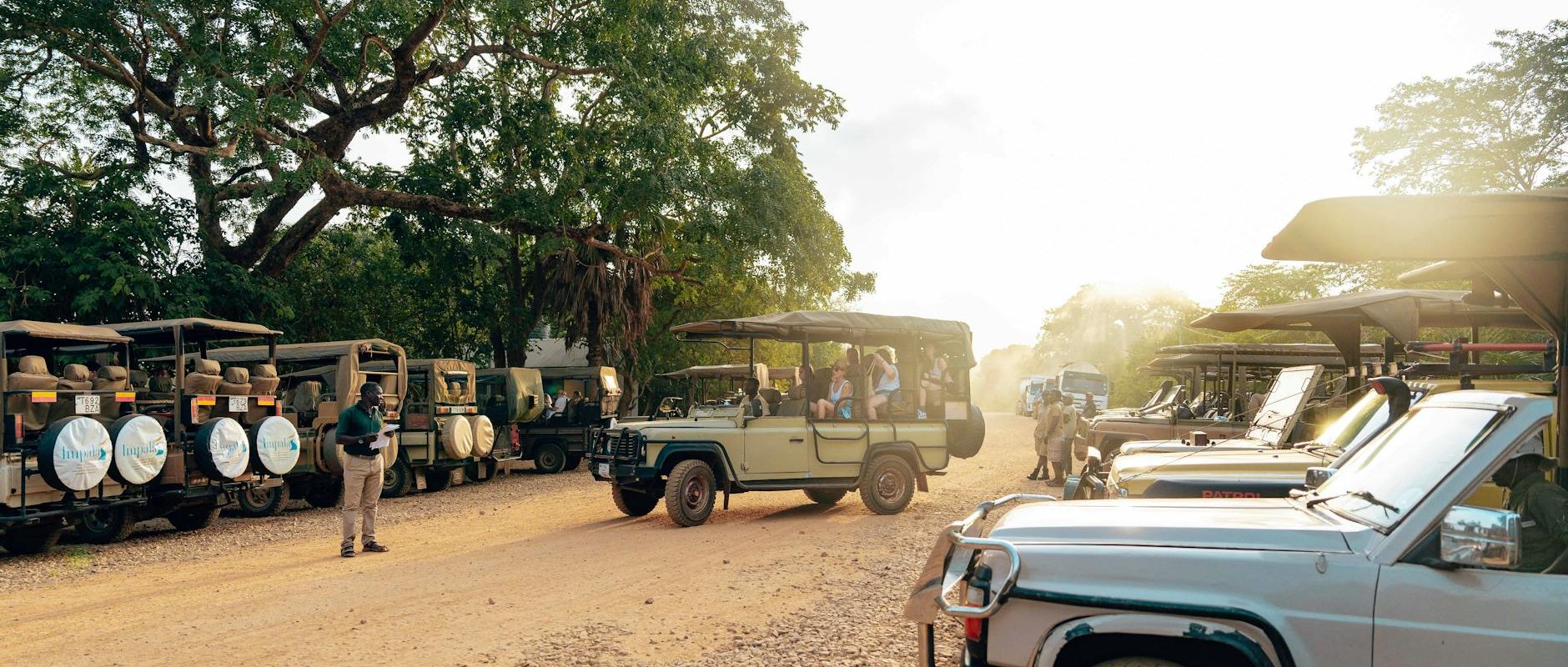
Not everyone wants to walk, and a mountain safari covers in four hours what a hiker sees in two days. This is nothing like a Dubai desert safari. Instead of dunes you get rocky passes, gorges barely wider than the car and switchback tracks cut into the slopes. It works the 4×4 hard and sometimes your stomach too.
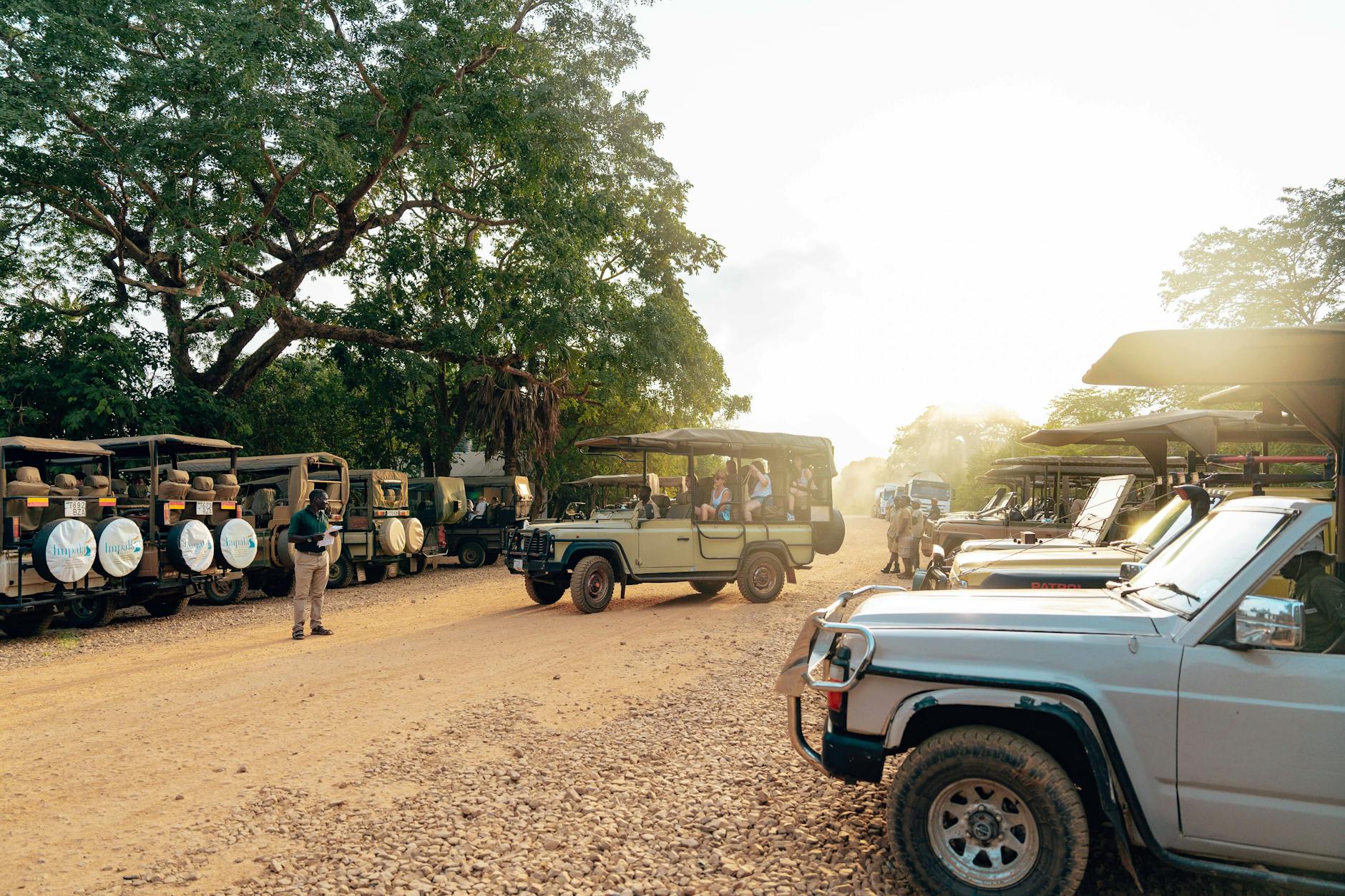
A typical safari puts you in a Land Cruiser or similar with a driver who knows which wadi has water this month. Routes run along dry riverbeds, up to viewpoints over the range and, after rain, to pools and small waterfalls. Most include a stop at a mountain village or a farm, and the longer ones add lunch.
Drivers here are the main attraction. They take vehicles through places most people would hesitate to walk, and they read the terrain the way a boat captain reads water. If you would rather be behind the handlebars than in the passenger seat, mountain bike and buggy rental at Fujairah Adventure Park gives you marked trails on the edge of the range without the need for a guide.
How Much Safaris Cost and How to Book Them
Three things set the price:
- Group or private. A private car costs more but lets you set the route and the stops.
- Length. Three hours, half a day or a full day.
- Extras. Lunch at a farm, a camel stop, a swim in a wadi pool.
As a ballpark, a group tour runs 250-500 AED per person, about $70-140. Private tours usually start at 1,000-1,200 AED for the whole car, which splits well between four people. Book through the tour platforms or directly with Fujairah operators; “extreme safari” in the listing usually means steeper tracks and no lunch stop rather than anything dangerous. Pay attention to pickup: many safaris start from Dubai hotels, which adds three hours of motorway to the day.
Practical Details
Getting to the trailheads and choosing a base are the two logistics decisions that shape the trip. Both are simple once you know the layout: the city on the coast, Masafi inland at the mountain junction, Dibba at the northern end.
Getting to the Fujairah Mountains
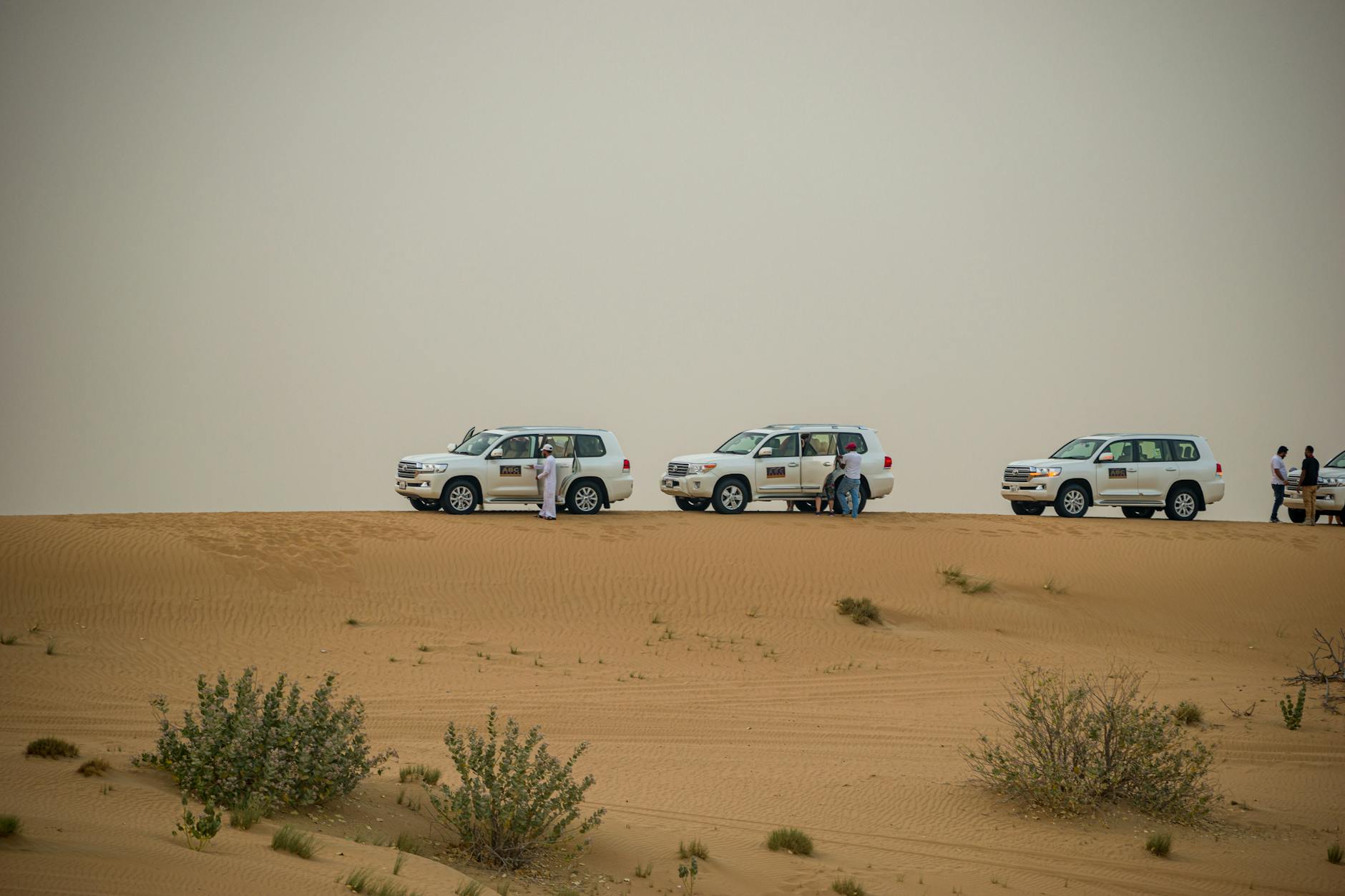
A rental car is the easiest way to explore. It gets you to any trailhead on your own schedule, and most trailheads are on tarmac or good gravel, so a normal sedan is fine. Roads are excellent, and the drive from Dubai or Sharjah takes 1.5-2 hours via Masafi. Economy rentals start around 100-150 AED a day; fuel is cheap by European standards. If you are flying in for this, flights to Fujairah are limited, so check Dubai and Sharjah as well.
Without a car, a taxi from the city to a trailhead works on the way out but gets awkward on the return, because no taxis sit at the dam and the phone has no signal to call one. Arrange a pickup time with the same driver before he leaves, and pay him at the end rather than in two halves. A private transfer from Dubai Airport solves the arrival leg at a fixed price. For the mountains themselves, organised tours are the fallback: a Fujairah city tour from Dubai covers the fort, the mosque and a viewpoint in a day, and a dhow cruise to Dibba and Musandam shows the same mountains from the water, where they drop straight into the sea.
Where to Stay
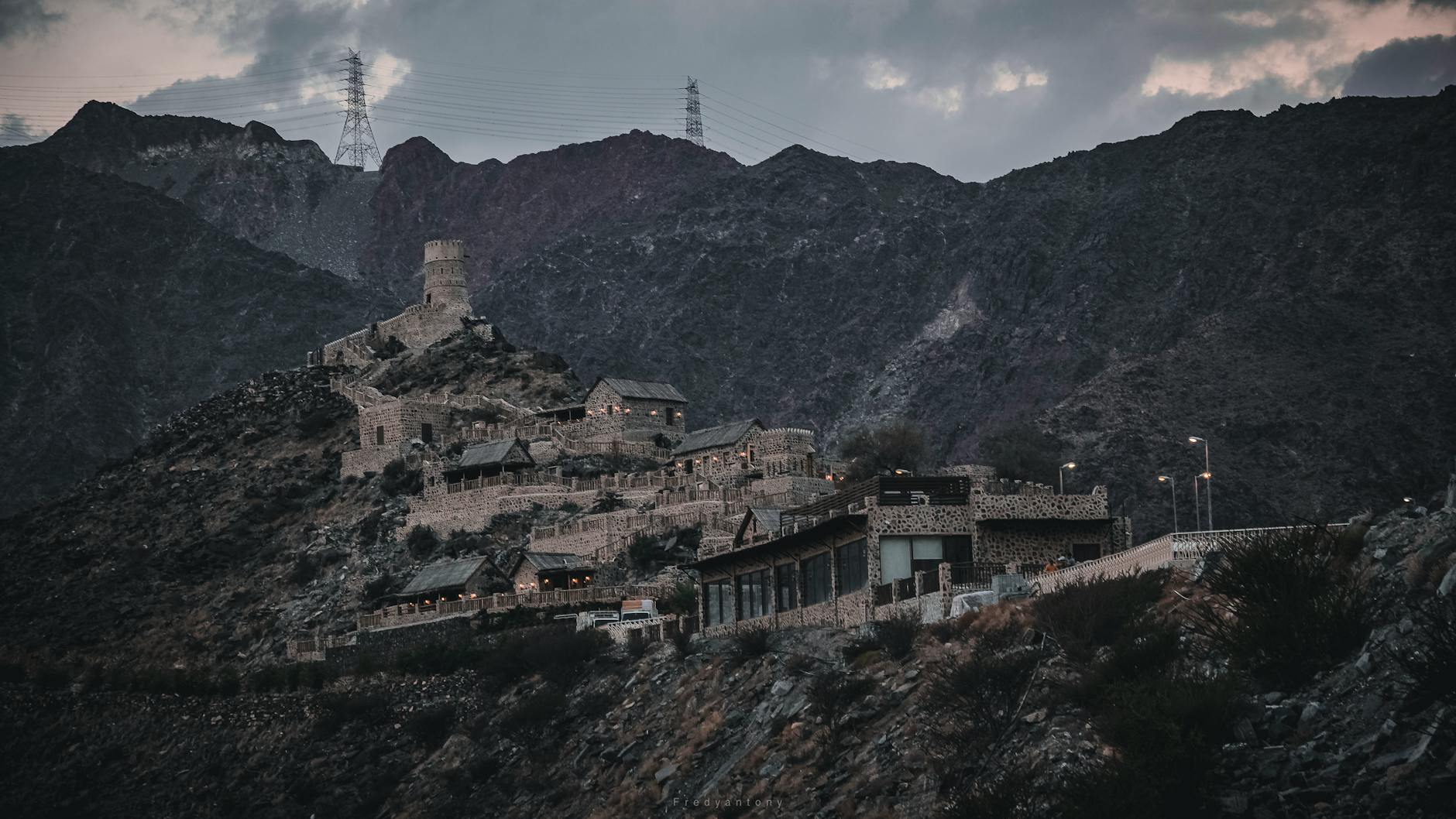
Fujairah has a decent range of places to stay. The usual pattern is a hotel on the coast and day trips into the hills, since no trailhead is more than an hour from the beach.
For comfort after a long day on rock, the five-star Palace Beach Resort Fujairah has pools and a spa, and the price in winter is well below what the same stars cost in Dubai. For a practical base in the city, Nour Arjaan by Rotana offers apartments with kitchens, which matters when you leave at 6 a.m. and want breakfast before any restaurant opens. Up north, Dibba Mountain Park Resort sits right among the rocks, a good choice if the Dibba wadis are the target. Compare hotels in Fujairah by location first and stars second: a 20-minute difference in drive time means a cooler start on the trail.
Mountains One Day, Sea the Next
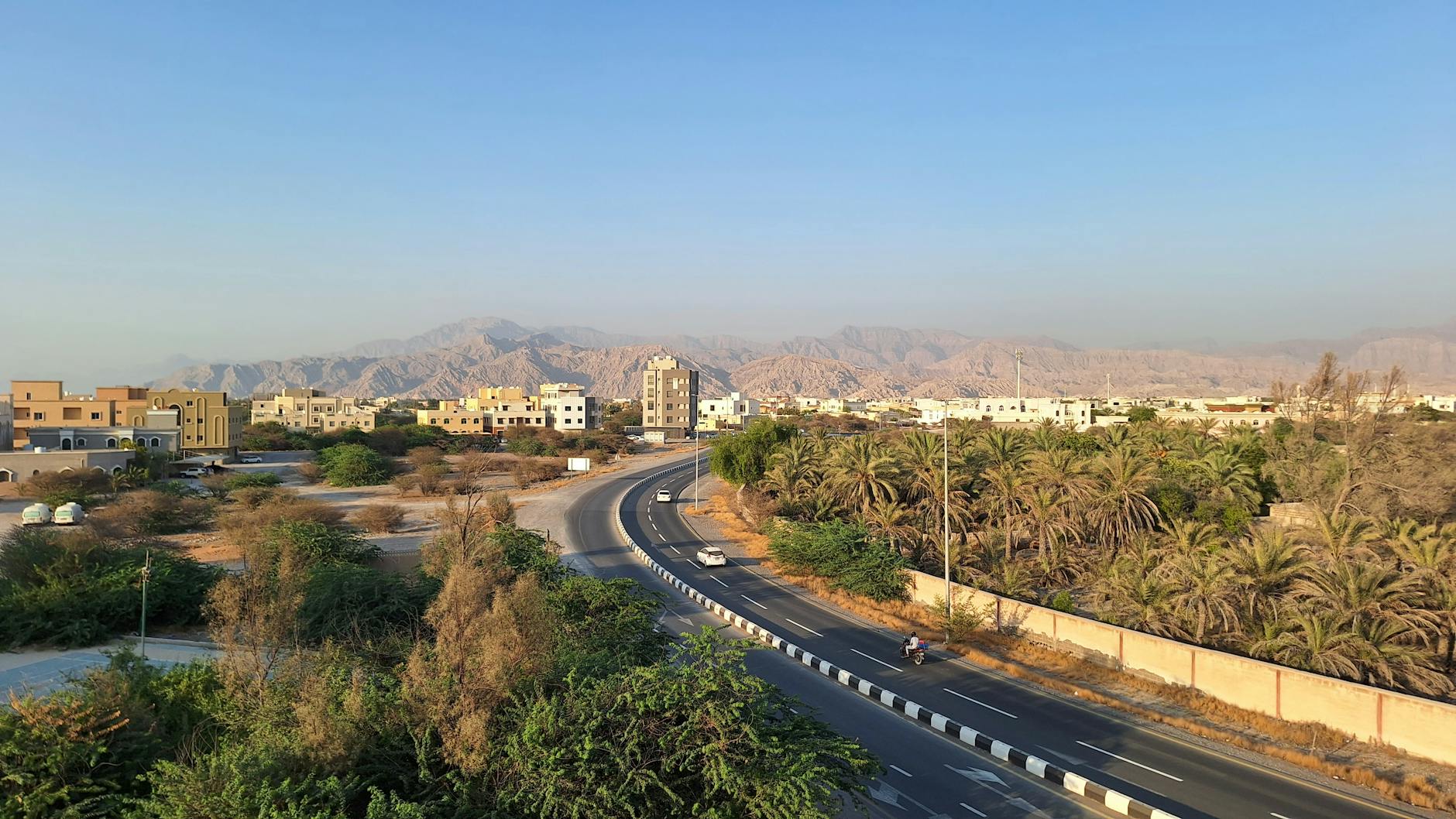
Fujairah is proof that the UAE is a country of contrasts, and that behind the glass of the west coast there is a landscape nobody built. The Hajar are not high by world standards, but they are empty, close and cheap to reach, and a day in them resets the head better than a week by a pool.
What works best is alternating. Hike or ride a safari one day, then spend the next in the water: the reefs off Dibba and Al Aqah are 20 minutes from the same hotels, and two dives with a barbecue lunch make a fair reward for 1,000 metres of ascent the day before. Pack boots and a mask in the same bag. The drive from Dubai is 130 km, the petrol for it costs less than a coffee in the Marina, and the first trailhead is 40 minutes past Masafi.


