
Hainan is China’s southernmost island, and people call it the “Hawaii of the East” for a reason: long beaches, rainforest in the interior and warm weather in every month of the year. Like any tropical place, though, it has seasons with their own quirks. The gap between a dry week in December and a stormy one in September is wide.
Picking the right dates is not only about temperature. Prices, humidity, crowds and even the jellyfish all follow the calendar.
Below is Hainan’s weather month by month, the four travel seasons, and a short answer to when to go for a beach week, a diving trip or a budget holiday.
A Quick Look at Hainan’s Climate
Hainan sits in a tropical monsoon climate zone. In practice that means hot and humid most of the year, with the seasons showing up as changes in rainfall and in how strong the sun feels. Sanya, in the south, gets about 1,300 mm of rain a year, and roughly four fifths of it falls between May and October.
Unlike most of mainland China, the island has no real winter. Average temperatures stay around 24°C across the year, and the sea never drops much below 22°C.
High Season Weather Runs November to April
Best for: beach trips, seeing the sights, family holidays with kids, and anyone who prefers warm to hot.
These six months bring the island’s most reliable weather.
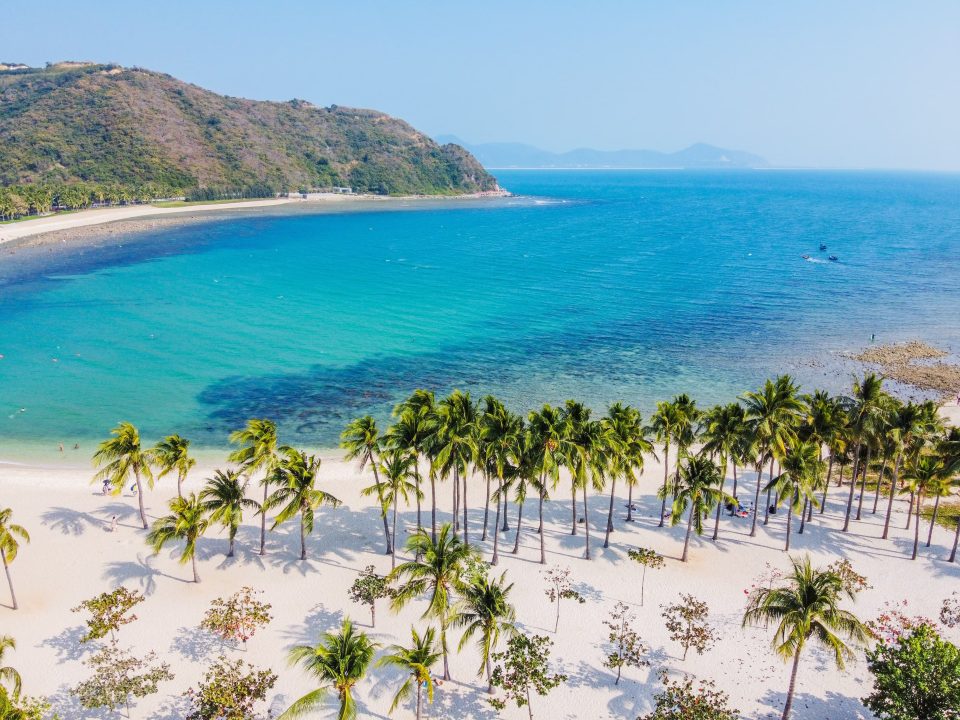
What’s Great About High Season
- Dry weather: little rain, comfortable temperatures, low humidity.
- Best sea conditions: calm, clear and warm water.
- Beaches at their best: right for sunbathing and long swims.
Downsides of High Season
- Higher prices: flights, tours and hotels (above all around Yalong Bay and Haitang Bay) peak in these months.
- Big crowds: the island fills up, especially during Chinese public holidays.
Visiting in November and December
- Air temperature: 24 to 26°C
- Water temperature: 24 to 25°C
- What to expect: the “velvet” season begins. Humidity drops, skies clear up, and the sun warms rather than scorches. Good months for anyone who struggles with extreme heat. Hotel prices on Hainan start climbing from mid-December toward the New Year peak.
What About January and February?
- Air temperature: 22 to 24°C
- Water temperature: 23 to 24°C
- What to expect: the coolest months on the island. Days are warm, evenings can feel crisp enough for a light jacket. Good weather for long walks and exploring without sweating through a shirt. One warning: Chinese New Year falls between late January and mid-February, and for about two weeks around it hotel rates double and the beaches fill with domestic tourists. Book months ahead or avoid those dates.
How Is It in March and April?
- Air temperature: 25 to 28°C
- Water temperature: 25 to 26°C
- What to expect: things heat up fast. Days get long and sunny, and the sea feels warmer every week. A pleasant window right before the rains. Prices stay high, but below the New Year level.
Low Season Runs June to September
Best for: travellers on a budget, surfers, anyone who likes a hot and humid climate, and divers in some spots.
In these months the island feels like a classic tropical summer.
What’s Great About Low Season
- Lower prices: tours, flights and accommodation cost 30-50% less than in high season.
- Warm sea: 28 to 30°C, like a bath.
- Fewer crowds: domestic tourists travel at other times, so the beaches open up.
Downsides of Low Season
- High humidity: hard on people with heart or blood pressure problems.
- Typhoon risk: small, but real, mainly in August and September.
- Jellyfish: more of them in the hottest months, depending on the bay and the currents.
Scorching June and July
- Air temperature: 30 to 33°C
- Water temperature: 28 to 30°C
- What to expect: very hot and very humid, and the rainy season gets going. Rain usually arrives as a short, heavy downpour in the afternoon or at night. Between showers the sun is out.
Rain and Typhoons in August and September
- Air temperature: 31 to 33°C
- Water temperature: 29 to 30°C
- What to expect: the heat peaks, and the typhoon risk is at its highest. Typhoons rarely hit Sanya or the main resorts head-on, but they bring strong wind, rough sea and several days of non-stop rain. Watch the forecast, and pick a hotel rate that can be cancelled.
The In-Between Months, May and October
These shoulder months are a good compromise: decent weather at prices well below the peak.

May Brings a First Taste of Summer
- Weather: hot (28 to 30°C), with humidity creeping up. It rains, but the storms are milder than in summer.
- What to do: a good month for the hot springs and for longer day trips. A Nanshan Temple ticket covers the coastal park west of Sanya with its 108 m Guanyin statue, and Wenchang on the east coast makes a quieter full-day outing.
- Prices: moderate.
As the Monsoon Leaves, October Arrives
- Weather: temperatures ease (27 to 30°C), and humidity drops after the summer monsoon. Typhoon risk fades through the month.
- What to do: the sea stays warm and the weather dries out, so it is a good month for a beach holiday before the November rush. Skip the first week: 1 to 7 October is China’s National Day holiday, with holiday prices and crowds.
- Prices: they climb toward the end of the month but stay below the winter level.
So, When Should You Go? It Depends on Your Plans
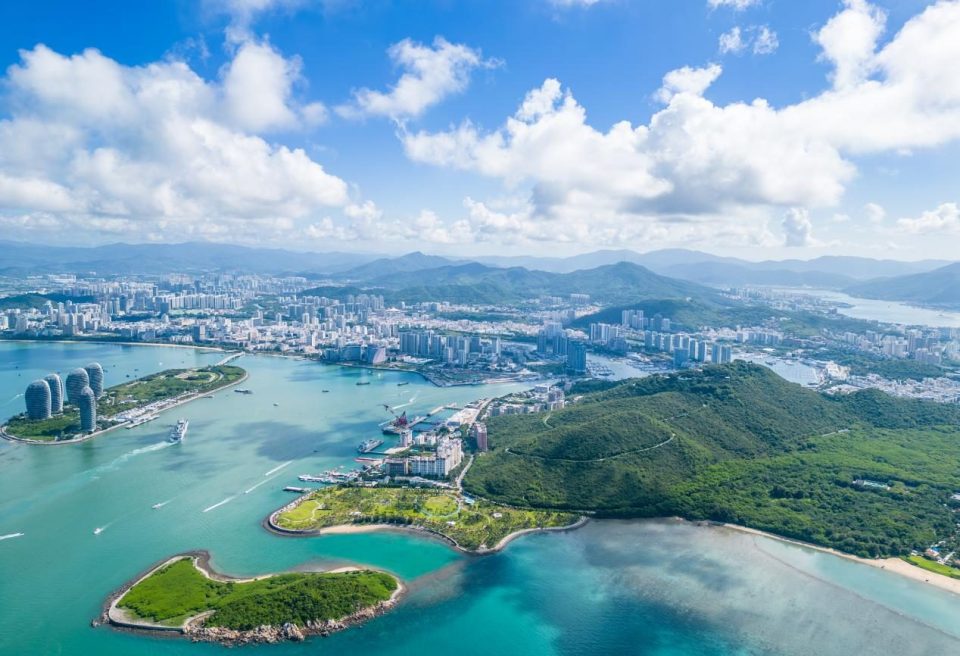
The right dates depend on what matters most on this particular trip: beach time, sightseeing, diving or the lowest possible price. The four common cases are below, each with its own best months.
1. For the Best Beach Days and Swimming
- Sweet spot: November, December, March, April.
Dry, sunny, warm sea, and temperatures right for sunbathing. - Good, but a bit hot: June, October.
The sea is warm enough, with some rain or humidity to put up with.
2. For Sightseeing and Exploring the Island
- Best time to go: January, February.
Comfortable air for long walks, hikes to viewpoints such as Luhuitou (“Deer Looking Back”) above Sanya, or a three-hour Sanya park and market tour, all without the draining humidity.
3. For Diving and Other Water Sports
- Best window: March through May.
Visibility improves, the water is warm enough for a long dive, and the rains have not started. Wuzhizhou Island (also called Pirate Island) and West Island (Xidao) near Sanya are the usual spots. A coral reef dive at West Island can be booked with the boat and gear included.
4. For Traveling on a Tight Budget
- Cheapest months: June, July, September.
Accommodation and flights to Haikou hit their lowest point. Anyone who can live with a few hours of rain each day saves a lot of money.
Does It Matter if You’re in the North or the South?
Hainan is a big island, roughly the size of Belgium, and the weather differs by coast. Southern Hainan around Sanya is drier and warmer than the north, where the capital Haikou sits.
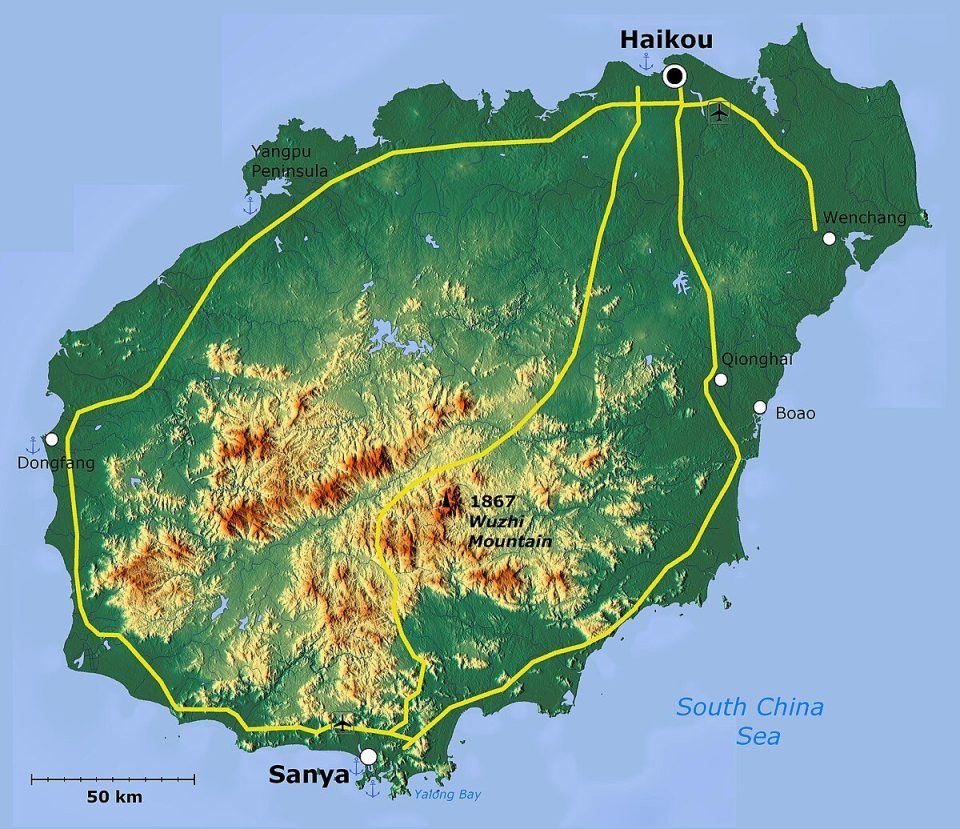
- South (Sanya, Yalong Bay, Dadonghai, Haitang Bay): less affected by winter cold fronts and gets less rain in summer. Beach weather is more stable here.
- North (Haikou): cooler in winter, with cold fronts that push temperatures down to 15°C or lower, plus more cloud and fog from December to February. Haikou also gets more rain, about 1,600 mm a year.
For a beach holiday, the resorts in the south are the safer bet. Haikou works better as a city stop or as the arrival airport, with a high-speed train to Sanya in about an hour and a half.


