
Singapore has a reputation as a futuristic city where everything costs twice what it should. Part of that is true. A beer in a bar runs 12 to 15 SGD, and a taxi from the airport can eat a day’s food money. But a traveler who eats at hawker centres, rides the MRT and sleeps in Geylang or Little India can get by on 60 to 80 SGD a day. Each time I pass through Singapore I end up spending less than in Bangkok hotels and more on food, simply because the food is that good. Below is how the numbers work out in practice.
Is Singapore Really That Expensive
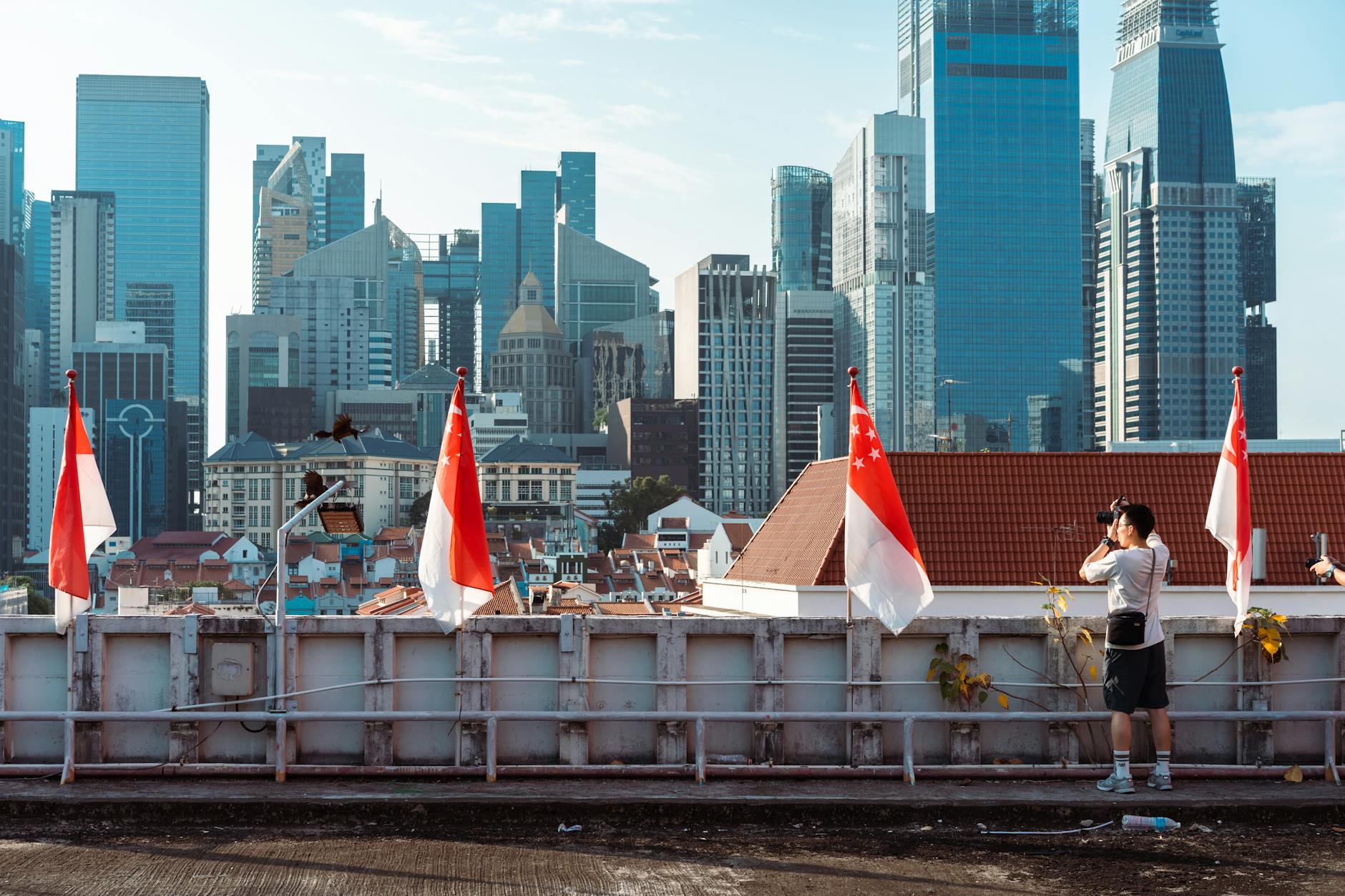
By some measures, yes. Singapore sits near the top of every cost-of-living ranking, mostly because of housing, cars and alcohol. A car permit alone costs more than a decent car in Europe. None of that touches a tourist. Rent is irrelevant for a week-long stay, nobody needs a car on an island 50 km across, and alcohol is optional. What remains is food, transport, a bed and entrance fees. In those four categories Singapore is cheaper than London, Zurich or Sydney, and often cheaper than Paris.
Two things make it work. First, the government keeps hawker food and public transport deliberately cheap, so a plate of chicken rice costs 4 to 6 SGD and a cross-town MRT ride under 2.5 SGD. Second, many of the headline sights are free: Gardens by the Bay from the outside, the Botanic Gardens, Merlion Park, the light shows at Marina Bay, every temple and mosque in the old quarters. Skip the restaurants and the taxis, and the famous price tag mostly disappears.
Getting There and Getting Around
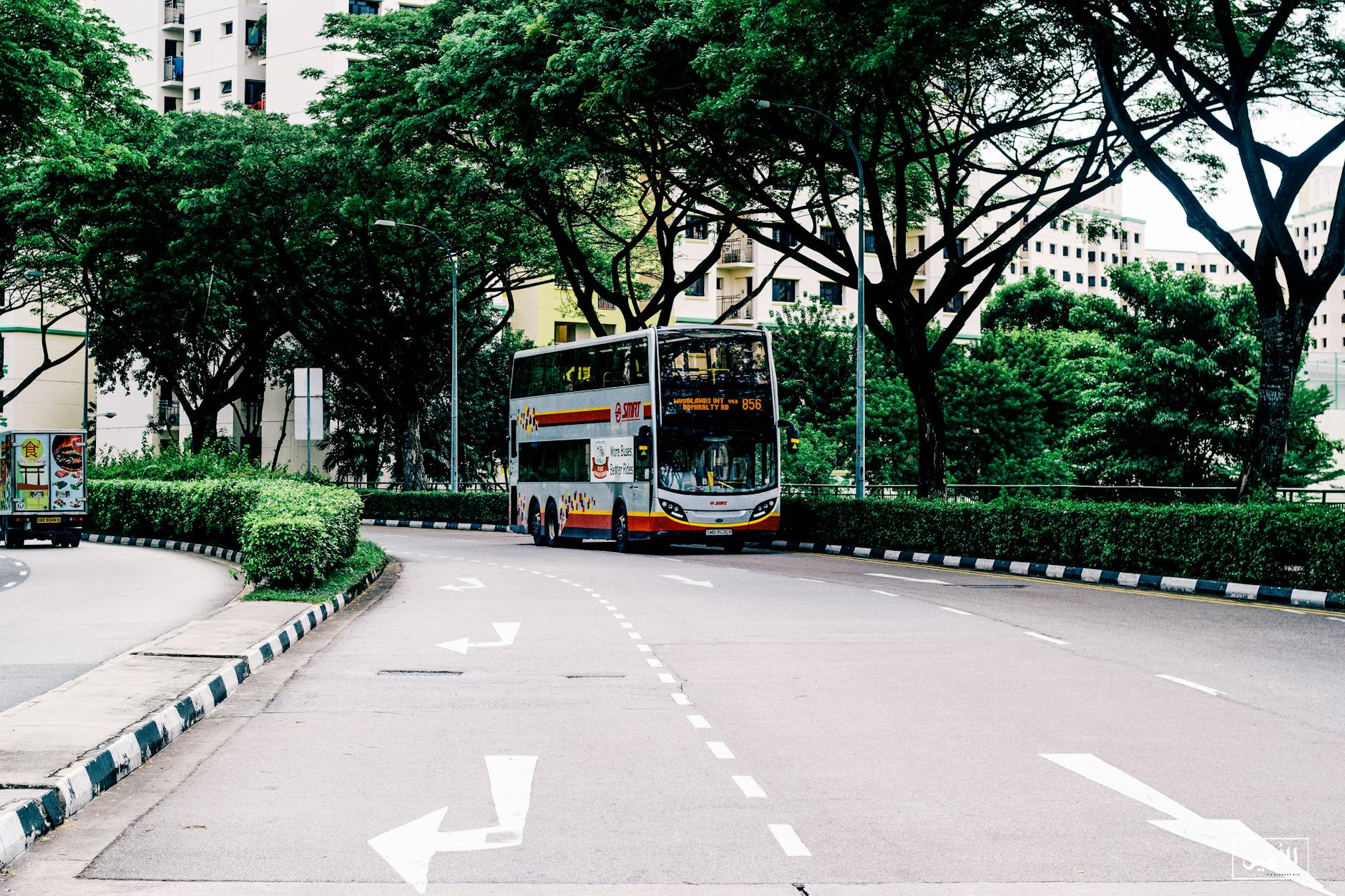
Transport is where most people either save or lose their budget on the first day. Changi is one of the few major airports in the world with a metro line running straight into the terminal, and the city itself is compact enough that a bus or train covers almost any route in under 45 minutes. Taxis exist and are honest, but they belong to late nights and heavy luggage, not daily sightseeing.
Flights and Transfers
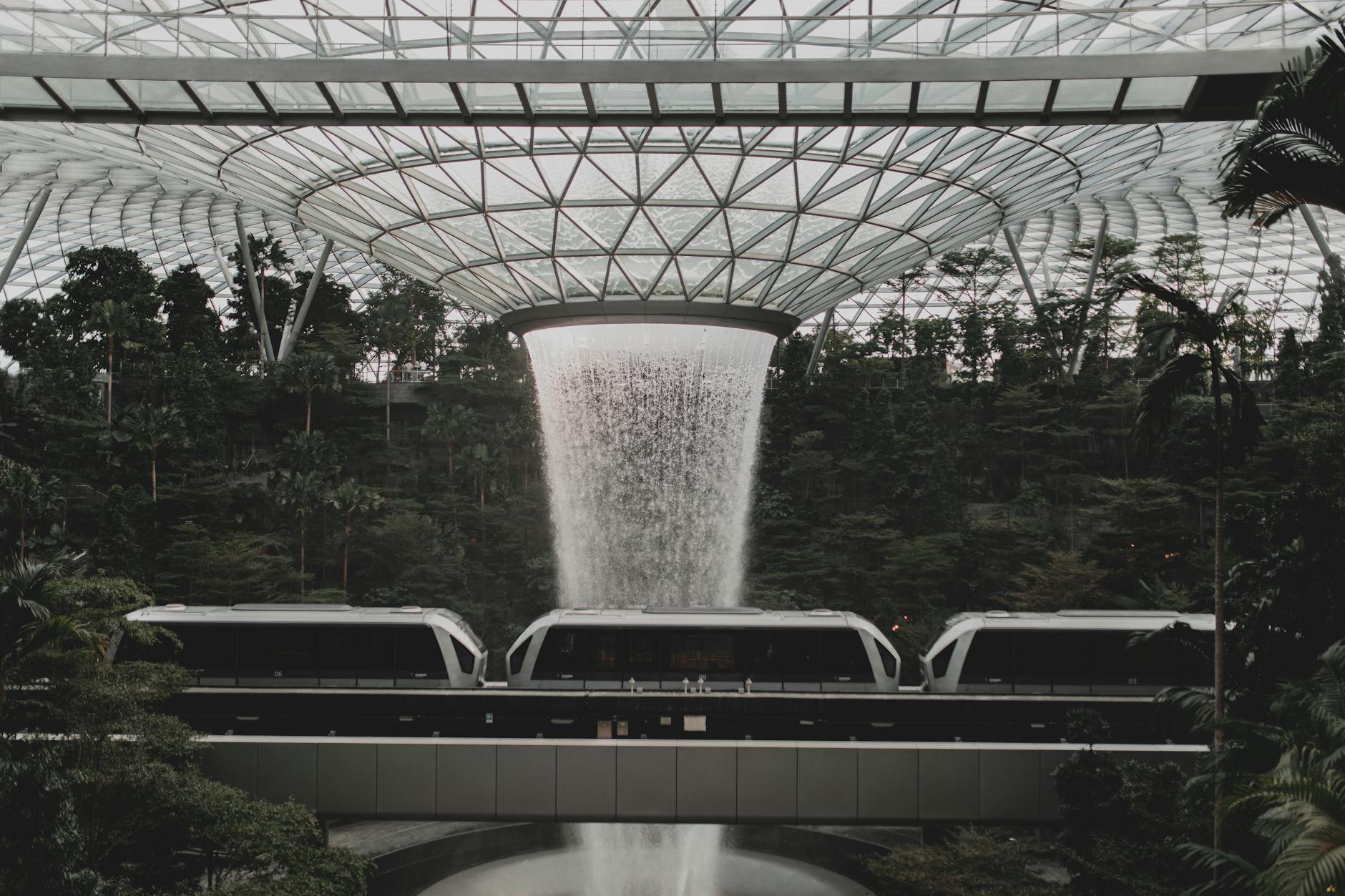
Airfare is usually the single biggest line in the budget, so it pays to start early. Set a price alert on Google Flights or Trip.com two or three months out and watch how fares move. Shifting departure by one day often changes the price by 100 USD or more, and midweek flights are nearly always cheaper than Friday or Sunday. Scoot, Singapore Airlines’ low-cost arm, and AirAsia fly into Changi from all over Asia, so arriving from Bangkok, Kuala Lumpur or Bali can cost under 80 USD one way if booked a few weeks ahead.
From Changi, the MRT is the obvious choice. Walk to the station between Terminals 2 and 3, change once at Tanah Merah, and reach the city centre in 30 to 40 minutes for about 2 SGD. Trains run from roughly 5:30 am until just before midnight. Outside those hours, or with two suitcases and a child, a pre-booked airport transfer is worth comparing with a metered taxi, which costs 25 to 40 SGD to downtown depending on the time of day and surcharges. Grab works too and is often a few dollars cheaper than the taxi rank.
Public Transport in Singapore
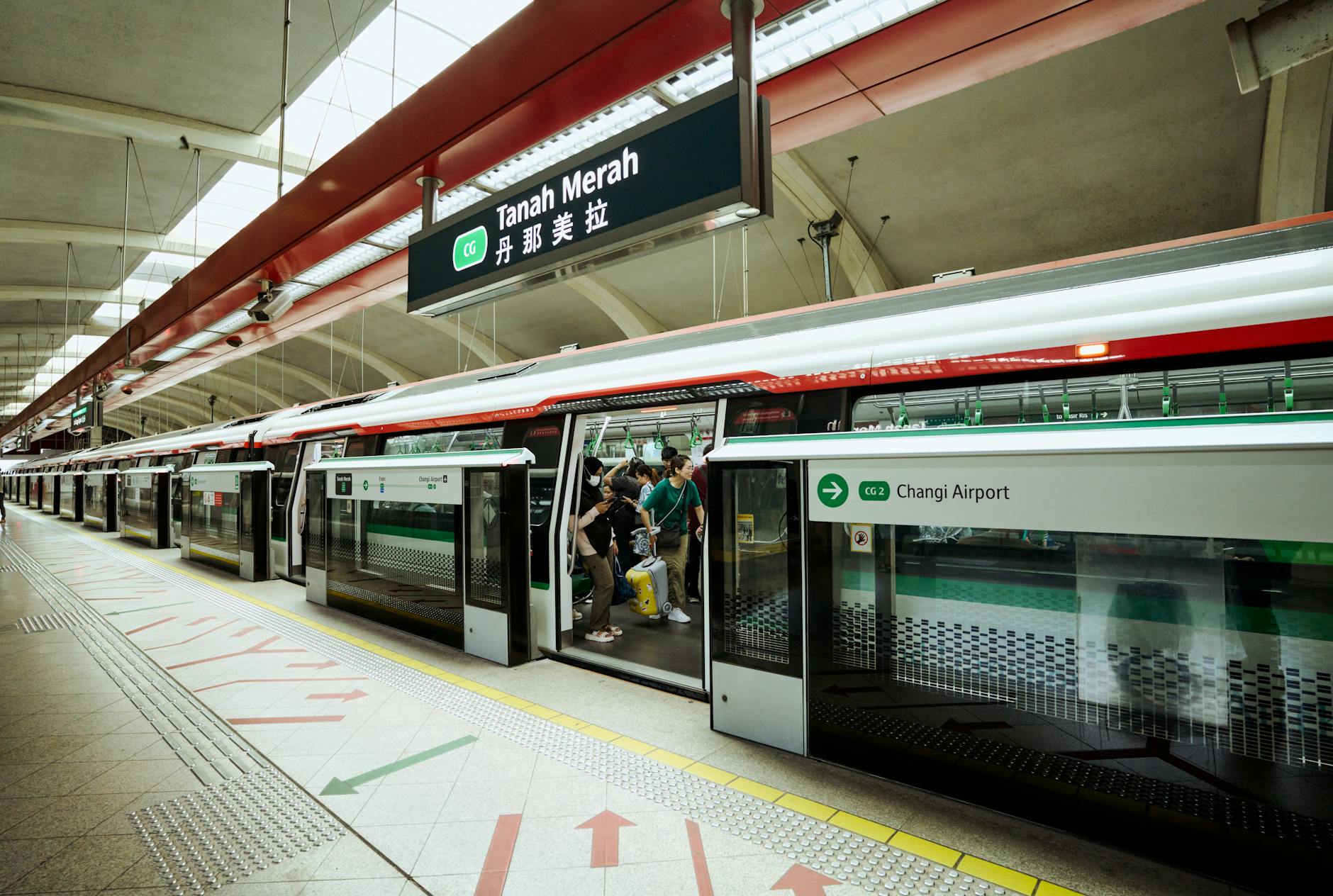
Six MRT lines and a dense bus network cover the whole island. Trains come every 2 to 5 minutes, stations are air-conditioned and signs are in English. A single ride costs between 1 and 2.5 SGD depending on distance, and buses are priced the same way. In a typical sightseeing day I take four or five rides and spend around 8 SGD. Three ways to pay:
- EZ-Link card. A stored-value card sold at MRT ticket offices and 7-Eleven for about 10 SGD, of which 5 SGD is the card and 5 SGD is credit. Tap in, tap out. Fares are slightly lower than with a bank card, and the card also works in many convenience stores.
- Singapore Tourist Pass. Unlimited MRT and bus travel for one, two or three days, sold at TransitLink offices in Changi and major stations with a refundable deposit. It only pays off if you ride six or more times a day, so check the current price at the counter against your plan before buying.
- Contactless bank card. Visa and Mastercard tap directly at the gate, no card purchase needed. Fares are a few cents higher than EZ-Link and foreign cards may add a conversion fee, but for a two-day stay this is the simplest option.
One rule worth memorising: no eating or drinking on trains and buses, including water. Fines start at 500 SGD and staff do check. Durian is banned outright, and there are signs about it at every station.
Where to Sleep Without Overpaying
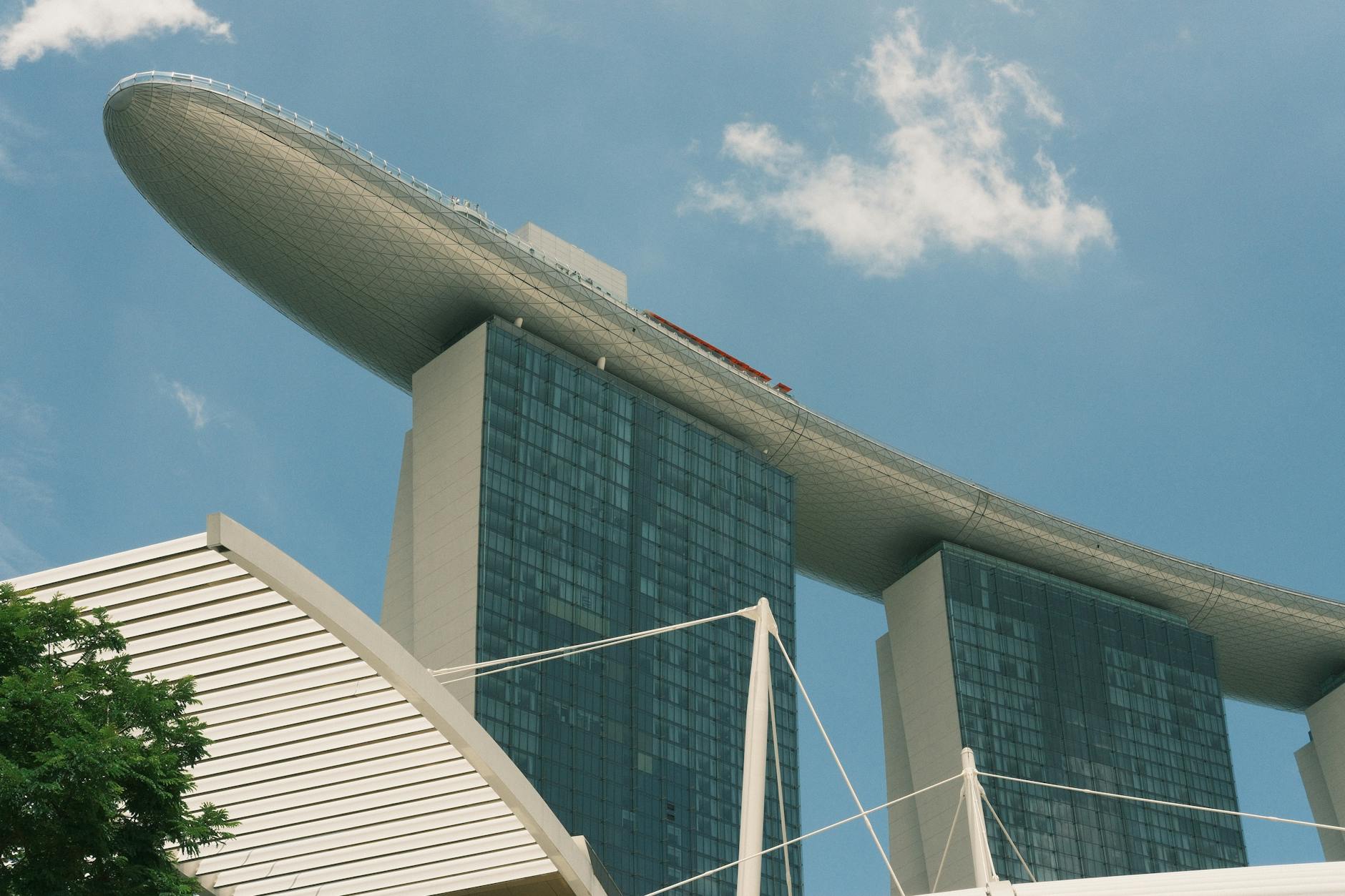
Accommodation is the one category where Singapore does bite. Land is scarce, so even a plain three-star room near Orchard Road starts at 200 SGD. For a full breakdown of neighborhoods see where to sleep in Singapore. For the budget version, three rules: stay outside Marina Bay and Orchard, book two or three weeks ahead, and accept a smaller room than you would get for the same money in Thailand or Malaysia.
Hostels and Budget Hotels

Hostels in Singapore are a different species from the backpacker dorms of Khao San Road. Most are capsule-style, with a curtain, a reading light, a socket and a locker per bed, and they are kept spotless. A capsule in Little India, Chinatown or Lavender costs 25 to 45 SGD a night, usually with toast and coffee included. Female-only dorms are standard. For a solo traveler this is the cheapest way to sleep in the city and still be ten minutes by MRT from Marina Bay.
For a private room, look at two- and three-star hotels in Geylang, Little India, Lavender or the Chinatown edge of Outram. Geylang has a reputation as a red-light district, but it is also where Singaporeans go for late-night frog porridge and dim sum, and the hotels there are plain, clean and 30 to 40 percent cheaper than anything downtown. A standard example is Fragrance Hotel – Oasis, a basic chain hotel with air conditioning and a private bathroom from roughly 80 SGD. Ibis Budget Joo Chiat nearby is in the same price range. Rooms are small, often windowless, but that matters little when you leave at 8 am and return at 11 pm.
Chinatown guesthouses occupy restored shophouses, so you get wooden shutters and tiled stairs for the price of a budget hotel. Expect 90 to 130 SGD for a double. Book early for weekends and for the F1 week in September, when prices across the island roughly double. Outside those dates, Singapore has enough budget rooms to find something clean for under 100 SGD a night.
Eating Well for a Few Dollars
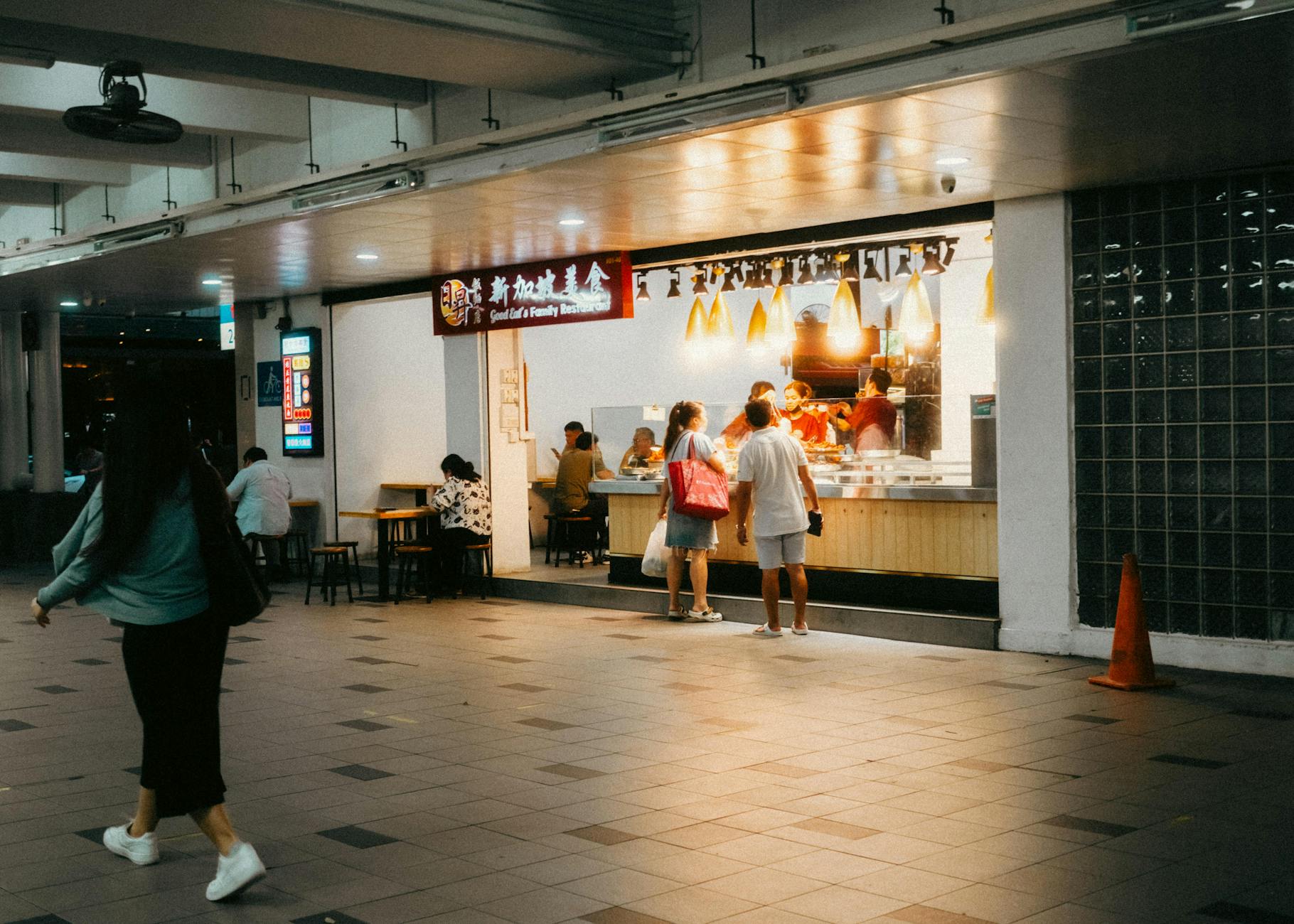
Food is where Singapore turns from expensive to absurdly cheap. Hawker centres, the open-air food halls found in every neighborhood, serve full meals for 3 to 7 SGD, and the quality is high enough that two stalls hold Michelin stars. Three hawker meals a day plus a kopi or two comes to about 20 SGD, less than one lunch in most European capitals. Restaurants with table service add a 10 percent service charge and 9 percent GST on top of menu prices, which is the main reason to avoid them on a budget.
Food Courts and Hawker Centres
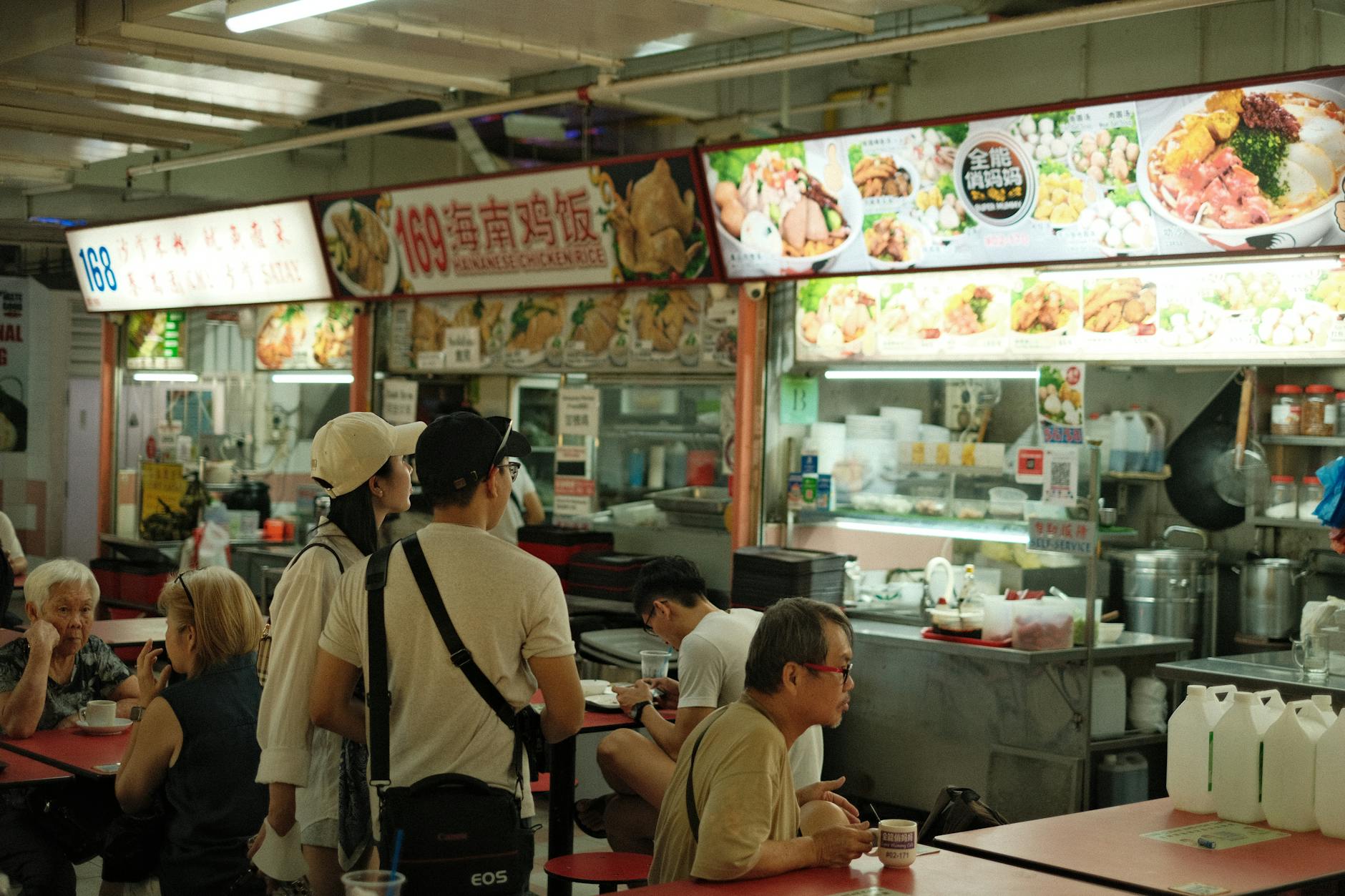
A hawker centre is a roofed courtyard with 50 to 200 stalls, shared tables and a tray-return station. Each stall cooks one or two dishes and has done so for decades. Order at the counter, pay cash or by QR code, and carry your own tray. Chinese, Malay, Indian and Peranakan stalls sit side by side, so one table can hold laksa, biryani, chicken rice and roti prata. Four centres worth seeking out:
- Lau Pa Sat. A cast-iron Victorian market hall in the middle of the financial district. Office workers fill it at lunch. After 7 pm Boon Tat Street beside it closes to traffic and becomes a row of satay grills, with 10 skewers for about 8 to 10 SGD.
- Maxwell Food Centre. Home of Tian Tian Hainanese Chicken Rice, the stall Anthony Bourdain made famous. A plate costs around 5 SGD and the queue moves in about 15 minutes. Go before noon or after 2 pm to shorten it.
- Tiong Bahru Market. One of the oldest centres, upstairs from a wet market in a 1930s housing estate. Mostly locals. Known for chwee kueh, steamed rice cakes with preserved radish, at about 2 SGD a plate.
- Chinatown Complex Food Centre. Over 250 stalls, the largest in the country. Hawker Chan’s soy sauce chicken noodles, once Michelin-starred, still cost under 5 SGD here. Come hungry and do a full lap before choosing.
For a first evening, a guided eating walk removes the guesswork. The Evening Gastronomic Singapore tour covers several hawker centres and explains what each dish is, which pays off for the rest of the trip when you order on your own.
Food and Drink Prices
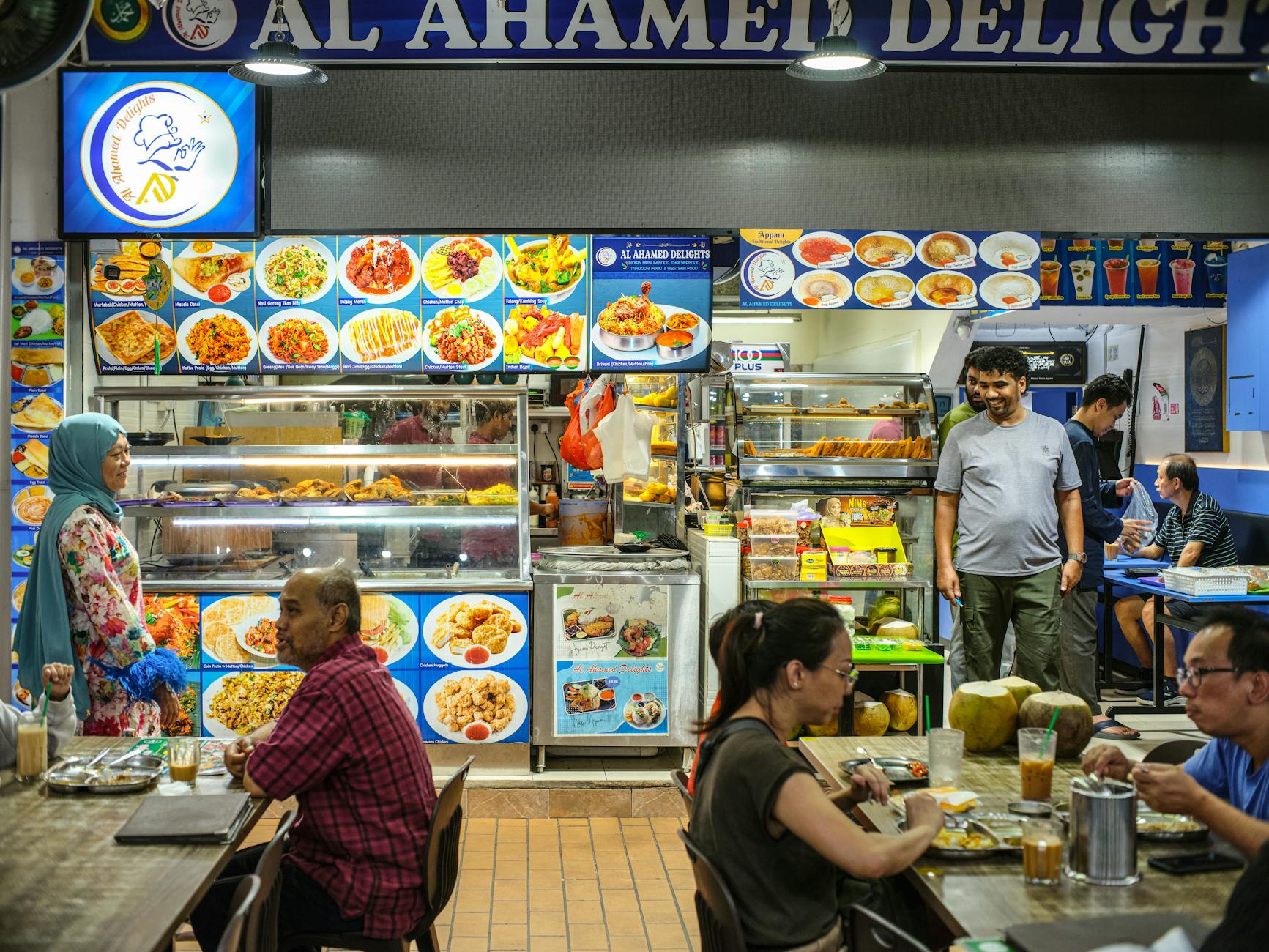
Supermarkets such as FairPrice and Sheng Siong fill the gaps between hawker meals. Fruit, yogurt and a pastry for breakfast come to 5 to 8 SGD. Kaya toast with two soft-boiled eggs and kopi at a traditional coffee shop costs 4 to 6 SGD and is the local breakfast anyway. Coffee at a hipster cafe is 5 to 7 SGD. Kopi at a kopitiam is 1.5 to 2 SGD. Bottled water is 1 to 2 SGD, but tap water is safe to drink and refill stations stand in most malls, parks and MRT stations.
Alcohol is the exception to every rule above. A pint in a bar costs 12 to 18 SGD, a cocktail 20 to 25 SGD, and a six-pack at the supermarket about 20 SGD. Duty-free at Changi allows one litre of spirits plus one litre of wine or beer per adult, and buying there saves roughly half. Sales of alcohol in shops stop at 10:30 pm and drinking in public places is banned after that hour, so plan accordingly.
Free Things to Do
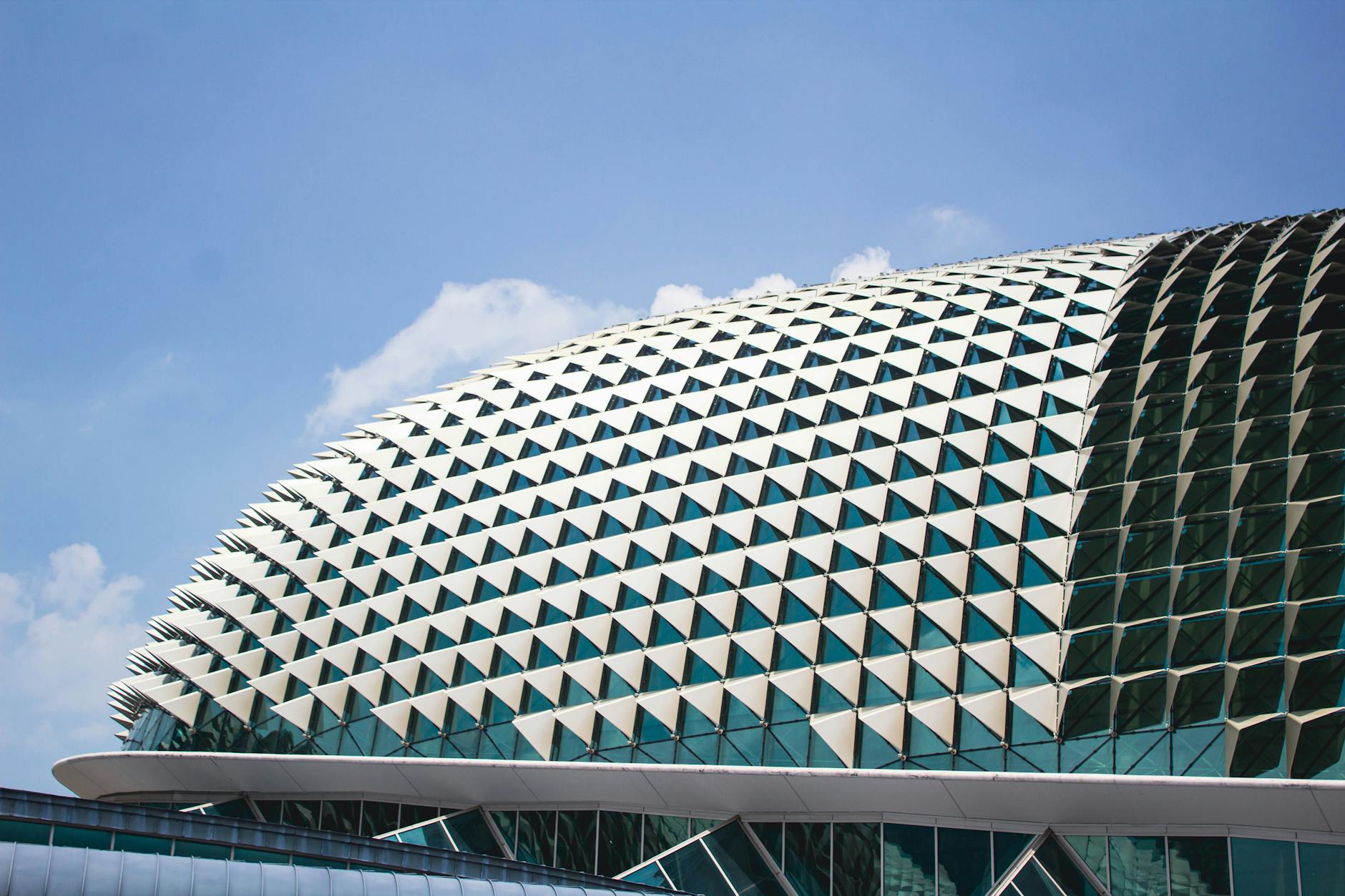
Entrance fees are where a tourist budget normally leaks, and Singapore plugs most of them. Universal Studios, the Flower Dome and the Marina Bay Sands observation deck cost real money, around 80, 30 and 30 SGD respectively. Nearly everything else is free. Three days of parks, temples, waterfront walks and light shows can pass without a single ticket.
Walks and Parks
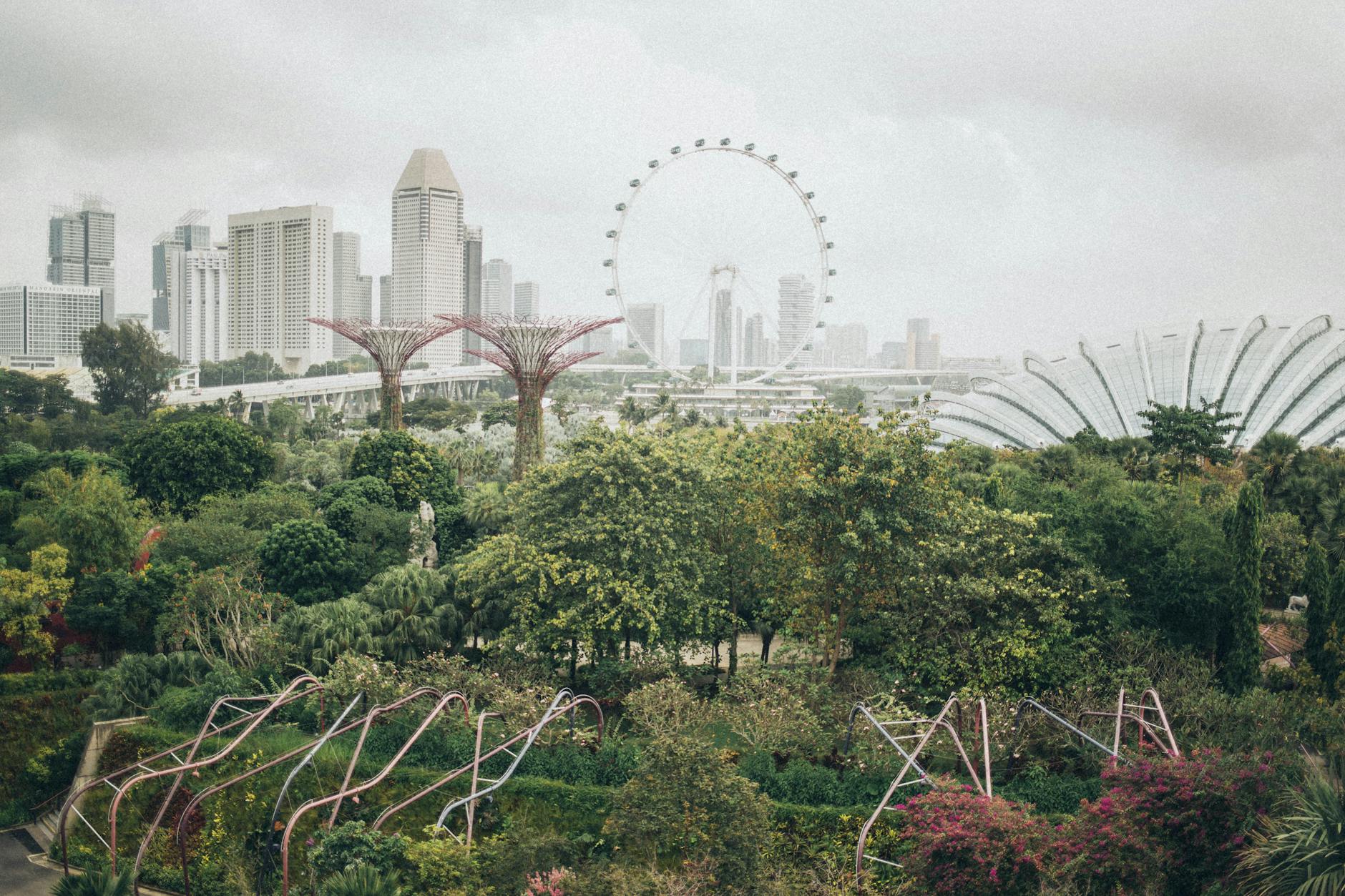
Singapore calls itself the Garden City and backs it up with budget: nearly half the island is green cover. Most of it costs nothing to enter.
- Gardens by the Bay. Walking the grounds and standing under the Supertrees is free, as is the Garden Rhapsody light and sound show at 7:45 pm and 8:45 pm every night. Only the two glass conservatories charge admission. If you choose one paid attraction in the city, tickets to the Flower Dome and Cloud Forest are a reasonable pick: the indoor waterfall in Cloud Forest is 35 metres high and the air inside is a welcome 23 degrees.
- Botanic Gardens. Founded in 1859 and the only tropical garden on the UNESCO World Heritage list. Open 5 am to midnight, free. Only the National Orchid Garden inside it charges a small fee, and with over 1,000 species on display it is worth the few dollars.
- Merlion Park. Singapore’s half-lion, half-fish mascot spouts water into the bay across from Marina Bay Sands. Come at sunset, when the three towers light up and the crowd thins slightly between the tour groups.
- Southern Ridges. A 10 km trail linking Mount Faber, Telok Blangah Hill and Kent Ridge Park through treetop walkways. Henderson Waves, the wooden bridge 36 metres above the road, is the highest pedestrian bridge in the city. Start early; by 10 am the heat is serious.
- Sentosa. Walk across the Sentosa Boardwalk from VivoCity mall in 15 minutes and entry to the island is free. Siloso, Palawan and Tanjong beaches cost nothing. Universal Studios and the aquarium are the expensive part; skipping them still leaves a full afternoon of beach and jungle paths.
Temples, Museums, and Old Neighborhoods

Several museums are free all the time: the Singapore City Gallery, with its giant scale model of the whole island, the Fort Canning heritage trails and the galleries at the Esplanade. National museums charge 15 to 25 SGD for foreigners but often open free on public holidays. Temples and mosques in the three historic quarters never charge, and they are open to visitors most of the day:
- Chinatown. Sri Mariamman Temple, the oldest Hindu temple in the city, stands on South Bridge Road a few steps from the Buddha Tooth Relic Temple, whose rooftop garden and fourth-floor relic chamber are open free of charge. Both ask visitors to cover shoulders and knees.
- Little India. Sri Veeramakaliamman Temple on Serangoon Road is the centrepiece, with a gopuram covered in painted figures. Shoes come off at the door. Around it, Tekka Centre sells saris downstairs and biryani upstairs, and Mustafa Centre stays open 24 hours.
- Kampong Glam. Sultan Mosque with its golden dome anchors the old Malay-Arab quarter. Haji Lane behind it is a strip of murals, vintage shops and small cafes. Visiting hours for the mosque exclude prayer times, so check the board at the entrance.
Walking all three quarters alone takes a day and costs nothing but MRT fares. Context helps, though. The Cultural Heritage of Singapore tour strings Little India, Kampong Glam and Chinatown together with a guide who explains why a Hindu temple sits in Chinatown and a Chinese temple in Little India.
Singapore After Dark

Evenings are cooler, the skyline switches on, and the best shows in the city are free to watch from the waterfront.
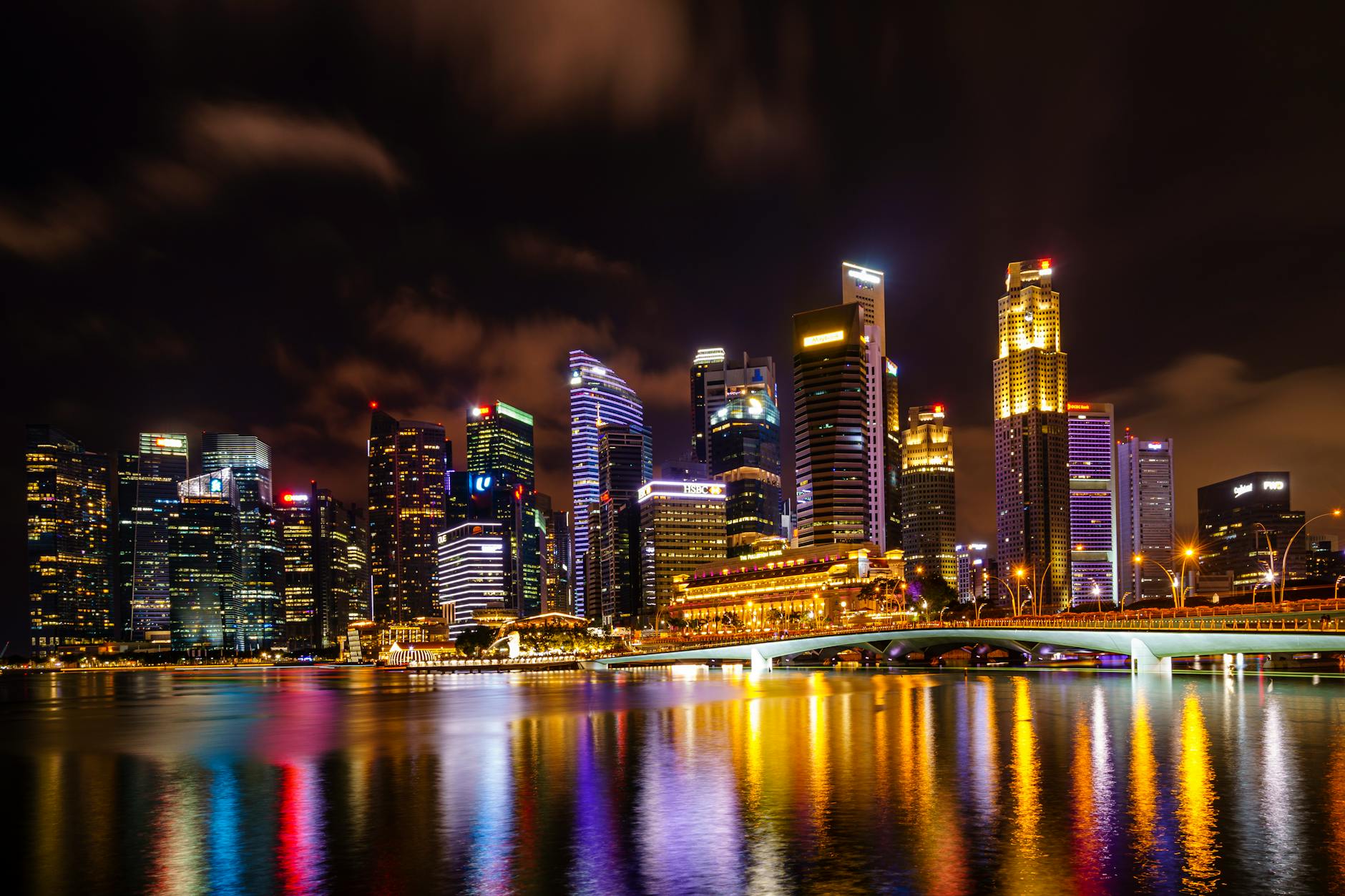
- Spectra at Marina Bay. A 15-minute fountain, laser and projection show on the water in front of Marina Bay Sands, nightly at 8 pm and 9 pm, with an extra 10 pm show on Fridays and Saturdays. Best seen from the Event Plaza steps. Hotels like PARKROYAL COLLECTION Marina Bay sit within walking distance, but the view from the promenade costs nothing.
- Helix Bridge. A 280-metre pedestrian bridge shaped like a strand of DNA, linking Marina Centre to the Bayfront. Lit in shifting colors after dark, with viewing pods that look back at the whole bay.
- Clarke Quay and Boat Quay. Both riverside stretches are lined with bars where a beer costs 15 SGD, but the walk itself is free. Converted godowns, bumboats passing under the bridges and the Fullerton Hotel lit up at the river mouth make for a good hour’s stroll without ordering anything.
One paid evening attraction stands apart: the Night Safari in the north of the island, the first zoo in the world designed to be visited only after dark. Trams and walking trails pass tigers, elephants and tapirs under dim lighting. Night Safari tickets cost about 55 SGD, and the last tram leaves around 11:15 pm. Bus 138 from Ang Mo Kio MRT gets you there for under 2 SGD.
Small Habits That Save Money
None of these tricks is dramatic on its own. Together they shave 20 to 30 SGD off a typical day, which over a week pays for the flight home from Kuala Lumpur.
- Carry a bottle. Humidity hovers around 80 percent year-round and you will drink two litres a day. Refill at the free fountains in malls, parks and MRT stations instead of buying plastic bottles at 1.5 SGD each.
- Use Wireless@SG. Free public Wi-Fi in malls, libraries, MRT stations and the airport. Register once with a foreign number and it works everywhere. Enough for maps and messaging if you skip a SIM.
- Buy attraction tickets online. Klook, Trip.com and the attractions’ own sites regularly sell Gardens by the Bay, Sentosa and zoo tickets 10 to 20 percent below the gate price. Bundles of two or three attractions cut further.
- Shop for souvenirs in Chinatown or Little India. The same magnets, tea tins and batik that cost 15 SGD at Marina Bay sell for 5 SGD on Pagoda Street or at Mustafa Centre.
- Cluster your days by area. Marina Bay and Gardens by the Bay one day, Chinatown and Tiong Bahru the next, Little India and Kampong Glam the third. Fewer MRT rides, less time in the heat.
- Avoid the F1 week and Chinese New Year. Hotel rates double in mid-September for the Grand Prix and climb sharply around Chinese New Year in late January or February. Flights are generally cheapest in February to April and September to November outside those dates.
- Get a local SIM or eSIM. Tourist SIMs from Singtel or StarHub at Changi cost 12 to 15 SGD for 100 GB over a week or two. An eSIM bought before departure is comparable and skips the queue.
Living like a Singaporean for a week, in other words: hawker breakfast, MRT, a park in the morning, a mall for the midday heat, a free show at night. It is also simply the more interesting way to see the place.
A Sample Daily Budget

Here is what a realistic frugal day looks like in Singapore dollars, for one person sharing a budget double room. A capsule bed brings the first line down to 30 to 40 SGD.
| Item | Cost, SGD |
|---|---|
| Half of a budget double in Geylang or Little India | 45 |
| Kaya toast, eggs and kopi | 5 |
| Hawker lunch and dinner | 12 |
| Four MRT or bus rides | 8 |
| One paid attraction, averaged over a week | 10 |
| Snacks, fruit, kopi, small purchases | 5 |
| Total | 85 |
That works out to roughly 65 USD a day, or around 450 USD for a week before flights. Add a hotel pool and a couple of restaurant dinners and the figure climbs to 120 to 150 SGD a day, which is still below what most people assume Singapore demands. Everything in the table is available every day of the year, no coupon required. Begin at a hawker centre on the first morning and the rest tends to follow.


