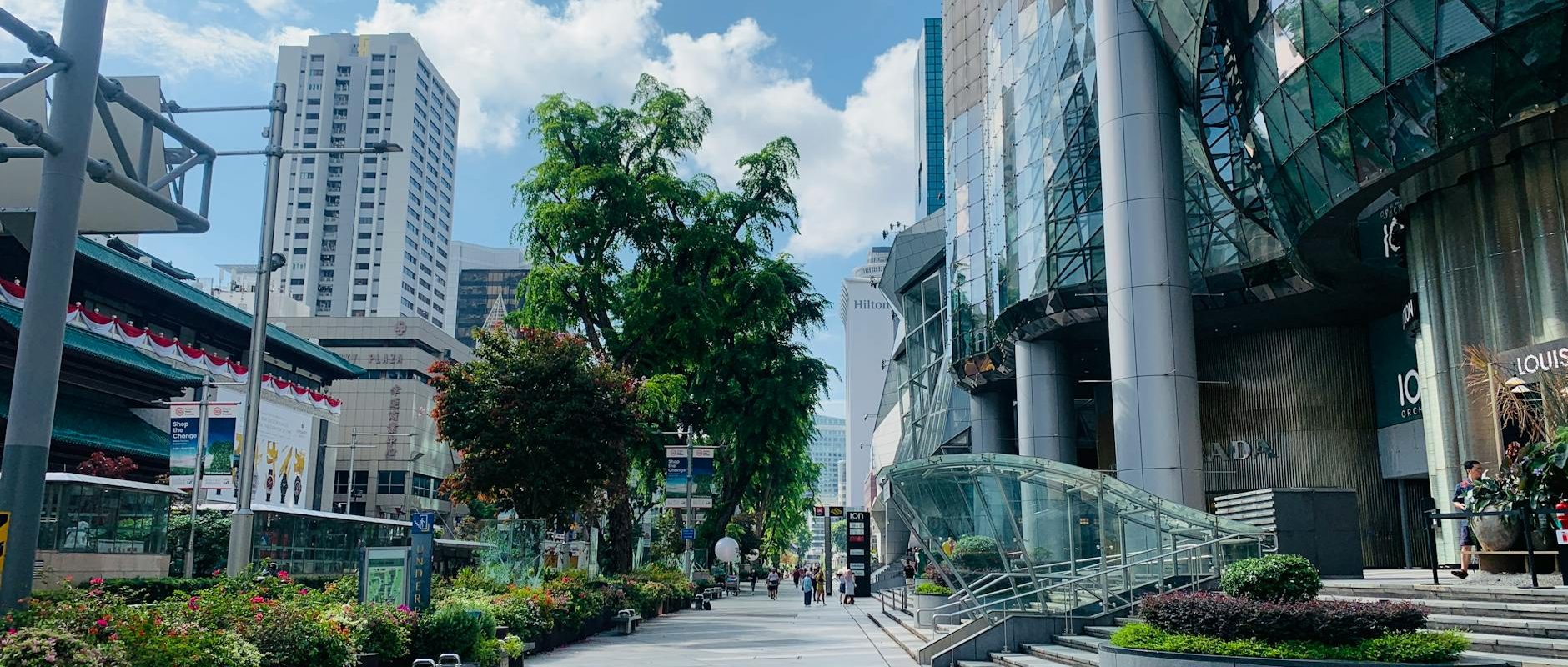
As an avid traveler, I’ve seen quite a few cities striving for the title of “modern.” But Singapore isn’t just modern; it’s literally a city of the future that’s already here. Every time I fly in, I’m just amazed at how this small island-nation manages to offer new facets of futurism and sustainability. It’s not just a metropolis; it’s a living organism where smart city Singapore demonstrates how technology and nature can coexist in incredible harmony. A trip here is, essentially, a journey through time, where the future is already now.
My first encounter with Singapore was years ago, and even then, the city blew me away with its cleanliness and order. But with each visit, I see it evolving, becoming even more technological, green, and well-thought-out. It’s a place where Singapore’s innovations and architecture don’t just decorate the landscape but serve practical purposes, improving life for both residents and visitors. And I really want to share my thoughts and tips on how to fully immerse yourself in this incredible world.
Architectural Futurism and Green Oases
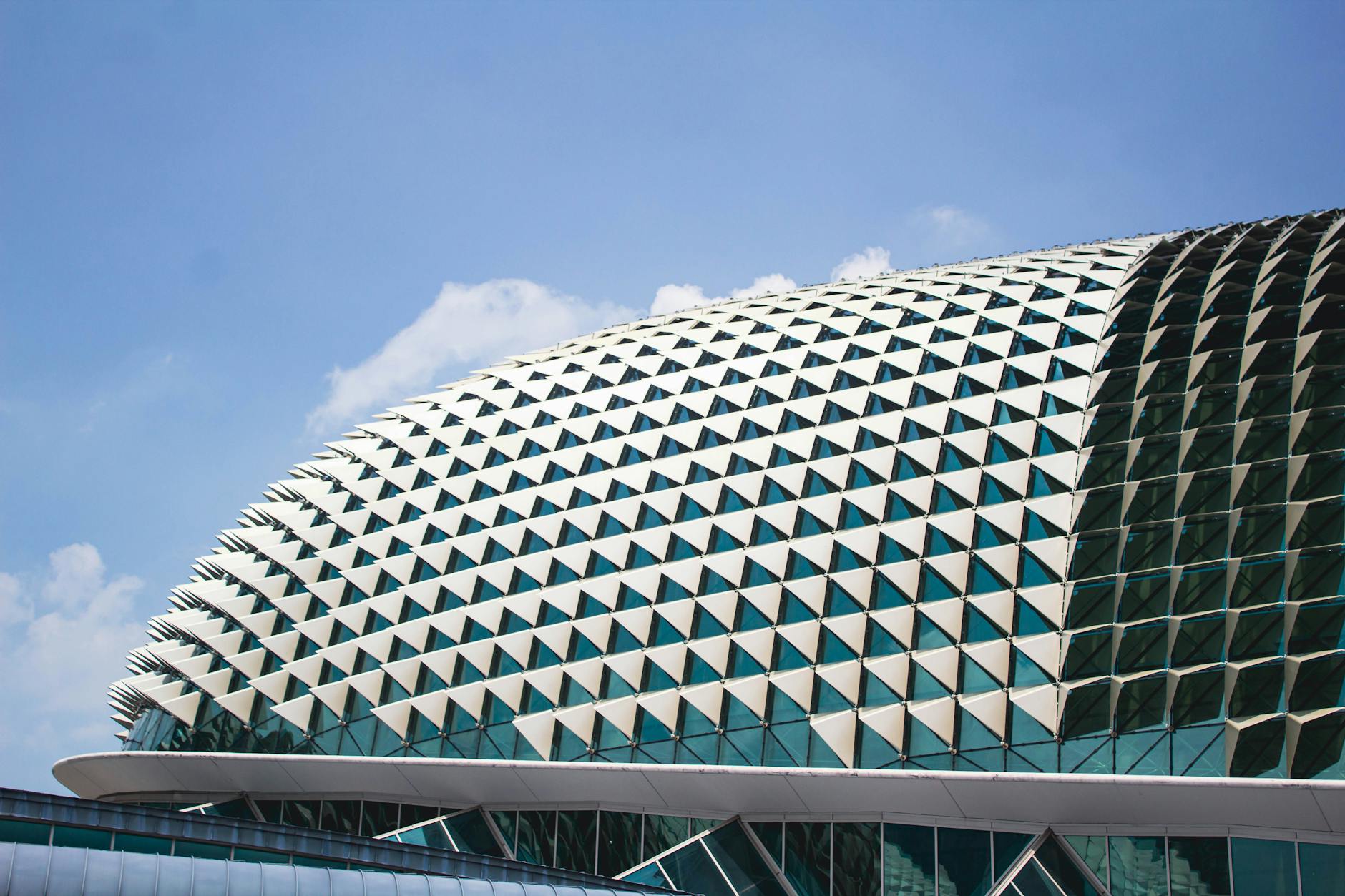
When I think of Singapore, images of its incredible architecture immediately pop into my head. These aren’t just buildings; they’re works of art that form the city’s unique identity. Singapore’s modern architecture is a bold experiment, with each new project seemingly more ambitious than the last. And what’s truly striking is how these futuristic structures are integrated with lush greenery.
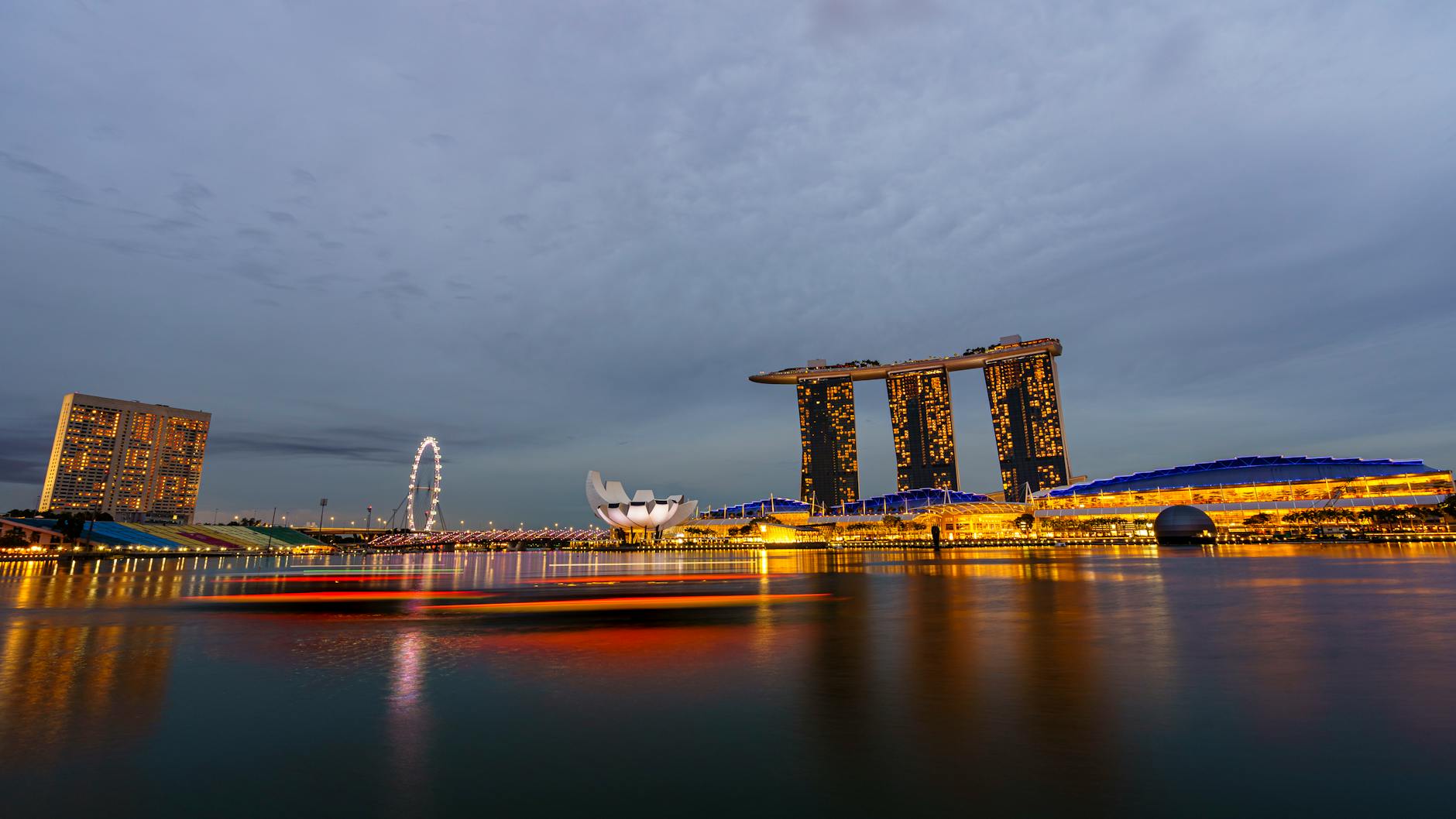
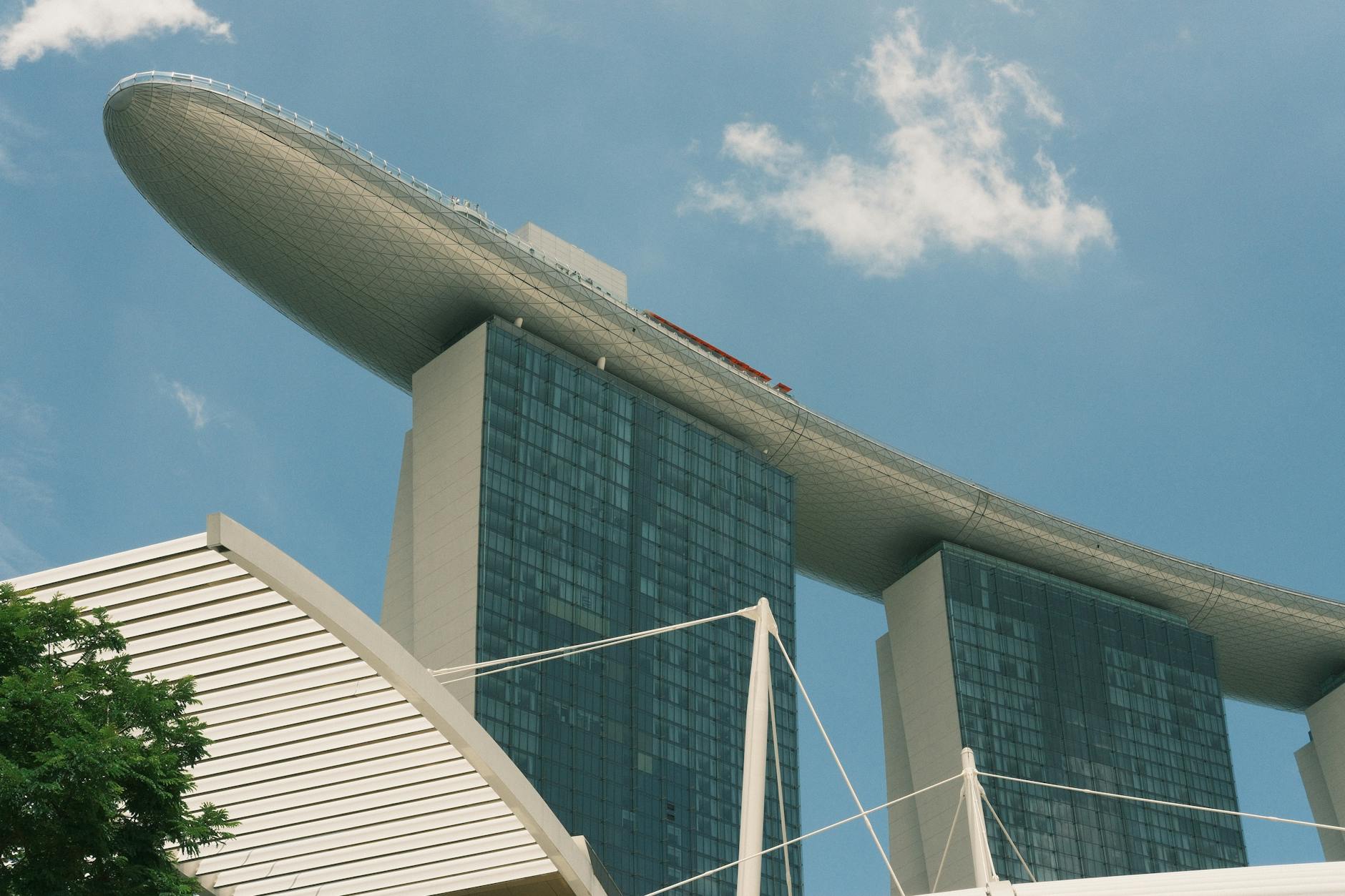
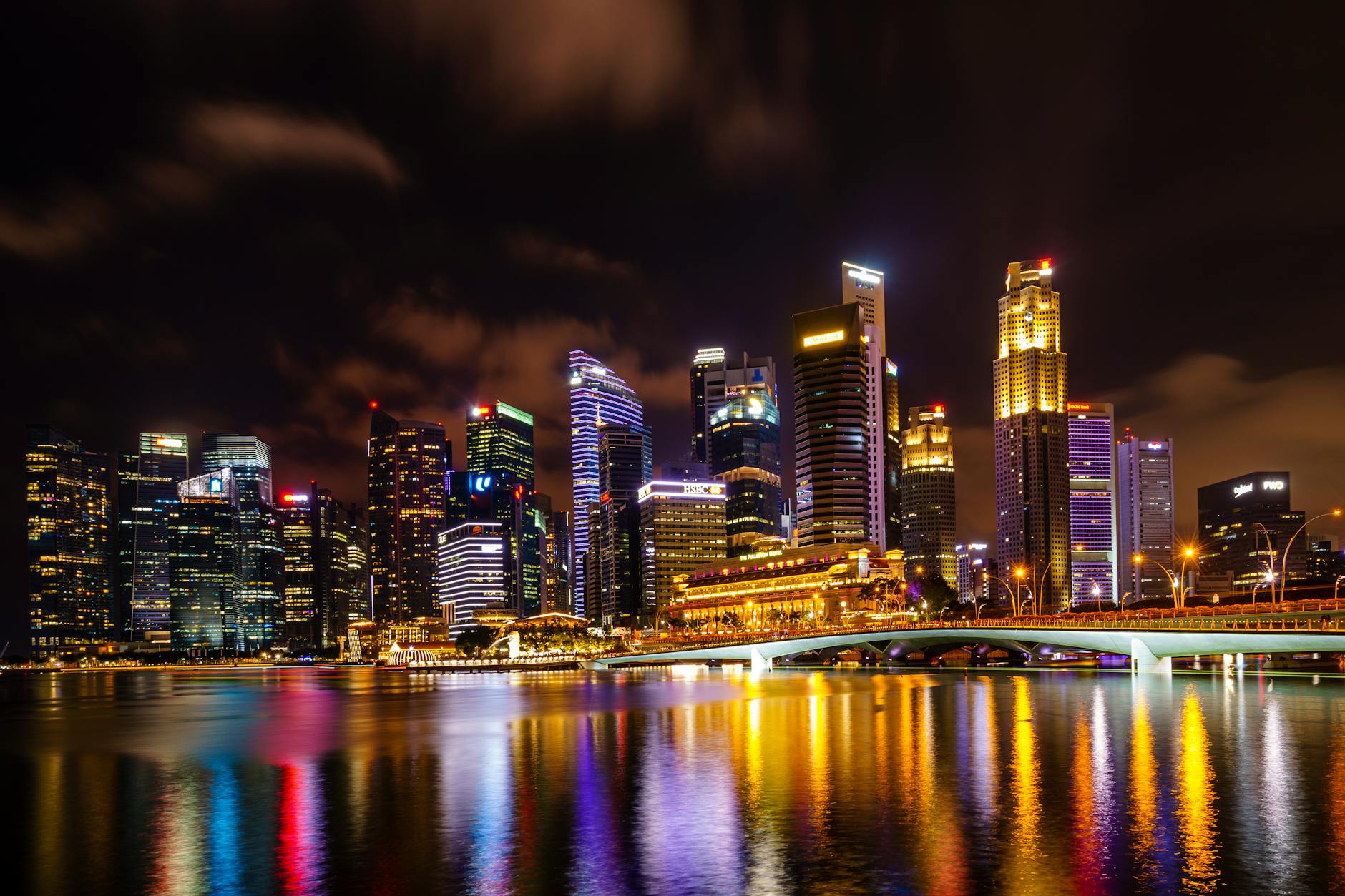
Of course, the first thing that springs to mind is Marina Bay Sands. This complex isn’t just a hotel; it’s an icon. Three towers, topped with a “boat” – a giant pool and observation deck – offer what’s arguably the most breathtaking view of the city. I remember going up there for the first time at sunset; it felt like standing on the edge of the world, gazing at the shimmering lights of the future. A ticket to the SkyPark observation deck is about 26 SGD (roughly 19-20 USD), and honestly, I think it’s a must-do if you want to grasp the scale and beauty of this place. By the way, there are a few other great accommodation options nearby, like Pan Pacific Singapore or Swissotel The Stamford Singapore, which also offer amazing views, just from a different angle.
Gardens by the Bay: A Symbiosis of Nature and Technology
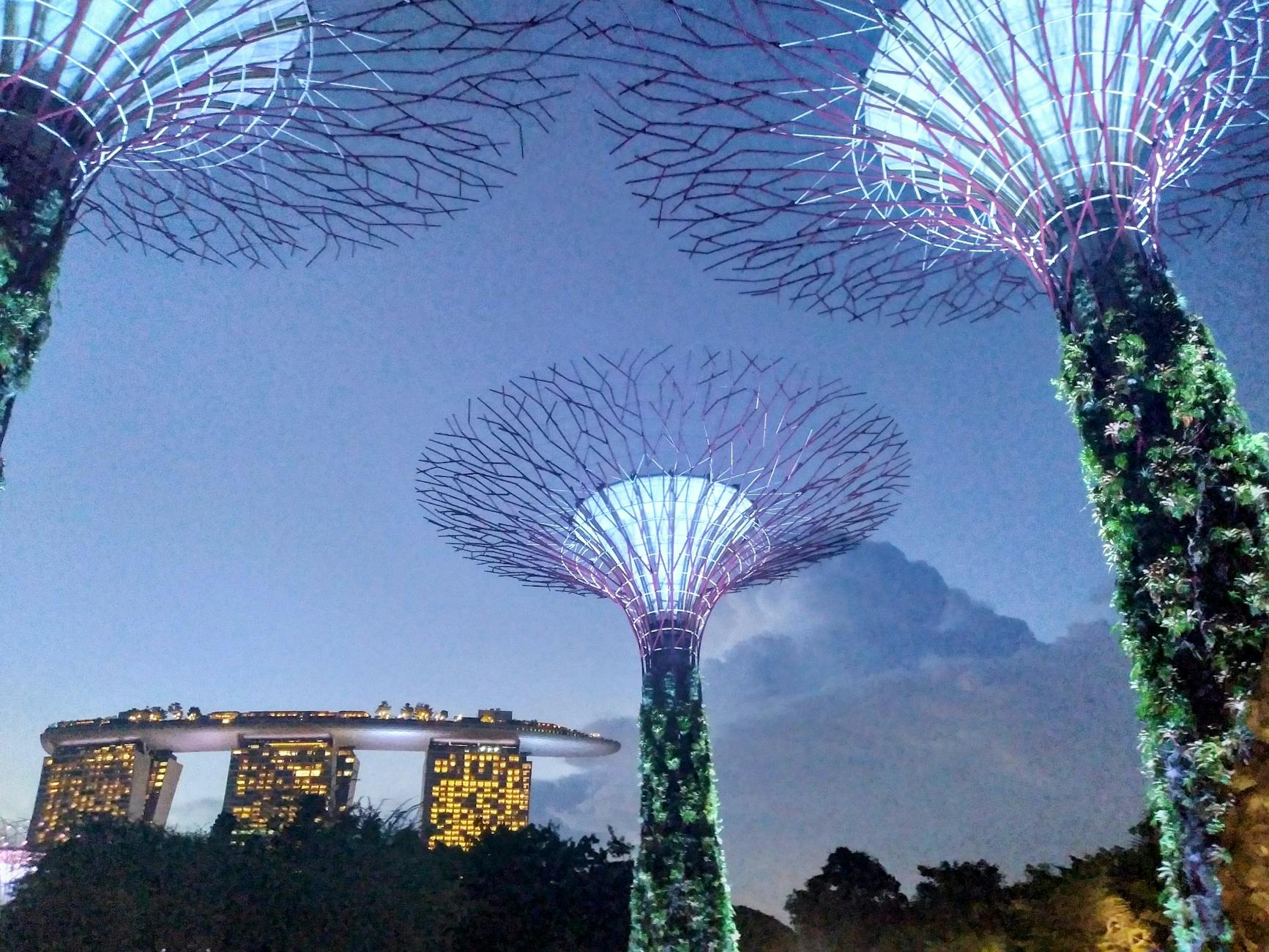
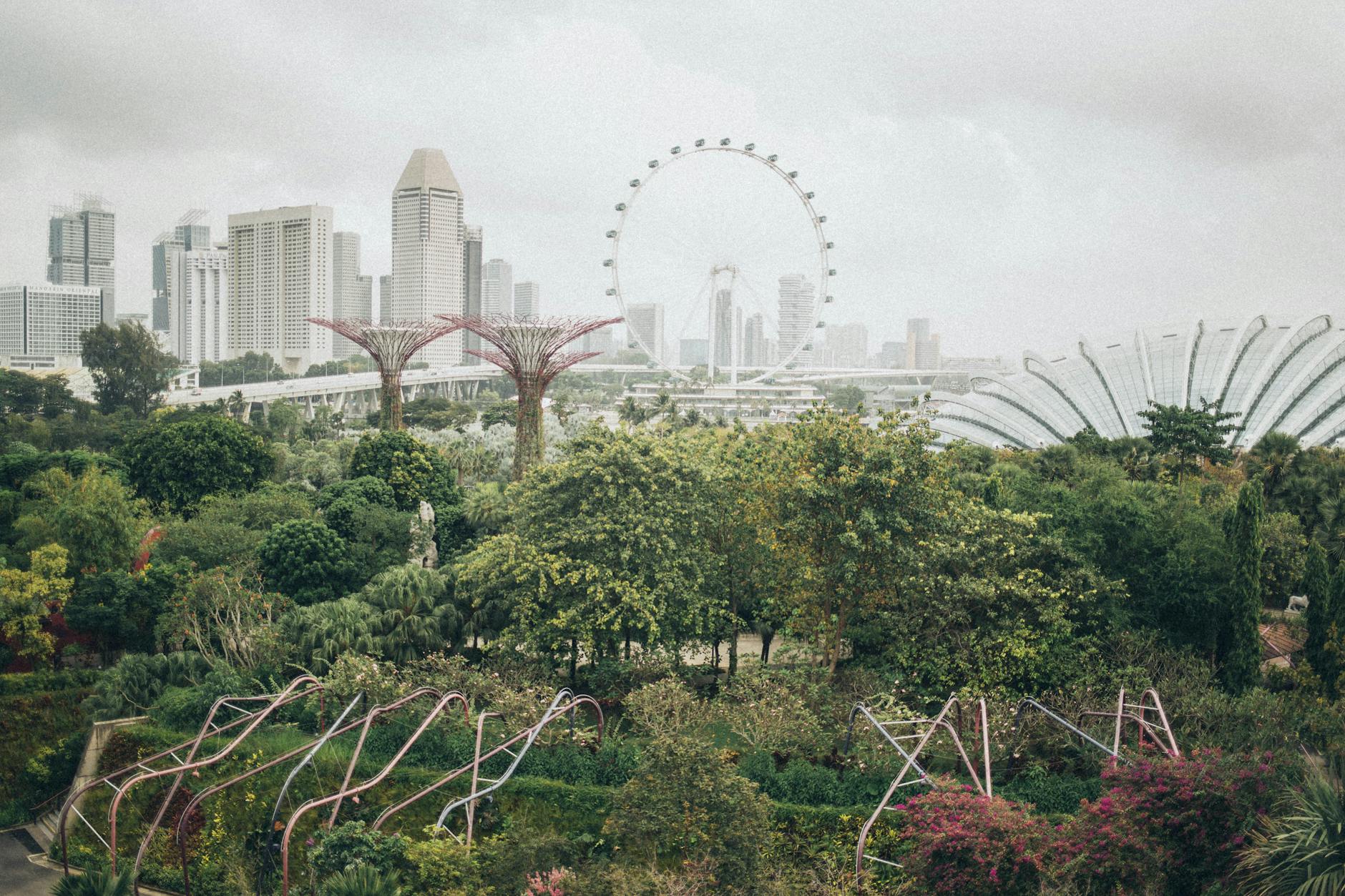
Right behind PARKROYAL COLLECTION Marina Bay, Singapore lie the famous Gardens by the Bay — and honestly, they’re one of the clearest proofs that Singapore’s green architecture examples are showcased here in the most incredible way. The giant Supertree Grove isn’t just for show. They collect rainwater, generate solar power, and even act as ventilation shafts for the conservatories. When evening rolls around, the Garden Rhapsody light and music show begins, and these trees just come alive, transforming into something truly magical. I literally freeze in awe every time I watch that spectacle. It’s a spot where you realize that what to see in futuristic Singapore isn’t just skyscrapers, but also these unique eco-systems.
Inside the Gardens, you’ll find two absolutely stunning conservatories: the Flower Dome and the Cloud Forest. The Flower Dome is this huge glass pavilion, replicating a dry Mediterranean climate, where you can see thousands of plant species from all over the world. And the Cloud Forest? That’s a whole different ballgame entirely. You step inside, and you’re enveloped in a cool mist, with a 35-meter waterfall cascading down an artificial mountain covered in tropical vegetation right before your eyes. It honestly feels like you’ve just walked into Pandora’s jungle from the movie “Avatar.” If you’re keen to dive deeper into that experience, there’s a fantastic tour called “Gardens of Singapore: Flower Dome and Cloud Forest” that’ll fill you in on all the details.
It’s always seemed to me that Singapore’s innovation architecture isn’t just about the aesthetics. In these gardens, every single detail is meticulously planned for maximum efficiency and sustainability. They really show how Singapore’s planning for the city of the future is brought to life, creating a space where humans and nature live in a perfect symbiosis. And that’s not just pretty words – you can feel it in every corner.
Smart Solutions and Future Technologies
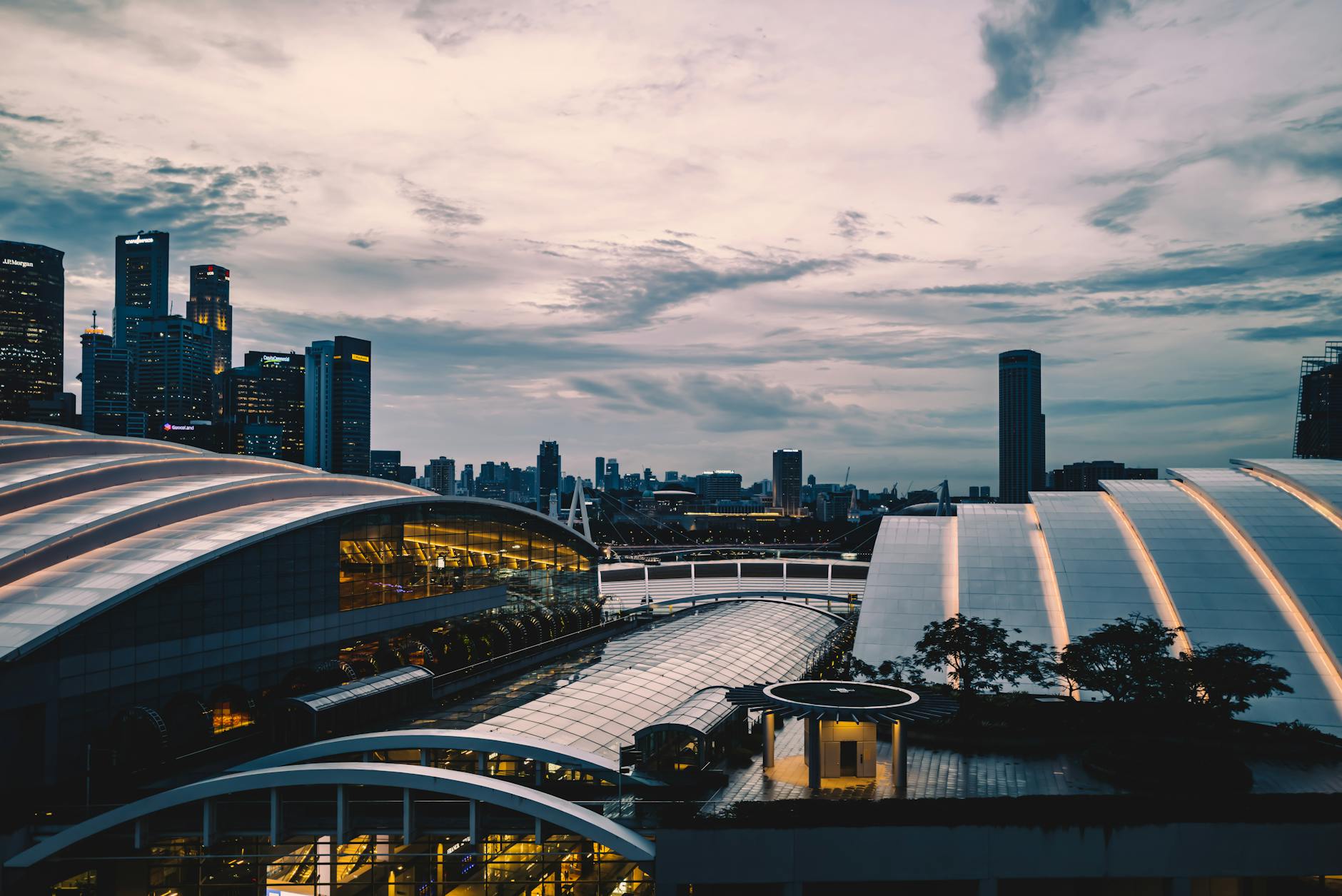
Singapore isn’t just putting up pretty buildings; it’s constructing an entire ecosystem where Singapore’s smart urban solutions touch literally every facet of life. From transport to waste management, security to healthcare – you can feel the meticulous planning and drive for perfection everywhere. When I first arrived here, I was just blown away by how efficiently everything operates.
Take the transport system, for instance. It’s just incredible. The MRT (subway) is clean, fast, and always on schedule. They’ve implemented Singapore’s future technologies here, allowing driverless trains, and the network is constantly expanding. Public transport is so good that owning a personal car in Singapore is more of a luxury than a necessity. The government actively encourages public transport use by imposing high taxes on car purchases and maintenance, plus they use electronic road pricing during peak hours. That, by the way, is one of the key elements of Singapore’s smart city technologies.
I remember one time I needed to get from the airport. And instead of hailing a taxi, I just hopped on the MRT. It took minimal time, and it was super comfortable. If you’d rather not bother with public transport, you can always book an airport transfer to Singapore or back; that’s also super convenient, especially if you’re arriving late at night or with a lot of luggage.
Innovations in Everyday Life
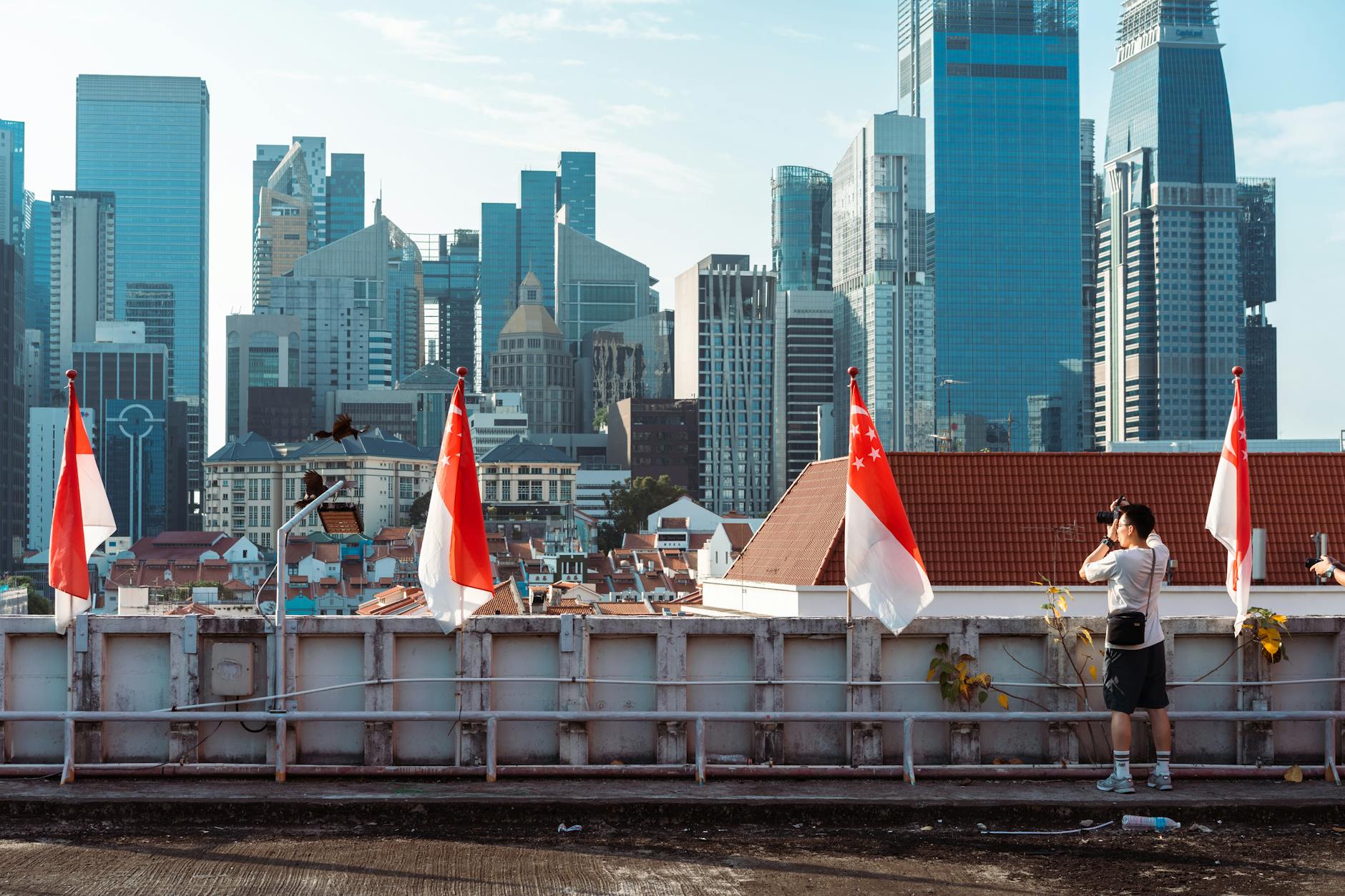
But smart solutions aren’t just about transport. Let’s take water resource management, for example. Singapore, being a small island, has always grappled with a shortage of fresh water. And they found a way! Here, they actively use seawater desalination technologies and multi-stage wastewater treatment (NEWater), which make it drinkable. This is a striking example of how Singapore became a city of the future – all thanks to farsighted planning and investments in science. They’re literally creating water out of thin air (well, almost).
Another aspect is safety. Singapore is considered one of the safest cities globally. This isn’t just due to strict laws, but also the widespread use of CCTV cameras, intelligent facial recognition systems, and other tech. Now, that might raise some eyebrows for folks who value complete anonymity, but for me, as a tourist, it honestly creates a sense of total peace of mind. You can even stroll through the streets late at night without a single worry.
And honestly, everywhere you look, you can find evidence that Singapore’s smart urban solutions are being used to improve quality of life. For example, there are special sensors monitoring air quality, or intelligent lighting control systems that adjust brightness based on the time of day and people’s presence. It just feels like this huge, well-oiled machine where every single detail works towards a common goal.
What to See in Futuristic Singapore
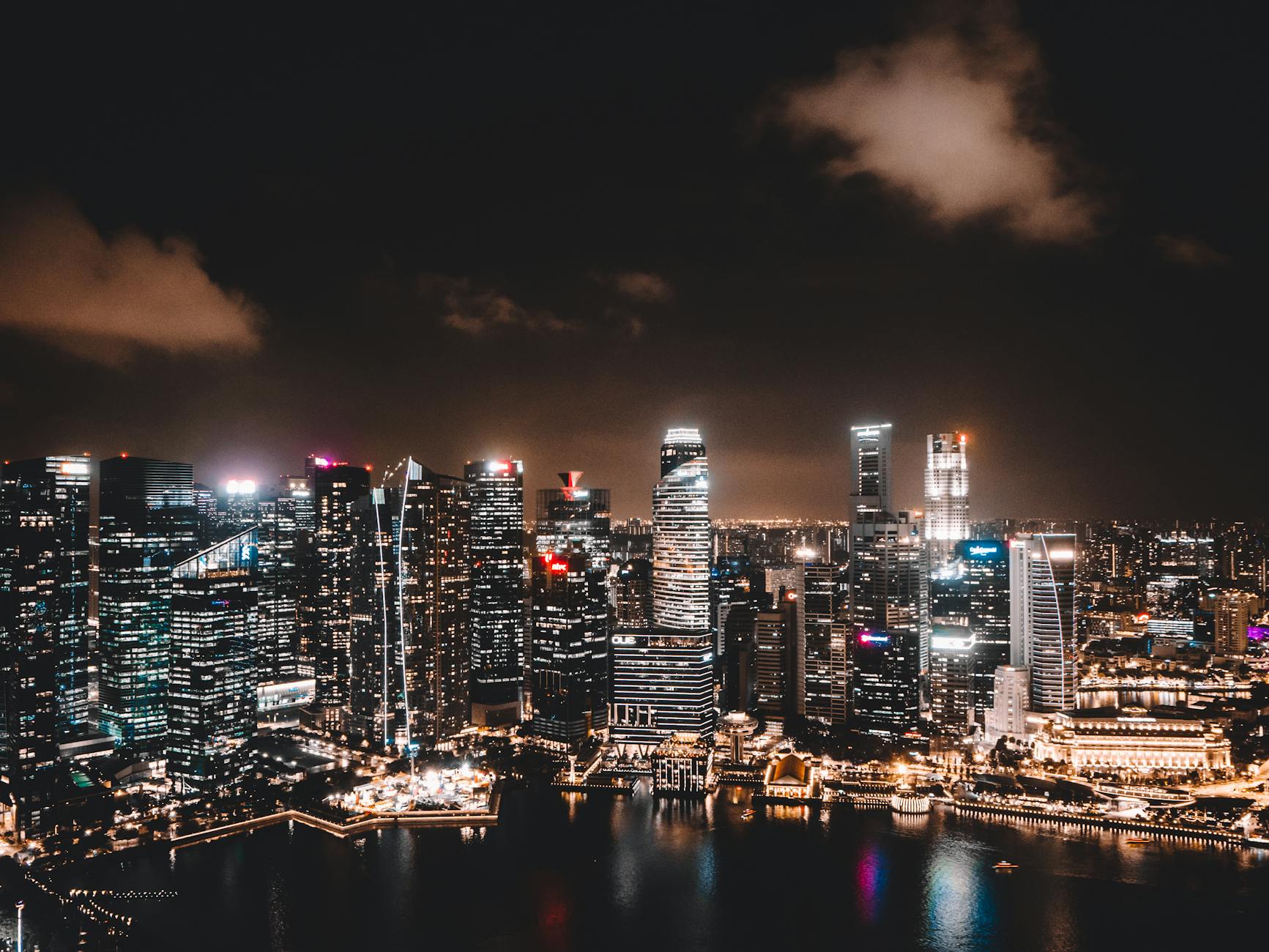
If you’ve come to Singapore specifically to see its futuristic side, then beyond the obvious Marina Bay Sands and Gardens by the Bay, there’s a ton more places worth visiting. This city never stops surprising you, and “futuristic Singapore where to go” is a question that always has a multitude of answers.
Changi Airport: A Whole World Under One Roof
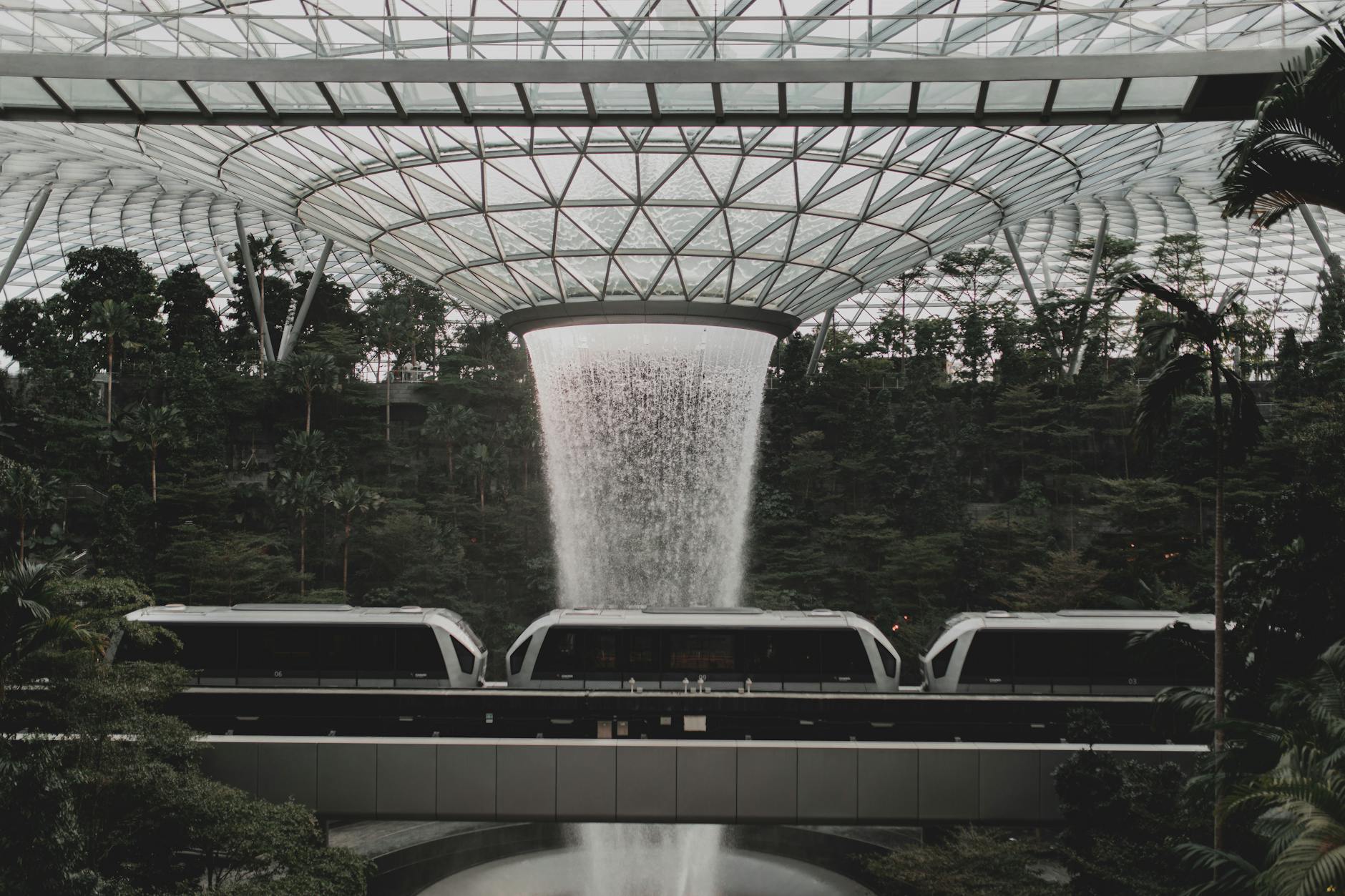
You should probably start with Changi Airport. It’s not just an airport; it’s essentially one of Singapore’s main future attractions. I flew in here on a flight from Singapore, and my amazement started right in the terminal. It’s got everything: cinemas, butterfly gardens, rooftop pools, unique installations. And the crown jewel of it all is Jewel Changi – a multi-level complex connected to the terminals, housing the world’s tallest indoor waterfall, the Rain Vortex, surrounded by a lush tropical forest. It’s a place where you can easily spend a few hours, even if you don’t have a layover. Just wander around, check out the waterfall, grab a bite at one of the many restaurants. It’s like a mini-city within the city, really showcasing Singapore’s future technologies.
For those who want to dive deeper, there are some excellent tours focusing on Singapore’s innovations, covering not just architectural masterpieces but also less obvious, yet equally impressive, projects. For example, I really loved the idea of a walk through the One-north district – it’s this innovation cluster packed with research centers and startups. You won’t find tourist crowds there, but you can actually see how those very technologies that make Singapore a city of the future are born.
Sentosa: Island of Entertainment and Technology
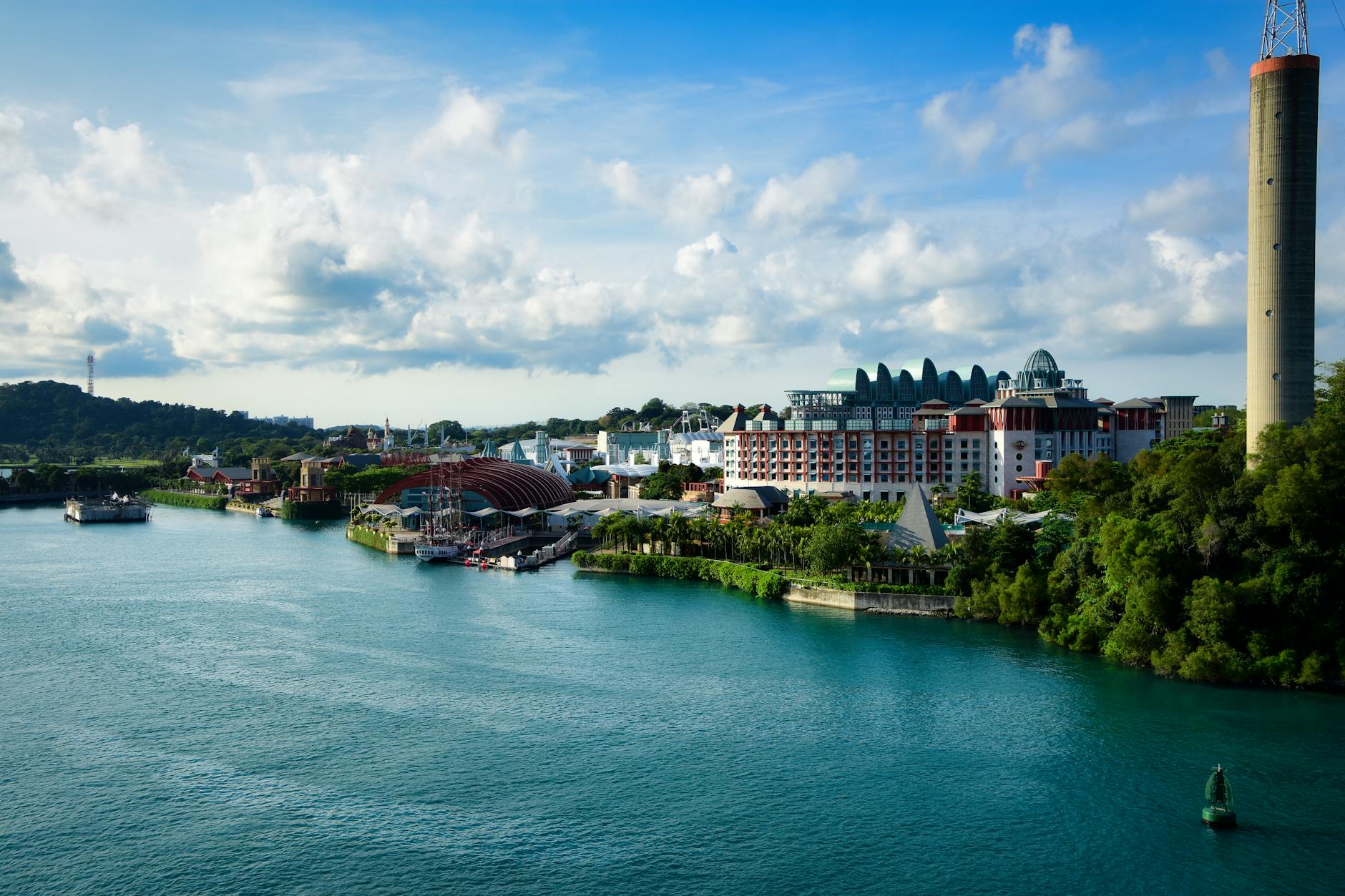
Another spot worth checking out, if you’re curious about “futuristic Singapore where to go,” is Sentosa Island. While it’s often seen as purely an entertainment resort with beaches and theme parks (Universal Studios Singapore is there, by the way), Sentosa also doubles as a testing ground for smart solutions. They’re trying out driverless buses here, using smart systems to manage tourist flows, and there are even interactive installations that tell you all about the island’s future. You could easily spend a whole day there, and if you’re up for it, there’s a Sentosa Island tour that can help you navigate all the diverse entertainment and tech.
I, for one, absolutely love the S.E.A. Aquarium there – it’s one of the biggest in the world. And Sentosa also has a cable car, which offers incredible views of the city and nearby islands. That’s not exactly “future technology,” sure, but the high-up view of this rapidly developing metropolis, especially at sunset, really gives you a strong sense of being at the heart of progress.
And honestly, even just a regular stroll through the city center, especially around Marina Bay, is an immersion into futurism all on its own. Every skyscraper, every bridge, every park – everything here is thought out down to the smallest detail. It’s not just pretty pictures; it’s functional beauty that really works for the good of the city.
How Singapore Became the City of the Future: Planning Lessons
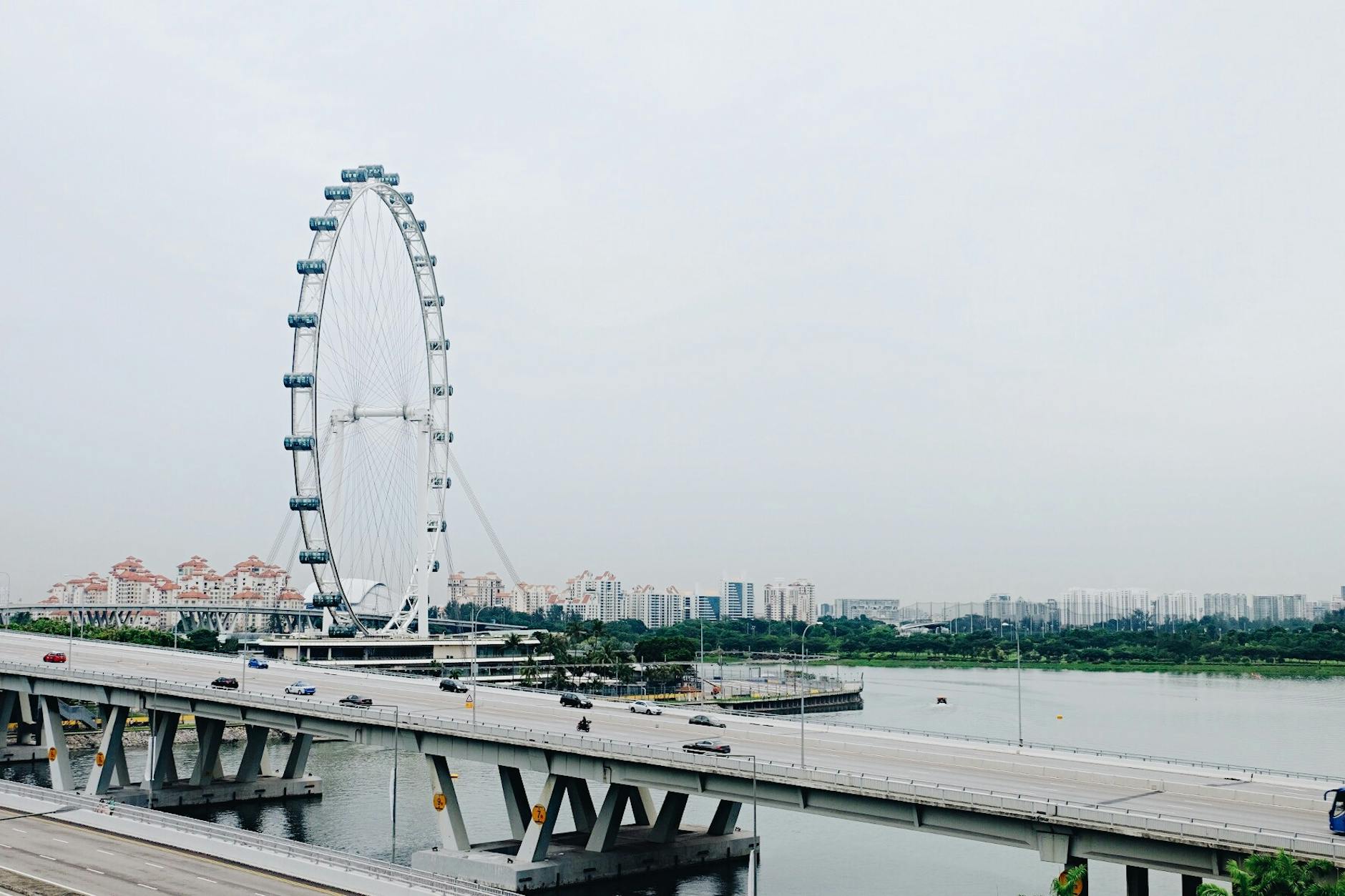
Whenever I look at Singapore, I always find myself wondering: how did Singapore become the city of the future? I mean, just a few decades ago, it was a small fishing village with limited resources. The answer lies in incredibly farsighted planning, strict discipline, and a strong focus on innovation and education.
Right from the start of its independent journey, Singapore zeroed in on strategic development. The government of Lee Kuan Yew, the first Prime Minister, laid the groundwork for Singapore’s city of the future planning to be comprehensive and long-term. They understood that without natural resources, the country’s only assets were its people and their intellectual potential. So, investing in education and attracting the best minds from around the world became a top priority.
I remember reading about their “City in a Garden” strategy, which kicked off decades ago. It’s not just about planting trees; it’s an entire philosophy of integrating nature into the urban environment. That’s exactly why we now see vertical gardens, green roofs, and parks literally built into skyscrapers everywhere. It’s not just beautiful; it actually improves air quality, lowers city temperatures, and creates a comfortable living environment. This, essentially, is that very green architecture of Singapore whose examples are just so impressive.
Economic Miracle and Openness to Innovation
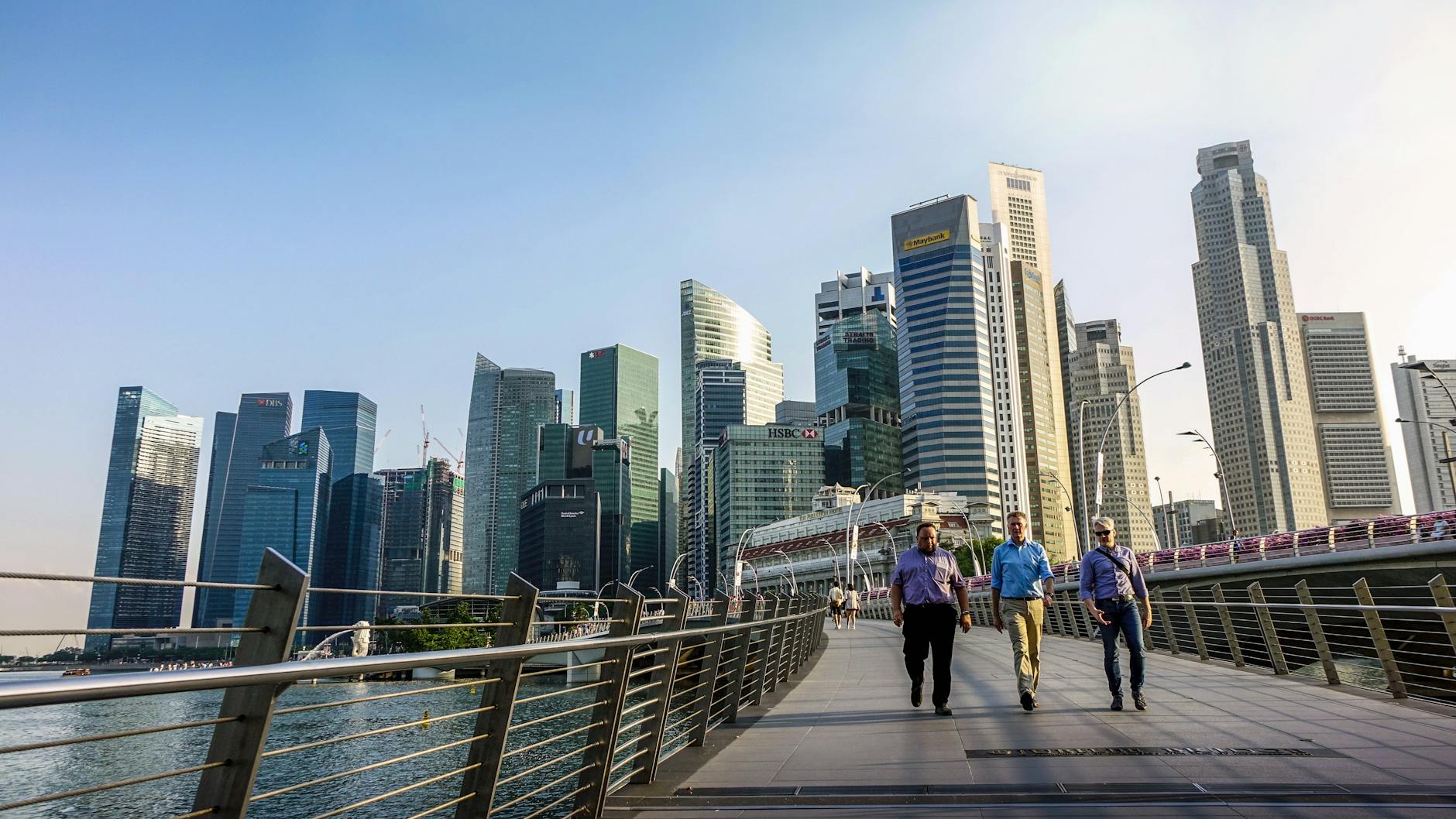
Singapore actively draws in foreign investments and really pushes for the development of high-tech industries. They’ve created ideal business conditions here, which has transformed it into one of the world’s leading financial and tech hubs. This openness to the world and readiness to experiment with new ideas have allowed the city to quickly implement Singapore’s smart city technologies and other innovative solutions.
Another really important aspect is strict control and clear rules. Singapore is famous for its laws, which might seem a bit harsh (like fines for littering or chewing gum), but these are exactly what maintain that incredible cleanliness and order that surprises every tourist. It’s part of an overall strategy aimed at creating a high-quality environment for living and working. And, by the way, all these rules apply to tourists too. I, for one, always try to be super careful not to get into a sticky situation. Honestly, it’s just not worth it.
My trip to Singapore, the city of innovation, always leaves me with the feeling that I’ve seen something truly unique, something other cities only dream of implementing. It’s not just a pretty facade; it’s a deeply thought-out system that works, and works incredibly efficiently. It’s a place where you can witness an ambitious dream become reality through sheer persistence and intellect.
Practical Tips for Traveling to Future Singapore
If you’re planning your trip to Singapore, the city of innovation, here are a few practical tips that might come in handy.
How to Get There and Where to Stay
Flying into Singapore, as I mentioned, starts at Changi Airport. It’s worth booking flights to Singapore in advance, especially during peak season. You’ll find direct flights from many major cities in Asia and Europe.
As for accommodation, Singapore offers a huge range of hotels to suit every taste and budget, though calling them “budget-friendly” might be a stretch. If you’re after luxury and top-notch service, then Raffles Singapore – that’s, of course, a legend, but the price tag matches that reputation. For those wanting to stay central and enjoy the views, I’d recommend Hilton Singapore Orchard. If you’re looking for something more affordable yet still comfy, then four-star options like Rendezvous Hotel Singapore by Far East Hospitality or Village Hotel Bugis by Far East Hospitality would be solid choices. Their locations make it super easy to get to most of Singapore’s future attractions. Honestly, hotels in Singapore are really diverse, so finding a suitable option won’t be a problem at all.
Getting Around the City and Food
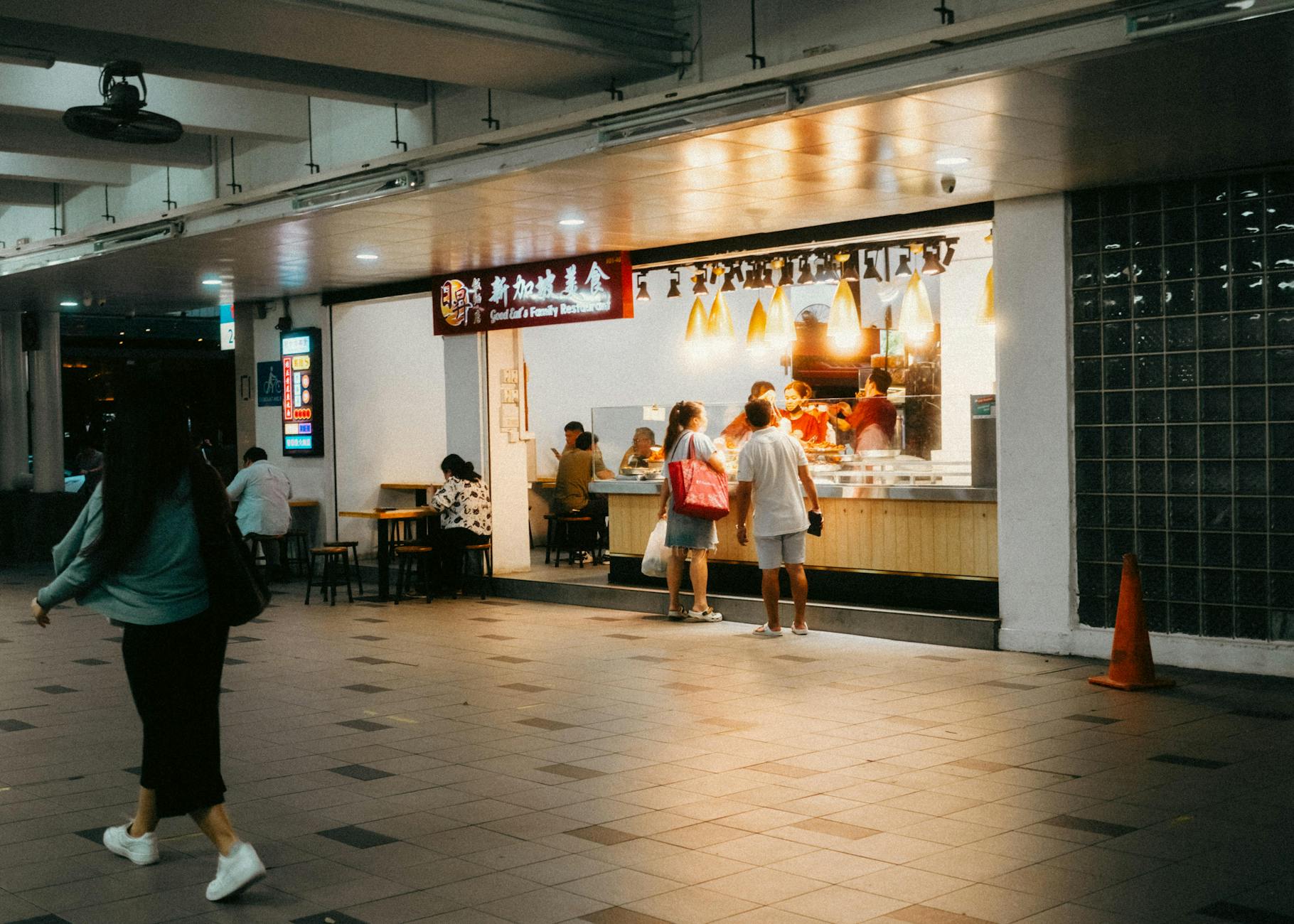
As I’ve said, public transport is your best friend here. Grab an EZ-Link card or a Singapore Tourist Pass; it’s really convenient and cost-effective. Taxis and apps like Grab also work perfectly, but they can be pricier. Walking is also a great way to explore, especially around the waterfront. By the way, if you want to cover as much of the city as possible, the Hop-on Hop-off bus in Singapore with an audio guide is an excellent option.
Food in Singapore – that’s a whole other story. You can find cuisine for every taste here: from street food in Hawker Centres, which is, by the way, super delicious and affordable, to exquisite Michelin-starred restaurants. You absolutely have to try chili crab, laksa, and Hainanese chicken rice. Prices at hawker centers start from 5-7 SGD per dish, which is incredibly budget-friendly. If you’re keen to sample local cuisine in the evening, there’s a Singapore evening food tour that’ll guide you through the most interesting spots.
Climate and When to Go
Singapore is almost on the equator, so it’s hot and humid year-round, with average temperatures around +28-32°C. Rains are frequent, but usually short-lived and pretty refreshing. I personally prefer visiting between February and April or July and September, when there’s slightly less rain, but honestly, it’s always “season” here. The main thing is don’t forget light clothing, a hat, sunscreen, and an umbrella.
Overall, a trip to Singapore, the city of innovation, isn’t just a vacation; it’s an immersion into the future. You’ll see how smart city Singapore tackles 21st-century problems, and maybe you’ll even pick up some ideas for your own life. It’s a truly inspiring place that shows human genius can work wonders, given the will and vision.
Conclusion
Every time I leave Singapore, I’m left with a slight feeling of sadness mixed with pure awe. This city isn’t just a dot on the map; it’s a living example of what you can achieve if you think big, invest in the future, and aren’t afraid to experiment.
I’ve seen how Singapore’s modern architecture seamlessly blends into the natural landscape, and how Singapore’s future technologies make everyday life more convenient and safer. And honestly, I always eagerly anticipate my next chance to come back here and see what new wonders this amazing city will have managed to create. Because Singapore never stands still; it’s always moving forward, towards new horizons, continually surprising and inspiring. Maybe even you, after your trip, will look at the familiar world a little differently.


