
Chiang Mai works best as a base, not a destination. Most people come for the old temples and the markets, spend two days inside the moat, and leave. That misses the point of the north. Within an hour of the city there are ten-level waterfalls, a limestone cascade you can climb barefoot, elephant sanctuaries that have given up on rides, and mountain roads with more curves than anywhere else in Thailand.
This guide covers what to do around Chiang Mai once the temples are done: which waterfalls are worth the ride, how to pick an elephant park that treats its animals well, the classic scooter loops, the two big day trips, and the practical side of renting, driving and sleeping. Prices are in Thai baht; at the time of writing 35 baht is about one US dollar.
Finding Chiang Mai’s Best Waterfalls to Cool Off

Northern Thailand is mountains and forest, and every valley seems to drain through a waterfall. Around Chiang Mai they fall into two groups: the ones on Doi Suthep, which you can reach from the Old City in twenty minutes, and the ones an hour or more north, which need a scooter or a tour. Most sit inside national parks, so expect a 100-baht foreigner fee at the gate and a 20-baht charge for the bike.
Doi Suthep Waterfalls Within Reach of the City
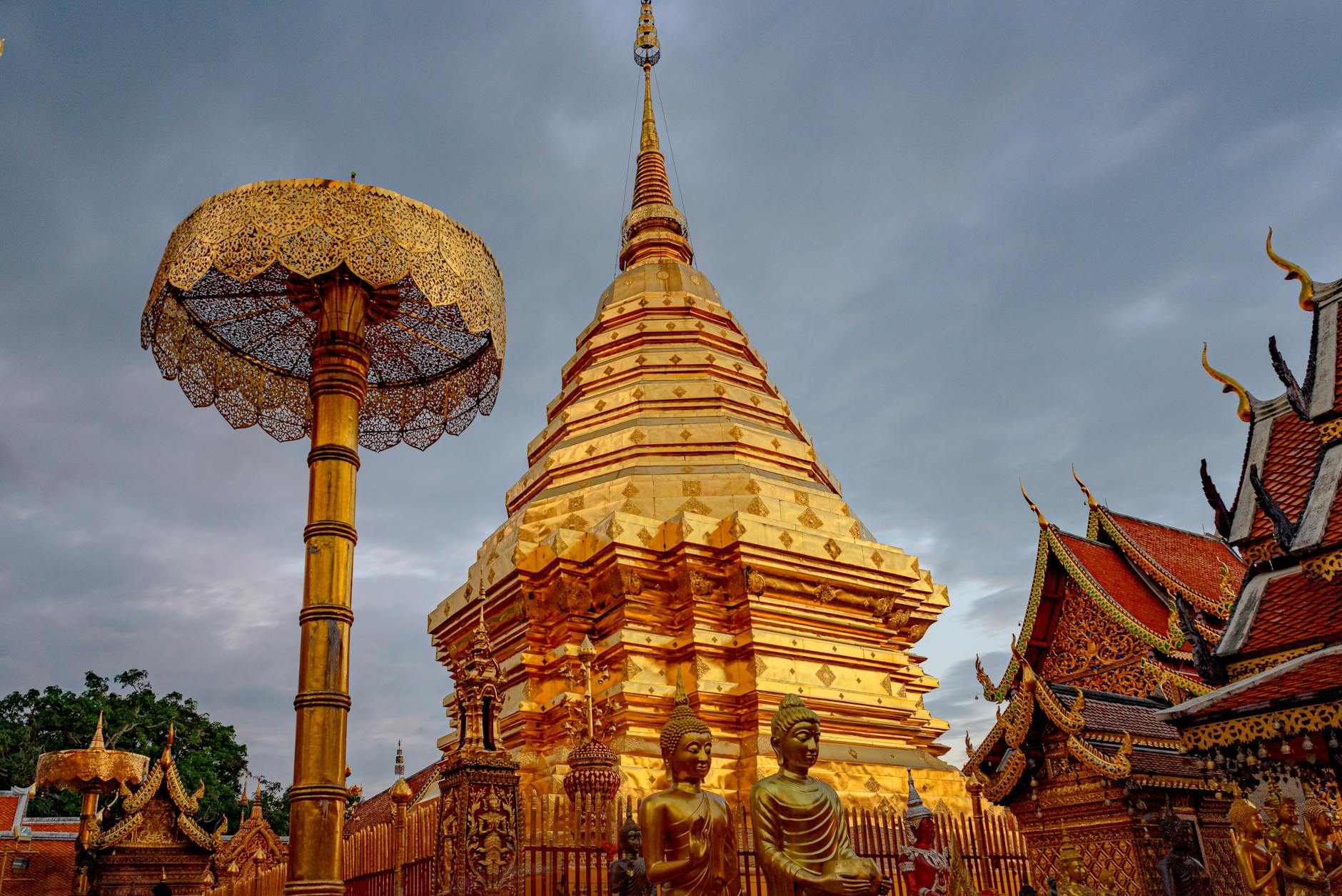
Doi Suthep is the mountain that fills the view west of the city, and most visitors know it only for Wat Phra That Doi Suthep at the top. The lower slopes hold two waterfalls. Huay Kaew is at the very foot of the mountain, next to the zoo, a ten-minute songthaew ride from the moat. It is small and shallow. Think of it as a place to put your feet in the water and take a few photos, not a swimming spot. Students from the university nearby use it as a picnic ground on weekends.
Mon Tha Than is a few kilometres further up the same road, inside the national park. The road climbs through forest, the crowds thin out, and the pools are deep enough to swim in. Entry is 100 baht for foreigners. If you only have a morning and no bike, this is the waterfall to pick. Shared songthaews to the temple leave from the zoo entrance when they fill up and will drop you at the turn-off on request.
More Great Waterfalls, from Mae Sa to Bua Tong

Mae Sa Waterfall is about 30 km north of the city on the Mae Rim to Samoeng road, Route 1096. It is not one fall but ten, stacked along a forest trail with numbered signs. Levels one to six are an easy walk from the car park; levels seven to ten mean steeper steps and fewer people. Several of the pools are fine for swimming. Half a day is enough, and the same road passes orchid farms, the botanic garden and most of the elephant parks, so it combines well with other stops. On a scooter it is 45 minutes each way. Without one, a day tour that covers elephants, temples and mountain views usually includes a waterfall stop in the Mae Sa valley.
Bua Tong, an hour north in Mae Taeng district, is the one everyone calls the sticky waterfall. The water comes from a mineral spring and leaves a limestone crust on the rocks, which gives them the grip of coarse sandpaper. You climb straight up the cascade on bare feet, with ropes fixed on the steeper sections, and you don’t slip. Entry is free, the site opens from about 8:00 to 17:00, and there are only basic shops and toilets at the top. Go early on a weekday and you may have the upper levels to yourself; by noon on a Sunday it is a Thai family outing with coolers and mats. Bring a change of clothes.
Siriphum Waterfall sits inside Doi Inthanon National Park, two hours south-west of the city. Two ribbons of water drop side by side down a cliff above the park headquarters, and the viewpoint is a short walk from the road. On its own it would not justify the drive. As a stop on a Doi Inthanon day, covered below, it is one of the better ones.
- What to pack: shoes that can get wet, a swimsuit, a small towel and insect repellent. Sunscreen for the open pools.
- Timing: the rains from May to October give the waterfalls their full volume. From November to February they run clearer but thinner. In March and April some of the smaller ones are reduced to a trickle.
How to Have an Ethical Elephant Encounter

Elephants are the main reason many people fly to Chiang Mai, and the industry around them has changed a lot in ten years. Riding camps still exist, mostly in the Mae Taeng valley, but the visible money has moved to sanctuaries where the animals are retired from logging and tourism and the visit is about watching them. Which model a place follows matters more than its name, because almost every camp now calls itself a sanctuary.
How to Choose the Right Elephant Park

A few signs separate a genuine sanctuary from a camp that has repainted the sign. Look for these before booking:
- No riding, no shows, no painting or football. If the website mentions a “performance”, move on.
- Mahouts without bullhooks, and small groups, usually no more than ten visitors per herd.
- Feeding from a platform or over a fence, and walking at the elephants’ pace through forest rather than a dusty yard.
- Bathing is the grey area. Some parks still let visitors scrub elephants in a river or mud pit. The most careful ones have dropped it, because an elephant that spends every afternoon being washed by strangers is still working. Observation-only programs are now common and not a lesser experience.
Elephant Nature Park near Mae Taeng is the oldest and best-known rescue project, with a full-day visit at around 2,500 baht including transport and lunch. Smaller places such as Happy Elephant Home and Elephant Jungle Sanctuary run half-day and full-day programs from about 1,700 baht. Expect to pay more than at a riding camp. That difference is the cost of feeding an animal that eats 200 kg a day without making it work for the money. Read reviews from the last few months, not the overall rating, since practices change when owners do.
What a Day at a Sanctuary Looks Like

Most sanctuaries follow a similar script. A minivan collects you from your hotel between 7:30 and 8:30 and drives an hour or so into the hills north or west of the city. On arrival you change into the loose cotton shirt the park provides, which is less about costume and more about not smelling of your own clothes to an animal with a nose that sensitive. A guide explains the herd: who was rescued from where, who is blind or lame from logging work, who is the matriarch. Then you feed them, usually bananas and sugarcane from a basket, and the trunk takes the fruit from your hand with a precision that surprises everyone the first time.
The middle of the day is a walk. The elephants wander through forest or along a stream, stopping to pull down branches, and the group follows at a distance. Lunch is a Thai buffet. Afternoon is either the bath, where the park still does it, or more time watching the herd in the river from the bank. You are back in the city by 16:00 or 17:00. Tours that combine the sanctuary with a waterfall or a short hike exist, but they squeeze both; the elephants are better with the full day.
For most people this is the highlight of a week in the north, and the reason is simple. Half a day near an elephant with nothing demanded of it shows its temperament in a way a two-minute photo on its back never could.
Motorcycle Loops and Hiking Trails
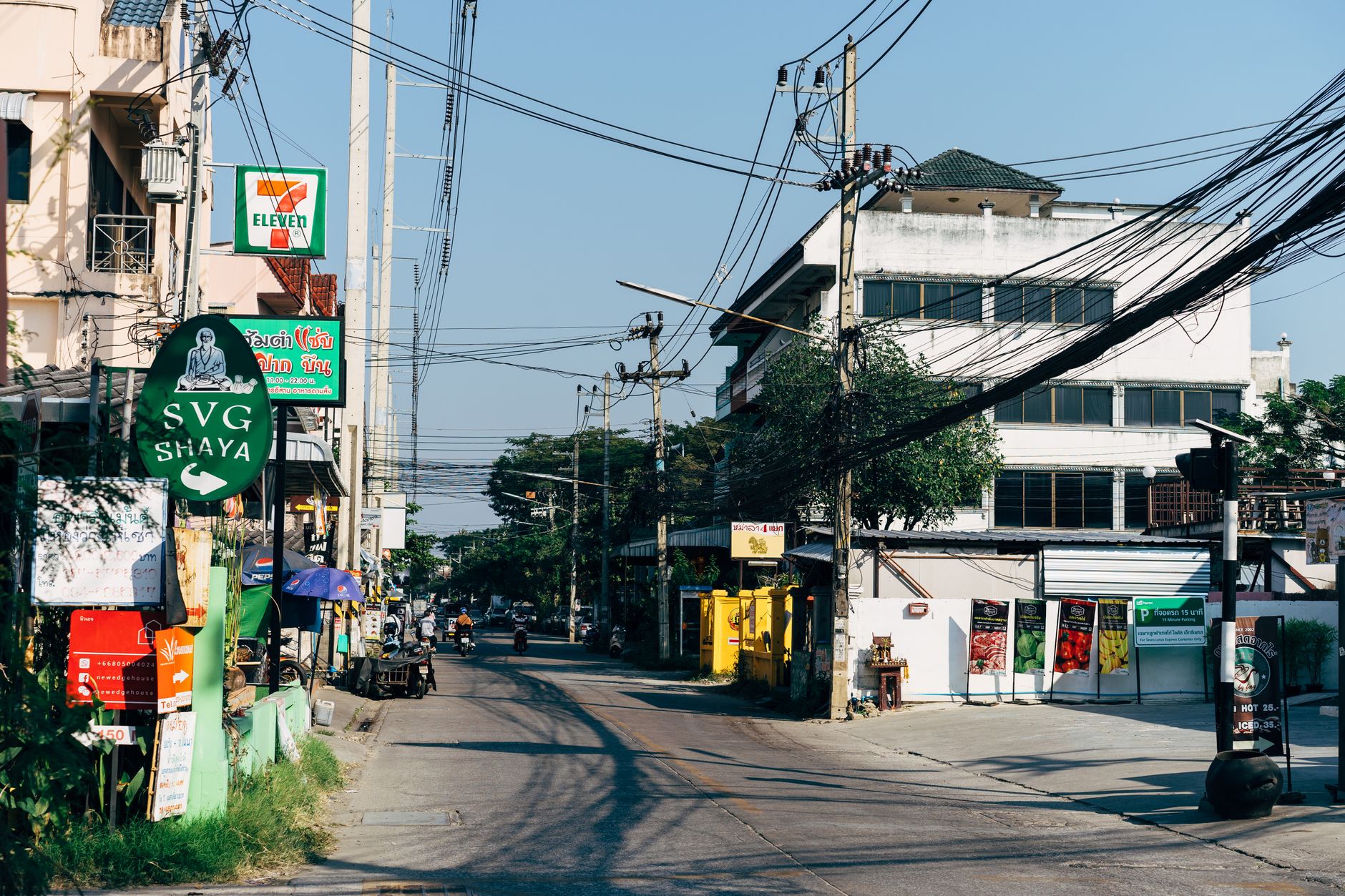
Chiang Mai is the easiest place in Thailand to rent a scooter and the hardest place to give it back. I usually take one for the whole stay rather than by the day; a week on a 125cc automatic costs about the same as three single days, and the rides below are what the north is for.
Northern Thailand on Two Wheels

Rental shops cluster around the Old City moat and along Huay Kaew Road. A Honda Click or Yamaha Fino goes for 200-300 baht a day and roughly 1,500 baht a week, helmet included; a 300cc bike for the long loops costs 800-1,200 a day. Shops ask for a passport as deposit. Hand over a copy and a cash deposit instead, and photograph every scratch before you leave. Three rides stand out:
- Doi Suthep and Doi Pui. The climb starts at the zoo and takes about 40 minutes of hairpins to the temple at 1,000 m. Keep going past it to Bhubing Palace and the Hmong village at Doi Pui, where the road ends. The whole loop is under 40 km and fits in a morning. Go up early; by 10:00 the temple car park is full of tour buses.
- The Samoeng Loop. About 100 km through Mae Rim and Samoeng and back down Route 1269, three to four hours of riding with stops. You pass the Mae Sa valley with its elephant parks, orchid farms and the Queen Sirikit Botanic Garden, then climb into quieter hills with coffee stops and viewpoints. This is the best single-day ride from the city and the one to do first.
- The Mae Hong Son Loop. Around 600 km and 1,864 numbered curves, usually ridden in four to five days: Chiang Mai to Pai, Pai to Mae Hong Son, then south through Khun Yuam and Mae Sariang and back along Doi Inthanon. Pai is a small backpacker town with hot springs and a canyon; Mae Hong Son is a quiet provincial capital with a Burmese-style temple, Wat Phra That Doi Kong Mu, on the hill above the lake. The road to Pai alone has 762 bends, and the minivan drivers take them at a speed that explains why so many people arrive green.
Paperwork. Thai law requires an international driving permit with a motorcycle category, or a Thai licence. Police checkpoints near Tha Phae Gate and on Huay Kaew Road are regular, and a ride without a licence or helmet costs a fine of several hundred baht on the spot. Travel insurance rarely pays out for an accident on an unlicensed bike, which is the more expensive problem. Wear the helmet on every ride, including the 300 m to the 7-Eleven.
Hiking Trails for Trekking Enthusiasts
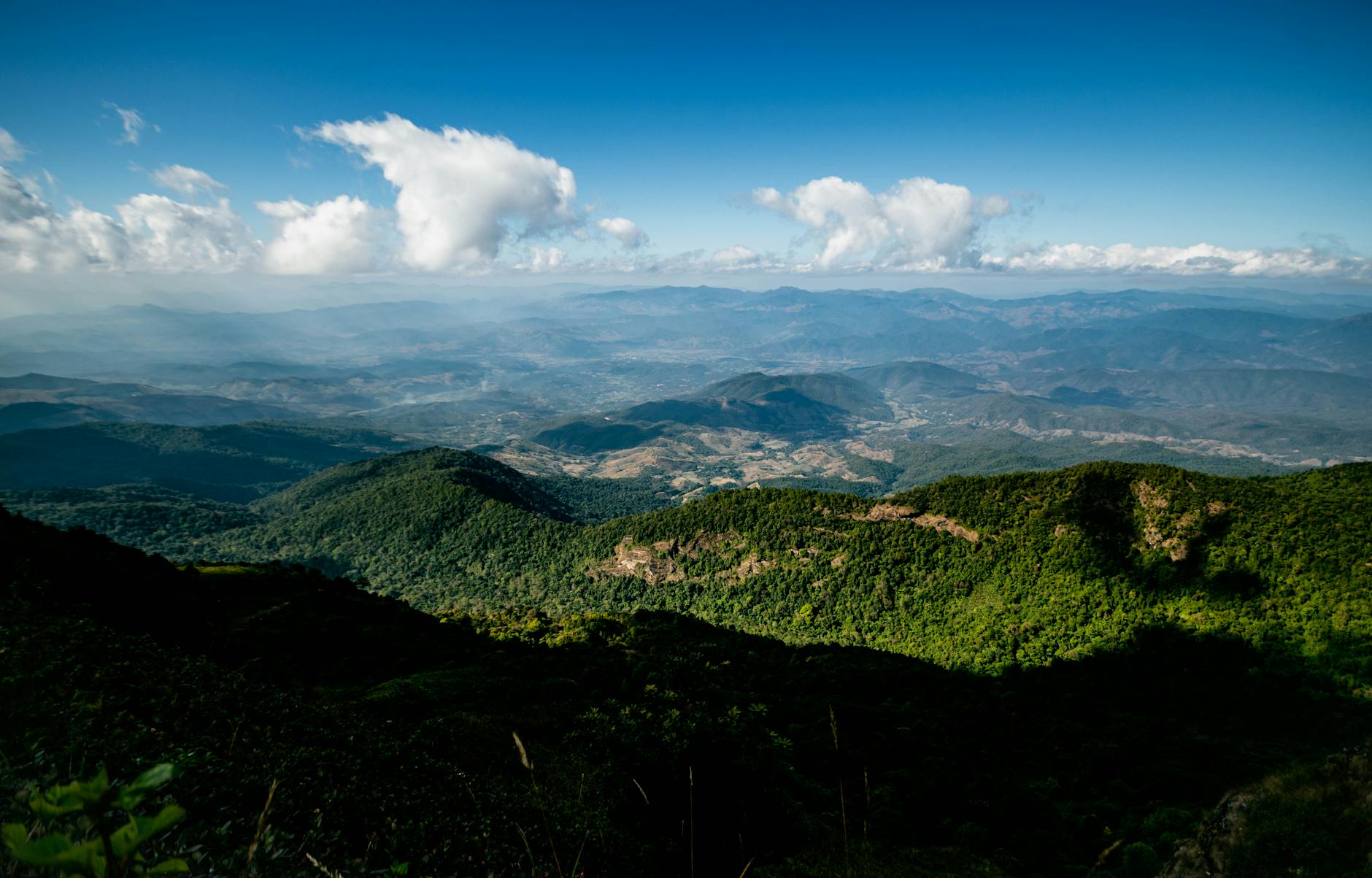
On foot, the options run from a two-hour forest walk to three-day treks with nights in hill villages. The cool season from November to February is the time for all of them. In the rains the trails turn to clay, and from late February into April the burning season fills the valleys with smoke and hides every viewpoint.
- Doi Suthep-Pui National Park. The Monk’s Trail starts behind the university and climbs through forest to Wat Pha Lat, a mossy temple on a stream, in about 45 minutes. Continuing to the main temple takes another hour and is steeper. Orange strips of monk’s robe tied to the trees mark the way, so no guide is needed. Other park trails lead to viewpoints and the Hmong villages; for those a local guide helps with both the route and the plant lore.
- Doi Inthanon National Park. The Ang Ka Nature Trail at the summit is a 360 m boardwalk through cloud forest where moss hangs from every branch and the air is ten degrees cooler than the city. The Kew Mae Pan trail, 3 km along the ridge with views over the valley, requires a park guide (about 200 baht per group) and closes in the rainy season. Pha Chor, a canyon of eroded sandstone pillars, is in Mae Wang National Park on the road to Inthanon and makes a short detour.
- Village treks. Agencies in the Old City sell two- and three-day treks to Karen, Lahu and Akha villages in the hills around Mae Taeng and Chiang Dao, with nights in a bamboo house and meals cooked by the family. Prices start around 2,000 baht per day including a guide, food and transport. Ask how many villages the agency rotates through; the better ones spread visitors so no village becomes a stage set.
Great Day Trips for Exploring Beyond Chiang Mai
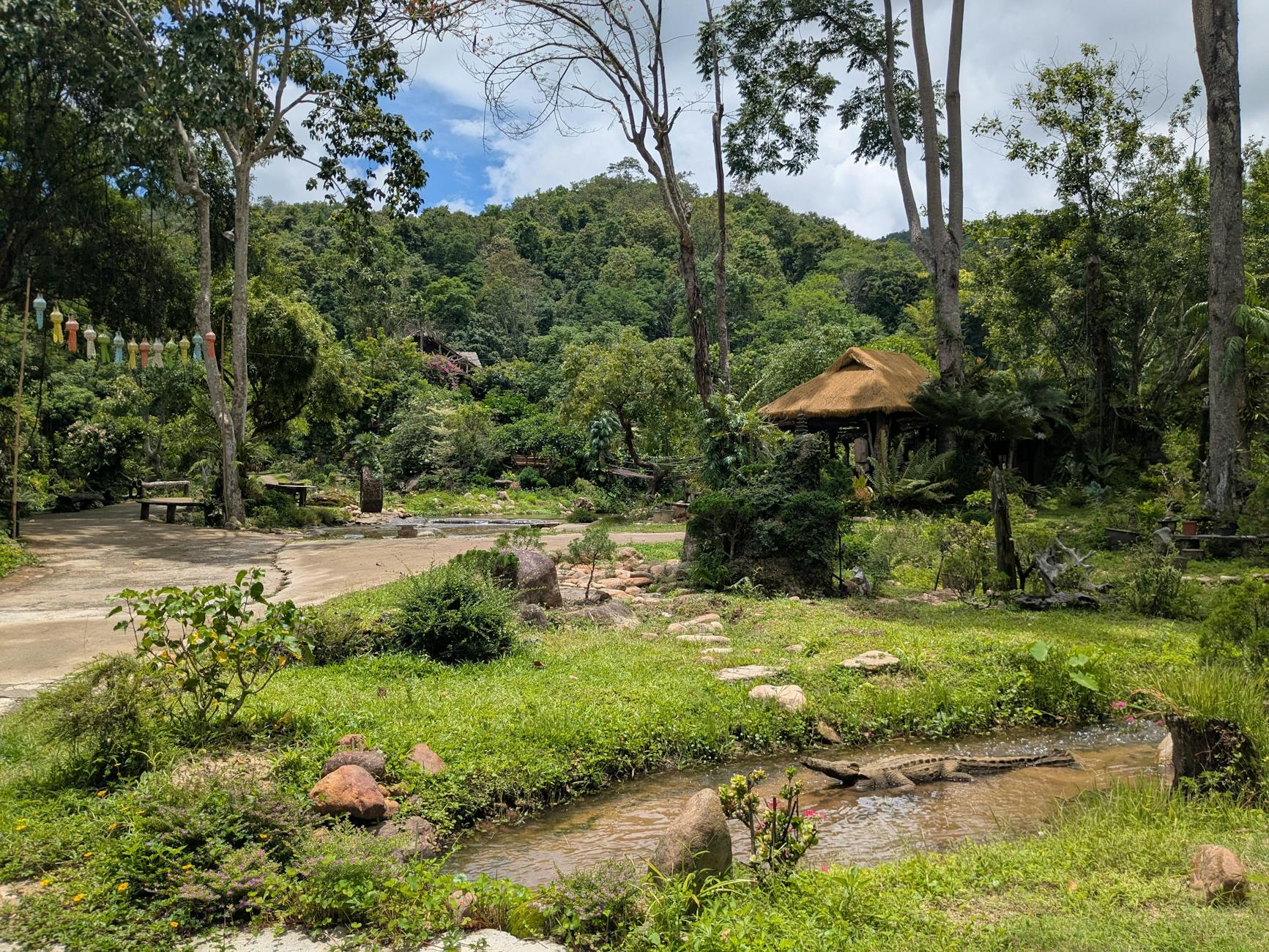
Two trips are long enough to need a full day and a 6:00 or 7:00 start: Chiang Rai to the north and Doi Inthanon to the south-west. Both can be done by rented car, by a hired driver (about 2,500-3,000 baht for the day) or on a group tour. With a good home base in the city you can do them on consecutive days and still sleep in the same bed.
Chiang Rai and Its Treasures

Chiang Rai is 190 km north, about three hours each way on Route 118 through Doi Saket and the hot springs at Mae Kachan, where every bus stops to let passengers boil quail eggs. The reason to go is three buildings by three artists. Wat Rong Khun, the White Temple, is the work of Chalermchai Kositpipat, started in 1997 and still being added to: a white plaster temple inlaid with mirror glass, reached over a bridge above a pit of reaching hands, with murals inside that mix Buddhist cosmology with Spider-Man and the Twin Towers. Entry is 100 baht for foreigners. Wat Rong Suea Ten, the Blue Temple, was finished in 2016 by one of his students and is free; the interior is lapis blue with gold and a white Buddha. Baan Dam, the Black House, is the late Thawan Duchanee’s estate of forty dark teak buildings filled with buffalo skulls, snake skins and crocodile hides, 80 baht and the strangest of the three. A day trip to Chiang Rai on a group tour covers all three plus the hot springs for about 1,200-1,800 baht with lunch, which is hard to beat by renting a car for one day.
With another two hours you can continue to the Golden Triangle at Sop Ruak, where the Mekong and Ruak rivers meet and Thailand, Laos and Myanmar face each other across the water. Long-tail boats run out onto the Mekong and land for half an hour on the Lao bank, where you don’t need a visa for the market island. The Hall of Opium museum in Sop Ruak is the serious stop here and explains why this corner of Asia was built on the poppy trade until the 1990s. Tours that include the Triangle run 14 hours or more; it is a long day in a van.
Doi Inthanon, the Roof of Thailand

Doi Inthanon is the highest mountain in Thailand at 2,565 m, about 90 km from the city and 90 minutes by road to the park gate, then another 45 minutes of climbing to the summit. The foreigner entry fee is 300 baht plus 30 for a bike or car. The road up is the itinerary. Wachirathan Waterfall at km 20 is the biggest in the province and throws spray across the car park in the rainy season. Siriphum is near the headquarters. Higher up, the twin Royal Pagodas, built for the king’s and queen’s 60th birthdays in 1987 and 1992, sit in terraced flower gardens with a view over the valley on a clear morning, 50 baht entry. The summit itself is a sign, a shrine and the Ang Ka boardwalk. Most tours to Doi Inthanon add a Karen village and a coffee stop and cost 1,200-1,600 baht with lunch and park fees.
Bring a jacket. The summit sits in cloud most of the year, temperatures in December and January drop toward zero at dawn, and the frost on the boardwalk makes the Thai news every winter. Riding up on a scooter is possible and the road is good, but the last stretch is cold and the descent eats brakes; a 125cc automatic will do it, just slowly.
Two more day trips deserve a mention. Lampang, 100 km south-east, is a quiet old teak town with horse carriages and Wat Phra That Lampang Luang, one of the finest Lanna temples anywhere. Doi Ang Khang, near the Burmese border, grows tea, strawberries and temperate flowers at 1,400 m under a royal project and is the coldest place in the province in January.
Some Practical Tips for Planning Your Adventure
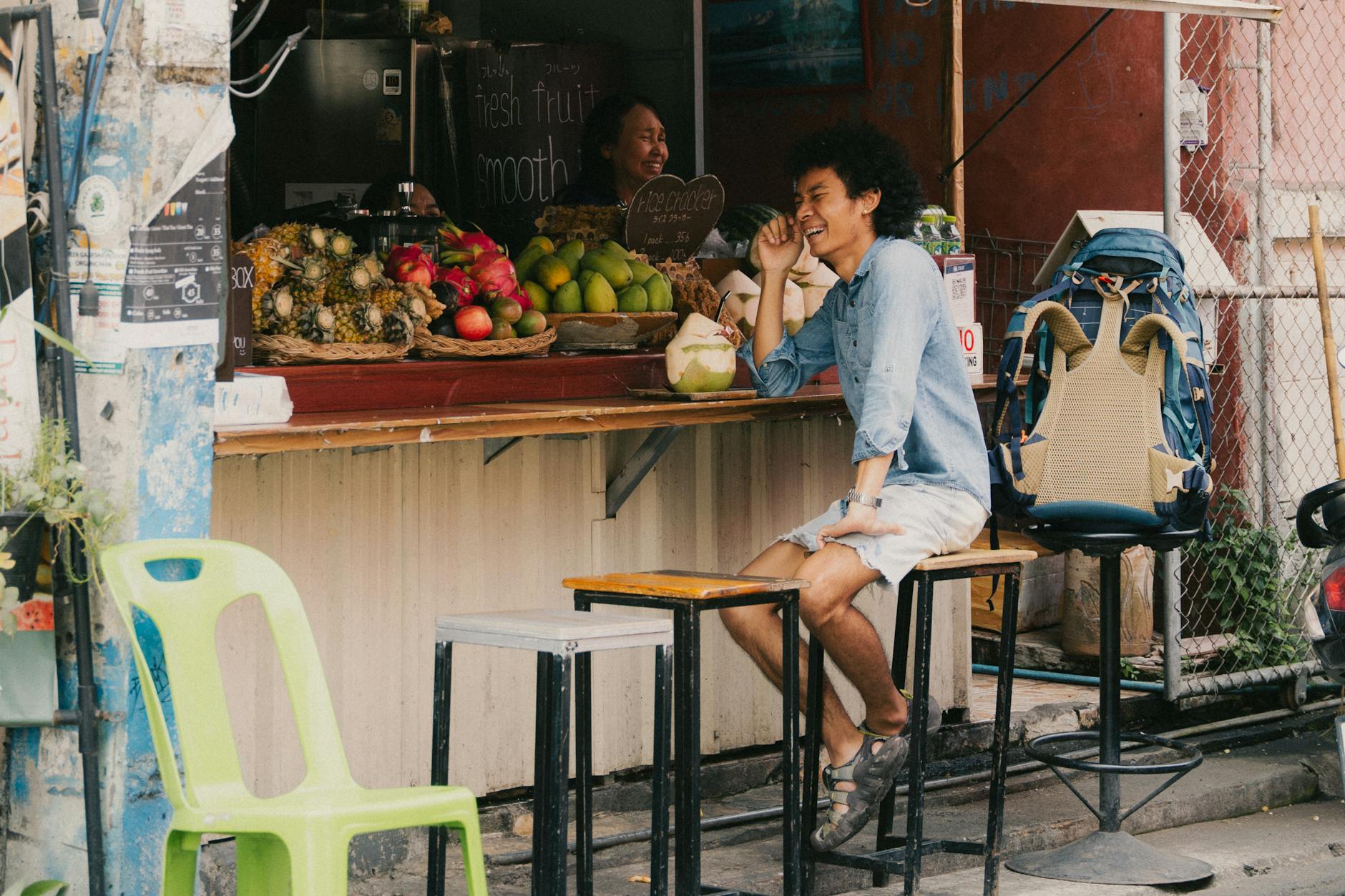
A week is the right length for all of the above: two days for the city, one for Doi Suthep and Mae Sa, one for elephants, one each for Chiang Rai and Inthanon, and a spare for Bua Tong or the Samoeng loop. Where you sleep decides how early you can leave each morning.
Where to Stay in Chiang Mai
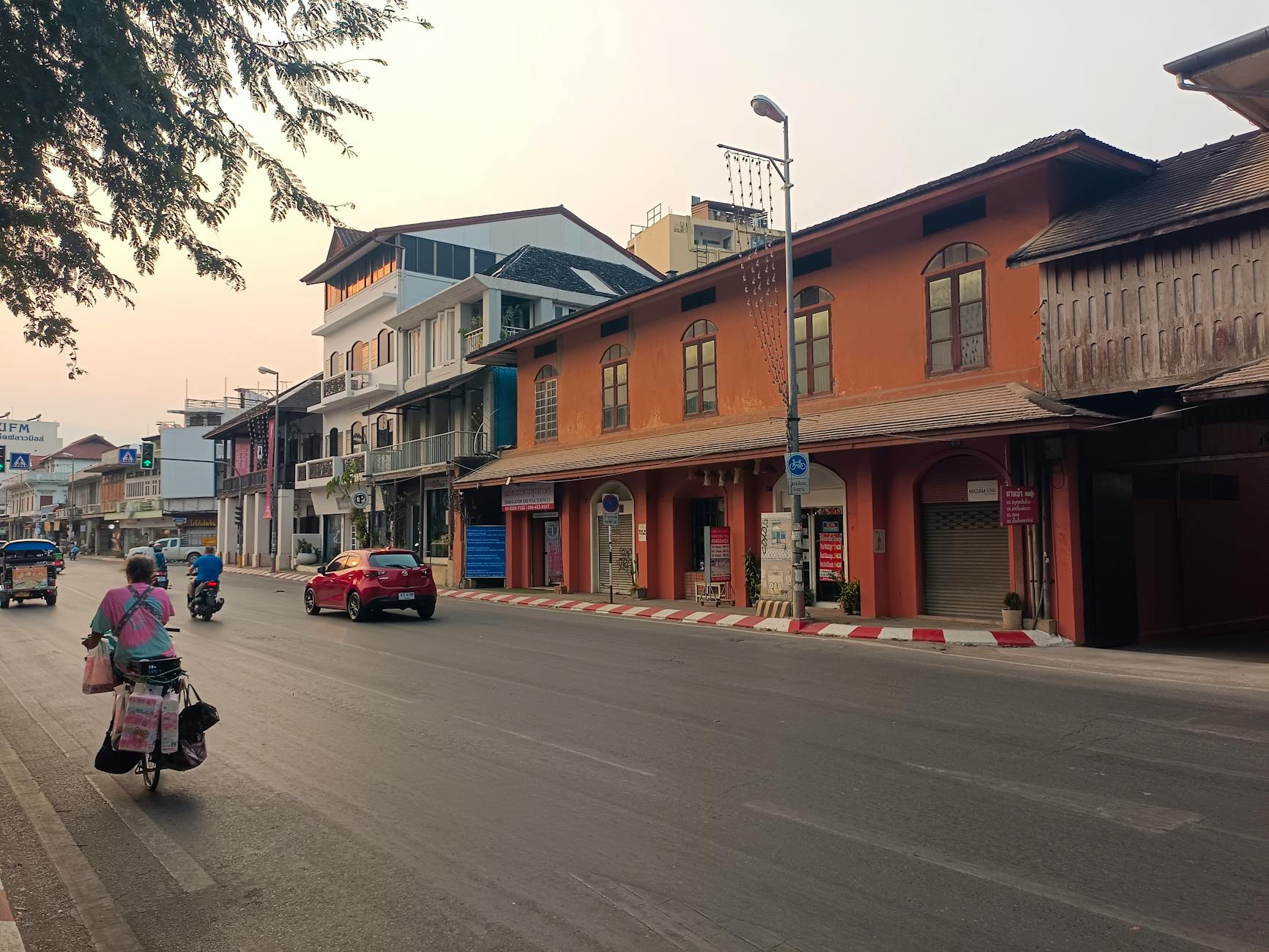
Chiang Mai has beds at every price, from 300-baht dorms to riverside resorts at 10,000 a night, and the choice comes down to three neighbourhoods. For day trips the Old City is the practical pick, since every tour company collects from hotels inside the moat first. The Nimman area suits longer stays with its cafes and co-working spaces. Booking.com’s Chiang Mai listings let you filter by those districts and by whether the hotel has motorbike parking, which matters if you rent.
- Old City. Inside the moat, walking distance to the main temples, the Sunday market and most restaurants. Boutique hotels in old teak and brick houses are the speciality here. Tamarind Village on Ratchadamnoen Road is built around a 200-year-old tamarind tree and a bamboo-lined entrance; Buri Gallery House is the smaller, cheaper version of the same idea a few streets away.
- Night Bazaar. East of the moat along Chang Klan Road, closest to the evening market and the river restaurants, with larger hotels. Dusit Princess Chiang Mai is the mid-range standard here, with a rooftop pool over the bazaar; the Shangri-La a block south is the five-star option with the biggest garden in the centre.
- Nimman. West of the Old City toward the university, the cafe and gallery district. Kantary Hills Hotel has serviced apartments with kitchens, which works for stays of a week or more, and sits at the foot of the road up Doi Suthep.
On the Ping River east of the centre a short row of spa resorts offers quiet and a pool after dusty days on the bike. RatiLanna Riverside Spa Resort is the Lanna-style one with river-facing rooms and a large pool; Rarin Jinda, a little north on Charoenrat Road, is the one to pick if the spa matters more than the view.
How to Get There and Get Around

Chiang Mai International Airport (CNX) is 3 km from the Old City, which makes it one of the few airports in Asia where you can land and be at your hotel in 15 minutes. Flights from Bangkok take 70 minutes and run all day on several airlines, often for under $40 one way if booked a few weeks ahead; there are also direct flights from Singapore, Kuala Lumpur, Hong Kong, Seoul and several Chinese cities. The overnight train from Bangkok’s Krung Thep Aphiwat station takes 12-13 hours and is the pleasant slow option, with second-class sleeper berths around 900 baht. From the airport, a metered taxi or Grab to the centre costs 150-200 baht.
In town, the red songthaews are the local bus: flag one down, say where you’re going, and pay 30 baht per person for a ride inside the city. Tuk-tuks charge 60-100 baht and need bargaining; Grab is cheaper and avoids the negotiation. For the countryside, the choice is a scooter, a car with driver, or a tour. A guided day with a driver who speaks English is the better way to understand Lanna culture, the northern kingdom that stayed separate from Siam until the late 1800s and left Chiang Mai its own script, food and temple style.
A few last points:
- When to come. November to February is cool and dry, with mornings around 15°C and daytime highs near 30°C. March to early May is hot, and from late February to mid-April the smoke from field burning pushes air quality past unhealthy levels; skip those weeks if you have a choice. June to October brings afternoon rain, full waterfalls and green hills, with trekking trails at their muddiest.
- What to eat. Khao soi, the northern curry noodle soup with crispy noodles on top, costs 50-80 baht at a market stall and is the dish to try first. Sai oua, a herbal grilled pork sausage, and nam prik ong, a tomato-and-pork chilli dip eaten with raw vegetables, are the other two staples. The Sunday walking street on Ratchadamnoen Road has all three.
- Bargaining. Expected at the Night Bazaar and the walking streets, not in shops with price tags. Start at about two-thirds of the asking price and smile.
- Temples. Shoes off before entering any building, shoulders and knees covered. Sarongs are lent at the gate of the big ones.
A Sample Week and What It Costs
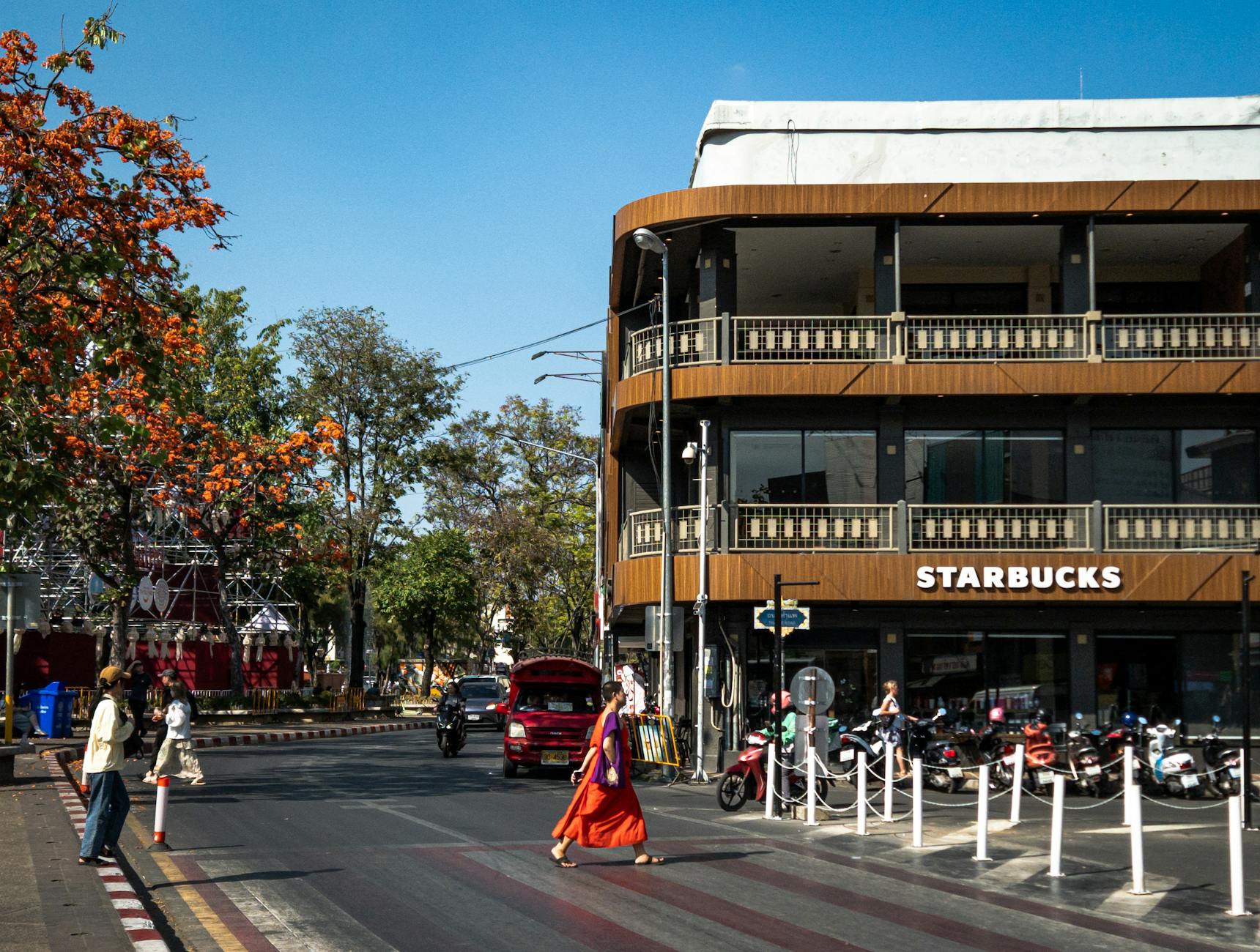
Put together, a week outside the temples looks like this. Day one, Doi Suthep by scooter in the morning and Mon Tha Than in the afternoon. Day two, a full day at an elephant sanctuary. Day three, Mae Sa waterfall and the Samoeng loop. Day four, Chiang Rai on a group tour. Day five, Doi Inthanon. Day six, Bua Tong and a slow afternoon. Day seven is the one you keep free, because by then someone will have told you about a cafe in the hills or a hot spring you had not planned for.
Costs for that week, per person and excluding hotels: scooter rental about 1,500 baht, park and temple fees around 700, the elephant day 2,500, Chiang Rai and Inthanon tours 3,000 together, fuel and food perhaps 2,500. Call it 10,000 baht, or under $300, for seven days of the north. Book the elephant day and the Chiang Rai tour a few days ahead in high season; everything else can be decided the night before.


