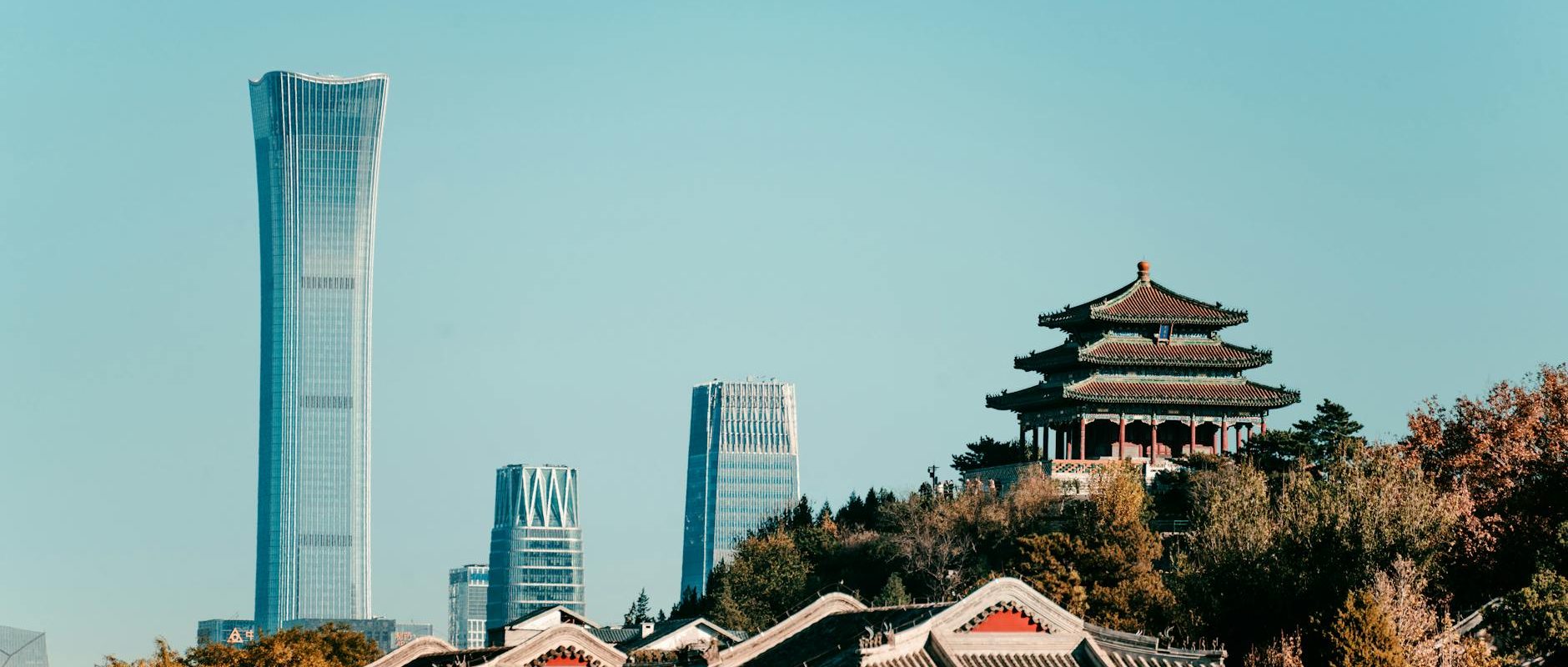
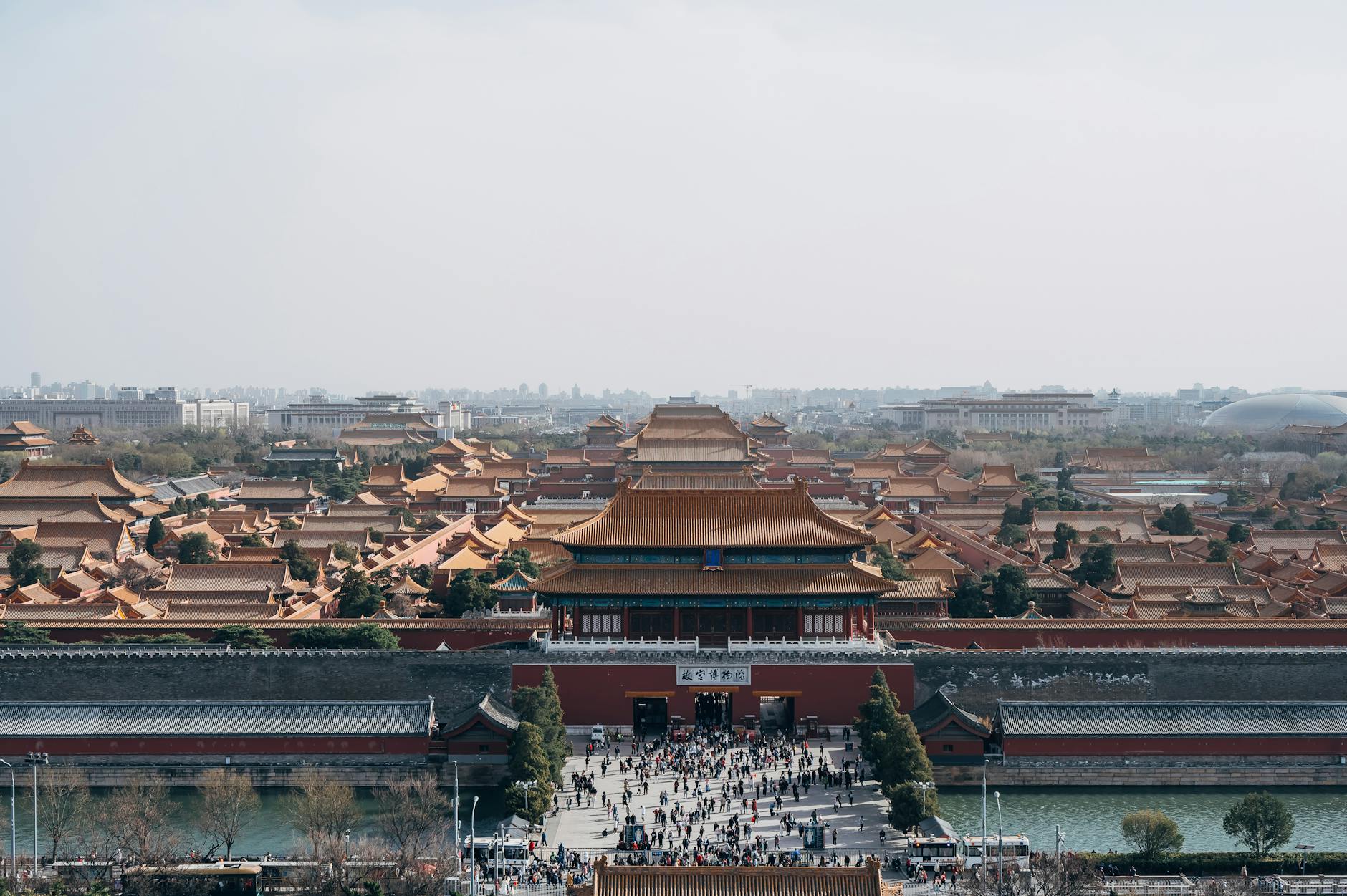
Beijing is usually sold as an open-air museum: the Forbidden City, the Great Wall, temples, hutongs. All of that is here and all of it deserves time. But the same city has a second face that most itineraries skip. Former factories hold the largest contemporary art district in Asia, the skyline includes some of the strangest buildings put up anywhere this century, and daily life runs through a phone in a way that still surprises visitors from Europe or the US. This guide covers that side: the art zones, the architecture worth a detour, how the digital city works for a tourist, and a one-day route that strings it together.
Skyscrapers alone do not make a city modern. What sets Beijing apart is the speed: a district that was farmland in 2010 now has a Zaha Hadid airport, and a factory that made radio parts in the 1960s now hosts biennales. Old and new do not blend here so much as collide, often on the same block.
Beijing’s Art Districts
Start with the art. Beijing’s contemporary scene grew out of abandoned industrial plants on the north-east edge of the city, and the result is not a gallery or two but whole neighbourhoods given over to studios, exhibition halls and the cafes that feed them.
798 Art Zone
Known officially as the Dashanzi Art District and to everyone else as 798, this was an electronics factory built in the 1950s with East German help. Its saw-tooth roofs and Bauhaus-style halls were designed for machine tools, which turned out to be exactly what painters and sculptors wanted when they began renting the empty workshops in the early 2000s. Maoist slogans are still painted on some of the girders above the installations.
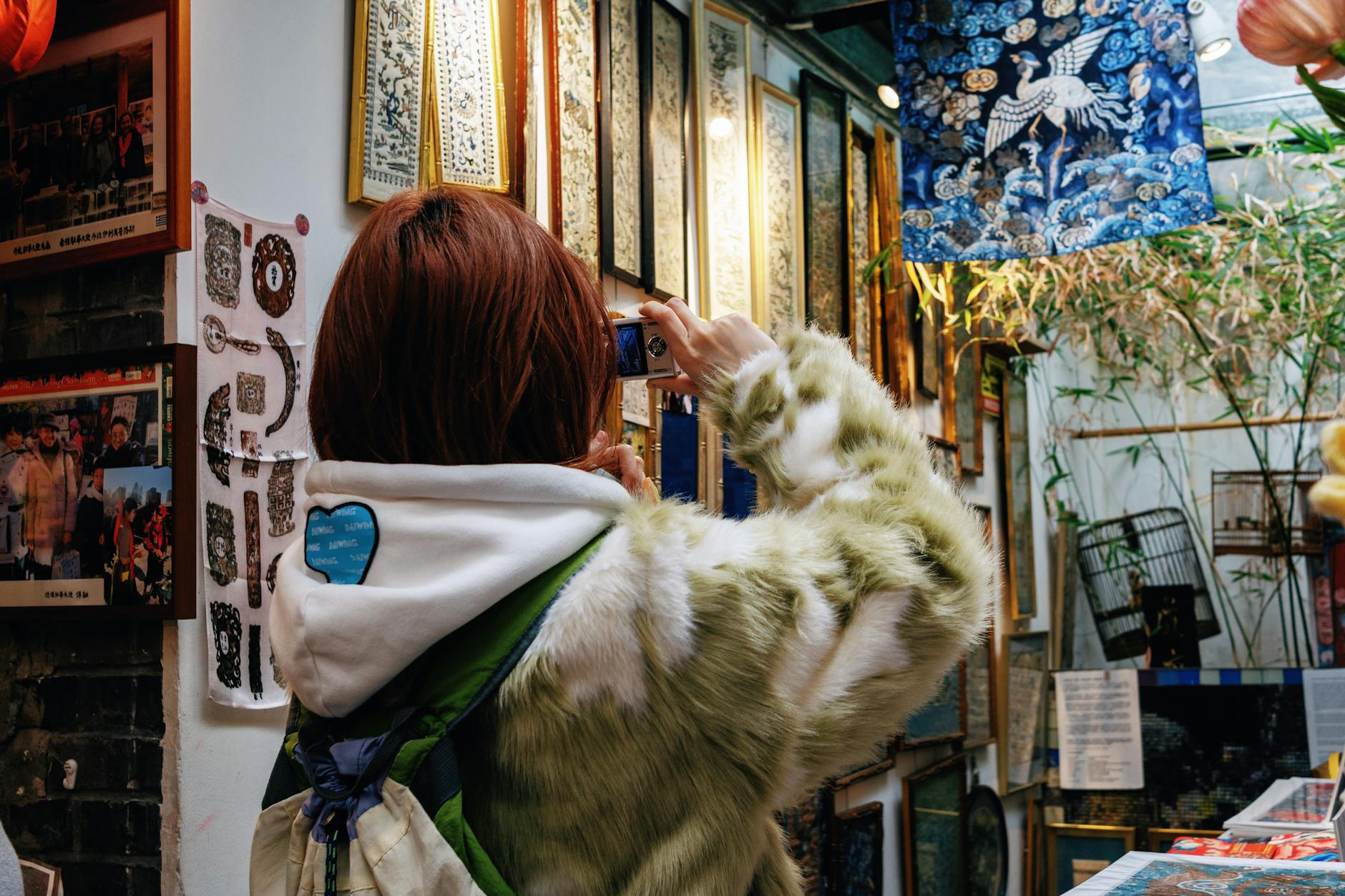
Today 798 is a square kilometre of galleries, studios, design shops, bookshops and cafes. Outdoor sculptures stand between the buildings, murals cover the brick, and on any afternoon someone is welding or stretching a canvas behind an open door. Half a day disappears easily. A full day works if you add lunch and a workshop; several studios run short classes in printmaking, ceramics or calligraphy for visitors.
Atmosphere is the draw as much as the art. Nobody whispers, children run between the sculptures, and students photograph each other in front of the murals. Most galleries charge nothing. The main exception is the UCCA Center for Contemporary Art, the district’s anchor institution, which charges for its exhibitions and is worth the ticket.
- Getting there. Metro line 14 to Jiangtai, then a 20-minute walk or a short taxi ride; bus 401 from Dongzhimen also stops at the gate. A taxi from the city centre costs about 50-70 yuan.
- Hours. Galleries open around 10:00 and close at 18:00, and many are shut on Mondays. Cafes and shops stay open later. Weekdays are quiet; weekends bring crowds but also more events.
- Where to focus. UCCA for the big international shows, Pace and Tang Contemporary for established Chinese artists, and the smaller spaces along the back lanes for whoever is new this year.
Other Art Spaces Worth a Detour
Next door to 798 is 751 D.Park, a former gasworks that leans towards design and fashion rather than painting. Its landmarks are a giant steel gas holder now used for shows and a retired steam locomotive parked on the old siding. Beijing Fashion Week runs here, and the architecture is cleaner and more corporate than its neighbour’s, which makes it a good contrast on the same visit.
For smaller rooms, the Sanlitun area holds a handful of independent galleries showing young Chinese artists; Lago Gallery is one of them. Further out, Songzhuang in Tongzhou district is a working artists’ village with hundreds of studios and few visitors, better for a second trip than a first. Also in Tongzhou, the Beijing City Library opened in 2023 with a reading hall under a canopy of ginkgo-leaf columns, and it has become a destination in its own right.
Architecture and the Tech Districts
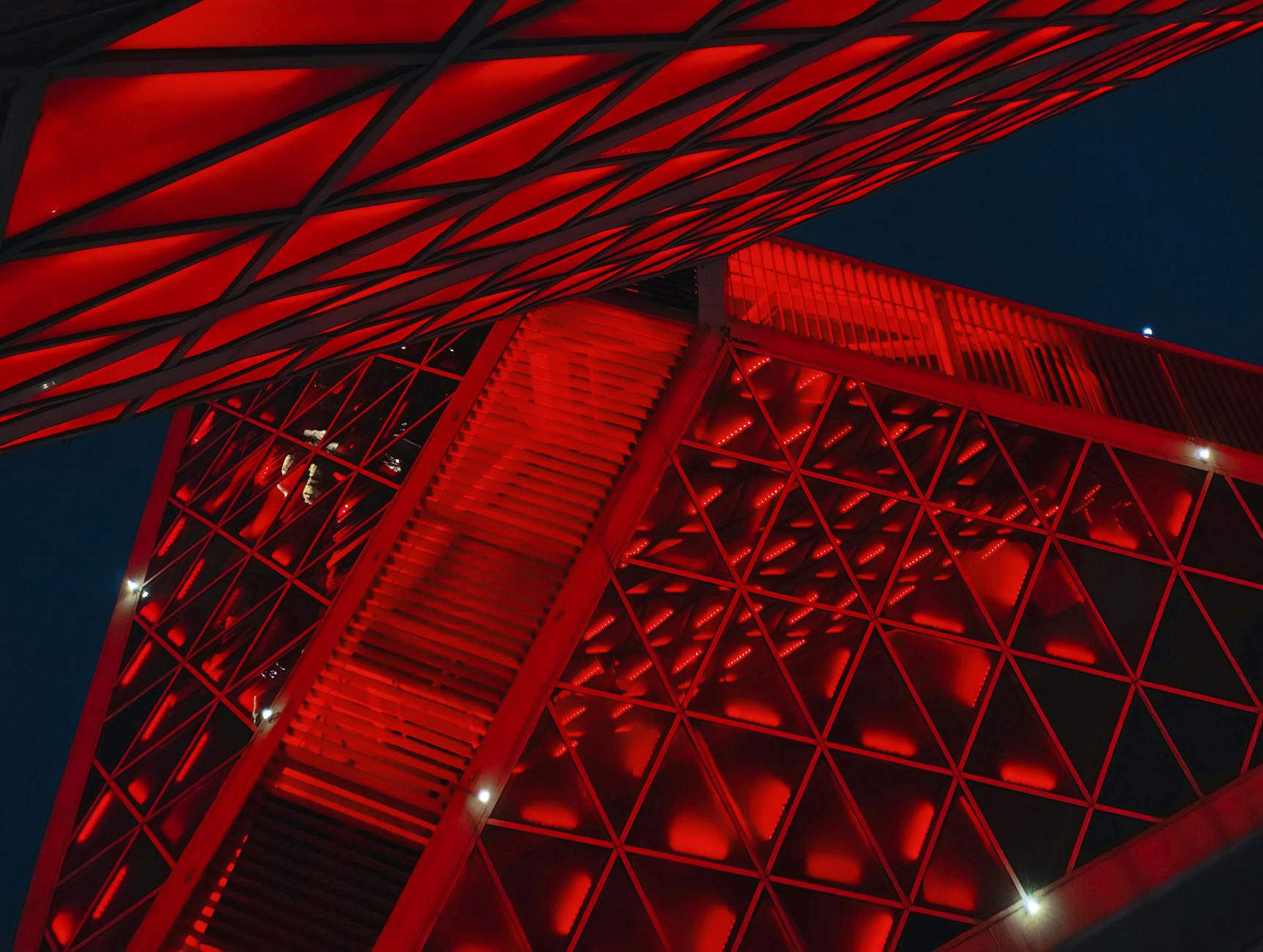
Beijing spent the two decades after the 2008 Olympics commissioning buildings from the best-known architects in the world, and most of them are open to the public or at least to the camera. Add the technology districts and the new airport, and the modern city makes a full day on its own.
Buildings Worth the Detour
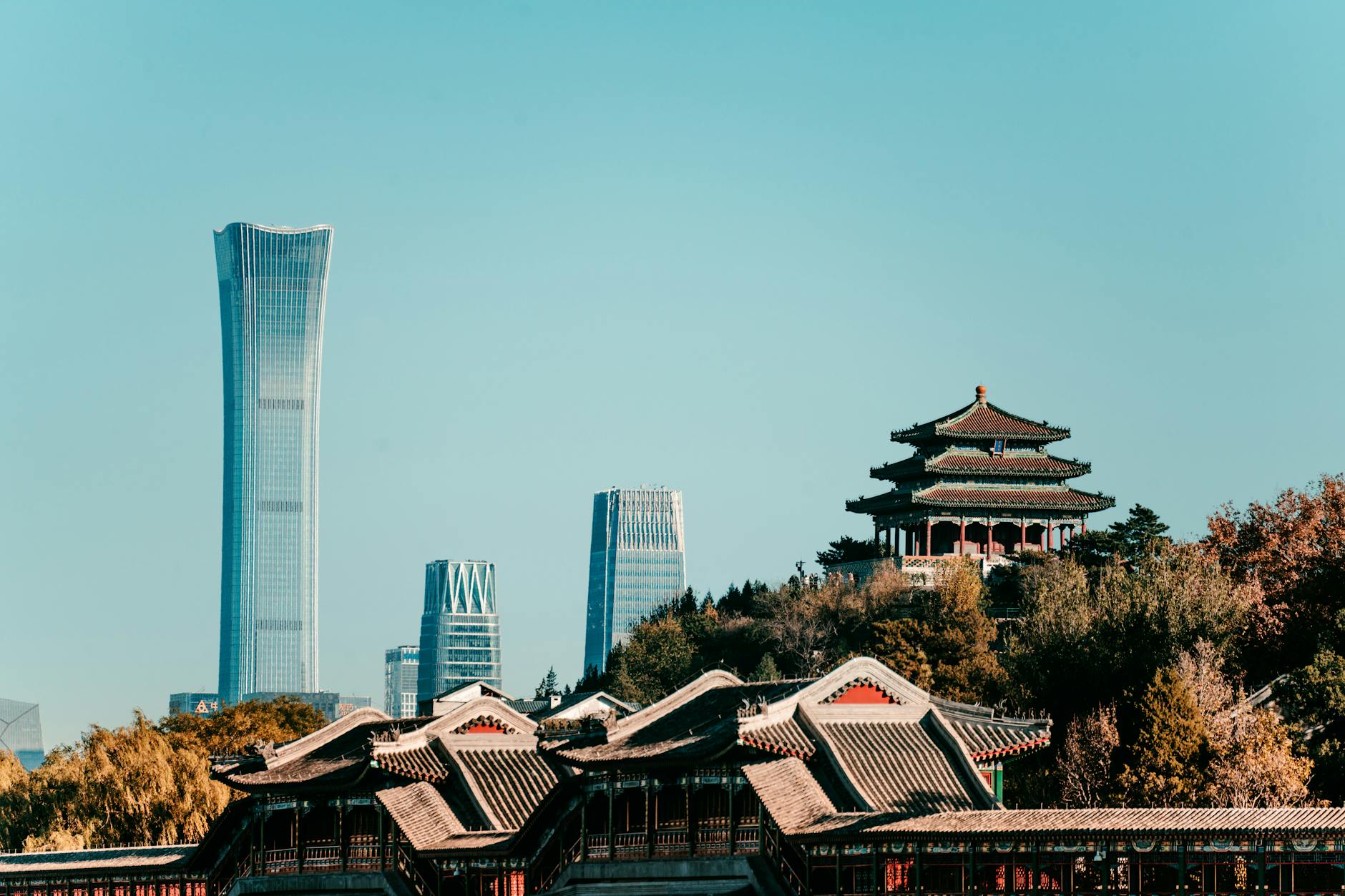
CCTV Headquarters is the one everyone photographs: two leaning towers joined at the top into a loop, 234 metres high, designed by Rem Koolhaas and finished in 2012. Locals call it “big pants”. A few blocks away, Zaha Hadid’s Galaxy SOHO is four smooth white volumes linked by bridges, with light-filled atriums inside that are open to anyone who walks in. Her later Leeza SOHO, in the Lize financial district to the south-west, holds the tallest atrium in the world at 194 metres and is free to enter on the ground floor.
Phoenix International Media Center by Chaoyang Park wraps offices and studios in a spiralling glass skin, so from the park you look through the shell into a green courtyard inside. Older but still startling is the National Centre for the Performing Arts beside Tiananmen Square, a titanium-and-glass egg sitting in a lake, with the entrance tunnelled under the water. The Bird’s Nest stadium and the Water Cube from the 2008 Olympics stand together on line 8 and are lit up every evening.
Whole districts run on technology rather than single buildings. Zhongguancun in Haidian, between the big universities, is China’s Silicon Valley: the headquarters of Lenovo and Baidu, start-up incubators and an electronics market that has shrunk as everything moved online. It is not a sight in the usual sense, but a walk down Zhongguancun Street at lunchtime shows the city’s twenty-somethings in their natural habitat.
Beijing Daxing International Airport, 46 km south of the centre, opened in 2019 and is the last building Zaha Hadid’s office completed for the city. From above it is a starfish; from inside it is one vast hall under a curved roof, laid out so that no gate is more than eight minutes’ walk from security. Even if you fly into the older Capital Airport, Daxing is reachable on the airport express from Caoqiao in about 20 minutes and is worth the trip for the building alone.
How the Digital City Works for a Visitor
Beijing runs on two apps. WeChat Pay and Alipay handle almost every payment in the city, from a 3-yuan bus fare to a hotel bill, and cash has become rare enough that stallholders sometimes have no change. Since 2023 both apps accept foreign Visa and Mastercard, which removed the biggest obstacle for tourists. Set one up at home, before landing, with your passport details and card; it takes ten minutes and saves hours.
Once that is done, the rest follows. Taxis come through Didi, which runs as a mini-program inside Alipay with English menus and needs no Chinese phone number. Shared bikes unlock with the same app. Metro gates take a QR code from the phone, delivery robots roll through some office lobbies, and electric buses run almost silently. Facial recognition at hotel check-in and smart traffic lights are part of the background. For a visitor the system is convenient once it is set up and frustrating until then, so do the setup first.
Planning a Modern Beijing Day
One day is enough to see the modern city if the order is right, because 798, the CBD and Sanlitun line up along the north-east of town. For the historic side, the three-day imperial itinerary covers the palaces and temples; this route is the fourth day.
A Day of Art, Architecture and Food
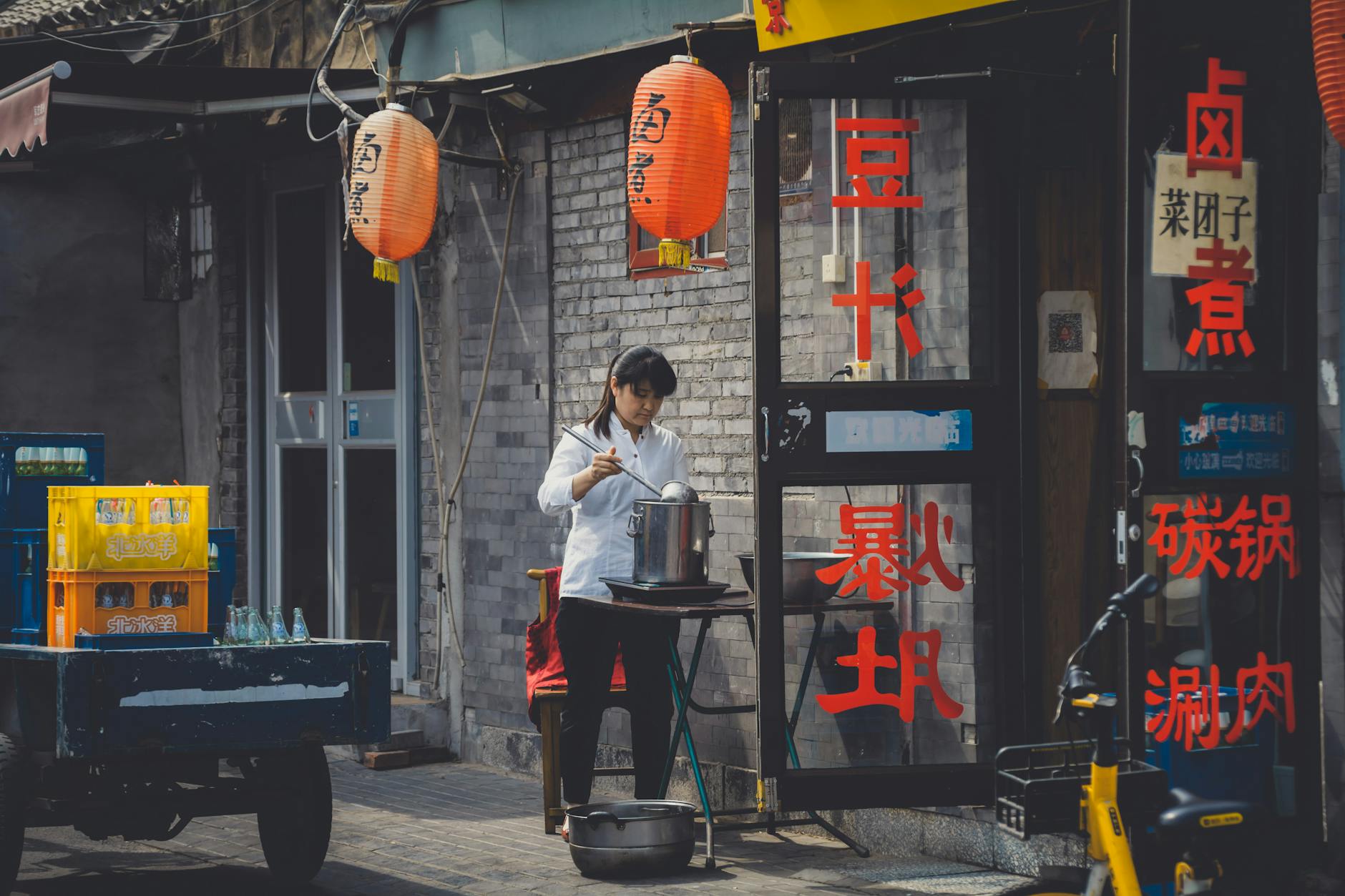
Morning goes to 798. Arrive at 10:00 when the galleries open, give it three or four hours, and have lunch in one of the courtyard cafes rather than leaving the district. If energy remains, walk through 751 D.Park on the way out.
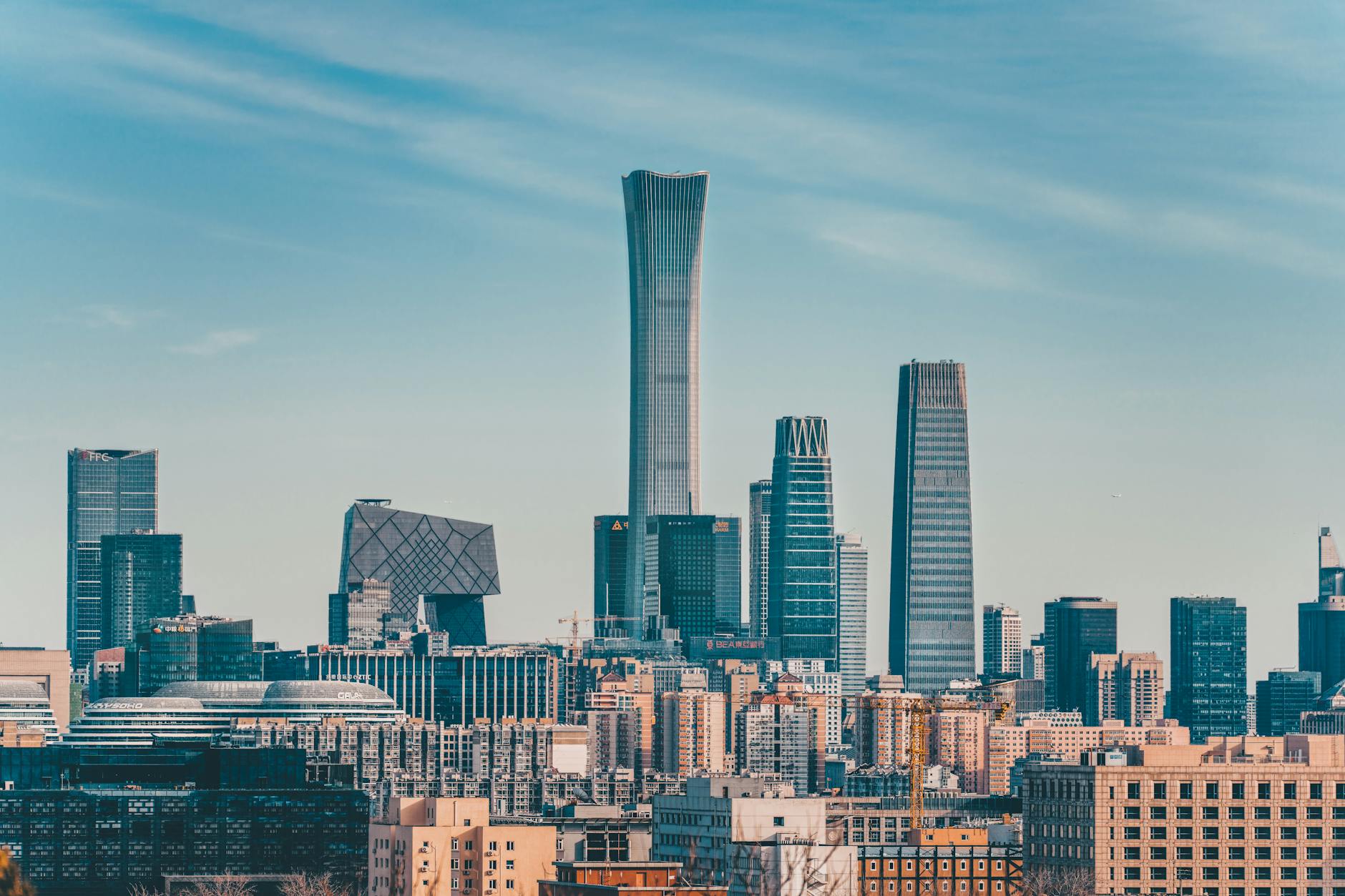
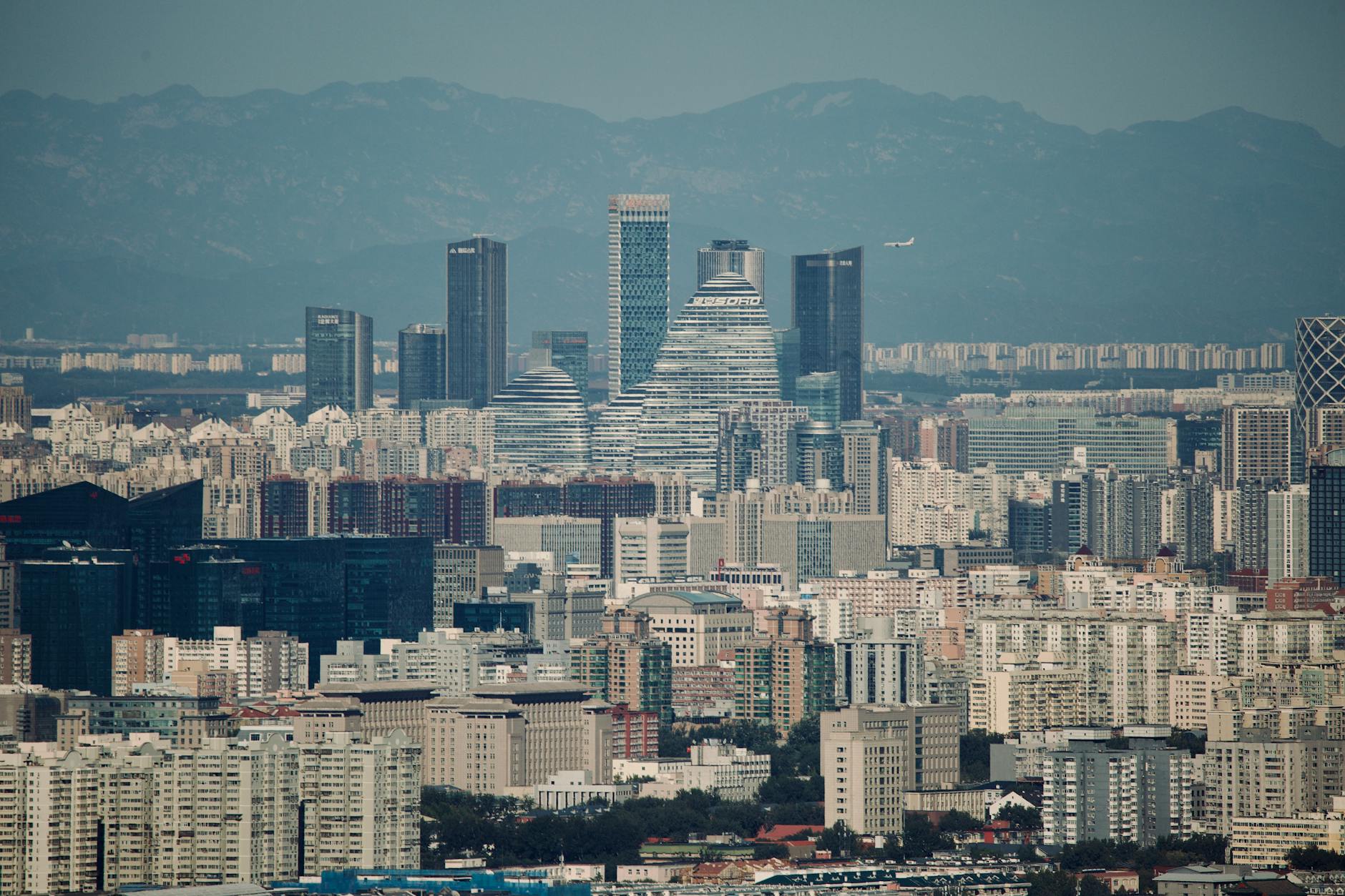
After lunch, take a taxi or line 10 to Guomao for the Central Business District. CCTV Headquarters, Galaxy SOHO and China Zun, the 528-metre tower that is the tallest in the city, stand within a 20-minute walk of each other. Late afternoon light is the best for photographs, and the pedestrian bridges over the ring road give the cleanest angles on the CCTV loop.
Evening belongs to Sanlitun, two metro stops north. Taikoo Li is the open-air mall at its centre, surrounded by bars and restaurants serving everything from reinterpreted Beijing dishes to Mexican. After dinner, the choice is between a show and a wall. Tickets for the evening acrobatic show at the Red Theatre are easy to book, and the show runs about 70 minutes. The other option is a night visit to the Badaling Great Wall with its light show, which turns the oldest sight in the region into the most futuristic one for a few hours.
Where to Stay and How to Get Around
Chaoyang district puts you closest to the modern sights: 798, the CBD and Sanlitun are all inside it. Dongcheng, around Wangfujing, is the compromise, with the Forbidden City on foot and the CBD ten minutes by metro. The Hilton Beijing Wangfujing sits in that second zone, a short walk from the shopping street and two metro lines, which is what matters when days start early. Compare hotels in Beijing by metro line rather than by neighbourhood name; the city is too big for “central” to mean much.
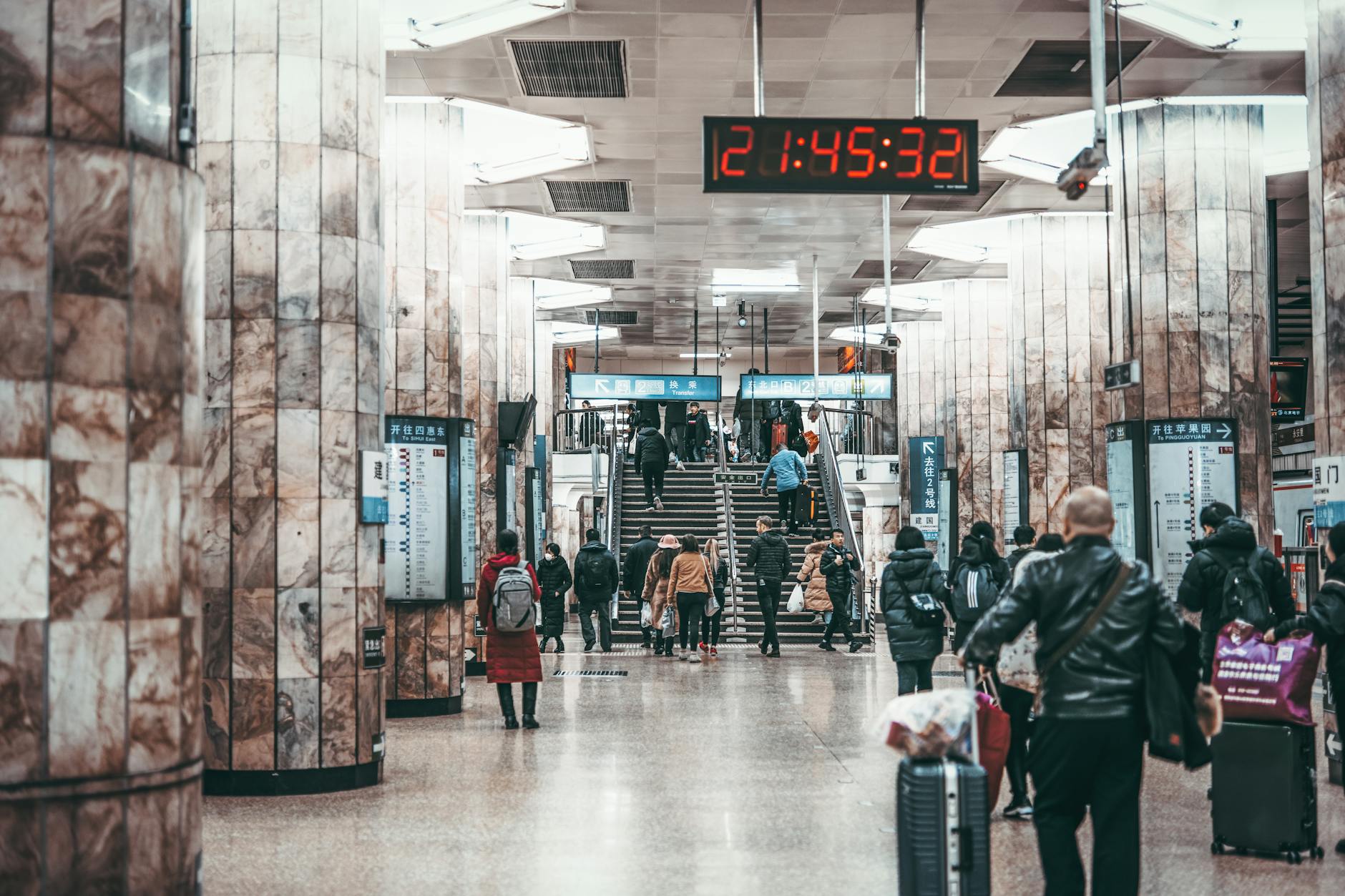
The metro is the way to move. It is clean, cheap at 3-9 yuan a ride depending on distance, and signed in English, and lines 10 and 14 cover most of the modern sights. For short hops use Didi. On arrival, a private arrival transfer from the airport is worth it after a long flight, since both airports are far out and the apps are easier to set up from a hotel room than from a taxi queue. When planning dates, flights to Beijing are cheapest in the shoulder months of March and November, which also have the clearest air.
Eating in Modern Beijing
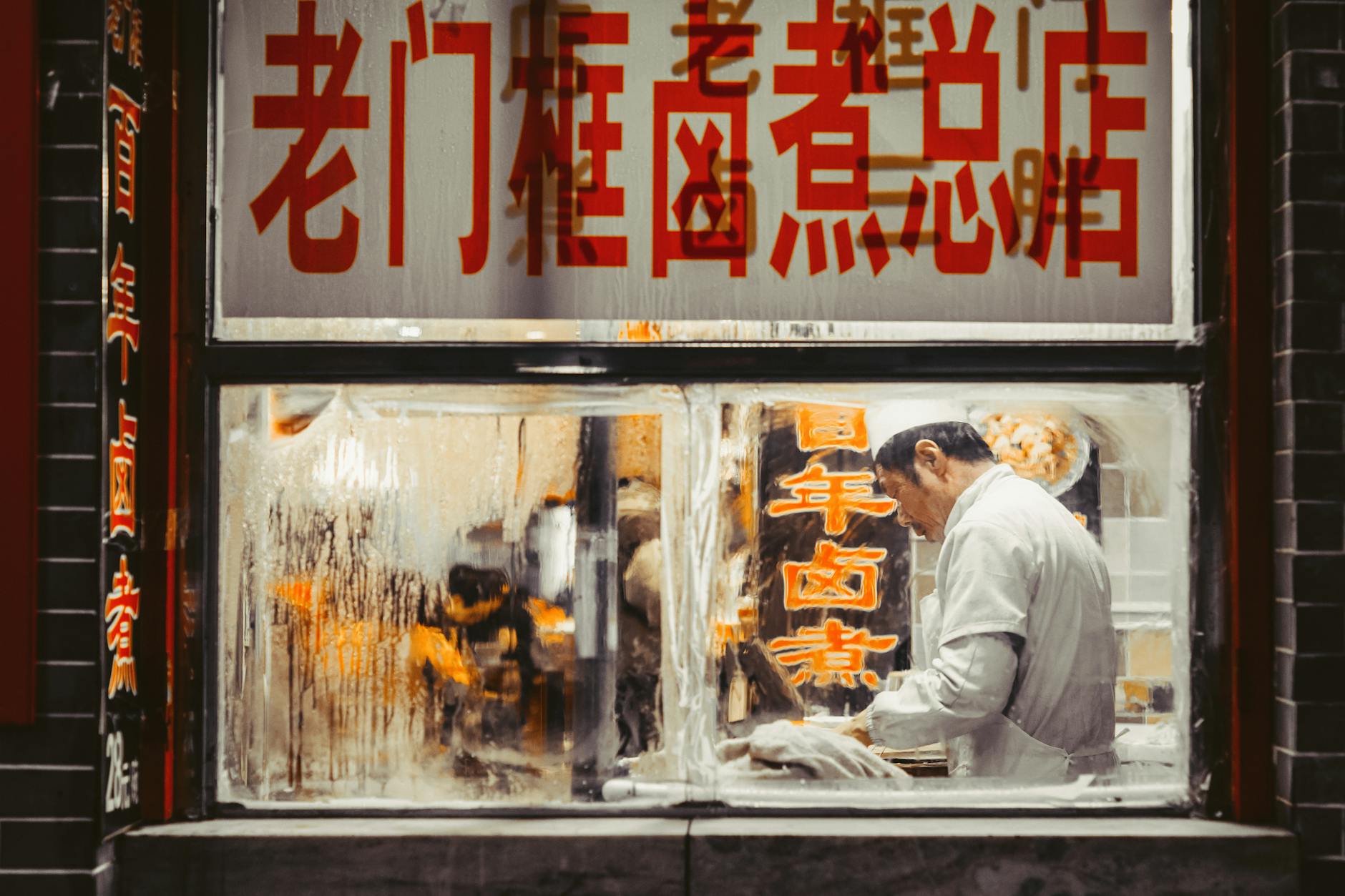
Food follows the same pattern as the architecture: old dishes, new settings. A Peking duck restaurant with a 150-year history stands on the same street as a fusion kitchen, and a noodle window operates in the shadow of a Michelin-starred dining room.
Peking duck is the obvious first meal, and the choice of restaurant changes the experience. Quanjude has served it since 1864 and still carves at the table in the traditional way. Da Dong pioneered the modern version in the 1990s, with leaner birds, lighter pancakes and plating that looks like a gallery piece. Siji Minfu is the popular middle ground, with queues at dinner and prices around 200-300 yuan for a whole duck. Beyond the duck, zhajiangmian noodles, boiled jiaozi and the Sichuan dishes that Beijingers have adopted as their own are the staples.
For newer cooking, Sanlitun and Guomao hold the international and fusion restaurants, the vegan places and the cocktail bars. For the older food in its native setting, the hutong walking food and beer tour takes a small group through five or six lane-side kitchens and a courtyard brewery, which covers more ground in an evening than a week of guessing.
- Street food. Choose the window with a queue of locals; turnover is the best hygiene guarantee.
- Tea houses. Many now have minimalist interiors and serve tea by the pot with an explanation in English, so the ceremony survives in a modern room.
- Rooftop bars. Atmosphere on the 80th floor of the China World Summit Wing in the CBD has the highest view in the city; the bars on top of Taikoo Li in Sanlitun are lower but livelier.
Practical Tips for the Modern City
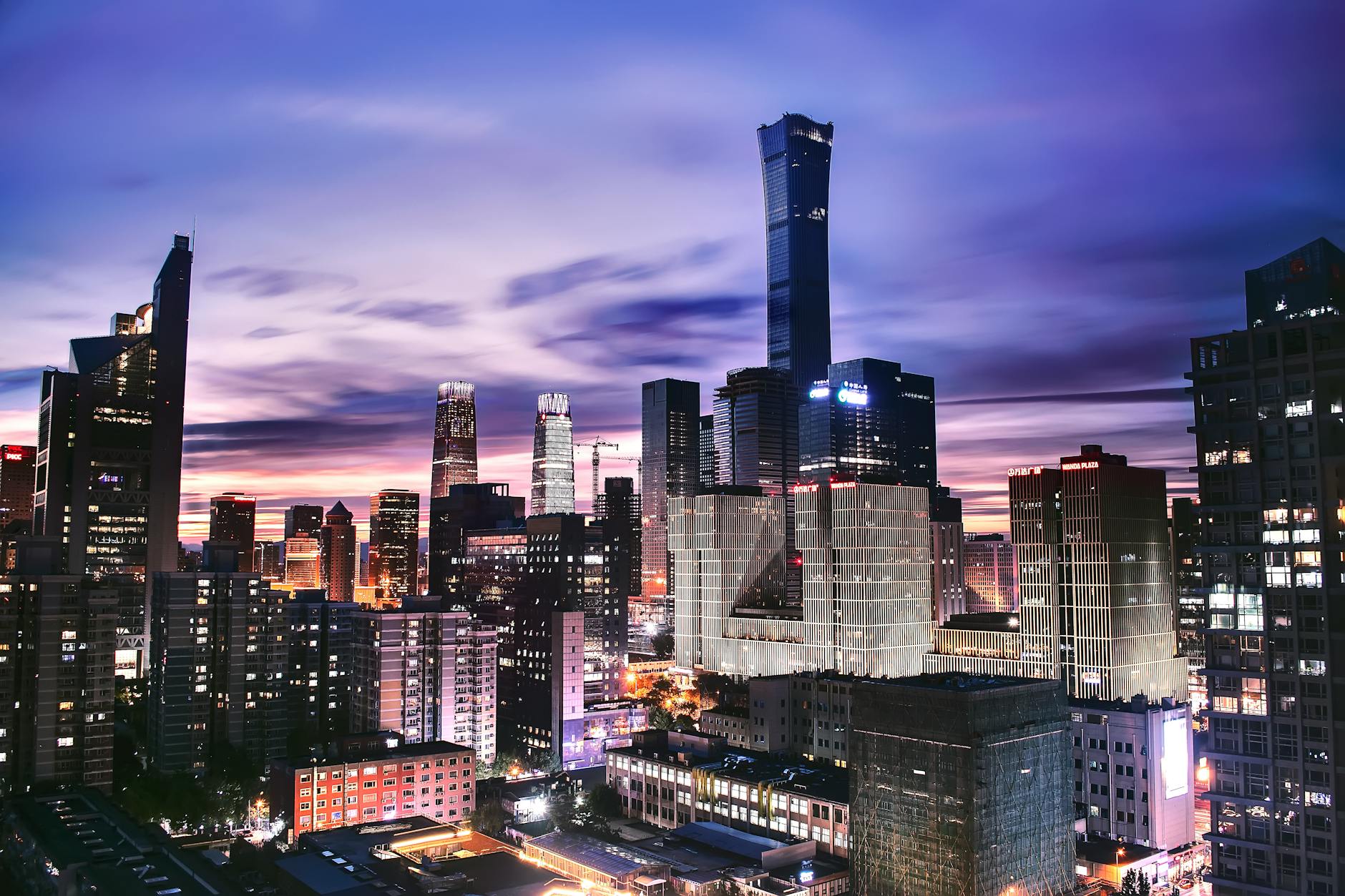
Beijing pushes forward without letting go of its past, and that is what gives the place its character: a 600-year-old axis through the middle and a 528-metre tower on the edge, both visible from the same hill in Jingshan Park. A few things make the modern half easier to use.
- VPN. Install one before arrival. Google, Instagram, WhatsApp and most Western news sites are blocked, and the app stores inside China will not offer VPNs.
- Language. English is common in hotels and 798, rare in taxis and restaurants. A translation app with camera mode and the offline Chinese pack downloaded handles menus and signs.
- Apps. Alipay with a foreign card linked covers payments, Didi and bikes in one install. WeChat is useful for messaging but not essential for a short trip.
- Air. Quality has improved sharply since 2013, but bad days still happen in winter. Check the AQI each morning and carry a mask for readings above 150.
- Wander. The best cafes and the newest galleries are rarely on the map yet. A spare hour in the lanes behind Sanlitun or the side streets of 798 turns up more than any list.
An open mind matters more than a plan. Visitors who come only for the Forbidden City and the Great Wall see one Beijing; the ones who add a day among the factories and towers see the second. For the Wall itself, a half-day Mutianyu trip with the chairlift up and the toboggan down leaves the afternoon free for the CBD, and the guide to day trips from Beijing covers the quieter sections for people with more time.
Old Meets Next in Beijing
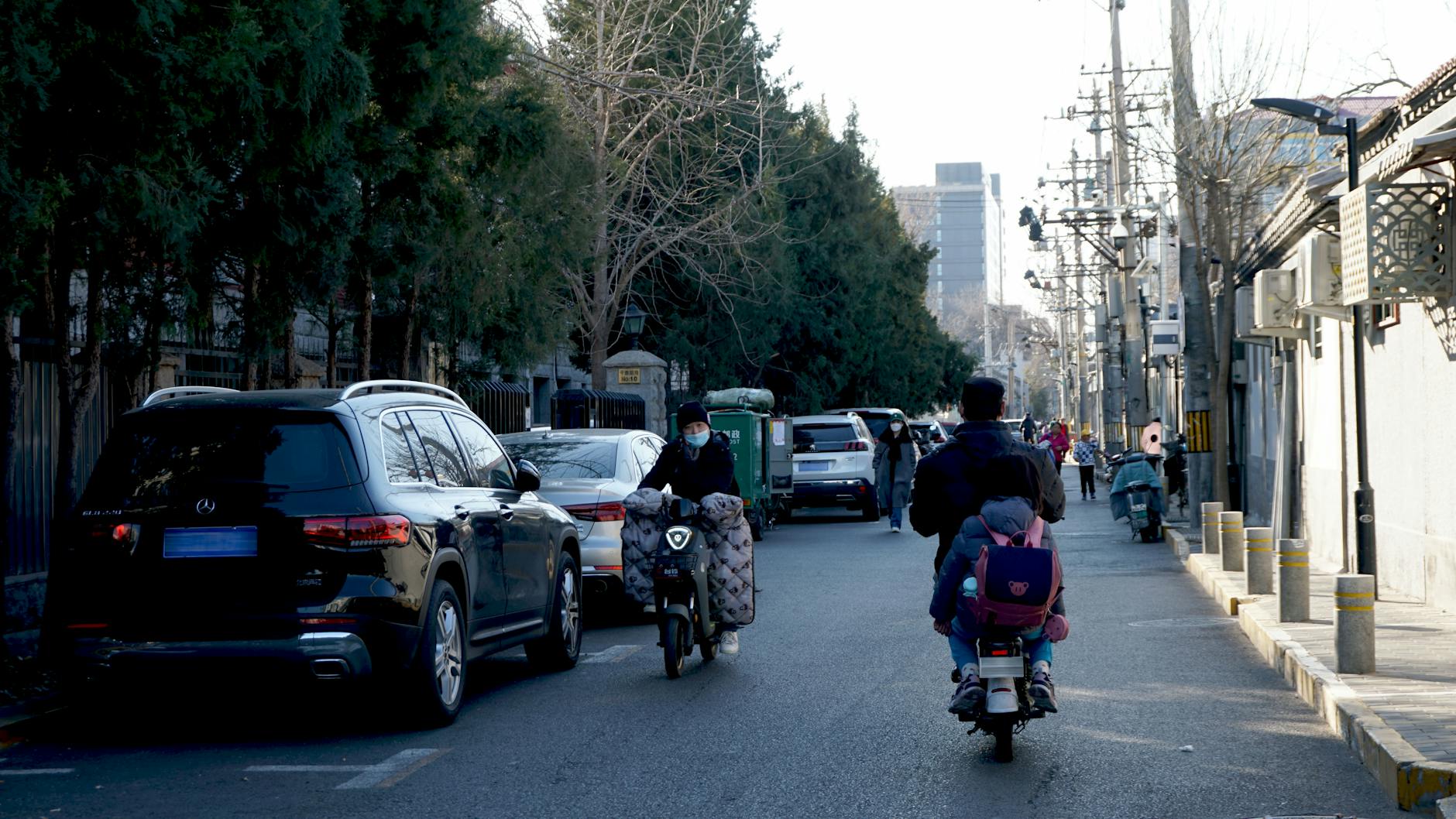
Modern Beijing is a set of concrete places, not a mood: a factory district where the galleries are free, a loop-shaped tower you can walk under, an airport designed as a starfish, and a payment system that works from a phone in your pocket once you have spent ten minutes on it at home. Each of them sits a metro ride from a Ming dynasty gate.
Give the modern side one full day. Start at 798 at 10:00, reach the CBD by 15:00 for the light on the towers, and be in Sanlitun by 19:00 for dinner. The whole route costs under 30 yuan in metro fares, and the galleries, the atriums and the view from the ring-road bridges cost nothing at all.


