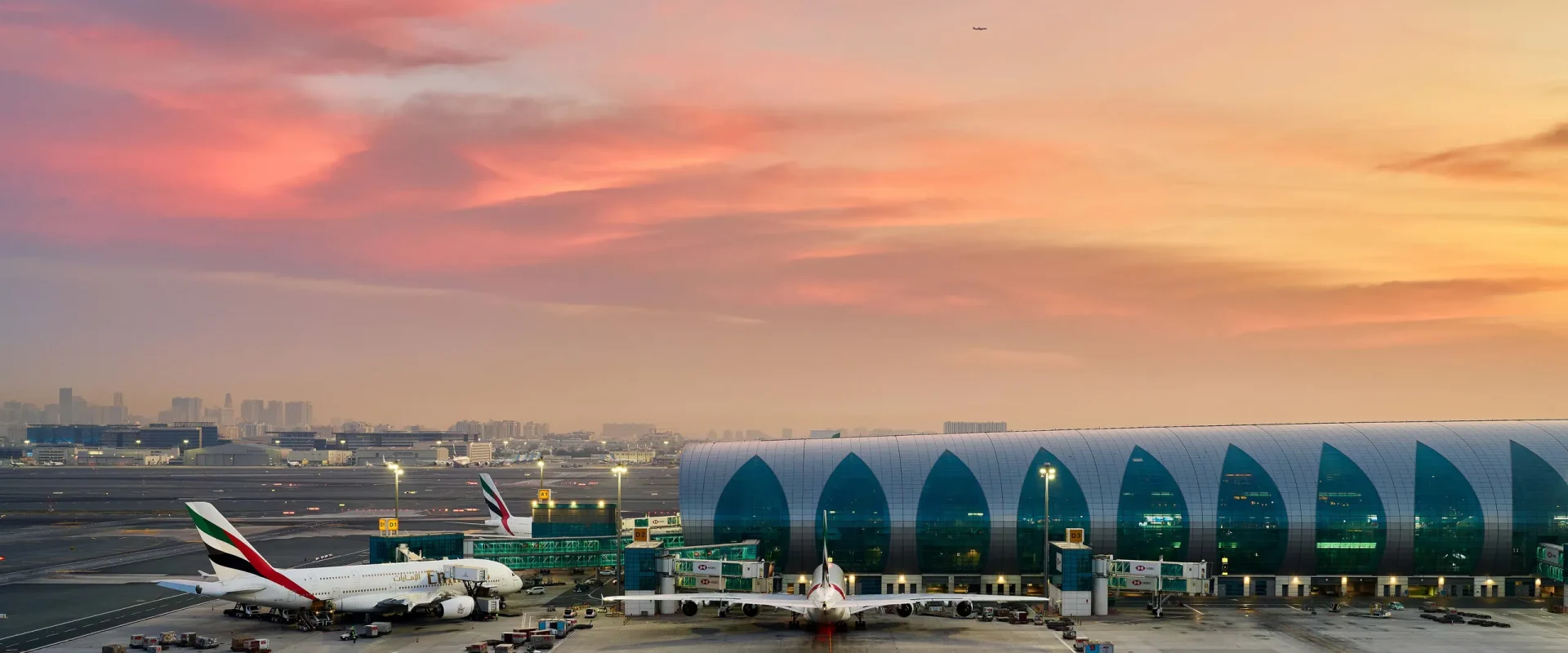
Dubai runs on clear rules, and most of them are easy to follow once you know they exist. Below is what an independent visitor needs sorted before landing in 2026: who gets a visa at the border and for how long, what the passport must look like, how to handle dirhams and cards, what to wear where, and how to get a working phone in the first hour. None of it is complicated, but a few points, like the six-month passport rule, catch people out every week.
Visa Rules by Passport
The UAE is generous with short visits, but the terms depend entirely on the passport you carry. Three groups cover most readers of this site.
Visa on Arrival
Citizens of the US, the UK, Canada, Australia and most of Europe get a visa stamped at passport control, free of charge. Most non-EU passports in this group get 30 days, extendable once. EU citizens get 90 days within any 180-day period, which matches the Schengen formula in reverse. The stamp works at any UAE airport, so flying into Abu Dhabi or Sharjah gives the same result.
- What you need: a passport valid for at least six months from the day you enter. Airlines check this at the departure gate, and they will refuse boarding on a five-month passport even if your trip is four days.
- Before buying tickets: confirm your passport’s current status on the UAE Ministry of Foreign Affairs site. The list of visa-on-arrival countries has grown every year since 2017, and conditions for individual passports change without much notice.
Staying Longer
A 30-day stamp can be extended once for another 30 days through an Amer centre or the GDRFA app for a fee. If you plan on more than two months from the start, apply for a 60-day tourist visa in advance through the airline or a hotel instead. Overstaying is charged per day and the fine is settled before you can leave, so set a reminder for the exit date.
If your passport is not on the visa-on-arrival list, a tourist visa is arranged before departure. Emirates, Etihad, flydubai and most hotels will process it when you book with them; the standard option is 30 days, single entry.
Money in Dubai
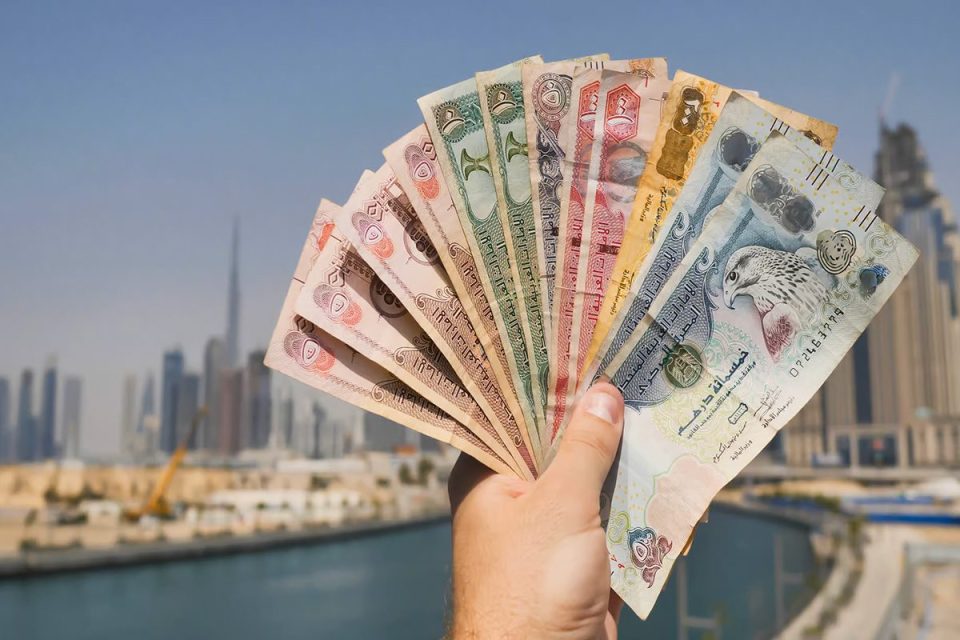
The currency is the dirham, AED. It has been pegged to the US dollar at 3.6725 since 1997, so a quick rule for Americans is “divide by 3.67”; for everyone else, 10 AED is roughly 2.5 euros or 2.2 pounds.
Exchanging Cash
- Where: airport counters give the worst rate in the city. Exchange houses in Dubai Mall and Mall of the Emirates, and the Al Ansari and Al Fardan branches in Deira and Bur Dubai, are within a few fils of the interbank rate and charge no commission on dollars, euros or pounds.
- ATMs: on every corner, and all accept foreign cards. The machine itself charges nothing, but your own bank’s overseas fee applies, so take larger amounts less often. Decline the “convert to your home currency” offer on the screen; it is always a worse rate.
- Arriving: I bring a hundred dollars or so in small notes for the taxi and the first coffee, then withdraw dirhams once in the city.
Cards and Cash
- Cards: Visa and Mastercard work everywhere, including metro ticket machines and taxis. Contactless and Apple Pay are the norm. Cards issued in sanctioned countries do not work, and there is no workaround at the terminal.
- When you still need notes: the abra across the Creek (1 AED, cash only), small purchases in the Gold and Spice souks, tips, and the cafeterias in Deira and Satwa where a shawarma costs 8 to 12 AED. Keep 100 to 200 AED in cash and you will not be caught short.
Heat, Health and Insurance
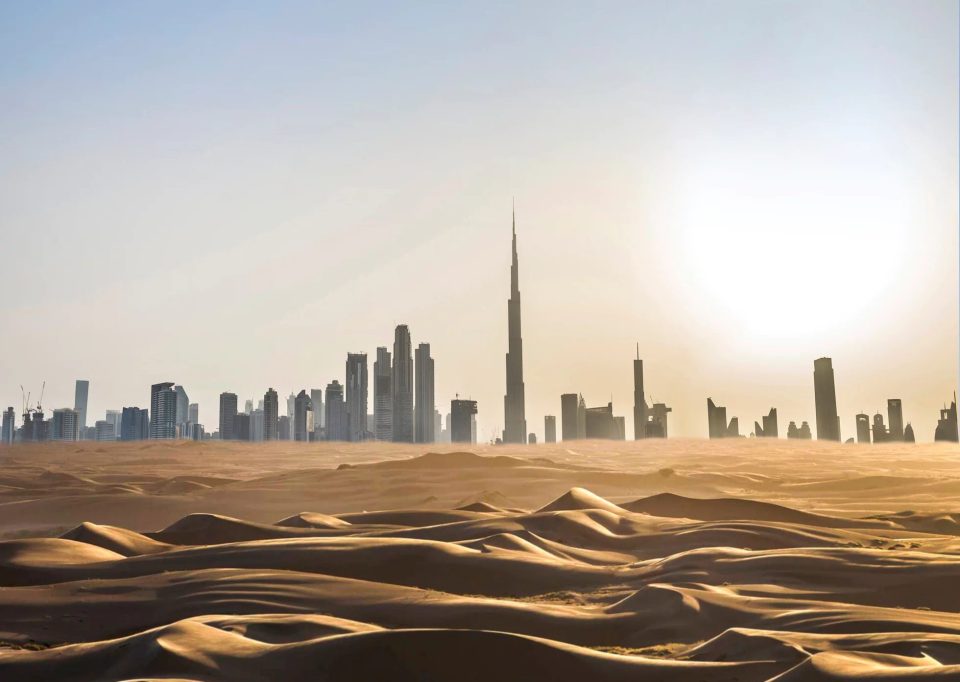
Dubai is a desert city on the coast, which means dry heat with sea humidity on top. From November to March daytime temperatures sit between 24 and 30 degrees Celsius and the city is at its best. From May to September expect 40 to 45 degrees in the shade and nights that do not drop below 30.
- Water: carry a bottle at all times in summer. Tap water is desalinated and safe, but most people drink bottled; a 1.5-litre bottle costs about 2 AED in a supermarket and five times that in a hotel minibar.
- Air conditioning: the metro, malls, taxis and hotels are cooled to around 20 degrees. The 25-degree swing between a mall and the pavement is what gives summer visitors sore throats. A light long-sleeved layer in your bag solves it.
- Insurance: as we said in our budget guide, this is the one line not to cut. A visit to a private emergency room starts around 500 AED before any tests, and a night in hospital runs into thousands. Insurance covering the UAE costs a few dollars a day.
Dress Code and Etiquette
Dubai is the most relaxed city in the Gulf, and it is still a Muslim country with laws on public behaviour. In practice the rules are few, and nobody polices tourists in malls, but knowing where the line sits saves awkward moments.
What to Wear
- Malls, metro, old town: shoulders and knees covered is the official request, posted at mall entrances. Shorts and sleeveless tops will not get you fined, and in the Marina nobody looks twice, but in Deira and government buildings a security guard may ask you to cover up.
- Mosques: the only mosque open to non-Muslim visitors is Jumeirah Mosque, through its guided tours. Men need long trousers and a shirt with sleeves; women cover hair, arms and legs. Abayas and headscarves are lent free at the door.
- Beaches and pools: swimsuits and bikinis are normal on public beaches and in hotel pools. Topless sunbathing is illegal everywhere, and walking from the beach into a shop in swimwear is frowned on; throw on a T-shirt.
If you would rather not think about any of this during a beach week, hotels with private pools and beaches on the Palm and in JBR apply only their own rules inside the gates.
Behaviour
- Affection in public: holding hands is fine, kissing in the street is not. During Ramadan, which moves about 11 days earlier each year and in 2027 falls in February and March, also avoid eating, drinking or smoking in public in daylight.
- Alcohol: sold and served only in licensed hotels, bars, restaurants and a handful of shops. Drinking on the street or on a public beach, or being visibly drunk anywhere, brings a fine and in bad cases a night in a cell. Hotel bars are the safe default.
- Photos: do not photograph people, especially women, without asking. Government buildings, military sites, airports and the royal palaces are off limits for cameras, and the police do enforce this.
Phone and Internet
- Local SIM: the two operators, du and e&, have counters in the arrivals hall at DXB and sell tourist packages with 5 to 20 GB for roughly 50 to 100 AED. You need your passport to register.
- eSIM: if your phone supports it, an eSIM for the UAE bought before departure is active the moment you land and skips the queue. It is data only, which is all most visitors need.
- Calls: WhatsApp and FaceTime voice calls are blocked on UAE networks. Messaging works. For calls, use the operator’s own app or a VPN, which is legal to use for ordinary purposes.
That is the whole list. Passport with six months left, a card that works abroad, a long-sleeved layer for the air conditioning, and a SIM sorted before the taxi: with those four things handled, the rest of Dubai takes care of itself.


