Most first-time plans for Beijing look the same: the Great Wall, the Forbidden City, the Temple of Heaven. All three deserve a day. But the part of the city that stays with people is somewhere else, in the grid of narrow lanes between the big avenues. These are the hutongs, and they are not a museum district. Around 400,000 people still live in them, cooking in shared courtyards, playing chess on the kerb and cycling to work past 600-year-old gates. This guide explains what the hutongs are, which districts are worth a walk, how to get around them on foot and by bike, and what to eat on the way. The imperial palaces can wait for another day.
What Hutongs Are and Why They Matter
Hutongs are the narrow residential lanes that make up the old core of Beijing, inside what used to be the city walls. Most date from the Yuan, Ming and Qing dynasties, and the oldest lines go back to the 13th century, when Kublai Khan laid out his capital on a strict grid. Even the word is Mongolian: “hutong” (胡同) is usually traced to a term for a water well, which is how these communities first formed. Main avenues ran north to south and east to west; between them the hutongs spread like capillaries, most of them running east-west so that courtyard houses could face south.
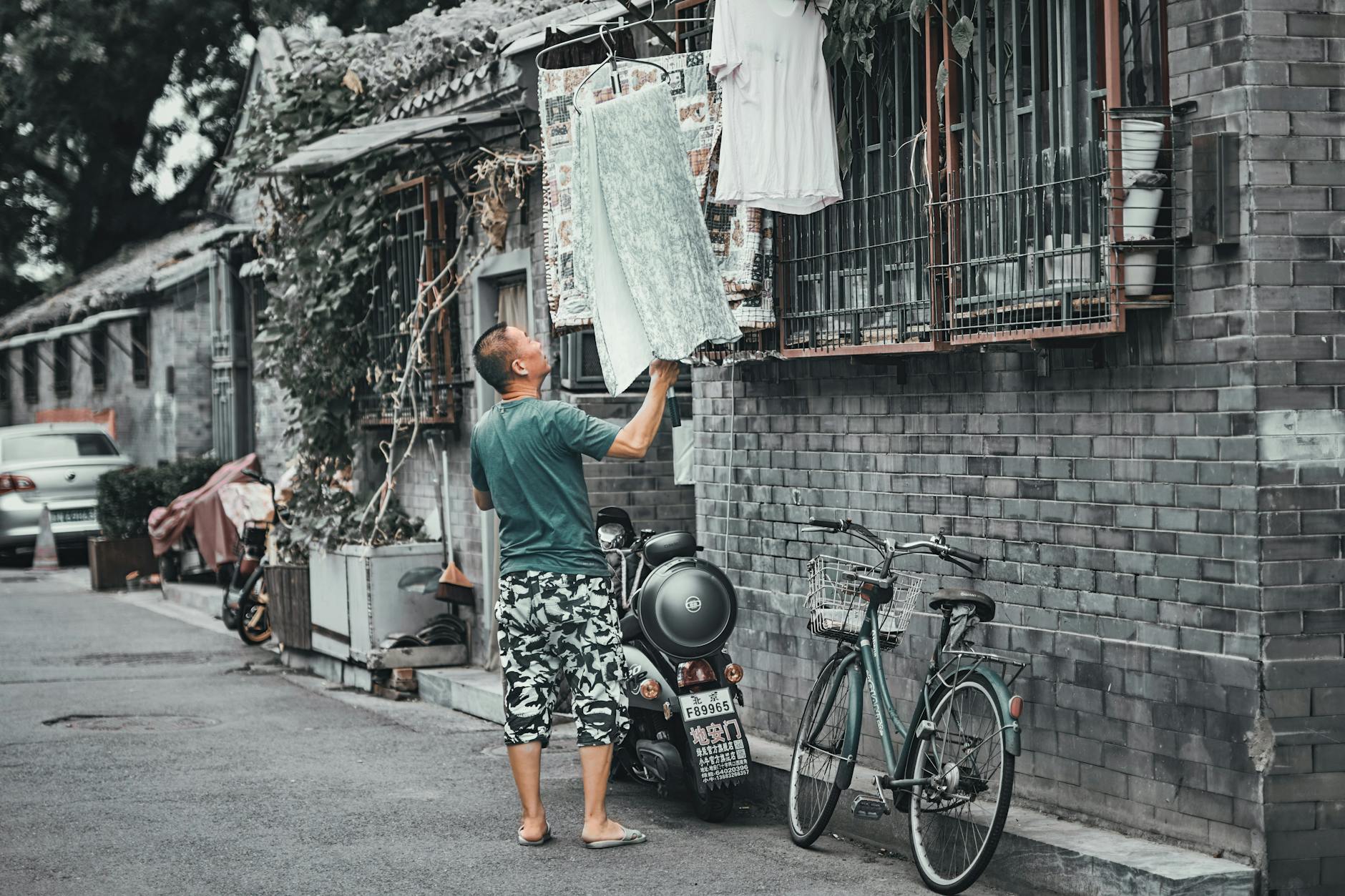
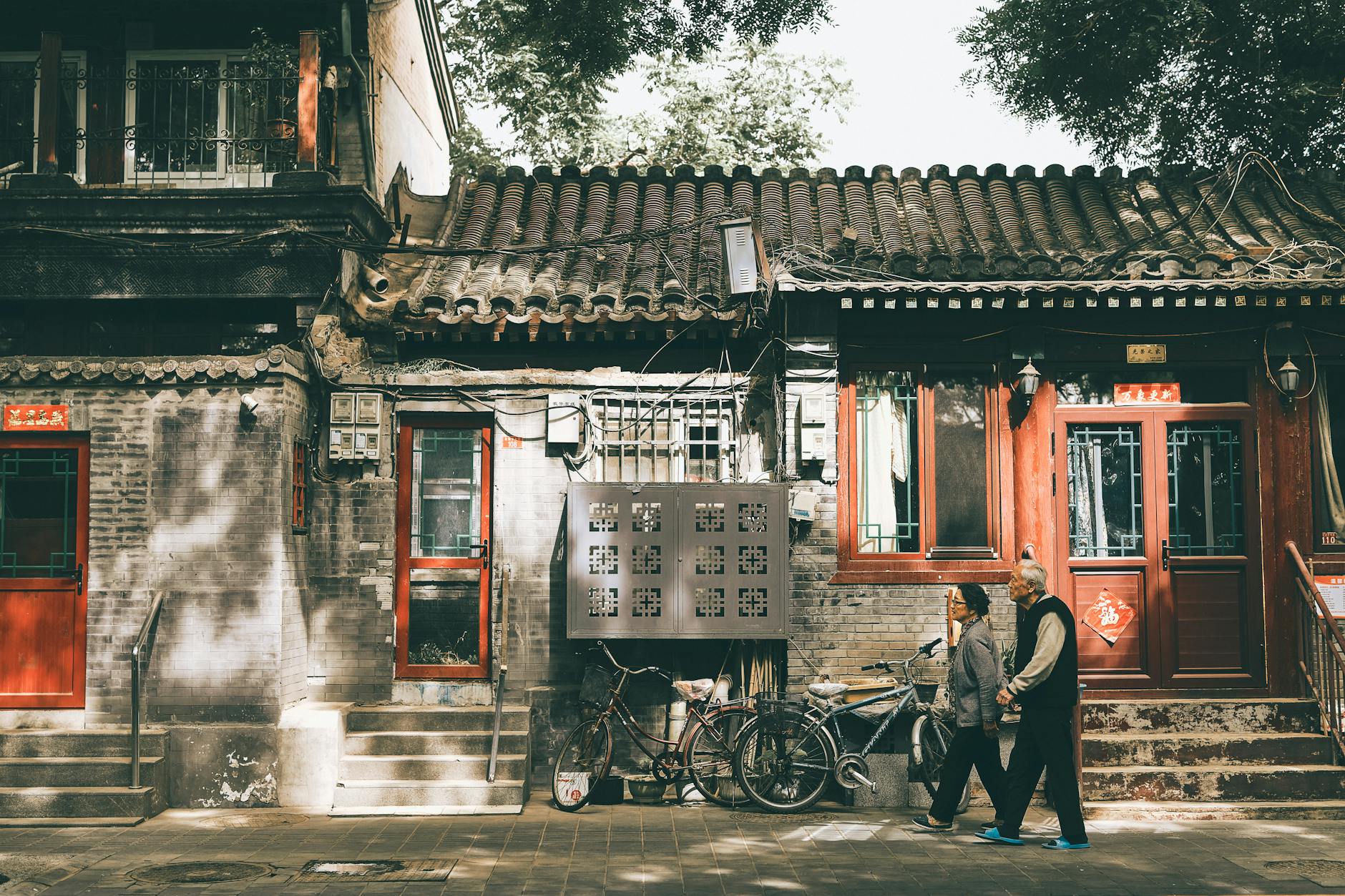
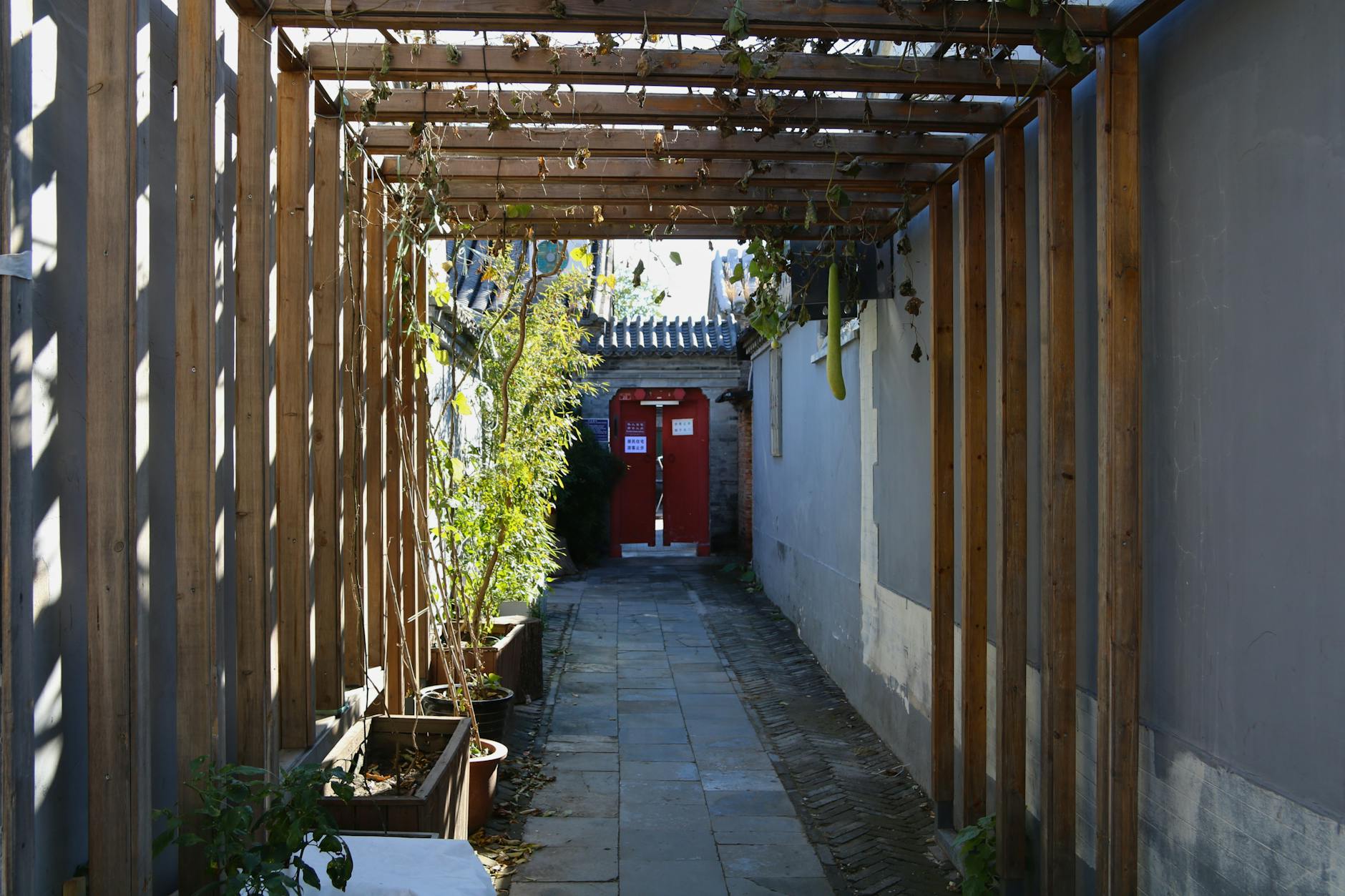
Houses here are siheyuan: classic courtyard homes with four single-storey buildings around a private yard. In the yard you still find a persimmon or jujube tree, pots of flowers, a fish tank, bicycles. Each family had its own enclosed world yet lived wall to wall with the neighbours. After 1949 most courtyards were subdivided among several households, and that crowded version, with kitchens built into the yard, is what you see today. Thousands of lanes were demolished for roads and towers from the 1990s on, so the ones that survive are protected, and they are the clearest picture of how the city worked before the ring roads.
None of this is a stage set. Children play in the lanes after school, pensioners sit on stools by the gate, and the public toilets on every corner exist because many courtyard homes still have none. That is the reason to come: a hutong is the easiest place in Beijing to watch ordinary life at walking pace.
Three Ways to Explore the Hutongs
On foot, by bike or with a guide: each works, and each shows a different layer. Whichever you pick, slow down. Hutongs reward people who stop.
On Foot
Walking is the simplest option and the one that shows the most. Put the map away for an hour and take whichever turn looks quieter. Within a few hundred metres you pass a window selling steamed buns at 2 yuan apiece, a barber working on the pavement, a bicycle repairman with his tools laid out on a cloth, and old men slapping down chess pieces on an upturned crate. Wooden gates, red lanterns and grey tiled roofs are not decoration here. People live behind them. A guided hutong walk helps if you want the gates explained: the number of beams over a door and the stone drums or boxes at the threshold once showed the rank of the family inside, and a guide reads them in seconds.
Three rules make the walk better:
- Start early. Between 7 and 9 a.m. the lanes are at their busiest with breakfast queues, tai chi and shop shutters going up. By 11 the same lanes are half empty.
- Respect the gates. An open door is not an invitation. Courtyards are private; look from the lane, and only go in if someone waves you through.
- Eat as you go. Breakfast windows and carts are everywhere. A jianbing crepe costs about 8-10 yuan, a bag of baozi less than that, and nobody expects you to order in Chinese; pointing works.
By Bike
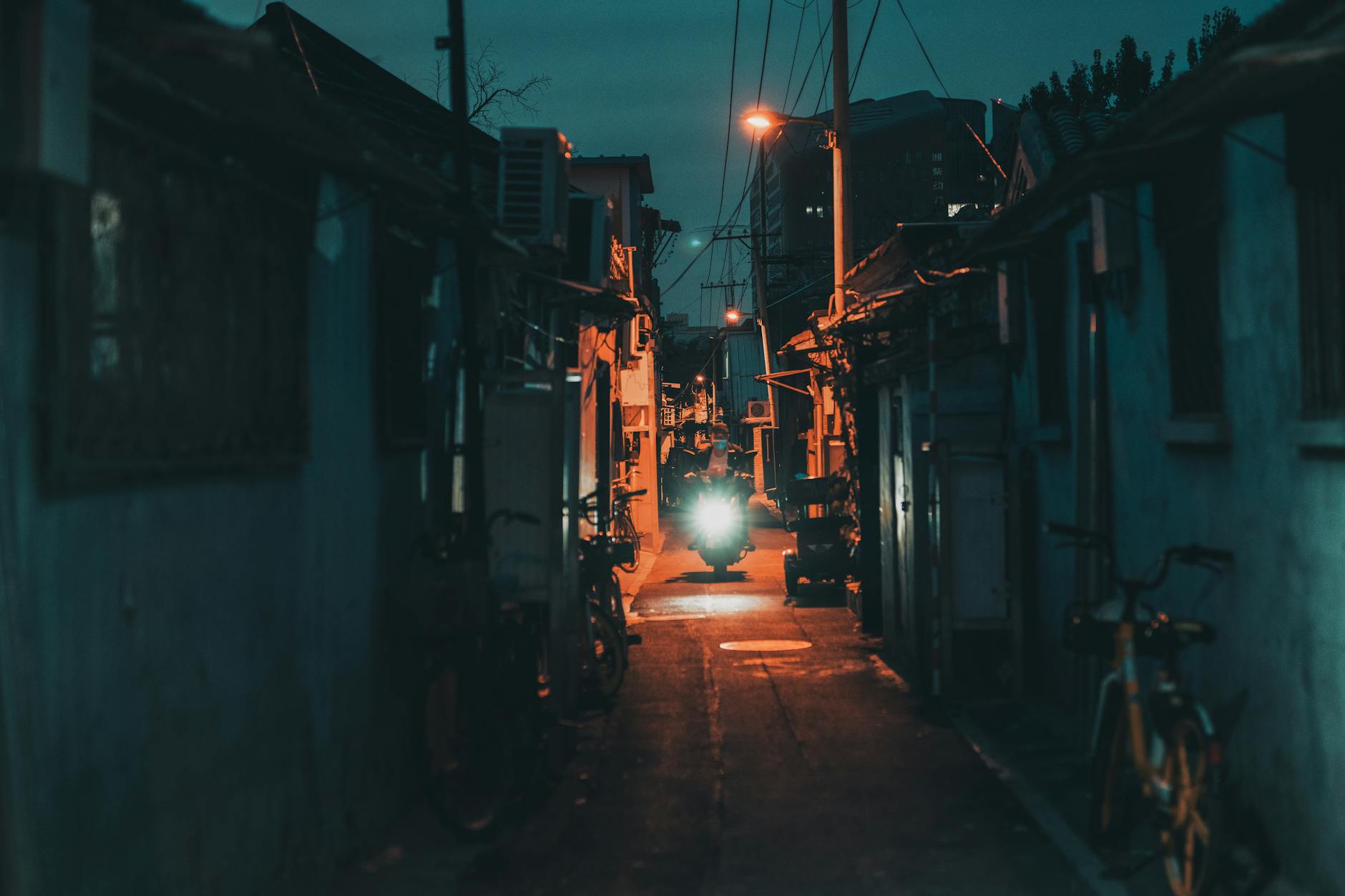
A bike covers more ground and makes you look like you belong. The old city is flat, lanes are mostly closed to through traffic, and shared bikes stand on every corner; they unlock through Alipay once a foreign card is linked, at a few yuan per half hour. Some hutong guesthouses lend bikes for free. Stop whenever a courtyard door is open or a lane looks older than the last one.
A loop that works in half a day:
- Drum and Bell Towers. Start here; Gulou Dajie metro station is a ten-minute walk. From the square between the towers, lanes run off in every direction.
- Houhai Lake. Ride the lakeshore anticlockwise. Bars and cafes line the east side; the west and north shores are quieter, with fishermen and swimmers in summer and skaters in January.
- Nanluoguxiang. This 800-metre lane is the tourist strip, lined with snack stalls and souvenir shops, and it is fine for twenty minutes. The point is the sixteen side lanes that branch off it. Mao’er Hutong, for instance, holds the former home of Wanrong, the last empress, and almost no visitors.
Organised bike tours exist too, usually three hours with a guide and a stop for dumplings, and they solve the navigation problem for people who do not want to think about it.
With a Guide
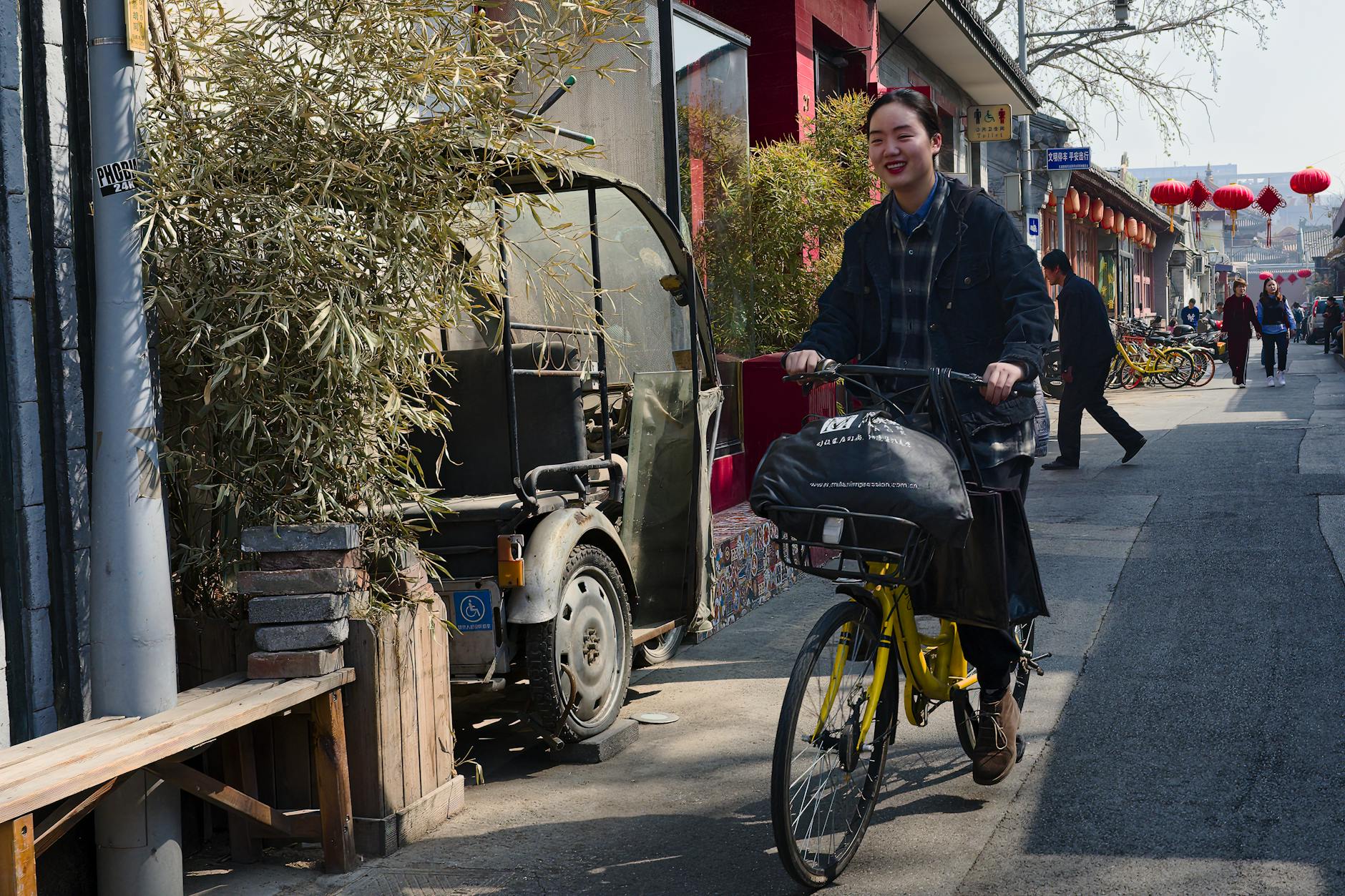
A guide is worth paying for if you want the history rather than the atmosphere. Good local guides grew up in these lanes or still live in them. They know which courtyard was a prince’s stable, which was a 1950s communal kitchen, and which family will let a small group in for tea. Prices run from about 200 yuan for a two-hour group walk to several hundred for a private one, and a lunch stop is often built in.
Food is the usual hook. The hutong walking food and beer tour strings together five or six stops, from a lamb skewer window to a courtyard brewery, and explains what you are eating along the way. Pedicab tours around Shichahai are the other classic: the drivers quote per hour, so agree the price and the route before you climb in.
Hutong Districts Worth a Walk
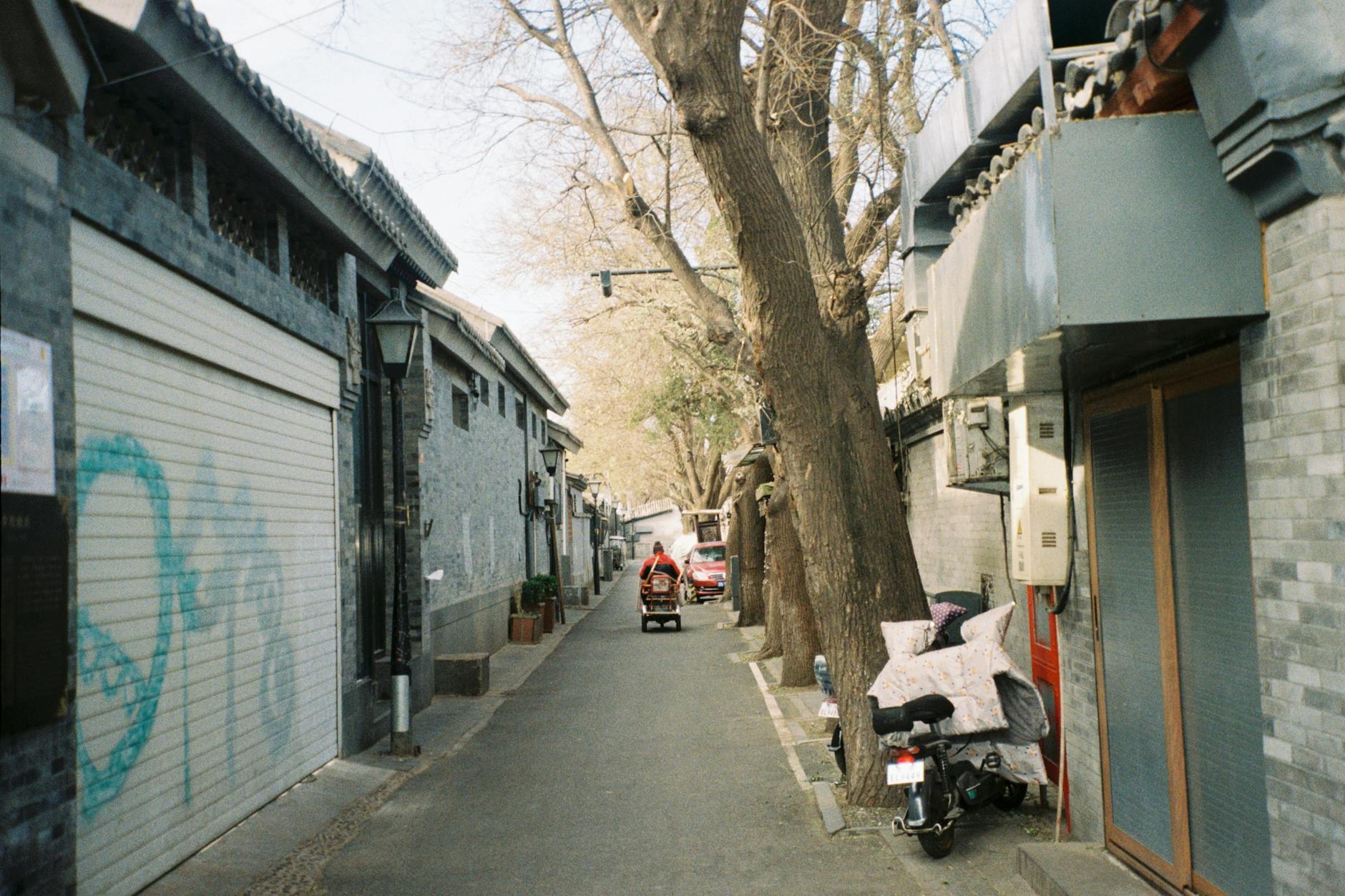
Hutongs survive in patches across the old city, but four districts hold most of what is left, and all four sit on the metro.
Shichahai
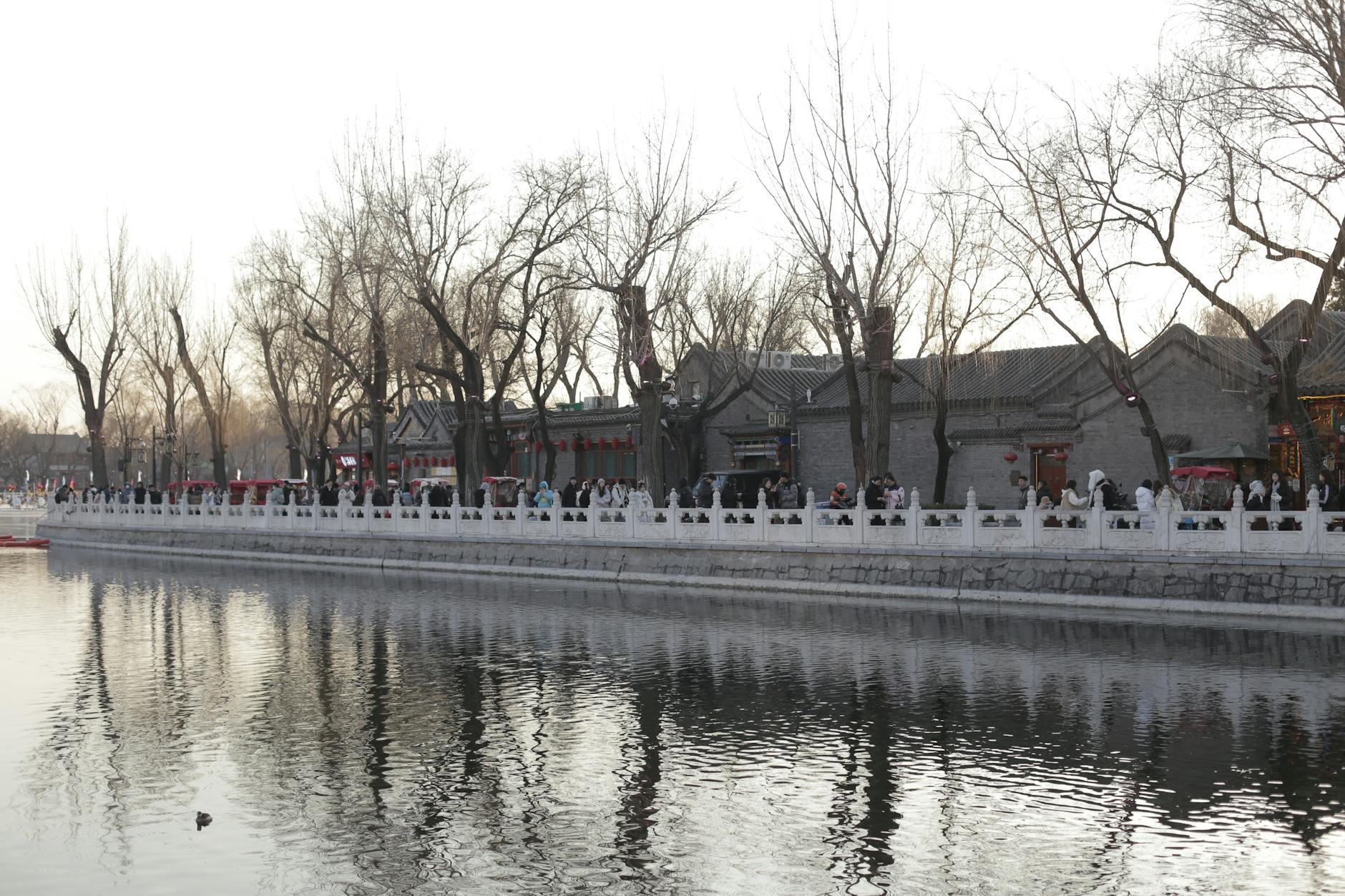
Shichahai is the best-known and most scenic hutong area, built around three linked lakes: Qianhai, Houhai and Xihai. Weekend evenings get loud on the bar strip, but two blocks from the water the lanes go quiet. Yandai Xiejie, a short crooked lane near the Drum Tower, is one of the oldest shopping streets in the city. Prince Gong’s Mansion on the west side is the largest surviving aristocratic courtyard complex, with a garden and a theatre; the ticket is 40 yuan. Early morning is the time to come, when locals swim in the lake and practise tai chi and sword forms on the shore.
Gulou, Around the Drum and Bell Towers
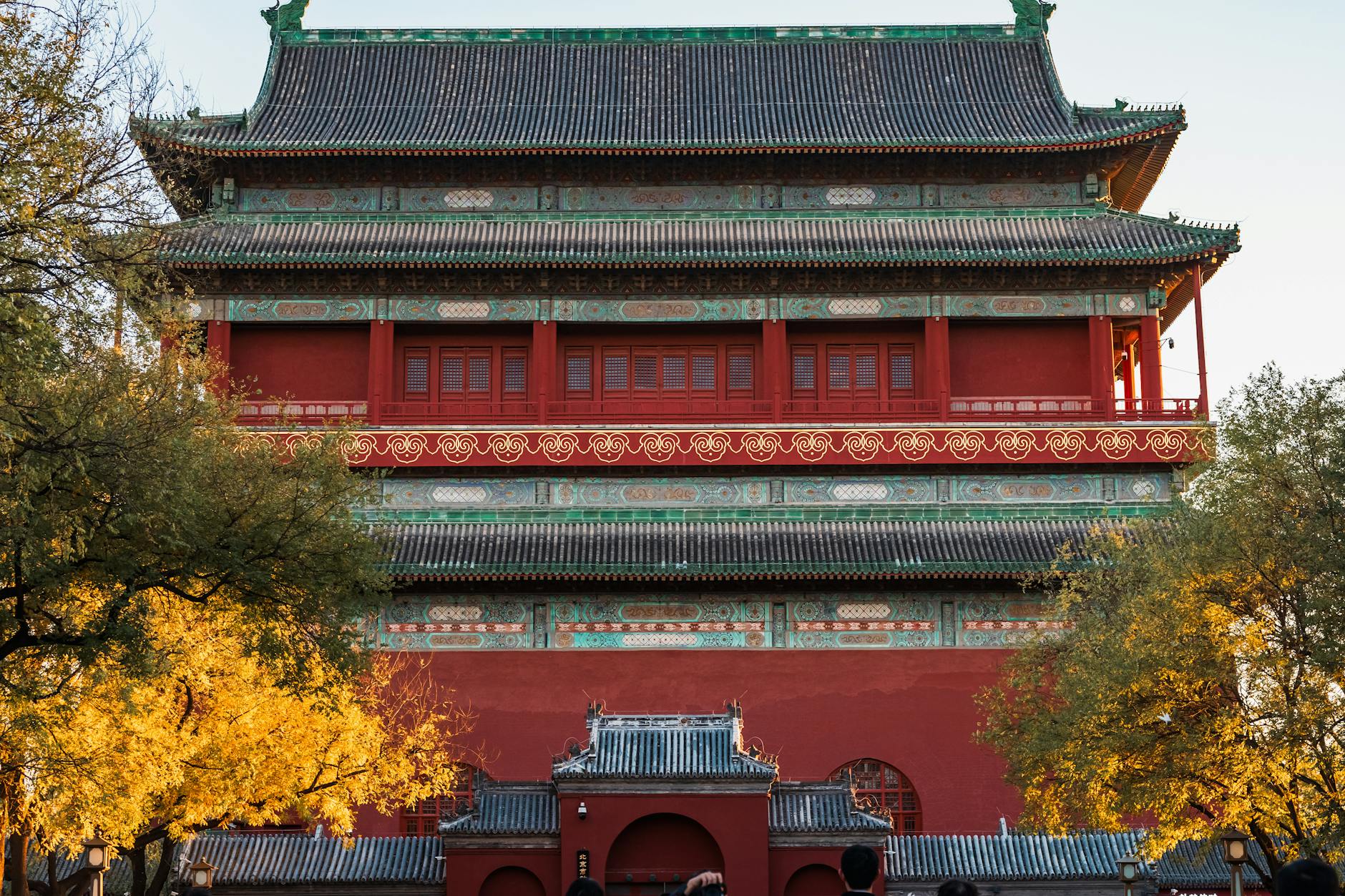
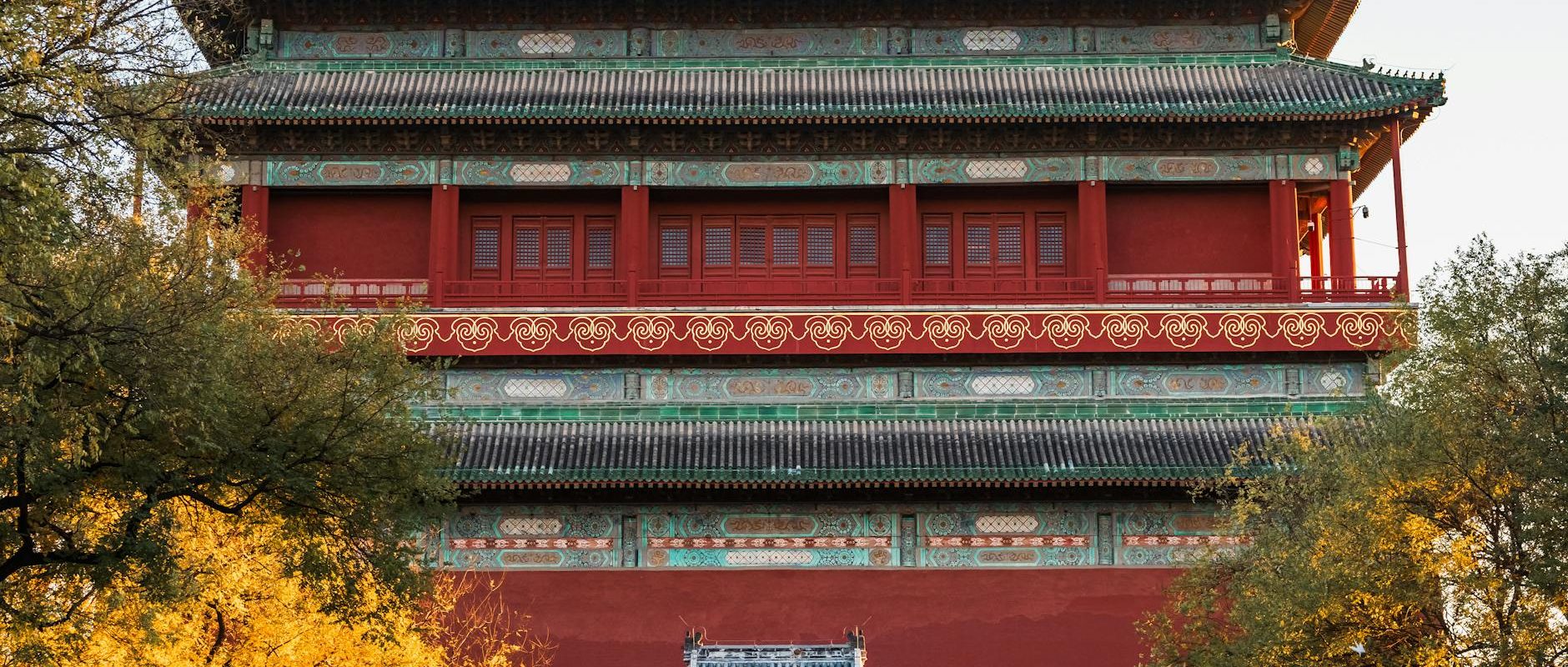
Lanes around the Drum and Bell Towers are among the oldest in the city and the least polished. The towers kept time for Beijing from the Yuan dynasty until 1924; a combined ticket costs about 30 yuan, the drum performance runs several times a day, and the climb up the Drum Tower gives a view over grey tiled roofs that no skyscraper deck can match. Down below are tea houses, small galleries, vinyl shops and workshops repairing bicycles and making the paper-cut window decorations sold at New Year. Residents outnumber visitors here, which is the point.
Lanes Around the Lama Temple
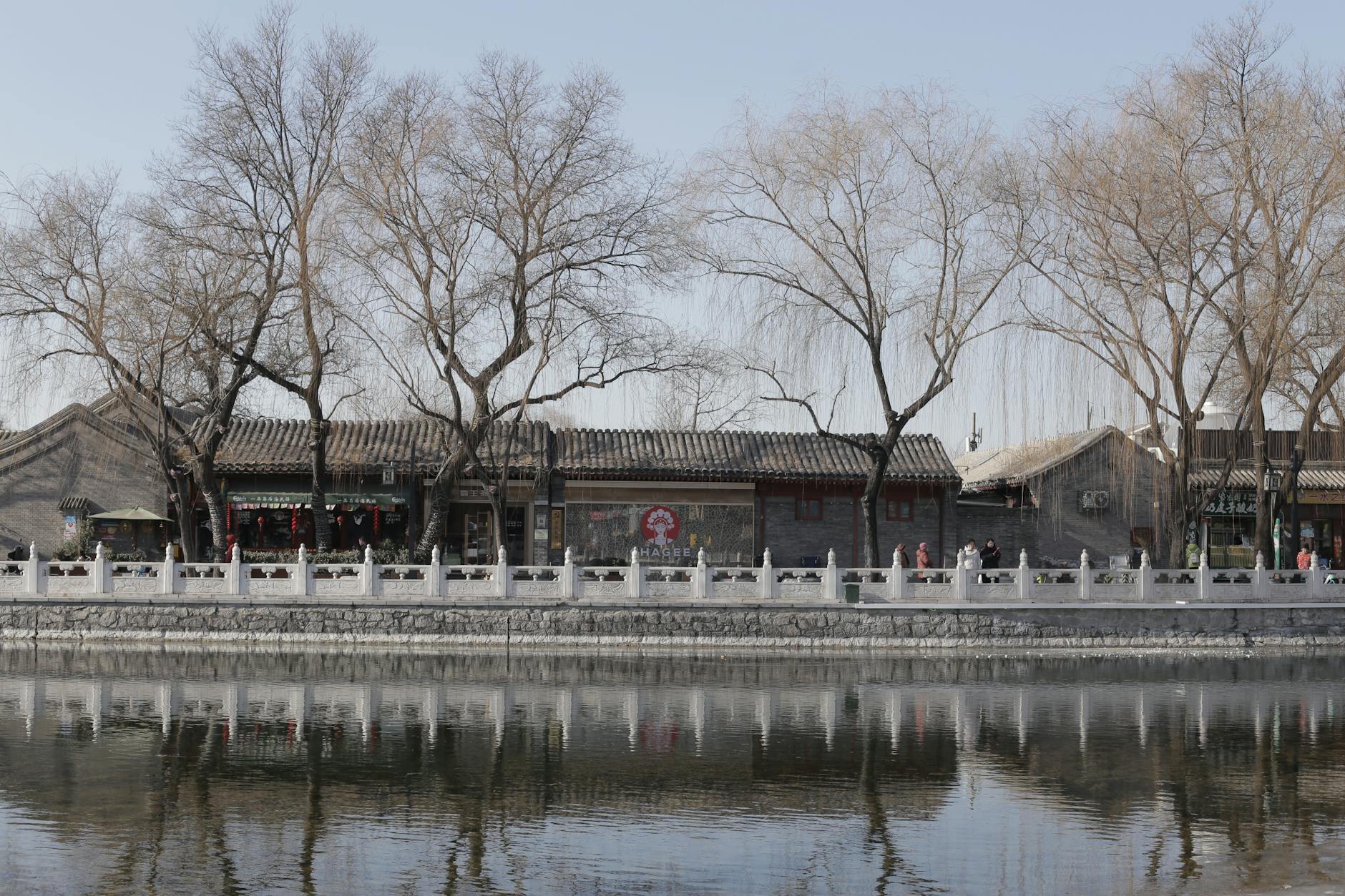
East of Gulou, around Yonghegong metro station, a cluster of lanes shows how residents have adapted old houses to modern life without giving up the form. Guozijian Street, with the Confucius Temple and the Imperial College under one ticket, is one of the few hutongs still spanned by its original painted archways. Wudaoying Hutong, one block north, has turned into a lane of small cafes and design shops run from converted courtyards. The Lama Temple itself, Beijing’s largest Tibetan Buddhist monastery, is at the end of the street with incense smoke drifting over the roofs. Fewer tourists come here than to Nanluoguxiang, and the lanes between the sights are still plainly residential.
Hutongs Around Beihai Park
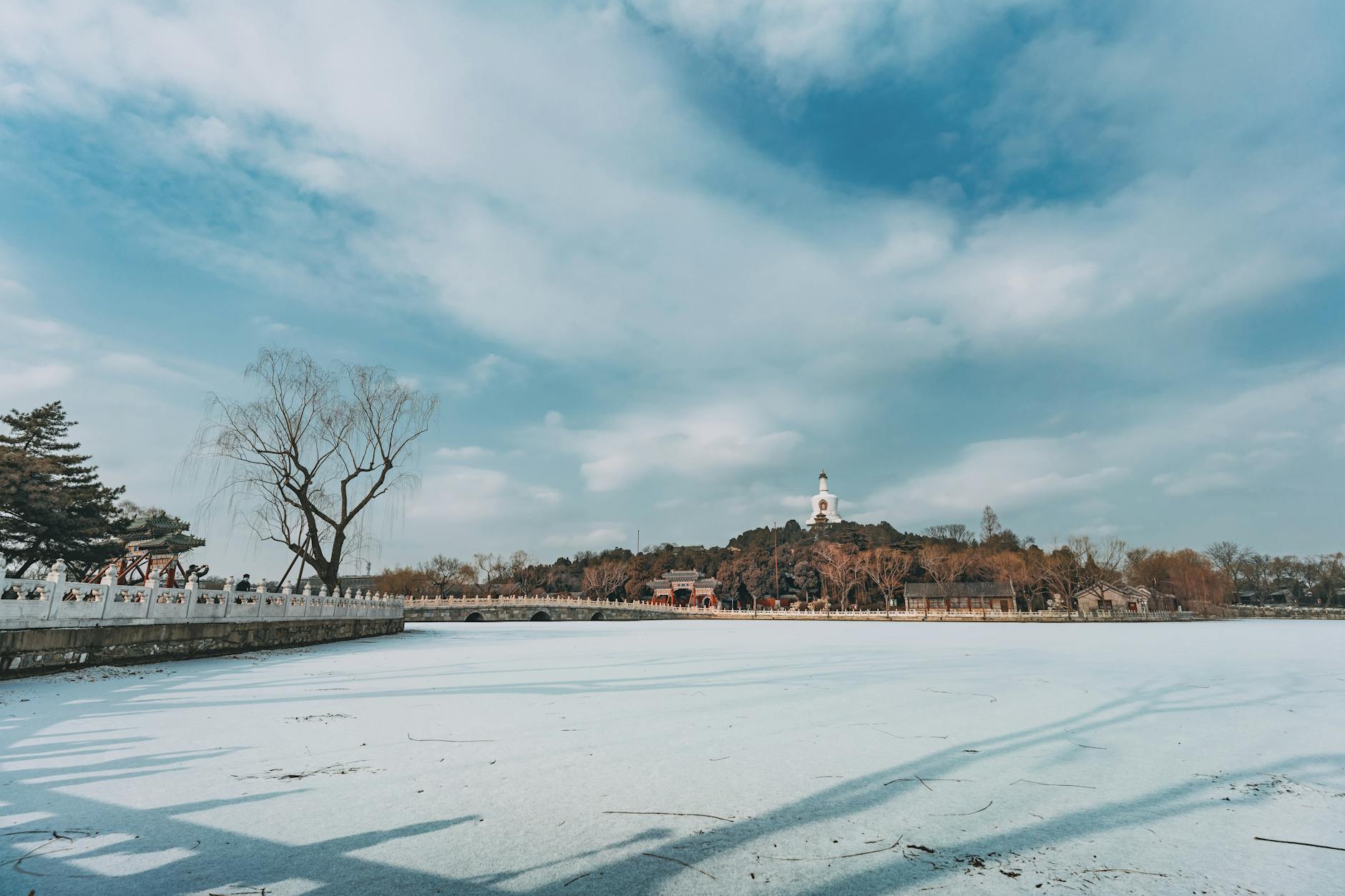
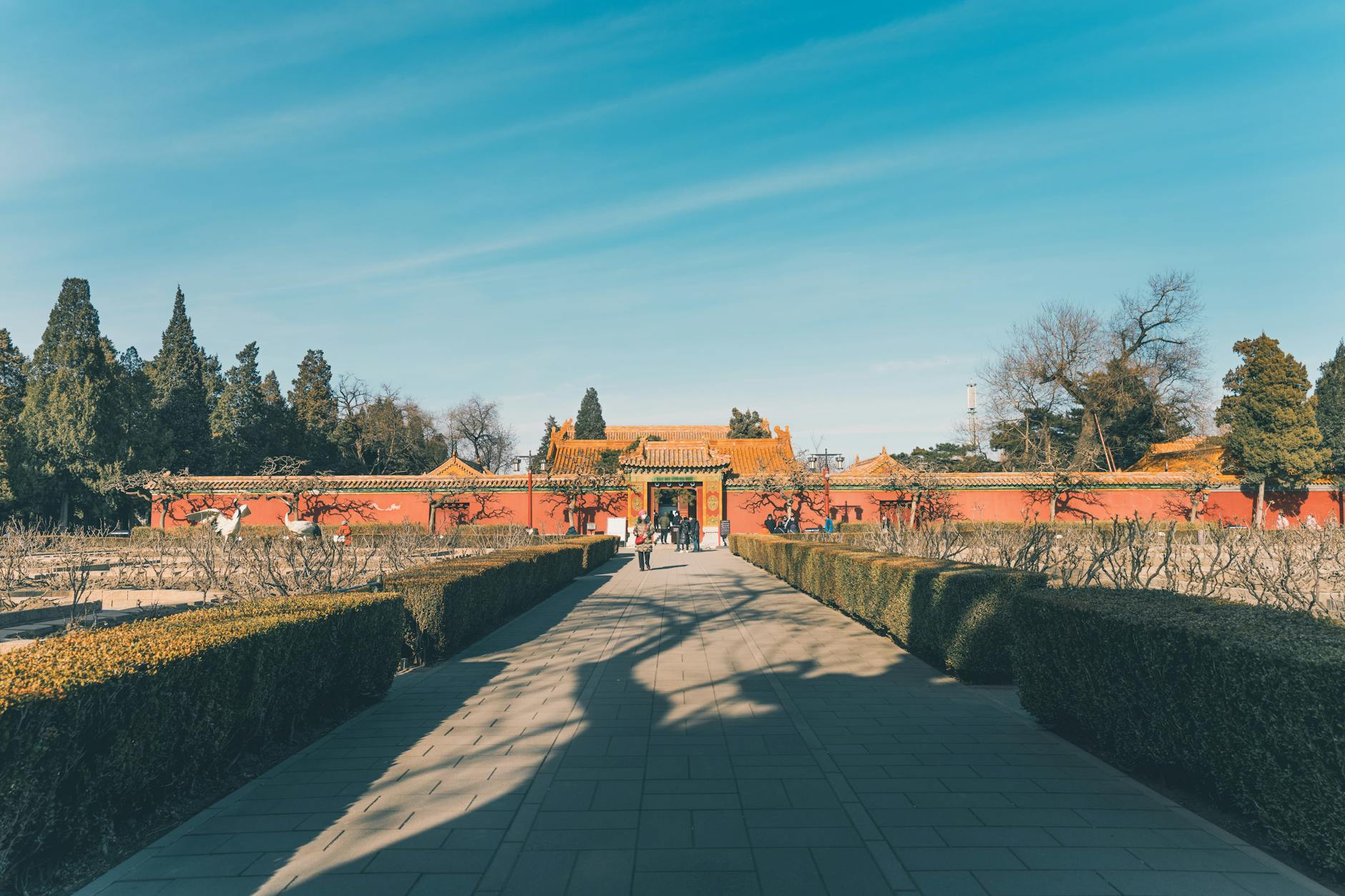
Beihai was an imperial garden for 800 years, and the lanes around it feel tidier than those further north: wider, better paved, with more restored courtyards and a few that now house government offices. Entry to the park costs a few yuan, and the white dagoba on the island is the landmark you navigate by. Next door, Jingshan Park charges 2 yuan for the best view in Beijing, straight down the central axis over the Forbidden City roofs. Walk the lanes west of the park towards Xisi for the quietest stretch. If the Summer Palace is also on the list, an entry ticket for the Summer Palace and Yuanmingyuan booked ahead saves the queue at the gate on busy days.
Hutong Life Up Close
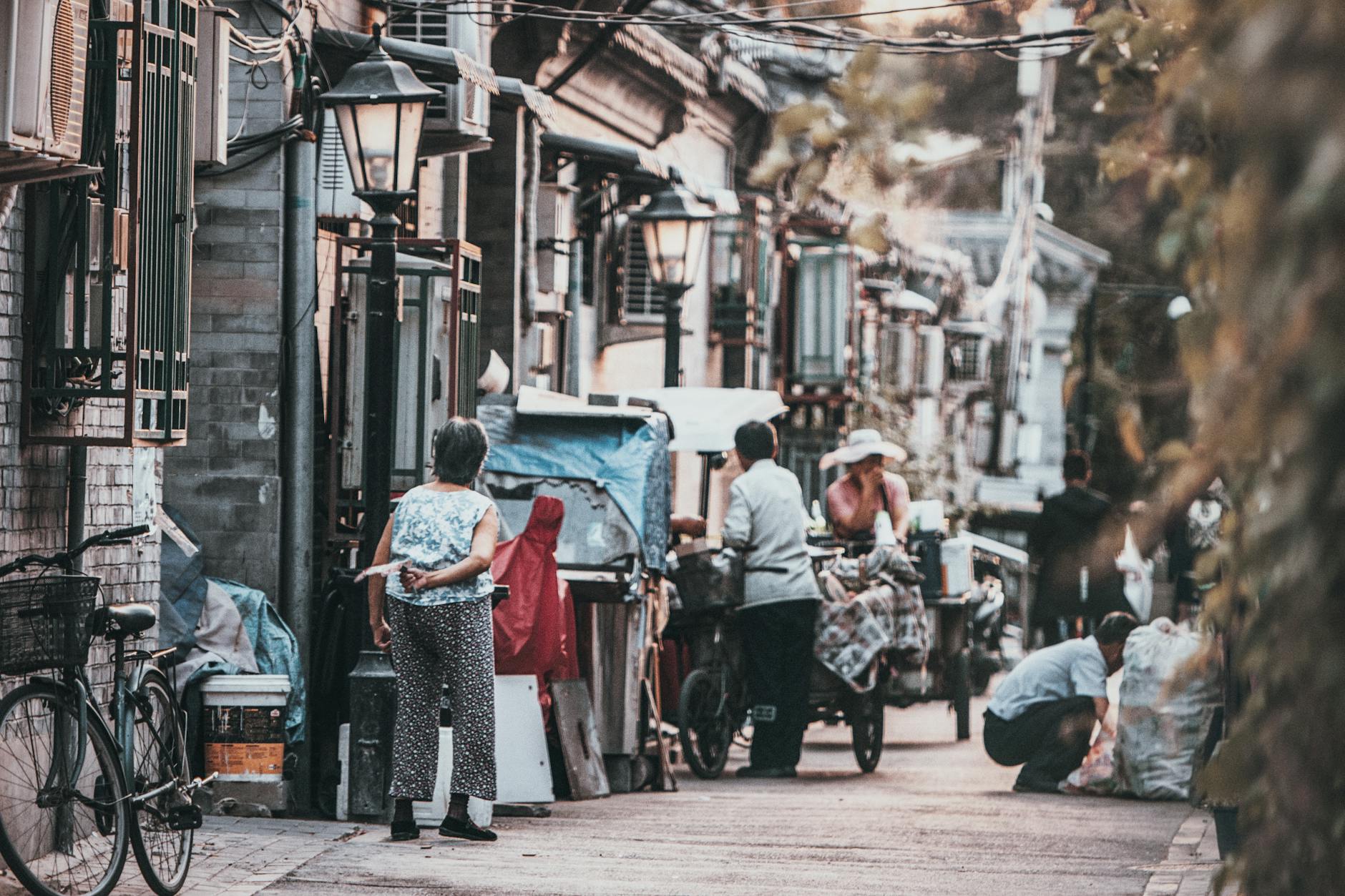
Walking shows the lanes. Eating, shopping and sitting down in them shows the people. Three things worth building the day around.
Street Food and Tea Houses
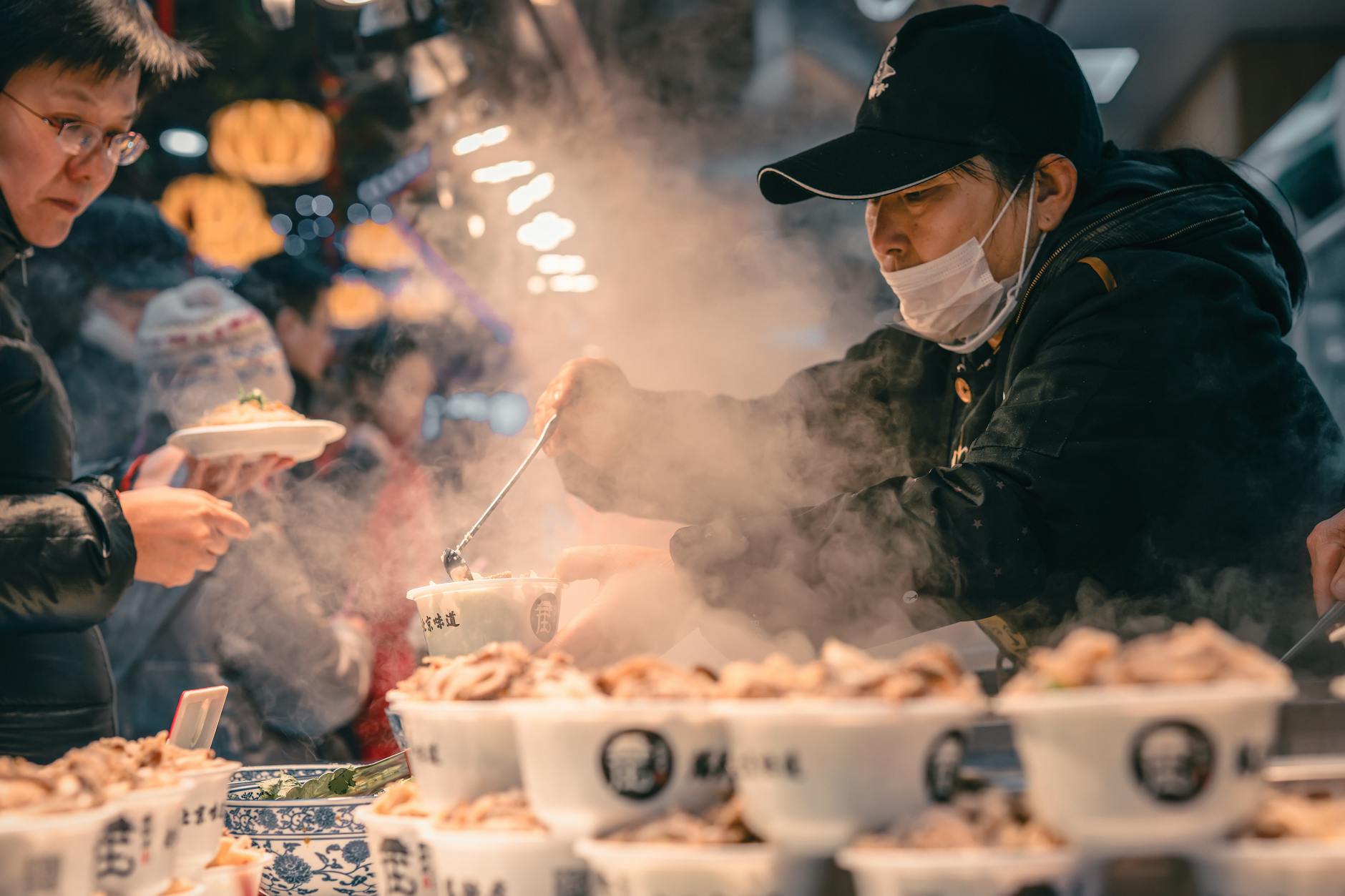
Beijing’s own street food is plainer than Sichuan’s or Shanghai’s, and the hutongs are where it survives. Jianbing crepes with a crisp cracker folded inside, pan-fried dumplings, hand-pulled noodles with fried bean sauce (zhajiangmian), lamb skewers after dark, and for the brave, douzhi, a sour fermented mung-bean drink that locals swear by and visitors mostly swear at. Prices rarely pass 20 yuan a dish, and hygiene at busy windows is fine: high turnover means nothing sits around.
Tea is the other ritual. Hutong tea houses sell leaves by weight and will brew a pot at the table for the price of the tea; a proper gongfu session, with the small pot, repeated short infusions and an explanation of what you are tasting, is offered at many of them for 100-200 yuan. Several guided tours end with one, which is a reasonable way to sit down after three hours of lanes.
Workshops and Craft Shops
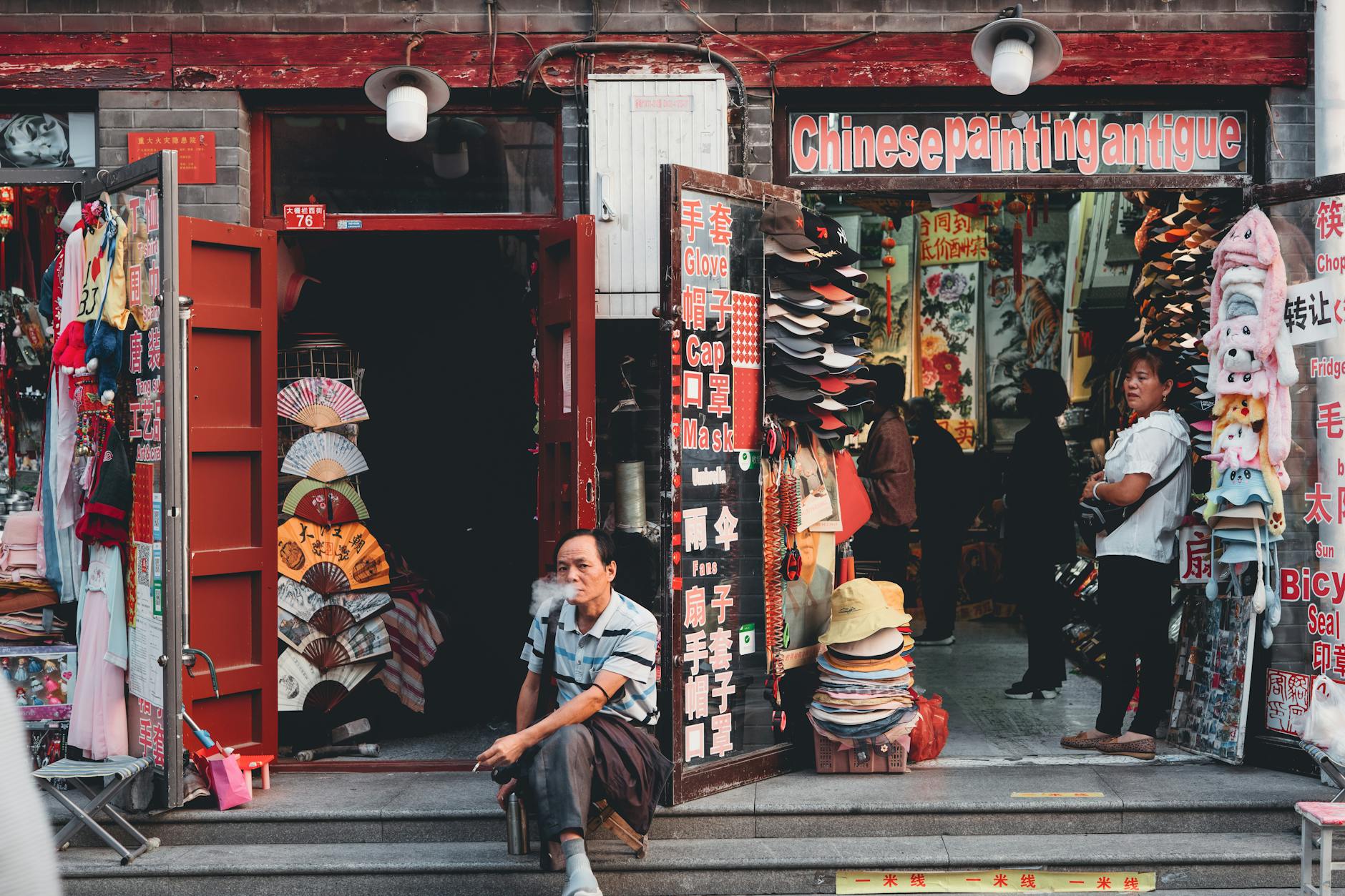
Small workshops hide in the lanes: paper lanterns, calligraphy brushes, cloth shoes, kites, cricket cages, jade carving. Some are shops with a bench at the back where the owner works between customers; others are open studios that run short classes for visitors. Prices are a fraction of what the same objects cost in hotel gift shops, and you watch them being made. Workshops cluster around Guozijian Street and the lanes south of Nanluoguxiang; the 798 art district, further out in the north-east, is a different kind of afternoon and better saved for a day of its own.
Local Markets
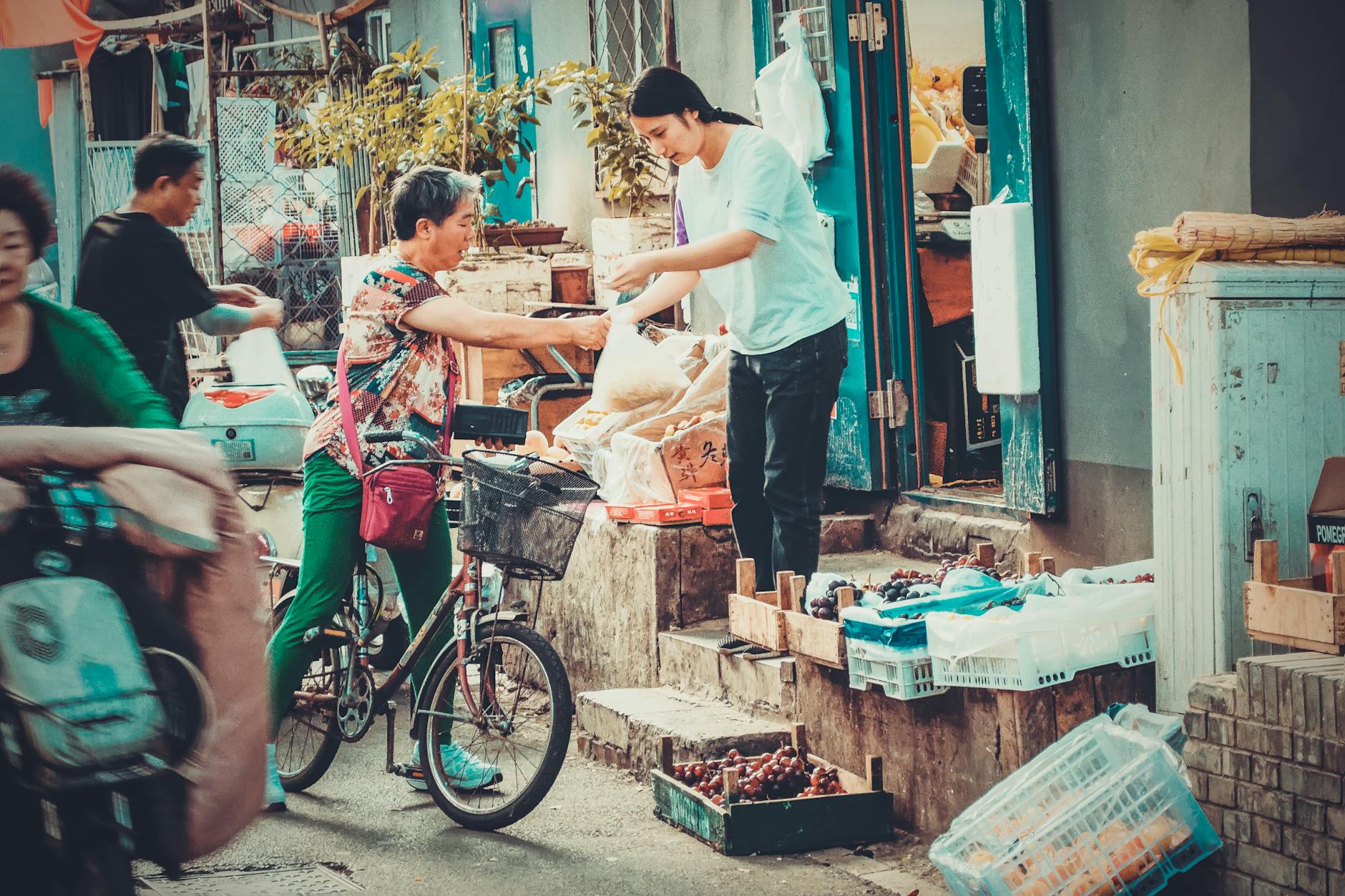
Many hutong districts keep a covered vegetable market where residents shop every morning: greens stacked by the kilo, live fish in tanks, tofu cut from a block, eggs sold by weight. Tourists rarely come, nobody minds a camera if you ask first, and a bag of fruit for the walk costs a few yuan. Go before 10 a.m.; by noon the best stalls have sold out and the traders are asleep on their crates.
Practical Tips Before You Go
A few details that make a hutong day run smoothly:
- Shoes. Flat, comfortable ones. A hutong day is 10-15 km on uneven flagstones.
- Season. April-May and September-October have clear skies and temperatures in the 20s. Summer is hot and humid with afternoon storms; winter is dry and often below zero, though the lanes under snow are worth the cold.
- Navigation. Google Maps is unreliable in China. Download an offline map or use Apple Maps, which works, and keep the name of your hotel in Chinese characters for taxi drivers.
- Language. English is rare in the lanes. A translation app with the camera function reads menus and signs; the offline Chinese pack should be downloaded before arrival.
- Payment. China runs on Alipay and WeChat Pay, and since 2023 both accept foreign Visa and Mastercard; set one up before the trip. Cash is legal tender and stallholders take it, but many have no change for a 100-yuan note, so carry small bills.
- Metro stops. Gulou Dajie (lines 2 and 8), Shichahai (line 8), Nanluoguxiang (lines 6 and 8), Yonghegong Lama Temple (lines 2 and 5) and Beihai North (line 6) each put you in a hutong district within five minutes of the exit.
For the imperial sites that frame the hutongs, booking ahead matters more every year, since the Forbidden City and the Temple of Heaven cap daily visitors. A Temple of Heaven entry ticket can be reserved online, and a private day tour covering the Temple of Heaven, the Lama Temple and the Summer Palace links three sites that are awkward to combine by metro. For a first orientation, a full-day tour of Badaling, the Forbidden City and Tiananmen Square covers the headline sights in one go and leaves the rest of the week for the lanes.
What Visitors Say Afterwards
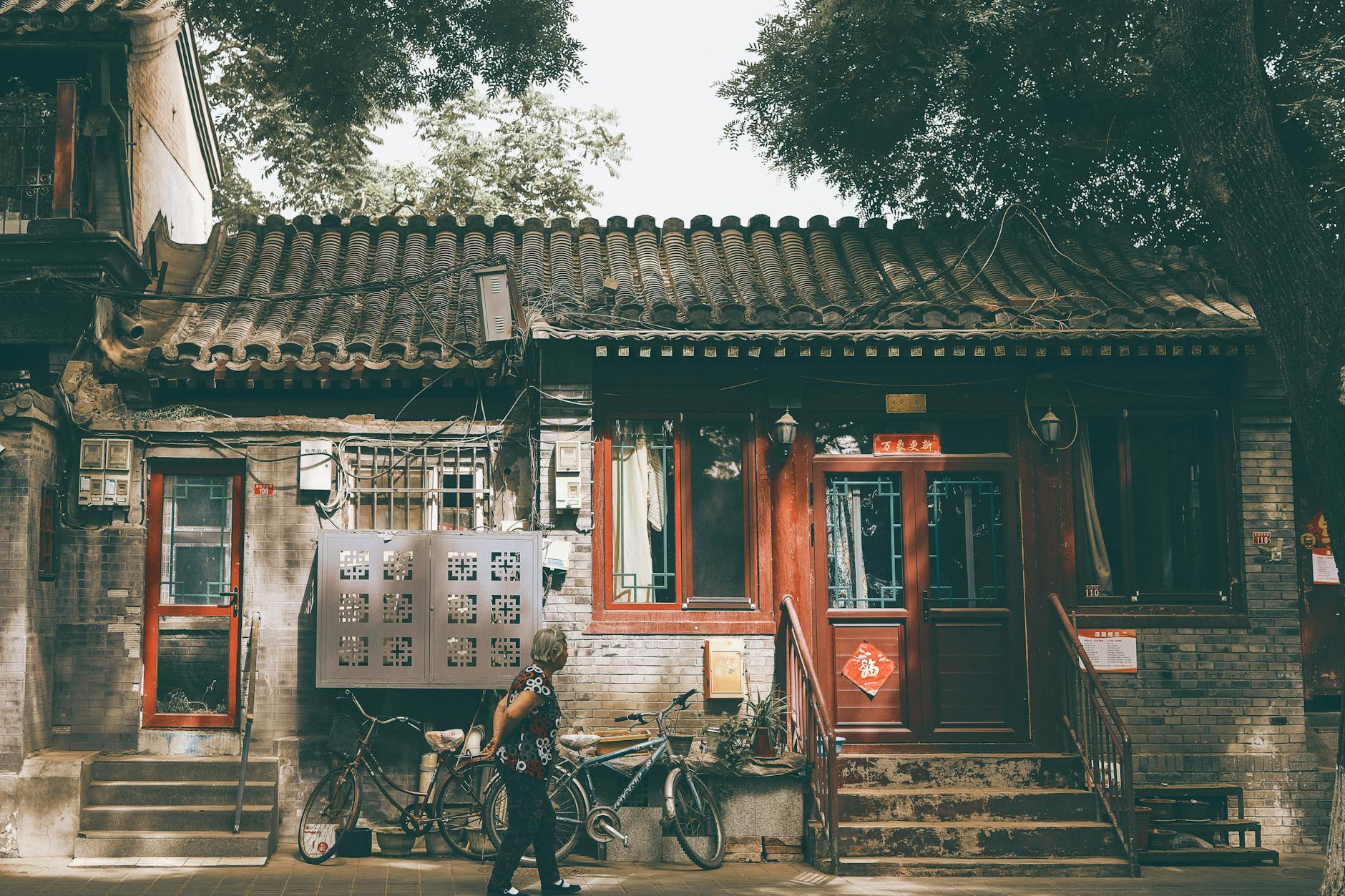
Reviews of the hutongs agree on one thing: this is the part of Beijing people describe to friends afterwards. Visitors mention the contrast with modern Beijing a few blocks away, the chance to see how families live, and small encounters that no itinerary can schedule: a grandmother who insists on pouring tea for strangers at her gate, a conversation held entirely through a phone translator, a courtyard dog that follows you to the end of the lane. The complaints are consistent too. Nanluoguxiang on a weekend afternoon is a crowd, pedicab drivers who were not pinned down on price charge double, and public toilets range from clean to memorable.
Staying inside the old city makes the early mornings easy. Courtyard guesthouses around Gulou and Nanluoguxiang put you in the lanes before the day-trippers arrive, though rooms are small and the walls thin. Conventional hotels on the edge of the old city, such as the Grand Mercure Beijing Central or the Beijing XinQiao Hotel, trade atmosphere for a metro station at the door. Compare hotels in Beijing by metro line rather than by district name: line 8 runs through the heart of hutong country, and line 2 traces the old city wall.
Leave Room for the Lanes
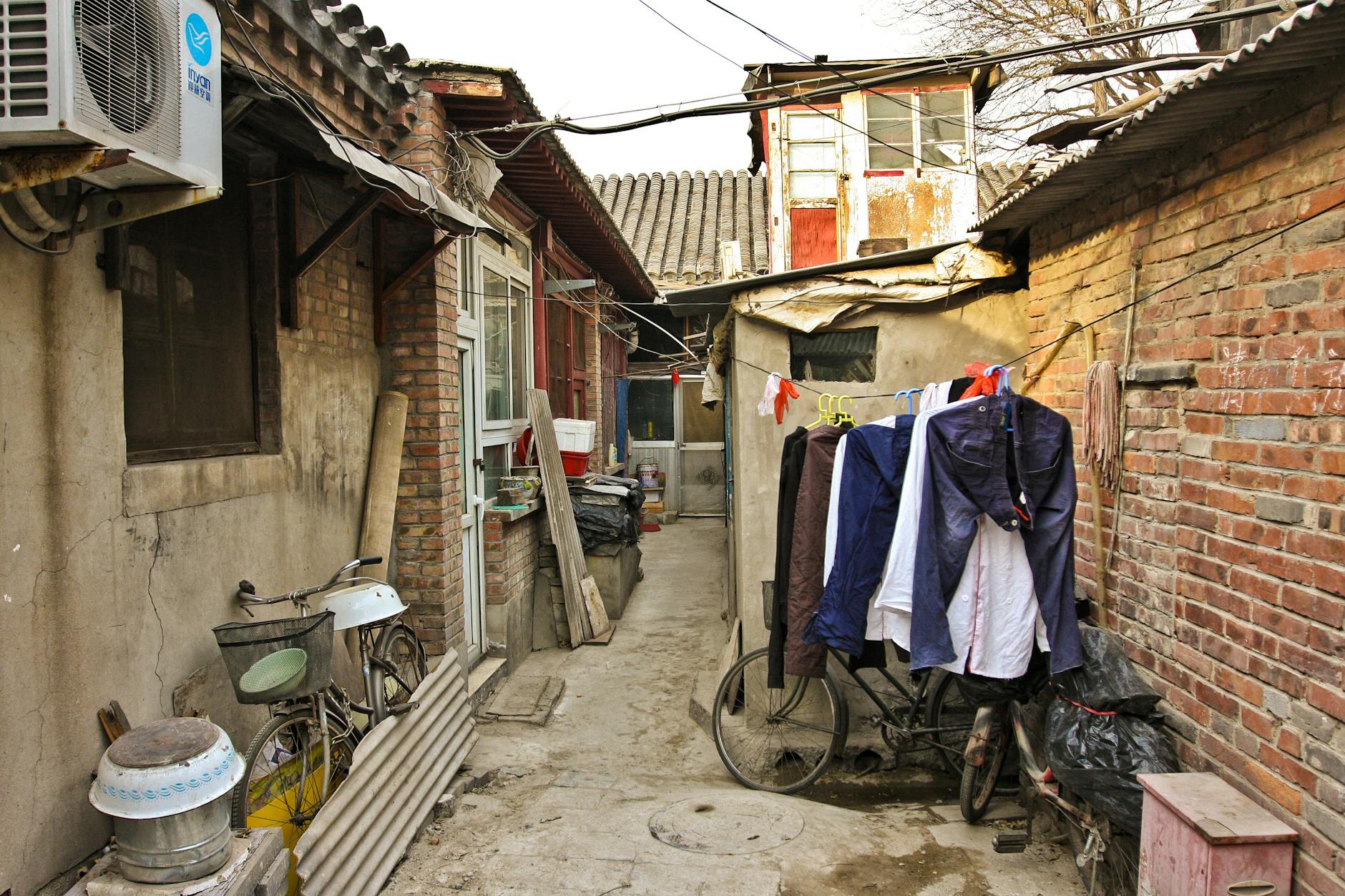
Most itineraries give Beijing three days and spend all three on monuments. Keep one morning free. The Forbidden City and the Great Wall will still be there, and a half-day Mutianyu trip with the toboggan ride down fits an afternoon, so the morning can go to Gulou. Take the metro to Gulou Dajie before 8, buy a jianbing from the first window with a queue, and walk south without a plan until the Drum Tower is behind you and the lake is in front. By the time the tour buses reach Nanluoguxiang you will have seen the Beijing that the monuments were built to rule.


